 CityBuddy
 English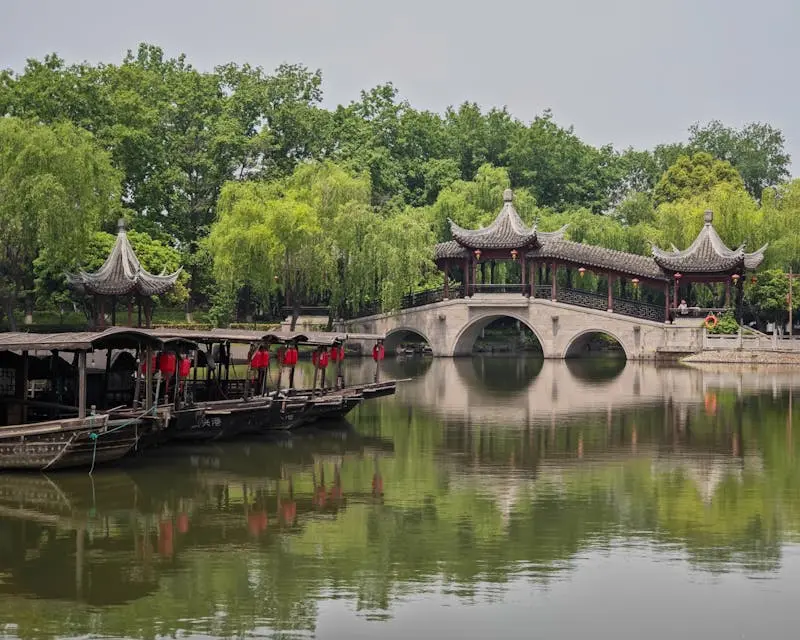
Things to Do in Beijing, China
Photo made by Vind 🌙 on Pexels.com
When to visit
Plan your perfect trip to Beijing, China
Get a complete travel plan built just for you in under 30 seconds, with daily routes, local food tips, budget estimates and more.
Are any of these especially important to you?
Select all that apply
Plan language: EnglishMost popular attractions in Beijing, China
Things to do in Beijing, China include exploring the vast Forbidden City, spanning 180 acres near Tiananmen Square. Visit the Temple of Heaven, a historical complex where emperors prayed for good harvests. For a scenic experience, walk along the Mutianyu Great Wall, about 70 kilometers northeast of the city center, offering stunning views.
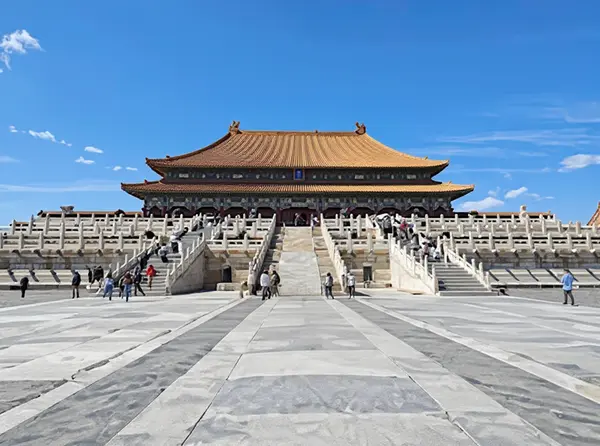
1. Forbidden City
Centre of imperial China for five centuries, where grand palaces and carved halls show Ming and Qing power. Wander vast courtyards, ornate roofs, and ceremonial stairways.
Quick facts: Passing through the vermilion gate, the bluestone slabs amplify footsteps into a rhythm, making one instinctively slow down, as if listening to an old city's whisper. Golden glazed tiles glitter with tiny specks of light under the sun. The entire complex covers about 720,000 square meters, preserving roughly 980 buildings and 8,704 rooms. Even its sheer scale alone evokes an overwhelming sense of solemnity.
Highlights: Walking along the central axis, you will notice that the decorative beasts on the ridge and the painted beams and pillars repeatedly feature the numbers "nine" and "five." They are not mere ornamentation but a language that divides every detail into different ranks based on hierarchy. On a Nine-Dragon Wall in the Imperial Garden, you can count exactly nine dragons, each with a different expression and posture. Under sunlight, the glaze shifts from emerald green to deep blue. Up close, you can also smell the dust of time and the fragrance of tung oil from the wood.
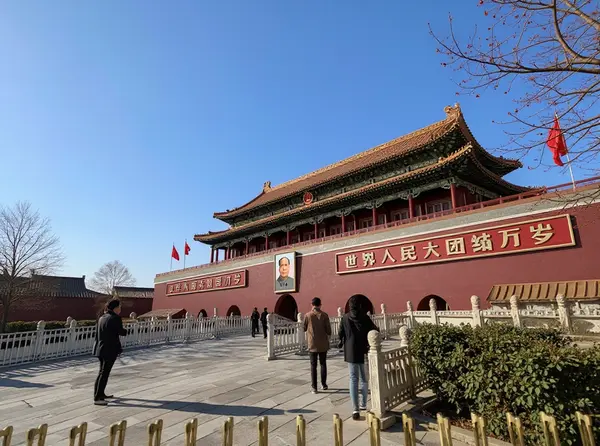
2. Tiananmen Square
Beijing's political heart, packed with monumental history. Walk the vast plaza, see Mao's portrait and the daily flag ceremony.
Quick facts: The open space before you covers about 440,000 square meters, capable of holding gatherings of hundreds of thousands of people, giving an immediate sense of the city's pulse. When you see the monumental portrait and the solemn national flag, the whispers of visitors and the steady rhythm of footsteps amplify that moment into an unforgettable memory.
Highlights: Crowds of onlookers line up in rows in front of the flagpole. Often thousands of people stop to watch. The close-up sound of footsteps and the friction of the flag rope slice the morning air into beats, instantly quieting everyone. Beneath the enormous portrait, one occasionally finds small notes or flowers left by people. Looking closely, you will see handwritten messages from different eras. The rustling of paper in the breeze is like a silent historical dialogue.
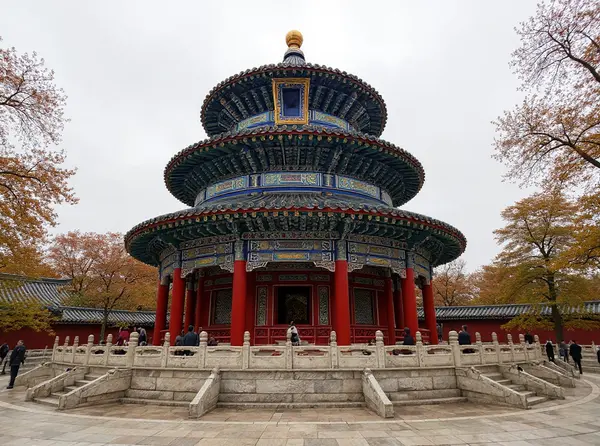
3. Temple of Heaven
Imperial-era park that shows how emperors pleaded for good harvests. Explore the Hall of Prayer for Good Harvests, Echo Wall, circular altars, and locals doing morning tai chi.
Quick facts: As soon as you step into the park, you are immediately drawn by the strong visual rhythm of blue glazed tiles and symmetrical red walls. In the early morning, you can often hear the suona of morning exercisers and the breathing of Tai Chi practitioners. Covering an area of over two hundred hectares, a series of sacrificial buildings are arranged along the central axis, making extensive use of numerical symbolism to express imperial power and the will of heaven.
Highlights: The triple-eaved wooden structure of the Hall of Prayer for Good Harvests is held together without a single nail. The blue glazed tiles shimmer like ripples under the sunlight. Up close, you can also smell the mingled scent of ancient wood and time. Whispering softly beside the Echo Wall near the Circular Mound Altar, the sound can travel tens of meters along the wall. Old Beijingers often test the echo with folding fans or coins, creating a scene that is both quiet and somewhat like a secret performance.
Have you heard of free walking tours?
After traveling to 30+ countries, there's one thing I wish someone had told me from day one, and it completely changed how I experience new cities.
Free walking tours. Yes, actually free. No credit card needed. No catch.
Local guide, 2-3 hours
Major sights, hidden gems, local stories
100% tip-based
Guides earn only tips, so they give their absolute best
You tip what feels right
At the end, just tip whatever you feel is right
I've done these in dozens of cities and they've been the highlight of almost every trip. If you're visiting Beijing, China, do this on your first day. You'll thank me later.
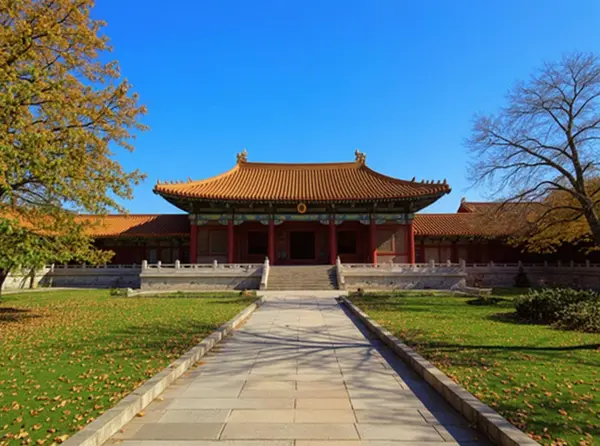
4. Summer Palace
Imperial gardens and lakes offer palace architecture, long corridors, and sweeping views. Walk Longevity Hill, cruise Kunming Lake, and photograph ornate pavilions and bridges.
Quick facts: In a park where lake views and ancient architecture intertwine, there is a large artificial lake that covers about two-thirds of the park. You can take a small boat around several stone bridges and waterside corridors. The corridors\' beams and pillars are painted with thousands of small pictures. While walking, you can often encounter live performances of guqin or Kunqu opera, where sounds and images together tell of daily life in the past.
Highlights: Strolling through the approximately 728-meter-long corridor at dusk, the scent of osmanthus mingles with the smell of old paint. The colorful paintings under the lights appear soft and almost within reach. Legends about the stone boat often mention that Empress Dowager Cixi once held a private lake appreciation event on the painted boat. Tour guides will recount details of her scattering candies for children on her birthday, and one can imagine hearing the small splashes of the candies falling into the water.
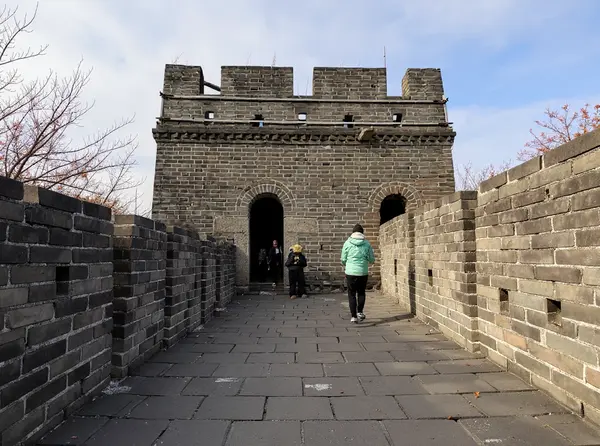
5. Mutianyu Great Wall
Mutianyu's well-restored ramparts and sweeping mountain panoramas reward the short trip from Beijing. Walk restored paths past watchtowers, with cable car or toboggan options for easier access.
Quick facts: Climbing those stone steps, you can immediately feel the cold hard surface of the stones and the low hum of the mountain wind by your ears. The varying height of the steps makes you have to measure your pace with your footsteps. More than 20 beacon towers line the winding defense line. Looking far into the valley, clouds and mist roll like waves. The depth of field and layering effect make the scene especially striking for photography.
Highlights: Following the stone steps to reach Beacon Tower 23, you can smell the scent of pine needles mixed with fallen leaves. Slightly shifting your stance will bring the entire valley and the curve of the wall into view. Many people choose to take the cable car or monorail down the mountain. During the glide, looking down at low altitude reveals the continuous undulating brick wall and dark forest belt. The sound of the wind cutting past your ears is even more unforgettable than the photos.
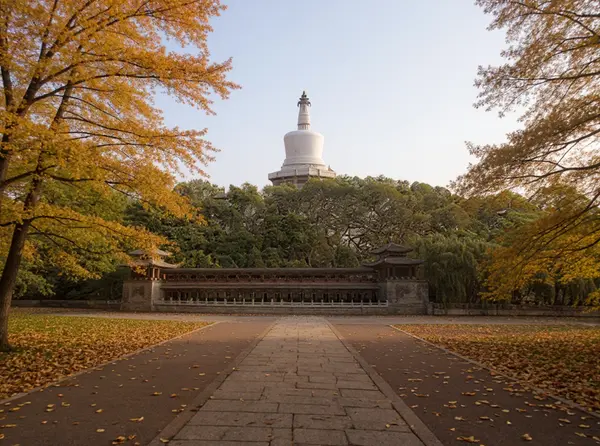
6. Beihai Park
Imperial gardens and a lakeside white stupa provide peaceful contrast to central Beijing. Wander willow-lined paths, take a boat to Qionghua Island and climb for skyline views.
Quick facts: The white pagoda is visible at a glance, guarding the vast lake, surrounded by ancient bridges and winding paths waiting to be slowly explored. The scent of weeping willows and osmanthus often mingles by the shore, and walking on the embankment, one can often smell the faint fragrance of flowers and water vapor, naturally slowing one's pace.
Highlights: The inscribed poems and stone carvings left by Emperor Qianlong are hidden in the quiet alleys of the island. As you get closer, you can see the fine lines weathered by the wind in each stroke, like fingerprints of time written on the stone surface. The afterglow dyes the white pagoda a warm gold, and when the breeze blows, you can hear the rustling of reeds. Under the moonlight, the lake unfolds a silver path, and the scenery is as quiet as a softly sung song.
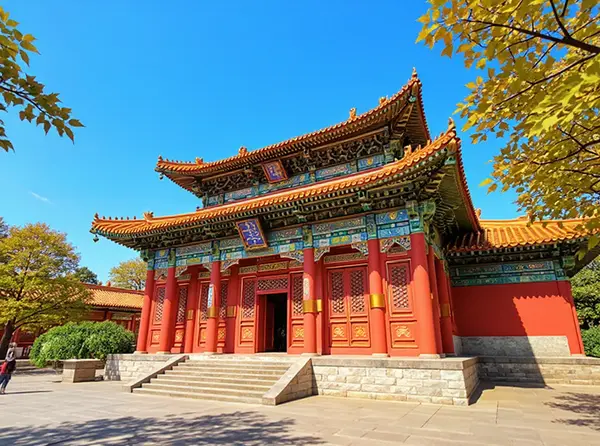
7. Lama Temple
Ancient Tibetan Buddhist temple with ornate halls and a towering Maitreya Buddha. Walk incense-filled courtyards, watch devotees and admire vivid murals and giant statues.
Quick facts: Stepping inside the hall, the rich scent of sandalwood and the woody fragrance of aged timber immediately surround you. The air carries a quiet, warm, and gentle atmosphere. A Maitreya Buddha carved from a single piece of sandalwood stands about 26 meters tall. When sunlight streams through the window lattices onto the statue, it glows with a warm golden luster.
Highlights: Beside an old cypress tree in the courtyard, people often tie red cloth strips inscribed with wishes. The longest can be over three meters. When the wind rises, the cloth strips flap and rustle, like whispered rhythms of prayers. Locals have a custom of tossing copper coins into a small incense burner on the side. If the coin hits the rim, it is said the wish will come true within three years. The clear clink when it lands makes the heart skip a beat.
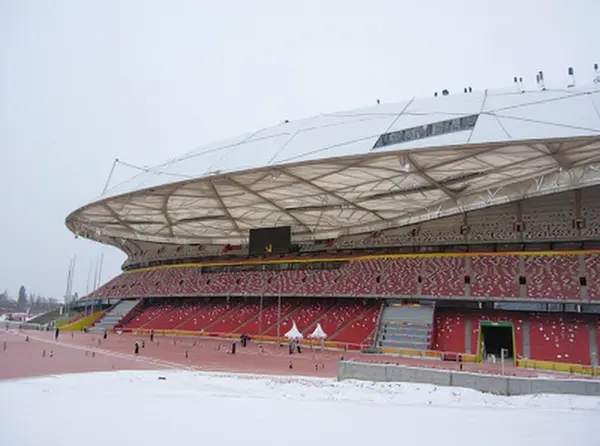
8. Beijing National Stadium
Iconic 'Bird's Nest' stadium, a landmark of modern Beijing. Walk the exterior, shoot dramatic photos and soak up Olympic history.
Quick facts: Its exterior resembles a giant woven steel net. Under the night lights, it casts complex shadows, looking from afar like a giant bird perched on the ground. It can hold about 91,000 spectators. During major events or concerts, the overwhelming sensation of the crowd's roar blending with drumbeats leaves a lasting impression.
Highlights: A little-known detail is that its outer shell uses about 42,000 tons of steel. Up close, you can feel the cold hardness of the metal and the heavy structural presence. An unforgettable scene was when gymnastics legend Li Ning was suspended in the air to light the main torch. The television footage magnified his silhouette arcing through the sky before the eyes of billions of viewers.
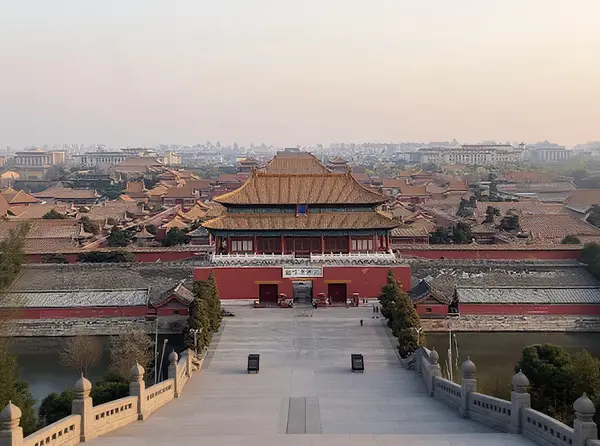
9. Jing Shan Park
Panoramic views over the Forbidden City reward the climb to Jing Shan Park's central hill. Sunrise light, temple pavilions and locals practicing tai chi make each visit vivid.
Quick facts: A compact, tree-clad hill rises at the center, topped by classical pavilions and short stairways that reward a quick climb with sweeping views. Fragrant plum blossoms scent the air and groups practicing tai chi create a gentle rhythm along worn stone paths.
Highlights: Climb to the highest pavilion where five small peaks line the ridge, the 360-degree lookout frames a patchwork of ancient roof tiles and treetops stretching to the horizon. A plaque marks the precise spot where Emperor Chongzhen took his own life in 1644, the wind through the eaves often making the wooden railings creak like the echo of that moment.
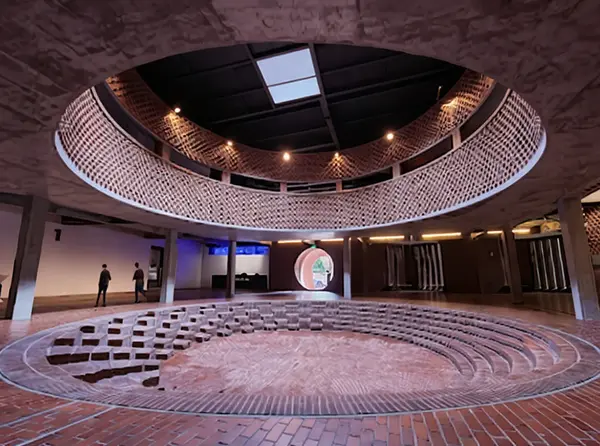
10. Red Brick Art Museum
Bold contemporary art in striking red-brick architecture, a refreshing alternative to crowded museums. Explore rotating shows, spacious galleries, and photogenic courtyards.
Quick facts: Low red-brick pavilions are arranged like a small village, with courtyards and winding paths that blur the line between indoor galleries and outdoor sculpture spaces. Quiet galleries host a rotating mix of contemporary painting, installation, and performance, so visitors often encounter experimental projects alongside more familiar works.
Highlights: At golden hour the brick surfaces warm to a soft amber, making photographs look like they're lit from within and turning ordinary sculptures into dramatic silhouettes. Visitors often notice a narrow shaft of sunlight that, for a sliver of an hour, aligns with a single piece and casts a perfect, elongated shadow across the gallery floor.
Where to Stay in Beijing, China
Selected by City Buddy based on guest reviews and proximity to top attractions
Search all hotels in Beijing, ChinaPowered by agoda
Traditional Sweet Dishes

Tanghulu
Skewered hawthorn fruits coated in a hard sugar glaze, Tanghulu is a bright, crunchy street snack especially popular in winter and often sold outside temples and markets in Beijing.
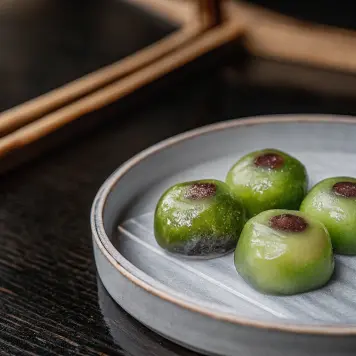
Aiwowo
A traditional Manchu-origin glutinous rice ball filled with sweet bean paste, peanuts or sesame, Aiwowo became associated with Beijing palace snacks and remains a festive local treat.
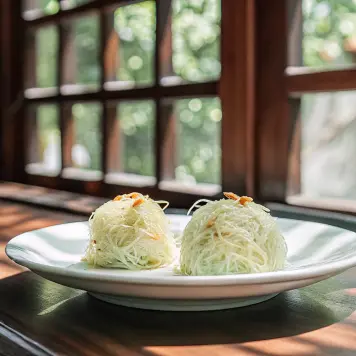
Dragon's Beard Candy
Made by repeatedly pulling sugar into thousands of fine strands and wrapping them around chopped peanuts and coconut, Dragon's Beard Candy is a delicate, showy sweet often seen in Beijing snack markets.
Traditional Savory Dishes

Peking Duck
Crisp, lacquered roast duck carved tableside and served with thin pancakes, scallions and sweet bean sauce, Peking Duck is the quintessential symbol of Beijing cuisine and imperial banquets.
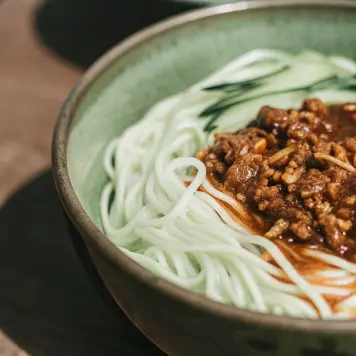
Zhajiangmian
Wheat noodles tossed with a rich fermented soybean paste and minced pork, Zhajiangmian is a hearty, comforting dish rooted in northern China and beloved across Beijing.
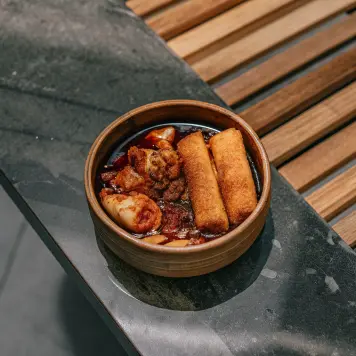
Luzhu Huoshao
A robust old Beijing stew of pork offal braised in a savory soy broth, Luzhu Huoshao is traditionally eaten with huoshao, a crisp baked wheat cake, and represents classic working-class flavors.
Traditional Beverages
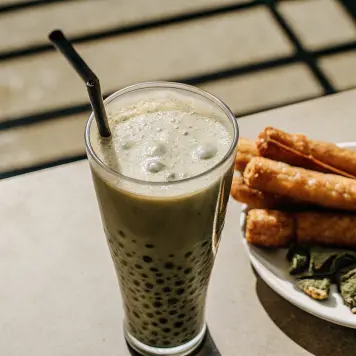
Douzhi
A thick, slightly sour fermented mung bean drink, Douzhi is a traditional Beijing breakfast beverage often paired with fried dough sticks and pickles, and it is considered an acquired taste.

Suanmeitang
Sour plum drink made from smoked plums and sugar, Suanmeitang is a cooling sweet-sour beverage popular in Beijing summers and sold by street vendors and teahouses.

Jiuniang
Sweet fermented rice with soft grains and low alcohol, Jiuniang is served warm as a dessert beverage during festivals and family meals in northern China, including Beijing.
Frequently Asked Questions about Beijing, China
Q: "Which months are the best time to visit Beijing?"
Q: "Is the cost of living high in Beijing?"
Q: "How is public transportation in Beijing?"
Q: "How many tourists does Beijing receive each year?"
Q: "What is the most convenient way to get around in Beijing?"
Get a PDF with the most popular attractions sent to your email
Get a PDF with all attractions, ratings, and tips. Perfect for offline use.
Most popular day trips
Mutianyu Great Wall
Scenic restored section with fewer crowds, cable car and toboggan.
Badaling Great Wall
Easily accessible, iconic restored section, visitor center and museums.
Tianjin
Port city with European architecture, food markets and riverside promenades.
Longqing Gorge
Dramatic canyon lake, cable car, seasonal ice lantern festival in winter.
Getting there
Airports
Train stations
High-speed lines to Shanghai, Tianjin, Guangzhou, Wuhan, frequent departures.
Long-distance services to Xi'an, Chengdu, Chongqing, southwest China.
Use the Airport Express or Daxing metro to reach central Beijing fast; book high-speed train tickets in advance.
Find flights to Beijing, China
Click to get eSim for Beijing, China
The easiest and most affordable way to get mobile internet wherever you travel.
Useful information for Beijing, China
Overview for Beijing, China
Most popular itineraries for Beijing, China
Browse trip plans created by other travelers
3-Day Relaxed Spring Discovery in Beijing
A gentle-paced 3-day itinerary in Beijing focusing on popular landmarks, scenic walks, cozy cafes, local shops, and leisure time to savor the spring atmosphere.
7 Dias em Pequim: Aventura de Verão entre História e Modernidade
Explore a fascinante capital da China em 7 dias inesquecíveis, com visitas a templos milenares, a Grande Muralha, arte contemporânea e a vibrante cultura local sob o sol quente do verão.
Comments (9)
Climbed the Great Wall at Mutianyu early morning, barely any tour buses, magical sunrise moment despite the chill.
Spring or autumn are unbeatable, not too hot or cold, and fewer crowds. Winter is cheap but freezing and some parks close.
Very crowded and smoggy on weekends, expect jostling at sights. Still the history is mind-blowing, give 4 to 5 days to see the highlights.
Grab a Beijing transport smart card at the first metro stop, it speeds transfers and is cheaper than single fares if you ride a lot.
Thought it would feel more modern, lots of construction and tourist traps, overpriced restaurants near big squares left a sour taste.