 CityBuddy
 English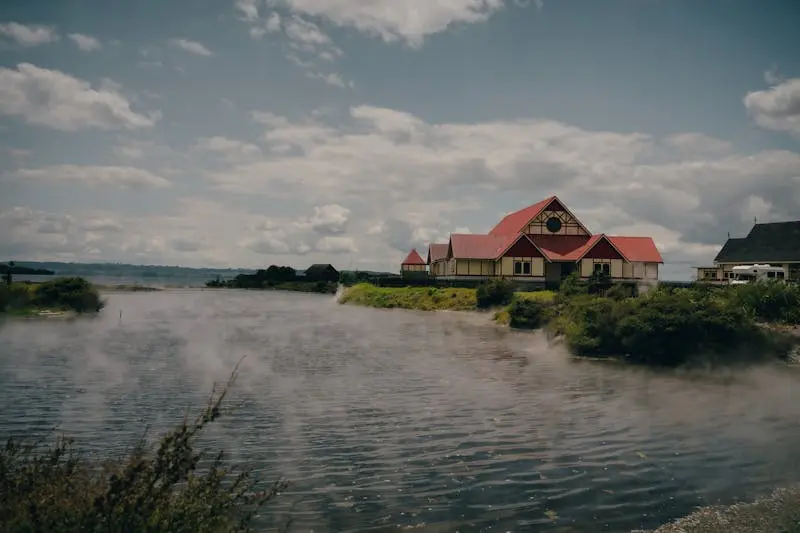
Things to Do in Rotorua, New Zealand
Photo made by Jessica Westermann on Pexels.com
When to visit
Plan your perfect trip to Rotorua, New Zealand
Get a complete travel plan built just for you in under 30 seconds, with daily routes, local food tips, budget estimates and more.
Are any of these especially important to you?
Select all that apply
Plan language: EnglishMost popular attractions in Rotorua, New Zealand
Are you looking for the best things to do in Rotorua, New Zealand? Be sure to visit Wai-O-Tapu Thermal Wonderland with its vibrant 20,000-year-old thermal springs. Walk the Redwoods Treewalk, a 23-meter-high trail among giant sequoias, and relax in the healing waters of Polynesian Spa on the shores of Lake Rotorua.
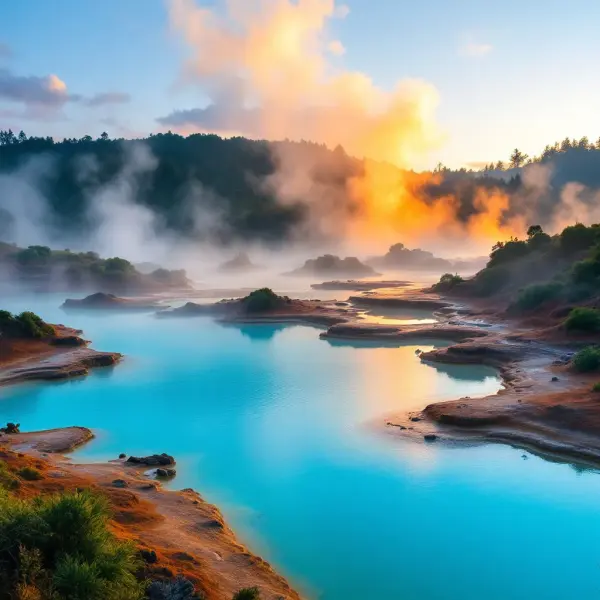
1. Wai-O-Tapu Thermal Wonderland
A land that breathes, bubbles and smells of sulfur. Walk between pools in shades of emerald, blood and lemon while boiling magma bubbles under your feet.
Quick facts: Formed 160,000 years ago by a series of volcanic eruptions, this geothermal area releases more than 20 tons of sulfur vapor into the air every day. Its famous Chardonnay pool, emerald green in color, owes its appearance to arsenic and other minerals, not the grape variety as the name suggests.
Highlights: The Artist's Palette changes colors several times a year depending on bacteria and minerals, creating shades from lemon yellow to dark orange that look as if someone spilled paint on the ground. The Lady Knox Geyser erupts daily at exactly 10:15 AM, reaching heights of 10 to 20 meters, but only because staff activate it with soap, a traditional trick over a hundred years old.
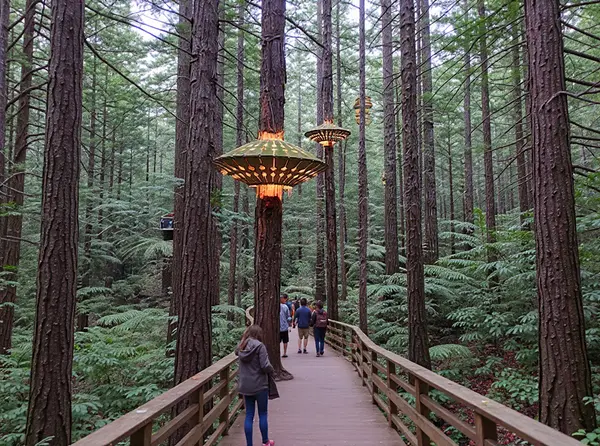
2. Redwoods Treewalk
Walk through the treetops of an ancient rainforest and feel the power of nature from a bird's eye view. Light bridges lead you from tree to tree, while a green carpet of rainforest spreads beneath your feet.
Quick facts: Visitors walk 23 meters above the ground across 28 suspended platforms connected by light steel bridges. A tree over 1000 years old, known as 'Te Matua Ngahere', dominates the forest with its massive canopy.
Highlights: At night, the trails turn into a light spectacle with hundreds of hand-placed lanterns hanging among the branches like fireflies. After dark, the forest becomes a completely different world, and the scent of damp moss and earth almost hypnotizes you as you walk through the canopy.
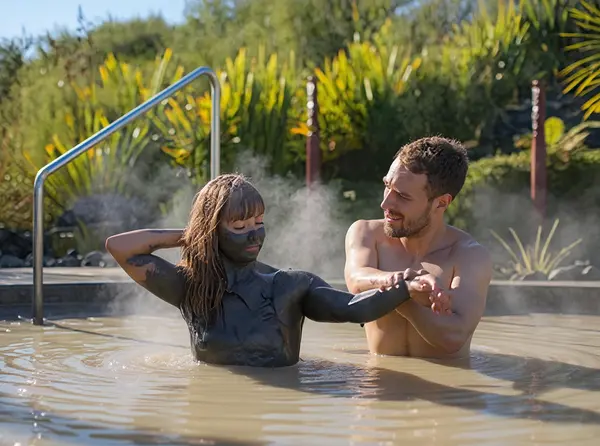
3. Hell's Gate Geothermal Park & Mud Bath Spa
The only place in the world where you can bathe in natural geothermal mud. Dive into warm mud pools, then relax in sulfur water while clouds of steam surround you from the ground.
Quick facts: Steam vents and mud pools here reach temperatures of up to 40°C, and geothermal activity extends across as much as 10 hectares. Naturally heated mud rich in sulfur and minerals has been used for decades for skin care and muscle relaxation.
Highlights: Most visitors do not know that this place has the only natural mud pool in the entire South Pacific that is also completely legal for swimming. Dive into the warm, velvety mud that slowly bubbles as your skin absorbs the minerals, and then rinse off in a sulfur water spring. You literally feel as if you have been given new skin.
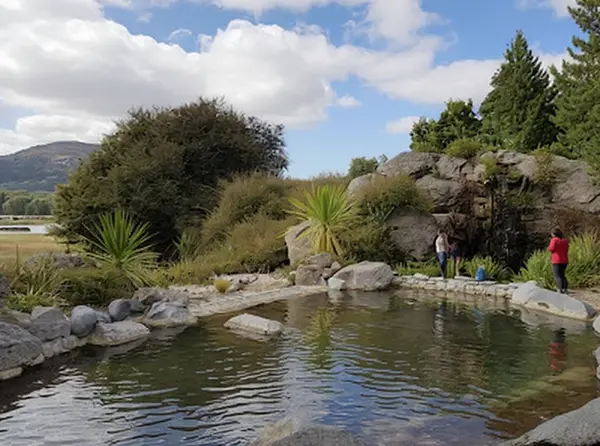
4. Polynesian Spa
Natural geothermal pools with mineral-rich water relax both body and soul. Surrounded by steam and the smell of sulfur, you will sink into warmth that completely isolates you from the world.
Quick facts: The entire complex is filled with natural geothermal water that reaches temperatures of up to 40 °C at the source. Each pool contains a different mineral composition, from alkaline to acidic waters, depending on the source from which it comes.
Highlights: Imagine lying in a warm pool while clouds of steam pass above your head, and before you stretches a view of the blue lake and green hills. At night, steam rises from the water, creating a mystical atmosphere under the spotlights, while the scents of sulfur and eucalyptus mix around you.
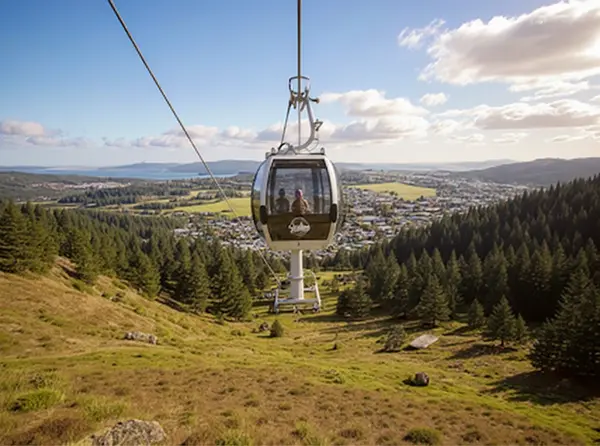
5. Skyline Rotorua
The best view of Rotorua and its three lakes from a single gondola. Delicious food, adrenaline luge ride and breathtaking sunsets.
Quick facts: By gondola you ascend 487 meters above Rotorua, and from the top there is a view of three lakes and a volcanic landscape that steams at every step. This is also home to the steepest gondola system in the southern hemisphere, making the ride itself an adventure.
Highlights: At night, the entire complex turns into a sea of a thousand lights illuminating the slope of Mount Ngongotaha, while down in the distance geothermal steam clouds from the Whakarewarewa Valley can be seen. That is why many visitors say that the sunset gondola ride with a glass of local wine is what they remember for a lifetime.
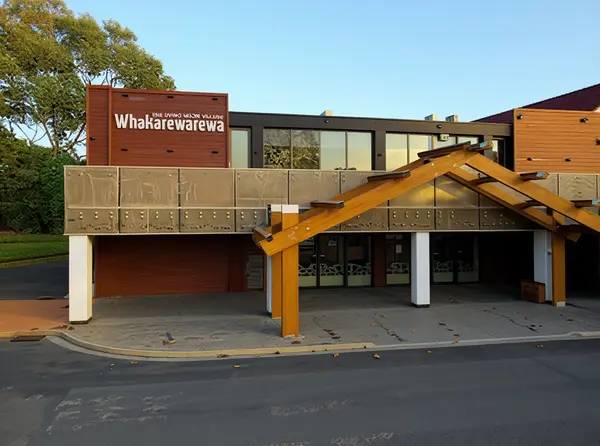
6. Whakarewarewa - The Living Māori Village
The Living Māori Village
The only place in the world where people live in the middle of an active geothermal field. You will walk through clouds of steam, taste food cooked on the springs and meet real descendants of warriors.
Quick facts: This living Māori village is located on an active geothermal field with springs reaching up to 120°C. The 20 or so members of the Tūhourangi-Ngāti Wāhiao tribe here cook, wash, and heat their homes daily using natural steam and hot springs.
Highlights: The villagers cook food in hanging baskets above the hot geothermal spring called Pohutu, and the steam temperature reaches 100°C. The first time you see someone lowering meat and vegetables into a natural steam hole carved into the ground, you realize the whole place is actually one giant, living kitchen stove.
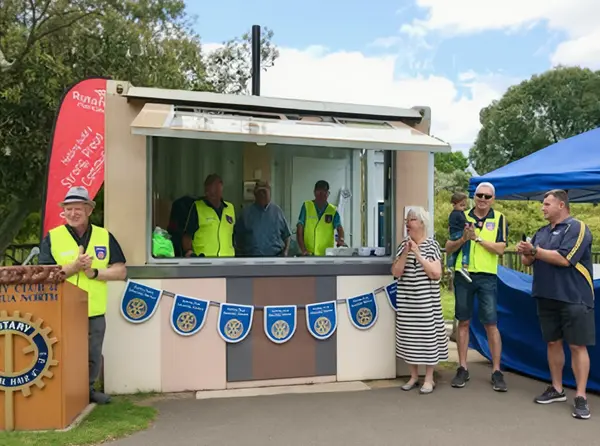
7. Kuirau Park
The only park in the world where you can watch boiling mud pools for free in the middle of the city. You will walk on paths that wind between hot springs, steam and exotic plants. (176 characters)
Quick facts: More than 60 hot springs and muddy puddles are scattered throughout this public park, and the water temperature in some reaches 100°C. The park is completely free for visitors and open 24 hours a day, 365 days a year.
Highlights: You can touch the heated ground with your own hands, which is boiling just below the surface at temperatures up to 120°C, while jets of steam burst out between your feet. There is no fence, no barrier, just you and raw volcanic energy literally beneath your feet.
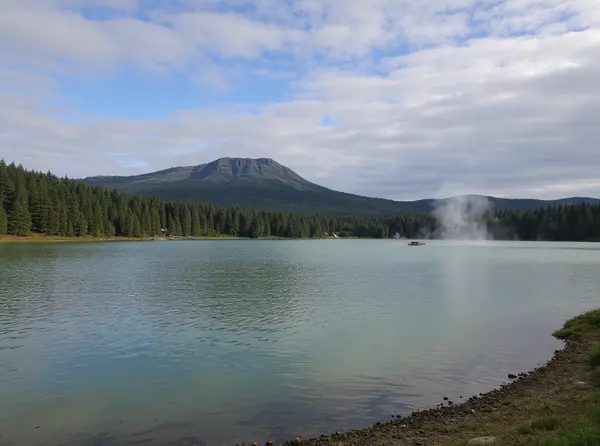
8. Lake Rotorua
Naturally heated water and a mystical atmosphere you will not find anywhere else. Walk along the shore as geothermal steam clouds rise from the water.
Quick facts: With an area of 80 square kilometers, it is the largest lake on the North Island. The water is mildly sulfurous and has a characteristic milky blue color due to dissolved minerals and geothermal springs at the bottom.
Highlights: Imagine bathing in water that naturally steams at 40°C in the shallows because geothermal springs mix with the cooler lake water. The local Māori tribe Te Arawa believes the lake is a sacred place where ancestral spirits travel between worlds, and each year they hold a ceremony on the shore that tourists rarely see.
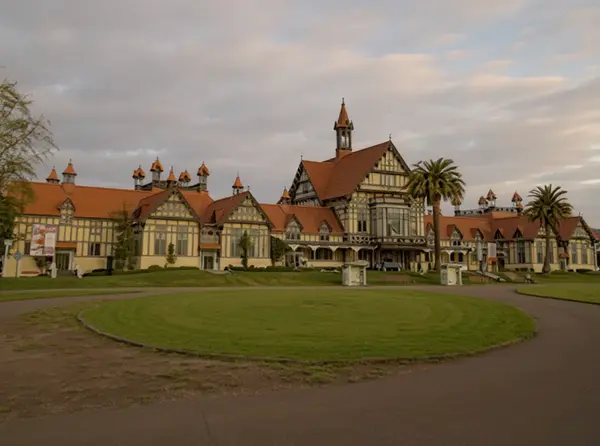
9. Rotorua Museum
A fairytale building with thermal baths that healed the whole world. Walk through the gardens and find out why this place was a mecca for the rich and artists.
Quick facts: A former spa complex from 1908 hides stories of patients who came to treat rheumatism in thermal baths. The building suffered serious damage in the 2023 earthquake and cannot currently be visited inside.
Highlights: One of the largest underground thermal springs in the southern hemisphere flows beneath the building, which once heated a 30 meter long pool. Visitors used to bathe in sulfur rich water while observing geothermal bubbles rising from the earth through a floor window.
Where to Stay in Rotorua, New Zealand
Selected by City Buddy based on guest reviews and proximity to top attractions
Search all hotels in Rotorua, New ZealandPowered by agoda
Traditional Sweet Dishes
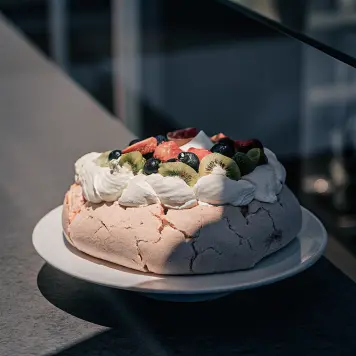
Pavlova
Pavlova is a beloved meringue-based dessert topped with fresh fruit and whipped cream. It is named after the Russian ballerina Anna Pavlova who toured New Zealand and Australia in the 1920s.
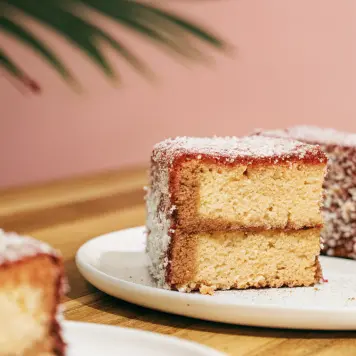
Lamington
Lamingtons are sponge cake squares coated in chocolate icing and rolled in shredded coconut. They are a popular treat at school fundraisers and bake sales throughout Rotorua and all of New Zealand.
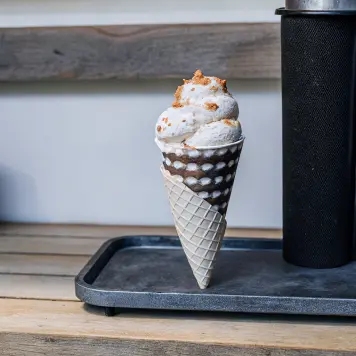
Hokey Pokey Ice Cream
Hokey Pokey ice cream features vanilla flavored ice cream with small pieces of honeycomb toffee. It is considered New Zealand's most iconic ice cream flavor and is widely enjoyed in Rotorua.
Traditional Savory Dishes
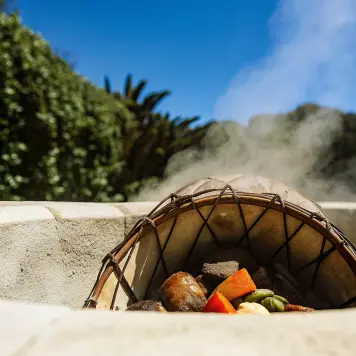
Hangi
Hangi is a traditional Maori method of cooking food using heated rocks buried in a pit oven. Rotorua is famous for its geothermal areas where locals have historically used natural steam vents for cooking.

Paua Fritters
Paua fritters are made from minced abalone mixed with batter and fried until golden. This savory dish showcases New Zealand's prized shellfish and is a popular takeaway food in Rotorua.
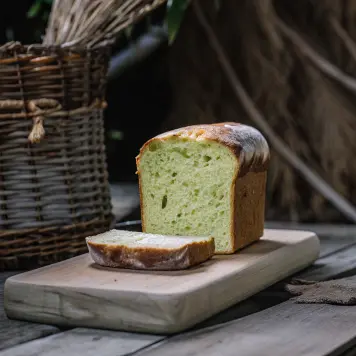
Rewena Bread
Rewena bread is a traditional Maori sourdough bread made using fermented potato starter. It has a unique tangy flavor and dense texture, often served alongside hangi meals in Rotorua.
Traditional Beverages

L&P (Lemon and Paeroa)
L&P is a sweet lemon-flavored carbonated soft drink that originated in New Zealand. Its name comes from lemon juice blended with naturally carbonated water from the town of Paeroa.

Manuka Tea
Manuka tea is made from the leaves of the native manuka tree, which is also the source of the famous manuka honey. It has a distinctive earthy and slightly herbal taste and is valued for its health benefits.
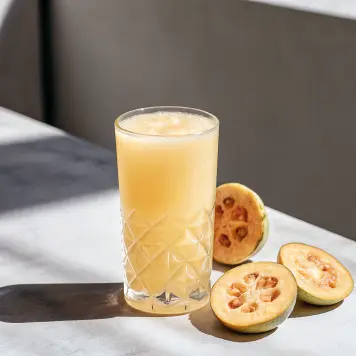
Feijoa Juice
Feijoa juice is made from the feijoa fruit, which grows abundantly in New Zealand gardens. The fruit has a unique aromatic flavor that combines notes of guava, pineapple, and mint.
Frequently Asked Questions about Rotorua, New Zealand
Is Rotorua in New Zealand safe?
How many days should I spend in Rotorua, New Zealand?
What is the best time to visit Rotorua, New Zealand?
Is Rotorua in New Zealand expensive?
How do I get around Rotorua, New Zealand?
Get a PDF with the most popular attractions sent to your email
Get a PDF with all attractions, ratings, and tips. Perfect for offline use.
Most popular day trips
Waitomo Caves
Famous glowworm caves and underground limestone formations
Tongariro National Park
Alpine volcanic park with legendary hiking trails
Getting there
Train stations
Northern Explorer (Auckland to Wellington via Rotorua)
Rotorua Airport is 10 minutes from city center by taxi or shuttle. Buses and rental cars are also easy options.
Find flights to Rotorua, New Zealand
Click to get eSim for Rotorua, New Zealand
The easiest and most affordable way to get mobile internet wherever you travel.
Comments (8)
Murupara Springs was incredible at sunset. Hot pools after a long day of hiking fixed my sore legs completely.
Skip the fancy restaurants on the main strip. Go to Eat Street and look for the small places with plastic chairs, that's where the real food is.
Rotorua surprised me. The smell is real but you get used to it after an hour. Would stay 3 days max.
Pack a reusable water bottle. The natural hot springs have drinkable water taps around town and it saves buying plastic bottles.
Honestly a bit overpriced for what it is. Every attraction charges entry fees and they add up fast.