 CityBuddy
 English
Things to Do in Sighișoara, Romania
Photo made by Jakub Zerdzicki on Pexels.com
When to visit
Plan your perfect trip to Sighișoara, Romania
Get a complete travel plan built just for you in under 30 seconds, with daily routes, local food tips, budget estimates and more.
Are any of these especially important to you?
Select all that apply
Plan language: EnglishMost popular attractions in Sighișoara, Romania
Among the best things to do in Sighișoara, Romania, exploring the UNESCO-listed Sighișoara Citadel is a must. Climb the 175 steps of the Clock Tower (Turnul cu Ceas) to admire the panoramic view. Do not miss the Vlad Dracul House, where the famous ruler is said to have been born in the 15th century.
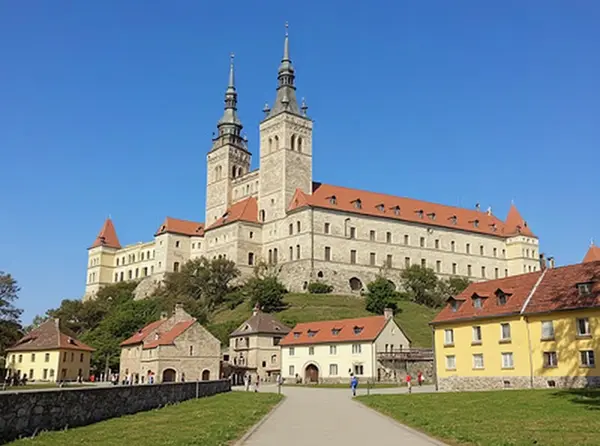
1. Sighișoara Citadel
"A medieval fortress still alive where families live in houses 500 years old. You will wander through cobblestone alleys lined with colorful towers, lulled by the bells that still set the rhythm of local life."
Quick facts: Perched on a strategic hill, the citadel has 164 houses classified as historical monuments, all inhabited as in the Middle Ages. Its nine defensive towers, built by nine guilds of artisans, still bear the symbols of the corporations that financed them.
Highlights: The Clock Tower hides a 17th-century mechanism that sets in motion each hour 12 small carved figurines, including an executioner striking the seconds. The covered wooden stairways, 175 steps long, offer a sensory climb where every creak of the boards tells the story of the schoolchildren who have used them since 1642.
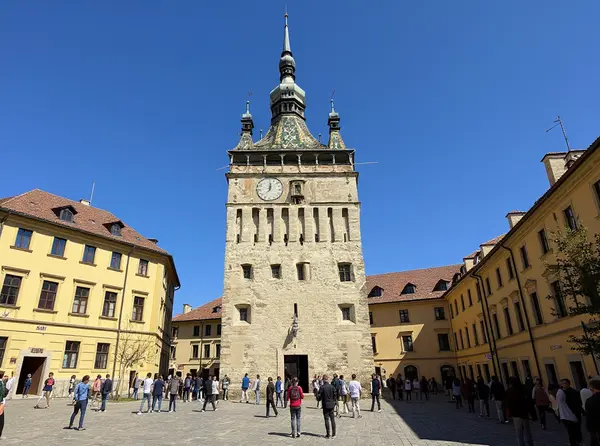
2. Clock Tower (Turnul cu Ceas)
Turnul cu Ceas
"Climb 175 steps for a breathtaking view of the best preserved medieval city in Europe. You will discover a 376-year-old clock mechanism and dancing figurines as you ascend."
Quick facts: The 64 meters in height offer a panoramic view of the colorful rooftops of the medieval city, after climbing 175 spiral steps. The original clockwork mechanism dates from 1648, still functioning today, making it one of the oldest working clocks in Central Europe.
Highlights: Inside, hand-painted figurines 2 meters tall represent the twelve apostles and allegories of justice, slowly turning on their platform every hour. Their sculpted faces bear different expressions depending on the season, a detail that few visitors notice when looking up.
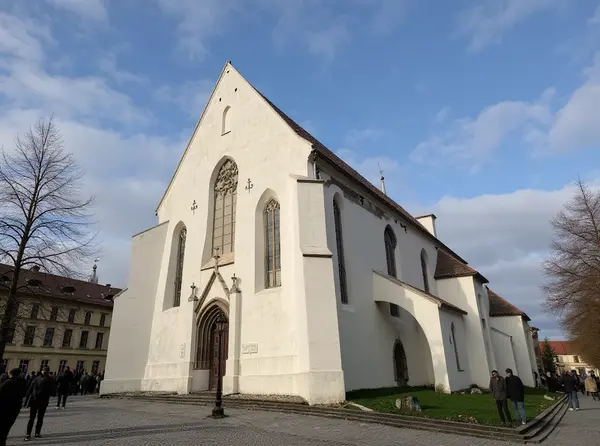
3. Church of the Dominican Monastery
"Where 15th-century frescoes survive in their original brilliance, a journey through time awaits the curious. Enter through the iron-ringed oak door to discover an acoustics so perfect that the slightest whisper carries to the vault."
Quick facts: Dominicans in white robes and black cloaks built this place of worship in the 15th century, connecting the church to the monastery by a suspended passage unique in Transylvania. Its original frescoes, covered for centuries under 14 layers of whitewash, were rediscovered in 1957 and today amaze visitors with their still-vibrant colors.
Highlights: The 103-step spiral staircase, carved from solid oak in 1642 by a local craftsman whose name can still be guessed engraved in a beam, leads to a chapter house where a scent of incense lingers, persisting through generations. The 47 keystones of the nave each depict a different human face: monks, nobles, and villagers from the period, like a gallery of portraits frozen in stone.
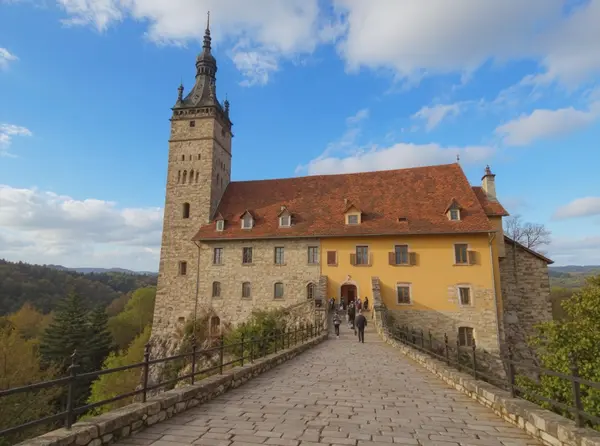
4. Sighișoara Fortress
"A 12th-century citadel where people still live behind 12-meter-high walls. Climb the 175 steps of the Clock Tower to take in the colorful roofs of the lower town."
Quick facts: Its 14th-century ramparts still shelter 164 inhabited houses, making the citadel one of the rare historic centers in Europe that remains fully alive. Nine defensive towers, each once maintained by a different artisan guild, punctuate the medieval walls.
Highlights: Every year in July, hundreds of teenagers dressed as knights, witches and dragons invade the cobblestone alleys for the Festival of Medieval Arts, turning the fortress into a true Middle Ages encampment. The smells of wood-fired bread and the clashing of metal swords then echo under the centuries-old arcades.
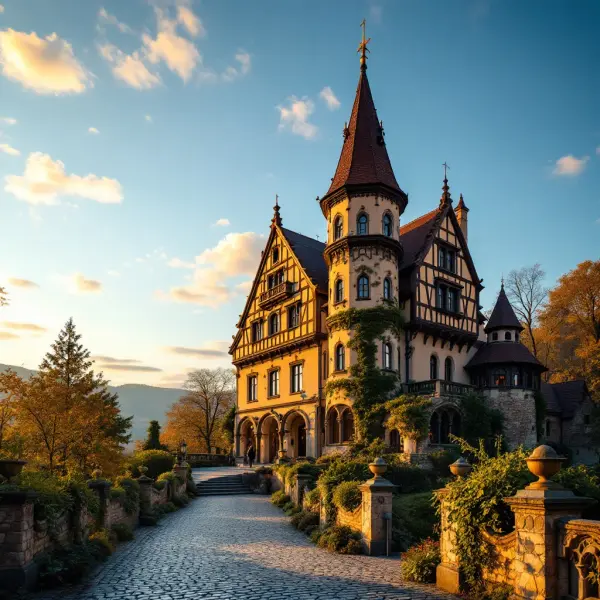
5. Vlad Dracul House
"A small secret museum where the troubled history of Vlad Țepeș comes to life between century-old stone walls. You will climb a narrow wooden staircase, explore dimly lit rooms and feel the weight of the past."
Quick facts: Behind these medieval walls is said to have lived young Vlad Țepeș, the one who would later become the inspiration for Count Dracula. The house dates from the 15th century and its original wealthy merchant, not the famous voivode, was the main owner.
Highlights: The dragon carved above the door is not a tribute to Dracula, but the symbol of the Order of the Dragon to which Vlad's father belonged. Looking up, you can still see the graffiti left by 19th-century visitors, silent witnesses to several hundred years of passage.
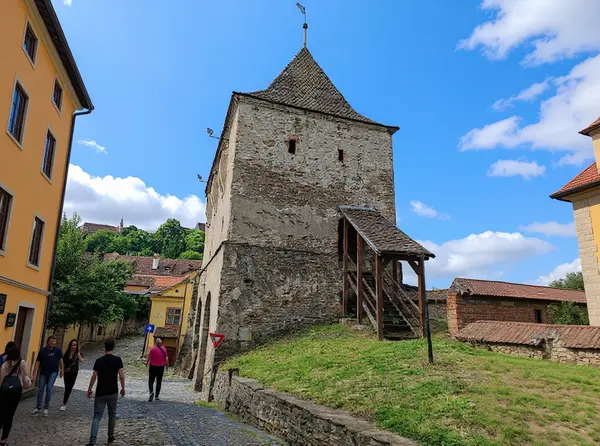
6. Shoemakers' Tower
"Climb to the top for a breathtaking view of the best preserved medieval citadel in Europe. The narrow creaking staircase tells 700 years of history with each step."
Quick facts: Standing 64 meters tall, this defensive tower once served as a lookout against invasions. Every year, thousands of visitors climb its 168 wooden steps to admire the view.
Highlights: The wooden hoardings that encircle the top are unique in Transylvania, remnants of an intact medieval defensive system. In clear weather, you can see the foothills of the Carpathians that surround the valley, a panorama that has not changed since the 14th century.
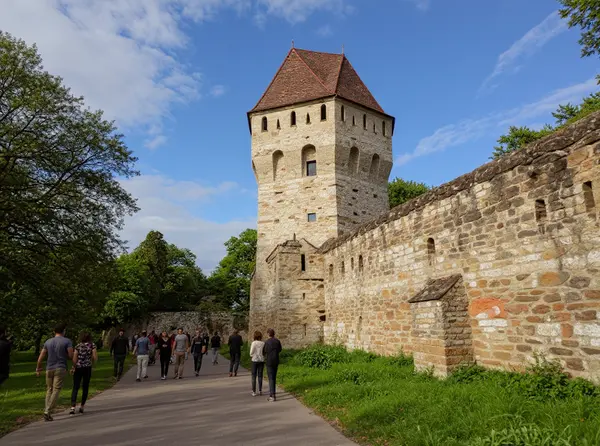
7. Tinsmiths' Tower
"Climb to the top for an unbeatable view of the old fortified city. You will discover a century-old staircase, a craft exhibition and the breath of the wind between the ramparts."
Quick facts: 64 meters high, this tower was an integral part of the city's medieval fortifications. Its construction began in the 14th century and it once served as a meeting place for the tinsmiths' guild.
Highlights: What is most surprising are the 175 wooden stairs that creak under your feet as you climb to the top, each one carved by centuries of artisans. From the observation platform, you discover a 360-degree panorama of the citadel's colorful rooftops, with the church bells ringing right next to you.
8. Butchers' Tower
"Climb to discover the only tower in Europe inhabited by the city's executioner. You will tread the same worn stone steps as this shadowy craftsman who lived in seclusion at the top of the hill."
Quick facts: Perched at the top of the hill, this defensive tower once served as the residence of the town's executioner, a profession both feared and despised. Its medieval silhouette stands proudly among the nine towers still standing of the fourteen that originally protected Sighișoara.
Highlights: Unlike the other defensive towers entrusted to guilds, this one was assigned to the executioner, a man living on the fringes of society. Its narrow staircases and dark rooms still tell the story of the isolated daily life of the man who carried out sentences while being forbidden from frequenting the town's taverns.
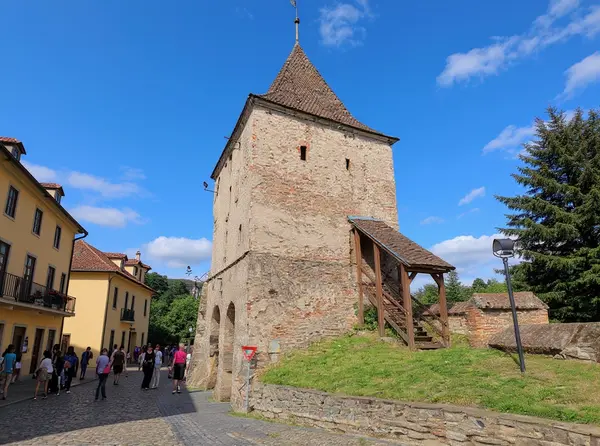
9. Tailors' Tower
"Climb to the top of one of the best preserved defense towers in central Europe. You will discover a collection of period stonemason tools and an unbeatable view of the colorful roofs of the citadel."
Quick facts: Standing 64 meters tall, this tower is one of nine still standing of the fourteen that protected the medieval citadel. The tailors stored their precious merchandise there and organized the defense of this section of the ramparts.
Highlights: Climb to the top floor and place your hand on the oak beams carved by 15th-century artisans, still marked by their initials. In clear weather, the belfry offers a 360-degree view where you can make out the three fortified churches of the valley, a spectacle that has remained virtually unchanged for 500 years.
Where to Stay in Sighișoara, Romania
Selected by City Buddy based on guest reviews and proximity to top attractions
Search all hotels in Sighișoara, RomaniaPowered by agoda
Traditional Sweet Dishes
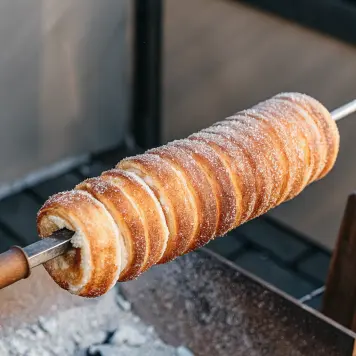
Kürtőskalács (Chimney Cake)
This iconic spiral-shaped pastry is baked over a charcoal fire and rolled in cinnamon sugar. It originated in Transylvania and has been a staple at Sighișoara's medieval festivals for centuries.
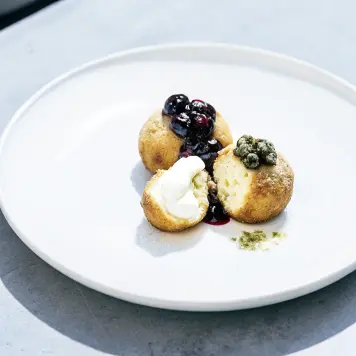
Papanasi (Romanian Doughnuts)
These deep-fried cheese doughnuts are served with sour cream and a generous topping of sour cherry jam. They are one of Romania's most beloved desserts and a must-try in Sighișoara.
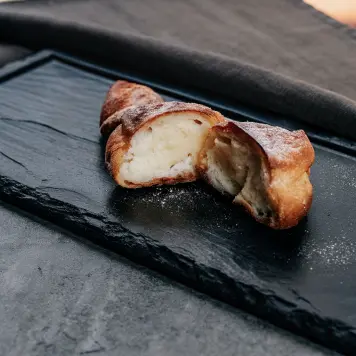
Plăcintă cu Brânză (Cheese Pie)
This delicate phyllo pastry is filled with a sweet mixture of fresh cow cheese, eggs, sugar, and vanilla. It is a traditional Saxon recipe that has been made in Sighișoara for generations.
Traditional Savory Dishes

Mici (Grilled Minced Meat Rolls)
These small, skinless grilled meat rolls are made from a blend of beef, lamb, and pork with garlic and spices. They are Romania's ultimate street food and are especially popular at Sighișoara's town festivals.
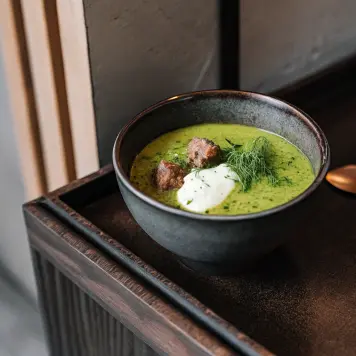
Ciorbă de Burtă (Tripe Soup)
This hearty sour soup is made with beef tripe, root vegetables, and a creamy garlic and sour cream finish. It is considered a classic Romanian comfort food with strong roots in Transylvanian cuisine.
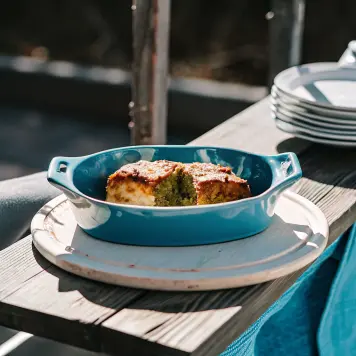
Varză à la Cluj (Cluj-Style Stuffed Cabbage)
Unlike traditional stuffed cabbage rolls, this Transylvanian version is baked as a layered casserole with sauerkraut, minced pork, rice, and smoked sausage. It originates from the nearby region of Cluj but is widely enjoyed in Sighișoara.
Traditional Beverages
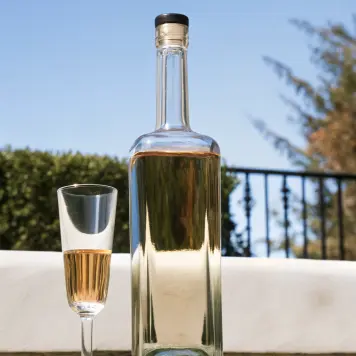
Palincă (Plum Brandy)
This powerful fruit brandy distilled from plums is a traditional Romanian spirit often homemade in Transylvanian villages. It is commonly served as a welcome drink to guests and is believed to aid digestion.
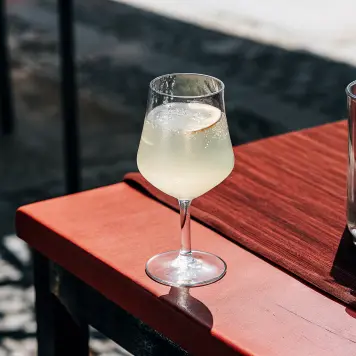
Socată (Elderflower Cordial)
This refreshing non-alcoholic drink is made from fermented elderflowers, lemon, and sugar. It is a beloved summer beverage in Sighișoara, often sold at local markets and medieval fairs.

Vișinată (Sour Cherry Liqueur)
This sweet and tart liqueur is made by macerating sour cherries in homemade brandy with sugar. It is a traditional Romanian digestif that is particularly popular in the orchard-rich regions of Transylvania.
Frequently Asked Questions about Sighișoara, Romania
Is Sighișoara, Romania a safe city?
How many days should I plan to visit Sighișoara?
What is the best time to visit Sighișoara?
Is Sighișoara an expensive destination?
How to get around Sighișoara?
Get a PDF with the most popular attractions sent to your email
Get a PDF with all attractions, ratings, and tips. Perfect for offline use.
Most popular day trips
Brașov
Medieval Saxon city with black church and mountain views
Rent a car in Sighișoara, Romania
Getting there
Airports
Train stations
Main line connecting Brașov, Cluj-Napoca, and Bucharest
Regional trains to Târgu Mureș, Mediaș, and Sibiu
From the train station it is a 10 minute walk to the medieval citadel. Taxis are also available for a short ride into the old town.
Find flights to Sighișoara, Romania
Click to get eSim for Sighișoara, Romania
The easiest and most affordable way to get mobile internet wherever you travel.
Comments (9)
Honestly found the town a bit disappointing after seeing photos online. Cute but felt like a medieval theme park.
If you visit the torture room museum, go early to avoid crowds. The clock tower museum is actually more interesting.
Skip the overpriced restaurants on the main square. Walk down the hill to Str. 1 Decembrie for authentic local food.
Sighișoara is gorgeous but very compact. One full day is enough to see everything, maybe two if you want to relax.
This place is magical at night when the day trippers leave. Felt like stepping back in time.