 CityBuddy
 Polski
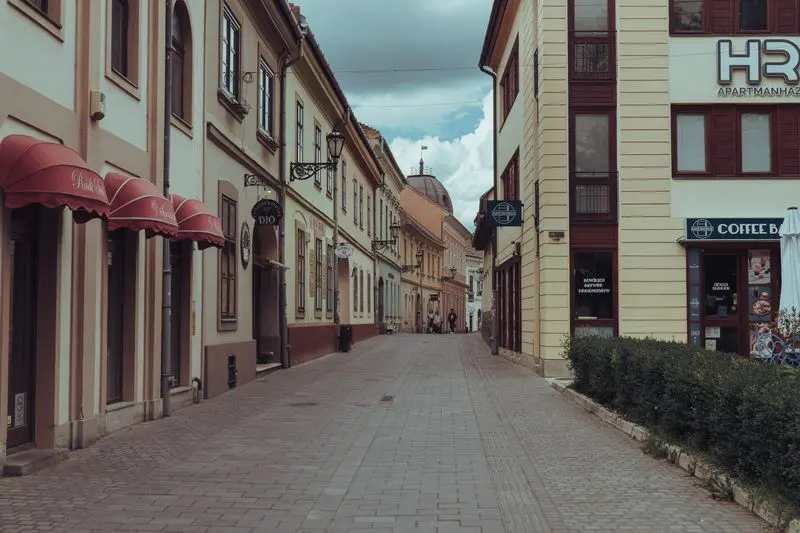
Eger, Hungary
⚖️Zrównoważony plan💎Ukryte perełki i lokalne miejsca
5 dniautumn
Eger, Hungary
⚖️Zrównoważony plan💎Ukryte perełki i lokalne miejsca
5 dniautumn
Ładowanie
Przemieszczanie się
Transportem publicznymEger to centrum dobrze obsługują autobusy Volánbusz, trolejbusy i pociągi, a samo stare miasto najlepiej zwiedzać pieszo, bo jest zwarte i przyjazne dla pieszych. Na trasach podmiejskich korzystaj z linii trolejbusowych i autobusowych kursujących co kilkanaście minut; w obrębie centrum pieszo pokonasz całą trasę w kilkanaście minut. Taksówki: Bolt, Uber oraz Taxi Eger, cena około 0,9 dolara za kilometr, płatność w forintach węgierskich. Ta forma transportu sprawdza się, gdyż miasto ma dobrze rozbudowaną sieć komunikacji publicznej, a centrum jest spacerowe. Alternatywnie możesz wynająć samochód, choć nie jest to konieczne.
Podział budżetu
$335Suma podróży · $67 za dzień
- Zakwaterowanie / noc
- $45
- Jedzenie / dzień
- $10
- Transport / dzień
- $4
- Atrakcje / dzień
- $8
- Suma dzienna
- $67
- Suma całkowita
- $335
Profil odkrywcy z utartych szlakow: nocleg w pensjonacie okolo 45 USD za noc, jedzenie (sniadanie z piekarni, street food, tanie restauracje) okolo 10 USD, transport lokalny (trolejbusy i pieszo) okolo 4 USD, atrakcje i wejscia do ukrytych miejsc okolo 8 USD. Dzienna suma 67 USD, a na cale 5 dni 335 USD. Srednia miedzy budzetem backpackera (30 USD) a mid-range (65 USD), bo wchodzicie do mniej znanych miejsc z biletami.
Tradycyjne potrawy i napoje, które musisz spróbować
Co zamówić w Eger, Hungary, z ciekawostką do każdego
Tradycyjne słone potrawy
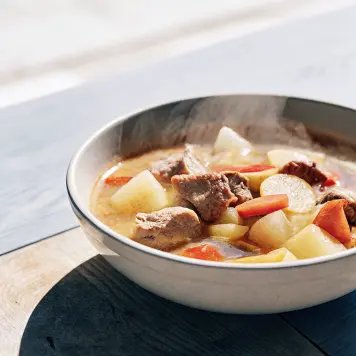
Gulyás
Hungary's most famous dish, gulyás is a hearty soup made with beef, onions, carrots, potatoes, and generous amounts of paprika. It originated as a meal cooked by 9th century Hungarian shepherds in cauldrons over open fires.
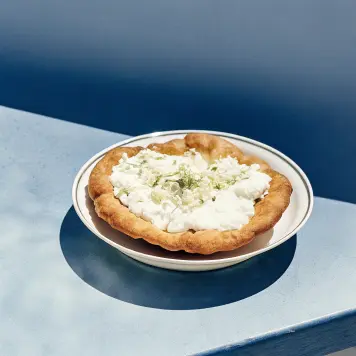
Lángos
This deep-fried flatbread is a beloved Hungarian street food, traditionally topped with sour cream, grated cheese, and garlic. It was originally made from leftover bread dough baked in brick ovens.
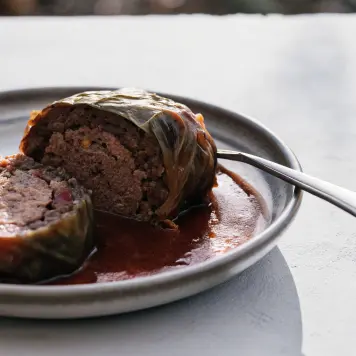
Töltött Káposzta
Hungarian stuffed cabbage rolls are filled with a mixture of ground pork, beef, and rice, then slow-cooked in sauerkraut and paprika sauce. This dish is a staple of Christmas Eve dinner in many Hungarian households.
Tradycyjne słodkie potrawy

Dobos Torte
Created by Hungarian confectioner József Dobos in 1885, this iconic layered sponge cake with chocolate buttercream is topped with a signature caramel glaze that was designed to stay fresh for shipping across Europe.
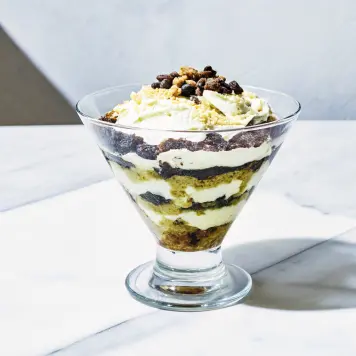
Somlói Galuska
This rich Hungarian trifle-like dessert features layers of sponge cake, chocolate sauce, walnuts, and rum-soaked raisins topped with whipped cream, and was invented by head waiter Károly Gollerits at the famous Gundel restaurant in Budapest in the 1950s.
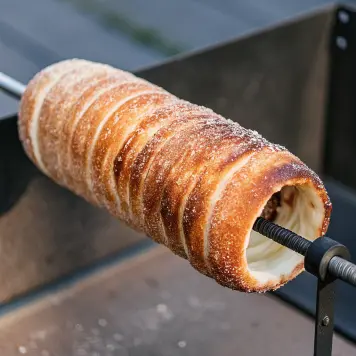
Kürtőskalács
Also known as chimney cake, this sweet yeasted dough is rolled into a cylinder, rolled in sugar, and roasted over an open flame, creating a caramelized crust that is one of Hungary's most beloved street food treats.
Tradycyjne napoje
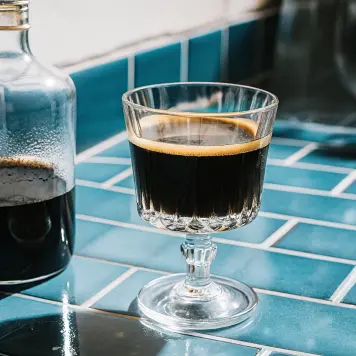
Unicum
This dark, bitter herbal liqueur is made from a secret blend of over 40 herbs and spices and has been produced by the Zwack family since 1790. It was originally created as a medicinal digestive tonic for Emperor Joseph II.

Tokaji Aszú
Known as the "Wine of Kings, King of Wines," this legendary Hungarian dessert wine was praised by Louis XIV of France. It is made from botrytized (nobly rotten) grapes from the Tokaj region, one of the world's first classified wine regions.
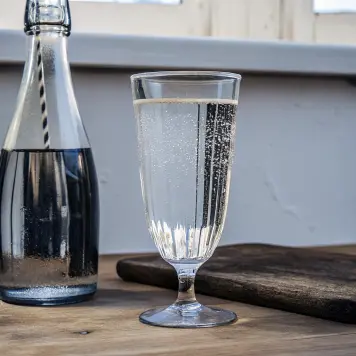
Fröccs
This refreshing Hungarian spritzer, made by mixing wine with sparkling water, is so culturally significant that Hungary has multiple named ratios for the drink. The most famous version is the "kisfröccs" made with 1 part wine to 1 part soda water.
Eksportuj swoją podróż
Get your trip plan as a PDF with maps and a CSV spreadsheet.
Wybrane na podstawie bliskości do atrakcji z Twojego planu oraz opinii gości
Search all hotels in EgerPowered by agoda
- Woda z kranu:
- Bezpieczna do picia, zabierz butelke wielorazowa
- Kleszcze i dziki:
- Uwazaj na kleszcze w lesie i dziki o zmierzchu
- Transport publiczny:
- Volanbusz, pociagi i trolejbusy; jakosc srednia
- Aplikacje taxi:
- Bolt, Uber i Taxi Eger; taksowka okolo 0.9 USD za km
- Waluta:
- Forint wegierski (HUF), placc gotowka w malych lokalach
- Napiwki:
- 10% w restauracjach, zaokraglanie w kawiarniach
- Jedzenie i piwo:
- Obiad okolo 7 USD, piwo okolo 1.8 USD, kawa 1.5 USD
- Najlepszy czas:
- Wrzesien i pazdziernik na spokojne jesienne wedrowki
- Gniazdka:
- Typ C i F, taki sam jak w Polsce, adapter opcjonalny
- Ukryte widoki:
- Wzgórza winne i twierdza z dala od glownej promenady