 CityBuddy
 English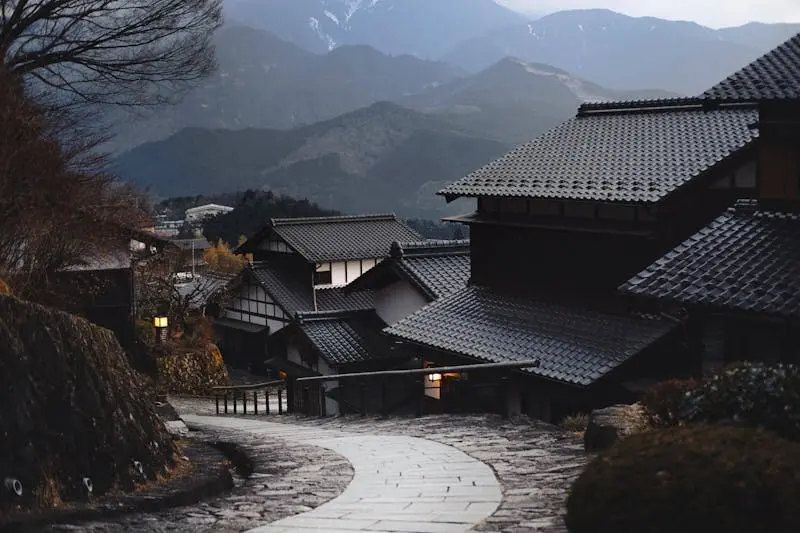
5-Day Kiso Autumn for Budget Backpackers
Walk misty Nakasendo trails between lantern-lit post towns, snack on gohei-mochi, and soak in village onsens while maple forests blaze gold and red across the Kiso Valley.
5-Day Kiso Autumn for Budget Backpackers
Walk misty Nakasendo trails between lantern-lit post towns, snack on gohei-mochi, and soak in village onsens while maple forests blaze gold and red across the Kiso Valley.
~2 hours
Take the JR Chuo Line between Nagoya and Nakatsugawa on a local train rather than a Limited Express to see the Kiso River and forested gorges at a slower pace. Sit on the right-hand side heading north for the best valley views. Get off at Nakatsugawa Station and catch the bus to Magome.
~2 hours
Walk uphill along Magome's restored main street, a stone paved lane of wooden shops and former inns. Look for the wooden waterwheel and climb to the small museum near the top overlooking the valley. Buy trail snacks here since shops disappear once the hiking starts.
View details, tips, opening times & more~3.5 hours
Hike the 8 km trail from Magome to Tsumago over the Magome Pass, which takes about 2.5 to 3.5 hours through cedar forest and small hamlets like Ochiai. Carry water and dress in layers since shaded stretches stay cold in autumn. The route is well marked with signposts and occasional stone mile markers.
View details, tips, opening times & more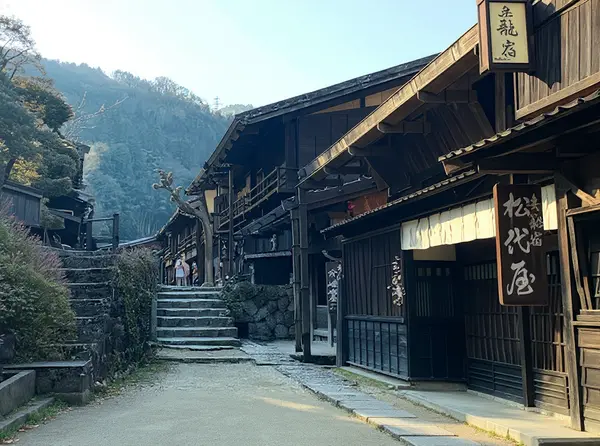
Tsumago-juku
Wander Tsumago's main street in the evening when the preserved wooden buildings and paper lanterns glow and most day tourists have gone. Step into the restored Honjin head inn and the old checkpoint gate before they close, as most shops shut around 5 pm.
Tsumago-juku
Wander Tsumago's main street in the evening when the preserved wooden buildings and paper lanterns glow and most day tourists have gone. Step into the restored Honjin head inn and the old checkpoint gate before they close, as most shops shut around 5 pm.
~0.5 hours
Look for a street stall in Tsumago serving gohei-mochi, a Kiso specialty of pounded rice on a skewer grilled with a sweet miso and walnut glaze. Order one fresh off the charcoal grill and eat it while it is hot and crisp on the outside.
Meals
Recommended traditional local cuisine
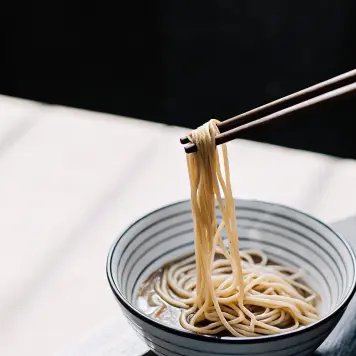
Find a soba shop on Magome's main street and order a bowl of hand-made soba noodles, the Kiso valley staple, served hot or cold with a local topping. It makes a light refuel before you start the trail.
Soba NoodlesAccommodation— Tsumago-juku (the preserved post town at the south end of the Nakasendo Trail)
It sits right at the trail endpoint with morning buses back to Magome and easy access to Nagiso Station for onward transit.
It sits right at the trail endpoint with morning buses back to Magome and easy access to Nagiso Station for onward transit.
Tsumago-juku
Start at the bus stop and walk the full length of Tsumago's preserved main street of wood and plaster Edo period inns. Stop at the free former headman's house and watch for the automatic water sprinklers that mist the street on a timer. Arrive before 9am to beat the tour groups.
Tsumago-juku
Start at the bus stop and walk the full length of Tsumago's preserved main street of wood and plaster Edo period inns. Stop at the free former headman's house and watch for the automatic water sprinklers that mist the street on a timer. Arrive before 9am to beat the tour groups.
Kiso River
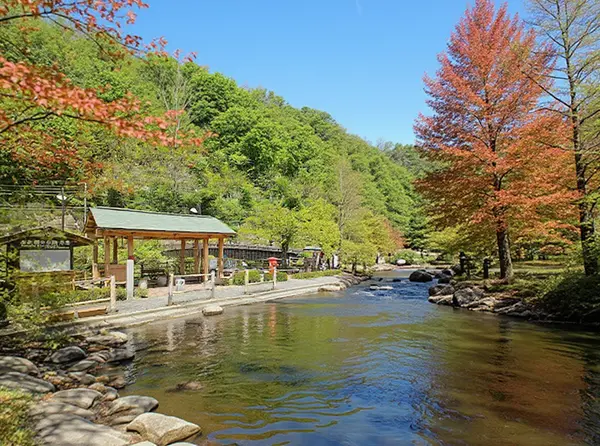
Follow the path behind Tsumago down to the gravel banks of the Kiso River for a free picnic spot. Cross the old footbridge upstream and find a flat rock near the shallows to eat the food you bought at the post town shops. Carry everything with you since there are no stalls along the water.
Kiso River
Follow the path behind Tsumago down to the gravel banks of the Kiso River for a free picnic spot. Cross the old footbridge upstream and find a flat rock near the shallows to eat the food you bought at the post town shops. Carry everything with you since there are no stalls along the water.
~3 hours
Search 'Odaki Medaki Falls' on a map app and take the 25 minute forest trail from Tsumago to the valley's most famous twin waterfalls. Climb the slick stone steps to the viewing decks and plan 30 minutes there before heading back. Return to Tsumago by 4pm so the village bath is still quiet.
Explore various scenic spots showcasing the natural beauty of Kiso Valley
~2 hours
Search for 'Tsumago Onsen' to find the simple village bath near the lower end of the post town, where locals wash up after work. Bring your own washcloth and check closing time, since rural baths often shut by 8pm. A vending machine beer after the soak costs about 4 dollars.
Meals
Recommended traditional local cuisine
Find a shop on Tsumago's main street advertising 'teuchi soba' (handmade buckwheat noodles) and order the cold zaru set, since the noodles are made from buckwheat grown in the surrounding valley fields. It is the post town's signature meal and fills you up for the afternoon hike.
Soba NoodlesAccommodation— Kiso-Fukushima (transport hub of the Kiso Valley with the main JR station)
It keeps all five days on one train and bus line and has the valley's cheapest hostel beds plus a co-op for budget snacks.
It keeps all five days on one train and bus line and has the valley's cheapest hostel beds plus a co-op for budget snacks.
~2 hours
Ride the JR Kiso Line south from Narai Station, with the Kiso River running beside the tracks through the autumn forest. Grab a window seat on the river side for the best views, and ride as far as Kiso-Fukushima or beyond. Check the printed timetable at the station first since trains run about once per hour.
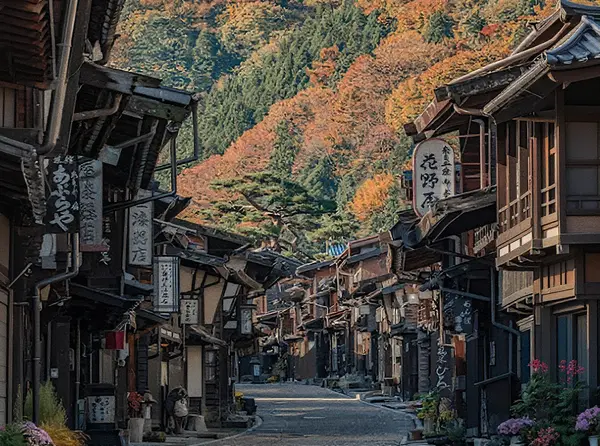
Narai-juku
Wander the preserved Nakasendo main street, which stretches roughly a kilometer through wooden shopfronts and former inns. Look for lacquerware workshops where craftspeople still work in the open and stop in any that welcome visitors. The street itself is free to stroll at your own pace.
Narai-juku
Wander the preserved Nakasendo main street, which stretches roughly a kilometer through wooden shopfronts and former inns. Look for lacquerware workshops where craftspeople still work in the open and stop in any that welcome visitors. The street itself is free to stroll at your own pace.
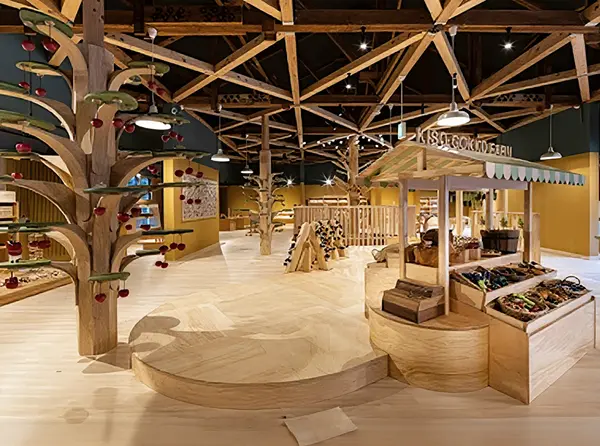
Kiso Forest Museum
Visit the Kiso Forest Museum near Kiso-Fukushima Station to see how the valley's cedar and cypress logging shaped the region. The admission fee is small and the exhibits trace the forest's role in the area's history. Follow the marked forest loop trail behind the building to stretch your legs.
Kiso Forest Museum
Visit the Kiso Forest Museum near Kiso-Fukushima Station to see how the valley's cedar and cypress logging shaped the region. The admission fee is small and the exhibits trace the forest's role in the area's history. Follow the marked forest loop trail behind the building to stretch your legs.
~2 hours
Find a small soba shop in Kiso-Fukushima or back in Narai and order hand-cut soba noodles for dinner. Try zaru soba, cold noodles with a soy dipping sauce, or kitsune soba topped with sweet fried tofu. Most shops stop taking orders by early evening, so arrive well before 7pm.
Meals
Recommended traditional local cuisine
Find a soba shop in Kiso-Fukushima and order fresh hand-cut noodles as zaru soba, served cold with a soy dipping sauce, or kitsune soba topped with sweet fried tofu. Arrive before early evening closing to guarantee a seat.
Soba NoodlesAccommodation— Narai-juku (historic Nakasendo post town in the Kiso Valley)
Keeps you next to the scenic preserved main street and on the railway line for easy day trips along the valley.
Keeps you next to the scenic preserved main street and on the railway line for easy day trips along the valley.
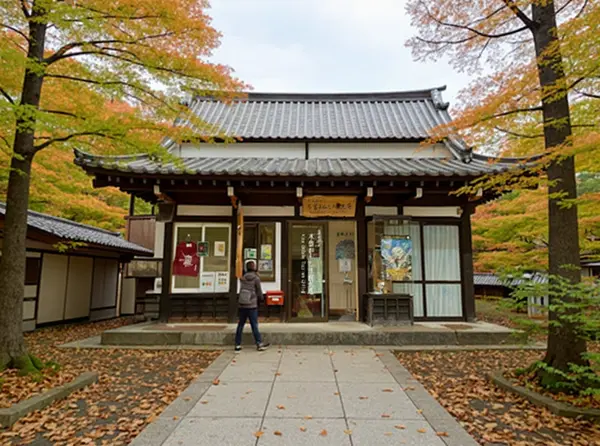
Kiso Ontake Shrine
Walk the stone path past mossy torii gates to the inner shrine at the base of the volcano. Ring the bell and look for the small wooden climber's tablets (ema) left by hikers. Entry is free and the surrounding cedar grove is striking in autumn.
Kiso Ontake Shrine
Walk the stone path past mossy torii gates to the inner shrine at the base of the volcano. Ring the bell and look for the small wooden climber's tablets (ema) left by hikers. Entry is free and the surrounding cedar grove is striking in autumn.
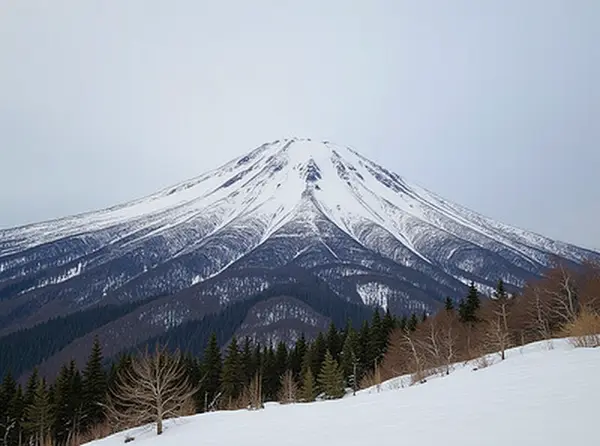
Mount Ontake
From the shrine the summit trail climbs steeply and can take most of the day, so check weather and trail access at the Kiso visitors office before starting. Budget hikers can instead follow the lower larch and beech loops, which hold the best autumn colors. Carry water, layers, and a headlamp, and start early.
Mount Ontake
From the shrine the summit trail climbs steeply and can take most of the day, so check weather and trail access at the Kiso visitors office before starting. Budget hikers can instead follow the lower larch and beech loops, which hold the best autumn colors. Carry water, layers, and a headlamp, and start early.
~3 hours
Take the Shinano Kotsu bus to Magome and walk the cobbled Nakasendo trail about 8 km downhill to Tsumago. Search for either post town and follow the cedar-lined path through maple and beech forest. This is the classic Kiso Valley stretch, and wandering the streets is free outside the small museum houses.
Explore various scenic spots showcasing the natural beauty of Kiso Valley
Meals
Recommended traditional local cuisine
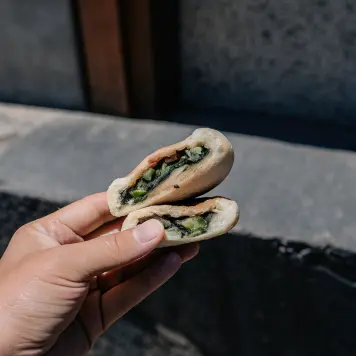
Pack a few oyaki from the bakery near Kiso Fukushima station, soft wheat buns stuffed with pickled or seasoned vegetables, to eat on the Ontake trail. They keep well for hours, making them cheap and practical hike food.
OyakiAccommodation— Kiso Fukushima (central town of the Kiso Valley with the JR station and bus hub)
It is the valley's transport hub, so you get direct buses to Ontake and the post towns without extra transfers.
It is the valley's transport hub, so you get direct buses to Ontake and the post towns without extra transfers.
~1.5 hours
Ride the JR Chuo line along the Kiso River, sitting window-side heading north for the best valley views. Trains run about once an hour, so check the timetable at the station before boarding. Get off at Kiso-Fukushima to stretch your legs in the preserved post-town before heading on.
Daio Wasabi Farm
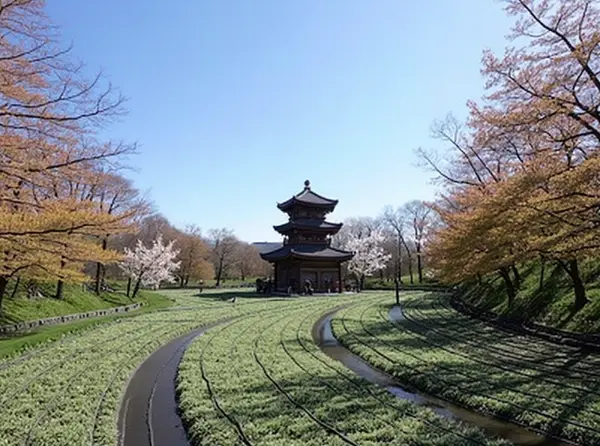
Daio Wasabi Farm in Azumino is Japan's largest wasabi farm, with free walking lanes along the water channels and a working waterwheel. Try the wasabi soft serve at the entrance shop and buy a fresh root to grate over dinner. Catch the bus from Hotaka Station, about a 15 minute ride away.
Daio Wasabi Farm
Daio Wasabi Farm in Azumino is Japan's largest wasabi farm, with free walking lanes along the water channels and a working waterwheel. Try the wasabi soft serve at the entrance shop and buy a fresh root to grate over dinner. Catch the bus from Hotaka Station, about a 15 minute ride away.
Meals
Recommended traditional local cuisine
Find a soba shop near the wasabi farm and order fresh Soba Noodles, grating a fresh wasabi root into the broth yourself. The farm's own wasabi makes even plain buckwheat noodles taste special.
Soba NoodlesAccommodation— Kiso-Fukushima (central post-town on the railway line)
It sits right on the Chuo line used for the railway ride and the wasabi farm outing, with budget hostels, shops, and eateries within walking distance of the station.
It sits right on the Chuo line used for the railway ride and the wasabi farm outing, with budget hostels, shops, and eateries within walking distance of the station.
Export Your Trip
Get your trip plan as a PDF with maps and a CSV spreadsheet.
Budget Breakdown
Backpacker budget for 5 autumn days in Kiso. Book hostels or dorm beds instead of hotels to keep lodging near $20 per night. Eat street food, market stalls and convenience stores to hold food costs near $10 a day. Use trains and buses with a regional pass so transport stays near $6 daily. Spend little on activities because the Nakasendo trail, shrines and mountain viewpoints are free. The daily total lands around $40 and the full 5 day trip comes to about $200.
Good to Know
Pre-Trip Checklist
Documents
Health
Booking
Packing
Connectivity
Get eSIM for Kiso, Japan
The easiest and most affordable way to get mobile internet wherever you travel.