 CityBuddy
 English
Things to Do in Rewa, India
Photo made by Artem Stoliar on Pexels.com
When to visit
Plan your perfect trip to Rewa, India
Get a complete travel plan built just for you in under 30 seconds, with daily routes, local food tips, budget estimates and more.
Are any of these especially important to you?
Select all that apply
Plan language: EnglishMost popular attractions in Rewa, India
The top things to do in Rewa, India start at the hilltop Rewa Fort, where maharajas once ruled. Nearby, Govindarh Fort overlooks the lake, while the White Tiger Safari Mukundpur offers rare sightings. Just 35 kilometers out, Keoti Waterfall drops 98 meters, and Chachai Falls thunders through the gorge.
1. Rewa Fort
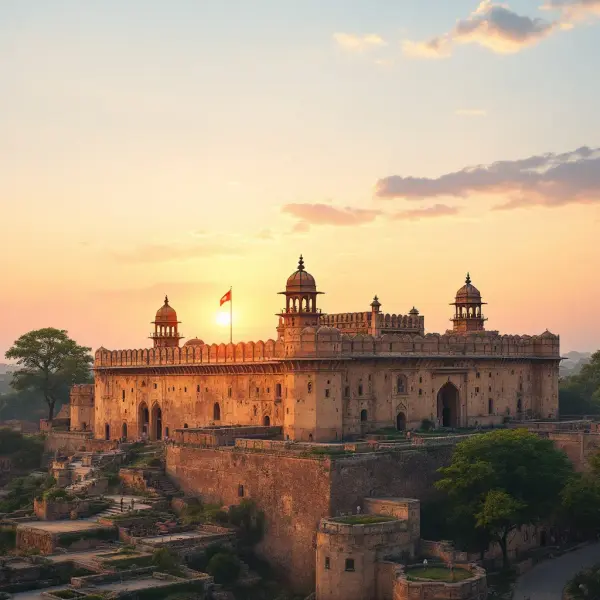
Walk through a maharaja's residence where white tiger lore began. Mirrored halls, an elephant court, and a weapons gallery make every corner a discovery.
Quick facts: Every chamber in this palace complex tells a different chapter of the Baghel dynasty's story, from elephant processions to royal tiger hunts. The museum here safeguards medieval swords, antique coins, and one of central India's finest collections of traditional musical instruments.
Highlights: Maharaja Martand Singh personally captured the world's first documented white tiger cub in the nearby jungles and raised it in his private menagerie, a cub whose descendants still live in zoos around the globe. Angled morning light turns the mirror-mosaic audience hall into a thousand dancing sparkles, while the stone steps behind it still show grooves worn by royal elephants.
2. Govindgarh Fort
Stand where the first white tiger was raised, a story that changed zoo history. Climb old ramparts, browse royal artifacts, and watch sunset shimmer across the lake.
Quick facts: Almost every white tiger born in captivity worldwide traces its ancestry to one snow-white cub that once roamed these grounds. A lakeside stronghold of the Baghel maharajas, the site pairs royal living quarters with a museum of swords, vintage cars, and hunting trophies.
Highlights: Behind glass in the old royal quarters sits Mohan, the founding white tiger captured as a cub in 1951, and nearly every white tiger alive in zoos today carries his bloodlines. Cross the courtyard where Maharaja Martand Singh first steadied the trembling cub, and you are standing at the very origin of a captive dynasty that now spans continents.
3. White Tiger Safari Mukundpur
See the world's only dedicated safari for rare white tigers roaming free. A slow open-air bus ride brings you face to face with these ghostly big cats up close.
Quick facts: Roughly 3,700 tigers now roam the wild here, and the pale-coated variant traces straight back to Mohan, the first white tiger captured in 1951 by a local royal family. Around 30 of these snow-colored cats live in this single-species safari zone, a setup found nowhere else on the planet.
Highlights: Every cat here descends from a single wild cub, Mohan, caught near jungle villages in 1951, and that one bloodline still dominates white tiger populations in zoos across the globe. Sit still on the morning bus and a pale-coated male may stalk to within a few meters, locking pale blue eyes on you before vanishing into the tall grass.
4. Keoti Waterfall
Watch one of India's widest water curtains drop 98 meters into a sculpted rock bowl. Feel the spray on your face as you climb down to the base and see rainbows arc across the pool.
Quick facts: Sizable enough to rank among the widest waterfalls in India, the cascade spreads roughly 198 meters across the Kaimur cliff face. The source river flows steadily through the dry season, yet monsoon rains multiply the torrent and turn the amphitheater below into a booming mist-filled bowl.
Highlights: Walk down the steep rock staircase and you reach the base of a natural horseshoe-shaped grotto where the water curls around you. On post-monsoon mornings, the rising spray catches the sun and throws a full double rainbow across the plunge pool, something most visitors miss because they stop at the top viewpoint.
5. Chachai Falls
Why travel miles of winding road for a single waterfall? You will stand close enough to feel each 130-meter drop shake the ground under your feet.
Quick facts: The Bihad River hurls itself 130 meters over the plateau rim in a single unbroken curtain, making it one of the tallest single-drop falls in the country. There are no ticket booths or viewing platforms here, just rough boulders and forest, so the experience stays raw and completely free.
Highlights: On a clear morning the rising mist plume can be seen from kilometres away, long before any sound reaches you. Weekday visits often mean having the whole boulder shelf at the base to yourself, where the constant roar vibrates through your chest and chest-high spray cools your skin.
6. Bahuti Falls
A 30-meter seasonal cascade that disappears in summer and thunders back once the rains arrive. Time your visit well and you'll feel the spray on your face at a nearly deserted gorge.
Quick facts: Water vanishes entirely from the cliff every summer, then roars back to life with the first monsoon downpours. The plunge drops roughly 30 meters into a rocky basin, yet the surrounding plateau draws far fewer people than bigger falls nearby.
Highlights: Locals call the quiet months between April and June the dead season, because the whole cascade can grind down to a bare trickle. Stand at the base during peak monsoon flow and the spray cools your skin from several meters away, while the churning brown water and the smell of wet stone fill the whole gorge.
7. Purwa Falls
A 70-meter curtain of falling water that few visitors bother to reach. You'll get damp, hear thunder without thunderclouds, and have the boulder field largely to yourself.
Quick facts: Water drops about 70 meters in a single clean plunge here, and at full monsoon flow the falling sheet sounds like constant thunder. Morning sun turns the rising spray into brief rainbows that appear and vanish within seconds, so framing a photo means patiently waiting for the light to shift.
Highlights: From the bottom of the gorge, the cliff curves inward like a giant bowl, so the entire 70-meter fall lands barely 15 meters in front of you and the whole space fills with a low, even thunder you feel through your feet. Winter mornings are the secret: the low sun lights the falling water from the side, and the mist near the pool glows gold while the rest of the gorge stays in shadow.
8. Rani Tal
An easy escape from the city, this leafy lake park packs boating, gardens, and food into one afternoon. Watch the sunset turn the water golden as families row past on pedal boats.
Quick facts: A queen of the former royal family is said to have cooled off in these quiet waters, which is how the lake earned its name. Around 2 acres of manicured lawns circle the pool, where pedal boats and snack stalls keep families busy through the afternoon.
Highlights: At sundown, the still surface turns a mix of gold and green as the sun drops behind the surrounding trees. Stand near the small Shiva shrine on the far bank and you can hear the whole park go quiet, just the creak of a pedal boat and birds settling in for the night.
9. Deur Kothar
A gigantic elephant carved from one slab still keeps watch over a lonely ridgeline. Reach the spot and you will stand inside a 1,600 year old stone chamber with nothing but wind and views around you.
Quick facts: A single slab of red sandstone was carved into an elephant nearly 10 feet tall, and the sculpture still stands in place after roughly 1,600 years. Fourth century Brahmi inscriptions on the rock name Maharaja Ramagupta, a Gupta ruler so obscure that only coins and this hillside remember him.
Highlights: Climb around the elephant's backside and you will find a chamber hewn into the same boulder with a doorway cut so clean it looks machine made. Scores of chisel marks still pressed into the inner walls offer a whisper from the hands that worked here centuries ago, while the open ridge beyond frames nothing but sky.
Where to Stay in Rewa, India
Selected by City Buddy based on guest reviews and proximity to top attractions
Search all hotels in Rewa, IndiaPowered by agoda
Traditional Sweet Dishes
Kusli
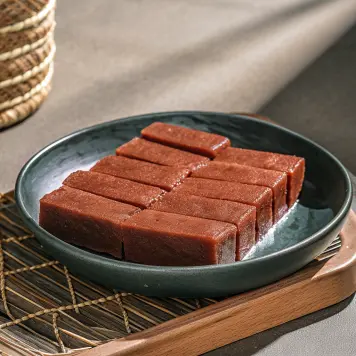
Kusli is Rewa's signature sweet, a dense and chewy block of whole wheat flour, jaggery and ghee. It is so beloved that locals carry boxes of it as gifts for friends and family in other cities.
Khurma
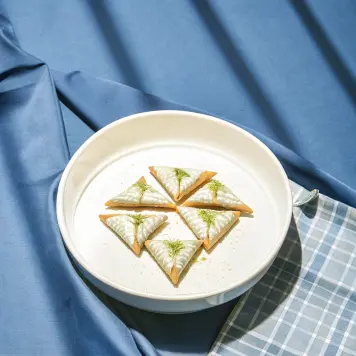
Khurma is a crispy, diamond shaped pastry that is deep fried in ghee and soaked in sugar syrup. It is a favorite festive treat handed out during Holi and family celebrations across the Vindhya region.
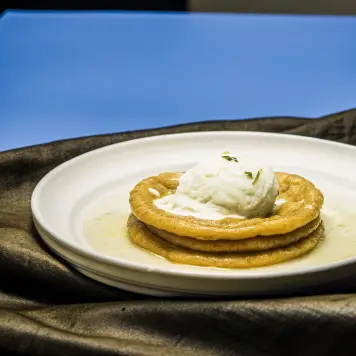
Malpua
Malpua is a fluffy, golden pancake made from flour and khoya, then dunked in warm sugar syrup. In Rewa it is often enjoyed with a dollop of chilled rabri, making every bite creamy and sweet.
Traditional Savory Dishes

Rewa Namkeen
Rewa Namkeen is a crisp, spiced snack mix of fried flour strands, roasted peanuts and tangy seasonings. Its distinct local taste has made it a much loved tea-time munch and a popular take-home item from the city.
Poha
Poha is flattened rice tossed with onions, turmeric, curry leaves and a squeeze of lemon. In Rewa it is a beloved breakfast dish, often finished with sev and served steaming hot from morning stalls.
Bhutte ka Kees
Bhutte ka Kees is made by grating fresh corn and cooking it with milk, ghee and mild spices until creamy. This street favorite is unique to the Vindhya and Malwa belts of Madhya Pradesh, and it is especially popular in winter.
Traditional Beverages
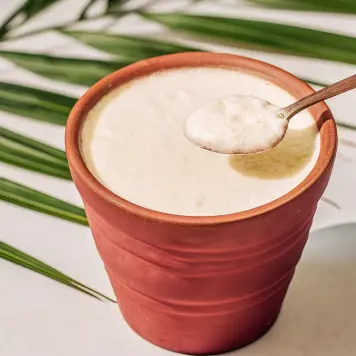
Lassi
Lassi is a thick, creamy yogurt drink that Rewa locals love in the hot summer months. It is served chilled in clay cups and often topped with a spoonful of malai for extra richness.
Chaas
Chaas is a light, spiced buttermilk whisked with roasted cumin, black salt and fresh coriander. It is the everyday digestive drink that Rewa families serve alongside hearty meals to cool the palate.
Aam Panna
Aam Panna is a tangy cooler made from raw green mangoes, jaggery and roasted cumin. It is a seasonal summer staple that helps beat the heat, which fits beautifully since Rewa is famous for its prized Sundarja mangoes.
Frequently Asked Questions about Rewa, India
Is Rewa, India safe?
How many days in Rewa, India?
Best time to visit Rewa, India?
Is Rewa, India expensive?
How to get around Rewa, India?
Get a PDF with the most popular attractions sent to your email
Get a PDF with all attractions, ratings, and tips. Perfect for offline use.
Most popular day trips
Keoti Falls
One of India's highest waterfalls on the Bihad river, scenic and less crowded
Chitrakoot
Sacred Hindu pilgrimage town on the Mandakini river, linked to Lord Rama
Satna
Gateway town with nearby ancient temples and the Chitrakoot approach
Bandhavgarh National Park
Famous tiger reserve with high big cat sighting chances, strong wildlife appeal
Maihar
Hilltop Sharda Devi temple and scenic views over the Vindhya range
Getting there
Train stations
Satna to Prayagraj line connecting Delhi, Varanasi and Mumbai routes
Main junction on the howrah to mumbai route
Taxis and autos are available at Rewa Airport and Chhayganj station for the 12 km ride to the city center.
Find flights to Rewa, India
Click to get eSim for Rewa, India
The easiest and most affordable way to get mobile internet wherever you travel.

Comments (9)
Came for the white tiger safari, stayed for the food. The street stalls near the market floor are criminally underrated.
Honest review, two days was too many. If you are not into waterfalls or wildlife there is not much else. Nice people though.
Pro tip, check the monsoon forecast before booking. Keoti at full flow is unreal but the roads get sketchy, aim for Nov to Feb.
Loved how relaxed everything felt here. But wow, the town shuts down early, we ate dinner at 8 just to be safe.
Rewa surprised me. Small city pace, genuinely warm people, but you really need your own wheels. Public transport is rough here.