 CityBuddy
 Български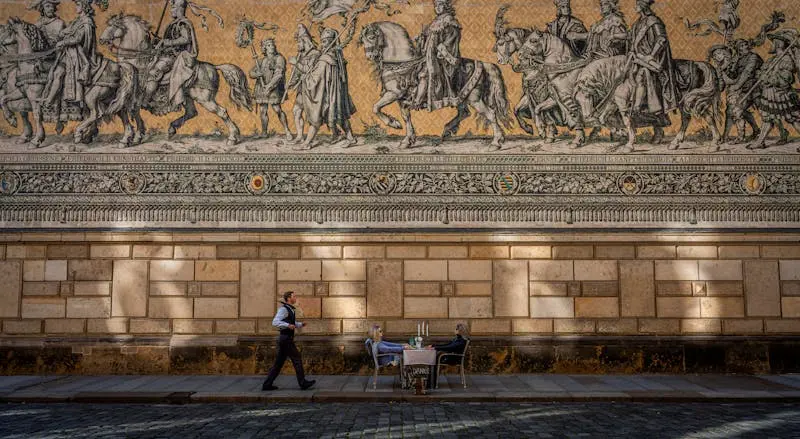
Какво да правите в Dresden, Germany
Снимка направена от Duc N. в Pexels.com
Кога да посетите
Кога ще посетите Dresden, Germany?
Изберете дати и стил на пътуване, за да получите:
Има ли нещо особено важно за вас?
Изберете всички, които важат
Plan language: БългарскиНай-популярните атракции в Dresden, Germany
For spectacular things to do in Dresden, Germany, begin at the Zwinger Palace, a Baroque masterpiece whose crown gate and sprawling courtyard host Old Masters paintings including Raphael's Sistine Madonna. Steps away, the reconstructed Frauenkirche Dresden rises with its 96-meter sandstone dome. Music lovers should book tickets for the Semperoper Dresden, a 1,300-seat opera house on the Elbe's bank.
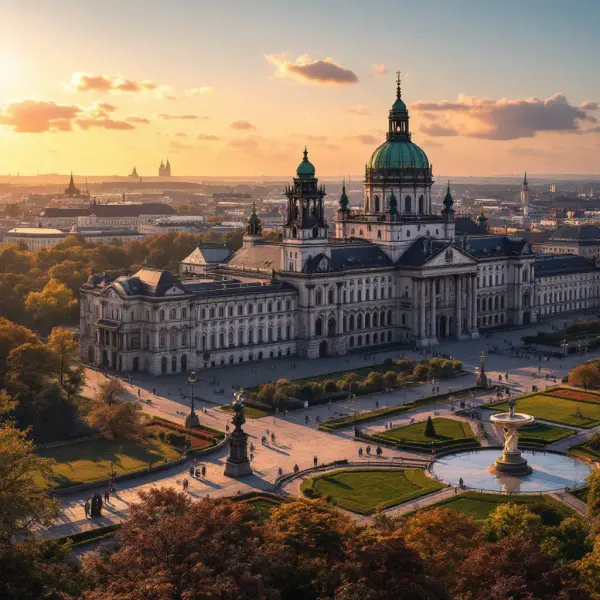
1. Zwinger Palace
A Baroque palace courtyard wrapped in delicate stone galleries and filled with over a million porcelain treasures. Wander through airy arcades, discover the famous "Sistine Madonna," and watch light dance across the fountains at golden hour.
Бързи факти: Простиращите се барочни галерии на Цвингер съхраняват над милион порцеланови изделия, образувайки една от най-големите колекции от порцелан на Земята. Огромният му двор някога е бил домакин на разкошни дворцови празненства със стотици фенери, оркестрови изпълнения и дори механични фонтани, които пръскали вино.
Акценти: Застанете в прохода на коронната порта и пляснете с ръце веднъж: перфектната акустика на арката връща звука като рязко, ясно ехо, което се усеща почти свръхестествено. Това е било умишлено проектирано от архитект Матеус Даниел Пьопелман, за да усилва кралските прокламации и музиката по време на празненствата в двора.
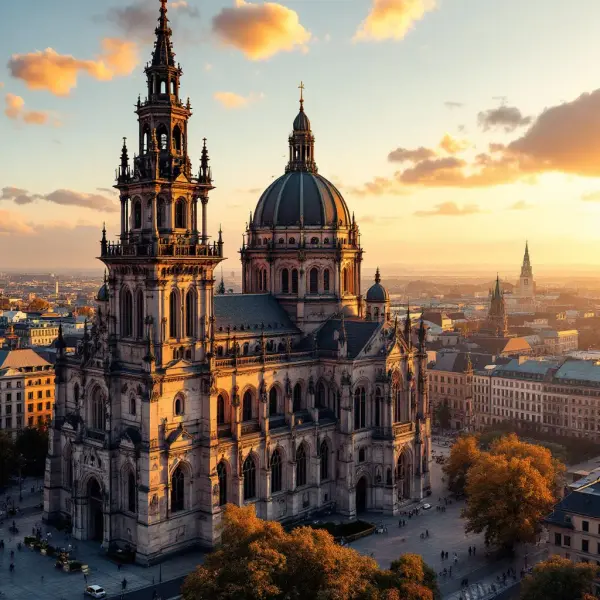
2. Frauenkirche Dresden
Faithful reconstruction from a pile of 8,400 numbered rubble stones makes this a living monument to peace. Inside, the kaleidoscope of pastel colors from the 360-degree balcony and glowing golden altar will stop you mid-stride.
Бързи факти: Над 9 500 тона пясъчник са използвани за възстановяването на тази църква след разрушаването ѝ през Втората световна война, като 8 400 оригинални камъка са внимателно номерирани и повторно използвани. Отличителният 96-метров купол, държан заедно от железни обръчи, изковани от местен ковач, оцелява след 200 бомбени удара, преди да се срути на втория ден от огнената бомбардировка.
Акценти: Вгледайте се внимателно във външните стени и ще забележите тъмни, обгорени камъни, разположени до ярко нови - умишлен „каменен мозайка", който разказва историята за унищожението и прераждането. Самотен кръст на върха на купола е изкован от гвоздеи, извадени от развалините от британски ковач, чийто баща е бил пилот на бомбардировач през Втората световна война - тих жест на помирение.
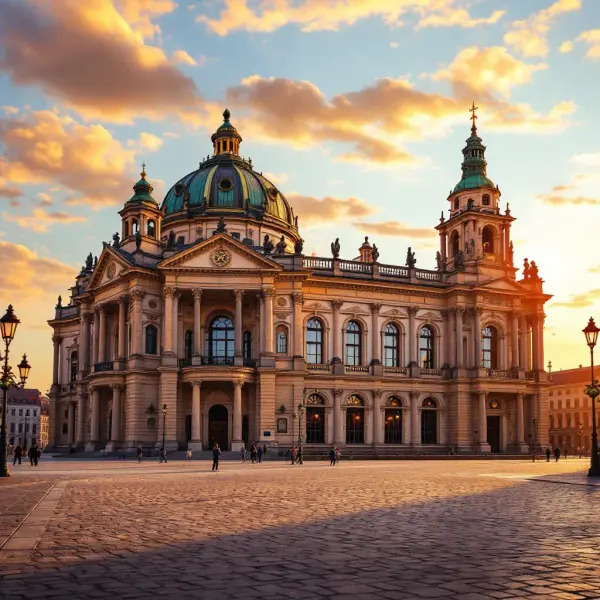
3. Semperoper Dresden
Watching an opera here means sitting inside one of the world's most acoustically perfect halls, rebuilt from ashes twice over. You will hear every breath of the singers and every bow stroke from any of the 1,300 seats.
Бързи факти: Два огромни пожара и бомбардировката от 1945 г. са превръщали тази опера в развалини, но всеки път дрезденци са я възстановявали с мъчителна прецизност. Оригиналният архитект от 1841 г. умишлено е проектирал залата да бъде невидима отвън, оставяйки музиката и изпълнението да бъдат пълното преживяване.
Акценти: Вътре в залата, редовете седалки се извиват като гигантска мида в пет грациозни пръстена и от всяко едно от 1300-те места се вижда сцената ясно. Оригиналната 19-вековна вентилационна система е използвала скрити комини, минаващи през ядрото на сградата, извеждайки топлия въздух без нито звук, така че никакъв шум от вентилатор да не прекъсва пианисимо пасаж.
Чували ли сте за безплатни пешеходни обиколки?
След пътувания в над 30 страни, има нещо, което бих искал някой да ми беше казал от самото начало и което напълно промени начина, по който преживявам нови градове.
Безплатни пешеходни обиколки. Да, наистина безплатни. Без нужда от кредитна карта. Без уловки.
Местен гид, 2-3 часа
Основни забележителности, скрити перли, местни истории
100% на база бакшиши
Гидовете печелят само бакшиши, затова дават най-доброто от себе си
Оставяте бакшиш според чувството си
В края просто оставяте бакшиш според това, което смятате за правилно
Правил съм тези обиколки в десетки градове и те са били най-ярката част от почти всяко пътуване. Ако посещавате Dresden, Germany, направете това в първия си ден. Ще ми благодарите по-късно.
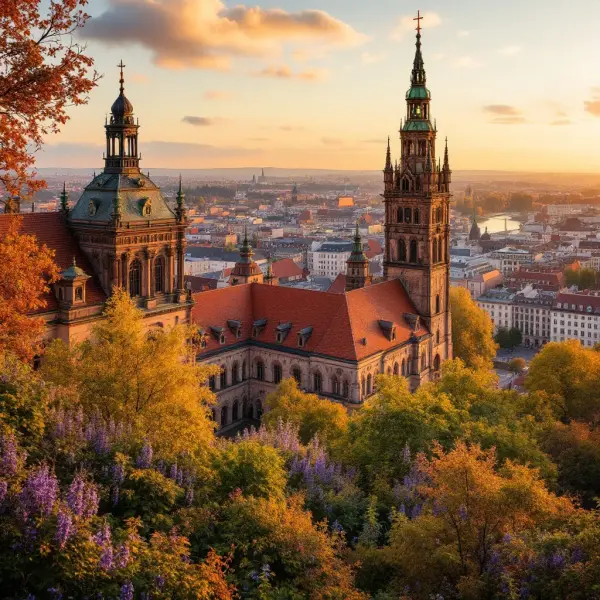
4. Fürstenzug
Nowhere else in the world will you find the largest porcelain artwork ever made, spanning an entire city block. Walk alongside 24,000 hand-painted Meissen tiles depicting nearly a thousand years of royal history.
Бързи факти: Stretching 102 meters across the wall of Dresden's royal palace, this porcelain procession features 93 life-sized figures on roughly 24,000 Meissen porcelain tiles. Each figure represents a Wettin ruler or notable figure, marching chronologically from the 12th century through the early 1900s.
Акценти: Most visitors don't notice that the ceramic tiles actually survived the 1945 firebombing of Dresden virtually intact, while the entire palace around them collapsed. The tiles only needed a gentle cleaning with water to remove soot, emerging as one of the few original pre-war surfaces still visible in the city today.
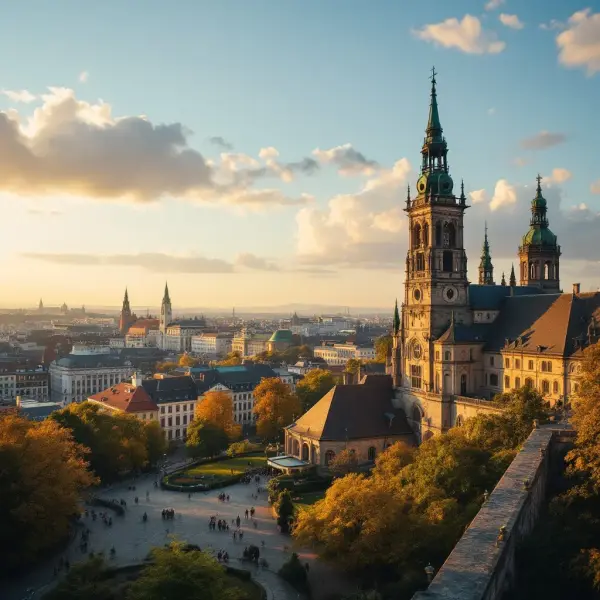
5. Brühl's Terrace
Nowhere else in Dresden can you take in the entire city skyline from a single spot. Come for the 180-degree river views, stay for the golden-hour light show on sandstone and spires.
Бързи факти: Stretching nearly 500 meters along the Elbe River, this sandstone terrace rises dramatically above the water and offers uninterrupted panoramic views of the entire Dresden skyline. Locals affectionately call it "the Balcony of Europe," a nickname coined by a 19th-century painter who was captivated by its sweeping vistas.
Акценти: In 1814, a frustrated general ordered the medieval fortress wall that once stood here to be transformed into a public promenade, turning a defensive barrier into one of Europe's most beautiful urban viewpoints. Three terracotta-colored staircases, each with 74 steps, carry visitors up from the riverbank level, and at sunrise the sandstone glows so warm that photographers camp out an hour early to claim their spot.
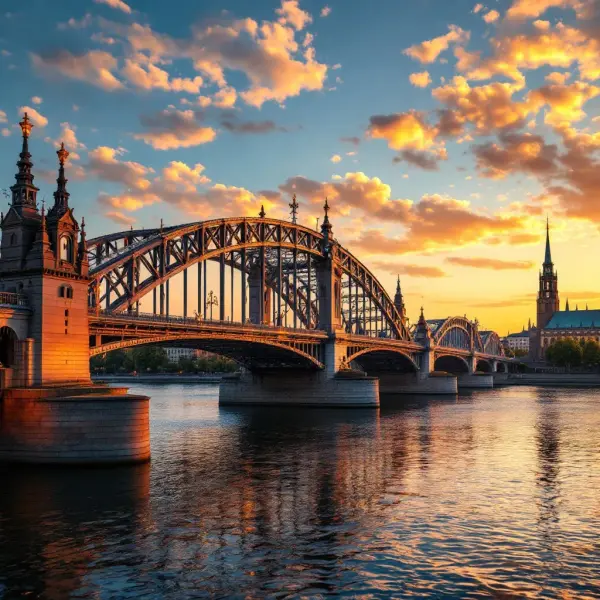
6. Loschwitz Bridge (Blue Wonder)
Blue Wonder
Take a front-row seat to a 130-year-old marvel of engineering that still carries trams and cars daily. Walk or bike across the Elbe while soaking in sweeping views of Dresden's Elbe Valley.
Бързи факти: Простиращ се на 280 метра над река Елба, този стоманен конзолен фермов мост беше първият по рода си в Европа, когато е открит. Отличителният му синьо-зелен цвят идва от над 30 000 литра боя, което дава на местните жители обичния прякор "Blaues Wunder."
Акценти: Със 141 метра, централният участък беше толкова смел за времето на построяването си през 1893 г., че инженерите не се нуждаеха от подпорни колони във водата, радикално първо постижение за европейското мостостроене. Можете да застанете отдолу на брега на Лошвиц и да видите как цялата 2500-тонна конструкция се държи само с нитове и стоманено напрежение.
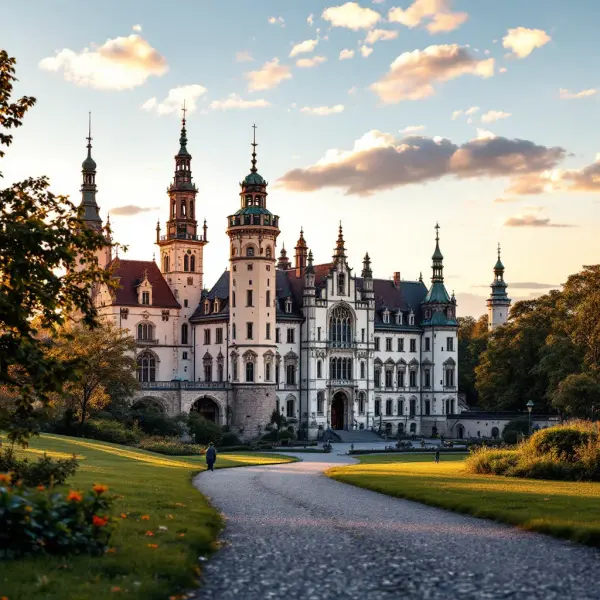
7. Pillnitz Castle
A Chinese-style palace on the Elbe, straight out of a fairy tale. Wander through ornate halls, browse a seasonal flower show in the orangery, then sip coffee on the river terrace.
Бързи факти: Китайски работници рисуват десетки хиляди миниатюрни сцени по стените на двореца, използвайки истинско златно фолио - детайл, който повечето посетители просто подминават. Замъкът се намира директно на река Елба и земите му се наводняват няколко пъти на десетилетие, принуждавайки персонала да мести безценни мебели на по-горните етажи.
Акценти: Всяко лято обширната английска градина на двореца се превръща в сцена за най-стария фолклорен парад с лодки в Европа, с десетки богато украсени плавателни съдове, които се носят по Елба. За един юлски уикенд спокойните крайречни морави на замъка се изпълват с костюмирани изпълнители, а традиционната музика отеква над водата, докато фойерверки избухват над кулите.
Where to Stay in Dresden, Germany
Selected by City Buddy based on guest reviews and proximity to top attractions
Search all hotels in Dresden, GermanyPowered by agoda
Традиционни сладки ястия

Dresdner Stollen (Christstollen)
This famous fruit bread has been baked in Dresden since the 14th century. The original version was so bland due to Lenten butter restrictions that Saxon nobles had to petition the Pope for permission to use butter.
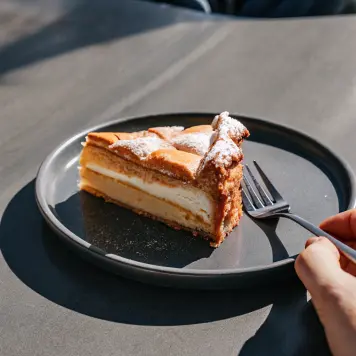
Dresdner Eierschecke
This layered cheesecake has a name derived from "Eierschecke," referring to a type of fabric underskirt, because the cake's layers resemble the ruffled hem of a dress. It features a quark cheese layer, custard, and a thin yeast dough base.

Pulsnitzer Pfefferkuchen
These traditional gingerbread-like spiced cookies come from the Pulsnitz region near Dresden. They are made with honey and a secret blend of spices, and have been baked using traditional recipes for over 400 years.
Традиционни солени ястия

Sächsischer Sauerbraten
Unlike other German versions made with beef, the Saxon Sauerbraten is traditionally made with horse meat, though beef is much more common today. The meat is marinated for several days in a mixture of vinegar, wine, and spices before slow roasting.

Leipziger Allerlei
Despite its name referencing Leipzig, this vegetable medley of peas, carrots, asparagus, and morels originated in the wider Saxony region including Dresden. It was once called "the most expensive vegetable side dish in the world" due to its use of premium ingredients.

Quarkkäulchen
These small fried potato-quark dumplings are a Saxon specialty that can be served savory with sauerkraut or sweet with applesauce and cinnamon sugar. They were a favorite dish of the Saxon royal court in Dresden.
Традиционни напитки

Radeberger Pilsner
Brewed just outside Dresden in Radeberg since 1872, this is one of Germany's most famous pilsner beers. It was the official beer of the Saxon royal court and was even served on the Titanic.

Dresdner Christstollen Punch
This warm winter punch is a beloved treat at the Dresden Striezelmarkt, Germany's oldest Christmas market dating back to 1434. It combines rum, tea, and spices, traditionally served in a festive mug.

Altschadower Fassbrause
This traditional Saxon soft drink is made from a mix of malt, fruit extracts, and spices, creating a slightly fizzy, tangy flavor. It was a popular non-alcoholic alternative in Dresden breweries dating back over 100 years.
Frequently Asked Questions about Dresden, Germany
Is Dresden, Germany safe for tourists?
How many days in Dresden, Germany are recommended?
What is the best time to visit Dresden, Germany?
Is Dresden, Germany expensive for tourists?
How to get around Dresden, Germany?
Получете PDF с най-популярните атракции на вашия имейл
Получете PDF с всички атракции, оценки и съвети. Перфектно за офлайн ползване.
Най-популярни еднодневни екскурзии
Meissen (Meißen)
Charming town known for its famous Meissen porcelain and picturesque old town.
Saxon Switzerland National Park
Stunning sandstone rock formations, hiking trails, and the iconic Bastei Bridge.
Leipzig
Vibrant city with music heritage, museums, and a lively cultural scene.
Prague, Czech Republic
Historic capital with Gothic architecture, Charles Bridge, and Old Town Square.
Moritzburg Castle
Fairytale Baroque castle surrounded by a scenic lake and forest.
Rent a car in Dresden, Germany
Как да стигнете там
Летища
ЖП гари
ICE, IC, EC, regional trains to Berlin, Leipzig, Prague, and across Saxony
ICE, regional trains and S-Bahn connections
From Dresden Airport, take tram line 7 or S-Bahn S2 to the city center in about 20 minutes. From the main train station, trams and buses connect to all major attractions.
Намерете полети до Dresden, Germany
Кликнете, за да получите eSim за Dresden, Germany
Най-лесният и достъпен начин за мобилен интернет, където и да пътувате.
Полезна информация за Dresden, Germany
Обзор за Dresden, Germany
Most popular itineraries for Dresden, Germany
Browse trip plans created by other travelers
Коментари (8)
Buy the Dresden City Card if you plan to hit more than 2 museums. Pays for itself and includes transit. Saved us like 20 euros.
The tram system is super easy and runs on time. Download the DVB app for tickets. Way faster than waiting for buses.
The Frauenkirche is incredible but honestly the whole city center felt like a museum piece. Beautiful but didn't feel alive.
Get dinner in Neustadt not Altstadt. Walk across the river. Same quality food for half the price and actual locals eat there.
Mixed feelings. Some parts are gorgeous rebuilt architecture but a lot of construction still going on. Give it 2-3 days max.