 CityBuddy
 Dansk
Dansk
Ting at lave i Trier, Germany
Foto lavet af Rodolfo Gaion på Pexels.com
Hvornår skal man besøge
Mest populære attraktioner i Trier, Germany
Oplevelser i Trier, Tyskland inkluderer at udforske den gamle Porta Nigra, en massiv romersk byport fra omkring år 180 e.Kr. Besøg Trier Domkirke med dens imponerende romanske arkitektur og uvurderlige kunstværker. Gå ikke glip af den nærliggende Vor Frue Kirke, kendt for sin gotiske skønhed og historiske betydning.
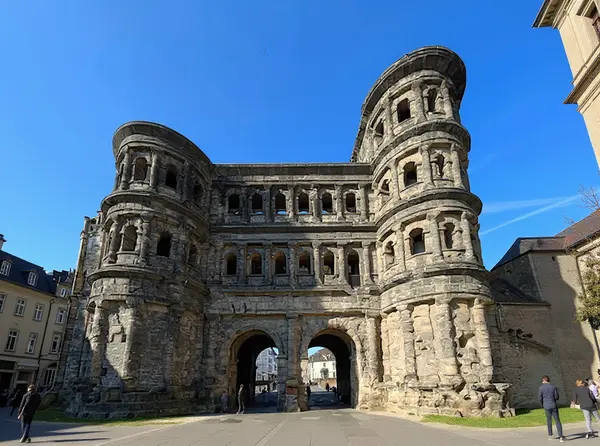
1. Porta Nigra
Spektakulær romersk port der viser Triers kejserlige fortid. Gå gennem tårnhøje buer, bestig de øvre niveauer og se byen fra gamle stenmure.
Hurtige fakta: Du kan se enorme blokke af gråt sandsten, der udgør den største romerske byport nord for Alperne, strukturen rager op til omkring 30 meter. Inden i et tårn boede en eremit ved navn Simeon, som senere blev begravet der, en begravelse der forvandlede stedet til en pilgrimshelligdom i omkring 800 år.
Højdepunkter: Klatr op ad smalle stentrapper og mærk den rillede sandsten under fødderne, den oprindelige romerske murværk holdes stadig sammen af jernklammer, som du kan følge med fingrene. I en overraskende middelalderlig drejning blev en eremit ved navn Simeon begravet inde i en kammer, og hans grav holdt porten som et sted for tilbedelse i omkring 800 år, hvilket efterlod lag af graffiti og hengivne mærker, som besøgende stadig kan se i dag.
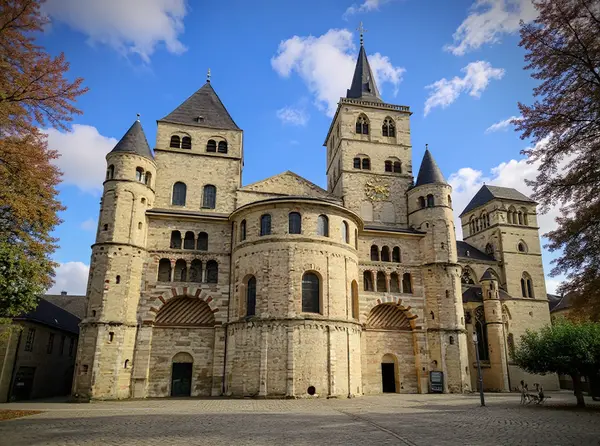
2. Trier Cathedral
Tysklands ældste katedral med lag på lag af romersk, middelalderlig og barok historie. Udforsk det høje skib, det Kejserlige Skatkammer og relikviet af den Hellige Tunika.
Hurtige fakta: Se op og oplev et miks af stilarter, hvor tunge romanske søjler møder luftige gotiske hvælvinger, et lapværk, der afspejler århundreders forandringer. En berømt relikvie, den Hellige Kåbe, tiltrækker pilgrimme og nysgerrige besøgende til skatkammeret og kapellet.
Højdepunkter: Sneak ind i det lille nordlige kapel, og du finder den Hellige Kåbe opbevaret under dæmpet lys, stoffets svagt ribbede væv synlig bag beskyttende glas. En enkelt lanterne oplyser kåben under sjældne fremvisninger, og mange besøgende siger, at stilheden og den kølige luft får stingdetaljerne til at se næsten lysende ud.
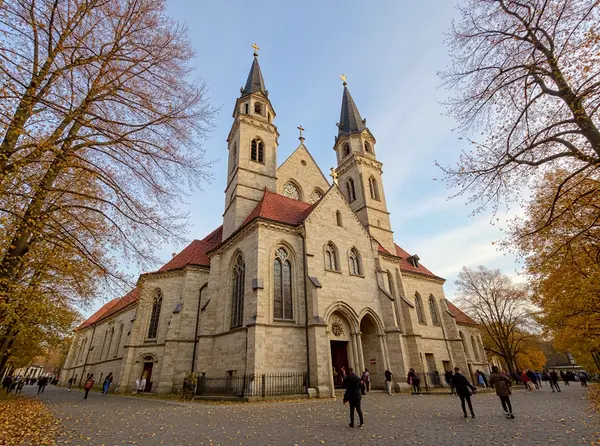
3. Church of Our Lady (Liebfrauenkirche)
Liebfrauenkirche
En markant middelalderkirke der blander romansk soliditet med gotisk højde. Gå under hvælvede stenkonstruktioner, studer århundreder gamle skulpturer og find rolige katedralhaver.
Hurtige fakta: En af de tidligste gotiske kirker nord for Alperne, bygningen blander romansk tyngde med svævende gotiske hvælvinger, så sollyset strømmer gennem fletværket og farver interiøret. En integreret del af et UNESCO Verdensarvsensemble med nærliggende romerske monumenter, kan man mærke over tusind års lagdelt historie, når fodtrin klinger over udskårne kapitæler og slidte fliser.
Højdepunkter: Træd indenfor, og sidst på eftermiddagen omkring kl. 15 strømmer sollyset gennem de høje, fletvirkede vinduer og bader udskårne kapitæler og kølige fliser i varmt guld og dybblåt. Lokale guider peger ofte på en lav rille på en nordlig søjle, hvor byens folk har glattet stenen med tilbud i mere end 200 år, du kan mærke den polerede plet under dine fingerspidser.
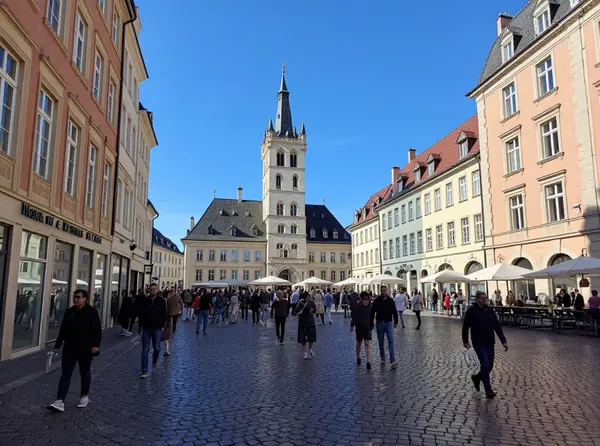
4. Hauptmarkt
Det historiske markedscentrum i Trier, summende af markeder og middelalderlig arkitektur. Forvent springvand, farverige gavlhuse, udendørs caféer og et livligt lørdagsmarked.
Hurtige fakta: Brosten runger med lyden af sælgerevogne og samtaler, mens farverige boder spilder blomster, håndværk og glas med lokal Riesling ud i den åbne luft. En patineret markedsfontæne anker pladsen og tilbyder et af favorittmødestederne for beboere og fotografer, der elsker en dristig silhuet i det gyldne lys.
Højdepunkter: Glødende klynger af cirka 100 træboder fylder pladsen hver vinter til julemarkedet, og fylder luften med gløgg, kanel og ristede kastanjer under rækker af varme pærer. Hvis du kigger ved fontænens fod, kan du se små murerstempler og udskårne initialer, en tavs optegnelse over de håndværkere, der formede pladsen, og som fanger sollyset i uventede sprækker.
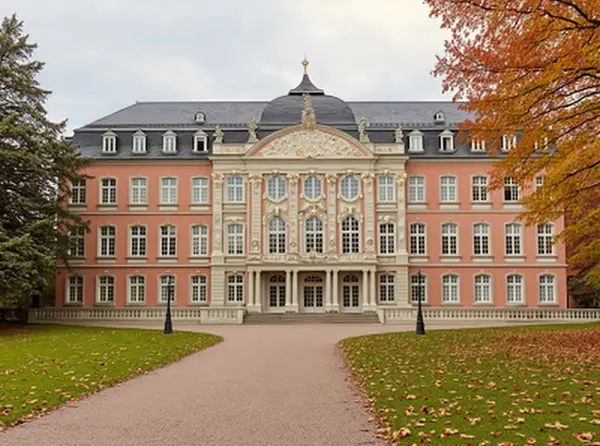
5. Electoral Palace (Kurfürstliches Palais)
Kurfürstliches Palais
Elegant barokpalæ med en velordnet formel have der afspejler Triers aristokratiske fortid. Gå i de store rum, tag billeder af facaden og slap af ved spejlbassinet.
Hurtige fakta: Du kan gå gennem enorme hvælvede sale med forgyldte lofter, hvor ceremonielle fodtrin stadig synes at klinge gennem stenen. Overraskende kontraster mellem middelalderlige fundamenter og overdådige barokudsmykninger viser sig overalt, og en afsides have giver et stille sted at sidde og se lyset drysse over gammel sten.
Højdepunkter: Træd ind i hovedbanketsalen, og du kan næsten lugte voks og appelsinskal, en lokal historie fortæller, at Elector Clemens Wenceslaus engang bød cirka 400 gæster til en maskebal der. Se efter den lille skjulte korridor med 12 slidte stentrin, lokalbefolkningen fortæller, at studerende plejede at løbe ned ad dem på festdage, og de slidte kanter er stadig blanke under fødderne.
Where to Stay in Trier, Germany
Selected by City Buddy based on guest reviews and proximity to top attractions
Search all hotels in Trier, GermanyPowered by agoda
Åbningstider i Trier, Germany
Hvilke af de mest populære seværdigheder holder lukket hvilken ugedag. Den klassiske rejseødelægger er tjekket for dig.
lørdag: 1 ud af 4 populære seværdigheder holder lukket. Planlæg museer til en anden dag.
Lukket lørdag · 1 lukkede, 3 åbne
Åbningstider fra Google Maps (tjekket 2026-02-24). Helligdage, strejker og sæsonåbningstider kan variere. Tjek den officielle hjemmeside, før du tager afsted.
Traditionelle søde retter
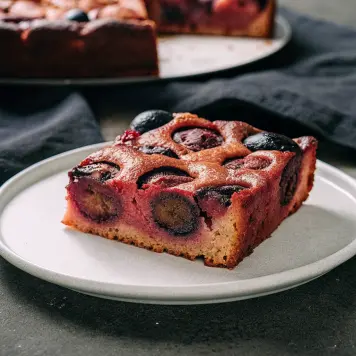
Quetschekuchen
A plum cake made with local damson plums, Quetschekuchen celebrates the Moselle harvest and is a seasonal favorite in Trier cafés and bakeries, especially in autumn.

Rheinischer Apfelkuchen
Rhenish apple cake, often spiced and served with whipped cream, is a homey, much-loved dessert found throughout Trier and the surrounding Rhineland-Palatinate region.

Dampfnudel with vanilla sauce
Steamed yeast dumplings served hot with vanilla sauce or fruit compote, Dampfnudeln are a comforting traditional dessert enjoyed at family meals and local festivals in the region.
Traditionelle salte retter
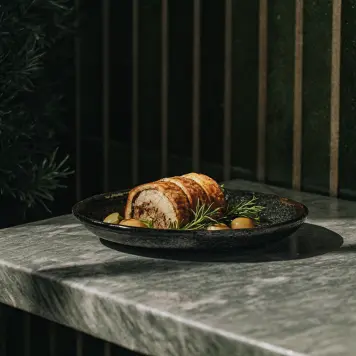
Saumagen
Originally from the Palatinate but widely eaten across Rhineland-Palatinate, Saumagen is a hearty stuffed pork-and-potato dish that became famous nationally and is still served in traditional Trier restaurants.

Himmel und Erde
Himmel und Erde, meaning Heaven and Earth, combines mashed potatoes and apple purée with blood sausage or fried bacon, offering a sweet and savory contrast typical of Rhineland cuisine and common in Trier.
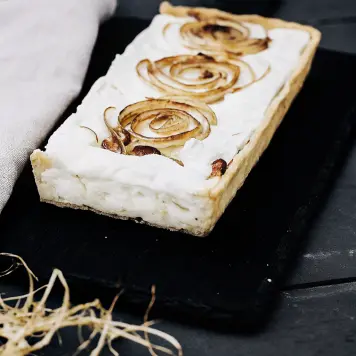
Zwiebelkuchen
Onion tart made with a yeasted or flaky crust topped with caramelized onions and bacon, Zwiebelkuchen is a staple at Moselle wine festivals and pairs perfectly with local new wine.
Traditionelle drikkevarer
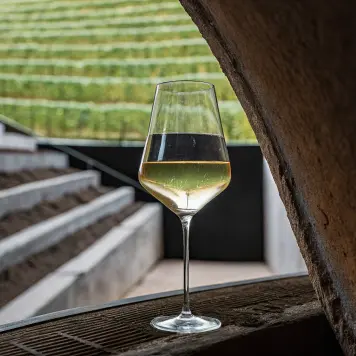
Mosel Riesling
Riesling from the Moselle is world-renowned, its crisp acidity and mineral notes come from steep slate terraces that define Trier's wine culture and seasonal festivals.

Federweißer
Federweißer is a young, partially fermented grape must available in autumn during the grape harvest, commonly enjoyed in Trier with savory pastries and at wine festivals.

Mosel Sekt
Locally produced sparkling wine, Mosel Sekt is the region's bubbly choice for celebrations and offers a fruit-driven, mineral character that reflects Trier's vineyards.
Vid det, før du tager afsted
Hvad en dag koster i Trier, og de rip-offs du skal undgå
Ofte stillede spørgsmål om Trier, Germany
Er Trier i Tyskland sikkert for rejsende?
Hvor mange dage bør jeg bruge i Trier, Tyskland?
Hvornår er det bedste tidspunkt at besøge Trier, Tyskland?
Er det dyrt at besøge Trier, Tyskland?
Hvordan kommer man rundt i Trier, Tyskland?
Få en PDF med de mest populære attraktioner sendt til din e-mail
Få en PDF med alle attraktioner, vurderinger og tips. Perfekt til offline brug.
Mest populære dagsture
Luxembourg City, Luxembourg
Grand Ducal Palace, Old Town, compact international capital.
Bernkastel-Kues (Mosel Valley), Germany
Picturesque wine village, half-timbered houses, river views.
Burg Eltz (Eltz Castle), Germany
Well-preserved medieval castle in a forested valley.
Koblenz and Deutsches Eck, Germany
Confluence of Mosel and Rhine, cable car to Ehrenbreitstein.
Saarbrücken, Germany
Regional capital with French influence, shops and museums.
Sådan kommer du dertil
Lufthavne
Togstationer
Regional and Intercity services to Koblenz, Luxembourg, Saarbrücken and Cologne
From Luxembourg Airport take train or shuttle to Trier; from Hahn use airport bus; Trier Hbf is walkable from center.
Nyttige oplysninger for Trier, Germany
Oversigt for Trier, Germany
Sammenlign Trier med andre destinationer
Priser, sikkerhed, vejr og topattraktioner side om side, med en vurdering for enhver type rejsende.
Vil du have en dag-for-dag-plan for Trier, Germany? Åbn rejseplanlæggeren
Hvornår tager du til Trier, Germany?
Vælg dine datoer og rejsetype for at få:
Er nogle af disse særligt vigtige for dig?
Vælg alle der passer
Transport i byen
Hvordan vil du bevæge dig mellem stederne?
Plansprog: Dansk