 CityBuddy
 Dansk
Dansk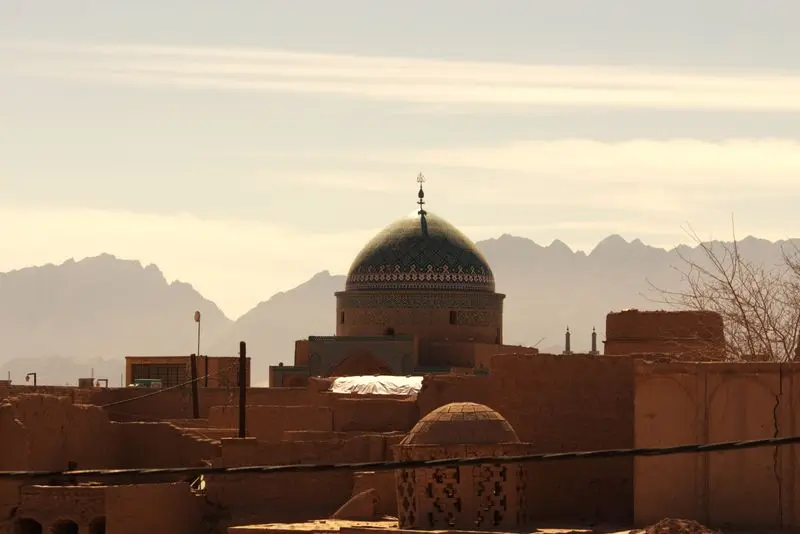
Ting at lave i Yazd, Iran
Foto lavet af SYDE Yvi på Pexels.com
Hvornår skal man besøge
Mest populære attraktioner i Yazd, Iran
I Yazd i Iran venter der masser af spændende aktiviteter på de rejsende. Blandt de vigtigste ting at se og lave i Yazd i Iran er beundringen af de imponerende høje, 52 meter høje minareter fra det 14. århundredes Jameh-moske i Yazd. På facaden af Amir Chakhmaq-komplekset står 12 enorme buer på række. Gå heller ikke glip af et besøg på Zoroastrian Fire Temple i Yazd, hvor et 1500 år gammelt helligt ild brænder.
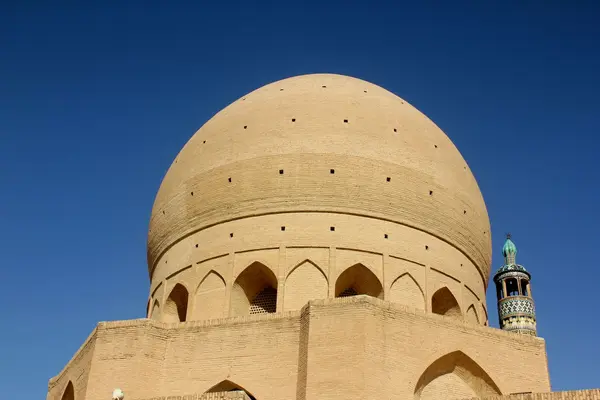
1. Jameh Mosque of Yazd
Persisk arkitektonisk mesterværk, hvor de blå fliser næsten gløder i ørkenens sollys. Gå under 1100-tallets murstenskuppel, mens du opdager prydkunstens højdepunkt.
Hurtige fakta: Et af de mest pompøse eksempler på iransk keramik- og flisekunst, hvor farven blå dominerer facaderne. 900 kvadratmeter fliser dækker bygningen, og indgangsportalen er Irans højeste islamiske port på 24 meter.
Højdepunkter: I morgenlyset ser de blå fliser næsten ud til at gløde, og i eftermiddagssolen træder de omhyggelige detaljer i arabeskmønstrene på facaderne også frem. Står man under bygningens enorme murstenskuppel, mødes man af den imponerende akustiske oplevelse fra 1000-tallets seldsjukkiske arkitektur.
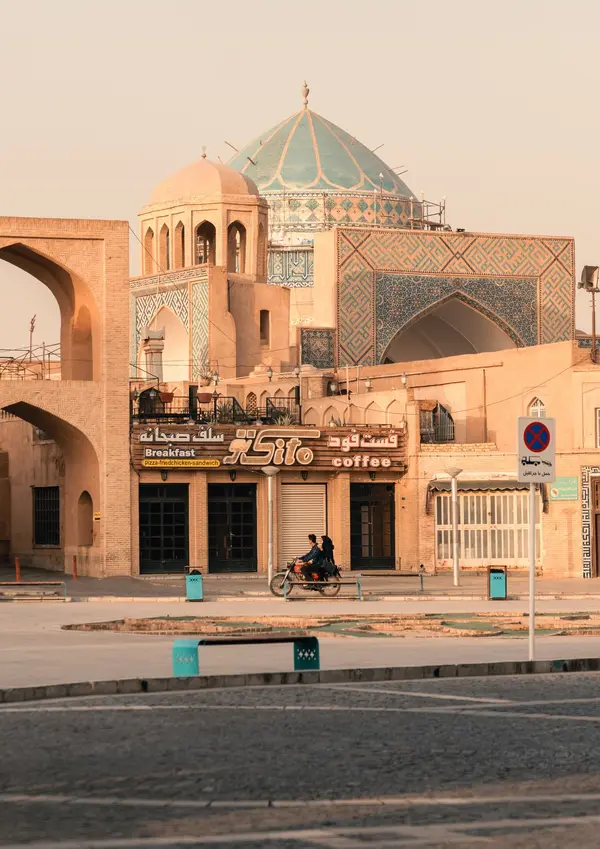
2. Amir Chakhmaq Complex
Her ser du en af Persiens mest fotogene facader, som virkelig stråler ved skumringen. Gå gennem den overdækkede basar, drik en te på torvet, og se lokalbefolkningen leve deres hverdag.
Hurtige fakta: Det shiitiske monument fra 1800-tallet rejser sig fra en enkelt enorm, regelmæssigt nichepræget facade, der strækker sig tre etager op. Den tilhørende basar strækker sig 400 meter, og de lokale kender pladsen først og fremmest som rammen om de daglige indkøb og tehus-samtaler.
Højdepunkter: Facaden med sine 567 regelmæssige nicher bader i orange lys ved tusmørke, som om en enorm, oplyst moské rejste sig fra ørkenens rand. Den ensomme vandbeholder midt på pladsen forsvinder også ind i fortidens tåge, skønt forbipasserende i de varme somre her kølede deres meloner med en spand, der blev hejst op fra dybet.
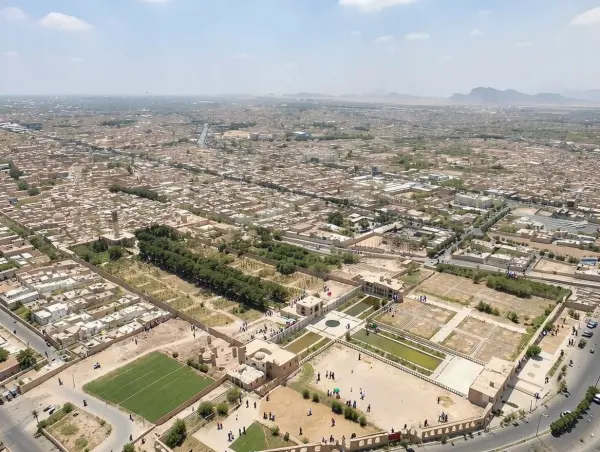
3. Dowlatabad Garden
I en af Irans smukkeste persiske haver køler et 33 meter højt vindtårn luften. Gå gennem de spejlede sale, mens de underjordiske kanalers sagte rislen ledsager dig.
Hurtige fakta: Det 33 meter høje tårn er et af de højeste vindtårne i Iran, som køler de indre rum med naturlig ventilation. Haven blev bygget i det 18. århundrede af Mohammad Taqi Khan, som også skabte et enormt underjordisk vandrørsystem til byens vandforsyning.
Højdepunkter: Inde i den ottekantede pavillon, der står midt i bagh (den persiske have), er væggene dækket af omhyggeligt udførte spejlmosakker, som spreder sollyset hundredfold i rummene. Gennem det 65 meter lange underjordiske gangsystem strømmer luft, der er 15-20 grader celsius køligere selv i hedebølgen, op gennem vindtårnet og ind i pavillonen.
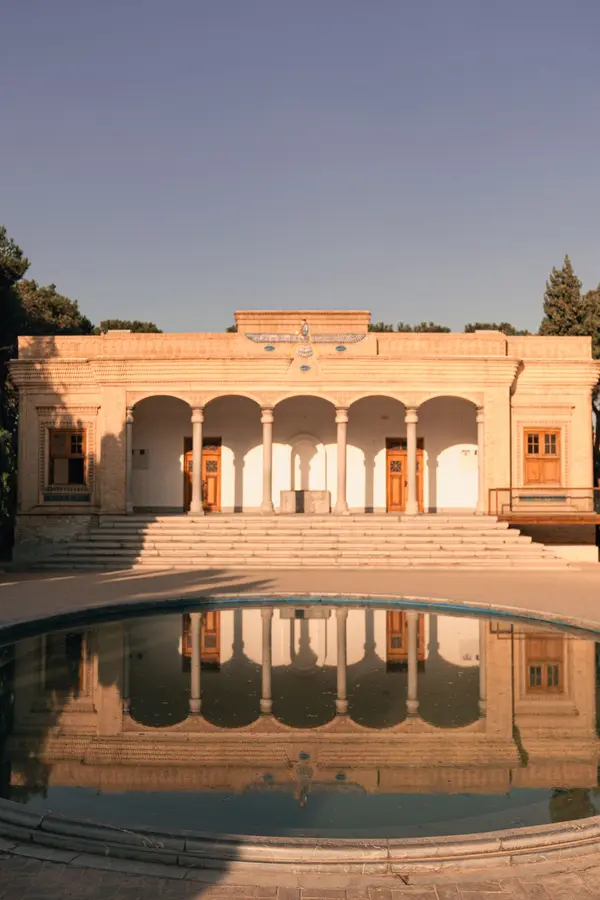
4. Zoroastrian Fire Temple of Yazd
Her ser du en af verdens ældste stadig brændende ild, som har brændt i mere end halvandet årtusinde. Siddende i det dunkle rum kan du se flammerne danse, mens den zoroastriske tro omslutter dig.
Hurtige fakta: Flammen, der brænder her, siges ikke at være gået ud i over 1500 år, og den er en af verdens ældste konstant brændende ilde. Den hellige ild, der opbevares i templet, blev samlet fra ni forskellige kilder, før den blev bragt hertil i begyndelsen af det 20. århundrede.
Højdepunkter: Midt på facaden holder et enormt, indhugget Faravahar-symbol øje med de besøgende. Det er et af de ældste symboler i den zoroastriske tro. Lyset, der siver ind gennem templets glasvindue, danser i det indre rum på en måde, så den gamle flamme næsten omgives af en overnaturlig glød.
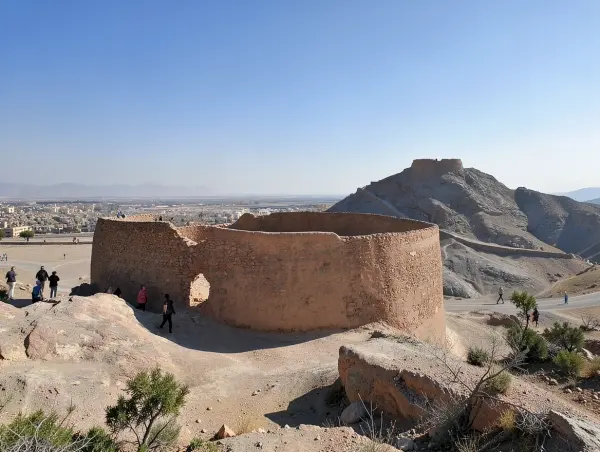
5. Towers of Silence
Et sted, hvor døden næsten håndgribeligt møder ørkenvinden. Du kan se stentårnene og ørkenen, mens sollyset forvandler sandet.
Hurtige fakta: Ifølge den zoroastriske begravelsesskik blev ligene udsat for gribbene på denne højdedrag. Tårnene blev bygget i det 6. århundrede, og der finder ikke længere ceremonier sted, men stedets ånd er stadig lige stærk.
Højdepunkter: Inde i tårnene er der ikke noget skræmmende, og der er heller ikke nogen spektakulære arkitektoniske elementer. Det, man kan mærke på toppen af bakken, er den totale stilhed og den 2500 år gamle visdom, at døden ikke er slutningen på livet, men en tilbagevenden til naturen.
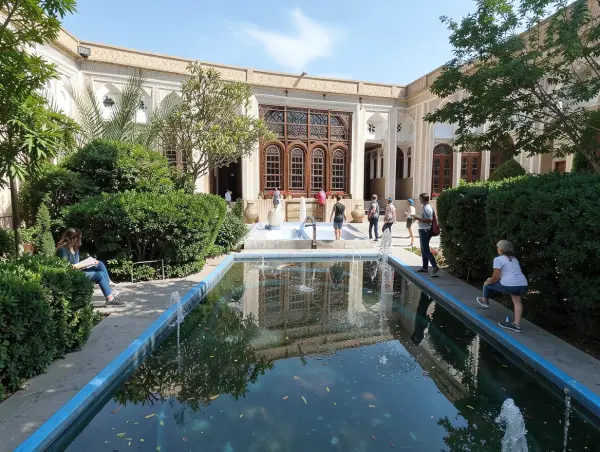
6. Yazd Water Museum
Her forstår du, hvordan perserne holdt ørkenbyerne i live. Stig ned i en urgammel underjordisk kanal, hvor isnende koldt vand og den tavse sand giver en håndgribelig oplevelse.
Hurtige fakta: Persiske ingeniører byggede for århundreder siden et underjordisk kanalsystem, der transporterede vand selv i ørkenens hede. Nogle af de qanater, der vises på museet, kunne være op til 70 kilometer lange, og vandet rørte aldrig jordoverfladen.
Højdepunkter: Ved siden af en 300 år gammel qanat kan du gå ned under jorden, hvor du mellem stenvæggene kan høre vandets pludren. Et af udstillingens mest usædvanlige stykker er et 2000 år gammelt lerrør, som de gamle persere allerede brugte til vandforsyningen.
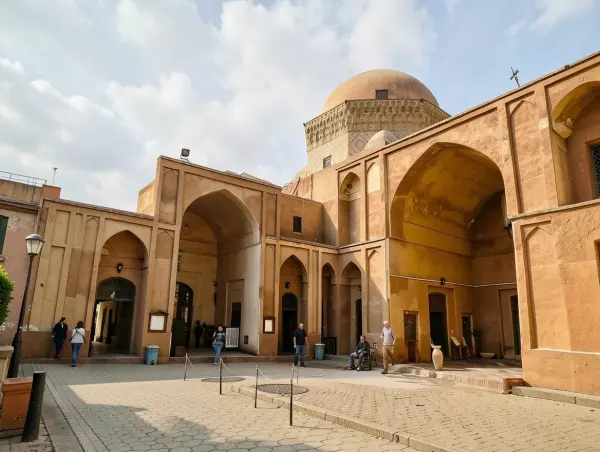
7. Alexander's Prison
Et sted, hvor fortiden lever, og den geniale persiske arkitektur mødes. Træd ind i mørket, mærk den kølige luft og opdag den skjulte vandopsamlingssystems geniale mekanisme.
Hurtige fakta: Strukturen fra 800-tallet var faktisk aldrig et fængsel, men derimod en kæmpe cisterne og et hvilested i det gamle Persien. Navnet stammer fra, at Alexander den Store ifølge de lokale sagn holdt oprørske adelsmænd fanget her.
Højdepunkter: Indenfor folder en enorm, mørk kuppelsal sig ud foran dig, hvor lyset, der kommer oppefra, tegner væggene på den 8 meter dybe cisterne. Den perfekte akustik og den luft, der er 12 grader køligere, giver en følelse af, som om man var trådt tilbage til et andet århundrede.
8. Lariha House
Her kan du rejse tilbage i tiden til en velhavende persisk families hverdag. Mens du lytter til vindfangernes hvisken og springvandets rislen, kan du nyde en myntete.
Hurtige fakta: Købmandspalæet fra 1800-tallet kan prale af håndskårne bjælker og farverige glasmalerivinduer. Bassinet midt på gårdspladsen genskaber de persiske havers kølige mikroklima i ørkenens hede.
Højdepunkter: De indvendige vægge i huset er dækket af 47 forskellige geometriske mønstre, som er skåret i hånden af tefarvede gipsstukkatur. I loftet i et af værelserne findes en 200 år gammel loftskomposition, der gemmer på hemmelige symboler, som kun kan opdages i en bestemt vinkel af middagssolen.
9. Khan Bathhouse and Bazaar
Fordyb dig i den magiske atmosfære i et 400 år gammelt persisk bad. Blå mosaikker, spejlede sale og friske dufte følger dig gennem de labyrintiske korridorer.
Hurtige fakta: Badkompleks, der har været i drift i over 400 år, hvor du kan beundre et imponerende eksempel på persisk arkitektur. Under de enorme kupler, der er dækket af farverige mosaikker og spejldekorationer, venter der ikke kun et badehus, men også en basar, hvor du kan købe håndværksprodukter.
Højdepunkter: På kuplens inderside siver sollyset gennem hundredvis af små åbninger og skaber en stjernehimmel over bassinerne, selv om dagen. Når du står under det 12 meter høje loft med farvede glasmosaikker, glemmer du næsten, at du befinder dig i en underjordisk bygning.
Where to Stay in Yazd, Iran
Selected by City Buddy based on guest reviews and proximity to top attractions
Search all hotels in Yazd, IranPowered by agoda
Åbningstider i Yazd, Iran
Hvilke af de mest populære seværdigheder holder lukket hvilken ugedag. Den klassiske rejseødelægger er tjekket for dig.
fredag: 1 ud af 9 populære seværdigheder holder lukket. Planlæg museer til en anden dag.
Lukket fredag · 1 lukkede, 8 åbne
Åbningstider fra Google Maps (tjekket 2026-07-23). Helligdage, strejker og sæsonåbningstider kan variere. Tjek den officielle hjemmeside, før du tager afsted.
Traditionelle søde retter
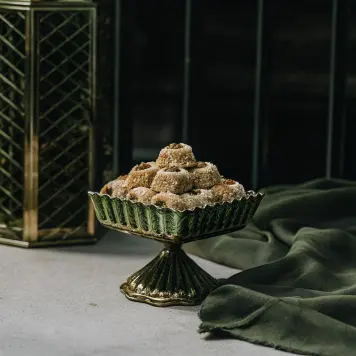
Baklava (Yazdi style)
Unlike the filo-based versions in Turkey or Greece, Yazdi Baklava is a diamond-shaped cookie made with almonds, cardamom, and rosewater, and soaked in a thick sugar syrup for a delightfully chewy texture.
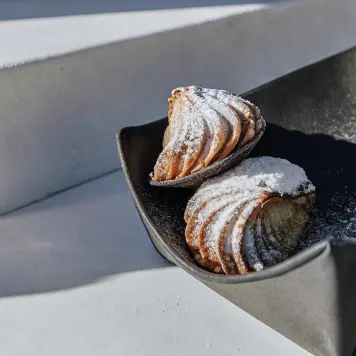
Qottab
These deep-fried almond-filled pastries are dusted with powdered sugar and have a delicate, crescent shape. They are a signature of Yazd and often served at celebrations and Nowruz gatherings.
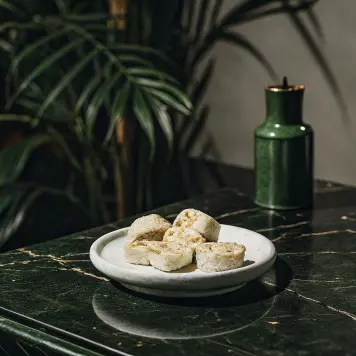
Hajji Badami
A crumbly, biscuit-like cookie packed with whole almonds and ground cardamom, Hajji Badami is named after a famous Yazdi baker. Its dry, melt-in-your-mouth texture makes it perfect for dipping in tea.
Traditionelle salte retter

Shuli (Sholeh)
This thick, hearty Yazdi soup is made from lamb, lentils, spinach, and a tart herb called "ghoureh" (unripe grapes). It is famous for its tangy, sour flavor that is unique to the region.

Yazdi Koofteh (Koofteh Yazdi)
Unlike the classic Tabrizi meatball, this version is a large, stuffed meatball made from ground lamb or beef with rice, split peas, and a surprising sour center made from dried plums or prunes.
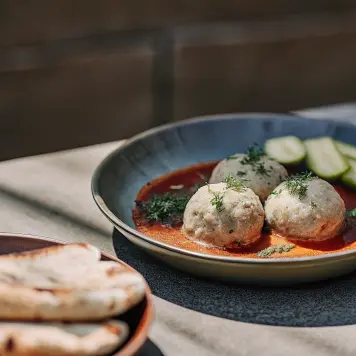
Gondi (Yazdi style)
Gondi are chickpea and chicken meatballs, slow-cooked in a spiced broth and often served with pita bread, pickles, and fresh herbs. Yazd's version is particularly famous for its light, fluffy texture.
Traditionelle drikkevarer

Sekanjebin-e Yazdi
This sweet and sour syrup is made from vinegar, honey or sugar, and mint. Yazdi families often ferment it for weeks, giving it a complex, slightly fizzy quality that is incredibly refreshing in the desert heat.

Kashk-e Bademjan (as a drink)
While commonly a dip, in Yazd they prepare a unique warm, drinkable version (often called "Aab-e Kashk") made from diluted fermented whey, mint, and walnuts, served as a restorative winter beverage.

Chai-ye Nabat (Yazdi Rock Candy Tea)
This is simply strong black tea served with a stick of amber-colored rock candy (nabat) on the side. The diner stirs the candy to their desired sweetness, and the saffron in the nabat gives the tea a golden hue.
Ofte stillede spørgsmål om Yazd, Iran
Er Yazd, Iran sikkert?
Hvor mange dage bør man tilbringe i Yazd?
Hvornår er det bedst at rejse til Yazd?
Er Yazd, Iran dyrt?
Hvordan kan man komme rundt i Yazd?
Få en PDF med de mest populære attraktioner sendt til din e-mail
Få en PDF med alle attraktioner, vurderinger og tips. Perfekt til offline brug.
Mest populære dagsture
Chak Chak (Zoroastrian Fire Temple)
Sacred Zoroastrian pilgrimage site nestled in desert mountains.
Kharanaq (Ancient Village)
Abandoned 1000-year-old mud-brick village with a shaking minaret.
Isfahan
Iconic city with Naqsh-e Jahan Square and stunning mosques.
Sådan kommer du dertil
Lufthavne
Togstationer
Tehran, Isfahan, Kerman, Mashhad
From the airport, taxis cost around 10-15 USD to the city center. Yazd is well connected by night trains from Tehran (6-7 hours).
Nyttige oplysninger for Yazd, Iran
Oversigt for Yazd, Iran
Vil du have en dag-for-dag-plan for Yazd, Iran? Åbn rejseplanlæggeren
Hvornår tager du til Yazd, Iran?
Vælg dine datoer og rejsetype for at få:
Er nogle af disse særligt vigtige for dig?
Vælg alle der passer
Transport i byen
Hvordan vil du bevæge dig mellem stederne?
Plansprog: Dansk