 CityBuddy
 Dansk
Dansk
Ting at lave i Nara-shi, Japan
Foto lavet af Anele Ludaviciute på Pexels.com
Hvornår skal man besøge
Mest populære attraktioner i Nara-shi, Japan
Ting at lave i Nara-shi, Japan inkluderer at besøge Todai-ji Templet, hjemsted for en massiv 15 meter høj bronzebuddha-statue, og at udforske Nara Park, hvor venlige hjorte strejfer frit rundt på 660 hektar. Kasuga Taisha Helligdommen tilbyder en gåtur gennem tusindvis af sten- og bronze-lanterner, der oplyser fredfyldte skove. Hvert sted beriger din kulturelle rejse.
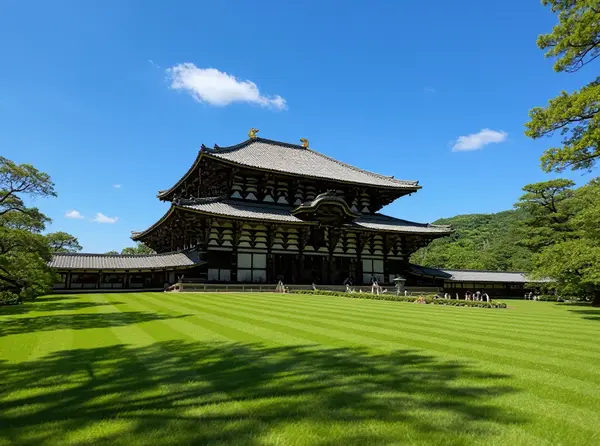
1. Nara Park
Oplev nære møder med over 1.000 hjorte i et stort naturområde. Nyd afslappende gåture, gamle templer og legesyge hjorte, der bukker for godbidder.
Hurtige fakta: Over 1.000 fritlevende hjorte strejfer rundt i parken, som i lokal folklore betragtes som budbringere for guderne. Parken strækker sig over 660 hektar og tiltrækker over 14 millioner besøgende årligt, især under kirsebærblomstringssæsonen.
Højdepunkter: Besøgende kan købe særlige hjortekiks kaldet "shika senbei" for at fodre hjortene, hvilket skaber mindeværdige interaktive øjeblikke. At hjortene bukker for besøgende i bytte for mad tilføjer et uventet og charmerende element, der ofte glæder førstegangsbesøgende.
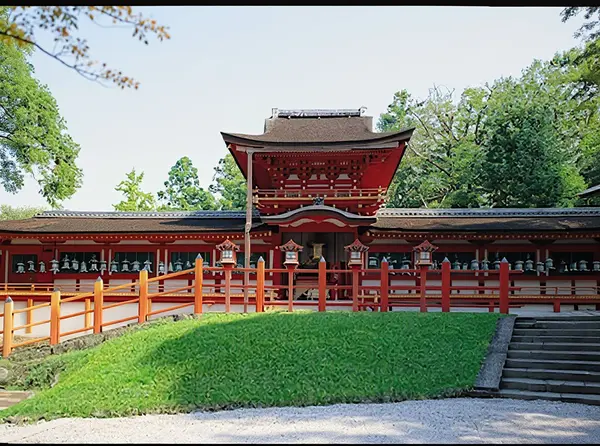
2. Kasuga Taisha Shrine
Oplev gløden fra tusindvis af lanterner og vandre blandt hellige hjorte. Mærk århundreders tradition i stille, oplyste stier og fredfyldte skovområder.
Hurtige fakta: Over 3.000 sten- og bronzelygter ligger langs stierne og lyser vejen i en magisk glød under festivaler. Hjorte strejfer frit rundt som hellige budbringere og blander natur med spiritualitet gennem hele helligdomsområdet.
Højdepunkter: Lygtfestivalen tænder hundredvis af lygter samtidigt to gange om året og skaber en fortryllende lysstrøm, der flimrer ved siden af vermilion torii-porte. En sjov tradition lader besøgende skrive ønsker på trætavler, der udstilles blandt tusindvis hængende under tagskæggene, hver med håb og velsignelser.

3. Nara National Museum
Udforsk sjælden buddhistisk kunst, der afslører gamle spirituelle fortællinger. Oplev fredelige gallerier og rolige haver, der blomstrer med lotusblomster.
Hurtige fakta: Museet huser over 10.000 stykker japansk buddhistisk kunst, herunder udsøgte skulpturer og ruller. Besøgende kan ofte se roterende udstillinger, der fremhæver forskellige epoker og stilarter af buddhistisk kultur.
Højdepunkter: En unik funktion inkluderer galleriet bygget udelukkende af træ med traditionelt japansk snedkerarbejde, hvilket skaber en fredfyldt atmosfære, der komplementerer den spirituelle kunst. Haven udenfor viser lotusblomster, der afspejler buddhistiske temaer, hvilket gør udendørsudsigten til en forlængelse af udstillingerne.
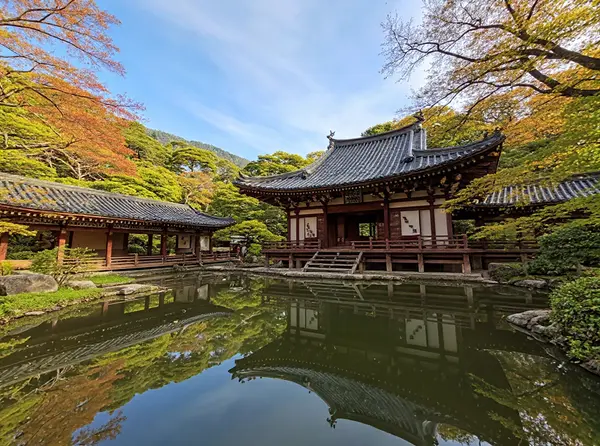
4. Isuien Garden
Opdag præcis japansk havekunst med en fantastisk udsigt til Todai-ji-templets Buddhahal. Gå en tur blandt beroligende damme og livlige årstidsfarver, der ændrer dit perspektiv.
Hurtige fakta: Forvent landskaber skabt med et tehus, damme og Todai-jis Store Buddhasal, der kigger frem mellem træerne. Haven spænder over ca. 9000 kvadratmeter og blander design fra Edo-perioden med en smart brug af lånt natur for at udvide den visuelle dybde.
Højdepunkter: Ægte magi sker ved dammen, hvor karper svømmer omgivet af omhyggeligt arrangerede sten, der repræsenterer øer. Om efteråret skaber ahornløvet en flammende kontrast mod det mørke vand, kurateret til at blive set fra et bestemt verandaområde. Langs den vestlige kant sprænger et gammelt blommetræ, over 300 år gammelt, ud i duftende blomster, der tilbyder en sanseoplevelse ud over det visuelle.
5. Yoshikien Garden
Rolige gåture gennem forskellige landskaber venter. Oplev frodige mos-tæpper og sæsonbestemte blomsterudbrud i en fredelig have.
Hurtige fakta: Denne have har tre forskellige områder: en damhave, en moshave og en teceremonihave, hver skabt til at fremhæve årstidernes skift. Besøgende finder ofte fred her, da den tiltrækker færre menneskemængder sammenlignet med nærliggende berømte steder, hvilket skaber et stille tilflugtssted.
Højdepunkter: Moshaven dækker omkring 600 kvadratmeter med over 120 mosarter og skaber et frodigt grønt tæppe, der skifter tekstur under fødderne i løbet af året. Om foråret springer teceremonihaven ud med azalea og blåregn, hvilket giver en duftende overraskelse blandt de traditionelle stier og tehuset.
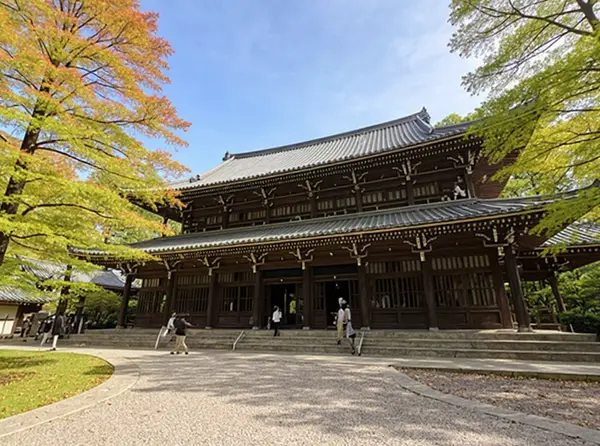
6. Nigatsu-do Hall
Oplev gamle ritualer med flammende fakler i luften. Nyd vidstrakte udsigter og hellige traditioner helt tæt på.
Hurtige fakta: En ritual kaldet Omizutori afholdes hver marts i denne hal, hvor massive fakler på op til 8 meter brænder og skaber et imponerende skue. Hallen ligger på en skråning og tilbyder en panoramaudsigt over Nara by gennem sine åbne verandaer.
Højdepunkter: Under Omizutori falder gnister fra de store fakler nogle gange ned på tilskuerne nedenfor, hvilket menes at bringe held og sundhed. Cederstolperne inde i hallen bevarer en svag, duftende aroma fra århundreders røgelse brændt under ceremonier.
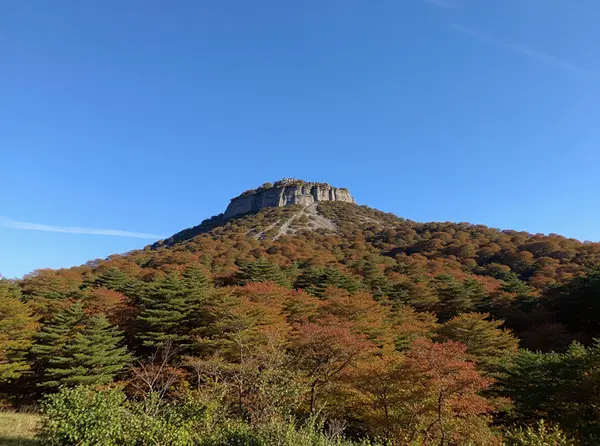
7. Mount Wakakusa
Oplev betagende panoramaudsigt og en flammende festivalkulisse. Gå op ad bakken til tempeludsigten og vær vidne til den glødende græsbegivenhed.
Hurtige fakta: Denne bakke dækker ca. 33 hektar og byder på panoramaudsigt, især over de gamle templer i det omkringliggende område. Hvert år samles tusindvis her til "Yamayaki"-festivalen, hvor de græsklædte skråninger sættes i brand i et imponerende skue.
Højdepunkter: Den årlige Yamayaki-festival oplyser 8 hektar græs med kontrolleret ild, hvilket skaber et glødende skue, der kan ses fra miles omkring. Kvæg græssede engang på disse skråninger, og deres tilstedeværelse var med til at forme bakkens unikke økosystem gennem århundreder.
Where to Stay in Nara-shi, Japan
Selected by City Buddy based on guest reviews and proximity to top attractions
Search all hotels in Nara-shi, JapanPowered by agoda
Åbningstider i Nara-shi, Japan
Hvilke af de mest populære seværdigheder holder lukket hvilken ugedag. Den klassiske rejseødelægger er tjekket for dig.
mandag: 1 ud af 6 populære seværdigheder holder lukket. Planlæg museer til en anden dag.
Lukket mandag · 1 lukkede, 5 åbne
Åbningstider fra Google Maps (tjekket 2026-04-08). Helligdage, strejker og sæsonåbningstider kan variere. Tjek den officielle hjemmeside, før du tager afsted.
Traditionelle søde retter
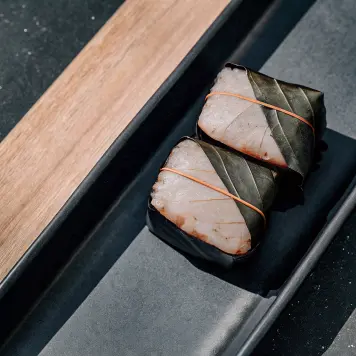
Kakinoha-zushi
While primarily a savory dish, Kakinoha-zushi sometimes features a subtly sweet vinegared rice that delights taste buds with its unique balance of flavors. It is sushi wrapped in persimmon leaves, which help preserve the freshness and add aroma.
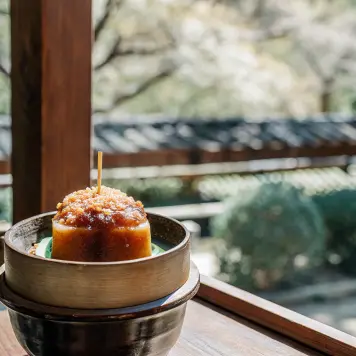
Kuzu Mochi
Kuzu Mochi is a traditional sweet made from kuzu starch and often served with kinako (roasted soybean flour) and kuromitsu (black sugar syrup), offering a chewy texture and rich, sweet taste.
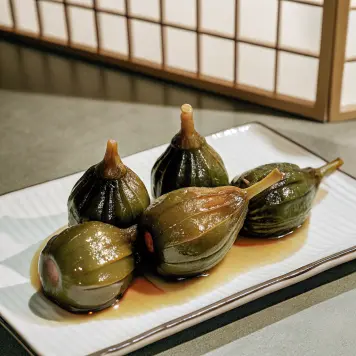
Narazuke
Narazuke is a type of sweet pickle made from vegetables soaked in sake lees, resulting in a sweet and slightly alcoholic flavor that is a unique local delicacy.
Traditionelle salte retter

Kakinoha-zushi
Kakinoha-zushi is a famous local type of sushi from Nara, where mackerel or pressed sushi is wrapped in persimmon leaves, giving it a distinct aroma and flavor from the leaves.
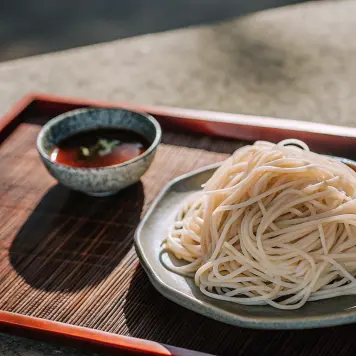
Miwa Somen
Miwa Somen noodles, originating from Nara's Miwa area, are thin wheat noodles often enjoyed cold with dipping sauce, known for their smooth texture and light taste.
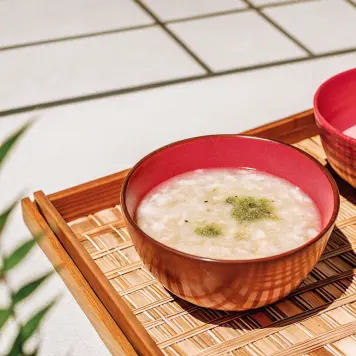
Chagayu
Chagayu is a savory rice porridge cooked with green tea, blending comforting rice and aromatic tea for a uniquely refreshing flavor that is popular in Nara.
Traditionelle drikkevarer

Yamato-cha
Yamato-cha is green tea from Nara’s Yamato region, prized for its rich aroma and smooth, slightly sweet flavor, reflecting the region's tea-growing tradition.

Umeshu
Umeshu, plum wine, is often enjoyed in Nara, made from local plums soaked in sake or shochu and sugar, resulting in a sweet and tangy drink.
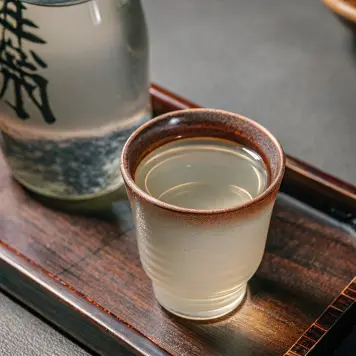
Sake from Nara
Nara is known for its high-quality sake brewing, utilizing pure water from the region and traditional methods to produce a smooth, refined sake with a deep umami profile.
Ofte stillede spørgsmål om Nara-shi, Japan
Er Nara-shi, Japan sikkert for rejsende?
Hvor mange dage bør jeg tilbringe i Nara-shi, Japan?
Hvornår er det bedste tidspunkt at besøge Nara-shi, Japan?
Er Nara-shi, Japan dyrt for rejsende?
Hvordan kommer man rundt i Nara-shi, Japan?
Få en PDF med de mest populære attraktioner sendt til din e-mail
Få en PDF med alle attraktioner, vurderinger og tips. Perfekt til offline brug.
Mest populære dagsture
Kyoto
Historic city with temples, shrines, and traditional culture.
Osaka
Vibrant city known for food, shopping, and entertainment.
Kobe
Port city famous for beef, harbor views, and mountain scenery.
Sådan kommer du dertil
Lufthavne
Togstationer
JR Yamatoji Line, Kintetsu Nara Line
From Kansai International Airport, take the Nankai or JR train to Osaka, then transfer to a direct train to Nara.
Nyttige oplysninger for Nara-shi, Japan
Oversigt for Nara-shi, Japan
Vil du have en dag-for-dag-plan for Nara-shi, Japan? Åbn rejseplanlæggeren
Hvornår tager du til Nara-shi, Japan?
Vælg dine datoer og rejsetype for at få:
Er nogle af disse særligt vigtige for dig?
Vælg alle der passer
Transport i byen
Hvordan vil du bevæge dig mellem stederne?
Plansprog: Dansk