 CityBuddy
 English
Things to Do in Colombia
Photo made by Sanni Sahil on Pexels.com
When to visit
Plan your perfect trip to Colombia
Get a complete travel plan built just for you in under 30 seconds, with daily routes, local food tips, budget estimates and more.
Are any of these especially important to you?
Select all that apply
Plan language: EnglishMost popular attractions in Colombia
Start your search for the best things to do in Colombia at Monserrate, a 3,100-meter peak above Bogotá reached by cable car. Explore Cartagena's Ciudad Amurallada, a walled city with 11 kilometers of stone fortifications. Then climb Medellín's Comuna 13 on public escalators, passing 27 large-scale murals that recount the neighborhood's transformation.
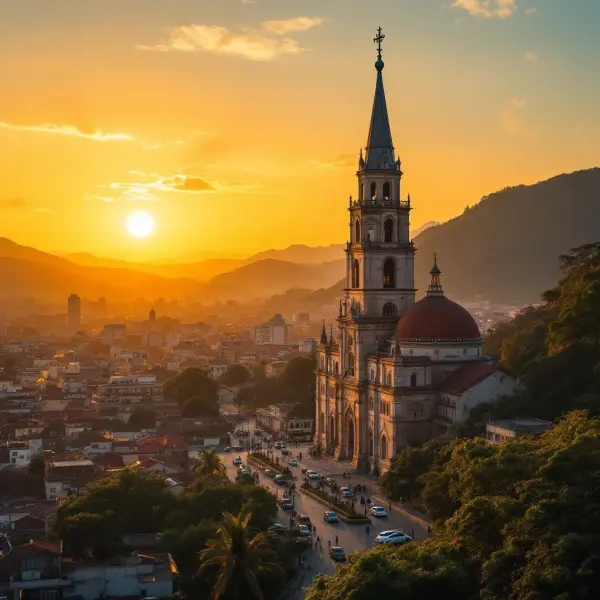
1. Ciudad Amurallada
Cartagena
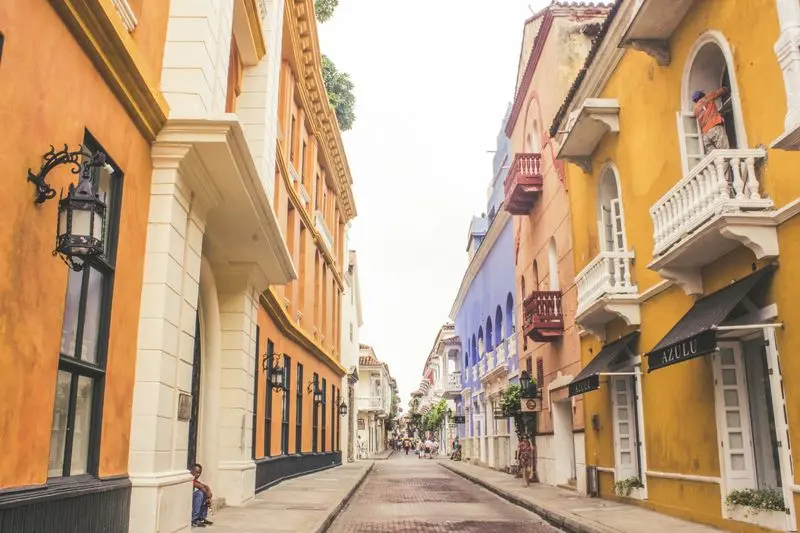
Wander through 500 years of living history inside 11 kilometers of colonial stone walls. Feel the tropical heat give way to ocean breezes as you explore cobblestone alleys, flower-draped balconies, and hidden plazas.
Quick facts: The 11 kilometers of colonial stone walls took nearly 200 years to complete and still encircle the old city today. Over 2 million visitors walk these cobblestone streets each year, passing buildings painted in electric Caribbean colors.
Highlights: At sunset, locals gather on the 400-year-old stone ramparts near the Santo Domingo bastion to watch the sky melt into the Caribbean Sea. Street vendors set up right there selling fresh coconut rice and corozo juice, and the sound of salsa music drifts up from the plazas below.
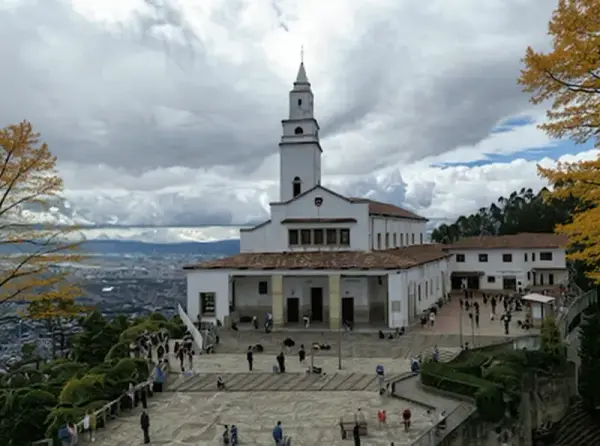
2. Monserrate
Bogotá
Quick facts: Morning fog often curls around the summit, turning the small white chapel into a haloed silhouette that attracts both pilgrims and photographers. Visitors choose between a steep pilgrimage staircase, a winding trail and a vintage funicular, and the payoff is a sweeping panorama that makes the surrounding city feel astonishingly compact.
Highlights: At 3,152 meters above sea level the summit hits you with thin, cold air and a eucalyptus-scented breeze while the bright red funicular and glass-sided cable car climb the steep ridge, framing the city like a living map below. Every September 14 pilgrims still gather for the Feast of the Exaltation of the Holy Cross, tying weathered rosaries and old crutches to the chapel railings as votive offerings, the clinking metal and beads sounding like a private choir of gratitude.
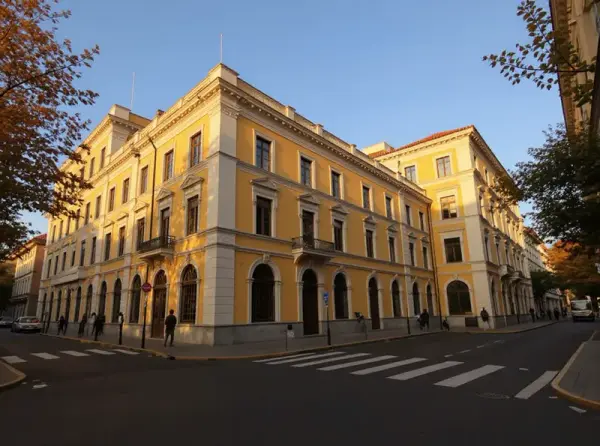
3. Museo del Oro
Bogotá
Quick facts: Dimly lit galleries showcase tiny, breath-stopping metal figures and elaborate pectorals, where hammered gold and intricate alloys reveal astonishing technical skill and layered symbolism. Visitors encounter a collection of more than 55,000 objects, with immersive displays and audio that bring ancient ceremonies and everyday life into sharp, luminous focus.
Highlights: You can stare for minutes at the tiny Muisca raft, a gold votive about 20 centimeters long that reenacts the El Dorado ritual with a boat of tiny figures covered in gold dust. More than 34,000 pieces in the collection were ceremonial offerings rather than currency, so many are crafted as hair-thin, flexible sheets and when conservators lift them you can almost hear a delicate metallic rattle.
Have you heard of free walking tours?
After traveling to 30+ countries, there's one thing I wish someone had told me from day one, and it completely changed how I experience new cities.
Free walking tours. Yes, actually free. No credit card needed. No catch.
Local guide, 2-3 hours
Major sights, hidden gems, local stories
100% tip-based
Guides earn only tips, so they give their absolute best
You tip what feels right
At the end, just tip whatever you feel is right
I've done these in dozens of cities and they've been the highlight of almost every trip. If you're visiting Colombia, do this on your first day. You'll thank me later.
4. Castillo de San Felipe de Barajas
Cartagena
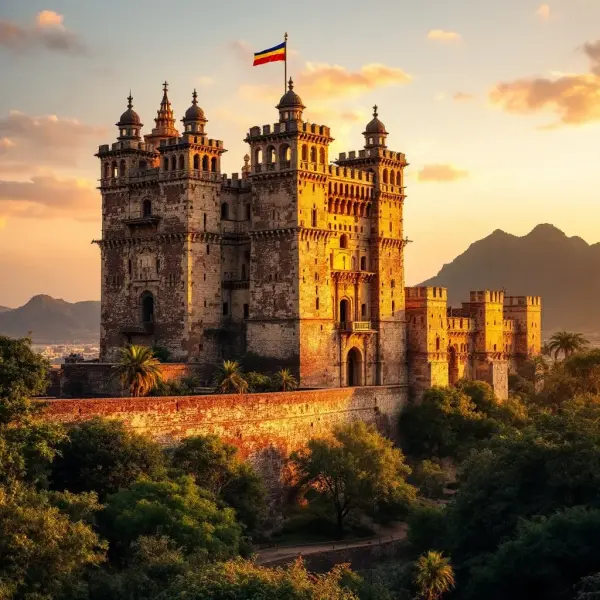
Climb the ramparts of the largest Spanish fortress ever built in the Americas for jaw-dropping views of Cartagena's skyline and Caribbean Sea. Wander through eerie underground passageways and explore cannon-lined terraces that repelled countless pirate attacks.
Quick facts: Perched on a 50-meter hill overlooking Cartagena's old city, this fortress spans 10,000 square meters with a network of underground tunnels stretching over 2 kilometers. Soldiers once used these tunnels to move supplies and spring surprise attacks, with clever acoustic designs that let them hear enemies approaching from any direction.
Highlights: The tunnels are the real showstopper: a cool, dark labyrinth where your footsteps echo and the temperature drops 10 degrees the moment you descend. Strategically built with angled walls and listening posts, a whisper at one end can be heard clearly 60 meters away, making it nearly impossible for invaders to sneak through undetected.
5. Parque Nacional Natural Tayrona
Santa Marta
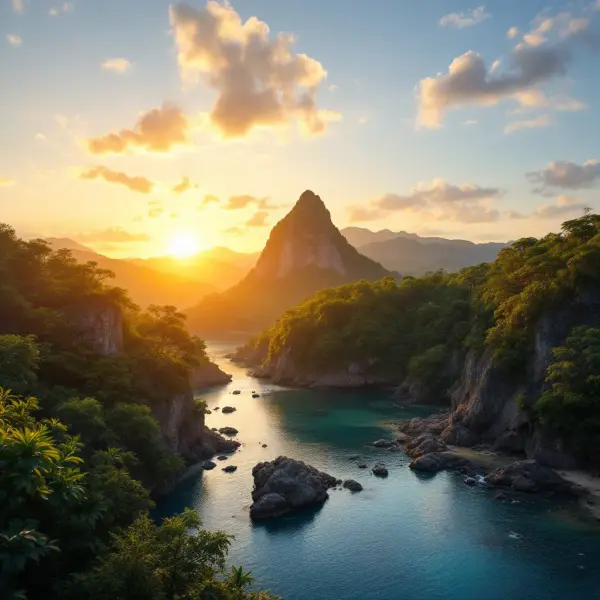
Jungle trails lead to deserted coves where the Sierra Nevada meets the Caribbean. Wade through rivers, spot toucans and monkeys, then collapse into a hammock between two palm trees.
Quick facts: Over 300 species of birds and 100 types of mammals call this 30-square-kilometer protected area home. Ancient stone pathways and terraces built by the Tayrona people over 500 years ago still weave through the jungle down to secluded Caribbean beaches.
Highlights: At Pueblito, you can walk through 200-plus pre-Columbian stone structures tucked beneath a jungle canopy, with howler monkeys roaring overhead. After exploring these ancient terraces, a 20-minute hike drops you onto a beach where the Sierra Nevada mountains plunge straight into turquoise Caribbean water.
6. Valle del Cocora
Salento
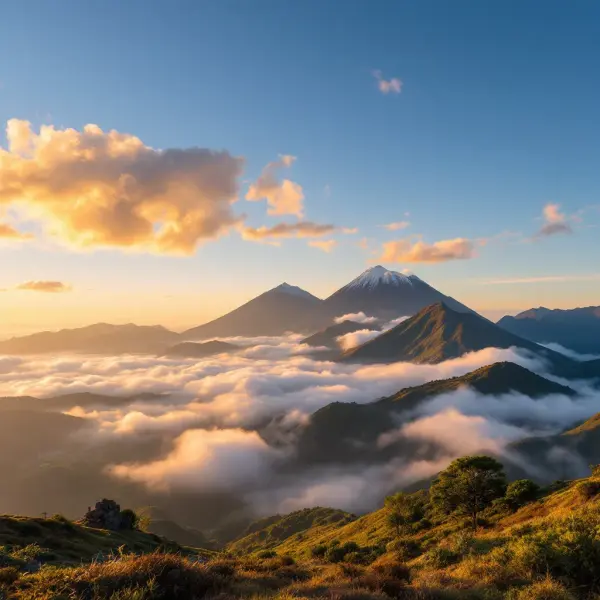
Walk through a valley where palms soar 60 meters high, taller than any other palm species on Earth. You'll hike misty trails surrounded by giant wax palms, cross wooden bridges over rushing streams, and spot Colombia's national tree in its only natural habitat.
Quick facts: Those towering palm trees can reach up to 60 meters tall, making them the world's tallest palm species. Each tree can live for over a century, with its distinctive wax-coated trunk protecting it from the elements.
Highlights: The wax palms here are living relics from the Jurassic period, having remained virtually unchanged for 200 million years. Standing among them feels like stepping into prehistoric world, with mist rolling through the valley as the palms sway 20 stories above your head.
7. Parque Arví
Medellín
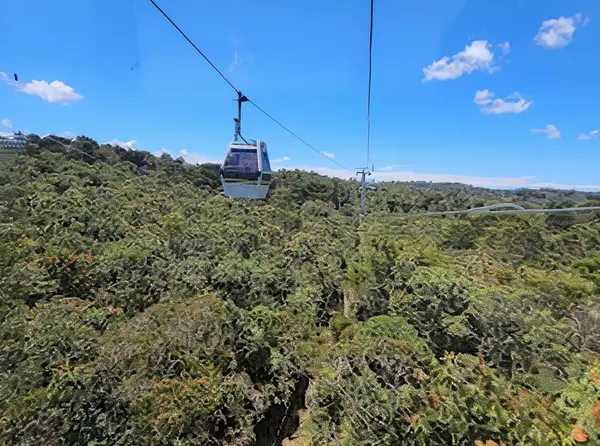
Quick facts: This park covers an area of over 16,000 hectares of natural forests and traditional villages. It is located at an altitude of 2,200 meters above sea level, giving it a unique microclimate for numerous plant and animal species.
Highlights: Within the park, there is a network of over 50 km of hiking trails leading to archaeological sites and waterfalls. A unique experience is the ride on an eco-friendly cable car from Medellín, offering panoramic views of the mountain valleys.
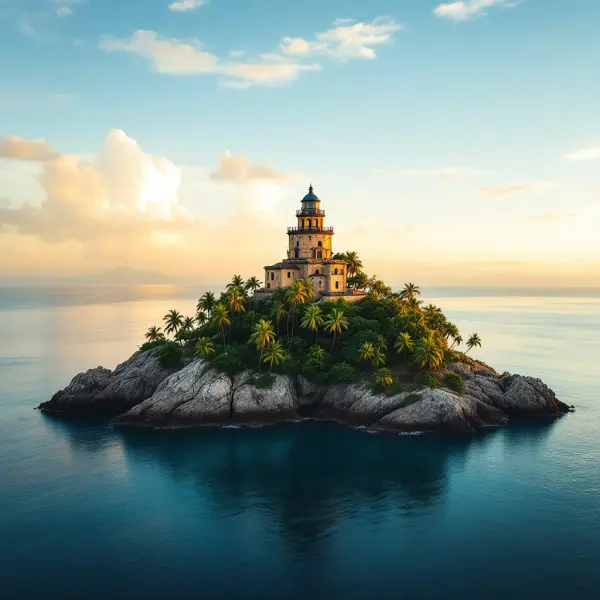
8. Islas del Rosario
Cartagena
Swim through crystal-clear waters surrounded by coral reefs that hold three times more fish species than the Caribbean average. Float in turquoise lagoons, spot neon parrotfish among brain corals, and lunch on freshly caught snapper at a wooden dock restaurant.
Quick facts: A protected national park spanning 30 islands and coral reefs, this archipelago sits about 35 kilometers offshore from the mainland. Over 1,200 species of marine life thrive here, including three types of sea turtles that nest on the sandy shores between April and August.
Highlights: An underwater sculpture garden called the Coralario Project features over 100 concrete figures strategically placed to encourage coral regrowth, attracting schools of colorful fish around their barnacle-encrusted arms. Marine biologists have documented a 40% increase in coral coverage around these sculptures since their installation in 2018.
Where to Stay in Colombia
Selected by City Buddy based on guest reviews and proximity to top attractions
Search all hotels in ColombiaPowered by agoda
Popular Cities in Colombia

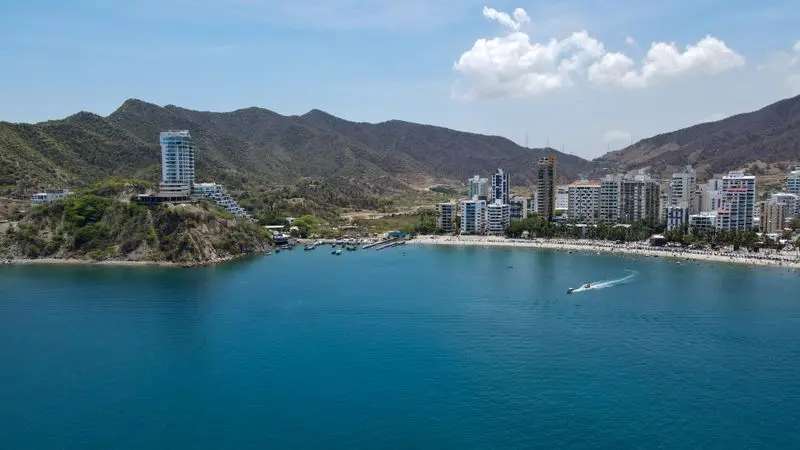
Traditional Sweet Dishes
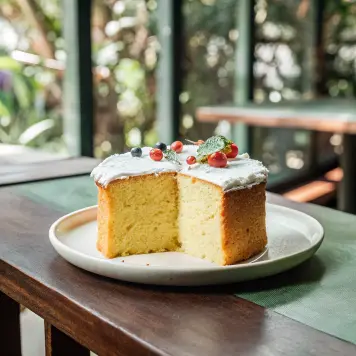
Tres Leches Cake
This sponge cake is soaked in three types of milk (evaporated, condensed, and heavy cream) and is so beloved in Colombia that it is often served at birthday parties and special celebrations.
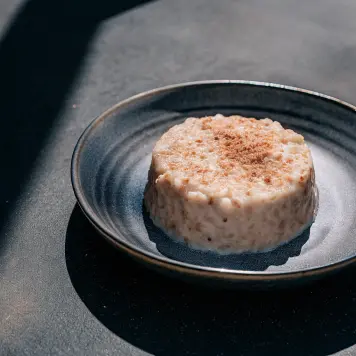
Arroz con Leche
Colombian rice pudding is often flavored with cinnamon sticks, cloves, and orange or lemon zest, and is traditionally eaten during Lent and Holy Week across the country.

Natilla
This creamy custard-like dessert made with milk, panela (unrefined cane sugar), and cinnamon is a Christmas tradition in Colombia, often served alongside buñuelos.
Traditional Savory Dishes

Bandeja Paisa
This massive platter from the Antioquia region includes rice, beans, ground beef, chicharrón (fried pork belly), avocado, plantain, arepa, and a fried egg, making it one of the most famous and filling meals in Colombia.

Ajiaco
This hearty chicken and potato soup from Bogotá is made with three types of potatoes (including the native criolla potato) and is always served with capers, avocado, and a dollop of cream.

Arepas
Colombians eat arepas daily in countless variations, but the most classic version is the simple arepa de maíz, a round corn cake that can be stuffed with cheese, shredded meat, or eggs for any meal of the day.
Traditional Beverages
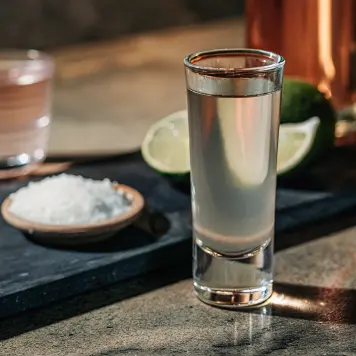
Aguardiente
Colombia's national spirit is an anise-flavored liquor distilled from sugarcane, and it is the drink of choice at celebrations, often consumed straight or in the traditional "shots with salt and lime" style.

Coffee (Café Colombiano)
Colombia is one of the world's top coffee producers, and the "Café de Colombia" is known for its mild, well-balanced flavor, with Juan Valdez being the iconic symbol of Colombian coffee worldwide.

Champus
This thick, sweet Colombian beverage is made from maize, pineapple, panela, and lulo, and it is especially popular during the Carnival of Blacks and Whites in Pasto.
Frequently Asked Questions about Colombia
Is Colombia safe for tourists?
How many days should I spend in Colombia?
What is the best time to visit Colombia?
Is Colombia expensive to travel in?
How do I get around Colombia?
Get a PDF with the most popular attractions sent to your email
Get a PDF with all attractions, ratings, and tips. Perfect for offline use.
Most popular day trips
Bogotá
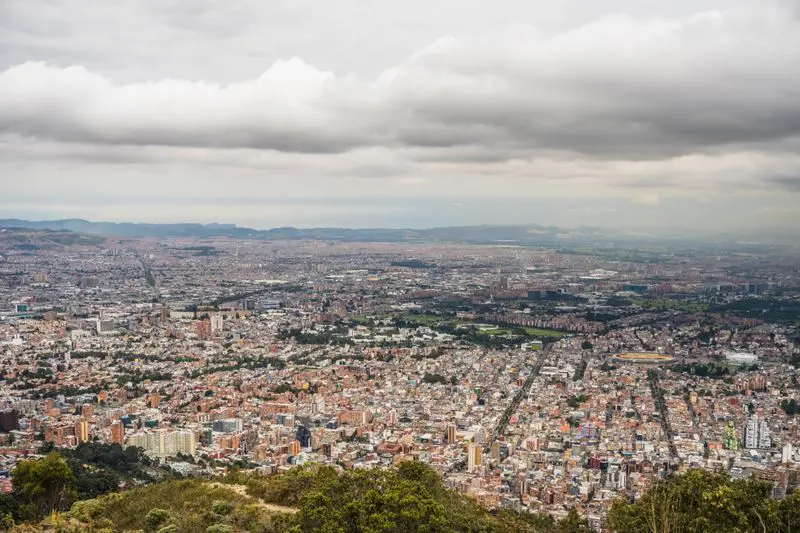
High-altitude capital with world-class museums, vibrant neighborhoods, and stunning mountain views
Medellín
City of Eternal Spring known for innovation, culture, and beautiful botanical gardens
Cartagena
Colonial walled city on the Caribbean with colorful streets and stunning beaches
Cali
Salsa capital of the world with lively nightlife and dance culture
Santa Marta
Gateway to Tayrona National Park with pristine beaches and Sierra Nevada backdrop
Getting there
Airports
Train stations
Limited tourist rail services; long-distance buses are the primary overland transport
Metro and cable car lines connecting the city and suburbs
Take official airport taxis or ride apps like Uber from El Dorado Airport to central Bogotá; the trip takes 30-60 minutes depending on traffic.
Click to get eSim for Colombia
The easiest and most affordable way to get mobile internet wherever you travel.
Visa & entry
USA, Canada, UK, EU Schengen countries, Australia, New Zealand, Japan, South Korea, Brazil, Argentina, Mexico, Chile, and many other Latin American nations
Some Asian, African, and Middle Eastern countries; check with the Colombian consulate in your home country
Tourists receive up to 90 days on arrival; ensure your passport is valid for at least 6 months beyond your entry date.
Comments (7)
Mixed feelings on Colombia. Some parts felt totally safe and modern, other moments had me on edge. Taxi scams are real in Cartagena, always negotiate first.
Skip the restaurant right by the main square in Cartagena. Walk 3 blocks inland and same meal is half the price. Also carry small bills, nobody breaks 50k pesos.
Wish someone had warned me about the altitude in Bogota. First day was rough with the headaches. Food scene was amazing though, best soups I've ever had.
For Medellin use the metro and cable cars, it's cheap and the views are unbeatable. Buy a Civica card at any station. Also Sunday on the main road is car free, rent a bike.
The coffee region was the highlight for me. Spent 3 days in Salento and could have stayed a week. Valle de Cocora was stunning, but bring boots, it gets muddy.