 CityBuddy
 English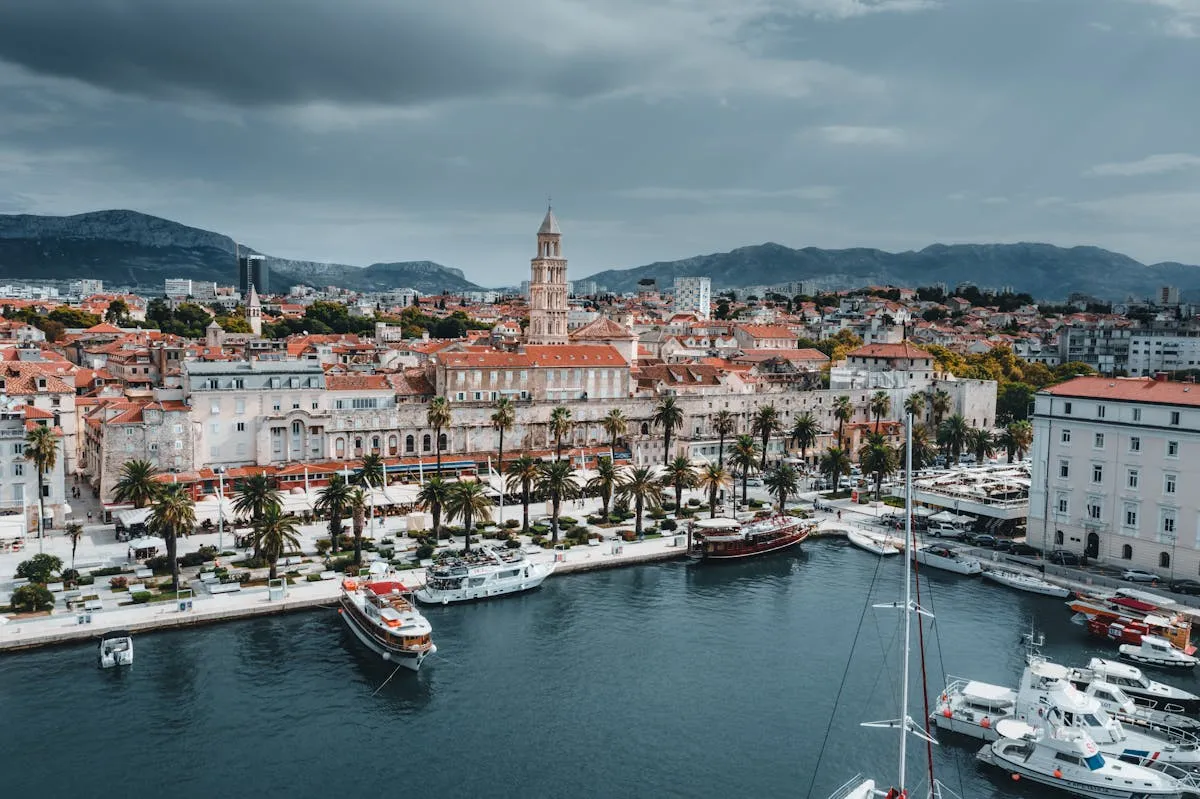
Things to Do in Split, Croatia
Photo made by Luciann Photography on Pexels.com
When to visit
Plan your perfect trip to Split, Croatia
Get a complete travel plan built just for you in under 30 seconds, with daily routes, local food tips, budget estimates and more.
Are any of these especially important to you?
Select all that apply
Plan language: EnglishMost popular attractions in Split, Croatia
Things to do in Split, Croatia feature exploring Diocletian's Palace, a vast Roman structure located in the heart of the city, and ascending the bell tower of the Cathedral of Saint Domnius for panoramic views of the old town. Walking along Riva, the bustling waterfront promenade, provides an ideal place to unwind and take in the Adriatic sea breezes.
1. Diocletian's Palace
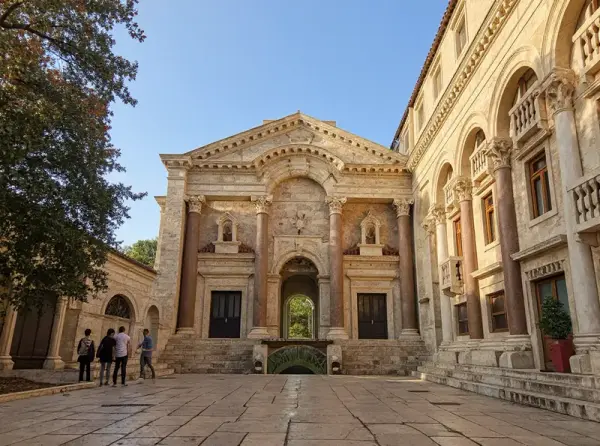
Step inside a living Roman emperor's palace and experience 1,700 years of history. Explore the Substructures, climb the bell tower, and wander bustling marble streets.
Quick facts: Stroll through limestone alleys and you will hear layers of history beneath your feet, where Roman columns are integrated into everyday facades and a cathedral rises from an imperial mausoleum. Local cafés and shops occupy original cellars that still carry the scent of sea salt and freshly baked bread. Filmmakers treasure the intact underground chambers for their cinematic atmosphere.
Highlights: A retirement complex constructed around 305 AD for Emperor Diocletian still feels strangely inhabited, with stone walls 1.5 metres thick, marble floors polished by the sun, and narrow alleys where centuries of footsteps sound like a slow, hollow drum. Every evening local klapa singers gather in the central peristyle to perform layered a cappella harmonies that cling to the cool, candlelit cellars below. The damp, rosemary-scented air in the underground vaults once served as a filming location for Game of Thrones.
2. Cathedral of Saint Domnius (Katedrala Svetog Duje)
Katedrala Svetog Duje
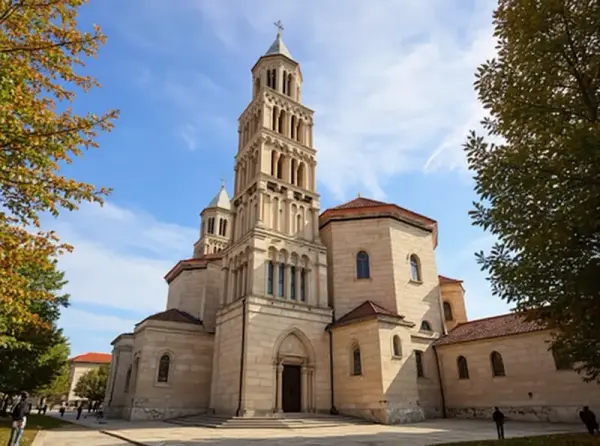
A Roman mausoleum turned into Split's cathedral, where empire and faith overlap. Climb the bell tower for wide views of the city and sea, and explore the decorated treasury.
Quick facts: Golden limestone glows at dusk, and a narrow climb up the bell tower reveals sweeping views that connect Roman walls with a lively harbor and red-tiled roofs. Inside, columns and carved reliefs from an imperial mausoleum were reused in a Christian sanctuary, so every arch and mosaic tells a layered story between Roman artisans and medieval builders.
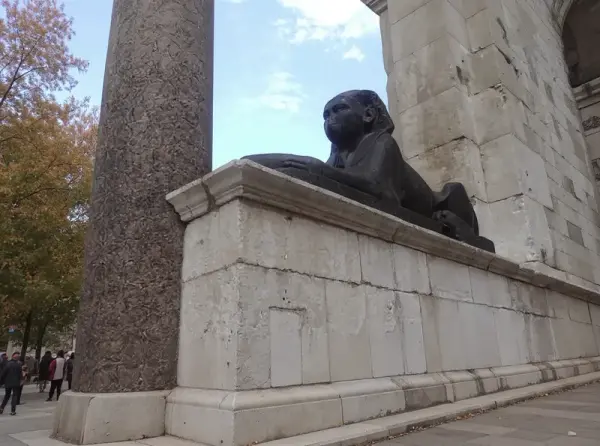
Highlights: Climb the 57-meter bell tower for a dizzying panorama where sun-warmed Roman stone meets red-tiled roofs. Notice tiny Egyptian sphinxes and weathered Latin inscriptions that once decorated Emperor Diocletian's 4th-century mausoleum. Inside, the altar stands within the imperial rotunda itself, allowing you to touch fluted columns carved in Late Antiquity and imagine emperors and medieval worshippers walking on the same worn marble.
3. Peristyle (Peristil)
Peristil
Stand in a 1,700-year-old Roman imperial courtyard, beautifully preserved. Listen to live singers under the colonnade and capture photos of the bell tower framed by marble columns.
Quick facts: Step into a radiant marble plaza where sunlight filters between pillared colonnades, and the echo of footsteps often becomes a spontaneous soundtrack. Local musicians and actors still use the space for free performances, and close observation reveals worn inscriptions and mosaic fragments embedded in the paving stones.
Highlights: Run your hand over the original Roman marble slabs, some brightened by approximately 1,700 years of constant footsteps, and watch late-afternoon light pour through the colonnade like a warm spotlight. At dusk local klapa groups of 5 to 12 singers gather to perform unamplified, multipart a cappella songs where voices bounce off the stone so clearly you can distinguish individual overtones and count the harmonies by ear.
Have you heard of free walking tours?
After traveling to 30+ countries, there's one thing I wish someone had told me from day one, and it completely changed how I experience new cities.
Free walking tours. Yes, actually free. No credit card needed. No catch.
Local guide, 2-3 hours
Major sights, hidden gems, local stories
100% tip-based
Guides earn only tips, so they give their absolute best
You tip what feels right
At the end, just tip whatever you feel is right
I've done these in dozens of cities and they've been the highlight of almost every trip. If you're visiting Split, Croatia, do this on your first day. You'll thank me later.
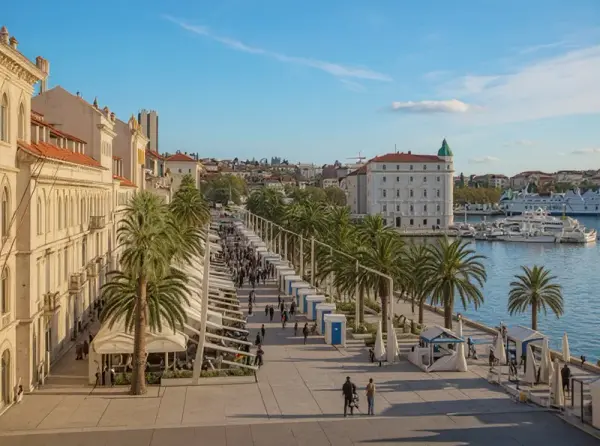
4. Riva (Split Waterfront Promenade)
Split Waterfront Promenade
Seaside heart of Split with palm-lined cafés and palace views. Walk along the waterfront, watch ferries and street performers, and enjoy Dalmatian life.
Quick facts: Sun-warmed marble underfoot makes café terraces sparkle, while palm trees and a steady stream of boats provide a lively backdrop for people-watching. Listen for spontaneous klapa singing and the clinking of glasses, a sea-salted soundtrack that transforms an evening stroll into a nightly ritual.
Highlights: On summer evenings, small klapa groups of 6 to 8 singers gather under the plane trees and exchange old Dalmatian ballads, their close-harmony voices blending with the tide so even passersby pause mid-conversation. Sun-baked white limestone tiles gleam at noon, cafés press their chairs inches from the water, and the air carries the taste of briny sea spray mixed with espresso and lemon gelato.
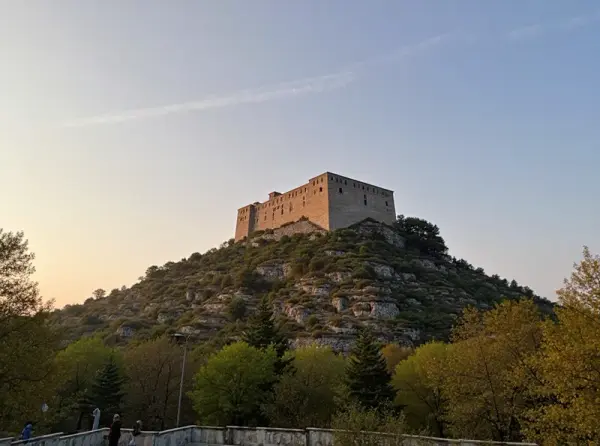
5. Marjan Hill / Marjan Forest Park (Vidilica viewpoint)
Vidilica viewpoint
Panoramic views of Split and the Adriatic from a pine-filled ridge make Vidilica worth the hike. Short uphill paths lead to stone terraces ideal for sunrise and sunset shots.
Quick facts: Sun-warmed stone and pine-scented air frame a ridge-top lookout offering sweeping sea views and a surprising network of trails where locals jog and families picnic. Along the paths you will find tiny chapels, old cisterns, and hidden Roman steps, quiet spots where birdsong and the scent of rosemary outweigh the chatter of tourists.
Highlights: Climb about 200 stone steps zigzagging through pine-scented trails and you will find that locals have long left small painted shells and coins tucked into a shallow crevice, a quirky offering believed to calm fishermen's families. At sunset the viewpoint casts orange light over red-tiled roofs and out to the islands of Brač and Šolta. On quiet evenings, you can hear an old klapa melody drift from a lone guitarist on the cliffs, thin and salty like the air.
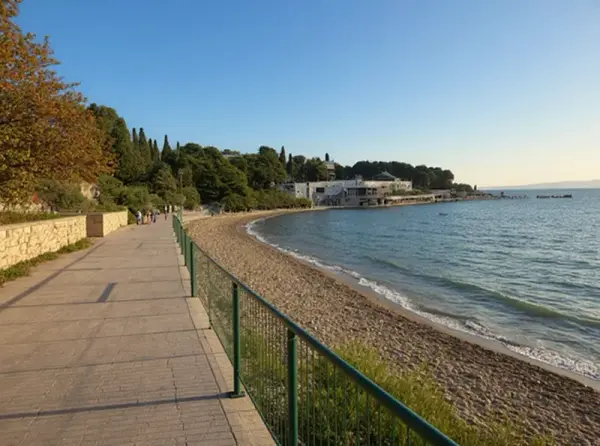
6. Bačvice Beach
Sandy-pebble beach close to Split's old town, ideal for sunbathing and quick swims. Shallow warm waters, lively picigin games, beach bars and evening music.
Quick facts: Powdery sand and shallow, warm water make it perfect for wading and people-watching, while nearby cafés and beach bars keep the atmosphere lively into the night. Locals play a barefoot ball game called picigin right in the surf, a quirky spectacle that is as entertaining to watch as it is to join.
Highlights: A local tradition called picigin, created in 1908, still attracts 5 to 12 barefoot players into ankle-deep water to keep a small rubber ball in the air using only cupped hands, with the strict rule that the ball must never touch the water. At sunset the area smells of salt and fried fish, palms slap the ball like hand-drums, and spectators lean on warm limestone steps sipping espresso while shouting nicknames such as Mate and Ivan.
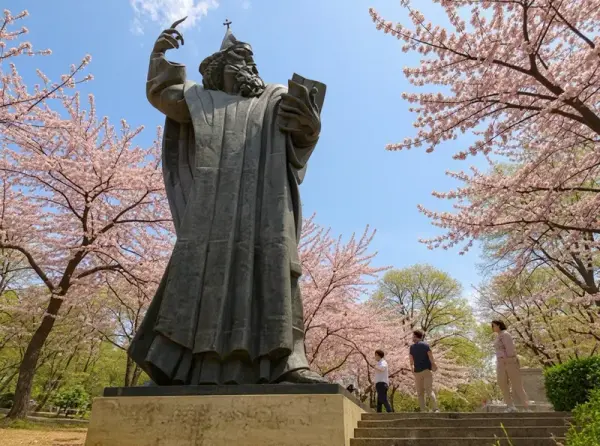
7. Statue of Gregory of Nin (Grgur Ninski)
Grgur Ninski
A striking medieval bishop statue tied to local folklore and Split's history. Stand next to the giant figure, rub its toe for luck, and admire the palace stonework.
Quick facts: Run your hand along the polished bronze and feel the worn thumb left by countless visitors, a playful ritual many say brings luck. Over a million palms have polished one spot on the figure, turning a quiet corner into an informal landmark cherished for photos.
Highlights: Sculptor Ivan Meštrović created the colossal bronze figure in 1929; it stands just over eight meters tall, and an oversized toe has been rubbed smooth and golden by generations of hands. Local students and tourists press their palm to that warm, slick toe for luck before exams or trips. The shiny spot contrasts sharply with the surrounding green patina when the sun is overhead.
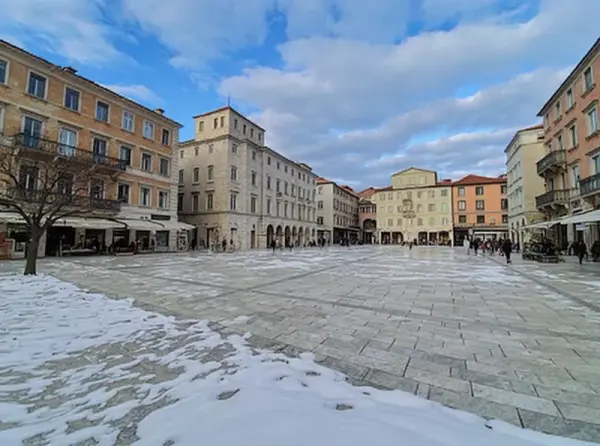
8. People's Square (Pjaca)
Pjaca
Historic city square with Venetian architecture and bustling cafés. Stroll the marble-paved square, watch street musicians and locals playing chess.
Quick facts: Cobblestones, Renaissance facades, and café terraces give the main square the vibe of an open-air living room where locals linger over coffee and musicians drift through the crowd. Visitors often hear an old clock tower chime above busy markets, and seasonal festivals fill the calendar with surprise concerts, food stalls, and costume parades.
Highlights: At golden hour, the square's worn limestone cobbles glow a honey-gold color, and you can hear wooden shutters clicking as vendors arrange trays of smoked sardines and jars of fig jam. A quirky local custom has couples circle the central well three times while an accordionist named Marko plays a slow polka and the crowd throws tiny sugared fritule into the air for fun and luck.
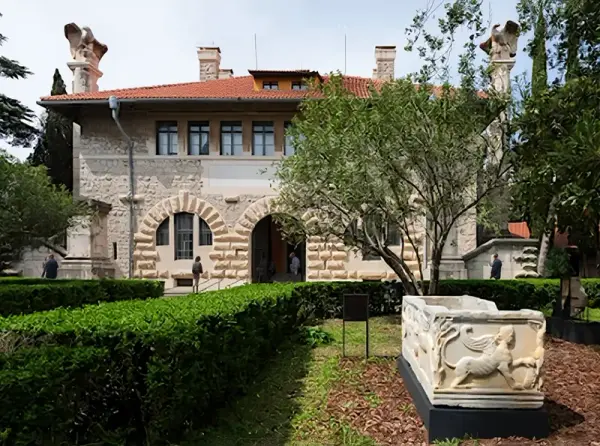
9. Archaeological Museum Split (Arheološki muzej Split)
Arheološki muzej Split
Ancient Roman artifacts and Dalmatian treasures bring history to life. Walk among sarcophagi, mosaics, and interactive displays telling Split's extensive past.
Quick facts: Step into dim, cool galleries where the quiet and soft spotlights make a finely carved Roman statue appear strikingly alive. Hidden treasures include delicate glassware and carved inscriptions, all telling vivid stories of daily life, religion, and craftsmanship across centuries.
Highlights: You can explore dozens of Roman funerary stones and marble portrait heads from nearby Salona, many weathered and covered with greenish lichen. Their Latin inscriptions remain readable after more than 1,800 years. A quirky local tradition continues: before leaving, many visitors quietly touch the cool tesserae of a battered 3rd-century ship mosaic to wish fishermen good luck, leaving faint fingerprints on the stone.
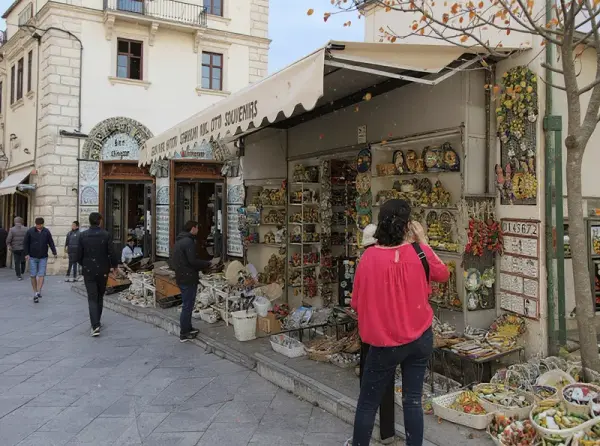
10. Green Market (Pazar)
Pazar
Fresh Dalmatian produce and lively local markets offer a real taste of Split. Find colorful stalls, friendly vendors, and tempting street snacks.
Quick facts: Morning stalls burst with color and noise as vendors pile sun-ripened tomatoes, figs, and heaps of olives into woven baskets, while the smell of fresh coffee drifts through the aisles. Local sellers enjoy trading recipes and stories with visitors, and you often hear Dalmatian dialects mixing with tourists bargaining for the best seasonal produce.
Highlights: Arrive by 7 AM to watch elderly vendors arrange heirloom tomatoes into sunlit pyramids, calling out prices in a soft Chakavian rhythm as the air fills with olive oil, warm bread, and the salty scent of anchovies. Locals swear a single family stall has been in the same hands for three generations and still weighs purchases on a brass scale polished until it reflects the sunrise. On slow days, neighbors exchange jars of home-cured olives or lemon marmalade as favors instead of paying cash.
Where to Stay in Split, Croatia
Selected by City Buddy based on guest reviews and proximity to top attractions
Search all hotels in Split, CroatiaPowered by agoda
Traditional Sweet Dishes
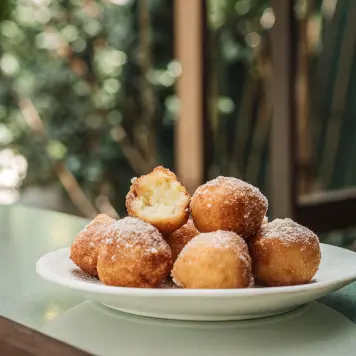
Fritule
Fritule are tiny, rum- and citrus-scented fried dough balls dusted with powdered sugar, traditionally served at Christmas and family gatherings across Split.
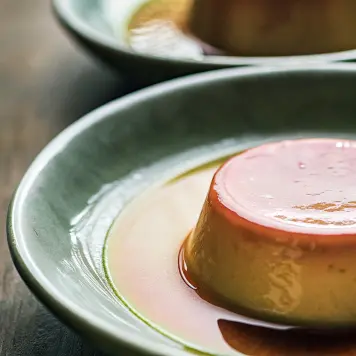
Rozata
Rožata is a silky caramel custard flavored with rose liqueur or rose water, and it traces its roots to Dalmatian convents where it was a celebratory dessert.

Krostule
Kroštule are crisp, ribbon-like fried pastries with Venetian roots, twisted into knots and always dusted with sugar for festive occasions.
Traditional Savory Dishes
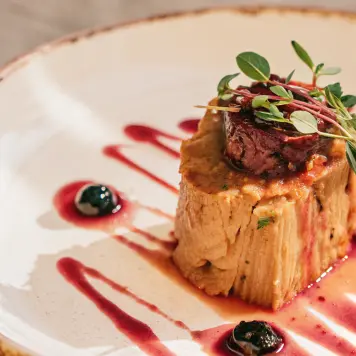
Pasticada
Pašticada is a slow-braised, marinated beef stew cooked for hours in a sweet-and-sour sauce with prunes and red wine, often prepared for weddings and holidays.
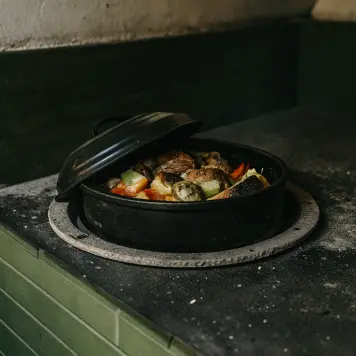
Peka
Peka is a rustic cooking method where meat, seafood and vegetables are slow-roasted under a bell covered with hot coals, producing an intense smoky flavor you cannot replicate in a regular oven.
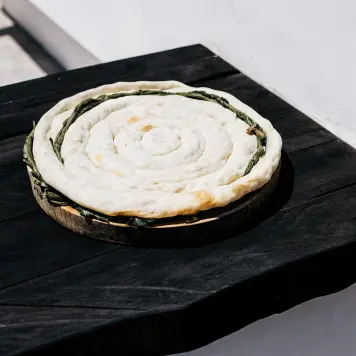
Soparnik
Soparnik is a paper-thin chard and onion pie from the Poljica region near Split, and it is recognized in Croatia as an important element of cultural heritage.
Traditional Beverages
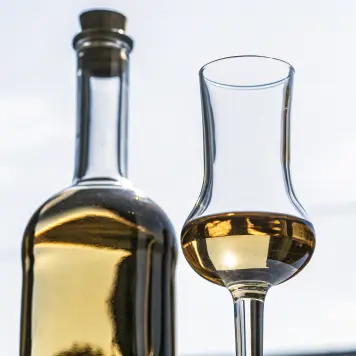
Rakija
Rakija is a potent fruit brandy often made from plums, grapes or herbs, traditionally homemade and served as a welcoming toast and a folk remedy.
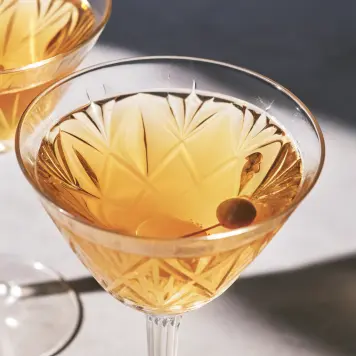
Maraschino
Maraschino is a clear cherry liqueur made from the native Marasca cherry, it was once a luxury exported across Europe and gives a floral, almond-like finish to cocktails.
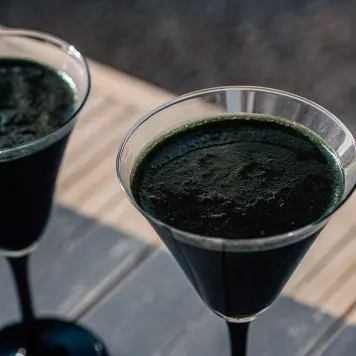
Pelinkovac
Pelinkovac is a bitter herbal liqueur dominated by wormwood, it is sipped as a digestive and features in many Croatian after-dinner customs.
Frequently Asked Questions about Split, Croatia
What is the ideal time to visit Split, Croatia?
Is Split, Croatia costly for visitors?
Is the tap water in Split, Croatia safe to drink?
How many tourists visit Split every year?
How good is public transportation in Split, Croatia?
Get a PDF with the most popular attractions sent to your email
Get a PDF with all attractions, ratings, and tips. Perfect for offline use.
Most popular day trips
Trogir
Well-preserved medieval town with UNESCO-listed old town.
Krka National Park
Famous waterfalls with swimming areas and walking trails.
Hvar (town)
Vibrant island town with beaches, nightlife and historic sites.
Brač (Supetar / Bol)
Island known for Zlatni Rat beach and traditional stone villages.
Šibenik
Historic coastal city with St. James Cathedral (UNESCO).
Rent a car in Split, Croatia
Getting there
Train stations
Main line to Zagreb; regional services toward Šibenik/Knin
Airport shuttle bus to Split bus/train station ~30–40 min; taxis cost more.
Find flights to Split, Croatia
Click to get eSim for Split, Croatia
The easiest and most affordable way to get mobile internet wherever you travel.
Useful information for Split, Croatia
Overview for Split, Croatia
Most popular itineraries for Split, Croatia
Browse trip plans created by other travelers
3-Ditë në Split: Histori, Natyrë dhe Thesare të Fshehura
Zbuloni Splitin përmes pallatit romak të Dioklecianit, ecjeve në pyllin e Malit Marjan dhe stacioneve lokale që vetëm vendasit i njohin, në këtë udhëtim 3-ditor të mbushur me histori, natyrë dhe surpriza autentike.
5 Ditë në Split: Udhëtim në Thellësitë e Historisë
Zbuloni Splitin përmes shekujve: nga pallati romak i Dioklecianit e deri te pamjet spektakolare nga kodra Marjan, në një udhëtim 5-ditor plot histori, art dhe traditë.
Comments (5)
Buy ferry and catamaran tickets online a day or two ahead in summer, routes sell out. Local buses often take cash only, keep coins for fares.
Pretty city, lovely architecture, but the Riva area felt overpriced and touristy. If you love history plan 3-4 days, otherwise two is fine.
Loved Split's old town vibes, friendly people and great seafood. Hot days, breezy nights. Three nights gave a good taste without rushing.
Beautiful coastline but crazy crowded in July, expect long lines at restaurants. Do mornings for quiet, nights get busy and loud.
Skip restaurants on the main promenade, walk two blocks inland for cheaper, tastier konobas. Try buzara prawns at a family spot for real Dalmatian flavor.