 CityBuddy
 English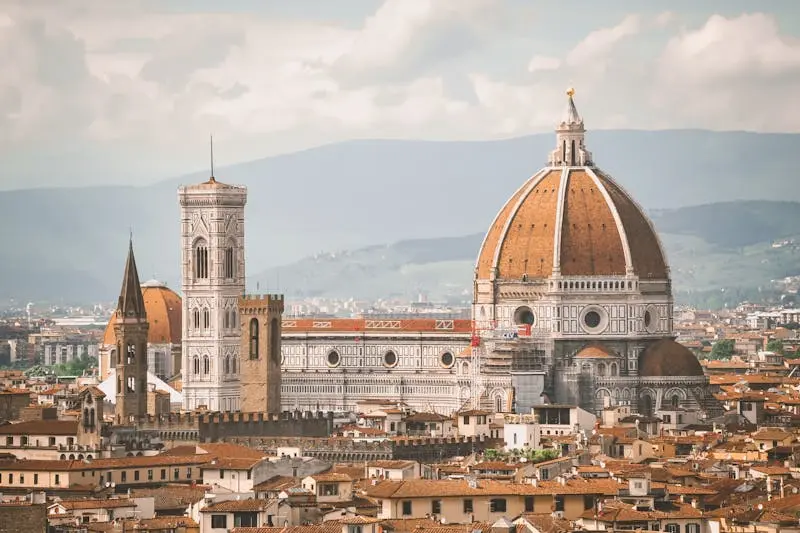
Things to Do in Florence, Italy
Photo made by Fede Roveda on Pexels.com
When to visit
Plan your perfect trip to Florence, Italy
Get a complete travel plan built just for you in under 30 seconds, with daily routes, local food tips, budget estimates and more.
Are any of these especially important to you?
Select all that apply
Plan language: EnglishMost popular attractions in Florence, Italy
Activities to enjoy in Florence, Italy include marveling at the Duomo di Firenze, featuring a remarkable 463-foot dome crafted by Brunelleschi. Stroll through Piazza della Signoria, a bustling square adorned with statues and historic palaces. Art enthusiasts will want to visit the Uffizi Gallery, which houses masterpieces by Botticelli and Leonardo da Vinci.
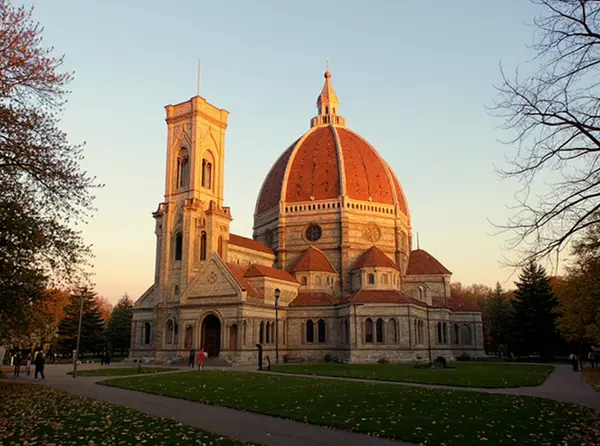
1. Cattedrale di Santa Maria del Fiore (Duomo di Firenze)
Duomo di Firenze
Marvel at Brunelleschi's towering brick dome and an intricately carved Gothic façade. Climb 463 steps for a stunning view of Vasari's frescoes and sweeping panoramas of Florence.
Quick facts: From the piazza, the enormous terracotta dome towers above, and climbing the narrow stairwell rewards you with dizzying views of the city and the faint, dusty smell of old stone. Nearly four million bricks arranged in a double-shell with a herringbone pattern allowed the dome to be built without internal wooden scaffolding, a structural technique that continues to amaze architects and visitors alike.
Highlights: Climb the tight 463 steps to the lantern and you'll see the dome was constructed with a double shell and a smart herringbone brick pattern that allowed Filippo Brunelleschi to place about four million bricks without the need for full wooden centering. Inside the painted cupola by Giorgio Vasari and Federico Zuccari, you can still sense warm, slightly dusty mortar and hear footsteps echo like whispers, creating a sensory time capsule that makes the 45.5-meter span feel both huge and oddly intimate.
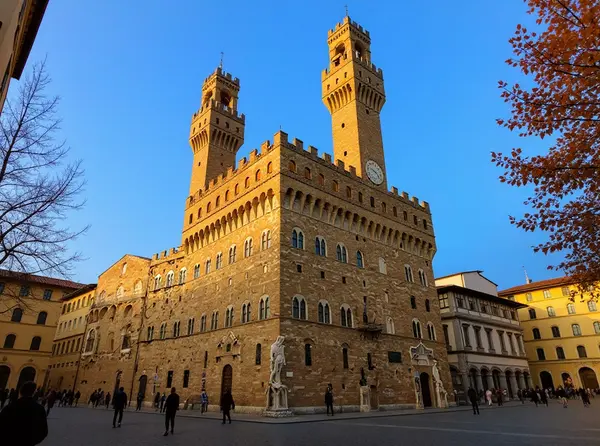
2. Piazza della Signoria
Discover Florence's political and artistic core, surrounded by palaces and famous sculptures. Wander through this open-air museum, find the Fountain of Neptune, and relax at the cafés near the Loggia.
Quick facts: Cobblestones echo under clattering footsteps while bronze and marble statues oversee the open space like an unforgettable outdoor museum. Step closer and you'll find more than a dozen major sculptures, including a replica standing where a famous original once shocked onlookers. At night, floodlights turn the scene into a cinematic stage for street performers and lingering conversations.
Highlights: Look around the square and you'll find a full-size replica of Michelangelo's David standing where the original watched over the city until 1873, while Benvenuto Cellini's bronze Perseus, cast in 1554, holds a dramatic pose under the open-air loggia. Listen at dusk and you might almost hear whispers from 1498, when Savonarola's followers held the "bonfire of the vanities." The stones carry a faint, sun-warmed scent of dust and hot iron.
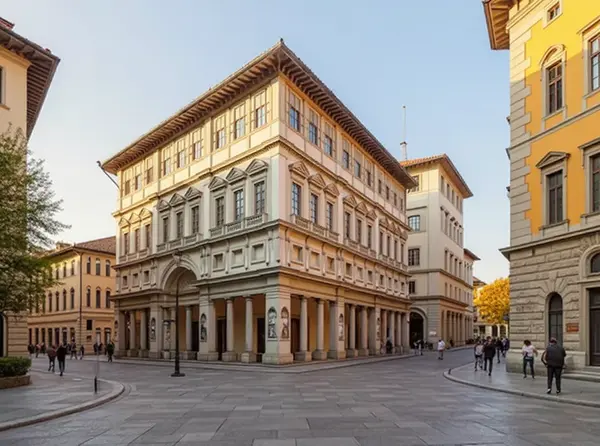
3. Galleria degli Uffizi (Uffizi Gallery)
Uffizi Gallery
The Uffizi is the home of Botticelli, Michelangelo, and Raphael, where Renaissance art truly comes to life. Explore vaulted galleries and admire masterpieces up close.
Quick facts: A stunning labyrinth of galleries contains roughly 1,500 paintings, so discovering a Botticelli, a Leonardo, or a Raphael feels like uncovering a secret among sunlit corridors. Visitors often pause at high arched windows to watch warm light glide across gilded frames, making centuries-old faces appear strikingly fresh.
Highlights: Step into the 16th-century corridors where your eyes are drawn to over 1,400 paintings, including Botticelli's "The Birth of Venus" and "Primavera," whose tempera skin tones and gold leaf shimmer under tall, sunlit windows. A quirky custom among long-time guides is to point out tiny conservation marks and handwritten inventory numbers on the backs of frames, then tell the wartime story of how several masterpieces were moved to countryside villas. You can still sense this in the faint scent of old varnish and beeswax when you lean in close.
Have you heard of free walking tours?
After traveling to 30+ countries, there's one thing I wish someone had told me from day one, and it completely changed how I experience new cities.
Free walking tours. Yes, actually free. No credit card needed. No catch.
Local guide, 2-3 hours
Major sights, hidden gems, local stories
100% tip-based
Guides earn only tips, so they give their absolute best
You tip what feels right
At the end, just tip whatever you feel is right
I've done these in dozens of cities and they've been the highlight of almost every trip. If you're visiting Florence, Italy, do this on your first day. You'll thank me later.
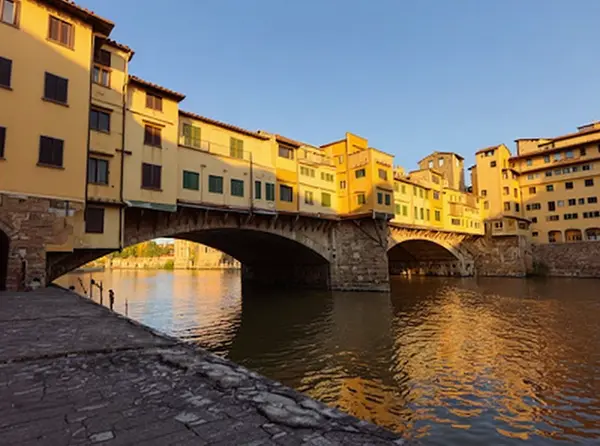
4. Ponte Vecchio
This medieval bridge hosts goldsmith shops and layers of Renaissance history. Stroll along the Arno, browse artisan stores, and snap skyline photos from its center.
Quick facts: Jewelry shops lined along the bridge scatter golden reflections across the cobblestones, reminding visitors that it once housed the most prestigious craftsmen. Warm evening light turns display windows into pools of gold while street musicians and the gentle clink of coins make the narrow walkway feel lively.
Highlights: Step onto the narrow, three-arched bridge at golden hour and you can hear the metallic clink of tiny hammers and smell warm brass. Dozens of jewelry workshops sit shoulder to shoulder, their windows glowing with perfectly cut stones. Above the shops runs a secret enclosed corridor built for the Medici in 1565. The bridge was famously the only one in the city spared during the 1944 German retreat, reportedly on Hitler's direct orders.
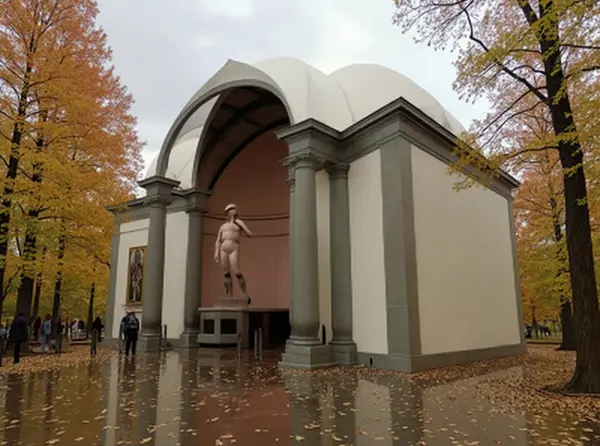
5. Galleria dell'Accademia di Firenze (Accademia Gallery)
Accademia Gallery
Get a close look at Michelangelo's David and an outstanding collection of Renaissance sculpture. Roam intimate galleries where marble and labels reveal stories and techniques.
Quick facts: Step close and you'll feel Michelangelo's David towering over you, the marble’s subtle veins and life-size presence making it hard to believe you are looking at stone. Quiet side rooms reveal a surprisingly rich collection of Renaissance paintings and a small museum of historic musical instruments, perfect for lingering over gilded frames and delicate brushwork.
Highlights: A 5.17-meter-high David carved by Michelangelo from a single block of Carrara marble between 1501 and 1504 towers in the main hall. Up close, you can still see tiny chisel marks and carved veins on his left hand that make the marble seem almost warm to the touch. Around the corner, four unfinished 'Prigioni' by the same artist sit half-trapped in their stone. Their raw, rough faces and deep tool grooves are so photogenic that generations of art students have spent hours copying them by lamplight as a quiet rite of passage.
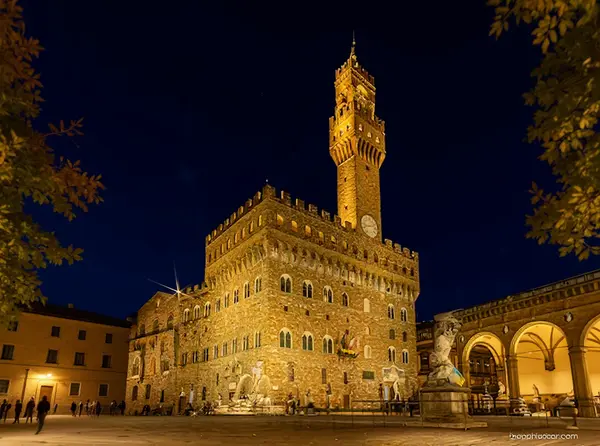
6. Palazzo Vecchio
Experience Renaissance might and artistry inside a fortified palace. Walk grand chambers, ascend the Arnolfo Tower, and admire frescoes and sculptures by Renaissance greats.
Quick facts: Climb the crenelated tower and the terracotta roofs and winding streets unfold like a living map, offering a dizzying panorama that invites you to linger. Step into the great hall and you'll find lavish frescoes, secret passages once used by rulers, and a famous sculpted hero's replica that still stops visitors in their tracks.
Highlights: A narrow, enclosed corridor about one kilometer long was built in 1565 by Giorgio Vasari so Cosimo I de' Medici could stroll from his palace to his other residence unseen. The small high windows still frame the glitter of the river and the shops clustered on the medieval bridge below. The tiny studiolo made for Francesco I measures barely a few square meters, lined with inlaid wood cabinets and odd alchemical jars. When the door creaks open, you catch the warm, resinous scent of 16th-century varnish and the faint, lingering tang of old metal.
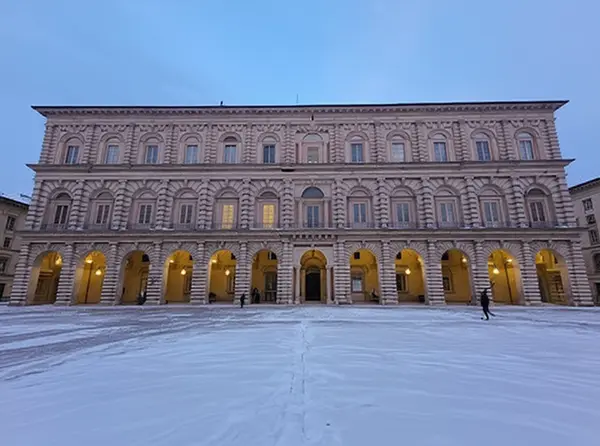
7. Palazzo Pitti
Palazzo Pitti displays Renaissance splendor and artworks from the Medici collections. Visit grand apartments, the Palatine Gallery, and the expansive Boboli Gardens.
Quick facts: Step inside and you are met with vast galleries where glittering ceilings and dramatic frescoes frame an eclectic art collection that still feels intimately domestic. Climb to the terraces for sweeping views over formal gardens, where statues peek through clipped cypresses and the air smells faintly of pine and stone.
Highlights: You can drift from gilded state rooms hung with masterpieces by Titian, Raphael, and Rubens into a subterranean Mannerist grotto carved by Bernardo Buontalenti around 1583. There, shells, plaster stalactites, and grotesque masks create a damp, echoing stage. Local stories say the Medici staged masked banquets with mechanical 'miracles' and hidden pulleys. If you press a palm to the cool stone, you can still catch a faint citrus note from the nearby gardens and the soft creak of centuries-old machinery.
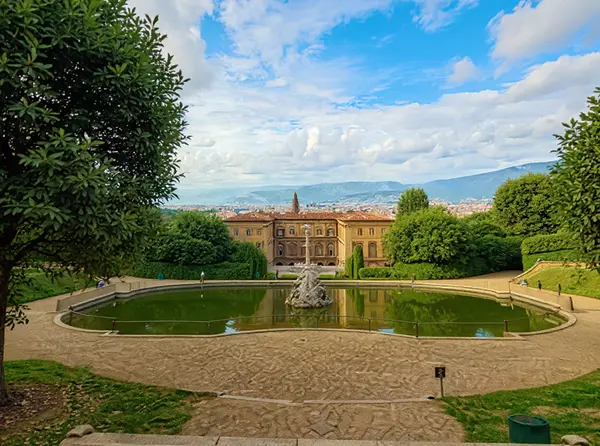
8. Giardino di Boboli (Boboli Gardens)
Boboli Gardens
A grand Renaissance park filled with statues and sweeping views of Florence. Explore terraced gardens, fountains, and tree-lined paths perfect for relaxed photo stops.
Quick facts: Hidden grottoes, grand fountains, and more than 400 sculptures create a theatrical landscape where stone figures peek from hedgerows and water features punctuate quiet paths. Climb a wide terrace for sweeping skyline views, and explore an amphitheater and elaborate urns that hint at the pageantry of historical court life.
Highlights: Step into Bernardo Buontalenti's late-1500s grotto, where walls encrusted with shells, painted stalactites, and dim torchlight make marble statues seem to breathe and sparkle. Walk up the long, steep cypress avenue called the Viottolone and you'll notice a centuries-old tradition: visitors still pause at the amphitheatre to clap once and marvel as the echo travels past rows of stone figures toward the Isolotto, a tiny island pond with a weathered fountain.
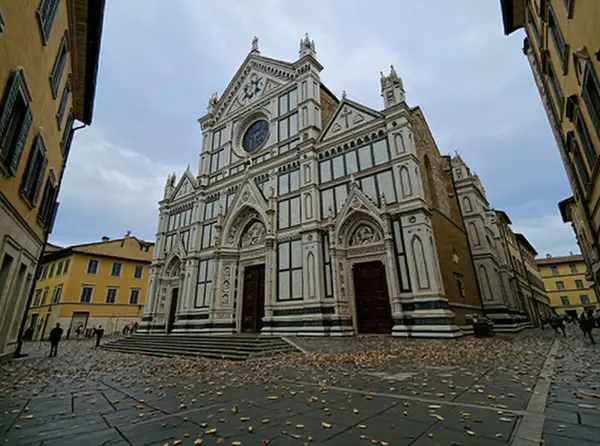
9. Basilica di Santa Croce
The renowned burial spot of Michelangelo and Galileo, rich in Renaissance art. Discover frescoed chapels, elaborate tombs, and vibrant artisan workshops in the nearby square.
Quick facts: Step inside and your footsteps soften beneath vaulted ceilings where monumental tombs honor brilliant sculptors, poets, and patrons whose funerary monuments read like a who's-who of the creative past. Look up to catch luminous frescoes and intricate marble work, then slow down in the quiet cloister to imagine artists exchanging sketches and ideas between chapels.
Highlights: Under the frescoed vaults, you can stand face to face with tombs of Michelangelo, Galileo, and Machiavelli, their names carved into somber marble so close you can catch the faint scent of beeswax on the stone. Around the cloister, a tiny workshop run by local artisans trains students in hand-stitching leather by candlelight. You can hear the steady tapping of awls and buy a unique hand-stitched journal for about 40 euros.
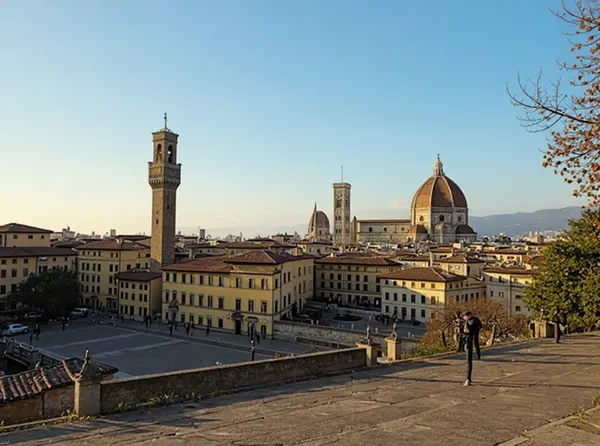
10. Piazzale Michelangelo
Enjoy sweeping hilltop views of Florence and the Duomo ideal for memorable photos. The golden-hour skyline, open-air sculptures, and busy cafés await your visit.
Quick facts: Climb the sun-warmed stone steps at golden hour and you'll be greeted by a wide panorama where terracotta roofs and the river glow like embers. Local vendors sell postcard-perfect prints while couples linger on benches, enjoying the breeze and the soft glow of city lights as evening falls.
Highlights: Perched above the city, the terrace fills every evening with hundreds of people spreading checkered blankets and uncorking Chianti. The cathedral dome and the old bridge turn molten copper as the sun sets behind the hills. A full-scale bronze replica of Michelangelo's David, cast to the original 5.17-meter height, stands watch. Photographers line up at the northern parapet for the perfect "golden hour" shot, while local vendors cheerfully point out the bench that best frames the skyline.
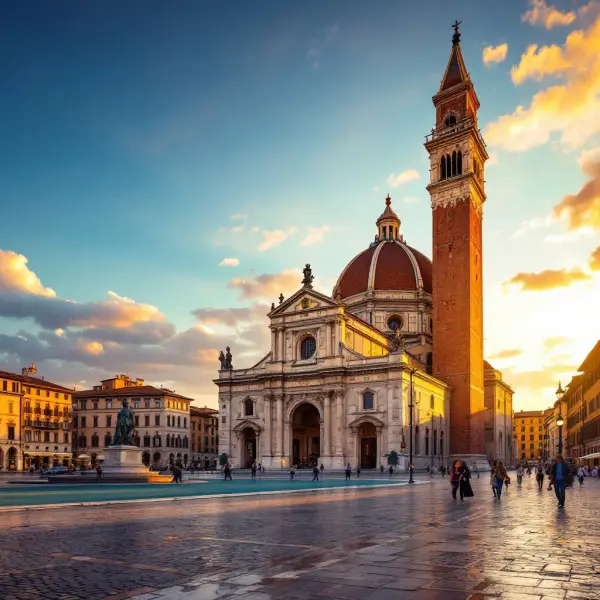
11. Museo Galileo
Gaze through Galileo's actual telescope and see the instrument that changed how humanity understands the cosmos. You'll stand inches from his original lenses, preserved fingers, and the tools that sparked the Scientific Revolution.
Quick facts: Two of Galileo's original fingers and a tooth are preserved in a glass case here, removed from his body by admirers in 1737. The museum holds 1,000 scientific instruments spanning the 11th through 19th centuries, including one of the earliest known astrolabes from 1085.
Highlights: The centerpiece is Galileo's own modified telescope, the very one through which he observed Jupiter's moons and first argued that the Earth moves around the Sun. Fingerprints of the man himself remain on the worn brass fittings, preserved exactly as he left them in 1610.
Where to Stay in Florence, Italy
Selected by City Buddy based on guest reviews and proximity to top attractions
Search all hotels in Florence, ItalyPowered by agoda
Traditional Sweet Dishes
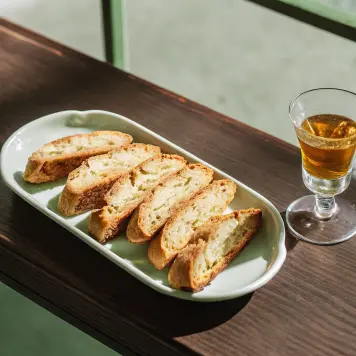
Cantucci
Cantucci are twice-baked almond biscuits traditionally dunked into Vin Santo, a pairing that began in Florence centuries ago and turned a humble peasant treat into a ritual dessert.

Gelato
Gelato, invented in Renaissance Florence for the Medici court, uses less fat and is served slightly warmer than ice cream, which concentrates flavor and makes each spoonful intensely aromatic.

Schiacciata alla Fiorentina
Schiacciata alla Fiorentina is a light, citrus-scented Carnival cake dusted with powdered sugar in the shape of the Florentine lily, and it was once given as a token of celebration during Carnival parades.
Traditional Savory Dishes
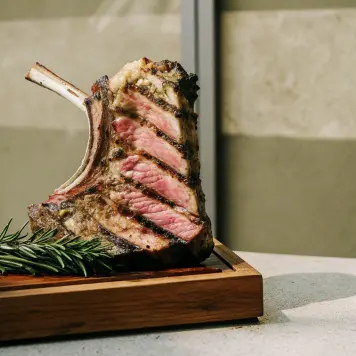
Bistecca alla Fiorentina
Bistecca alla Fiorentina is a towering T-bone from Chianina cattle, grilled over hot wood and traditionally served very rare so the center remains tender, a shared centerpiece at festive tables.

Ribollita
Ribollita literally means 'reboiled', it began as a thrifty peasant stew of leftover bread and vegetables that improves with each reheating, earning it a reputation as Tuscany’s most forgiving soup.
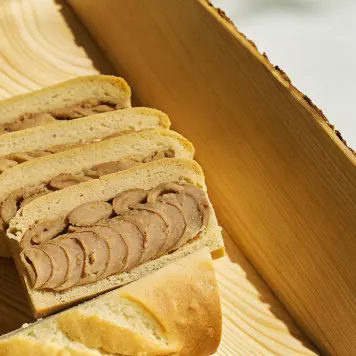
Lampredotto
Lampredotto is Florence’s iconic tripe sandwich, slow-simmered for hours and dressed with tangy sauces, it was once the affordable meal of laborers and now defines Florentine street food.
Traditional Beverages

Chianti
Chianti’s iconic straw-covered bottle once protected fragile glass during transport, and today the wine is identified more by its Sangiovese grape and the black rooster emblem that marks Chianti Classico.

Vin Santo
Vin Santo is a sweet, amber dessert wine made from dried grapes that is often aged for years in small barrels, and its centuries-old pairing with cantucci remains a Florentine culinary love story.

Espresso
Espresso in Florence is a ritual as much as a drink, pulled to a concentrated 25 to 30 seconds to capture intense aroma, and enjoyed quickly at the bar rather than lingered over like other coffees.
Frequently Asked Questions about Florence, Italy
When is the best time to visit Florence, Italy?
How much does it cost to live in Florence, Italy?
Is Florence, Italy safe for tourists?
How do I get around Florence, Italy?
Is the tap water in Florence, Italy safe to drink?
Get a PDF with the most popular attractions sent to your email
Get a PDF with all attractions, ratings, and tips. Perfect for offline use.
Most popular day trips
Siena
Medieval city with the Piazza del Campo and Palio tradition.
Cinque Terre
Five colorful cliffside villages along the Ligurian coast.
Rent a car in Florence, Italy
Getting there
Airports
Train stations
High-speed lines to Rome/Milan/Venice; regional to Pisa, Lucca, Arezzo
Regional and some intercity services northbound
From FLR take the Volainbus shuttle to Santa Maria Novella in ~20 min; taxis ~15–25 min.
Find flights to Florence, Italy
Click to get eSim for Florence, Italy
The easiest and most affordable way to get mobile internet wherever you travel.
Useful information for Florence, Italy
Overview for Florence, Italy
Most popular itineraries for Florence, Italy
Browse trip plans created by other travelers
5 päivää Firenzessä: Perheystävällisiä ja piilotettuja helmiä syksyllä
Tämä matkasuunnitelma yhdistää lasten kanssa matkustamisen ilot ja Firenzen parhaat paikallisten suosimat salaiset paikat - tutustu kaupunkiin rennosti syksyn rauhallisessa tunnelmassa.
3-Day Florence Spring Trip for Culture and History Enthusiasts
Discover Florence's rich history and stunning art treasures with guided tours, iconic museums, and authentic cultural experiences in the heart of Italy this spring.
Comments (17)
Charming streets and insane art, food way better than expected. Crowds in July were brutal, go early or late.
Sunset on the Arno is magical, even with crowds. Bring a light jacket and comfy shoes for the cobbled streets.
Food is unreal, fresh pasta every day, but expect crowds in summer; three days felt perfect for the city center.
First entry to Accademia beats crowds if you want David. Check combined museum passes, they can cut costs if used.
Book Uffizi timed entry for the 8:15 opening, you beat the huge lines. Also buy tram tickets in the app to avoid queues.