 CityBuddy
 English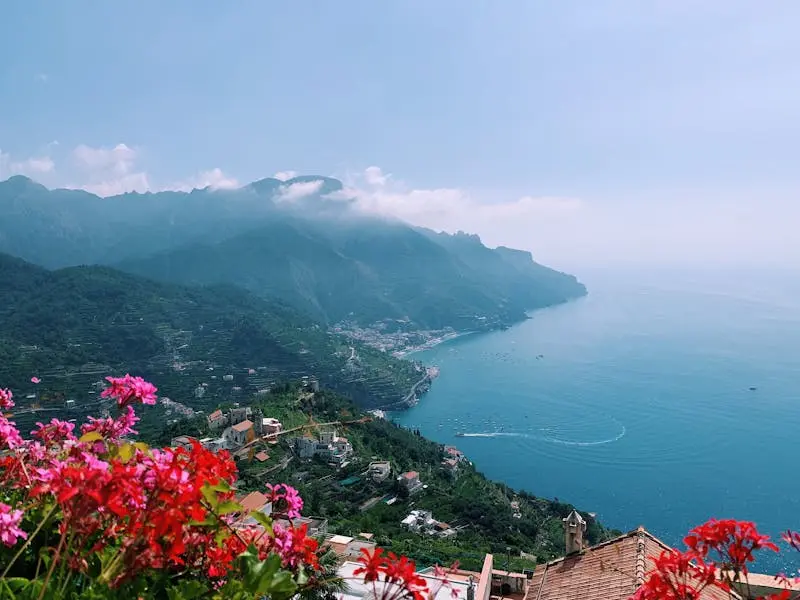
Things to Do in Sicily, Italy
Photo made by Michael Giugliano on Pexels.com
When to visit
Plan your perfect trip to Sicily, Italy
Get a complete travel plan built just for you in under 30 seconds, with daily routes, local food tips, budget estimates and more.
Are any of these especially important to you?
Select all that apply
Plan language: EnglishSicily is the #17 city for food lovers in the world, based on our data across hundreds of destinations.
Most popular attractions in Sicily, Italy
Top attractions in Sicily, Italy feature the incredible Valley of the Temples, an extensive archaeological area covering more than 1,300 hectares. Ascend Mount Etna, the highest active volcano in Europe, with a height of 3,329 meters. Explore the Greek Theatre of Taormina, an ancient outdoor theater providing breathtaking views of the sea and nearby mountains.
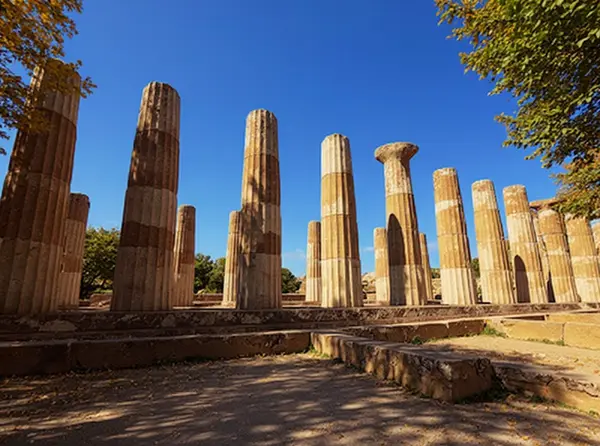
1. Valley of the Temples
Ancient Greek temples set on sunlit cliffs, radiating a strong sense of history. Stroll among Doric columns, olive groves, and sea vistas perfect for stunning photos.
Quick facts: Stone columns rise like a ruined skyline, their fluted grooves catching golden light that makes every photo look cinematic. Archaeologists and casual walkers often spot reused Roman blocks and carved inscriptions tucked into niches, a layered record of people who repurposed what they found.
Highlights: A little-known tradition sees local families place about 40 small candles along the main path during the summer solstice, their flickering reflections skimming across broken marble. Pause under a Doric column and you can feel the cool, sun-worn stone beneath your palm while a distant shepherd's bell threads through the cypresses, a tiny soundtrack that makes the whole place hum.
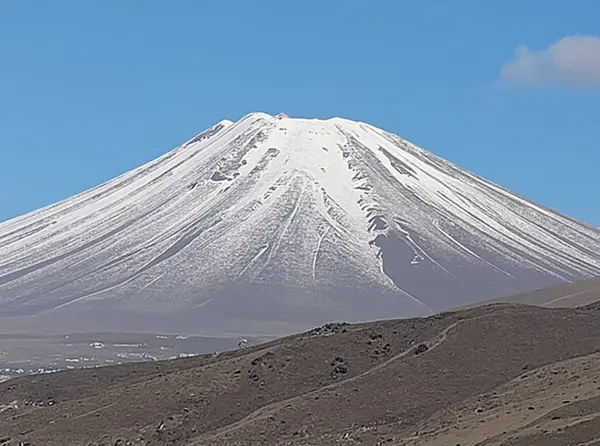
2. Mount Etna
Get up close to Europe’s most active volcano, from lava fields to summit craters. Trek the trails, take the cable car, and enjoy sweeping views of Sicily from rugged vantage points.
Quick facts: A constantly shifting skyline comes from frequent eruptions, with observers recording activity for centuries. Black volcanic soils feed terraces of Nerello Mascalese vineyards and citrus orchards, giving wines and fruit an unmistakable mineral edge.
Highlights: Ascending by cable car to roughly 2,500 meters reveals steaming fumaroles and glowing lava that paint the night sky in orange with a sharp sulfur tang. Local guides sometimes lead small groups to watch lava fountains soar hundreds of meters while walkers crunch on glassy black pumice and winemakers harvest grapes from vines rooted in cracked lava.
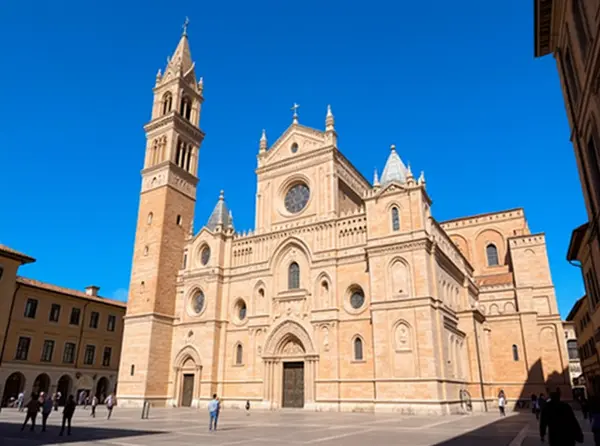
3. Palermo Cathedral
Palermo's rich past is shown through striking Arab-Norman, Gothic, and Baroque elements. Discover the ornate interiors, royal tombs, and terraces with views of the city and sea.
Quick facts: Look up and you’ll notice Arab-Norman arches, Byzantine mosaics, Gothic spires and Baroque details layered together above the nave. Inside, a medieval treasury and several royal tombs lend a museum-like hush, while worn marble steps sigh underfoot.
Highlights: Climb a narrow stone staircase to the rooftop terraces and you can pace between crenellated battlements, pausing to peer at the 13th-century marble sarcophagus of Emperor Frederick II glinting in the sun. Local guides love to point out a quirky tradition. Every July 15th the bells and processions join the feast of Saint Rosalia, a spectacle where incense, drumming and the smell of fried street food fill the air.
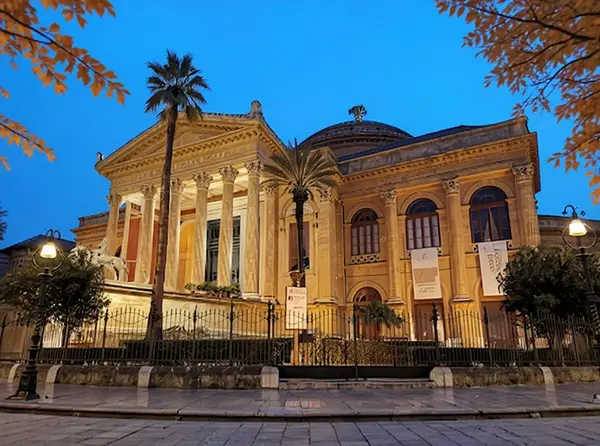
4. Teatro Massimo
Europe's largest opera house, known for its neoclassical style and excellent acoustics. Guided tours uncover marble staircases, frescoed halls, and rooftop views over Palermo.
Quick facts: Step inside and the hush falls into a warm glow, with towering chandeliers and marble steps that feel like walking into a stage painting. Acoustic engineers still marvel because a whisper on stage can travel up to the highest gallery, making every small gesture feel enormous.
Highlights: Up close you smell old beeswax and velvet, and applause arrives as a physical pulse that you can feel in your chest. An unmarked brass plaque tucked under the third box has tiny, hand-punched initials from the donors, a secret detail visitors often crouch to trace with a fingertip.
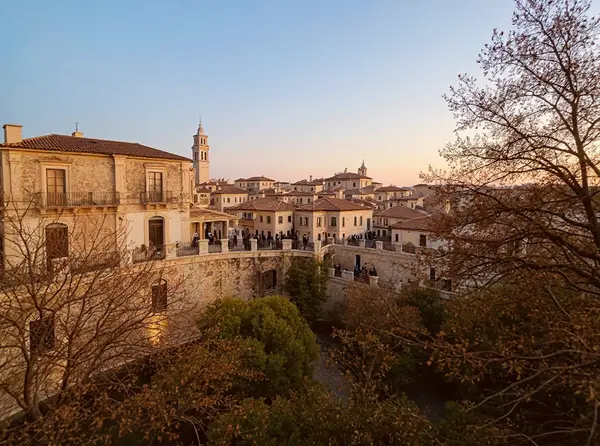
5. Ortigia
A small island with ancient Greek ruins, baroque palaces, and sea views. Wander narrow alleys, savor fresh seafood, and watch golden sunsets by the Fountain of Arethusa.
Quick facts: Salt air carries the smell of frying sardines and citrus from the morning market, where stalls spill bright oranges and rows of sea urchins glint on ice. You can walk from a seaside promenade to a cathedral square in under ten minutes, spotting ancient columns tucked into baroque facades as you go.
Highlights: At a freshwater spring by the water, papyrus reeds tower over two meters, and locals whisper the old Arethusa legend while feeding tiny fish with torn bread. On summer nights fishermen haul bright red coral from 10 to 20 meters down, then haggle loudly in the market as lanterns throw rippling light across wet cobbles and the scent of grilled fish.
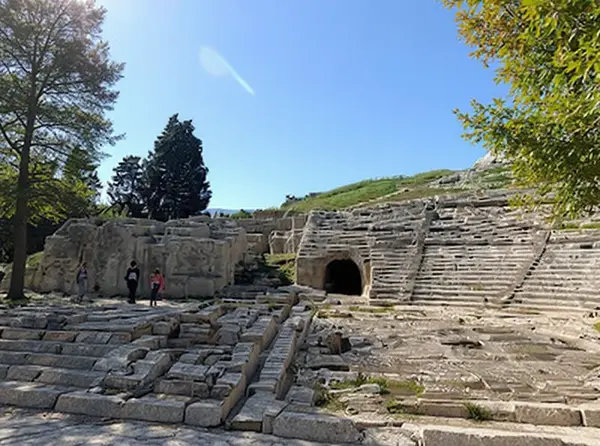
6. Syracuse Archaeological Park
Explore ancient Greek and Roman ruins in a dramatic open-air park. See the Greek theatre, Ear of Dionysius quarry, and the vast Roman amphitheatre up close.
Quick facts: Walk among sun-warmed limestone where carved seating and quarry scars meet, the open-air ruins span several hectares of layered history. Guides often crouch to point out tiny graffiti and bell-shaped drill marks underfoot, and on windy days you can hear distant waves and a hollow, theatre-like echo.
Highlights: Step into the ear-shaped cave and a single whisper ricochets into a booming echo, a curved chamber that local legend says allowed rulers to eavesdrop on prisoners. Warm late-afternoon light turns the limestone honey-gold and you can trace finger-polished hollows plus painted numerals, some markings people estimate are over 2,000 years old, making the stone feel surprisingly warm under your fingertips.
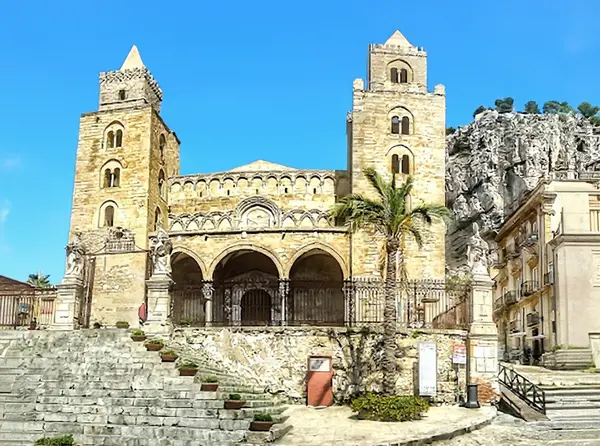
7. Cefalù Cathedral
A grand Norman cathedral adorned with a shimmering 12th-century Christ Pantocrator mosaic. Walk through the cloister and rest beneath twin towers overlooking the sea.
Quick facts: Look up and you’ll spot twin Norman towers that give the facade a fortress-like stance, their silhouettes cutting a dramatic line against the sky. Inside, a monumental gold-and-blue mosaic of Christ fills the apse, tiny glass tesserae catching sunlight so the image shifts in color as the day moves.
Highlights: Legend has King Roger II vowing to raise a grand church after surviving a violent sea storm, a tale locals still tell while touching a weathered niche near the entrance. Step into the apse and a nearly seven-meter-high Christ Pantocrator dominates your view, gold tesserae flashing like metal leaf so faces seem to glow when late-afternoon sun slices through a single high window.
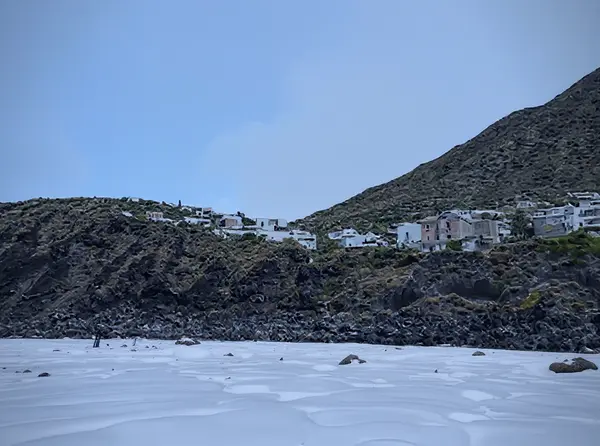
8. Stromboli
An active volcano featuring dramatic eruptions at night and a raw island vibe. Expect black sand beaches, sunset boat views, and guided night hikes to glowing vents.
Quick facts: Frequent short explosive bursts of glowing lava punctuate the night sky every 10 to 20 minutes, creating a rhythmic, audible light show that can be felt as a distant rumble. A tiny, cliffside village wraps around a black-rock coastline, where narrow footpaths climb toward the smoking summit and bobbing fishing boats crowd the tiny harbor.
Highlights: Local guides time hikes to coincide with the regular explosions so visitors can stand roughly 150 to 300 meters from glowing vents, watching incandescent bombs arc overhead while the air tastes faintly of sulfur. Nighttime sea trips let you see fresh lava spatter illuminate the water, and fishermen sometimes scoop up floating pumice that can drift for months, each flaky stone carrying a pockmarked texture and a faint smoky smell.
9. Visit a local winery
Enjoy bold wines made from ancient volcanic soil. Take immersive tours and admire stunning vineyard landscapes on Mount Etna.
Quick facts: Sicily's volcanic soils contribute to uniquely rich and robust flavors in local wines. The island hosts some of the oldest vineyards in the world, with winemaking traditions spanning millennia.
Highlights: Visitors can sip Nero d'Avola wine in ancient cellars cooled naturally by underground lava tubes. Sunset views over the vineyards with Mount Etna looming nearby create an unforgettable sensory backdrop.
10. Visit a neighborhood art gallery
Discover inspiring Sicilian art in a friendly neighborhood gallery. Enjoy vibrant murals and live music that bring the space alive.
Quick facts: The gallery hosts rotating exhibitions showcasing local Sicilian contemporary artists alongside traditional works. Many pieces are inspired by the vibrant colors and textures of the island's landscapes and seascapes.
Highlights: One standout feature is a mural wall painted collaboratively by community artists and visitors, evolving with each exhibition. The indoor garden courtyard often has live classical guitar performances on weekends, creating an immersive sensory experience.
11. Find a local artisan workshop
Experience Sicilian culture hands-on by crafting ceramics or puppets with local artisans. Immerse yourself in colors, creativity, and centuries-old traditions.
Quick facts: Artisan workshops here often showcase traditional Sicilian crafts like ceramics and marionette making, reflecting the island's rich cultural heritage. Small-scale, skilled artisans use techniques preserved over generations, creating unique, handcrafted items you won't find in typical tourist shops.
Highlights: Many workshops offer interactive experiences where visitors can try their hand at crafting, like painting vibrant Sicilian ceramics or carving intricate puppet designs. The place buzzes with creativity, colorful tiles, and the smell of fresh clay, making each visit feel like stepping into a lively artist's studio.
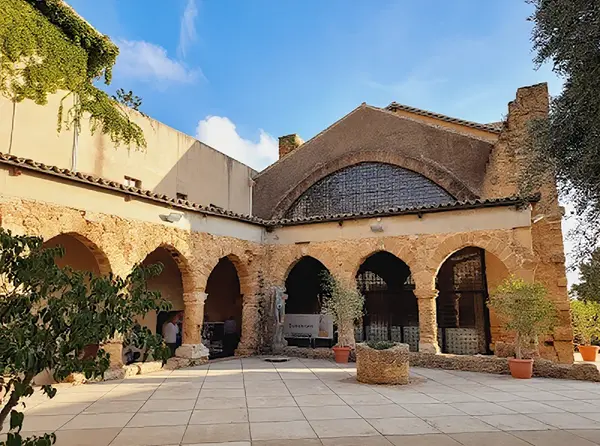
12. Visit the Archeological Museum of Agrigento
Step back into ancient times through thousands of artifacts. Experience the drama of a gladiator's final moments and ancient civic life up close.
Quick facts: About 10,000 artifacts fill this museum's halls, showcasing the rich history of the ancient Greek city of Akragas. The collection ranges from pottery and sculptures to intricate jewelry dating back over 2,500 years.
Highlights: Among the exhibits, the life-size statue of the dying gladiator captivates visitors with its detailed expression of pain and struggle. The museum also displays the famous bilingual Ephebic decree carving that reveals ancient civic laws in both Greek and Latin.
Where to Stay in Sicily, Italy
Selected by City Buddy based on guest reviews and proximity to top attractions
Search all hotels in Sicily, ItalyPowered by agoda
Traditional Sweet Dishes
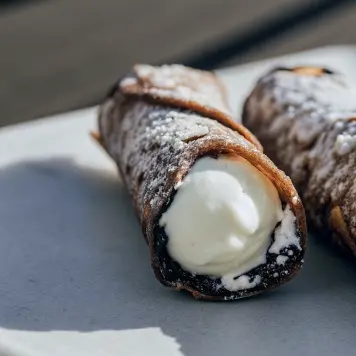
Cannoli
Cannoli originated in Palermo as a Carnival treat that symbolized fertility and celebration, and the crisp fried shell filled with sweet ricotta became Sicily's most iconic pastry.
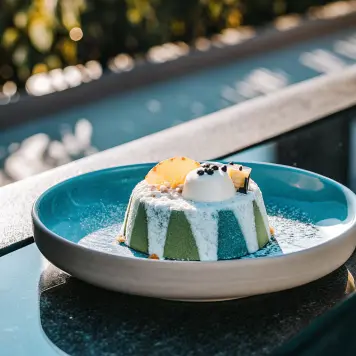
Cassata
Cassata is a layered ricotta and sponge cake decorated with candied fruit, and it reflects Arab and Norman influences in Sicily's sweet traditions.
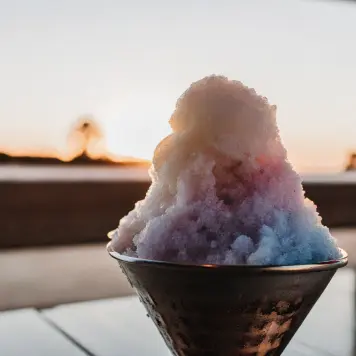
Granita
Granita ranges from icy crystals to almost sorbet-like creaminess depending on the region, and in Messina it is traditionally eaten with a soft brioche for breakfast.
Traditional Savory Dishes
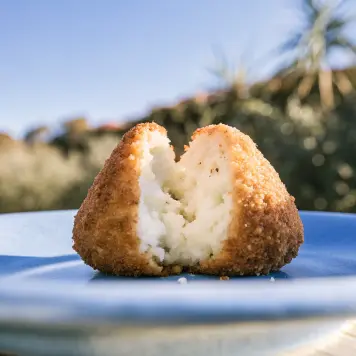
Arancini
Arancini are breadcrumbed rice balls named for their orange shape. They were invented as portable food for travelers and soldiers.
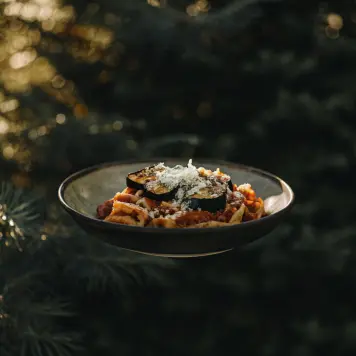
Pasta alla Norma
Pasta alla Norma from Catania pairs fried eggplant with tomato and salty ricotta salata. It was nicknamed 'Norma' after a writer compared it to the opera of the same name and called it a masterpiece.
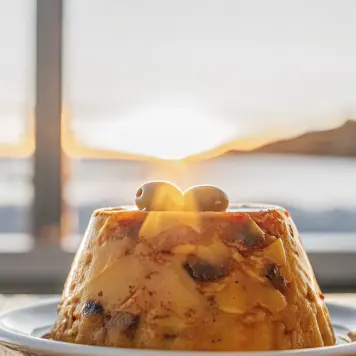
Caponata
Caponata is a sweet and sour eggplant stew where vinegar and sugar balance each other, and it epitomizes Sicily's layered culinary history influenced by Arabs, Spanish and more.
Traditional Beverages
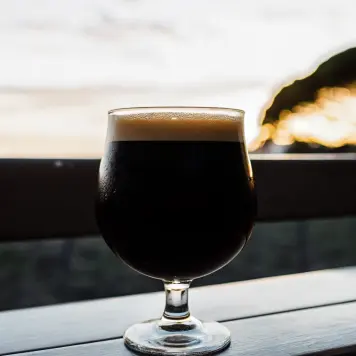
Marsala
Marsala is a fortified wine from western Sicily used both at the table and in cooking. British merchants in the 18th century helped popularize and export it, making it known across Europe.
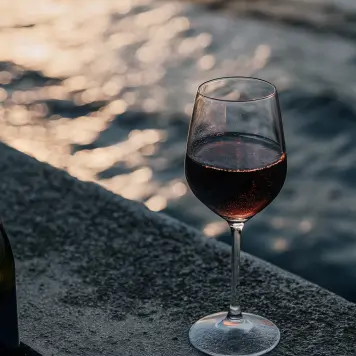
Sicilian wine
Sicilian wines flourish in volcanic soils near Mount Etna, producing expressive reds like Nero d'Avola and minerally whites that echo the island's sun and sea.

Amaro
Sicilian amaro blends local herbs, bitter citrus peels and spices to make a complex after-dinner digestif. Many families guard secret recipes that are passed down through generations.
Frequently Asked Questions about Sicily, Italy
What is the best time to visit Sicily, Italy?
Is Sicily, Italy safe for travelers?
How expensive is it to live in Sicily, Italy?
How do I get around Sicily, Italy?
Is the tap water safe to drink in Sicily, Italy?
Get a PDF with the most popular attractions sent to your email
Get a PDF with all attractions, ratings, and tips. Perfect for offline use.
Most popular day trips
Taormina
Charming coastal town with Greek theatre & sea views
Mount Etna
Active volcano with hikes, cable car & lava landscapes
Syracuse (Siracusa)
Ancient Greek ruins and the baroque island of Ortigia
Cefalù
Picturesque seaside town with a Norman cathedral
Rent a car in Sicily, Italy
Getting there
Airports
Train stations
Regional & national lines (Palermo–Messina–Catania, Palermo–Agrigento)
Catania–Syracuse, Catania–Palermo, regional lines
Connections to mainland ferry port and regional trains
Use direct flights to CTA/PMO. Alibus/airport shuttles connect to city centers; Trenitalia for island trains.
Find flights to Sicily, Italy
Click to get eSim for Sicily, Italy
The easiest and most affordable way to get mobile internet wherever you travel.
Useful information for Sicily, Italy
Overview for Sicily, Italy
Most popular itineraries for Sicily, Italy
Browse trip plans created by other travelers
9-Day Sicily Autumn Journey for Culture and Hidden Gems
Discover Sicily's rich history and culture while exploring renowned sites and hidden local treasures in a perfect 9-day autumn itinerary.
9-Day Sicily Autumn Exploration for Culture and Nature Lovers
Explore Sicily in autumn with a perfect blend of culture, history, and nature, avoiding hikes while still enjoying the best of scenic views, local traditions, and hidden gems.
9-Day Sicily Autumn Explorer for Culture, Nature, and Hidden Gems
Experience Sicily in autumn through a unique blend of off-the-beaten-path discoveries, rich cultural encounters, and breathtaking nature adventures that locals love.
9-Day Sicily for Culture and Offbeat Explorers
Delve into Sicily's rich history, vibrant local life, and secret cultural gems with this unique 9-day summer adventure tailored for passionate culture lovers and curious off-the-beaten-path explorers.
8-Day Autumn Adventure in Sicily
Discover Sicily's rich history, stunning landscapes, and vibrant culture this autumn with an unforgettable 8-day itinerary.
14-Day Spring Discover Sicily Adventure
Experience Sicily's rich history, stunning landscapes, and vibrant culture across two unforgettable spring weeks.
11-Day Spring Exploration of Sicily's Rich Heritage and Nature
Discover the stunning landscapes, ancient ruins, vibrant markets, and culinary delights of Sicily in springtime with this immersive 11-day itinerary.
6-Day Family-Friendly Spring Adventure in Sicily
Explore Sicily's rich history, stunning nature, and kid-friendly attractions at a relaxed springtime pace perfect for families.
15-Day Sicily Summer Adventure for Families and Culture Lovers
Discover Sicily's hidden gems and historic wonders with your family at a relaxed pace filled with interactive experiences and local secrets off the beaten path.
Comments (9)
May was ideal, sunny mornings and cool sea breezes. Nights are quiet, great for slow dinners and walks.
Fell in love with small towns, people are warm, driving is chaotic though, allow extra time for narrow roads.
Three days in Palermo felt rushed, go at least a week to breathe, avoid market madness if you hate crowds.
Sicilian food blew my mind, freshest seafood and cannoli, but summer heat and crowds make beaches hectic.
Not as cheap as blogs claim, tourist areas spike prices. Still worth it for history, gelato and sunsets.