 CityBuddy
 English
Things to Do in Banaue, Philippines
Photo made by John Andrew Abala on Pexels.com
Plan your perfect trip to Banaue, Philippines
Get a complete travel plan built just for you in under 30 seconds, with daily routes, local food tips, budget estimates and more.
Are any of these especially important to you?
Select all that apply
Plan language: EnglishMost popular attractions in Banaue, Philippines
Discovering activities in the Philippines presents a vibrant mix of history and natural wonders. Stroll through Intramuros, a fortified city from the 16th century located in Manila. Admire Taal Volcano, among the smallest active volcanoes on the planet, nestled within a picturesque lake. Be sure to visit the UNESCO World Heritage Banaue Rice Terraces, sculpted into the mountains more than 2,000 years ago.
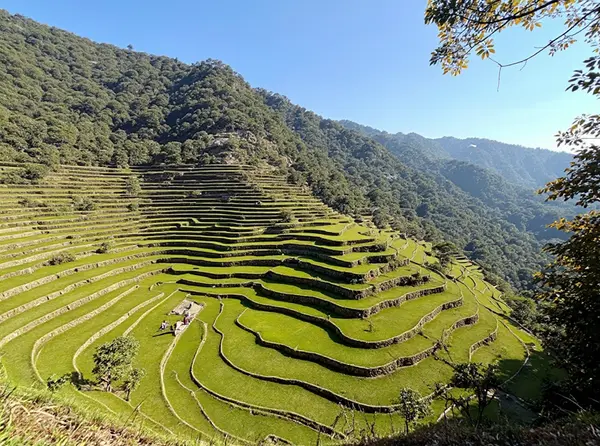
1. Banaue Rice Terraces
Banaue
Terraces cascading down mountain slopes, offering breathtaking views. Climb narrow stone steps and photograph reflective paddies at sunrise.
Quick facts: A patchwork of narrow terraces ascends steep slopes, transforming the valley into a living staircase you can explore. Hand-built stone walls and an ingenious bamboo-and-channel irrigation system still channel mountain spring water into neat, mirrorlike paddies.
Highlights: Local Ifugao elders perform hudhud harvest chants that can exceed 2,000 lines, rhythms intertwined with planting and harvest ceremonies. Sunrise floods the terraces, creating glassy surfaces that double the sky’s colors and make the layers glow like stepped pools.
Where to Stay in Banaue, Philippines
Selected by City Buddy based on guest reviews and proximity to top attractions
Search all hotels in Banaue, PhilippinesPowered by agoda
Traditional Sweet Dishes
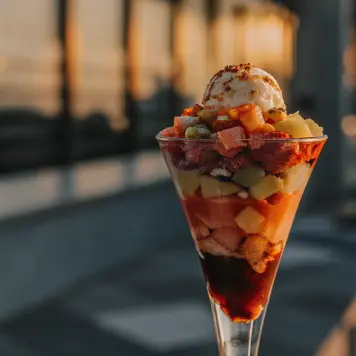
Halo-halo
Halo-halo's name literally means "mix-mix" in Filipino, and it can contain more than a dozen ingredients, creating a colorful layered dessert that celebrates variety and surprise in every spoonful.
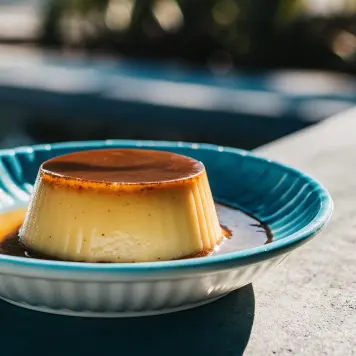
Leche flan
Leche flan is a dense, silky caramel custard introduced during Spanish colonial times, and its richness comes from a simple blend of egg yolks and sweetened milk.
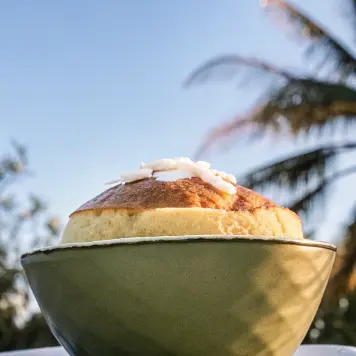
Bibingka
Bibingka is a rice cake traditionally baked in clay pots lined with banana leaves, giving it a smoky, aromatic crust and making it a beloved Christmas morning treat.
Traditional Savory Dishes
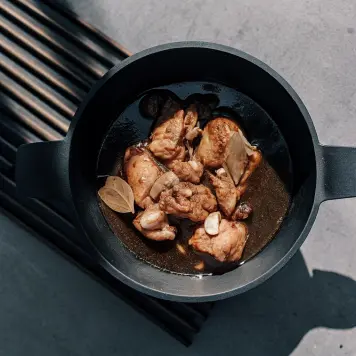
Adobo
Adobo is often called the unofficial national dish, and its versatile marinade of vinegar, soy sauce, garlic, and pepper lets it keep well and absorb bold, tangy flavors.
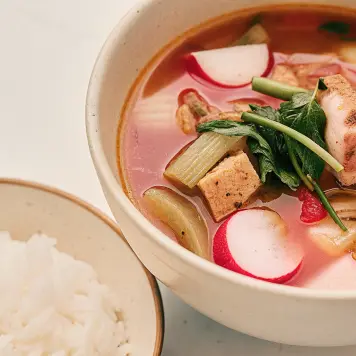
Sinigang
Sinigang is famous for its refreshingly sour broth, usually from tamarind, and Filipinos treasure it as a comforting, palate-cleansing soup that pairs perfectly with rice.
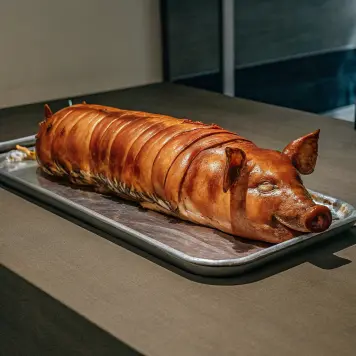
Lechon
Lechon is a whole roasted pig prized for crackling skin and tender meat, and at Filipino fiestas it serves as both a culinary showpiece and a symbol of celebration.
Traditional Beverages
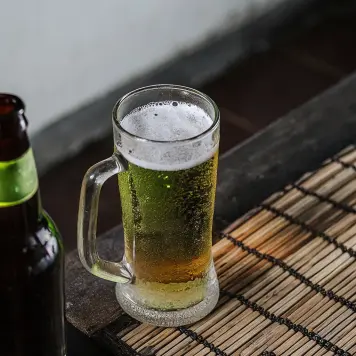
San Miguel beer
San Miguel is one of Asia's oldest beer brands, founded in 1890, and it played a major role in shaping social and culinary life across the Philippines and the region.
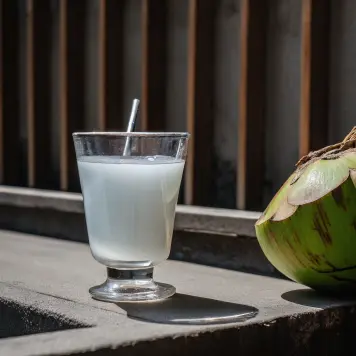
Buko juice
Buko juice is fresh young coconut water, naturally rich in electrolytes, and it is often sipped straight from the shell at beaches and roadside stalls for instant refreshment.

Sago't Gulaman
Sago't Gulaman combines chewy tapioca pearls and jelly with sweet brown sugar syrup, creating a refreshingly textural drink that is a staple of Filipino street stalls.
Frequently Asked Questions about Banaue, Philippines
What is the best time to visit the Philippines?
Is the Philippines expensive for travelers?
How do you get around the Philippines?
Is the Philippines safe for tourists?
How many tourists visit the Philippines yearly?
Get a PDF with the most popular attractions sent to your email
Get a PDF with all attractions, ratings, and tips. Perfect for offline use.
Find flights to Banaue, Philippines
Click to get eSim for Banaue, Philippines
The easiest and most affordable way to get mobile internet wherever you travel.
Comments (0)
No comments yet. Be the first!