 CityBuddy
 English
Things to Do in Lisbon, Portugal
When to visit
Plan your perfect trip to Lisbon, Portugal
Get a complete travel plan built just for you in under 30 seconds, with daily routes, local food tips, budget estimates and more.
Are any of these especially important to you?
Select all that apply
Plan language: EnglishMost popular attractions in Lisbon, Portugal
Among the top activities in Lisbon, Portugal, visiting the Belém Tower provides captivating views of the river and a deep dive into maritime history. Explore the Jerónimos Monastery to appreciate its beautiful Manueline architecture. Roam around São Jorge Castle to enjoy sweeping views of the city. The Alfama District offers a delightful walk through narrow streets filled with heartfelt Fado music.
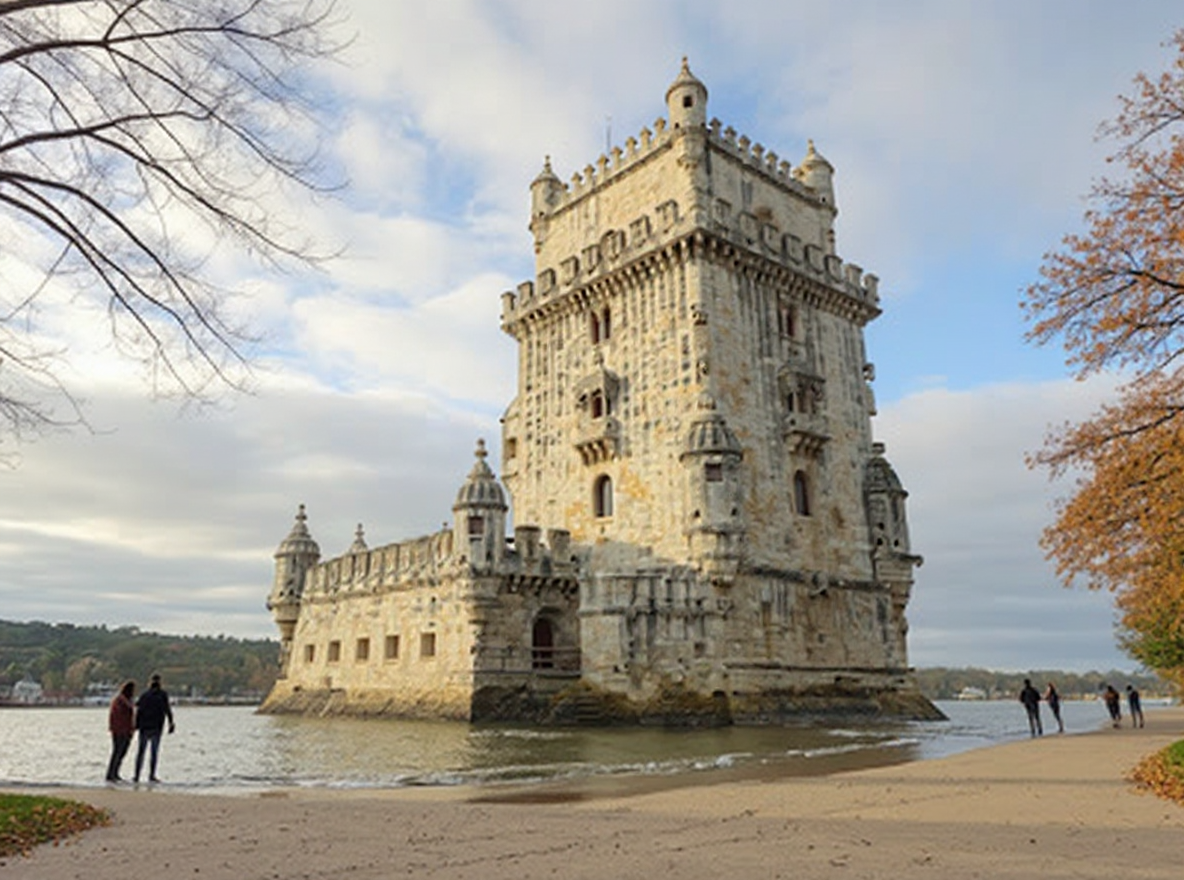
1. Belém Tower (Torre de Belém)
Torre de Belém
Fortified 16th-century tower on the Tagus River, representing Portugal's Age of Discovery. Climb the ramparts to admire detailed Manueline stonework and enjoy expansive river views.
Quick facts: Nestled by the riverbank, the detailed stonework displays maritime designs like ropes and armillary spheres, recounting stories of bold sea journeys. Visitors often admire how the fort's key position was essential for protecting the city's harbor from attackers.
Highlights: Stone rhinoceroses carved into the bastion look down, a whimsical tribute from the Age of Discoveries when exotic animals fascinated people worldwide. The tower's battlements, decorated with elaborate Manueline ropes and the crosses of the Order of Christ, glow warmly at sunset, offering a glimpse into Portugal's maritime heritage like stepping into a 16th-century explorer's journal.
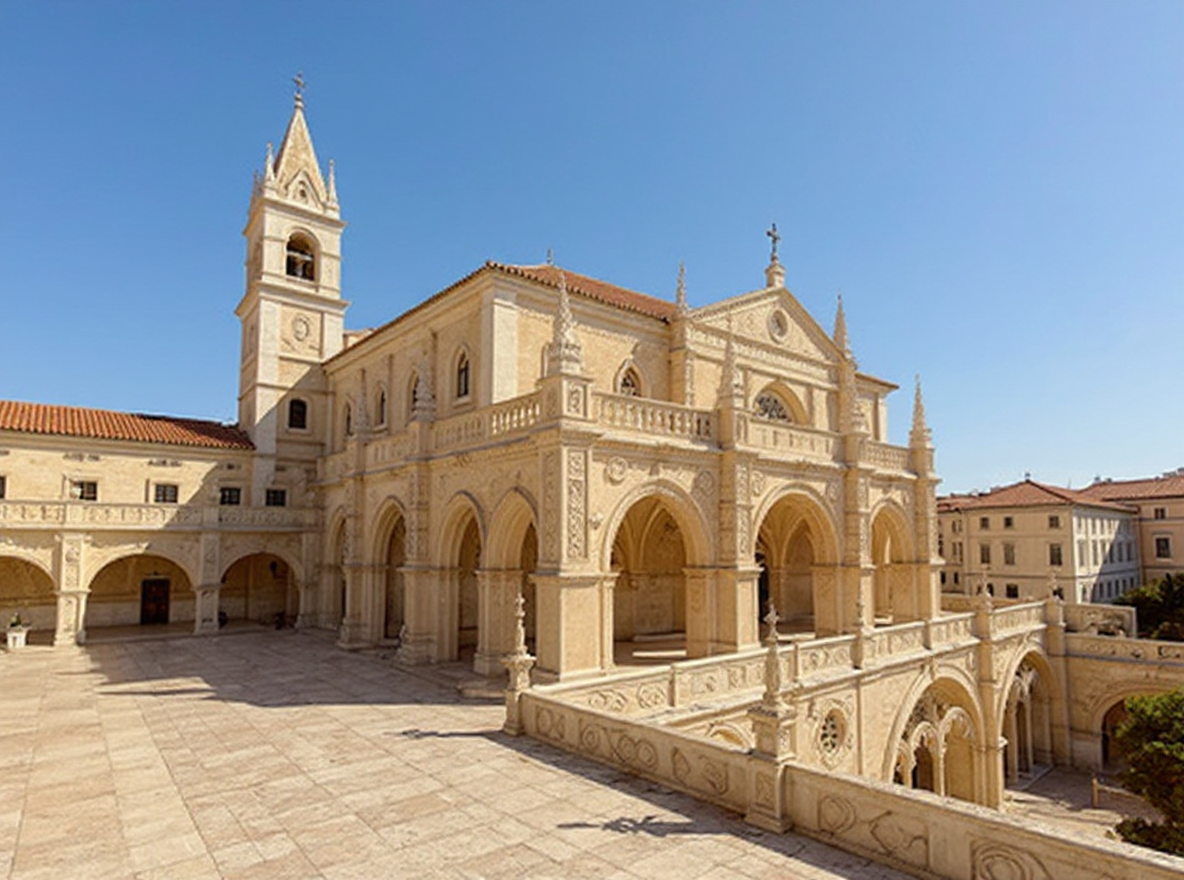
2. Jerónimos Monastery (Mosteiro dos Jerónimos)
Mosteiro dos Jerónimos
A Manueline architectural gem that reflects Portugal's Age of Discovery. Explore ornate cloisters, a high nave, and the tombs of Vasco da Gama and other explorers.
Quick facts: Admire the complex Manueline architecture featuring maritime themes that reflect Portugal's Age of Discoveries. Walking through the cloisters, you can nearly hear the stories of explorers and sense the grandeur of royal influence shaping history.
Highlights: The monastery’s elaborate Manueline design is filled with over 300 maritime motifs such as ropes and spheres, celebrating Portugal's Age of Discovery. Interestingly, the cloisters once served as a refuge where sailors and their families prayed for safe journeys, filling the air with a mix of sea salt and incense.
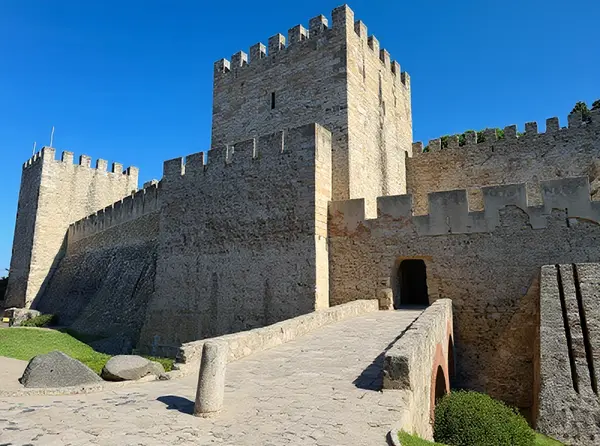
3. São Jorge Castle (Castelo de São Jorge)
Castelo de São Jorge
Medieval fortress on a hilltop with panoramic views of Lisbon and the Tagus River. Walk along the ramparts, explore towers and ruins, and capture iconic skyline photos.
Quick facts: Sitting atop a hill, the castle provides stunning panoramic views of the city and Tagus River, making every ascent worthwhile. Ancient walls and towers tell stories of medieval battles, royal secrets, and the resilience of those who once found sanctuary within its stone walls.
Highlights: Legend tells of a Moorish queen who once escaped enemy soldiers by riding her horse through the castle’s narrow battlements, a dramatic story still told locally. The castle’s walls offer sweeping views of Lisbon’s terracotta rooftops and the shimmering Tagus River, especially enchanting during the golden hour before sunset.
Have you heard of free walking tours?
After traveling to 30+ countries, there's one thing I wish someone had told me from day one, and it completely changed how I experience new cities.
Free walking tours. Yes, actually free. No credit card needed. No catch.
Local guide, 2-3 hours
Major sights, hidden gems, local stories
100% tip-based
Guides earn only tips, so they give their absolute best
You tip what feels right
At the end, just tip whatever you feel is right
I've done these in dozens of cities and they've been the highlight of almost every trip. If you're visiting Lisbon, Portugal, do this on your first day. You'll thank me later.
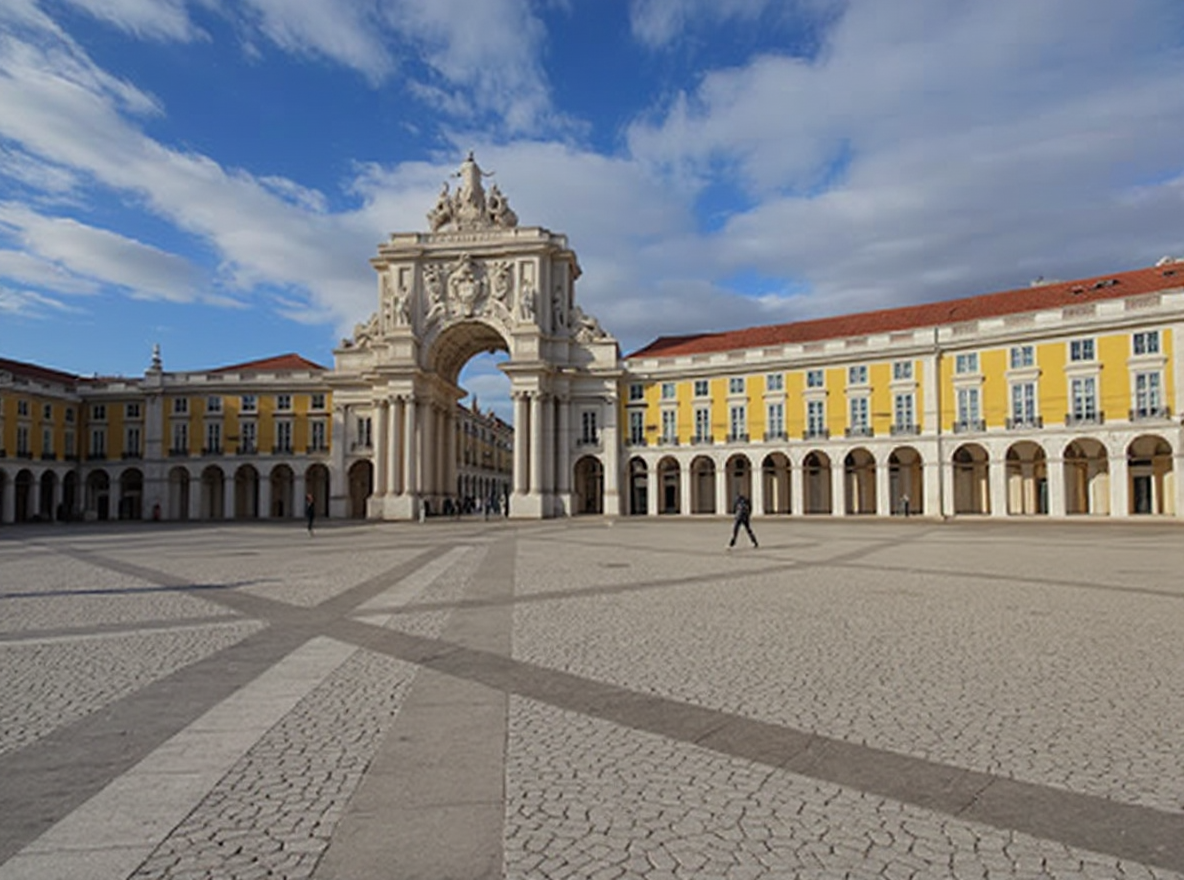
4. Praça do Comércio
Historic riverside square with royal arcades and open spaces overlooking the Tagus River. Stroll beneath yellow facades, admire the equestrian statue, and relax at lively cafés.
Quick facts: Golden sunlight often bathes the broad open area where merchants once gathered to trade goods brought by ships. Ocean breezes mingle with soft echoes of history, creating a perfect spot for locals and visitors to enjoy the lively riverside vibe.
Highlights: A fascinating feature here is the famed Rua Augusta Arch in the style of an Arc de Triomphe, topped with a statue of Glory crowning Valor and Genius, overlooking the vast square spanning 36,000 square meters along the Tagus River. Fun fact: the square’s expansive yellow arcaded buildings were rebuilt in the 18th century after the devastating 1755 earthquake, symbolizing resilience that locals quietly honor each year on the quake’s anniversary.
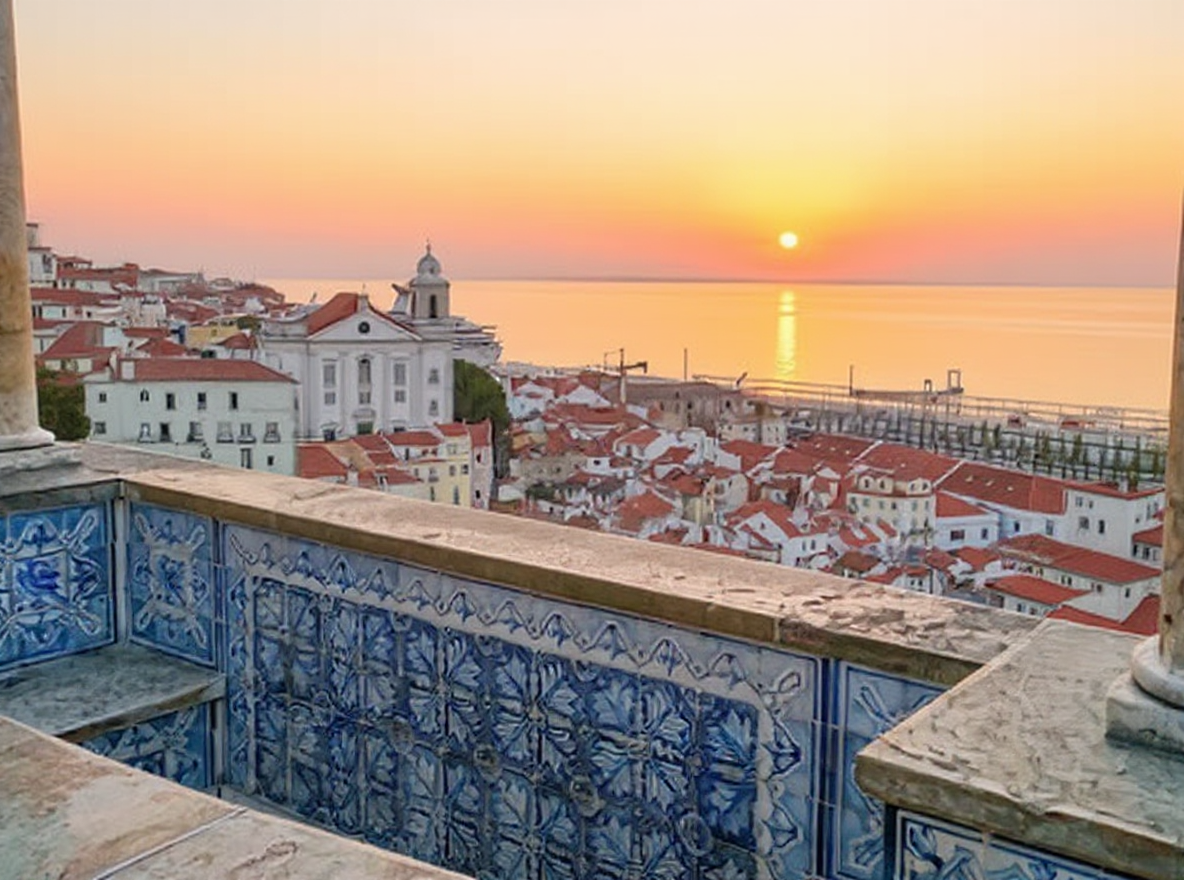
5. Alfama District
Lisbon's oldest district features narrow streets, tiled houses, and live fado music. Wander alleys, climb viewpoints for river and city views, and enjoy traditional tavern fare.
Quick facts: Narrow, winding streets meander through the district like a labyrinth, inviting visitors to discover hidden corners filled with colorful tiles and lively cafes. The air often carries soulful Fado music drifting from open doorways, creating an atmosphere rich with emotion and history.
Highlights: Cobblestone streets wind in patterns inspired by the sea, creating a living maze where every corner resonates with soulful fado music performed by local artists whose roots stretch back over five generations. Early mornings reveal a quiet ritual: locals refresh facades with bursts of bright white paint and vibrant azulejo tiles, forming a kaleidoscope of blues and yellows that beautifully catch Lisbon’s gentle sunlight.
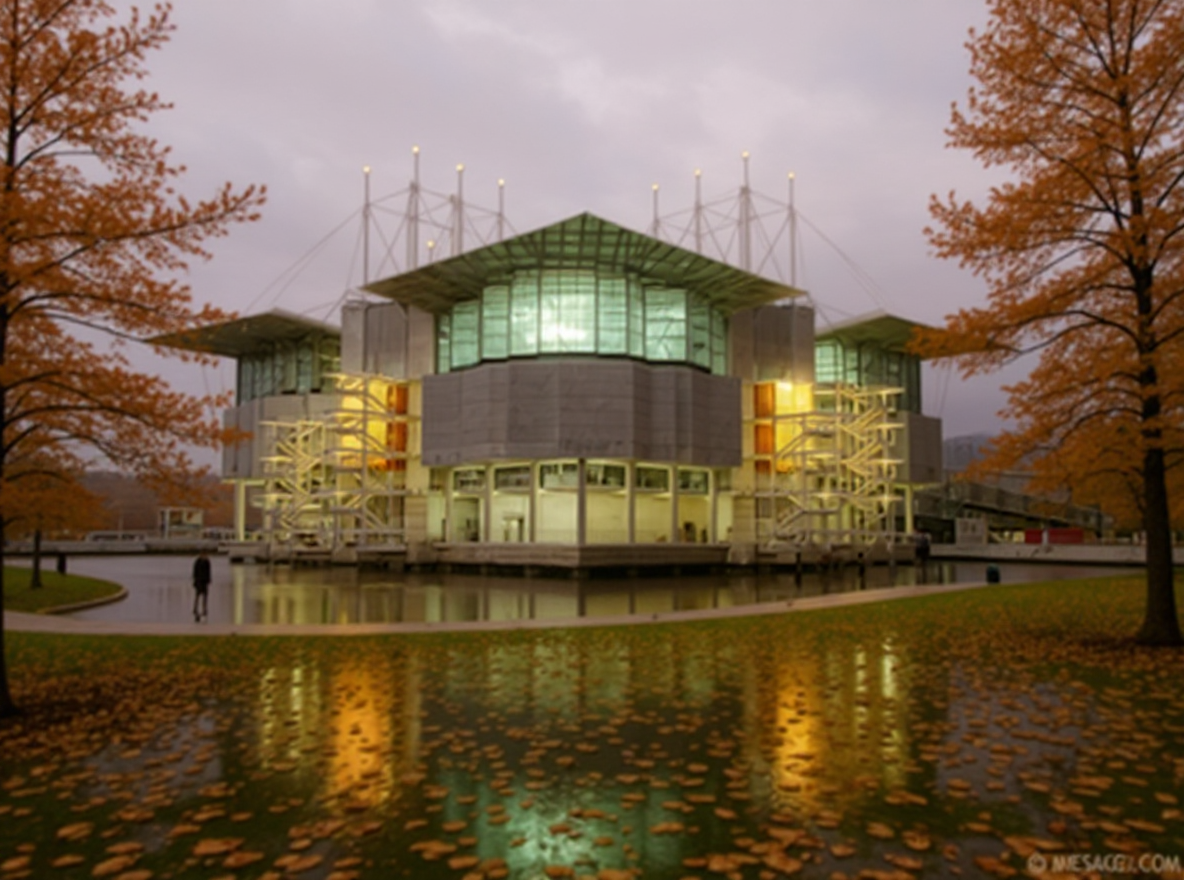
6. Lisbon Oceanarium (Oceanário de Lisboa)
Oceanário de Lisboa
One of Europe's largest aquariums, featuring a massive central tank with sharks and rays. Walk through tiered galleries and observe global ocean habitats up close.
Quick facts: Large central tanks mimic the open ocean and house various sea creatures including sharks, rays, and colorful fish in a captivating display. Visitors are often amazed by the seamless underwater tunnels that offer an immersive experience, making it feel as if you are walking along the ocean floor.
Highlights: A 5,000,000-liter central tank replicates the open ocean, home to a giant spider crab weighing about 15 kilograms, immersing visitors as if diving deep underwater. The sound around mimics ocean waves with occasional dolphin calls, creating a surreal sensory experience that makes you forget you are in a city.
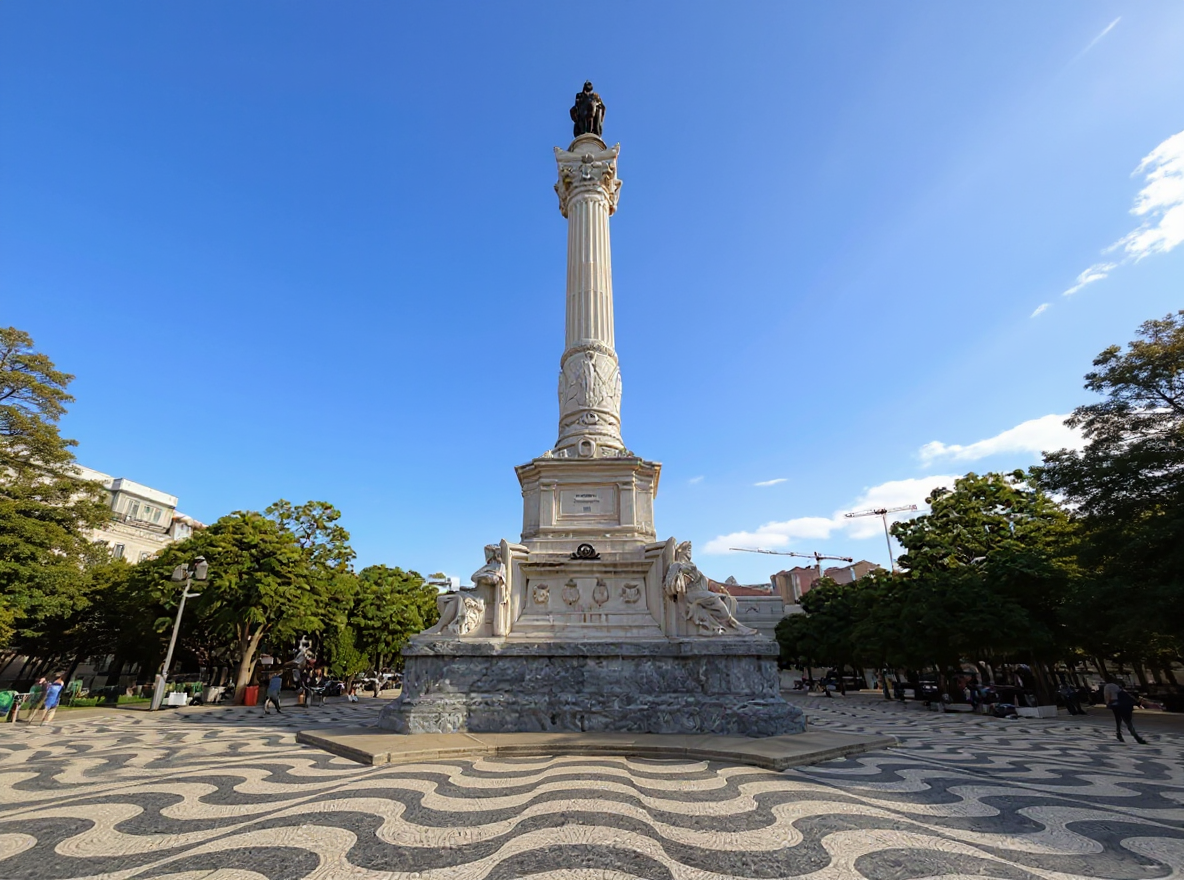
7. Rossio Square (Praça Dom Pedro IV)
Praça Dom Pedro IV
Vibrant historic square in the heart of Lisbon with iconic wave-patterned pavement and 19th-century cafés. Expect street performers, statues, and convenient tram connections.
Quick facts: Vivid marble wave patterns ripple across the square’s pavement, catching the eyes of every passerby. The lively mood is enhanced by decorative fountains and a striking statue of King Pedro IV, making it a social hotspot day and night.
Highlights: Beneath your feet lies a striking wave-patterned mosaic made from roughly 35 million black and white limestone pieces, symbolizing the Atlantic’s shifting waves. Nearby, a fun tradition involves the statue of Dom Pedro IV: locals believe that standing before it and spinning three times brings good luck and creative inspiration throughout the year.
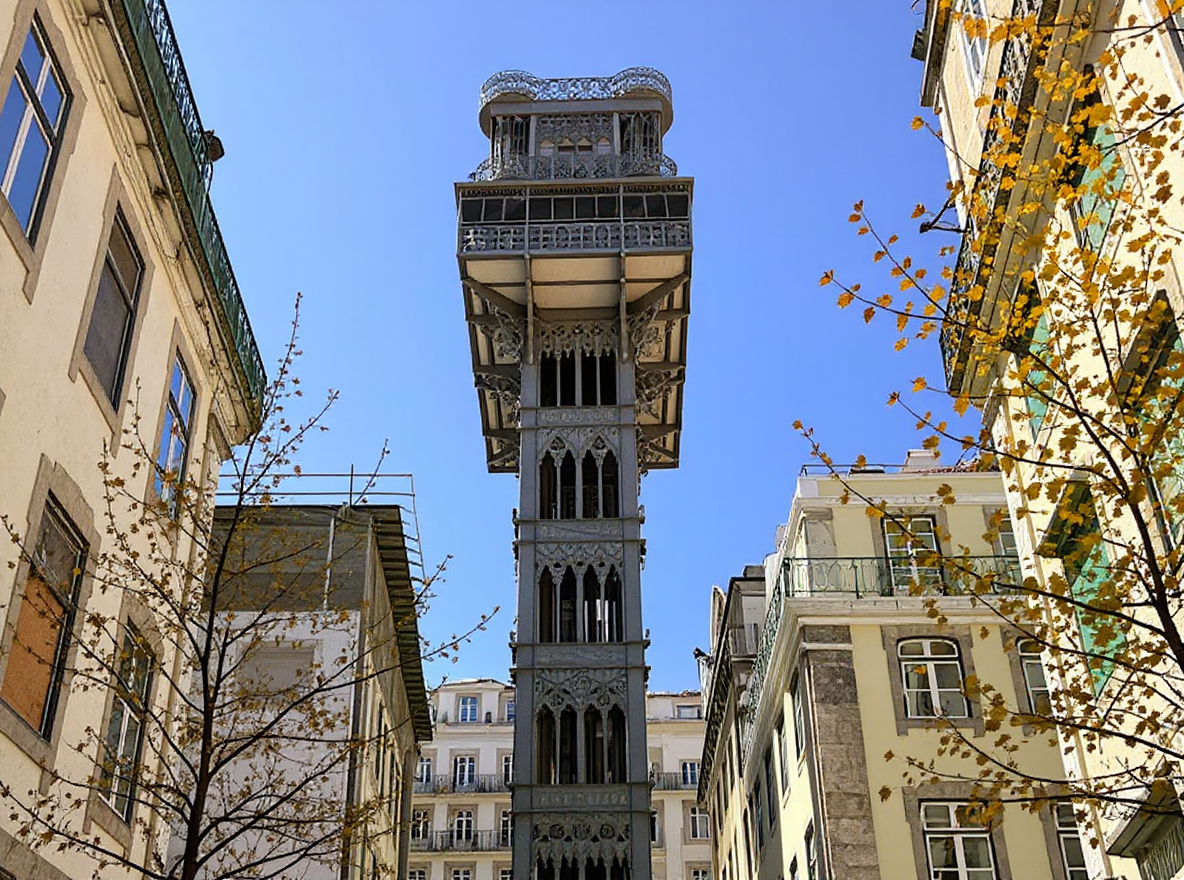
8. Santa Justa Lift (Elevador de Santa Justa)
Elevador de Santa Justa
Famous iron elevator connecting Baixa and Bairro Alto districts, offering panoramic views over Lisbon and the Tagus River. Ride to the rooftop for photos of the castle, river, and skyline.
Quick facts: Standing 45 meters tall, the lift offers breathtaking panoramic views of the city’s rooftops and the river beyond. The intricate ironwork, inspired by Gothic design, presents a unique mix of industrial style and artistic elegance that fascinates visitors at every glance.
Highlights: The elevator features a charming neo-Gothic iron structure inspired by the Eiffel Tower and rises 45 meters, providing a bird’s-eye view of the city and Tagus River. Each day, the lift carries over 3,000 locals and tourists to Carmo Square, where ancient ruins sit next to the platform, blending past and present in a surreal setting.

9. Monument to the Discoveries (Padrão dos Descobrimentos)
Padrão dos Descobrimentos
Monument to the Discoveries honors Portugal's Age of Exploration on a dramatic Tagus riverside. Climb to the terrace for vast views and striking photo opportunities.
Quick facts: Tall figures rise from a ship’s prow, each representing key figures from the Age of Exploration, evoking the spirit of adventure across uncharted seas. Visitors can climb to the top for stunning views of the river and cityscape, merging history with breathtaking panoramas.
Highlights: The monument shows 33 detailed statues of historical figures on a stylized ship, including the famous Henry the Navigator at the prow, gazing toward the sea with a giant compass in hand. Each statue is carved with such detail you can see specific explorers’ tools and clothing, like Vasco da Gama holding a navigational device, bringing the Age of Discovery vividly to life.
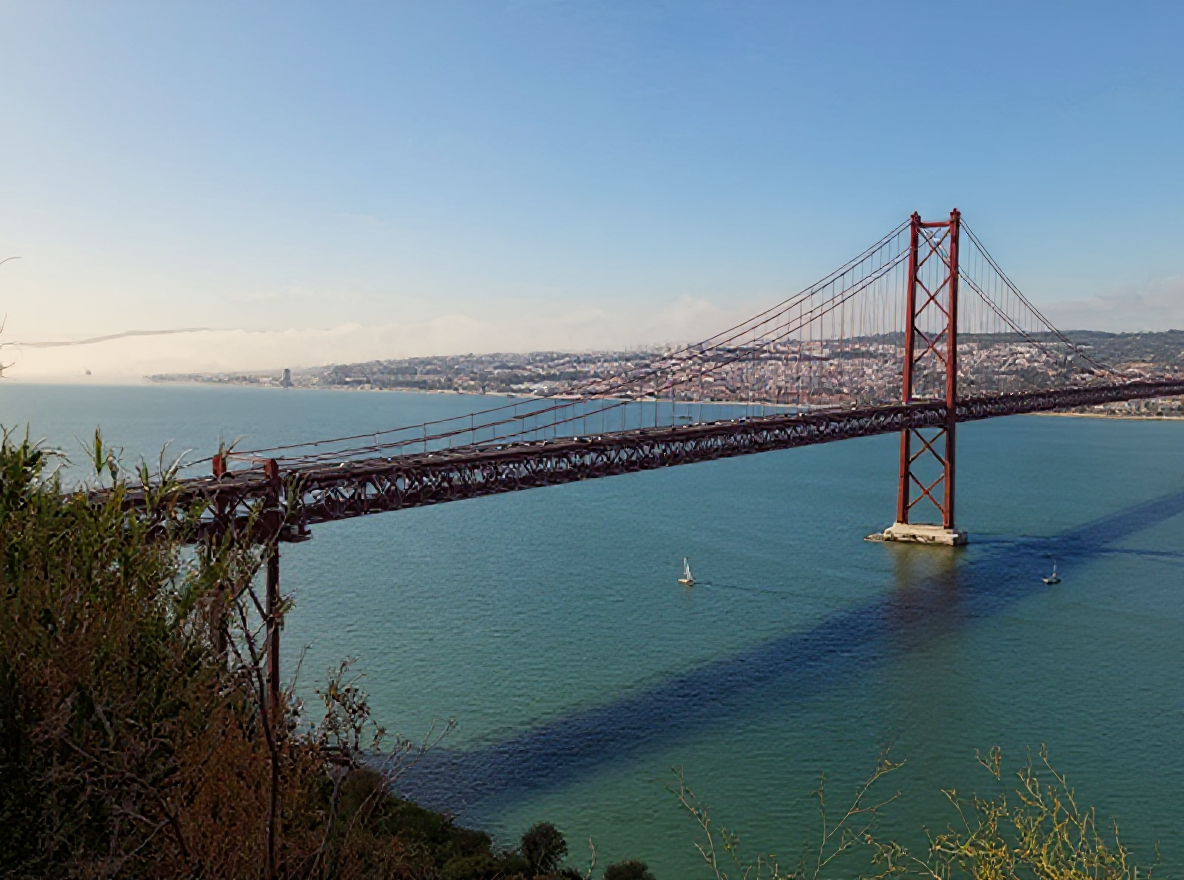
10. 25 de Abril Bridge
Iconic suspension bridge providing dramatic views over the Tagus River. Walk along riverside paths and capture sweeping panoramas of Lisbon and the river from nearby viewpoints.
Quick facts: The bridge’s striking red color often surprises visitors, making it seem like a piece of San Francisco’s Golden Gate Bridge has been moved to Europe. Stretching more than 2.2 kilometers, it connects two vital parts of the city while carrying an interesting mix of road and rail traffic on separate levels.
Highlights: The bridge extends an impressive 2,277 meters and its bold red color often draws comparisons to San Francisco’s Golden Gate Bridge, although it is a suspension bridge designed for road vehicles and trains. At night, thousands of tiny LED lights sparkle along the cables, creating a twinkling effect that mirrors the stars above the Tagus River.

11. Time Out Market Lisboa
A food lover's haven filled with local flavors and top chefs. Dive into a vibrant market atmosphere and enjoy fresh, award-winning dishes and drinks.
Quick facts: A bustling food hall showcasing the finest of Lisbon’s culinary offerings under one roof. Over 40 vendors serve everything from gourmet treats to traditional Portuguese dishes and craft cocktails.
Highlights: Energetic communal tables create a lively atmosphere where locals and tourists share food experiences. The wafer-thin pastel de nata here has won awards, and tasting it fresh from the oven is a delightful tradition.
12. Pastéis de Belém Bakery
Enjoy Lisbon's famous custard tart experience. Taste the delicate crispy crust with rich custard melting in your mouth.
Quick facts: Over 20,000 custard tarts are baked daily using a secret recipe known by only three people. The bakery’s original focus on royal pastéis attracts visitors from worldwide.
Highlights: A dimly lit kitchen, visible through a glass window, lets you watch bakers skillfully making each tart by hand. The recipe blends cinnamon and lemon zest for a crisp, creamy contrast found nowhere else.
Where to Stay in Lisbon, Portugal
Selected by City Buddy based on guest reviews and proximity to top attractions
Search all hotels in Lisbon, PortugalPowered by agoda
Traditional Sweet Dishes

Pastéis de Nata
Pastéis de Nata originated in 18th-century Lisbon monasteries, and their flaky pastry with silken custard became a beloved national symbol and worldwide favorite.

Bola de Berlim
Bola de Berlim was inspired by the German Berliner, but Lisbon bakers typically inject a rich eggy custard into the center and sell them warm as popular street treats.
Traditional Savory Dishes

Bacalhau à Brás
Bacalhau à Brás mixes shredded salted cod, thin fried potatoes, scrambled eggs, olives and parsley into a comforting dish that a 19th-century Lisbon tavern popularized.

Caldo Verde
Caldo Verde is a simple, hearty soup of potatoes, finely shredded kale and olive oil, traditionally served at festivals and late-night gatherings across Portugal.

Bifana
Bifana is a punchy marinated pork sandwich simmered with garlic and white wine, it is an affordable, beloved street and fair food in Lisbon.
Traditional Beverages

Port Wine
Port wine is a fortified wine from the Douro Valley, made by adding grape spirit to stop fermentation so the wine stays sweet and age-worthy, a process that turned it into a prized export.

Ginjinha
Ginjinha is a sour cherry liqueur served in tiny shots around Lisbon, and some places even offer it in edible chocolate cups for an extra treat.
Frequently Asked Questions about Lisbon, Portugal
Is Lisbon, Portugal safe for travelers?
How many days should I spend in Lisbon, Portugal?
What is the best time to visit Lisbon, Portugal?
Is Lisbon, Portugal expensive to visit?
How to get around Lisbon, Portugal?
Get a PDF with the most popular attractions sent to your email
Get a PDF with all attractions, ratings, and tips. Perfect for offline use.
Most popular day trips
Sintra
Famous for its romantic 19th-century architecture and palaces.
Cascais
Charming coastal town with beautiful beaches and marina.
Évora
Historic city with well-preserved Roman ruins and medieval walls.
Óbidos
Picturesque medieval town known for its castle and cobbled streets.
Fátima
Famous pilgrimage site with its Sanctuary of Our Lady of Fátima.
Rent a car in Lisbon, Portugal
Getting there
Airports
Train stations
High-speed trains, regional trains
Regional trains
Regional trains, international trains
From Humberto Delgado Airport, take the metro red line for quick access to central Lisbon.
Find flights to Lisbon, Portugal
Click to get eSim for Lisbon, Portugal
The easiest and most affordable way to get mobile internet wherever you travel.
Useful information for Lisbon, Portugal
Overview for Lisbon, Portugal
Most popular itineraries for Lisbon, Portugal
Browse trip plans created by other travelers
12 dana u Portugalu za porodicu: Lisabon, Porto i Algarve
Uronite u čaroliju Portugala sa porodicom kroz 12 nezaboravnih dana punih avantura, ukusne hrane, sunčanih plaža i čarobnih mesta koja će oduševiti i decu i odrasle.
11-Day Lisbon for Budget Backpackers
Discover Lisbon's soul on a budget with free walking tours, authentic fado nights, stunning viewpoints, coastal hikes, and mouthwatering street food across 11 unforgettable autumn days.
11-Day Autumn Lisbon Adventure
Explore Lisbon's sun-drenched hills, savor creamy pastéis de nata in crisp autumn air, and wander medieval alleys where fado echoes at dusk on this epic 11-day journey.
11-Day Lisbon & Sintra Autumn Journey
Explore Lisbon's sunlit hills, savor pastéis de nata in the crisp autumn air, and wander Sintra's fairytale palaces on this unforgettable 11-day Portuguese escape.
2 Ditë në Lisbonë për Adhuruesit e Kulturës dhe Ushqimit
Eksploro rrugët historike të Lisbonës, shijo pamjet mahnitëse dhe shijoni shijet autentike verore në këtë plan udhëtimi dyditor.
2-Day Lisbon for Culture, History, and Local Secrets
Explore Lisbon's rich history, authentic neighborhoods, and hidden local gems on a budget with immersive walking tours and cultural experiences.
3-Day Active Nature Escape in Lisbon
Explore Lisbon's vibrant outdoor scenes, scenic hikes, and nature spots for a refreshing spring adventure filled with stunning views and invigorating activities.
12-Day Lisbon Adventure for Culture and Nature Lovers
Discover Lisbon beyond the usual tourist paths with a vibrant mix of free tours, historic sites, authentic local experiences, and scenic nature escapes perfect for the active, budget-conscious traveler.
5-Day Lisbon Cultural & Hidden Gems Adventure
Dive deep into Lisbon’s rich history, vibrant culture, and off-the-beaten-path treasures through museums, historic sites, local hangouts, and secret viewpoints this summer.
Comments (7)
Amazing seafood and sunsets, but tourist spots get packed and prices jump in Alfama. Two to four days felt right for us.
Went in March and hit a week of rain, views were muted but cozy cafés and Fado nights saved the trip. Bring a good jacket.
Skip restaurants on the main squares, walk two blocks for real prices. Also check museum sites, many have free slots or discount days.
Wasn't as cheap as I pictured, pickpocket risk on crowded trams, yet the tilework and viewpoints made it worth a second visit.
Felt charming and alive, nightlife is fun, day crowds can be noisy. Not a backpacker bargain anymore, but still great value for Europe.