 CityBuddy
 English
Things to Do in Romania
When to visit
Plan your perfect trip to Romania
Get a complete travel plan built just for you in under 30 seconds, with daily routes, local food tips, budget estimates and more.
Are any of these especially important to you?
Select all that apply
Plan language: EnglishMost popular attractions in Romania
Things to do in Romania include exploring the majestic Bran Castle, known for its Dracula legends, and Peleș Castle, a beautiful Neo-Renaissance gem located just 40 kilometers from Brașov. Drive the Transfăgărășan, a winding mountain road featuring hairpin turns and stunning views that stretch for over 90 kilometers.
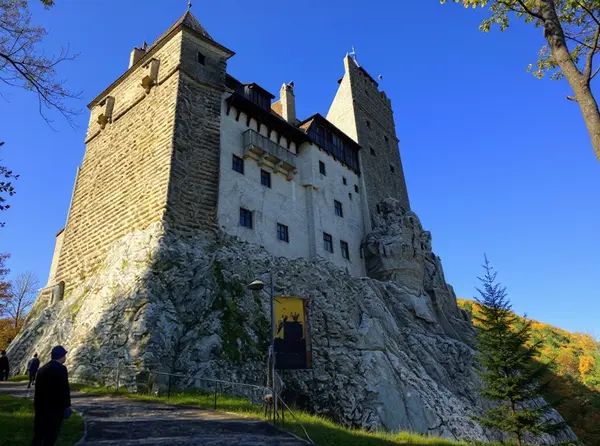
1. Bran Castle
Bran
Set high on a rocky ridge overlooking the valley, Bran Castle combines medieval design with Bram Stoker's tales. Discover narrow stairways, exhibit rooms and expansive mountain vistas.
Quick facts: Visitors notice a maze of narrow staircases and sudden lookout windows that make every turn feel like a stage set, with light filtering through arrow-slit openings. A surprising number of rooms, more than 50, contain collections of armor, carved furniture, and worn floorboards that creak underfoot and smell faintly of pine and wax.
Highlights: A nearly hidden passage barely 80 cm wide leads up to a tiny turret room where the air is warm and wood-scented, and the view through a narrow slit looks like a postcard. Guides point out a handwritten guest ledger signed by over 200 visitors from the early 20th century. The faded blue ink and careful loops make each name feel like a whisper passed down the stairs.
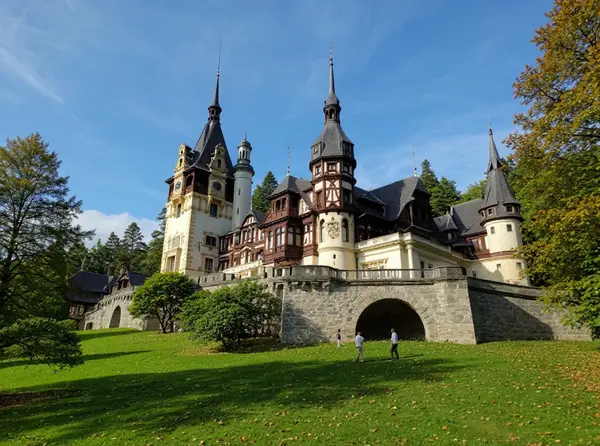
2. Peleș Castle
Sinaia
Sumptuous Neo-Renaissance royal palace located in the Carpathian foothills, filled with royal artworks and detailed wood carvings. Tour luxurious chambers, see original furniture, and wander the pine-lined gardens.
Quick facts: Visitors will find roughly 160 rooms, many finished with detailed inlaid woodwork and stained glass. The residence was among the first in the region to have electric lighting and central heating. Early technical innovations included a functional elevator hidden behind carved panels, allowing guests to move between floors without drawing attention.
Highlights: Sunlight passing through stained glass casts jewel-toned patches across floors made from over 40 different wood species, filling the air with a warm resin and beeswax scent. A near-hidden switch beside a servant passage still operates the original elevator mechanism, a tactile reminder of the private routines of King Carol I and his guests.
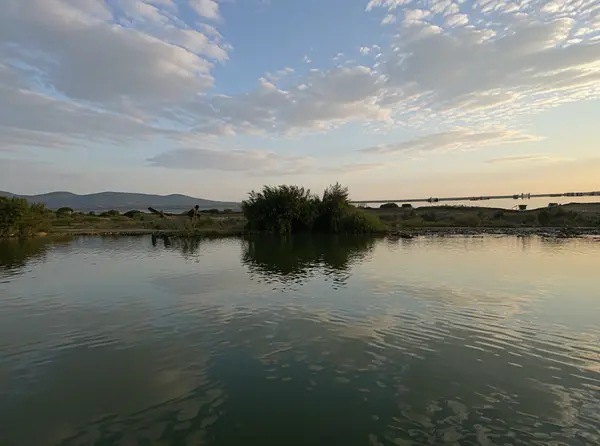
3. Danube Delta
Tulcea
The largest wetland in Europe, bustling with wildlife and winding waterways. Paddle through tall reeds and fishing hamlets, spotting pelicans and stunning golden sunsets.
Quick facts: Wide, marshy channels and tall reed beds host over 300 species of birds and an astonishing variety of fish and amphibians. Visitors mostly move by narrow wooden boats and kayaks, gliding past mud islands that shift after floods and smell like fresh algae and river silt.
Highlights: Morning brings colonies of pelicans and hundreds of glossy ibis rising together, the wet air thick with wingbeats and a salty, muddy tang. Traditional fishers still use hand-cranked wooden boats and haul nets at night, sometimes landing 20 to 50 carp or pikeperch per trip. These are smoked over willow for an intense, river-salt aroma.
Have you heard of free walking tours?
After traveling to 30+ countries, there's one thing I wish someone had told me from day one, and it completely changed how I experience new cities.
Free walking tours. Yes, actually free. No credit card needed. No catch.
Local guide, 2-3 hours
Major sights, hidden gems, local stories
100% tip-based
Guides earn only tips, so they give their absolute best
You tip what feels right
At the end, just tip whatever you feel is right
I've done these in dozens of cities and they've been the highlight of almost every trip. If you're visiting Romania, do this on your first day. You'll thank me later.
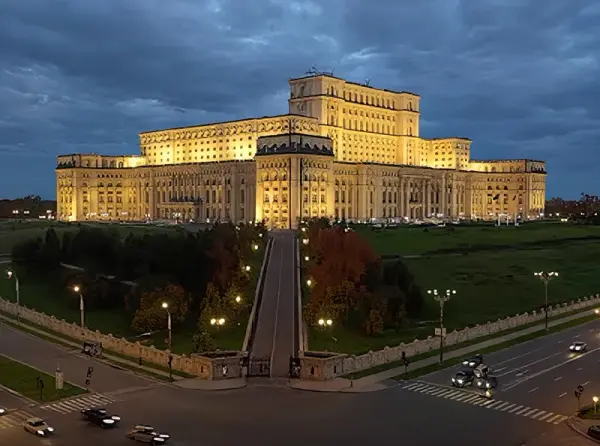
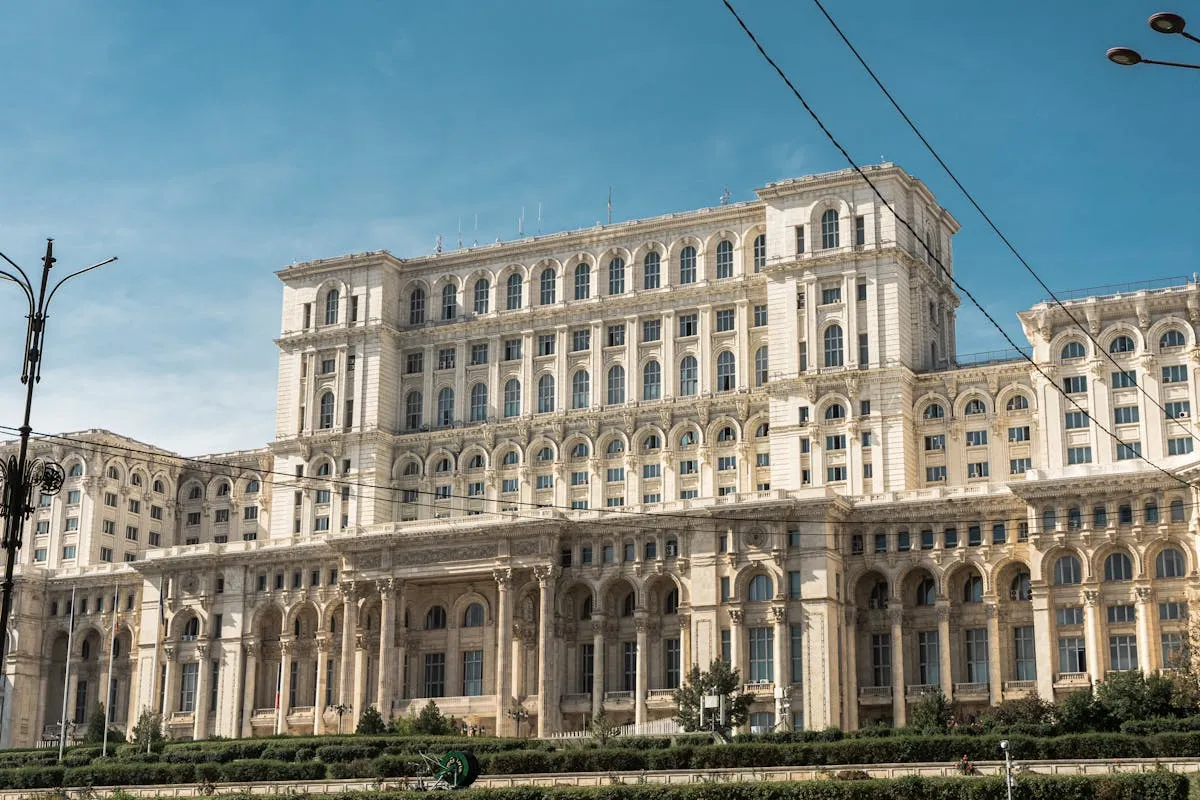
4. Palace of the Parliament
Bucharest
Experience the breathtaking scale and ornate interiors. Take a guided tour through vast halls, sparkling chandeliers and stretches of marble.
Quick facts: You won't believe the scale: over 365,000 square meters and roughly 1,100 rooms, making it one of the largest administrative buildings in the world. Guided tours reveal imported marble, huge chandeliers, and layers of political history visible in every ornate corridor.
Highlights: Step into a chamber with ceilings higher than many houses, where more than 1,000 rooms spread from a central core and footsteps echo like in a cathedral. Legend says Nicolae Ceaușescu wanted imperial scale, so halls were covered in marble from several countries and chandeliers sometimes weigh hundreds of kilograms.
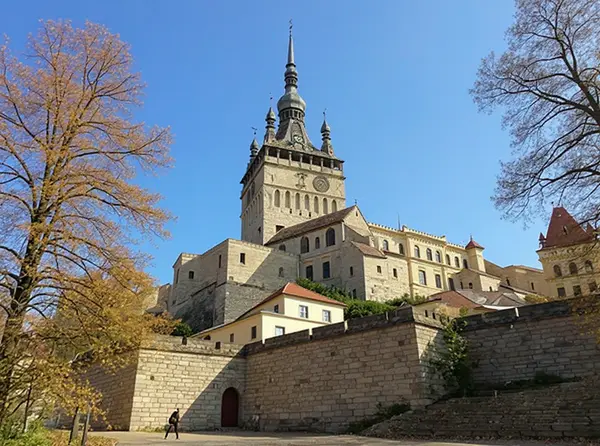
5. Sighișoara Citadel
Sighișoara
A flawlessly maintained medieval fortress with colorful towers and stone-paved streets. Stroll along the Clock Tower, fortifications, and quaint squares for timeless views.
Quick facts: Cobblestone alleys rise and fall like a small maze, with more than 160 preserved medieval houses clustered inside the fortifications. You can still see nine defensive towers marking the skyline, each topped with a distinctive tiled roof and its own local legend rarely explained in guidebooks.
Highlights: Climb the long covered wooden stairway and you'll pass faded chalk marks where schoolchildren once counted lessons. The boards creak and smell faintly of pine after rain. At the hilltop clock tower, carved wooden figurines perform a miniature procession each hour, their painted faces catching the sun and casting tiny shadows that feel alive when you're close.
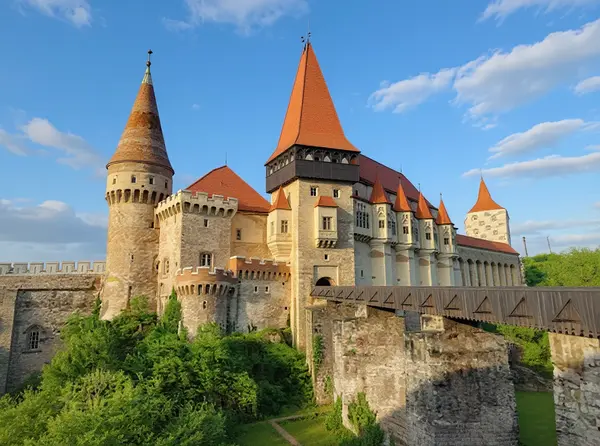
6. Corvin Castle
Hunedoara
A striking Gothic-Renaissance stronghold rich in Transylvanian heritage. Visit vaulted courtyards, the armory and prison cells, then ascend the tower for panoramic city views.
Quick facts: Soaring crenellated walls and a heavy wooden drawbridge give the site a cinematic, fairy-tale silhouette that photographers seek at golden hour. Carved coats of arms and a vaulted Knights' Hall fill several rooms, and narrow stone passages make the whole site feel surprisingly intimate and tactile.
Highlights: Narrow spiral stairs wind up to any of seven towers where arrow-slit windows frame a vertigo-inducing view and the wind whispers through rough mortar. A lasting local legend links the infamous Wallachian prince Vlad Țepeș to a brief captivity in a cramped dungeon cell. Standing over the shadowed courtyard well, you can almost hear imagined clanks and whispered plots.
7. Voroneț Monastery
Voroneț
Renowned for its bright 15th-century frescoes in the famous Voroneț blue. Explore the courtyard and get a close look at the Last Judgment mural.
Quick facts: Visitors often stop short at the electric blue that covers the exterior frescoes, a pigment so durable that its color survives centuries of weather. An enormous Last Judgment scene fills the west wall, packed with hundreds of figures shown with surprising expression and tiny narrative details.
Highlights: Look at a small carved inscription dated 1488. It still records the names of patrons who funded the work and serves as a direct fingerprint from those behind the project. On sunny afternoons the ultramarine exterior seems to glow under sunlight. Local guides take visitors to a specific corner where a few tiny, hand-painted angels, each no bigger than a palm, show remarkably expressive faces.
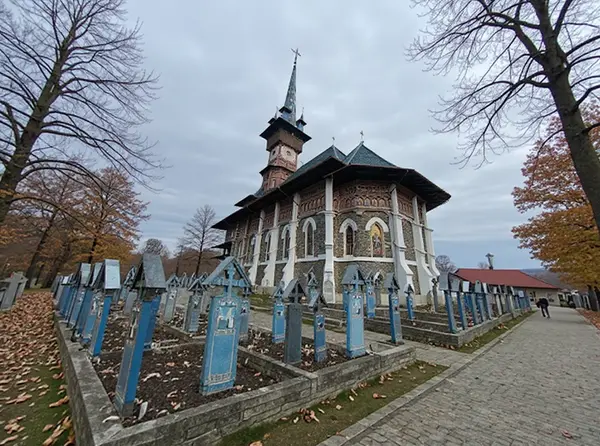
8. Merry Cemetery
Săpânța
Local folk art and frank humor make the cemetery a notable stop. Meander among painted wooden crosses and straightforward epitaphs telling everyday tales.
Quick facts: Rows of hand-carved wooden crosses flash vibrant blues and reds, each topped with a naïve painting that tells a life story in a single scene. More than 800 epitaphs range from openly funny to tenderly honest, often written in first person so you hear the voice of the deceased.
Highlights: Local carver Stan Ioan Pătraș is credited with creating the cheerful style, carving and painting over 700 of the crosses and writing short, witty epitaphs that sometimes include details like ages, jobs, or a favorite habit. Up close you can hear the brushstrokes in the paint and see a 1970s motorcycle or a handful of bright sunflowers painted next to a line like 'He loved his tractor,' a small, intimate portrait told in color and words.
Where to Stay in Romania
Selected by City Buddy based on guest reviews and proximity to top attractions
Search all hotels in RomaniaPowered by agoda
Popular Cities in Romania
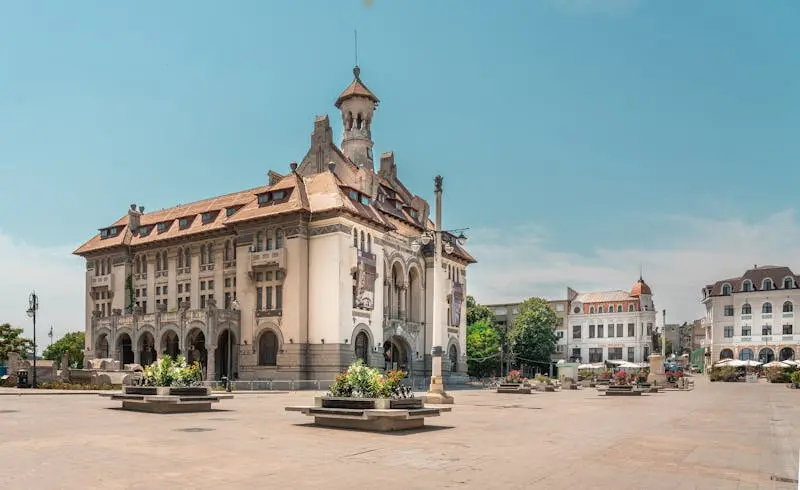
Traditional Sweet Dishes
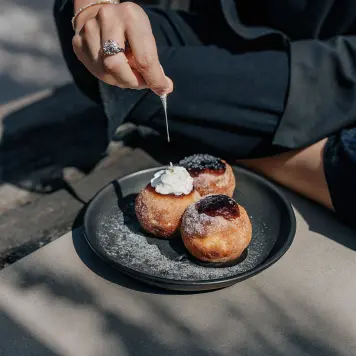
Papanasi
Papanasi are fried or boiled cheese doughnuts made from fresh urda or cottage cheese, topped with sour cream and fruit jam. They are widely regarded as Romania's most iconic dessert and are often served warm in homes and restaurants.
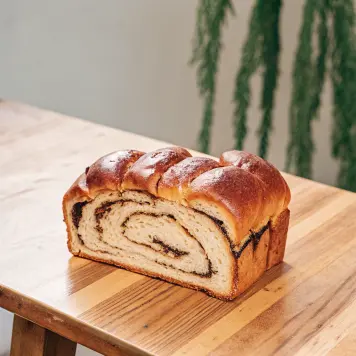
Cozonac
Cozonac is a sweet braided bread filled with walnut, poppy seed, or cocoa, traditionally prepared for Easter and Christmas. Families often pass down specific fillings and braid patterns, making it a center of holiday rituals.
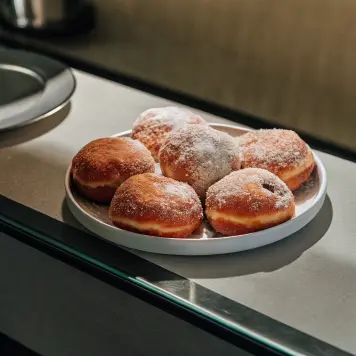
Gogosi
Gogosi are light, fluffy Romanian doughnuts dusted with sugar or filled with jam, popular as a street snack and homemade treat. Their simple comfort-food appeal makes them beloved across generations.
Traditional Savory Dishes
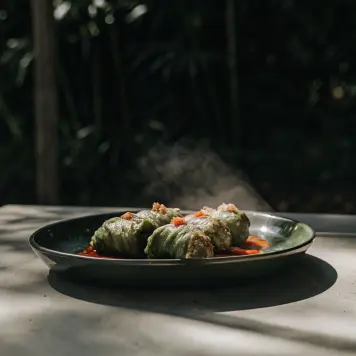
Sarmale
Sarmale are cabbage or vine leaf rolls filled with minced pork and rice, slowly simmered in a savory tomato-based sauce, and they often form the centerpiece of holiday meals. They are commonly served with polenta and sour cream.
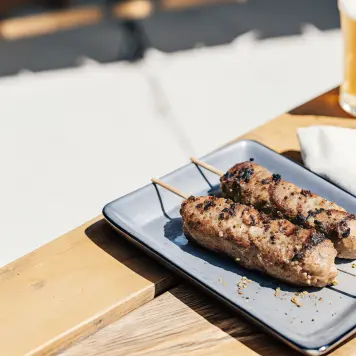
Mici (Mititei)
Mici are skinless grilled rolls of seasoned ground meat, typically a blend of beef, pork, and lamb, flavored with garlic and spices. They are a barbecue staple, usually eaten with mustard, bread, and a cold beer.
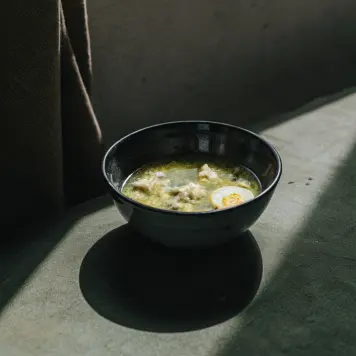
Ciorbă de burtă
Ciorbă de burtă is a sour tripe soup flavored with vinegar or lemon and enriched with egg yolk and sour cream, known as a restorative comfort food. Many Romanians consider it an effective hangover cure and a late-night favorite.
Traditional Beverages
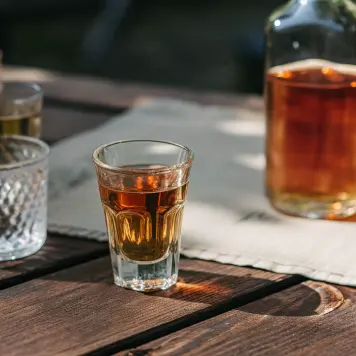
Țuică
Țuică is a traditional Romanian plum brandy, often distilled at home and served as a welcoming shot at celebrations and family events. Its strength and flavor vary widely, from light and fruity to bold and aged.
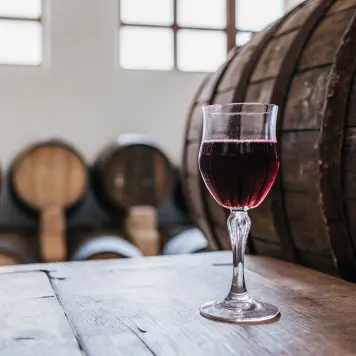
Romanian wine (Fetească Neagră)
Romania has a millennia-long winemaking tradition, and indigenous varieties like Fetească Neagră produce rich, aromatic red wines that are gaining international recognition. Wine is an essential part of meals and hospitality across the country.
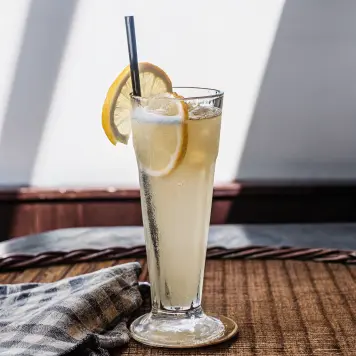
Socată
Socată is a lightly fermented elderflower cordial, made with elderflowers, sugar, lemon, and sometimes a hint of yeast, enjoyed in spring and summer. It is a refreshing non-alcoholic tradition with many regional homemade variations.
Frequently Asked Questions about Romania
What is the best time to visit Romania?
Is Romania an expensive country to visit?
How safe is the tap water in Romania?
How can I get around Romania?
How many tourists visit Romania each year?
Get a PDF with the most popular attractions sent to your email
Get a PDF with all attractions, ratings, and tips. Perfect for offline use.
Most popular day trips
Sinaia
Mountain resort with Peles Castle and cable cars.
Sighișoara
UNESCO fortified citadel, birthplace of Vlad the Impaler.
Rent a car in Romania
Getting there
Airports
Train stations
Main domestic and international routes: Brașov, Constanța, Cluj, Timișoara, Budapest
Connections across Transylvania and international links north and west
West Romania hub, services to Budapest and other regional destinations
Use airport express trains or official buses to city centers; book taxis or ride-hailing apps, avoid unlicensed cabs.
Click to get eSim for Romania
The easiest and most affordable way to get mobile internet wherever you travel.
Visa & entry
EU/EEA/Switzerland, United States, Canada, United Kingdom, Australia, New Zealand, Japan, South Korea, Israel, Brazil, Argentina, Chile, Mexico, many Latin American countries
Citizens of many African countries, China, India, Pakistan, Afghanistan; check the nearest Romanian embassy for specifics
Ensure passport has at least 6 months validity, check embassy or official site for current rules before travel.
Comments (5)
Tip for transport geeks: buy a Transylvania Card if you’re exploring castles and nature. It covers entrance fees and some local buses, saves a lot compared to paying separately. Book it online before you go, fewer queues!
If you want authentic food and to skip tourist traps, ask locals for small family-run eateries away from city centers. Places in Brasov’s old town are way more expensive. Also, cash is king in most towns, card not always accepted!
Weather was hit or miss during my trip, rain spoiled a few plans. The cities have great history but felt a bit chaotic. Still, the people were friendly and the traditional dishes a highlight. Would visit again but maybe in late summer for better weather.
Really enjoyed my week in Romania. The landscapes are stunning and the local markets lively. Could be touristy in spots like Bran Castle, but quieter towns made up for it. Food was good, though I found some places overpriced near major attractions.
Romania surprised me with its mix of medieval charm and vibrant cities. The food is hearty and delish, but expect some heavy meat dishes. Loved that spring weather was mild, perfect for exploring. Would say a week is just right to get a good feel without rushing.