 CityBuddy
 English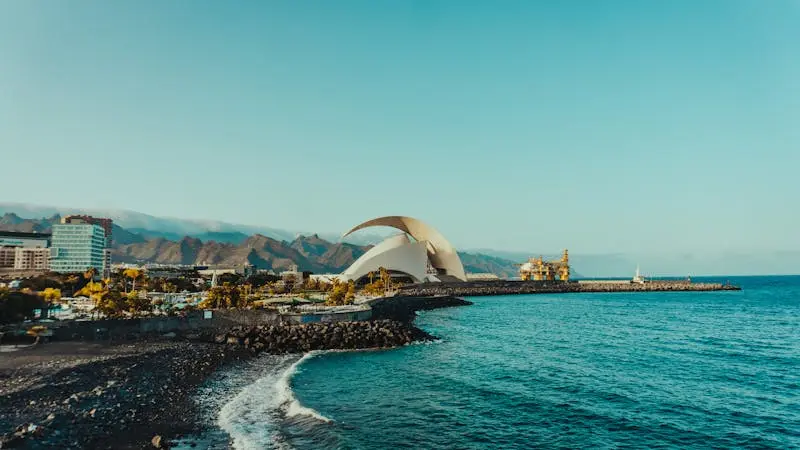
Things to Do in Tenerife, Spain
Photo made by Stiven Gonzales on Pexels.com
When to visit
Plan your perfect trip to Tenerife, Spain
Get a complete travel plan built just for you in under 30 seconds, with daily routes, local food tips, budget estimates and more.
Are any of these especially important to you?
Select all that apply
Plan language: EnglishMost popular attractions in Tenerife, Spain
Looking for the best things to do in Tenerife, Spain? Start at Teide National Park, a UNESCO World Heritage site home to Spain's highest peak at 3,715 meters. Ride the Mount Teide Cable Car for panoramic views, then cool off at Siam Park, a Thai-themed water park with the world's largest artificial wave. The island balances volcanic drama with tropical fun.
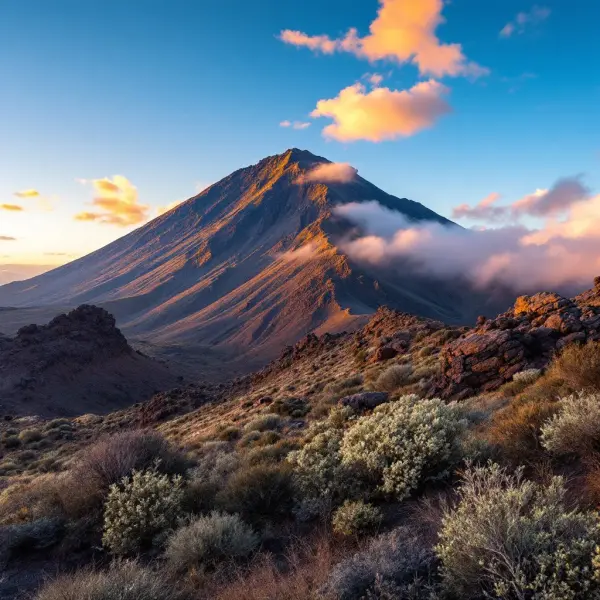
1. Teide National Park
Walk across a volcanic landscape that NASA used to simulate the moon. Stand at 3,555 meters aboard the cable car as the Atlantic unfolds beneath you in all directions.
Quick facts: The park surrounds Mount Teide, Spain's highest peak at 3,718 meters, which is actually 7,500 meters taller than Mount Everest when measured from the ocean floor. Its lunar-like landscape contains over 150 volcanic cones and served as a training ground for Apollo astronauts preparing for moon landings.
Highlights: Arents of indigo violet sea squill burst through black volcanic rock each autumn, creating an otherworldly contrast against the red and ochre crater walls. Watch the shadow of Mount Teide stretch across the entire island at sunset, forming a perfect triangular silhouette that grows until it touches the Atlantic horizon.
2. Loro Parque
Swim with sea lions and walk under sharks at one of Europe's best animal parks. You'll watch killer whales splash the front rows, hand-feed parrots, and stand inches from tigers behind glass.
Quick facts: Home to the world's largest indoor penguinarium, this 40-million-euro facility houses 250 penguins of 2 species in a recreated Antarctic environment. More than 40,000 plants and 1.8 million liters of water fill the park's lush landscapes and massive pools.
Highlights: The park's founder, Wolfgang Kiessling, personally rescued a group of gorillas from poachers in the 1990s and brought them here, where a family of western lowland gorillas still thrives today. Their dominant silverback, descended from those rescued animals, weighs over 200 kilos and can be seen staring calmly at visitors through the glass.
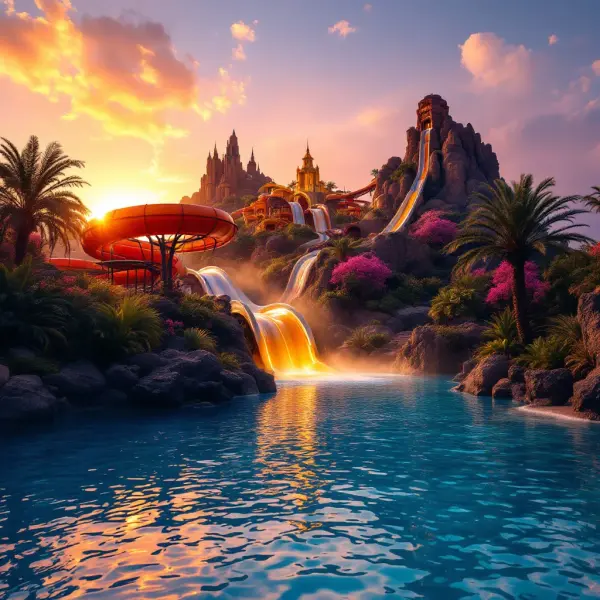
3. Siam Park
Thrill seekers and families alike find Europe's most extreme water park sprawling across a tropical hillside. You'll plunge through shark-filled waters, surf 3-meter waves, and drift along a lazy river surrounded by Thai-inspired architecture.
Quick facts: Sprawling across 185,000 square meters, this water park pumps 37,000 cubic meters of water through its rides every single day. Its centerpiece wave pool generates waves up to 3.3 meters high, recognized by Guinness World Records as the largest artificial waves on the planet.
Highlights: A giant Mekong River circuit carries you past meticulously landscaped Thai gardens, waterfalls, and even a submerged cave system before dumping you into a turquoise lagoon. The signature Tower of Power sends riders through a vertical drop into a clear tube that slices directly through a shark tank, offering face-to-face views of sand tiger sharks gliding past.
4. Mount Teide Cable Car
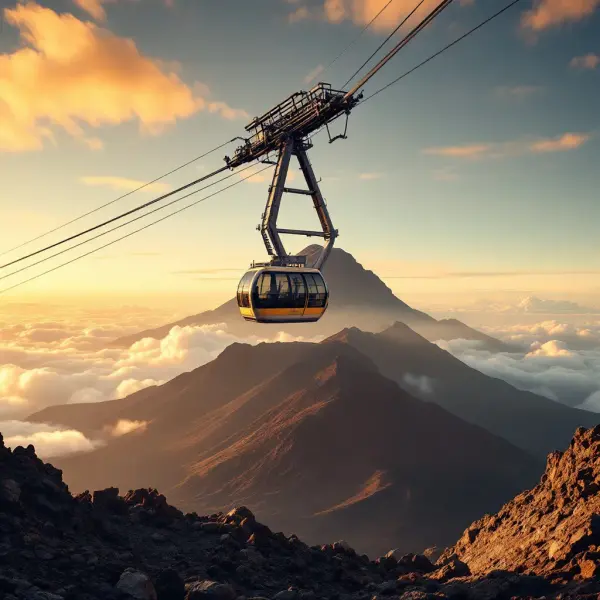
Ride Europe's highest cable car to within 200 meters of Spain's tallest peak. Watch the Atlantic Ocean curve around the horizon as the volcanic landscape stretches out beneath you like another planet.
Quick facts: The cable car climbs 1,200 meters in under 8 minutes, whisking you from 2,356 meters to 3,555 meters above sea level. On a clear day, you can see not just the whole island but also the neighboring islands of La Gomera, El Hierro, La Palma, and Gran Canaria.
Highlights: At the upper station, the landscape transforms into a raw, otherworldly moonseape of ochre, red, and black volcanic rock that feels more like Mars than Earth. You can stand at the edge of the crater where NASA astronauts once trained for the Apollo missions because the terrain so closely resembles the lunar surface.
5. Anaga Rural Park
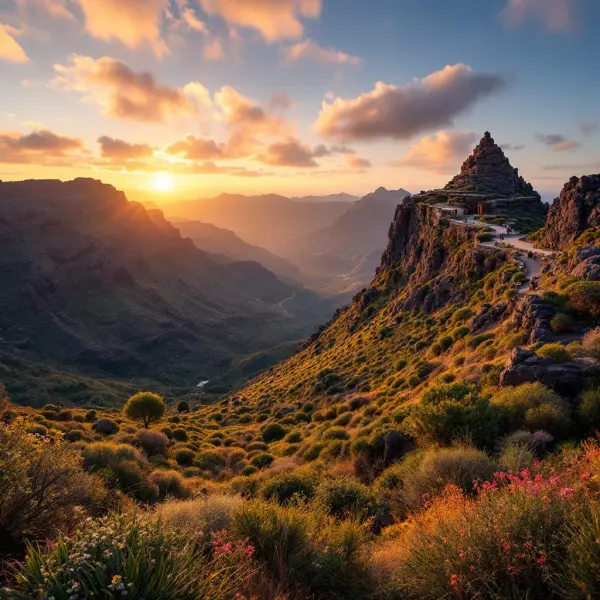
Nowhere else in Europe can you walk through a prehistoric jungle that survives on nothing but cloud moisture. Meandering trails lead past 500-year-old trees, tiny hamlets tucked into ravines, and viewpoints that drop straight into the Atlantic.
Quick facts: Laurel trees in this ancient forest can grow up to 20 meters tall with leaves that capture moisture straight from the clouds that roll through daily. The park protects one of the world's best examples of laurel forest, a subtropical ecosystem that covered much of Europe and North Africa 20 million years ago.
Highlights: Because these mist-soaked trees capture water from passing clouds, the forest floor stays damp year-round without a single river or stream feeding it. Stand still for a few minutes and you'll hear the constant drip of condensation falling from the leaves, like a slow-motion rainforest shower.
6. Masca Valley
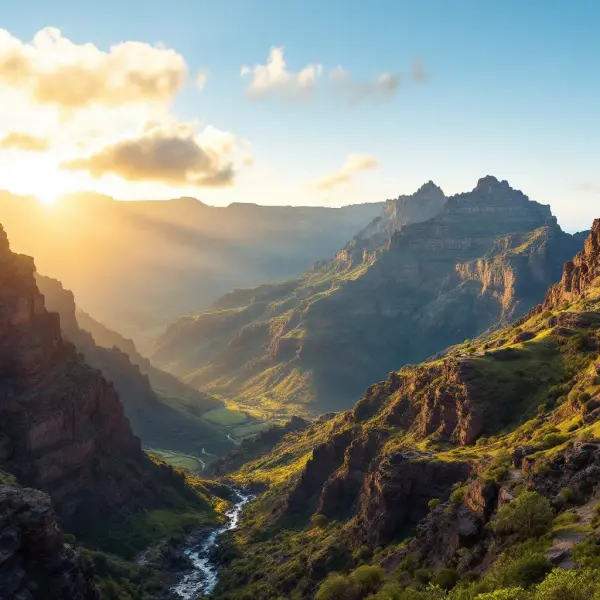
One of the most dramatic barrancos in the Canary Islands, carved through ancient volcanic rock to the sea. You'll wind down steep switchbacks past palm groves and endemic flora, ending on a wild black sand beach with nothing but ocean ahead.
Quick facts: The gorge plunges 600 meters from the Teno massif to the Atlantic, with a hiking trail that once served as the only link between the remote hamlet and the coast. Goats outnumber permanent residents in the tiny settlement, where fewer than 20 people live year-round among terraced fields and stone houses.
Highlights: The trail ends at a black sand beach that only exists because of repeated volcanic eruptions and millennia of erosion carving through the basalt gorge. From October to February, you might spot migrating pilot whales surfacing just offshore while standing on that same remote beach.
7. Playa de las Teresitas
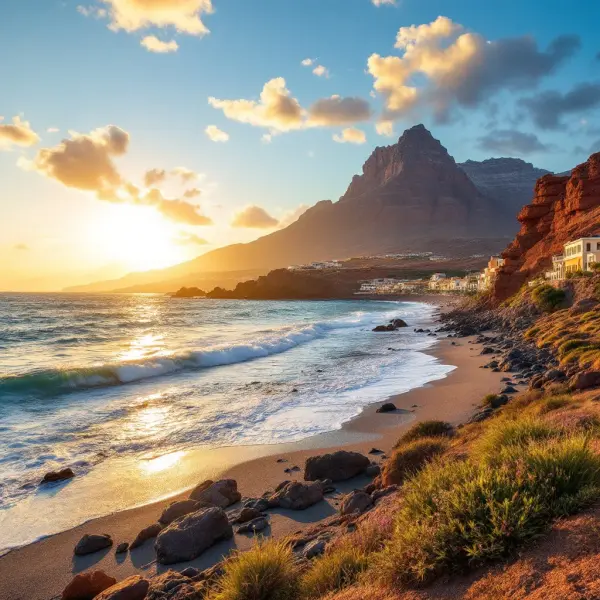
A beach where Sahara sand meets Canarian palm trees. Swim in calm, crystal-clear waters while gazing back at the dramatic Anaga Mountains.
Quick facts: Over 1,500 tons of golden sand from the Sahara Desert were shipped here in the 1970s to create this beach. A massive 1,300-meter-long breakwater protects the shoreline, keeping the water calm and swimmable year-round.
Highlights: Unlike Tenerife's dark volcanic sand beaches, this one glows with imported Sahara sand that shimmers golden under the sun. Local fishermen still launch their wooden boats from the far end of the cove, a tradition that's remained unchanged despite the beach's transformation.
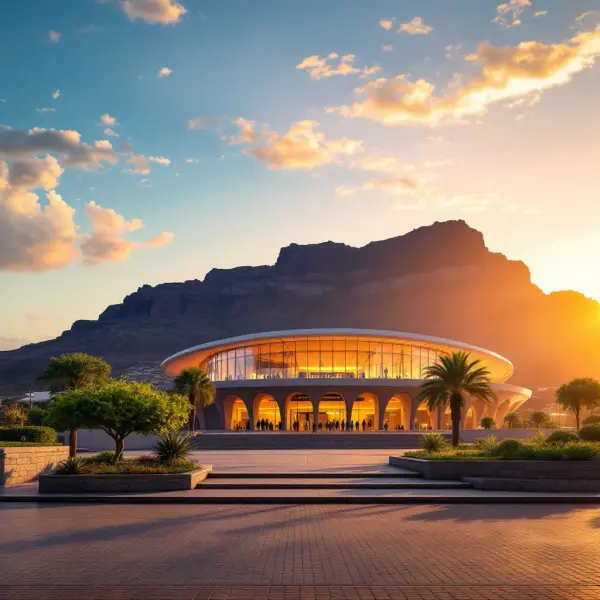
8. Auditorio de Tenerife
One of the most photographed concert halls on the planet, sitting right on the Atlantic shore. You will stand beneath its 60-meter concrete wave and hear world-class acoustics inside a futuristic shell.
Quick facts: The wave-like concrete roof soars 60 meters high and was built using over 3,000 individually molded pieces. That sweeping shell houses two performance halls, one seating 1,666 people with an adjustable acoustic system.
Highlights: The entire structure was positioned so its curved roof mirrors the shape of the nearby volcanic coastline, creating a visual echo between architecture and nature. At sunset, the white concrete catches orange and pink light from the Atlantic horizon, making the whole building appear to glow from within.
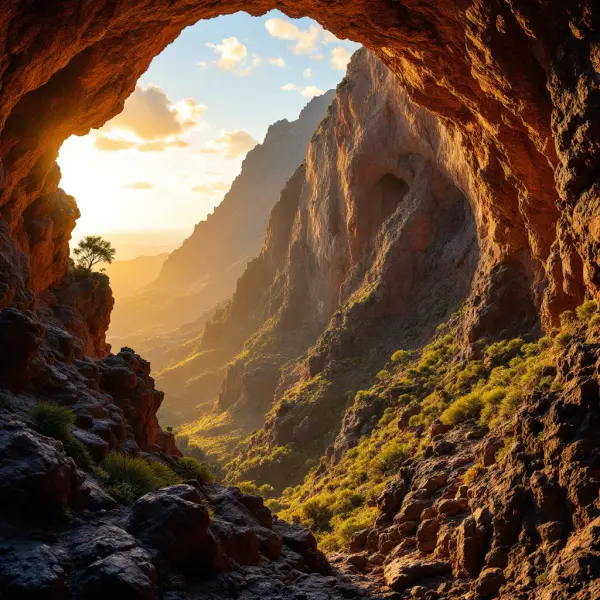
9. Cueva del Viento
Descend into one of the world's longest volcanic lava tubes, an underground labyrinth sculpted by fire. With a helmet and headlamp, you'll squeeze through narrow passages and stand in cathedral-sized caverns 100 meters below the surface.
Quick facts: Carved by lava flows from the Pico Viejo volcano roughly 27,000 years ago, this volcanic tube system stretches over 8 kilometers making it one of the longest in the world. Three distinct levels of passages twist through the earth, formed when the outer crust of a lava river cooled while the molten interior kept flowing.
Highlights: Most visitors don't realize they're walking through a place that was once a river of molten rock at 1,200 degrees Celsius, with the perfectly preserved lava stalactites still dripping from the ceiling. You can actually see the flow marks and ripple patterns left in the hardened rock, frozen evidence of the last moment the lava moved through this space.
Where to Stay in Tenerife, Spain
Selected by City Buddy based on guest reviews and proximity to top attractions
Search all hotels in Tenerife, SpainPowered by agoda
Frequently Asked Questions about Tenerife, Spain
Best time to visit Tenerife, Spain?
Is Tenerife, Spain safe?
Is Tenerife, Spain expensive?
How many days in Tenerife, Spain are enough?
How to get around Tenerife, Spain?
Get a PDF with the most popular attractions sent to your email
Get a PDF with all attractions, ratings, and tips. Perfect for offline use.
Most popular day trips
San Cristóbal de La Laguna
Historic UNESCO town with colonial architecture.
La Gomera (San Sebastián)
Nearby island with lush valleys and hiking.
Rent a car in Tenerife, Spain
Getting there
Airports
Train stations
Ferries to La Gomera, La Palma and other islands
Frequent ferries to La Gomera; links to south coast resorts
From TFS use bus 111/343 or taxi to south resorts; from TFN take tram/bus to Santa Cruz/La Laguna.
Find flights to Tenerife, Spain
Click to get eSim for Tenerife, Spain
The easiest and most affordable way to get mobile internet wherever you travel.
Comments (10)
Skip the tourist bus and rent a car instead. We found amazing empty beaches just driving randomly. Parking was easy off season.
Teide at sunrise was absolutely worth the early wake up call. Rest of the island felt like a mix of desert and jungle. Super weird but cool.
Crowds in February were manageable. Not too hot, not cold. Perfect hiking weather actually. Would come back in spring.
Go to Anaga Rural Park early morning before the clouds roll in. By 11am it gets fogged over and you see nothing. Sunset hikes are better in the south.
Honestly a bit overhyped. The resort areas feel super artificial and everything is priced for tourists. Nature parts were nice though.