 CityBuddy
 English
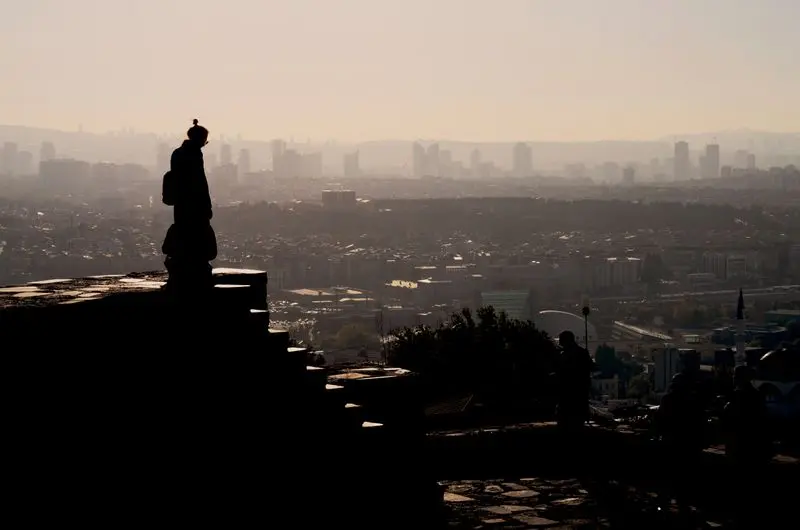
Things to Do in Ankara, Turkey
Photo made by Doğan Ateş on Pexels.com
When to visit
Most popular attractions in Ankara, Turkey
Among the things to do in Ankara, the most important are visiting Anıtkabir, Atatürk's mausoleum in the heart of the city, watching the panoramic city view from the walls of Ankara Castle dating back to the 7th century, and taking a journey through time at the Museum of Anatolian Civilizations, which houses artifacts from 5,000 years of Anatolian civilizations.
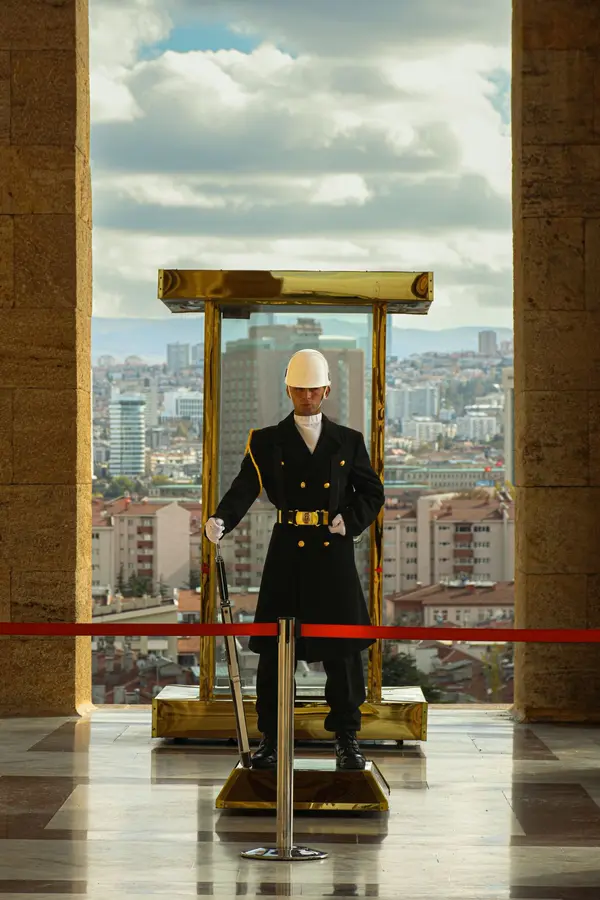
1. Anıtkabir
In the heart of Turkey, a ceremonial square awaits you as a silent witness to national history. From the mausoleum square to the city view, you will watch a story of homeland in every corner.
Quick facts: The 44-step 'Lion Road' on the walls of the mausoleum passes visitors through a long ceremonial area, with 24 lion statues lined up on both sides. Anıtkabir was built with stones brought from every province in Turkey, making it a symbol of all 81 provinces.
Highlights: When you stand at the start of the Lion Road, imagine that each stone carries the scent of a different province, because sample stones from all 81 provinces were used. The panoramic terrace behind the mausoleum offers an eagle-eye view rising above the city, and at sunset the museum area is painted orange.
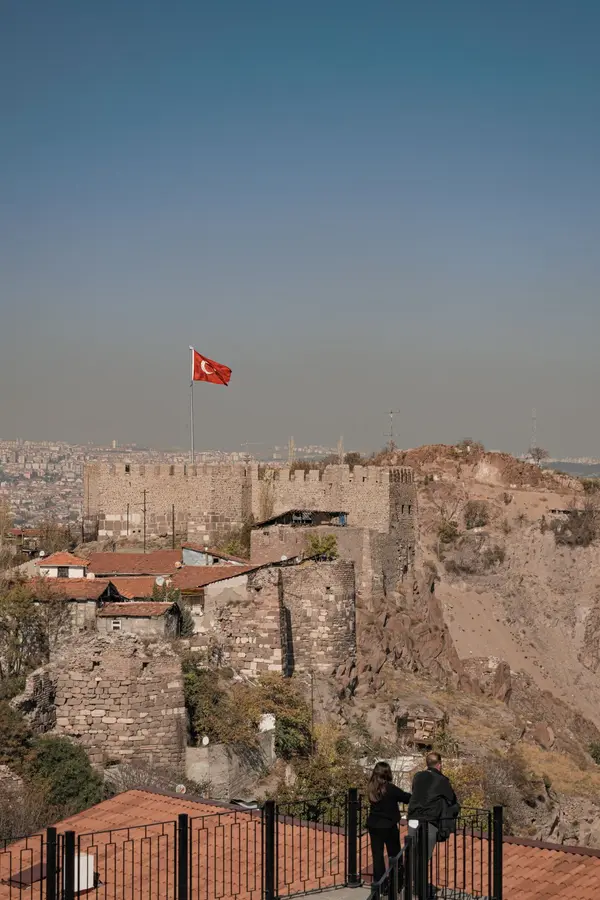
2. Ankara Castle
Right in the middle of the city, a thousand-year-old castle built on a 900-meter hill awaits you. You will wander among the ramparts, drink tea in narrow streets, and see all of Ankara at your feet at sunset.
Quick facts: The castle walls are surrounded by 20 separate towers, the city's symbol, and rise upon Byzantine-era foundations dating back to the 5th century. Walking among the homes of families still living in the inner castle, narrow stone streets, and cats, you feel as if you are traveling through time.
Highlights: When you climb the southeastern tower, a 360-degree panorama where Ankara's old and new city merge in a single view welcomes you; especially at sunset, the city lights turn golden in the castle. The bastions in the inner castle, once used as a prison, now host tea gardens and handicraft workshops, and the Byzantine brickwork on the walls is still visible.
3. Museum of Anatolian Civilizations
Discover Anatolia's 10,000-year story under one roof. As you wander through the unique collection spanning from the Stone Age to the Ottomans, you will not notice how time passes.
Quick facts: In the heart of Central Anatolia, this museum, formed by the merging of two historic Ottoman buildings, was named European Museum of the Year in 1997. Its collection houses over 200,000 works spanning from the Paleolithic period to the Ottoman era, and the wall paintings from the Çatalhöyük excavations are especially unique worldwide.
Highlights: The biggest surprise is the real Bull statue standing in the middle of the enclosed courtyard at the entrance, as well as the Çatalhöyük artifacts displayed on the same floor dating back 8,000 years.
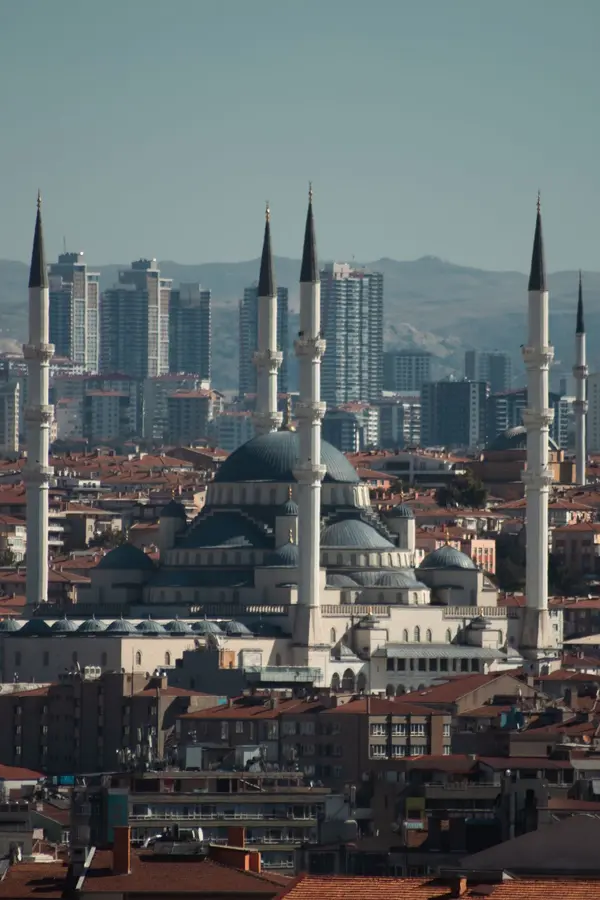
4. Kocatepe Mosque
This magnificent structure rising in the heart of Ankara crowns the city's modern skyline. As you step inside, you will be captivated by the magic of blue tiles and elegant calligraphy.
Quick facts: Kocatepe Mosque has a surprising detail: all 4 of its minarets are 88 meters tall and visible from almost every point in Ankara. The blue and turquoise tiles used in the interior are among the finest examples of İznik and Kütahya craftsmanship.
Highlights: Its most striking secret is the call to prayer echoing right beneath the dome: the mosque's acoustics reflect the voice of a standing person so clearly that it can be heard even under the 20-meter dome. Additionally, the giant chandelier on the ground floor has exactly 165 arms, each one individually handcrafted.
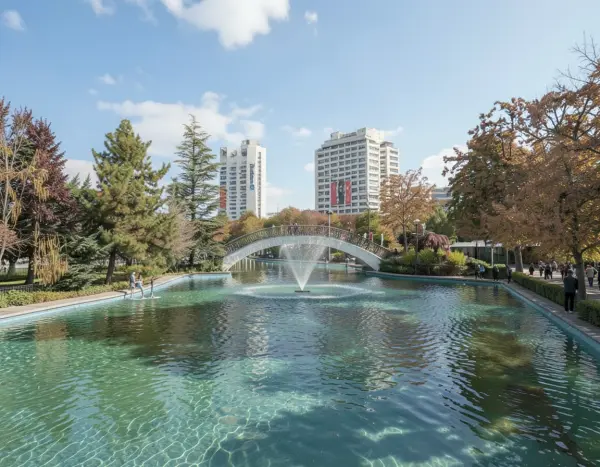
5. Gençlik Parkı
If you are looking for a green and peaceful escape in the city center, this is just for you. With a walk by the pond, fun at the amusement park, and a break at the tea gardens, you can fill your whole day.
Quick facts: A large portion of Gençlik Park's 34-hectare area consists of a large pond and the green spaces around it. The park also contains a historic amusement park and cafés that have been restored over the years.
Highlights: In the artificial pond right in the middle of the park, there are small islands and transparent bridges reaching them, offering a pleasant walking route. At night, as the lights reflect on the water, the park takes on a completely different atmosphere.
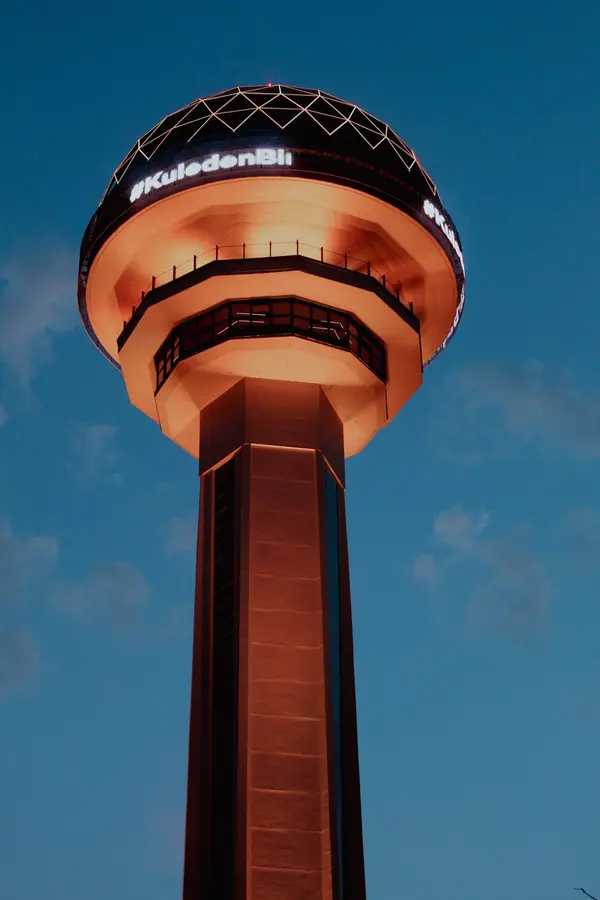
6. Atakule Tower
The most enjoyable way to see Ankara from a bird's-eye view is hidden in this tower. You can watch the rhythm of the city while sipping your coffee at the cafe on top.
Quick facts: The restaurant rotating at the top of the tower, which leaves its mark on the city's skyline with its magnificent shape, offers visitors a 360-degree view of Ankara. The building's glass elevator lets you watch the city from above without fear.
Highlights: The revolving restaurant at the top of the tower completes one full rotation in about 70 minutes; the city's panorama changes before your eyes without you even leaving your chair. If you happen to be there at sunset, you will savor the moment as the sky's colors blend with the city lights slowly turning on.
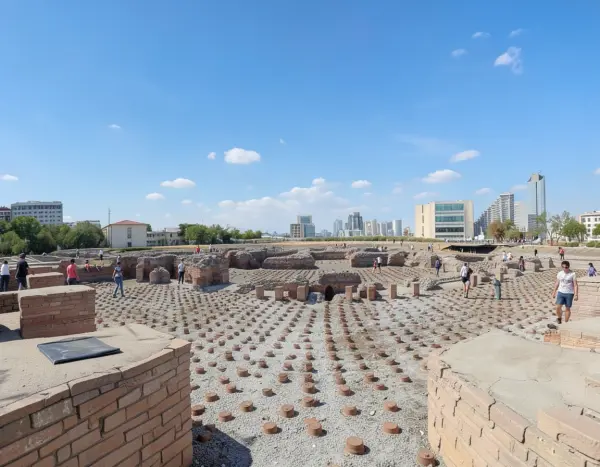
7. Roman Baths of Ankara
The marble halls have vanished after 1,700 years, but the underground heating channels are still walkable. Feel the hot water ritual of ancient Rome beneath your feet.
Quick facts: This area is known as the 'Roman Bath and Open Air Museum' and consists of the ruins of a bath complex built during the reign of Emperor Caracalla (AD 212-217). Today, only the foundations, wall fragments, and underground heating channels (hypocaust) are displayed in the open air.
Highlights: Despite having suffered repeated earthquakes and fires, the surviving underground heating system of this bath reveals the building's original cleaning routine. The shady garden near the structure is one of the rare opportunities to picnic among ancient ruins, offering a natural break together with the museum entrance ticket.
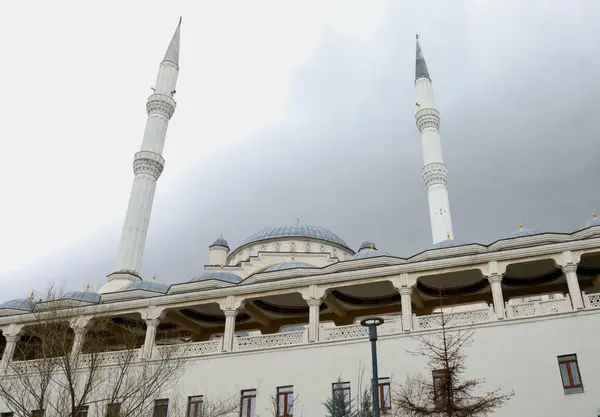
8. Hacı Bayram Mosque
One of the rare stops where Roman marble and Ottoman brick meet in a single courtyard. As you walk in the courtyard, you will feel both the 2,000-year-old temple ruins and the spiritual fervor that has survived to this day.
Quick facts: The tomb of Hacı Bayram Veli, who lies within, is one of the most visited spiritual centers in Turkey. It shares the same courtyard with the Augustus Temple right next to it, so you pray directly above a Roman ruin thousands of years old.
Highlights: Every year on April 5th, on the anniversary of Hacı Bayram Veli's death, thousands of people fill the courtyard and pray, and on that day the mosque area turns into a veritable festival ground. The call to prayer from the minaret reflects off the surviving marble walls of the Augustus Temple, creating a strange acoustic echo in the courtyard.
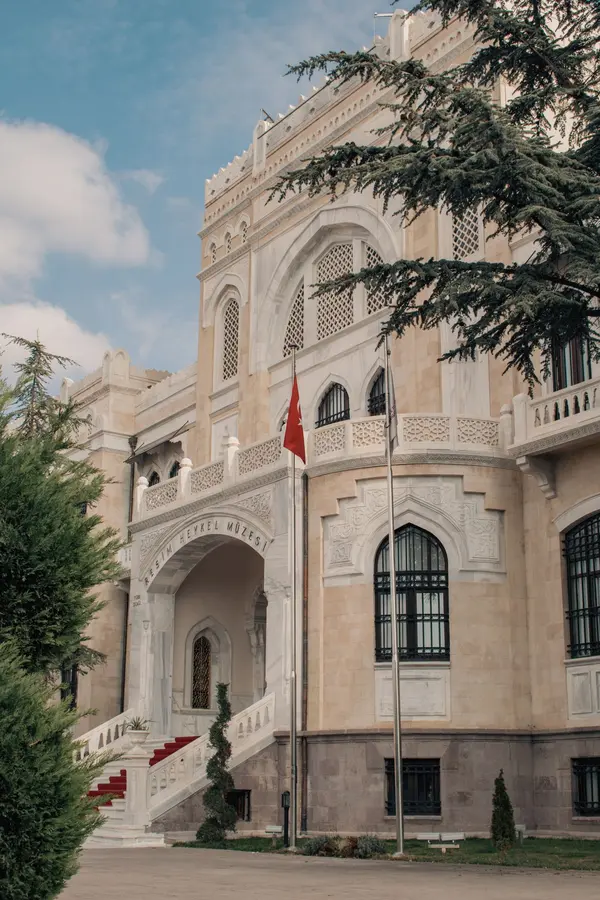
9. State Art and Sculpture Museum
An ideal stop for those who want to discover the memory of Turkish painting and sculpture art. Inside, works bearing the traces of over a century of history will greet you.
Quick facts: Art historians say this place houses Ankara's first modern painting and sculpture collection. The collection covers more than 3,000 works spanning from the late 19th century to the present day.
Highlights: Located in a famous historic building, the museum brings together the masterpieces of Turkish painting art under a single roof. What makes it most special is that you can see the signatures of the generation of artists from the early years of the republic all in one place.
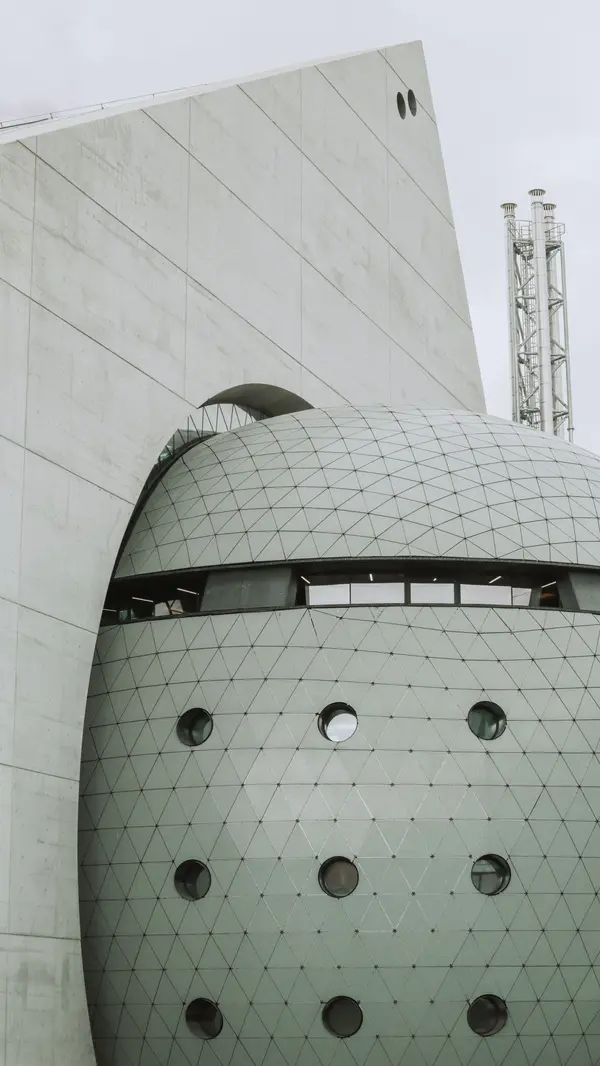
10. CerModern
This venue where Ankara's industrial past meets contemporary art offers a new discovery in every corner. You will walk through the exhibition halls, touch the sculptures in the open-air courtyard, and lose yourself for hours in the video room.
Quick facts: Before being converted into residences and workplaces, this venue was designed in the 1930s as one of Ankara's first modern buildings, and it is one of the most important stops on Turkey's contemporary art scene. With its exhibition halls, video room, and open-air sculpture garden, it hosts works by local and foreign artists throughout the year.
Highlights: As you wander among the industrial brick walls of an old brewery, you will see the worker spirit of the early 1900s clashing with today's digital art. The giant sculptures in the courtyard and the immersive videos in the projection room make this one of the rare places that bring industrial heritage and contemporary aesthetics together under one roof.
Where to Stay in Ankara, Turkey
Selected by City Buddy based on guest reviews and proximity to top attractions
Search all hotels in Ankara, TurkeyPowered by agoda
Opening days in Ankara, Turkey
Which of the top sights close on which day of the week — the classic trip-ruiner, checked for you.
Monday: 2 of 10 top sights closed — plan museums for another day.
Closed on Monday · 2 closed, 8 open
Opening days from Google Maps (checked 2026-11-18). Public holidays, strikes and seasonal hours can differ — check the official website before you go.
Traditional Sweet Dishes
Ankara clink (Ankara clinki)
Ankara clink is a traditional pastry filled with walnuts and drenched in syrup. Its name comes from the clinking sound the pastry makes when tapped after baking.
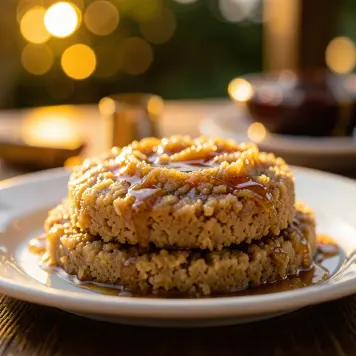
Ankara helvasi
Ankara helvasi is a semolina-based sweet often served at funerals and religious gatherings. It is slowly cooked until it becomes fragrant and then sweetened with syrup.
Kemalpaşa
Kemalpaşa is a small cheese-filled dessert soaked in sweet syrup. It is named after the town in Bursa where it originated, but is widely made and loved across Ankara.
Traditional Savory Dishes
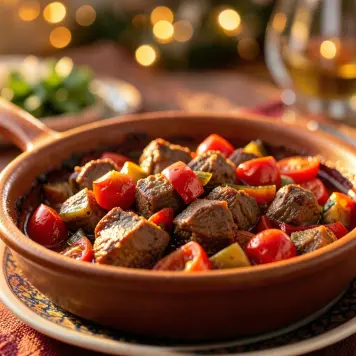
Ankara tavası
Ankara tavası is a hearty baked dish made with lamb, tomatoes, and peppers, all cooked in a clay pan. It is a staple of traditional Ankara home cooking and festive meals.

Ankara mantısı
Ankara mantısı features tiny handmade dumplings filled with spiced meat and topped with garlic yogurt and melted butter. The dumplings are so small that a skilled cook can make dozens in a single sitting.
Ankara keşkek
Ankara keşkek is a slow-cooked dish of wheat and meat, pounded until smooth and creamy. It is traditionally served at weddings and village festivals in the Ankara region.
Traditional Beverages

Ayran
Ayran is a refreshing yogurt-based drink mixed with water and salt. It is the perfect companion to many savory Ankara dishes, especially mantı.

Ankara çayı
Ankara çayı is a strong black tea brewed in a double teapot and served in tulip-shaped glasses. It is a daily ritual in Ankara, enjoyed throughout the day with friends and family.

Hoşaf
Hoşaf is a traditional fruit compote drink made by simmering dried fruits like apricots and raisins in water. It is often served after meals and is especially popular during Ramadan in Ankara.
Frequently Asked Questions about Ankara, Turkey
Is it safe to travel to Ankara, Turkey?
How many days should be spent in Ankara?
What is the best time to visit Ankara?
Is Ankara an expensive city?
How is transportation provided in Ankara?
Get a PDF with the most popular attractions sent to your email
Get a PDF with all attractions, ratings, and tips. Perfect for offline use.
Most popular day trips
Beypazarı
Ottoman era town famed for silverwork and local cuisine
Tuz Gölü (Salt Lake)
Turkey's second largest lake with a surreal white salt plain
Getting there
Airports
Train stations
High speed rail to Istanbul, Konya and Sivas
Conventional lines to Istanbul, Kayseri and Zonguldak
Take the Havas or Belko airport shuttle bus, or the metro line M1, from Esenboğa to the city center in about 30 to 45 minutes.
Useful information for Ankara, Turkey
Overview for Ankara, Turkey
Want a day-by-day plan for Ankara, Turkey? Open the trip planner
Plan your perfect trip to Ankara, Turkey
Get a complete travel plan built just for you in under 30 seconds, with daily routes, local food tips, budget estimates and more.
Are any of these especially important to you?
Select all that apply
Getting around
How do you want to move between places?
Plan language: English