 CityBuddy
 English
Things to Do in Ho Chi Minh City, Vietnam
Photo made by Toàn Văn on Pexels.com
When to visit
Plan your perfect trip to Ho Chi Minh City, Vietnam
Get a complete travel plan built just for you in under 30 seconds, with daily routes, local food tips, budget estimates and more.
Are any of these especially important to you?
Select all that apply
Plan language: EnglishHo Chi Minh City is the #8 city for food lovers in the world, based on our data across hundreds of destinations.
Most popular attractions in Ho Chi Minh City, Vietnam
Activities to enjoy in Ho Chi Minh City, Vietnam include visiting Ben Thanh Market to discover local crafts and sample street food. The War Remnants Museum provides a profound historical insight. Be sure to see the Independence Palace, which stands as a symbol of Vietnam's reunification, along with the nearby Notre-Dame Cathedral Basilica famed for its impressive French colonial architecture.
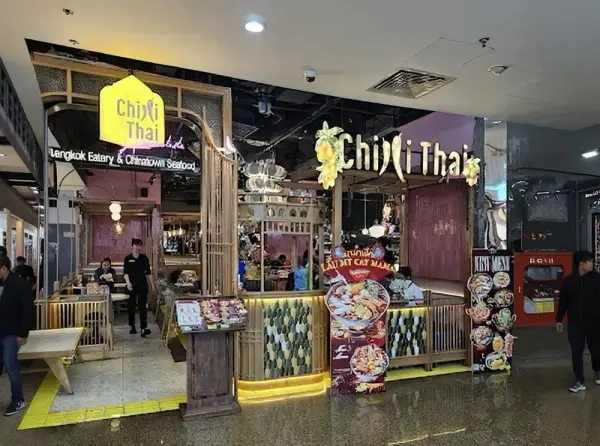
1. Ben Thanh Market
Central spot for local life and great deals. Browse colorful stalls selling food, textiles, and souvenirs while bargaining like a local.
Quick facts: Step inside and your nose will be met by a dizzying mix of grilled seafood, fresh herbs, and sweet dried fruits. Vendors offer bargains with practiced smiles. Locals and visitors weave through more than 1,500 stalls, turning haggling for silk, handicrafts, and street-food plates into a lively sport that can earn you a meal for just a few dollars.
Highlights: At dusk, lanterns and neon transform the aisles into a kaleidoscope. The air thickens with the caramel sizzle of grilled prawns, the sharp citrus of freshly pressed sugarcane, and the nutty smoke of toasted sesame from tiny woks. Longtime stallholders often start with a price two or three times what they'll accept. Then they trade rapid hand signals and sly grins to settle for about 30 to 50 percent less, so knowing a few Vietnamese numbers is helpful.
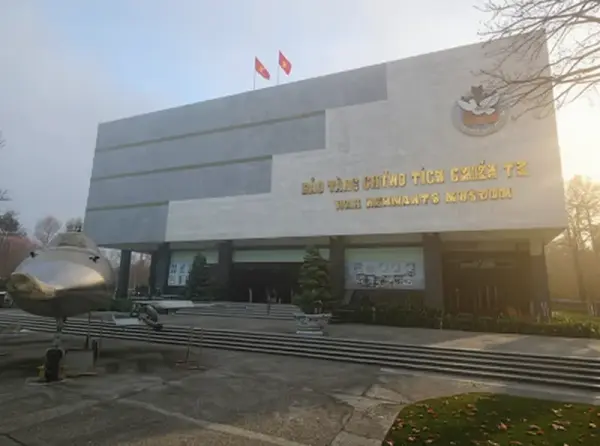
2. War Remnants Museum
An honest, often graphic look at Vietnam's recent conflicts that encourages reflection. Exhibits of photos, military gear, and survivor stories offer a powerful, human view.
Quick facts: Visitors often leave stunned by graphic war photography and life-sized military hardware filling the galleries, where thousands of wartime photographs are on display. A hush sometimes falls in the dim rooms where personal stories and evocative artifacts force visitors to confront the human cost of conflict, making the experience unexpectedly moving rather than purely historical.
Highlights: Climbing the narrow stairs to the top floor, you'll find walls of raw black-and-white photos arranged like a wartime scrapbook. Many photos have faded handwritten captions dated in the 1970s, making the room feel like someone's memory chest. On the sunlit lawn out front, a UH-1 Huey helicopter and an M48 tank sit with peeling olive-green paint and readable serial numbers. School groups often press their palms to the metal and count dents aloud, treating the rust like a map of stories.
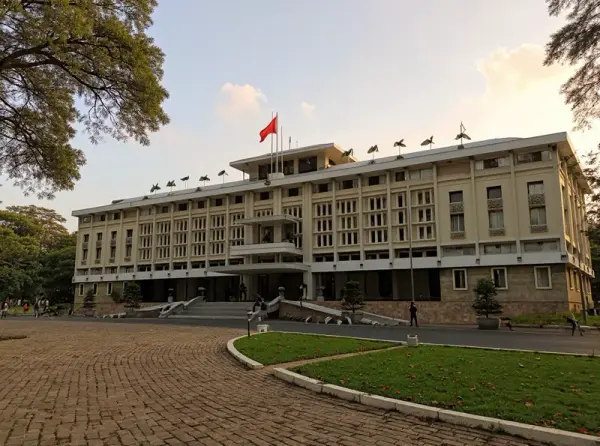
3. Independence Palace (Reunification Palace)
Reunification Palace
Explore modern Vietnamese history at Independence Palace. Tour preserved war rooms, vintage 1960s offices, and the rooftop helipad.
Quick facts: Visitors step into a cool, cavernous foyer where original 1960s control rooms and quirky broadcasting booths feel frozen in a tense, cinematic moment. A 20-meter-deep bunker and a private cinema lie beneath the halls, giving a secretive, movie-set vibe to otherwise formal state rooms.
Highlights: Architect Ngô Viết Thụ completed the palace in 1966. Inside, you can still smell oiled teak while original 1960s rotary telephones and green-lit radio panels sit in a subterranean command room like props from a Cold War movie. A battered gate and a scarred stretch of lawn mark April 30, 1975, when a North Vietnamese tank drove through the main entrance. You can climb up to the sun-warmed rooftop helipad and feel the concrete underfoot as you imagine the tense minutes that followed.
Have you heard of free walking tours?
After traveling to 30+ countries, there's one thing I wish someone had told me from day one, and it completely changed how I experience new cities.
Free walking tours. Yes, actually free. No credit card needed. No catch.
Local guide, 2-3 hours
Major sights, hidden gems, local stories
100% tip-based
Guides earn only tips, so they give their absolute best
You tip what feels right
At the end, just tip whatever you feel is right
I've done these in dozens of cities and they've been the highlight of almost every trip. If you're visiting Ho Chi Minh City, Vietnam, do this on your first day. You'll thank me later.
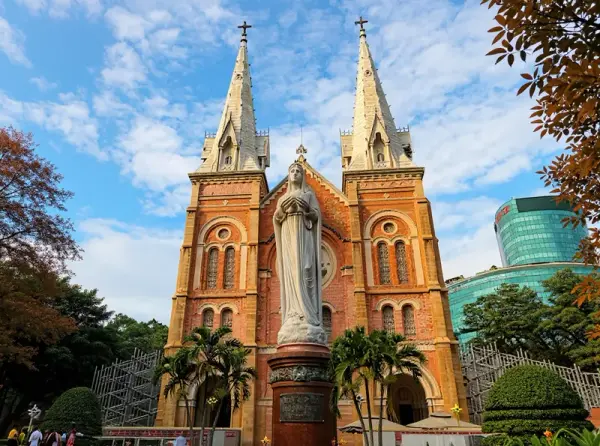
4. Notre-Dame Cathedral Basilica of Saigon
French colonial architecture with twin bell towers in the heart of Ho Chi Minh City. Discover stained-glass windows, a peaceful courtyard, and the famous red-brick facade.
Quick facts: Step into the sunlit plaza and the twin red-brick towers loom above. Their clocks still tick while the bronze statue of the Virgin catches the light. You'll notice French-made stained glass and imported construction materials that give the whole place an unexpectedly Parisian air under humid tropical skies.
Highlights: Step into the sunlit square and look up. The twin red-brick bell towers rise about 58 meters each, housing six bronze bells that ring a low, chest-shaking tone on Sundays. Local worshippers slip tiny hand-written prayer notes into crevices around the statue of the Virgin Mary. On humid afternoons, the scent of incense mixes with warm stone and old bronze, letting you almost taste the history.
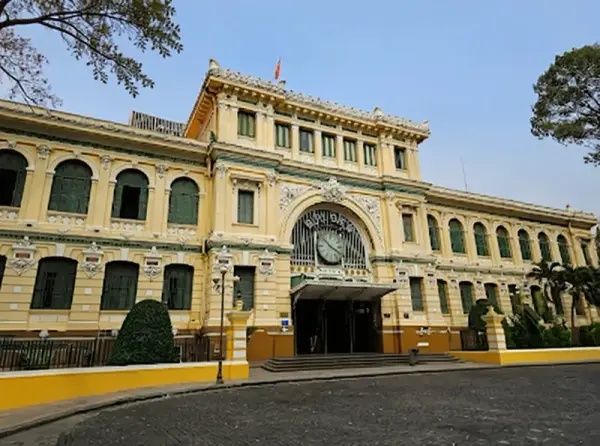
5. Saigon Central Post Office
Stand under a grand French colonial arcade across from Notre-Dame Cathedral, a vivid piece of Saigon history. Roam tiled halls, admire painted maps and old phone booths, and send a postcard.
Quick facts: Step inside and a hush falls under soaring vaulted ceilings, where ornate ironwork and a vintage telephone bank make every corner feel like a movie set. Colorful colonial-era maps and a grand arched clock preside over bustling counters that still dispatch mail. Photographers and couples line up for the perfect postcard shot.
Highlights: Most guidebooks credit Gustave Eiffel; however, the original blueprints actually bear the name Alfred Foulhoux, a little-known authorship twist that architecture buffs love to whisper about. Step inside and the air smells faintly of ink and waxed wood. Two massive maps dated 1892 stretch across the back wall, while the clack of vintage typewriters and the shine of green-painted counters under a gilt clock make the whole place feel like a living postcard.
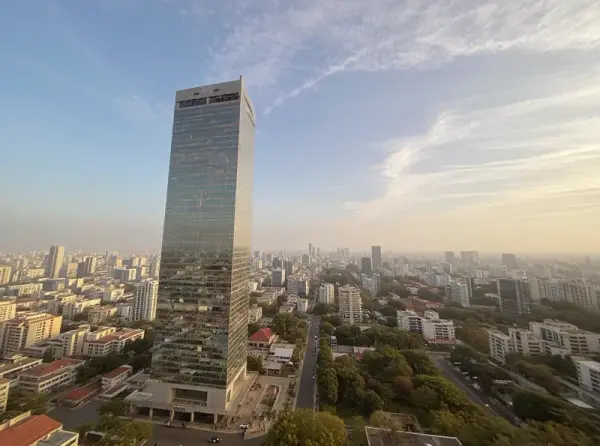
6. Bitexco Financial Tower - Saigon Skydeck
Saigon Skydeck
Enjoy 360-degree panoramic views from one of Saigon’s tallest towers. Step onto the outdoor observation deck to watch the city, river, and sunset.
Quick facts: A dramatic helipad silhouette punctuates the tower's skyline. The curved glass observation floor offers sweeping, almost cinematic panoramas that stretch across the city. From up there, you can watch traffic rivers and glittering bridges shrink into a toy-like grid. The quick elevator ride makes the whole experience feel instantaneous.
Highlights: The high-speed elevator rockets you 49 floors in about 35 seconds, making your ears pop as floor-to-ceiling glass turns a sprawling tangle of motorbikes and tin roofs into a glittering patchwork below. On select evenings, staff dim the lights and the deck slowly rotates through a 200-degree panorama while a soft audio guide points out rivers and bridges. Local staff whisper a story about a couple who once held a wedding reception on the helipad.
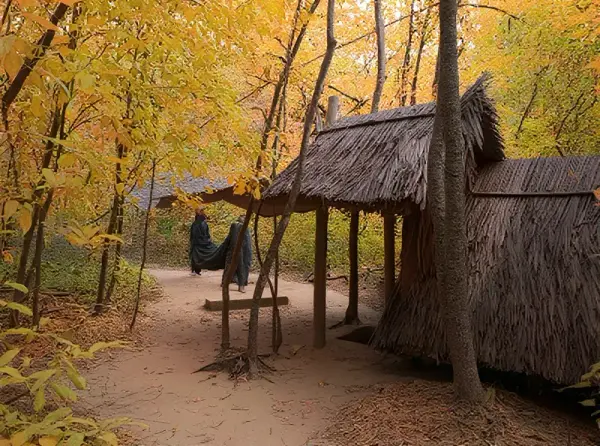
7. Cu Chi Tunnels
Explore an extensive wartime tunnel network showcasing Vietnam's guerrilla resourcefulness. Crawl through short tunnels, see traps and kitchens, and listen to veterans' firsthand accounts.
Quick facts: Crawling through narrow, cool earthen passages gives a startling sense of how stealth and improvisation let fighters live and move underground for months. Visitors still encounter clever booby traps fashioned from everyday objects and can peek into tiny chambers that once held kitchens, meeting rooms and medical spaces.
Highlights: Underfoot you'll squeeze through mud corridors barely 60 centimeters wide, crawling past tiny oil-lamp lit chambers and hidden kitchens in a labyrinth that stretched for more than 250 kilometers. Guerrillas rigged cunning booby traps like punji-stake pits camouflaged with leaves and baited with sharpened bamboo spikes sometimes smeared with feces to cause infection. They passed secret orders in matchbox-sized carved wooden containers.
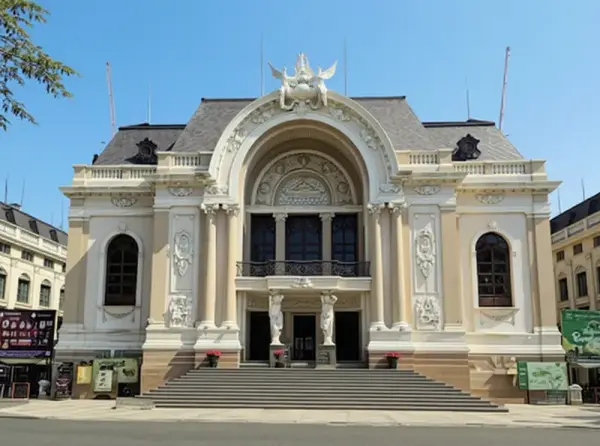
8. Saigon Opera House (Municipal Theatre)
Municipal Theatre
Stylish French colonial theater worth a visit. View gilded interiors, chandeliers, and live performances in a cozy, photogenic venue.
Quick facts: Step inside and you feel Belle Époque opulence: gilded moldings, velvet seats, and a surprisingly intimate stage tucked behind its grand façade. Evening performances attract a lively mix of locals and travelers. The glowing façade is a magnet for photographers snapping dramatic night shots.
Highlights: Built in 1898, the Belle Époque façade opens into a gilded horseshoe auditorium with roughly 800 red-velvet seats, where a central chandelier pours warm, honey-colored light across carved wooden balconies. On quiet nights you can hear the wooden stage sigh underfoot, a grainy, theatre-only creak that performers say helps them find the right tempo before the overture.
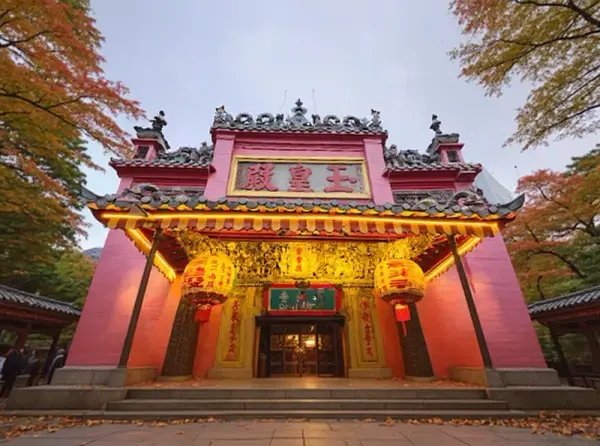
9. Jade Emperor Pagoda (Chua Ngoc Hoang)
Chua Ngoc Hoang
Ornate 19th-century Taoist temple with a vibrant religious atmosphere and rich Chinese-Vietnamese art. Expect dragon sculptures, lacquered altars, and locals burning incense.
Quick facts: Stepping inside, you walk into an incense-thick chamber where carved wooden deities and lacquered altars glow beneath dangling lanterns. A tucked-away ritual involves tossing a coin into a central urn to test your luck. Visitors are often struck by the dense, almost theatrical arrangement of Taoist and Buddhist icons.
Highlights: Step through a narrow doorway and you’re greeted by a cloud of incense and the low metallic clink of prayer bells. Every surface is crowded with lacquered altars and vividly painted statues that seem to lean toward you. Legend says the sanctuary was founded in 1909 by Taoist worshippers. Longtime locals still leave red joss-paper and tiny cups of tea on the altar as a personal bargain with the deities.
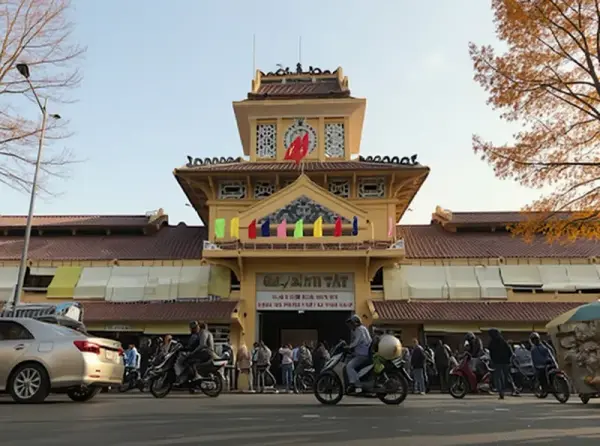
10. Binh Tay Market (Cholon)
Cholon
Busy wholesale market in Cholon where locals bargain over spices and textiles. Wander crowded alleys, try Cantonese snacks, and find affordable home goods.
Quick facts: A heady mix of chili, incense and fried garlic hits you the moment you enter the maze of stalls, where merchants stack mountains of spices, dried seafood and hardware in narrow, bustling aisles. Locals and touring chefs alike hunt wholesale bargains that can cut typical prices by nearly half. They then duck into tiny tea or noodle stalls to recharge after a frenetic round of haggling.
Highlights: Walk through the main hall and you'll notice vendors stacking conical baskets up to three meters high while Mrs. Lan, whose family has run stall 17 for four generations, still uses a brass scale stamped 1954 to weigh dried shrimp. By dawn a neighborly ritual unfolds: at 5:30 a.m. the Phan family ladles out tangy tamarind soup from a battered blue enamel pot, the steam fragrant with star anise and crushed chili, and regulars pay with the same chit system they've used since 1949.
Where to Stay in Ho Chi Minh City, Vietnam
Selected by City Buddy based on guest reviews and proximity to top attractions
Search all hotels in Ho Chi Minh City, VietnamPowered by agoda
Traditional Sweet Dishes
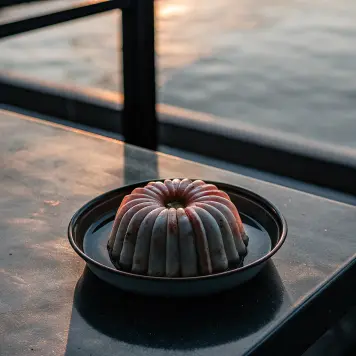
Che
Che is a colorful family of sweet soups and puddings that look like edible mosaics, vendors layer beans, jellies, and coconut milk into tall cups that glow under Saigon's streetlights.
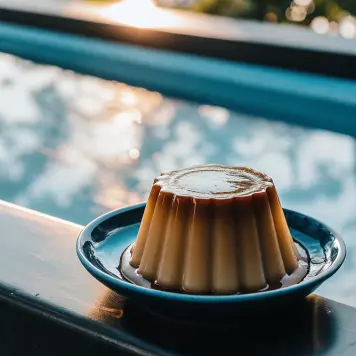
Banh flan
Bánh flan is Vietnam's caramel custard twist, using condensed milk instead of cream so the texture is silkier and it became a beloved street dessert after French influence met local ingredients.
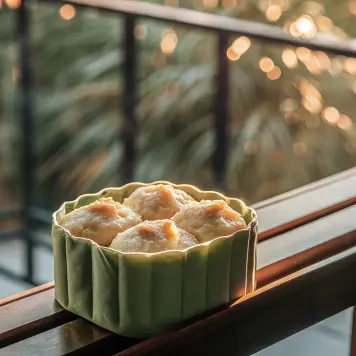
Banh chuoi
Bánh chuối is a rustic banana cake, often steamed with coconut milk so it is fudgy and fragrant, and it grew from home kitchens into popular market stalls across the city.
Traditional Savory Dishes
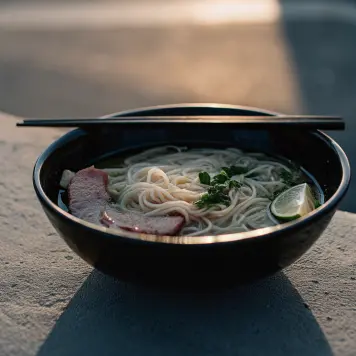
Pho
Phở in Ho Chi Minh City shows the South's love of bold herbs and a slightly sweeter, richer broth, so a bowl arrives piled with basil, bean sprouts, lime, and generous slices of meat for a lively, layered taste.
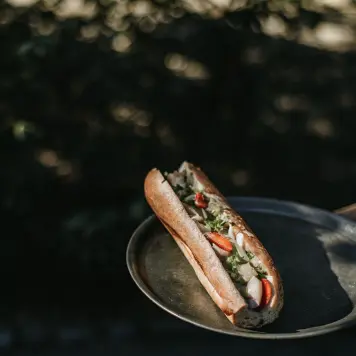
Banh mi
Bánh mì is a perfect Franco-Vietnamese invention, a crisp, airy baguette stuffed with pâté, pickles, cilantro, and grilled meats, and it became the city's go-to street sandwich after bakers adapted French loaves to local tastes.
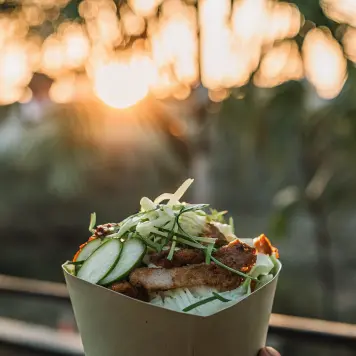
Com tam
Cơm tấm started as a thrifty dish using broken rice fragments, and it transformed into a Saigon classic served with grilled pork, pickled vegetables, and a sunny-side-up egg for a savory comfort meal.
Traditional Beverages
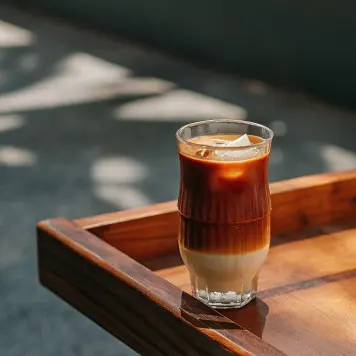
Ca phe sua da
Cà phê sữa đá is potent Vietnamese iced coffee brewed through a phin filter directly over sweetened condensed milk, the result is a strong, creamy drink that fuels Saigon mornings and late-night conversations.
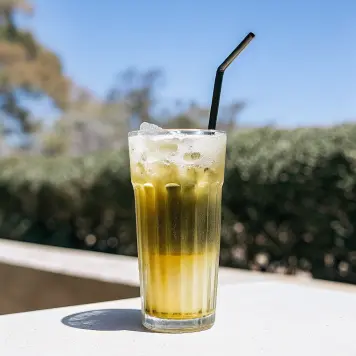
Tra da
Trà đá is the ubiquitous iced tea handed out at street stalls and restaurants, simple, thirst-quenching, and often offered free to customers as a refreshing counterpoint to spicy food.
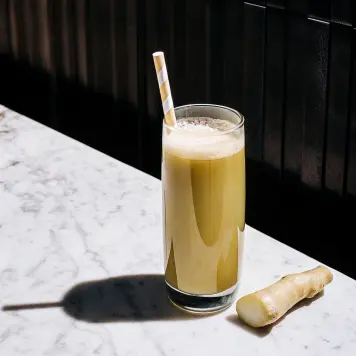
Sugarcane juice
Sugarcane juice, or nước mía, is pressed fresh at street-side machines and often brightened with a squeeze of kumquat or ginger, delivering an intensely sweet, grassy drink that cools you instantly on humid days.
Frequently Asked Questions about Ho Chi Minh City, Vietnam
When is the best time to visit Ho Chi Minh City, Vietnam?
Is traveling to Ho Chi Minh City, Vietnam expensive?
What is the common way for tourists to get around Ho Chi Minh City, Vietnam?
How many tourists visit Ho Chi Minh City, Vietnam yearly?
Is it safe for travelers in Ho Chi Minh City, Vietnam?
Get a PDF with the most popular attractions sent to your email
Get a PDF with all attractions, ratings, and tips. Perfect for offline use.
Most popular day trips
Cu Chi Tunnels
Historic underground tunnel network from the Vietnam War.
Mekong Delta (My Tho/Cai Be)
River islands, boat tours, floating markets and fruit orchards.
Vung Tau
Coastal town with beaches, seafood and seaside views.
Can Gio Biosphere Reserve
Mangrove forest, wildlife sanctuary and coastal scenery.
Tay Ninh (Cao Dai Temple & Black Virgin Mountain)
Cao Dai Holy See and scenic mountain views.
Rent a car in Ho Chi Minh City, Vietnam
Getting there
Train stations
Reunification Express (Hanoi–Saigon); regional southern services
From Tan Son Nhat, take a metered taxi/Grab or Airport Bus 109 to District 1; avoid unlicensed drivers.
Find flights to Ho Chi Minh City, Vietnam
Click to get eSim for Ho Chi Minh City, Vietnam
The easiest and most affordable way to get mobile internet wherever you travel.
Comments (8)
Visited in July, daily downpours made walking a slog, the War Remnants Museum was heavy but worth a visit if you like history.
Way more scooters than I expected, crossing felt scary at first, locals are friendly and the coffee culture is a highlight.
Use Grab for rides, always set the exact pickup point on a main road and check the driver plate, it saves time and avoids confusion.
Withdraw larger sums to avoid ATM fees, split cash into small bills for markets and carry exact change for motorbike taxis.
Eat at market food stalls around lunchtime, walk two blocks off the main market to find the same dishes for half the price.