 English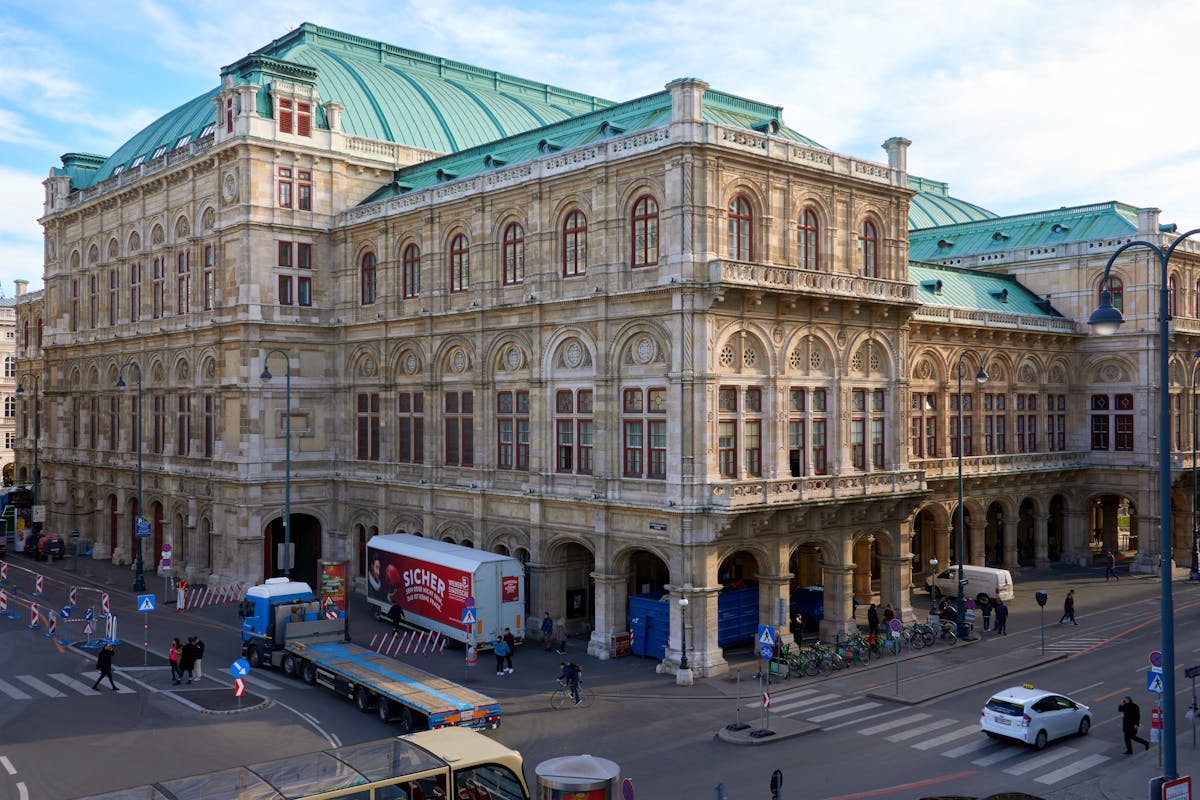
Vienna, Austria
Photo made by Anton Uniqueton on Pexels.com
Popular attractions for Vienna, Austria
Attractions in Vienna, Austria
1. Schönbrunn Palace
Quick facts: Built in the 18th century, the palace is a prime example of Baroque architecture and served as the main summer residence for the Habsburg rulers. It played a significant role in Austrian history, hosting important events and symbolizing the imperial monarchy's power and culture.
Highlights: The palace features a remarkable maze and labyrinth in its gardens designed for playful exploration, a hidden gem that delights visitors of all ages. A lesser-known historical fact is that the palace once hosted intricate masked balls where even the Emperor mingled incognito, adding an air of mystery and excitement to its opulent history.
2. St. Stephen's Cathedral (Stephansdom)
Quick facts: Construction began in the 12th century, with major Gothic elements added in the 14th and 15th centuries, representing an architectural evolution over centuries. Serving as a central symbol of cultural and religious identity, it has been the site of many significant historical events in the city's history.
Highlights: The cathedral's south tower, known as the "Steffl," was once used as a watchtower to spot fires in the city. Beneath the cathedral lies a labyrinth of catacombs holding thousands of skeletons, including those of prominent Viennese citizens, adding an eerie yet fascinating glimpse into the city's past.
3. Hofburg Palace
Quick facts: Originating in the 13th century, the palace exemplifies various architectural styles including Gothic, Renaissance, Baroque, and Rococo, reflecting its centuries-long evolution. It served as the principal imperial winter residence and the center of Habsburg power, playing a pivotal role in Austrian history and governance.
Highlights: The palace houses the world's largest collection of imperial apartments, showcasing the lavish lifestyle of the Habsburg dynasty. Beneath its grand facade lies a secret network of tunnels used by Emperor Franz Joseph to move unseen during political unrest.
4. Belvedere Palace
Quick facts: Constructed in the early 18th century, it is a masterpiece of Baroque architecture and was built as a summer residence for Prince Eugene of Savoy. It played a pivotal role in Austrian history by hosting the signing of the Austrian State Treaty in 1955, marking the country's regained independence.
Highlights: The palace is home to the world's largest collection of Gustav Klimt paintings, including the iconic 'The Kiss,' which draws art lovers from around the globe. Beneath its stunning Baroque gardens lies a network of underground tunnels once used by monks, adding an intriguing layer of mystery and history to the visit.
5. Prater Park and Giant Ferris Wheel
Quick facts: Established in the late 18th century, the park has served as a public recreational area for Vienna residents and visitors alike. The iconic Ferris wheel, constructed in 1897, symbolizes technological innovation and offers panoramic views, embedding itself as a historic landmark in the city's cultural and social life.
Highlights: The iconic Ferris wheel was originally constructed in 1897 to celebrate Emperor Franz Josef I's 50 years on the throne and offers breathtaking panoramic views from its historic cabins. Legend has it that couples who kiss at the top of the wheel are blessed with enduring love, making it a romantic local tradition cherished for generations.
6. MuseumsQuartier
Quick facts: It was developed in the early 21st century within former imperial stables, combining Baroque and modern architecture. It serves as a major cultural complex that revitalized a historic area into a vibrant center for contemporary art and social interaction.
Highlights: Beneath its artistic facade lies an underground labyrinth where contemporary art collides with Baroque imperial history, creating a uniquely immersive cultural experience. Visitors can lounge on colorful, modern furniture pieces that double as interactive art installations, blending relaxation with creativity in an unexpected way.
7. Vienna State Opera
Quick facts: Constructed in the mid-19th century, the building exemplifies Renaissance Revival architecture and has witnessed significant historical events. Serving as a cultural landmark, it has played a central role in shaping and presenting the city's rich tradition of opera and classical music.
Highlights: Originally constructed on the site of a former palace, the building is an architectural masterpiece that survived World War II bombings with only minor damages, allowing it to retain its original grandeur. Behind its curtain, a secret Viennese tradition involves a symbolic ring exchange between the lead singers, believed to bring good luck for the performance.
8. Karlskirche (St. Charles's Church)
Quick facts: Construction began in the early 18th century, during the Baroque period, and it is considered one of the most outstanding baroque churches north of the Alps. It was built as a votive offering after the plague epidemic, symbolizing hope and faith in the city’s recovery and resilience.
Highlights: Beneath the church lies an ancient Roman aqueduct, revealing its site’s deep historical layers long before the baroque masterpiece was built. Visitors can ride a glass elevator inside one of the two iconic columns to admire the intricate frescoes up close, a blend of architectural innovation and artistic grandeur rarely seen in classical churches.
9. Naschmarkt
Quick facts: Originating in the 16th century, it evolved over time into the city's most popular market. Known for its vibrant mix of fresh produce, international foods, and unique stalls, it reflects Vienna's multicultural heritage and urban lifestyle.
Highlights: The market has been a culinary hub for over 100 years, originally serving as a place for Viennese to buy exotic fruits and spices that were rarely found elsewhere in Europe. Beneath its vibrant stalls lies an underground passage from the Ottoman era, adding a historic twist to every visit that few tourists discover.
10. Albertina Museum and Art Gallery
Quick facts: Housed in a former Habsburg palace dating back to the 18th century, it showcases a blend of Baroque and modern architecture. It plays a crucial role as a cultural institution preserving one of the largest and most important print rooms in the world, influencing Vienna's art scene and heritage.
Highlights: Housing one of the largest and most important print rooms in the world, it features over 65,000 drawings and approximately 1 million old master prints. Beneath its elegant facade lies an extraordinary digital architecture, seamlessly blending history with cutting-edge technology to enhance visitor experience.
Powered by Google
Useful information for Vienna, Austria
Overview for Vienna, Austria
Send attractions to your email
Get a copy of these attractions in your inbox.
Comments (4)
Was really excited to see the Giant Ferris Wheel but found it overpriced and quite crowded. Vienna has its charms but some tourist spots felt too hyped and not worth the hassle.
Loved exploring Schönbrunn Palace and its gardens, truly stunning but expect some crowds, especially around the Christmas market. Vienna is charming but can get pricey and packed during holidays.
Vienna’s St. Stephen's Cathedral is simply breathtaking with its colorful roof and peaceful interiors. The city feels like a living museum with its mix of old grandeur and vibrant life, pure magic overall!
The MuseumsQuartier was interesting with its mix of old and modern, but the cold weather made wandering around a bit tough. Vienna has rich culture but prepared for some chilly strolls!