 English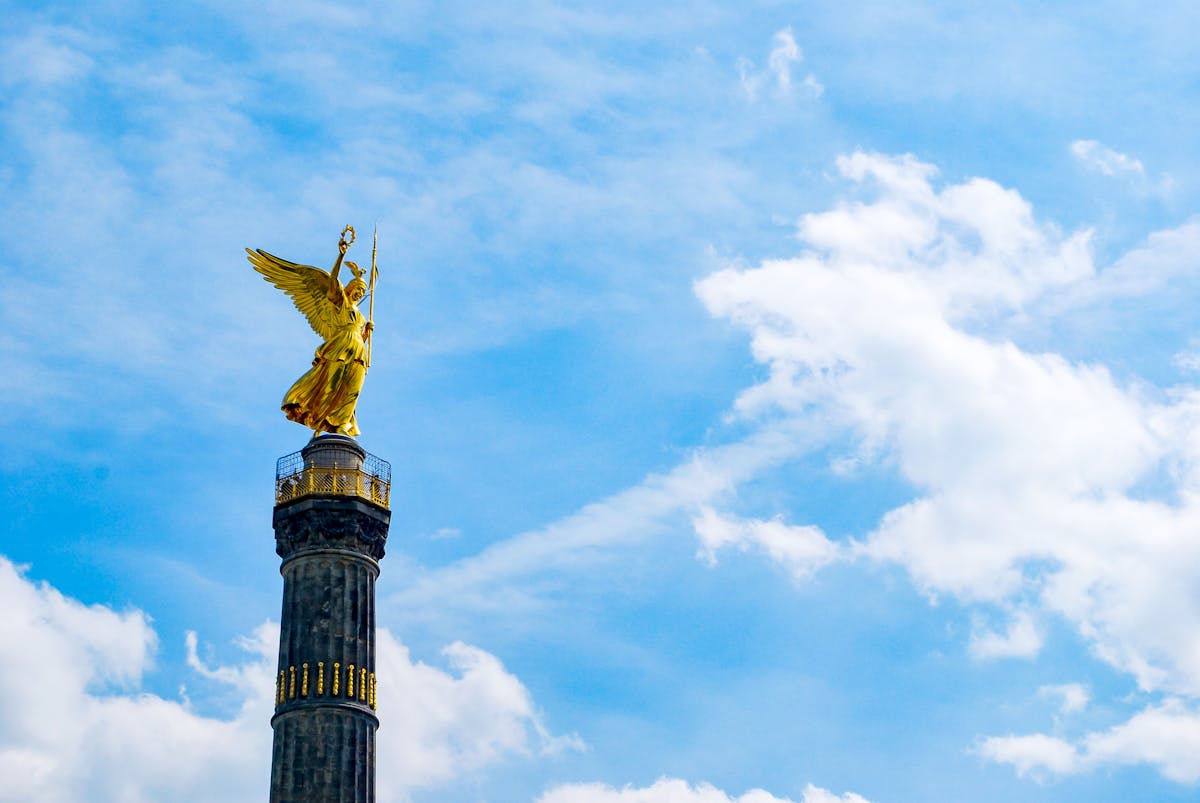
Berlin, Germany
Photo made by Cristian Salinas Cisternas on Pexels.com
Popular attractions for Berlin, Germany
Attractions in Berlin, Germany
1. Brandenburg Gate
Quick facts: Completed in the late 18th century, it is an iconic neoclassical monument originally built as a city gate. It has symbolized peace, division during the Cold War, and ultimately reunification in Germany's history.
Highlights: Once a symbol of division during the Cold War, it now stands as a powerful emblem of German reunification and peace. Beneath it, remnants of the original city gate foundations can still be seen, offering a rare glimpse into 18th-century craftsmanship hidden in plain sight.
2. Berlin Wall Memorial
Quick facts: Constructed in 1961 and standing through the Cold War until 1989, it symbolizes the division between East and West Berlin. It serves as a preserved historical site illustrating the impact of the Berlin Wall on the city's architecture and social history.
Highlights: An original section of the wall remains intact here, offering an authentic glimpse into Cold War history rarely found elsewhere. Beneath the surface lies a preserved watchtower, giving visitors a haunting perspective on the extreme measures taken for border control.
3. Museum Island
Quick facts: The complex was developed in the 19th and early 20th centuries and showcases neoclassical and baroque architectural styles. It serves as a cultural and historical hub, representing the artistic and scientific achievements of its era and playing a critical role in Berlin's transformation into a center for education and culture.
Highlights: Beneath the island, an underground tunnel connects several museums, allowing visitors to traverse art history without ever stepping outside. Amid its treasures, there's a mysterious ancient Egyptian bust with an uncanny smile that has puzzled historians for centuries.
4. Reichstag Building
Quick facts: Erected in the late 19th century, it showcases Neo-Renaissance architecture and stands as a symbol of German unity and democracy. The building has witnessed key historical events, including the establishment of the German Empire and reunification after the Cold War.
Highlights: The building features a stunning glass dome designed by architect Norman Foster that symbolizes transparency in government, allowing visitors to walk around the dome and look down into the parliamentary chamber. A burst of greenery inside the dome functions as a solar chimney, naturally ventilating the building and showcasing an innovative blend of historic architecture with modern sustainability.
5. Checkpoint Charlie
Quick facts: Constructed in 1961, it served as a key crossing point between East and West Berlin during the Cold War. It became a symbol of the divided city and a focal point for diplomatic confrontations between the United States and Soviet Union.
Highlights: Once a pivotal Cold War crossing point between East and West, it was the site of tense standoffs between American and Soviet tanks in 1961, making it a symbol of geopolitical brinkmanship and a beacon of hope for freedom. Beneath the surface lies a hidden network of escape tunnels, showcasing the daring and ingenuity of those who sought to defy the Berlin Wall's division.
6. Berlin Cathedral
Quick facts: Completed in the early 20th century, the cathedral showcases a blend of Baroque and Renaissance architectural styles. It serves as a pivotal religious and cultural landmark, symbolizing the historical continuity and artistic heritage of the city.
Highlights: Beneath its stunning dome lies the Hohenzollern crypt, where many Prussian royals are interred, offering a rare glimpse into royal history. Visitors can also access the dome's walkway to enjoy panoramic views of the city, a hidden gem often overlooked by tourists.
7. East Side Gallery
Quick facts: Constructed in 1989, it is one of the longest remaining sections of a significant Cold War-era barrier that once divided a city. Serving as an open-air gallery, it features murals painted by artists from around the world, symbolizing freedom and unity after the barrier's fall.
Highlights: It is the longest open-air gallery in the world, painted directly on a remaining section of the Berlin Wall, capturing the spirit of freedom and unity through powerful, politically charged murals. Among its artworks, a famous mural called 'The Kiss' depicts a historical moment of reconciliation, symbolizing hope and the end of division.
8. Potsdamer Platz
Quick facts: A major public square and traffic intersection, it was a bustling center of activity in the early 20th century before being destroyed in World War II and divided by the Berlin Wall during the Cold War. It underwent extensive redevelopment after German reunification in the 1990s, symbolizing Berlin's revival and modernization.
Highlights: Once a bustling traffic hub in Europe, it was reduced to ruins during World War II and later divided by the Berlin Wall, making it a powerful symbol of division and reunification. Beneath the modern buildings lies an archaeological site revealing remnants of Berlin's 18th-century history, providing a hidden time-travel experience to visitors.
9. Charlottenburg Palace
Quick facts: Constructed in the late 17th century, it exemplifies Baroque and Rococo architectural styles and was originally a summer residence for Sophie Charlotte, the wife of Frederick I of Prussia. It played a significant role as a royal palace symbolizing the power and cultural prestige of the Prussian monarchy and later became a major historic site reflecting Berlin's royal heritage.
Highlights: The palace's opulent Porcelain Cabinet, adorned with intricate Meissen porcelain, represents the pinnacle of Baroque artistry and is a hidden gem rarely found in royal residences. Legend has it that the palace's extensive gardens inspired the blueprint for several European royal parks, blending French formal design with natural landscape elements in a pioneering fashion.
10. Alexanderplatz
Quick facts: Originating as a medieval trade and transport hub, it evolved significantly during the late 19th and early 20th centuries into a central square and transport junction. It became emblematic of East Berlin's urban development post-World War II and features notable examples of socialist realist architecture, playing a key role in the city's social and political history.
Highlights: The square is home to the World Clock, which not only tells the time in 148 major cities but also became a popular meeting point during the Cold War, symbolizing unity amidst division. Beneath the bustling surface, ancient medieval remains remind visitors that this modern hub was once a vital center of trade and daily life centuries ago.
Powered by Google
Useful information for Berlin, Germany
Overview for Berlin, Germany
Send attractions to your email
Get a copy of these attractions in your inbox.
Comments (4)
Honestly, I found Alexanderplatz too chaotic and crowded. The TV Tower is impressive, but the noise and busy streets made it hard to enjoy the city vibe. Berlin has charm, but this spot was disappointing for me.
Museum Island is stunning with so much to explore; however, the crowds can be overwhelming. Still, Berlin's mix of history and modern life keeps me coming back for more adventures.
Berlin is a city of contrasts for sure. The Berlin Wall Memorial is surprisingly moving, but some tourist areas like Checkpoint Charlie felt a bit too commercialized. Still, it’s worth visiting to grasp the history.
Brandenburg Gate really captures Berlin's essence - standing there made me feel connected to its history and hopeful future. The city blends vibrant culture and meaningful moments perfectly, even on busy days.