 English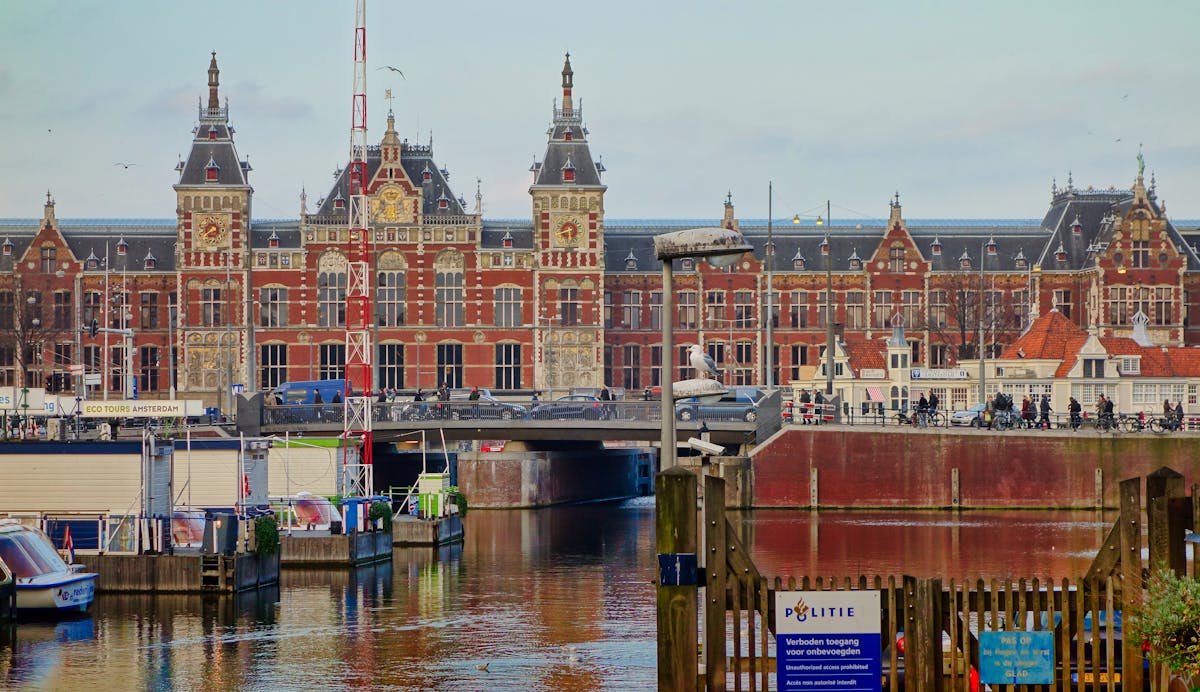
Amsterdam, Netherlands
Photo made by Always Sunny Travels on Pexels.com
Popular attractions for Amsterdam, Netherlands
Attractions in Amsterdam, Netherlands
1. Rijksmuseum
Quick facts: Opened in 1885, the museum is a prime example of Dutch Neo-Renaissance architecture and was designed by architect Pierre Cuypers. It serves as a key cultural institution preserving Dutch art and history, playing a significant role in showcasing the nation's artistic heritage to the world.
Highlights: Housed in a stunning Gothic Revival building, the museum conceals a charming courtyard garden inspired by Dutch Golden Age paintings, creating a serene oasis in the city. Visitors can marvel at the near-mystical restoration of Rembrandt's Night Watch, which reveals hidden figures and details that have long been obscured by time and varnish.
2. Anne Frank House
Quick facts: Built in the 17th century, the building is a historic canal house that served as a hiding place during World War II. It plays a crucial role in the city's history as a symbol of the impact of the Holocaust and the resilience of those who suffered under Nazi occupation.
Highlights: A secret annex hidden behind a movable bookcase once provided refuge to Anne Frank and her family during World War II, encapsulating a powerful story of resilience and hope. The original diary of Anne Frank, written during her time in hiding, is displayed here, offering a deeply personal glimpse into history that continues to inspire millions worldwide.
3. Van Gogh Museum
Quick facts: Opened in 1973, the museum showcases the largest collection of works by a single painter from the post-impressionist era. It plays a crucial role in preserving and promoting the artistic heritage of the late 19th century, contributing significantly to Amsterdam's cultural landscape.
Highlights: Home to the world's largest collection of artworks by the iconic post-impressionist painter, it also houses a remarkable exhibit of letters written by the artist, providing deep insight into his troubled mind and creative genius. An often-overlooked feature is the hidden contemporary art gallery beneath the museum, which offers dynamic exhibitions that contrast beautifully with the classic Van Gogh pieces above.
4. Vondelpark
Quick facts: Established in 1865, it is the largest city park and a prime example of 19th-century landscape design. It serves as a vital green lung for the city and a popular recreational space for locals and visitors alike.
Highlights: An open-air theatre nestled within the park hosts free performances ranging from contemporary dance to classical music during the summer, transforming the space into a vibrant cultural hub. Hidden paths wind through rose gardens and quiet ponds, offering serene retreats popular with locals but often missed by tourists.
5. Dam Square
Quick facts: Dating back to the 13th century, it originated as a dam on the Amstel River, marking the city's medieval beginnings. It has served as a central hub for trade, political events, and social gatherings, with notable landmarks including the Royal Palace and the National Monument.
Highlights: Beneath the bustling square lies a secret underground shopping mall, offering a modern twist to the historic surroundings above. Every year, a dramatic reenactment of the Dam Square Shooting incident captivates locals and tourists, preserving a poignant chapter of the city's World War II history.
6. Heineken Experience
Quick facts: Built in 1867, it is one of the earliest large-scale breweries and showcases 19th-century industrial architecture. It played a significant role in Amsterdam's brewing history and contributed to the global expansion of Dutch beer culture.
Highlights: The historic brewery was originally established in 1864 and still houses its original copper brewing kettles, providing a rare glimpse into 19th-century beer brewing techniques. Visitors can also partake in interactive tastings and discover the secret recipe that has made the brand globally famous, making it more than just a tour but an immersive experience into beer culture.
7. Royal Palace of Amsterdam
Quick facts: Constructed in the 17th century during the Dutch Golden Age, it originally served as the city hall. It later became a royal residence and stands as a symbol of Amsterdam's historical wealth and political power.
Highlights: Originally built as a city hall during the Dutch Golden Age, it showcases an extraordinary blend of classical architecture and ornate interiors that reflect Amsterdam's wealth and power in the 17th century. Beneath its grand floors lie hidden tunnels once used for secret meetings and escape routes, adding a layer of mystery to its regal facade.
8. Amsterdam Canal Ring
Quick facts: Constructed during the 17th century, the canal ring represents a significant feat of urban planning from the Dutch Golden Age. It played a crucial role in the city's defense, water management, transportation, and expansion as a major trading hub.
Highlights: The canal ring is ingeniously designed in concentric arcs with a unique trapezoidal pattern, reflecting a 17th-century urban planning miracle that doubled the city's size. Secret houseboats and hidden courtyards along the canals offer a glimpse of a quieter, charming life hidden within the bustling city.
9. Jordaan Neighborhood
Quick facts: Developed in the early 17th century, the neighborhood originally housed working-class residents and has since evolved into one of the most desirable areas of the city. Its narrow streets and historic buildings reflect typical Dutch urban design and a rich cultural heritage integral to Amsterdam's development.
Highlights: Once a working-class district, it transformed into an artists' enclave where narrow streets hide quaint courtyards filled with vibrant secret gardens. A little-known tradition persists where residents discreetly decorate their house doors with miniature artworks, turning an ordinary stroll into a delightful treasure hunt.
10. Bloemenmarkt (Flower Market)
Quick facts: Established in 1862, it is the world's only floating flower market, situated on houseboats along a canal. Serving as a vibrant hub for both locals and tourists, it reflects the city's deep horticultural heritage and ongoing tradition of flower cultivation.
Highlights: The only floating flower market in the world, its colorful stalls are perched on houseboats, creating a unique and charming shopping experience on water. A hidden gem is the vibrant tulip bulb selection available year-round, making it a paradise for flower enthusiasts and a symbol of Dutch horticultural heritage.
Powered by Google
Useful information for Amsterdam, Netherlands
Overview for Amsterdam, Netherlands
Send attractions to your email
Get a copy of these attractions in your inbox.
Comments (4)
Rijksmuseum blew me away with its art and history. The building is stunning and I felt really welcomed there. Amsterdam feels alive and full of stories, just be ready for crowds, especially in popular areas like Dam Square.
I thought the Anne Frank House was quite emotional, but a bit underwhelming since the rooms are mostly recreated. Amsterdam is beautiful and worth seeing, but some things were more touristy than I hoped. Still, the canals and parks were refreshing.
The Van Gogh Museum is a highlight if you like art, though the crowd can be a bit much sometimes. Amsterdam overall has a great vibe, but prepare for busy spots and prices that aren't always cheap. Still, the city's charm wins you over.
Honestly, I was let down by the Anne Frank House. It was too crowded, and the lack of original furnishings made it feel less authentic to me. Amsterdam can be overwhelming and sometimes feels overrun by tourists, which took away from the experience.