 English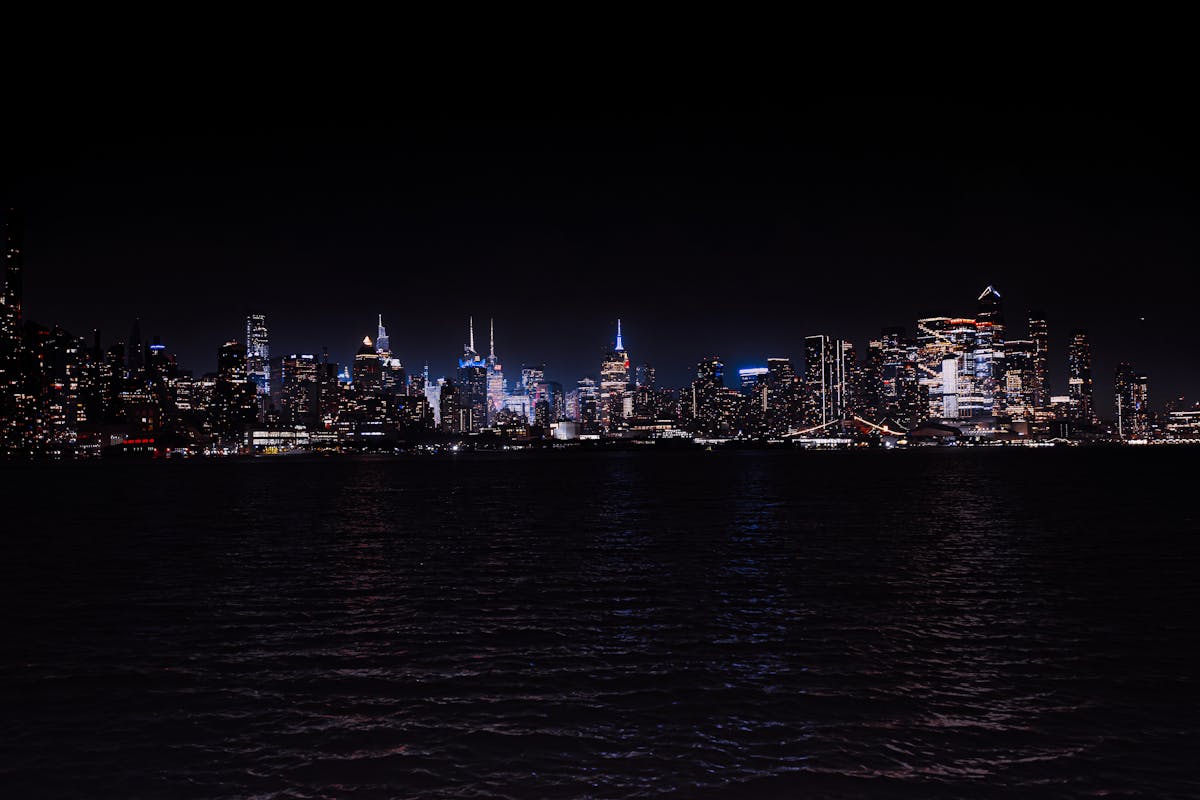
New York, United States
Photo made by Vladislav Lolenko on Pexels.com
Popular attractions for New York, United States
Attractions in New York, United States
1. Statue of Liberty
Quick facts: An iconic neoclassical sculpture completed in 1886, it symbolizes freedom and democracy. Serving as a welcoming sight to immigrants arriving by sea, it plays a crucial role in the city's cultural and historical identity.
Highlights: The statue's internal framework was designed by Gustave Eiffel, the same engineer behind the Eiffel Tower, showcasing an impressive blend of art and structural engineering. It was originally a lighthouse and its torch once served as a beacon guiding ships safely into New York Harbor, a powerful symbol of hope and freedom for millions of immigrants.
2. Central Park
Quick facts: Established in the mid-19th century, it is one of the earliest and most famous examples of urban park design in the United States. Serving as a vital green lung for the city, it has played a key role in urban planning, recreation, and cultural events throughout the city's history.
Highlights: Conceived as a democratic masterpiece, the park features an intricate design that masks a huge man-made reservoir, blending nature and engineering artfully. Beneath its serene meadows hides a secret underground tunnel network once used for horse-drawn carriages to keep the park’s pathways clear and visitors immersed in nature.
3. Times Square
Quick facts: Times Square emerged as a major commercial intersection and entertainment hub in the early 20th century. It became a symbol of New York City's vibrant nightlife and a center for Broadway theaters, reflecting the cultural and economic dynamism of the city.
Highlights: Known as 'The Crossroads of the World,' it features an enormous digital billboard that outshines the brightest daylight with dazzling colors and animations, creating a mesmerizing urban light show. Beneath its bustling streets lies a secret pedestrian plaza that transforms the area into a vibrant meeting spot free from vehicle traffic, blending city energy with moments of unexpected calm.
4. Empire State Building
Quick facts: Completed in 1931 during the Art Deco era, it stood as the world's tallest building for nearly 40 years. Serving as a symbol of American industrial growth and architectural innovation, it played a vital role in defining the skyline and identity of its city.
Highlights: It was the tallest building in the world for nearly 40 years after its completion in 1931, a record that still captivates architecture enthusiasts. The building's iconic Art Deco design features a unique floodlight system that changes color to celebrate holidays and special events, adding a vibrant heartbeat to the city's skyline.
5. Brooklyn Bridge
Quick facts: Completed in 1883, it was one of the oldest suspension bridges in the United States and the longest in the world at the time of its opening. It played a crucial role in connecting two boroughs, facilitating commerce and expansion in the growing metropolis.
Highlights: Completed in 1883, it was the first steel-wire suspension bridge ever constructed, revolutionizing bridge engineering worldwide. Folklore claims that during its construction, the designer's wife walked across the bridge daily to prove its safety, boosting public confidence in the daring project.
6. Rockefeller Center
Quick facts: Constructed in the 1930s during the Great Depression, it is a landmark example of Art Deco architecture. Serving as a major commercial hub, it has significantly contributed to the cultural and economic development of the city.
Highlights: Beneath its glamorous facade lies an underground concourse and a secret botanical garden accessible only to tenants. During World War II, a hidden art collection was safeguarded here, preserving priceless works from the threat of bombings.
7. Metropolitan Museum of Art
Quick facts: Established in 1870, it is one of the largest and oldest art museums in the United States. The museum serves as a cultural landmark that showcases diverse art collections spanning over 5,000 years, reinforcing New York City's role as a global cultural capital.
Highlights: Housed within its vast structure is a rooftop garden that offers breathtaking views of Central Park and the Manhattan skyline, often overlooked by visitors focused on the galleries. The museum also conceals a secret Roman stone sarcophagus hidden within one of its less-traveled halls, providing a thrilling discovery for the keen-eyed explorer.
8. One World Trade Center
Quick facts: Completed in 2013, the building is the tallest in the Western Hemisphere, symbolizing resilience and renewal after the events of September 11, 2001. It features a modern architectural design with sustainable technologies, serving as a prominent landmark and a testament to the city's recovery and strength.
Highlights: Standing as the tallest building in the Western Hemisphere, it features a unique spire that serves as a symbolic beacon of resilience and hope, which can be seen from miles away. An often overlooked gem is its advanced sustainable design, utilizing rainwater harvesting and energy-efficient systems that set new standards for green skyscrapers.
9. Broadway Theater District
Quick facts: The district originated in the early 20th century and features numerous historic theaters known for their distinctive architectural styles like Beaux-Arts, Art Deco, and Neo-Renaissance. It plays a central role in the cultural and entertainment history of the city, being a major hub for American theater and the performing arts.
Highlights: A secret underground tunnel once connected many theaters, allowing actors to make dramatic entrances unseen by the audience. The district is home to nearly 40 theaters, making it one of the densest concentrations of theaters anywhere in the world, each with its own unique architectural style and history.
10. 9/11 Memorial & Museum
Quick facts: Opened in 2011, it commemorates the lives lost during the terrorist attacks of September 11, 2001, and the 1993 World Trade Center bombing. It serves as a profound symbol of resilience and remembrance, preserving artifacts and stories that illustrate the impact on the city and the nation.
Highlights: A poignant element of the museum is the preserved 'Last Column,' a towering steel beam covered in mementos and inscriptions left by rescue workers, symbolizing hope and resilience amid tragedy. Hidden within the reflecting pools are the footprints of the original Twin Towers' foundations, offering a direct, contemplative connection to the site’s history.
Powered by Google
Useful information for New York, United States
Overview for New York, United States
Send attractions to your email
Get a copy of these attractions in your inbox.
Comments (4)
Central Park is a breath of fresh air in this bustling city. It’s beautiful for sure, but the crowds can be overwhelming sometimes. Still, NYC’s vibe with all its attractions keeps me coming back despite minor hassles.
I’m torn about New York. The 9/11 Memorial & Museum was profoundly moving and educational, but the city itself felt stressful with the crowds and pace. It’s a powerful place, but not my favorite urban experience.
The Statue of Liberty really captured my heart with its rich history and inspiring presence. New York overall is chaotic but exciting, and there's nothing like catching that iconic sight amidst the city buzz.
Times Square was way too crowded and noisy for me. While NYC has a unique energy, it felt overstimulating and exhausting. The bright lights can’t make up for the long lines and high prices. Not sure I’d return anytime soon.