 CityBuddy
 English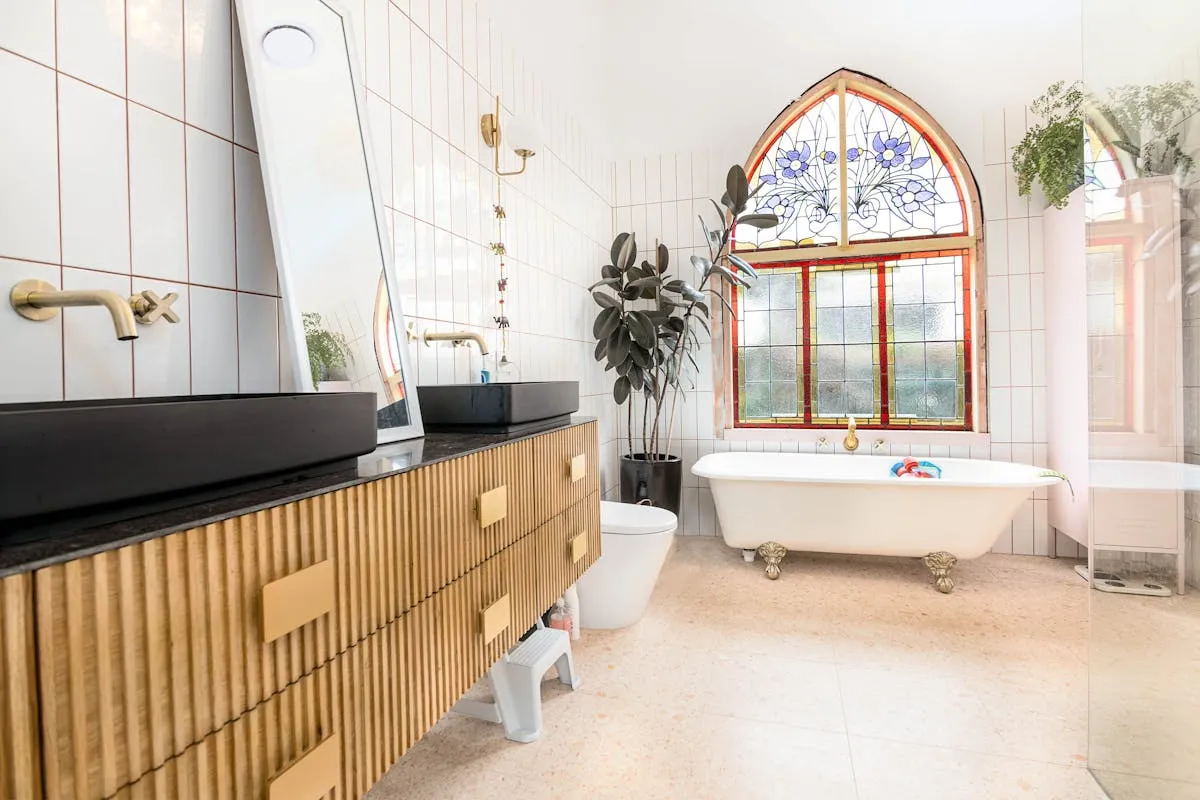
Things to Do in Melbourne, Australia
Photo made by Masihullah Mobin on Pexels.com
When to visit
Melbourne is the #6 city for healthcare in the world, based on our data across hundreds of destinations.
Most popular attractions in Melbourne, Australia
Things to do in Melbourne, Australia include exploring Federation Square, which hosts over 200 events annually, strolling the 94-acre Royal Botanic Gardens Melbourne with 8,500 species of plants, and visiting the Melbourne Cricket Ground, a historic sports venue seating 100,000 fans. Each offers a distinct experience in the city.
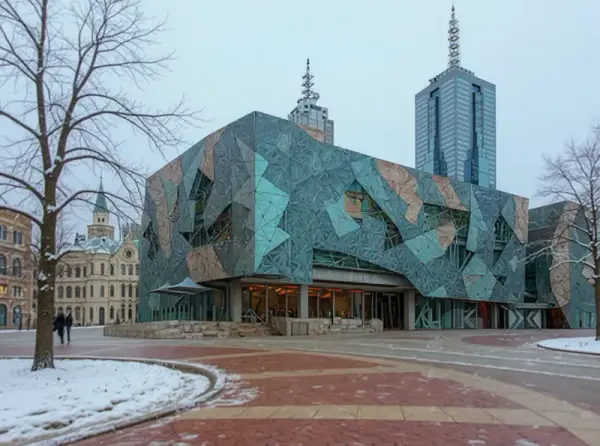
1. Federation Square
Vibrant cultural hub on the Yarra, with bold architecture and frequent events. Expect public art, river views, pop-up markets and lively cafés.
Quick facts: A jagged collage of glass, zinc and sandstone creates a surprising plaza where open-air concerts, film screenings and street performers constantly animate layered public spaces. Hungry crowds spill onto stepped terraces to sip coffee and watch huge outdoor screens broadcasting live events, turning the plaza into a communal living room day and night.
Highlights: The plaza's fractured zinc-and-glass facades and stepped sandstone terraces funnel sound and light into a surprisingly theatrical outdoor room, where giant public screenings and footy-watching crowds suddenly make a quiet riverbank feel like a stadium. Beneath those angles an unexpectedly nerdy cultural heart beats: a compact moving-image museum runs free late-night programs, interactive exhibits and an arcade of restored film and video gear that feels like a secret clubhouse for anyone who loves movies and strange audio-visual curiosities.
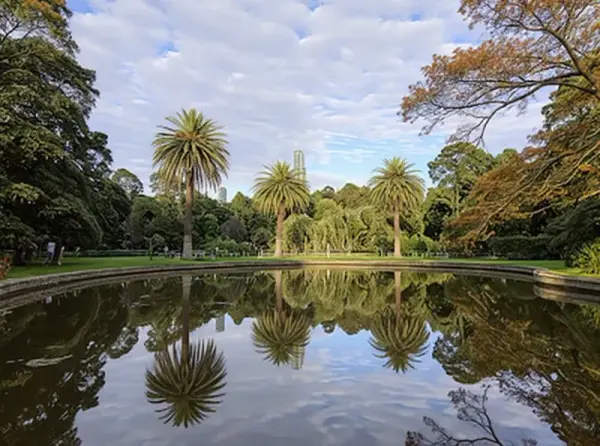
2. Royal Botanic Gardens Melbourne
World-class Victorian-era gardens with tranquil lakes and rare plants. Wander leafy paths, picnic by Ornamental Lake and visit the curving glasshouses.
Quick facts: Wandering among towering eucalyptus and graceful palms feels like stepping into a living gallery, with surprising color contrasts and the scent of damp earth after rain. Quiet lakes and winding paths shelter over 8,500 plant species and an active program of twilight tours and Indigenous-guided walks lets you hear local birdlife and stories firsthand.
Highlights: Step off the main path and you'll find the First Peoples Garden, opened in 2019, where kangaroo grass, murnong and banksias are planted around storytelling panels that explain Kulin seasons, and on warm afternoons the air is sweet with eucalyptus and toasted seed. Over the ornamental lake a family of black swans glides past the 19th-century boathouse, and if you sit on the grass you can watch the juveniles practicing preening while the city skyline sparkles beyond the gum trees.
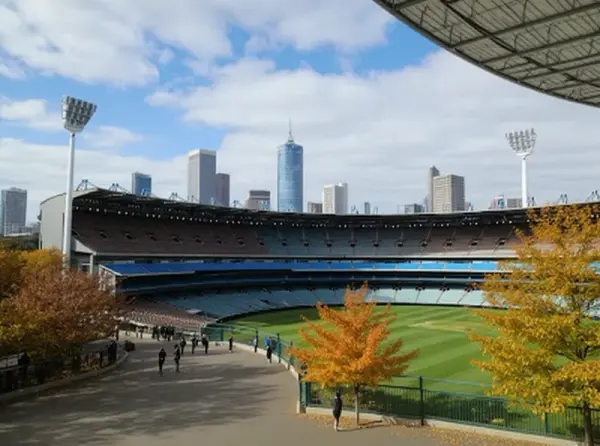
3. Melbourne Cricket Ground (MCG)
MCG
Feel the roar of crowds at Australia's sporting heart. Walk the turf, tour the National Sports Museum and soak in skyline views.
Quick facts: Thunderous crowds of over 100,000 can make the entire bowl vibrate, turning matches into communal theatre. Step inside and a museum beneath the stands reveals trophies, quirky memorabilia and vivid stories of sporting drama.
Highlights: About 100,000 fans squeeze into the bowl for the AFL Grand Final, official seating capacity is 100,024, and the synchronized roar plus thousands of stomps feel like a bass drum thudding in your chest. Back in March 1877 the ground held the first recognized Test match between Australia and England, and during summer Tests the warm smell of hot meat pies and beer rolls down the aisles as vendors weave between rows.
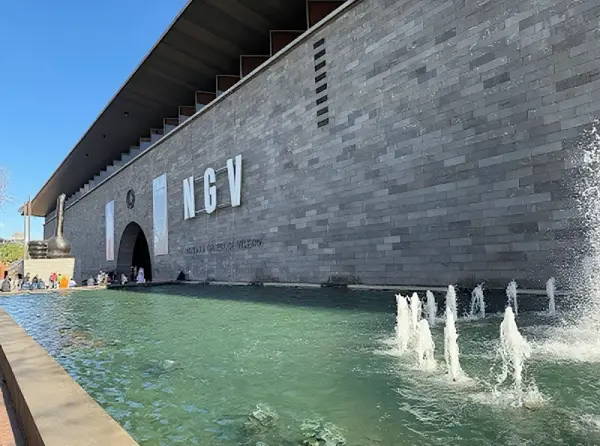
4. National Gallery of Victoria (NGV)
NGV
Masterpieces from Indigenous art to contemporary installations. Wander immersive galleries, special exhibitions and a rooftop sculpture garden with city views.
Quick facts: Step into the soaring, light-filled atrium and the hush of the galleries quickly gives way to lively conversations around contemporary installations and blockbuster shows. One surprising fact is the collection holds over 70,000 works, from delicate ancient prints to bold Indigenous pieces and cutting-edge contemporary art, and many visitors spend entire afternoons wandering the sculpture garden and lingering at the café.
Highlights: Step inside a place that holds over 70,000 works across two buildings, where you can stand inches from Sidney Nolan's Ned Kelly series from 1946 to 1947, the flat black helmet and scorched red-brown brushstrokes smelling faintly of oil paint. On select Friday nights the galleries shift into a late-night scene with DJs, cocktails and food stalls, drawing crowds in the low thousands who gather beneath Leonard French's kaleidoscopic Great Hall ceiling to trade hushed gallery talk for live beats.
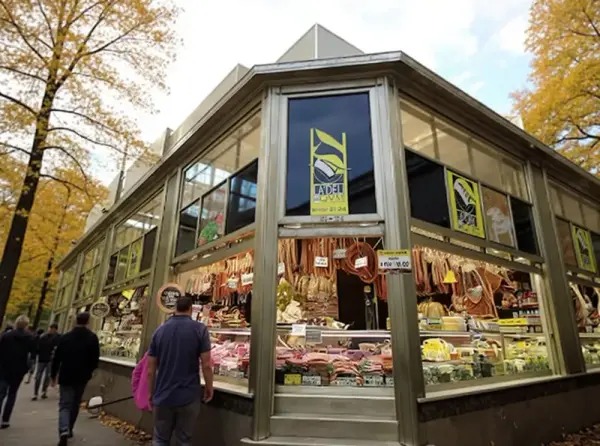
5. Queen Victoria Market
Historic open-air market for fresh produce, eclectic food stalls and antiques. Wander busy sheds, sample local cheeses and coffee, and find handmade souvenirs.
Quick facts: Crunchy toasted nuts, sizzling sausages and floral stalls collide in a sensory maze where shoppers haggle beneath ornate iron sheds. Over 300 stalls trade during peak days, and vibrant night markets turn the place into a street-food party with live music and themed events.
Highlights: On Tuesdays the underground meat locker tour leads groups of 12 past swinging hooks and century-old refrigeration units, where a guide named Maria recounts how traders once hauled 100-kilo ice blocks by pulley and the air hangs thick with cured salami, lemon soap and wood smoke. Climb the wrought-iron stairs at dawn and you'll hear fishmongers in yellow aprons call prices in a rhythmic chant, ending with a practiced splash as they hose stalls clean, while 19th-century cobalt-blue carts sit behind the stalls and vendors quietly swap handwritten recipes for spice mixes.
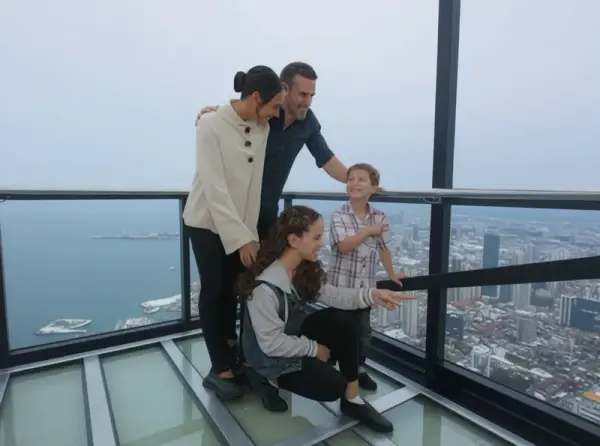
6. Eureka Skydeck
Panoramic city and bay views from one of the Southern Hemisphere's highest public vantage points. Glass-fronted decks and The Edge cube deliver dramatic skyline and sunset photos.
Quick facts: At 297 metres above ground, the viewing platform delivers a dizzying panorama where streets shrink to threads and the bay glitters like sequins. A glass cube extends from the façade so visitors can step out over the skyline, a literal perspective shift that makes traffic and pedestrians below seem toy-like.
Highlights: On the 88th floor a clear glass cube thrusts three metres out from the tower, fitting up to six people and turning the floor into a see-through platform about 285 metres above the streets where the wind roars in your ears and the city feels minuscule. A crown of 24-karat gold-plated glass wraps the top ten floors as an homage to the 1850s gold rush, so at sunset the façade flashes molten yellow and locals time visits for that dramatic golden-hour shimmer.
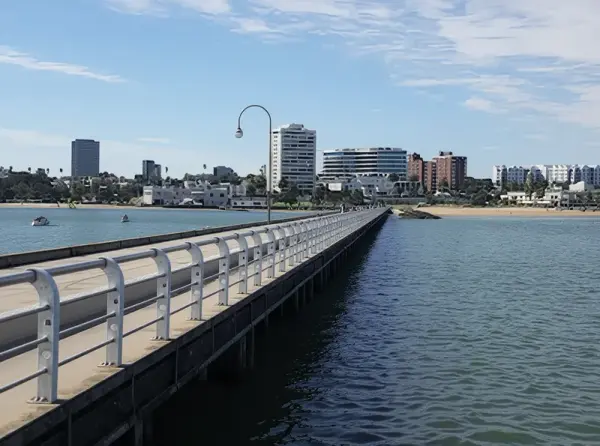
7. St Kilda Beach and Pier
Vibrant beachside atmosphere and easy access to Melbourne's seaside culture. Stroll the pier, watch little penguins at dusk, swim and enjoy live music and cafes.
Quick facts: Golden sunsets often set the sky on fire over the water, while kitesurfers and families on the sand create a lively, photogenic scene. At dusk, tiny penguins waddle ashore from the bay, drawing nightly crowds who whisper and shine dim lights to watch the urban colony return to its breakwater homes.
Highlights: Every evening around 5:30 pm a cluster of locals gathers on the pier's creaking boards to toss small pieces of fish to a colony of fewer than 20 rescued little penguins, the air thick with the briny smell of seaweed and the soft slap of flippers against timber. A quirky tradition dating back to the 1970s has volunteers chalking tiny heart-shaped markers, over 200 now, along the promenade to commemorate couples who proposed during the boisterous summer kite festival.
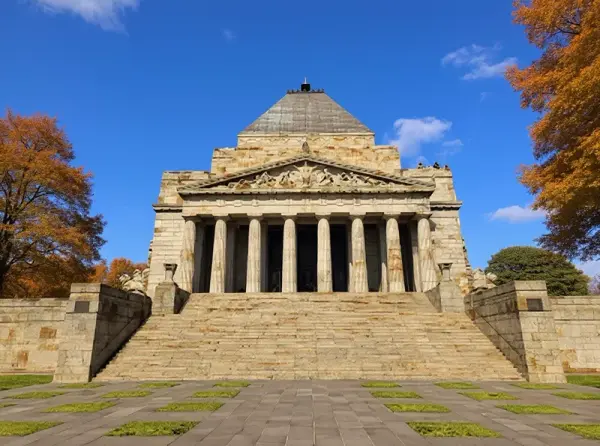
8. Shrine of Remembrance
War memorial atop a hill with sweeping Melbourne skyline views. Walk solemn galleries, hear daily remembrance rituals, and step onto the balcony for city vistas.
Quick facts: A shaft of sunlight pierces the dim central sanctuary during the autumn equinox, aligning with the memorial stone so visitors watch a pinpoint of light rest on the carved words 'Greater Love'. Climbing the broad stone steps reveals sweeping city views, while the echo of ceremonial bugle notes and the hush of wreath-laying create a surprisingly intimate, powerful experience.
Highlights: At 11:00 on 11 November a single shaft of sunlight threads through a tiny aperture in the roof and strikes the Stone of Remembrance, illuminating the carved words 'Greater love hath no man' so the letters suddenly gleam like a private spotlight. On calmer afternoons you can hear the soft scuff of shoes on sandstone, smell eucalyptus on the breeze, and watch someone place a single red poppy on the plinth, a small ritual that makes the place feel like a whispered conversation between strangers and the people being remembered.
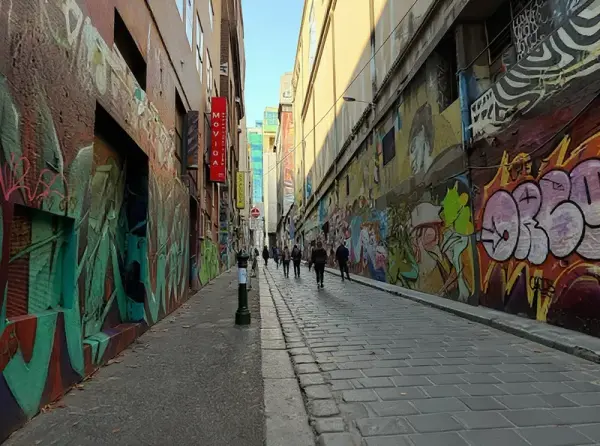
9. Hosier Lane (street art)
street art
World-famous laneway bursting with ever-changing street art. Walk colorful murals, watch artists at work and spot clever stencil details.
Quick facts: A constantly shifting riot of colour and texture fills the narrow graffiti-slick laneway, drawing photographers and curious passersby into every nook. Artists repeatedly paint over one another, so you can peel back layers of work to discover hidden stencils, paste-ups, and bold political statements.
Highlights: On a damp morning you can smell solvent and espresso, and some walls show over 30 overlapping layers of paint where artists such as Rone and Adnate have left fragments of their work still visible under fresh tags. A quiet ritual among regulars is to hide a tiny sticker or hand-drawn tag in a particular corner after a repaint, so locals scan for those miniature signatures like a little scavenger hunt.
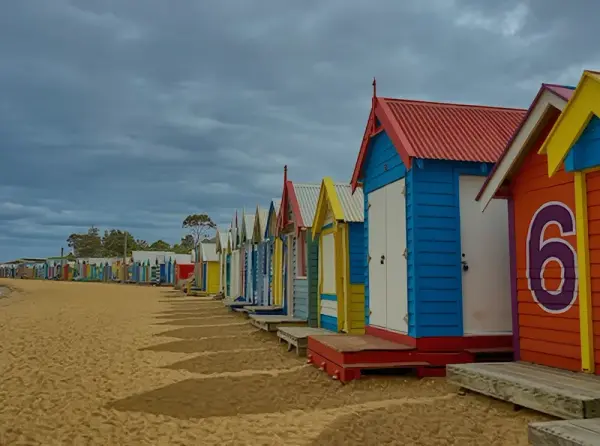
10. Brighton Beach (Bathing Boxes)
Bathing Boxes
Bright, colourful bathing boxes on Port Phillip Bay, perfect for photos and relaxed seaside strolls. Walk the foreshore, snap classic shots and enjoy calm bay views.
Quick facts: Candy-coloured timber huts line the bluest slice of shore, creating picture-perfect reflections at sunrise and a nostalgic, salt-scented atmosphere that visitors love to photograph. Local families and artists repaint each hut in bold, quirky designs, and the collection now includes around 82 individually named boxes that have become small, fiercely guarded neighborhood icons.
Highlights: A row of exactly 82 candy-coloured timber bathing boxes hugs the pebbly foreshore, each one hand-painted with stripes, floral motifs or family names so closely that on a warm day you can smell the fresh timber and linseed oil. Generations of families quietly guard their boxes as private summer sheds, passing them down for decades and treating them like tiny heirlooms full of flaking paint, beach chairs and a stack of sun-faded postcards.
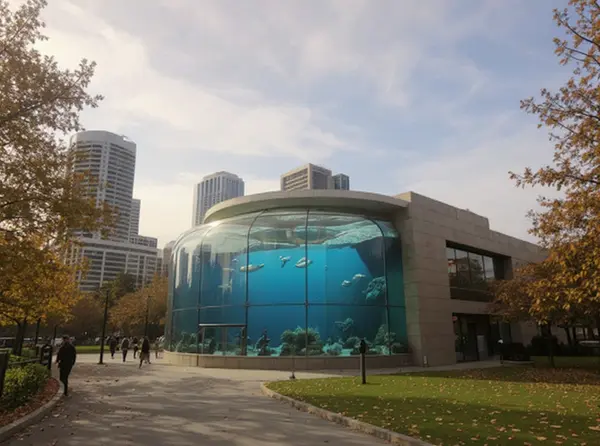
11. Visit the Melbourne Aquarium
Dive into a maze of marine life and walk beneath sharks and rays. Encounter rare giant sunfish and chill on a serene river ride.
Quick facts: An underwater tunnel home to more than 10,000 sea creatures invites visitors to walk through while sharks, rays, and sea turtles swim overhead. The aquarium’s centerpiece is a 2.2 million liter tank providing an immersive experience into aquatic life from Australia's southern waters.
Highlights: At one spot, visitors can watch divers feed the giant sunfish, which weighs over 300 kilograms, a rare sight in aquariums worldwide. The fresh water zone features a river ride where you glide past Murray River creatures, creating a laid-back way to see local wildlife up close.
Where to Stay in Melbourne, Australia
Selected by City Buddy based on guest reviews and proximity to top attractions
Search all hotels in Melbourne, AustraliaPowered by agoda
Opening days in Melbourne, Australia
Which of the top sights close on which day of the week — the classic trip-ruiner, checked for you.
Monday: 1 of 8 top sights closed — plan museums for another day.
Closed on Monday · 1 closed, 7 open
Opening days from Google Maps (checked 2026-04-12). Public holidays, strikes and seasonal hours can differ — check the official website before you go.
Traditional Sweet Dishes
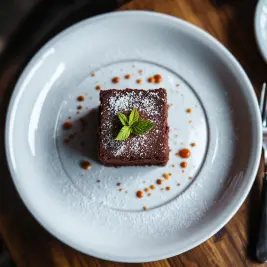
Lamington
Lamingtons are sponge squares dipped in chocolate and rolled in coconut, and Melbourne bakeries often reinvent them with fillings like passionfruit curd or coffee cream.
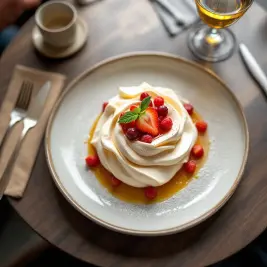
Pavlova
The pavlova, a crisp meringue topped with cream and fresh fruit, is at the center of a friendly Australia-New Zealand origin debate, and Melbourne chefs often serve towering, festival-worthy versions.
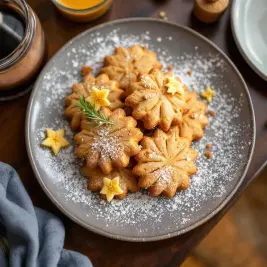
ANZAC biscuits
ANZAC biscuits were made to survive long military shipments in World War I, and Melburnians still bake them each ANZAC Day as a crunchy, coconut-sweet act of remembrance.
Traditional Savory Dishes
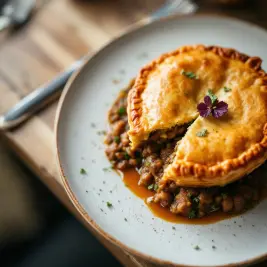
Meat pie
The meat pie is a Melbourne sporting ritual, commonly eaten at the MCG with tomato sauce, and local bakers now elevate it with slow-braised fillings and inventive toppings.
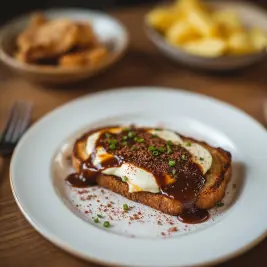
Vegemite on toast
Vegemite was developed in Melbourne in the 1920s, and spread thinly on buttered toast it became the salty, umami-packed breakfast staple many Melburnians grew up on.

Fish and chips
Fish and chips wrapped in paper and eaten by the water are a Melbourne favorite, especially in bayside suburbs where fresh snapper and flake are served crisp and hot.
Traditional Beverages
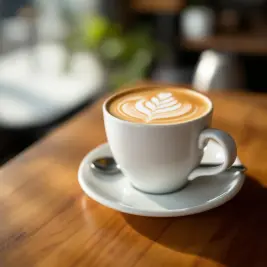
Flat white
The flat white became synonymous with Melbourne's coffee revolution, prized for its silky microfoam and strong espresso, and it helped export the city's café culture worldwide.
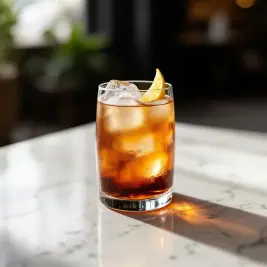
Australian wine
Melbourne sits close to the Yarra Valley and Mornington Peninsula, and the city's wine bars champion cool-climate chardonnay and pinot noir that showcase Australian subtlety and finesse.
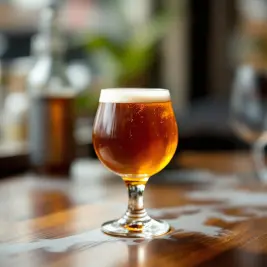
Beer (Ale)
Melbourne's ale scene blends long-standing breweries and a thriving craft movement, and historic names like Carlton & United Breweries helped anchor the city's deep pub culture.
Frequently Asked Questions about Melbourne, Australia
What is the best time to visit Melbourne, Australia?
Is Melbourne, Australia expensive for travelers?
How safe is the tap water in Melbourne, Australia?
How good is public transport in Melbourne, Australia?
How many tourists visit Melbourne, Australia each year?
Get a PDF with the most popular attractions sent to your email
Get a PDF with all attractions, ratings, and tips. Perfect for offline use.
Most popular day trips
Yarra Valley
Renowned wine region with cellar doors and hot-air balloons.
Mornington Peninsula
Coastal beaches, hot springs and charming seaside towns.
Phillip Island
Wildlife island famous for the nightly penguin parade.
Great Ocean Road (Torquay / Anglesea)
Scenic coastal drive, surf beaches and coastal lookouts.
Getting there
Train stations
V/Line regional, interstate coaches and Metro services
Major Metro suburban lines (city hub)
Use SkyBus from Tullamarine to Southern Cross (20–30 min). From Avalon book a shuttle or rental car.
Useful information for Melbourne, Australia
Overview for Melbourne, Australia
Want a day-by-day plan for Melbourne, Australia? Open the trip planner
Plan your perfect trip to Melbourne, Australia
Get a complete travel plan built just for you in under 30 seconds, with daily routes, local food tips, budget estimates and more.
Are any of these especially important to you?
Select all that apply
Getting around
How do you want to move between places?
Plan language: EnglishMost popular itineraries for Melbourne, Australia
Browse trip plans created by other travelers