 CityBuddy
 English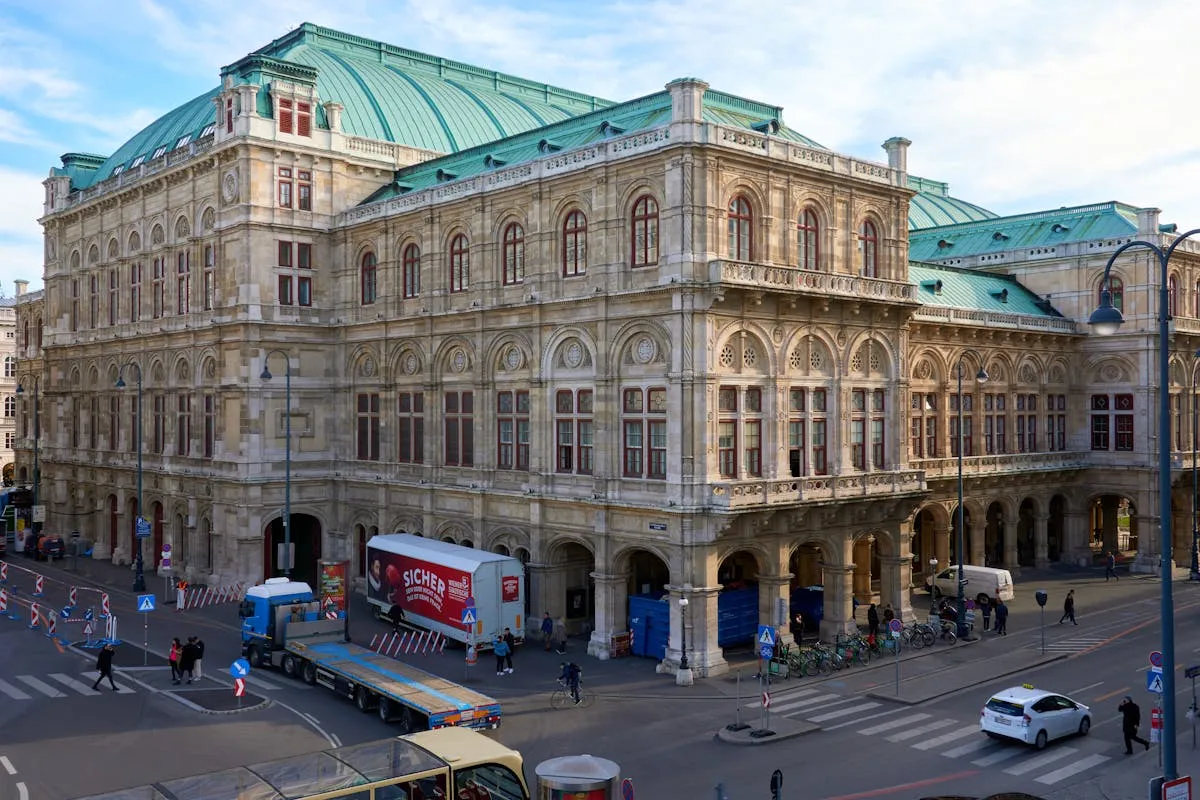
Things to Do in Vienna, Austria
Photo made by Anton Uniqueton on Pexels.com
When to visit
Vienna is the #10 most walkable city in the world, based on our data across hundreds of destinations.
Most popular attractions in Vienna, Austria
Things to do in Vienna, Austria include exploring the majestic Schönbrunn Palace, a former imperial summer residence with over 1,400 rooms. Visit St. Stephen's Cathedral in the city center, famous for its multicolored tile roof and towering south spire. Art lovers will appreciate the Belvedere Palace's impressive Baroque architecture and vast art collections.
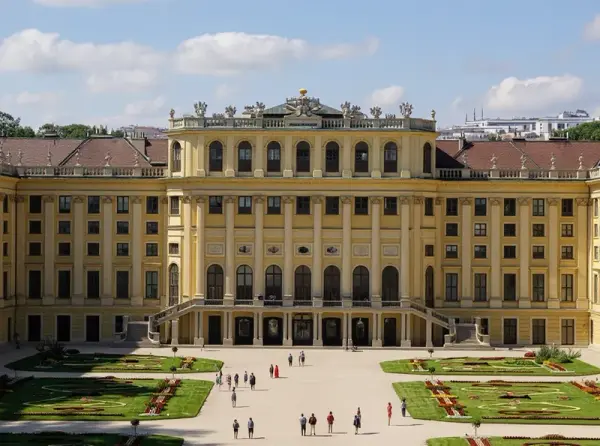
1. Schönbrunn Palace (Schloss Schönbrunn)
Schloss Schönbrunn
Opulent Habsburg palace with lavish rococo interiors and sprawling gardens. Tour imperial apartments, wander the maze, and climb the Gloriette for city views.
Quick facts: Visitors slip through a sunny yellow rococo façade into glittering state rooms, where gilded mirrors and frescoed ceilings still whisper of imperial court life. Beyond the apartments, a historic menagerie, botanical greenhouses, and the world's oldest continuously operating zoo turn the grounds into an unexpected mix of imperial grandeur and lively parkland.
Highlights: Step into the state apartments and try counting the frequently cited 1,441 rooms while your eye is snagged by Maria Theresa's tiny walnut writing desk, its lacquer worn to pale streaks and faint traces of lavender in the grain. In the vast Baroque gardens a menagerie opened in 1752 still thrives, so you can hear peafowl call, watch keepers feed red pandas at dawn, and feel the odd, delightful contrast between severe hedges and raucous animal chatter.
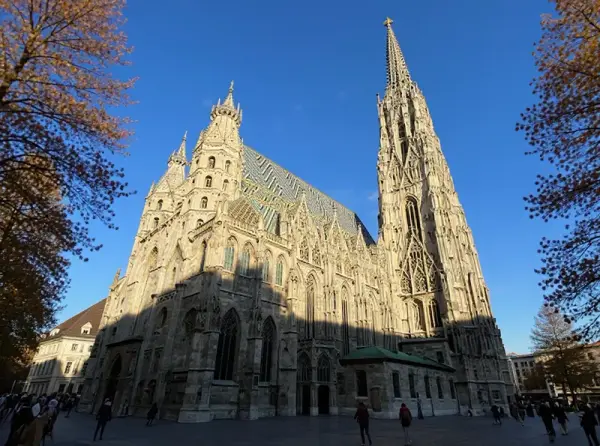
2. St. Stephen's Cathedral (Stephansdom)
Stephansdom
Gothic towering landmark at Vienna's heart, rich with centuries of history and dramatic art. Explore the vaulted nave, climb for rooftop panoramas, and descend to the crypt and treasury.
Quick facts: Sunlight skips off a dazzling patterned roof of glazed tiles, turning the skyline into a sudden, glittering mosaic when you crane your neck in the square. Climbing the narrow tower stairwell rewards you with a breath-stealing panorama, while the interior's ringing bells and cavernous acoustics feel like a living soundtrack.
Highlights: Up close you can trace more than 230,000 glossy, multicolored tiles forming a sloping mosaic of a double-headed eagle and Habsburg motifs, they catch the sun and flash like a sequined jacket from different angles. If you climb the 343 narrow stone steps to the 136.7-meter-high south tower you get a wind-whipped panorama and, on festival mornings, the gut-punching boom of the over-20-ton Pummerin bell rolling across the city.
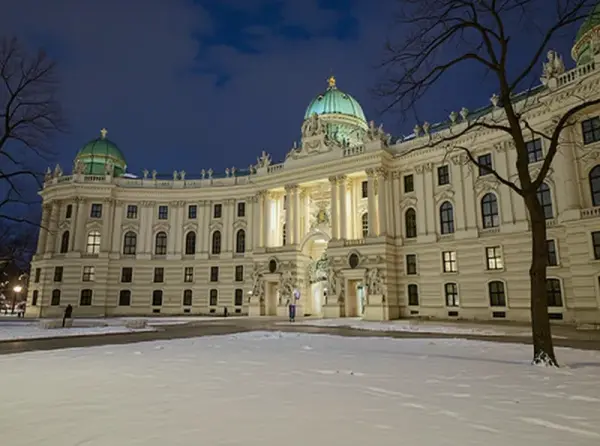
3. Hofburg Palace (Imperial Palace)
Imperial Palace
See Habsburg power and lavish imperial life at the Hofburg Palace. Walk grand state rooms, the Sisi Museum, and the ornate Imperial Chapel.
Quick facts: Marble corridors echo with the clip-clop of stallions from the Spanish Riding School, and visitors often spot tiny inscriptions left by centuries of court servants. Surprisingly, the complex contains over 2,000 rooms and a museum with imperial silver that dazzles under low, golden light.
Highlights: Walk through over 2,600 rooms and 18 courtyards, where layers of Gothic, Renaissance and Baroque architecture press up against one another and frescoed ceilings drip gold leaf while imperial portraits follow you from corridor to corridor. Down in the imperial stables you can glimpse Lipizzaner foals born dark that slowly lighten to snowy gray by about age six, while riders practice the haute école’s pirouettes and caprioles that make the horses seem to dance on their hind legs.
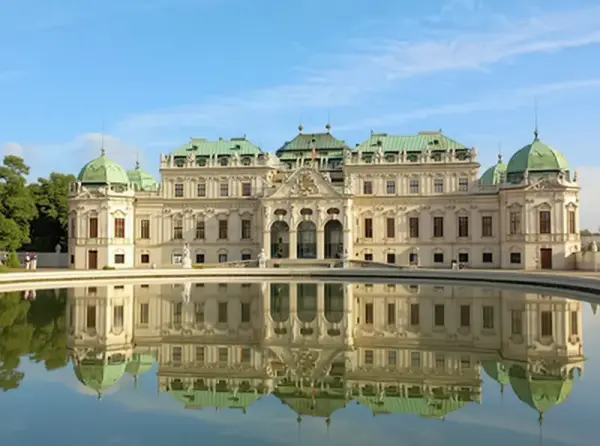
4. Belvedere Palace (Schloss Belvedere)
Schloss Belvedere
Baroque palace with world-class art and sweeping gardens. Explore Klimt's The Kiss, ornate state rooms, and terraces with city views.
Quick facts: Visitors often gasp at the gilded Baroque staircases and terraces, where fountains and manicured gardens frame views that make every photo look cinematic. Inside, one of the world's most important collections of Klimt paintings, including the golden 'The Kiss', draws art lovers into a close-up of Secession-era ornament and intensity.
Highlights: Imagine stepping into a flamboyant Baroque set where Prince Eugene of Savoy commissioned Johann Lucas von Hildebrandt between 1714 and 1723 to build two palaces that frame terraces, clipped lime trees, gilded statues, and marble fountains along a long central axis. Inside, the galleries hold the world's largest collection of Gustav Klimt paintings, crowned by The Kiss from 1908, so you can stand inches from the shimmering gold leaf and feel the textures of his brushwork.
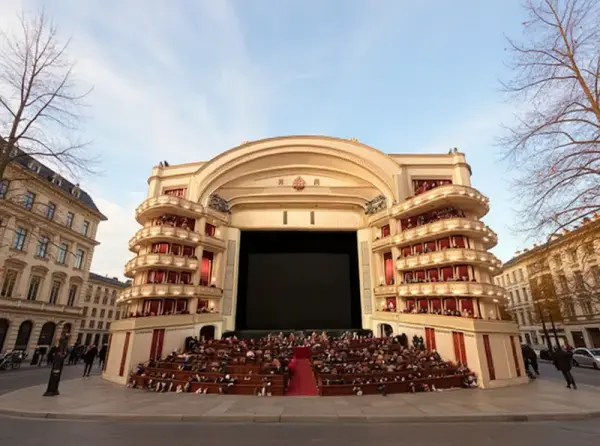
5. Vienna State Opera (Wiener Staatsoper)
Wiener Staatsoper
Grand 19th-century opera house with world-class productions. Hear spectacular opera and ballet, tour the auditorium and try cheap standing-room tickets for a live experience.
Quick facts: Golden chandeliers and a horseshoe-shaped auditorium hide an insanely busy schedule, with roughly 300 performances a year that keep world-class singers, ballets, and orchestras constantly rotating through the stage. Locals and visitors can often snag surprisingly affordable standing-room tickets, so you might hear sumptuous arias up close without splurging on a box.
Highlights: The original curtain rose in 1869 to Mozart's Don Giovanni with Emperor Franz Joseph I watching from the royal box, and the gilded auditorium still smells of velvet and slightly of old stage wood when you step inside. Many nights you can nab a standing-room ticket for about €3, packing shoulder to shoulder with students and retirees as binoculars bob and the orchestra warms up, which feels like sneaking into a private, live soundtrack.
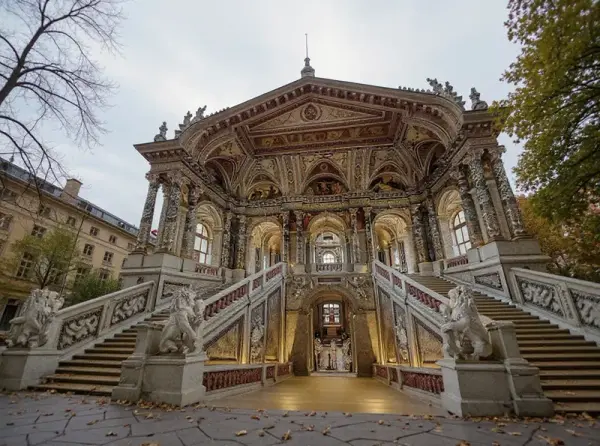
6. Kunsthistorisches Museum Wien
Grand imperial palace with one of Europe’s finest Old Master and decorative art collections. Wander lavish halls to see Titian, Bruegel, Rubens and ornate historic rooms.
Quick facts: A soaring marble staircase and jewel-like galleries flood the rooms with warm light, making Old Master canvases and richly detailed applied arts feel theatrically alive. Many visitors are surprised to find both glittering armor and intimate portrait rooms on the same route, revealing the imperial taste for spectacle alongside quiet, everyday details.
Highlights: Peek into the restored Renaissance Kunstkammer where Benvenuto Cellini's gold-and-ivory Saliera, dated 1543, sits under a single spotlight beside tiny automata and micro-carved gems, the metal's warm gleam contrasting with the cool glass cases. Around the corner you'll find Pieter Bruegel the Elder's 'Hunters in the Snow' up close, so you can trace the little painted foxes and village smoke with your eyes and hear the wooden floors creak like an old story being read aloud.
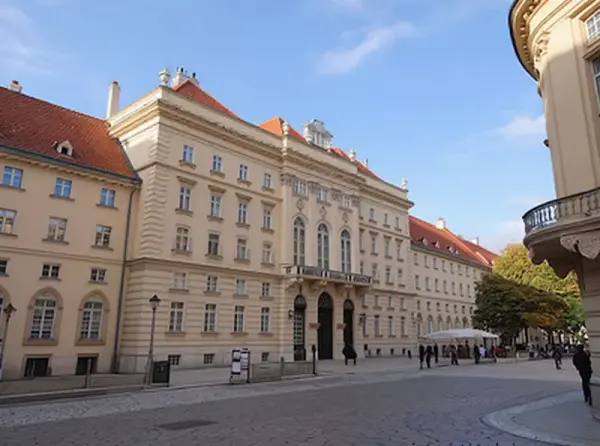
7. MuseumsQuartier (MQ)
MQ
World-class museums and lively courtyards in one cultural campus. Explore modern and classical art, grab coffee on a sunny terrace, and catch pop-up events.
Quick facts: A maze of pastel courtyards and airy galleries hums with street performers, pop-up cafés, and one of Europe’s most vibrant contemporary art scenes. Visitors flop onto oversized beanbag loungers on warm afternoons, while hundreds of exhibitions, film screenings, and experimental performances animate the complex year-round.
Highlights: A sprawling complex of museums and creative spaces opened in 2001 covers over 60,000 square meters, where locals collapse onto oversized colorful loungers and sip coffee from the courtyard cafés as DJs spin until late. You can wander from the Leopold Museum's famed Egon Schiele paintings to MUMOK's Pop Art icons like Warhol and Picasso, then catch free outdoor film screenings and impromptu contemporary dance on the warm stone terraces.
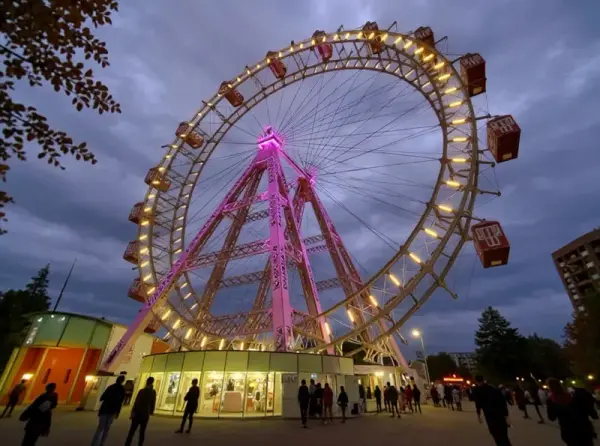
8. Prater & Giant Ferris Wheel (Wiener Riesenrad)
Wiener Riesenrad
Iconic Vienna landmark offering sweeping city views. Ride century-old wooden cabins for skyline and Danube panoramas.
Quick facts: Nighttime rotations treat visitors to glittering panoramas and slow-moving gondolas, perfect for savoring skyline views while photographers chase the golden-hour glow. A single circuit lasts about ten minutes, and the wooden cabins have popped up in several films, giving each ride a surprising rush of cinematic nostalgia amid the gentle creak and breeze.
Highlights: Perched 64.75 meters above the park, the 15 timber-clad gondolas have been turning slowly since 1897, built to mark Emperor Franz Joseph I's golden jubilee, and their wooden benches still give a soft creak underfoot. Couples still hire a private cabin for candlelit proposals while film buffs point out the exact seat where the Orson Welles and Joseph Cotten confrontation was filmed in Carol Reed's 1949 noir The Third Man.
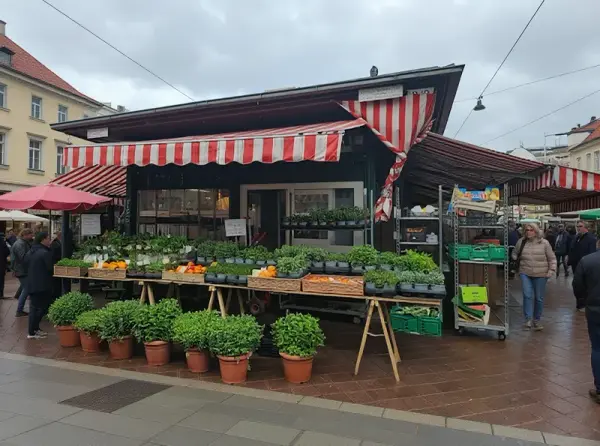
9. Naschmarkt
A bustling open-air market mixing Viennese stalls and international flavors. Wander colorful aisles, sample street food, and browse antiques and spices.
Quick facts: A kaleidoscope of stalls fills the air with spices, cured meats, and fresh produce, where hundreds of vendors pack narrow aisles and haggle with regulars. Hungry visitors sample tiny plates at bustling counters, discovering local classics alongside international street food in a lively, communal atmosphere.
Highlights: On Saturday mornings the long row of roughly 120 stalls bursts into a carnival of color and scent, with at least five carts grilling squeaky halloumi and vendors calling in a dozen languages as smoked paprika, lemon and fresh basil drift through the stone-paved aisles. Near the old market gate a modest glass-roofed stall ladles apricot jam from 250-gram jars and hands out a spoonful to curious strangers, while regulars tip a euro for a tiny shot of pear schnapps after striking a good bargain.
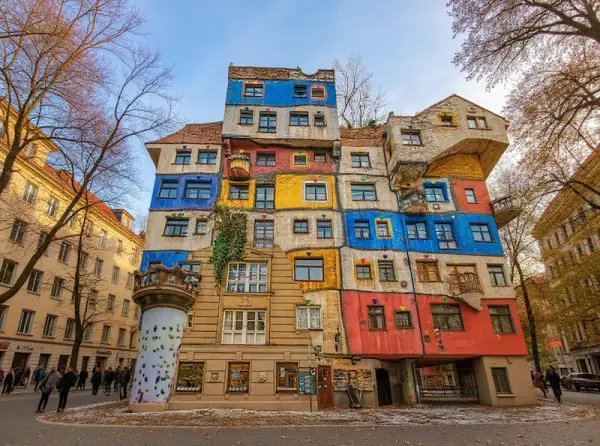
10. Hundertwasserhaus
Colorful, sinuous architecture in central Vienna, Hundertwasserhaus turns an apartment block into living art. Explore uneven floors, rooftop gardens and striking mosaics.
Quick facts: Winding, colorful façades and undulating, plant-covered roofs make the building feel like a fairytale village squeezed into a city block, with roughly 250 trees and shrubs spilling from its terraces. Visitors often notice the intentionally uneven, bumpy floors and playful mosaics underfoot, details meant to slow you down and invite lingering rather than hurrying by.
Highlights: About 250 trees and shrubs burst from balconies and rooftops, their trunks tucked into planters and terraces because Friedensreich Hundertwasser insisted residents integrate greenery into the facade's riot of colored tiles. Inside, deliberately wavy, uneven floors make you feel like you're walking on a small boat, and a quirky tenant tradition of hand-painting window frames means every aperture is a different color and pattern.
Where to Stay in Vienna, Austria
Selected by City Buddy based on guest reviews and proximity to top attractions
Search all hotels in Vienna, AustriaPowered by agoda
Opening days in Vienna, Austria
Which of the top sights close on which day of the week — the classic trip-ruiner, checked for you.
Monday: 1 of 6 top sights closed — plan museums for another day.
Closed on Monday · 1 closed, 5 open
Opening days from Google Maps (checked 2026-02-19). Public holidays, strikes and seasonal hours can differ — check the official website before you go.
Traditional Sweet Dishes
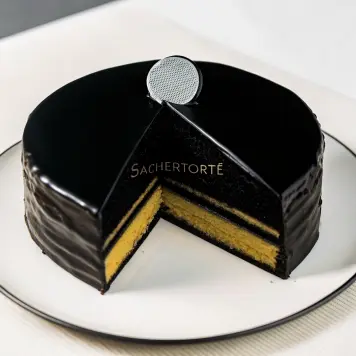
Sachertorte
Sachertorte was created in 1832 by Franz Sacher for Prince Metternich, its dense chocolate cake layered with apricot jam and a glossy chocolate glaze sparked a famous rivalry between the Sacher family and a Viennese pastry house.
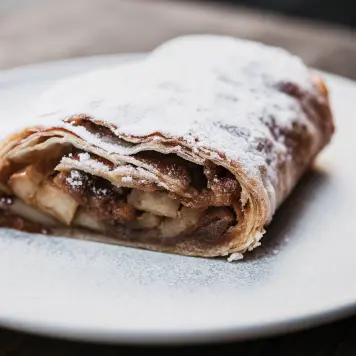
Apfelstrudel
Apfelstrudel uses paper-thin pastry stretched until nearly transparent, filled with tart apples, cinnamon, raisins and breadcrumbs, and its technique showcases the showmanship of Vienna's pastry tradition.
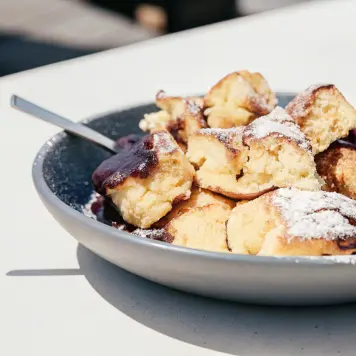
Kaiserschmarrn
Kaiserschmarrn is a light, caramelized pancake said to be an imperial favorite of Emperor Franz Joseph, it is torn into bite-sized pieces and traditionally served with plum or apple compote.
Traditional Savory Dishes
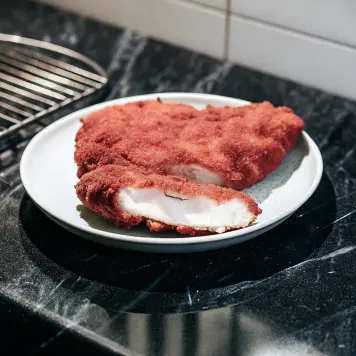
Wiener Schnitzel
Wiener Schnitzel is a thin veal cutlet pounded almost translucent, breaded and fried until golden, and in Austria it is classically understood to be made from veal unless labeled otherwise.
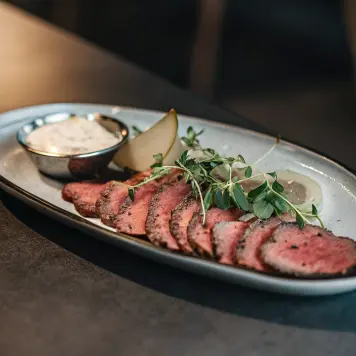
Tafelspitz
Tafelspitz was a beloved dish of Emperor Franz Joseph, it is gently simmered beef served with horseradish and apple condiments and prized for its clear, savory broth.
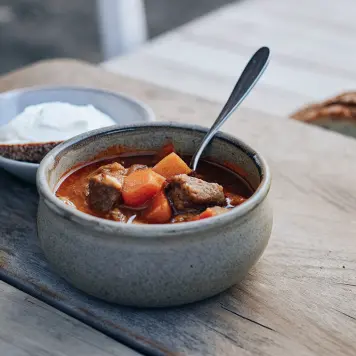
Goulash
Goulash came to Vienna from Hungary and evolved into a thick, paprika-spiced stew that became a tavern and railway-station staple, often enjoyed with bread or dumplings.
Traditional Beverages
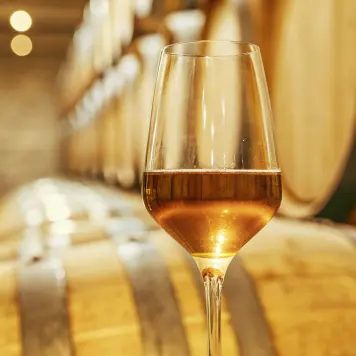
Austrian Wine
Austria is renowned for Grüner Veltliner and Riesling, its white wines tend to be crisp and peppery, and strict local quality traditions help tiny vineyards produce world-class bottles.

Almdudler
Almdudler, created in 1957, is a herbal Alpine soda made from secret blends of mountain herbs, and it is often called Austria's unofficial national soft drink.
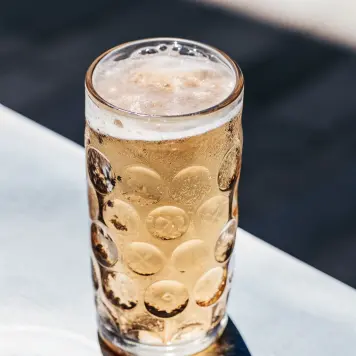
Sturm
Sturm is partially fermented grape must available only in autumn, it is sweet, cloudy and fizzy, and Austrians celebrate the short season with harvest festivals and barrel tastings.
Know before you go
What a day costs in Vienna, and the rip-offs to avoid
Top rip-offs to avoid
- Touting unlicensed drivers. Walk to the official taxi rank only, or book via the regulated apps (Uber, Bolt, Wiener Taxi, Taxi 40100). Confirm the meter is on before you start.
- Flower or trinket push. Do not make eye contact, do not accept the item, and keep walking. Simply say no and continue past them.
- Distraction or pickpocket teams. Keep bags zipped and in front. Avoid standing near metro doors, and do not stop for people asking for directions or signatures.
Fair taxi from the airport: €36 - €45
Cheaper option: City Airport Train (CAT), direct to Wien Mitte (€16)
All scams, fair prices and rulesFrequently Asked Questions about Vienna, Austria
Is Vienna, Austria safe for tourists?
How many days should I spend in Vienna, Austria?
What is the best time to visit Vienna, Austria?
Is Vienna, Austria expensive to visit?
How to get around Vienna, Austria?
Get a PDF with the most popular attractions sent to your email
Get a PDF with all attractions, ratings, and tips. Perfect for offline use.
Most popular day trips
Bratislava (Slovakia)
Compact medieval Old Town across the Danube; quick cultural stop.
Wachau Valley (Melk / Dürnstein)
Scenic river valley, vineyards, Melk Abbey and picturesque villages.
Salzburg
Mozart's birthplace with baroque old town and fortress views.
Graz
UNESCO old town, eclectic architecture and lively culinary scene.
Getting there
Airports
Train stations
Railjet, ICE, EuroCity – major international/domestic connections
Westbahn and regional services to the west and city
Regional and long-distance services; convenient south access
From VIE use the City Airport Train (16 min) or S-Bahn S7; allow 30–45 min to center.
Useful information for Vienna, Austria
Overview for Vienna, Austria
Compare Vienna with other destinations
Prices, safety, weather and top attractions side by side, with a verdict for every kind of traveler.
Want a day-by-day plan for Vienna, Austria? Open the trip planner
Plan your perfect trip to Vienna, Austria
Get a complete travel plan built just for you in under 30 seconds, with daily routes, local food tips, budget estimates and more.
Are any of these especially important to you?
Select all that apply
Getting around
How do you want to move between places?
Plan language: EnglishMost popular itineraries for Vienna, Austria
Browse trip plans created by other travelers
3-Day Vienna for Offbeat Discoverers and Budget Backpackers
Explore Vienna beyond the usual trails with free tours, local hangouts, and hidden gems perfect for budget travelers in spring.
4-Day Vienna for Food and Nature Enthusiasts
Dive into Vienna's vibrant food markets and authentic eateries while exploring scenic parks and outdoor adventures in spring.