 CityBuddy
 English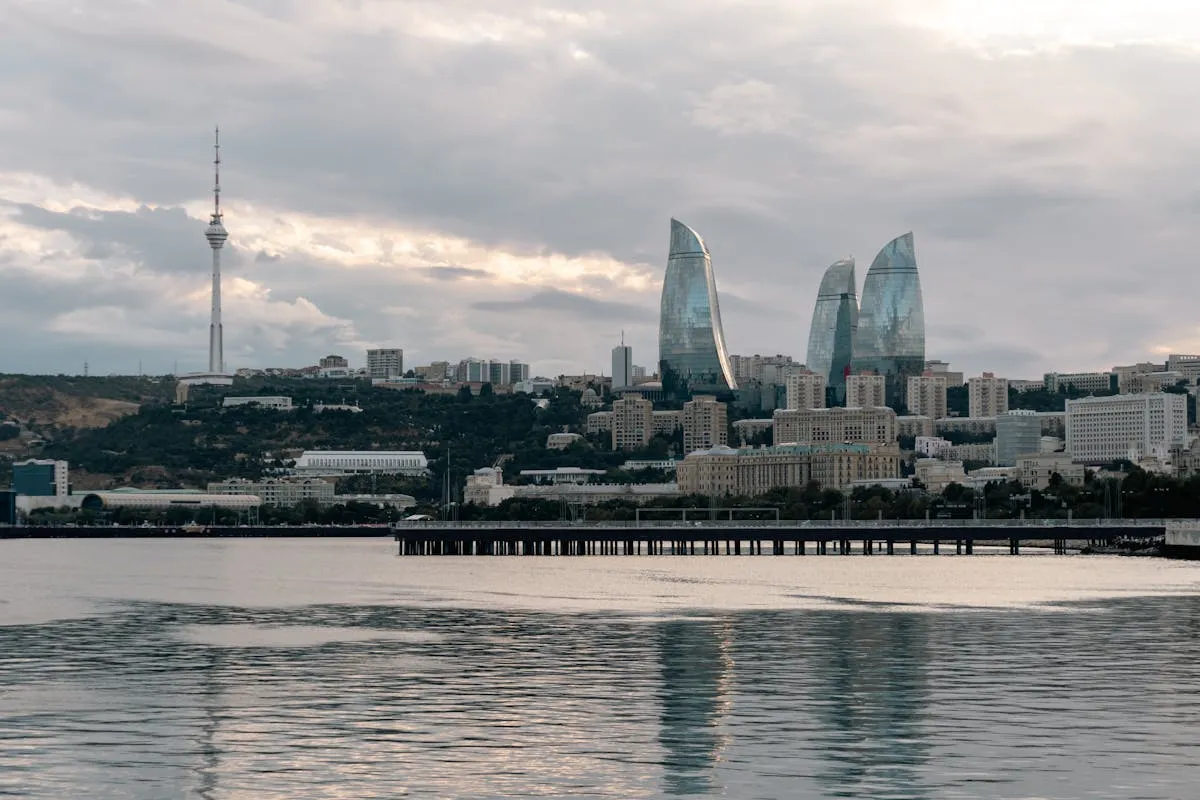
Things to Do in Baku, Azerbaijan
Photo made by Zulfugar Karimov on Pexels.com
When to visit
Most popular attractions in Baku, Azerbaijan
Top things to do in Baku, Azerbaijan include exploring Icherisheher, the ancient Old City spanning 21 hectares, home to the 12th-century Maiden Tower and the Palace of the Shirvanshahs. For a contrast, visit the Flame Towers, three skyscrapers representing flames, along with the futuristic Heydar Aliyev Center, 40 minutes from the city center.
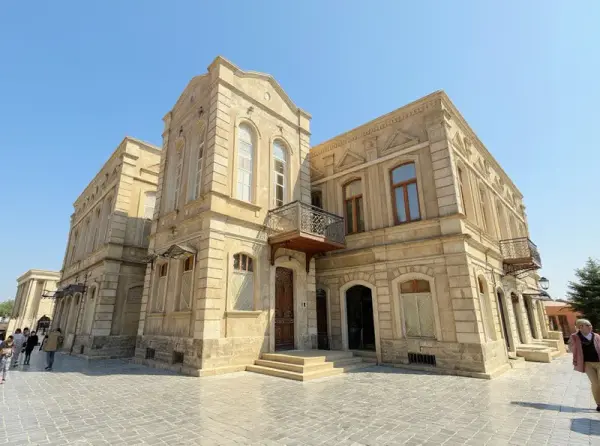
1. Icherisheher (Baku Old City)
Baku Old City
Historic heart of Baku where medieval walls meet Persian and Soviet layers. Wander cobbled alleys, climb the Maiden Tower, and sip tea in caravanserai courtyards.
Quick facts: Wandering the maze of narrow cobblestone alleys, you can feel centuries underfoot and smell roasted chestnuts from a nearby stall. Atop a crenelated wall the view suddenly flips from intimate courtyards to glittering modern towers, and more than a dozen tiny museums and historic baths wait to be explored.
Highlights: Slip into the maze of alleys barely two metres wide and you can still hear elders calling recipes by name, like chudu and kutabs, as the scent of wood-fired lavash and coriander hangs in the air. At dusk an old superstition turns stone steps into a conversation: locals drop a peeled pomegranate seed into a tiny crevice and whisper a wish, a ritual claimed by some families for over four generations.
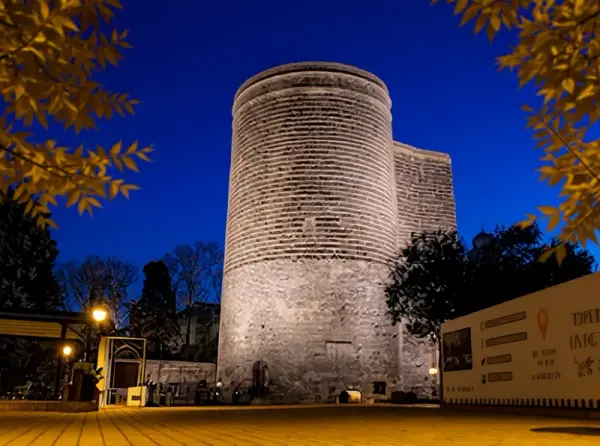
2. Maiden Tower (Qiz Qalasi)
Qiz Qalasi
An iconic cylindrical fortress offering 1,000 years of Baku history. Climb narrow stairways and enjoy panoramic Old City and Caspian views.
Quick facts: Climb the winding stairwell and feel the stones underfoot, their uneven wear whispering stories of countless footsteps. Golden light pours through narrow slits, turning every photograph into a mythic frame while guides trade playful theories about hidden chambers and ancient fire rituals.
Highlights: Climb the narrow spiral staircase and you'll notice the thick stone walls hold a faint tang of smoke and salt, while shafts of light slice across worn steps, making the whole interior feel like a storybook chest nearly 30 meters tall. Old storytellers still whisper about a defiant young woman who leapt rather than marry, and some locals quietly light a single candle on certain nights, the tiny flame throwing ghostly shadows across a weathered carving that people trace with their fingertips.
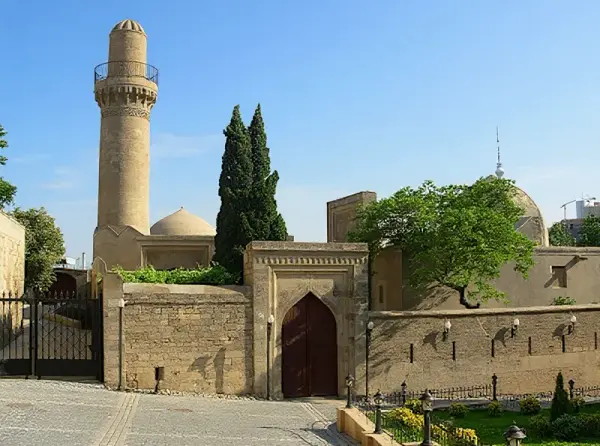
3. Palace of the Shirvanshahs
Royal medieval palace showing Azerbaijan's Shirvanshah dynasty architecture. Explore courtyards, ornate halls, a peaceful mosque and sweeping Old City views.
Quick facts: Wandering the cool, shadowed courtyard reveals delicate stone carvings and hidden niches that catch the light like filigree. A climb up worn steps brings you to a tiny domed chamber where a shaft of sunlight turns weathered brick into gold, so it's easy to picture poets and courtiers whispering here.
Highlights: Built in the 15th century by the Shirvanshah rulers, the complex centers on an eight-sided Divankhana and a small mausoleum where the Sufi scholar Seyyid Yahya Bakuvi is buried; you can still make out worn Arabic inscriptions and prayer grooves carved into the stone. Step into the cool, echoing bathhouse and watch sunlight spill through tiny circular skylights to make pinpricks of light on the flagstones, the exact same light pattern people have seen for roughly 600 years.
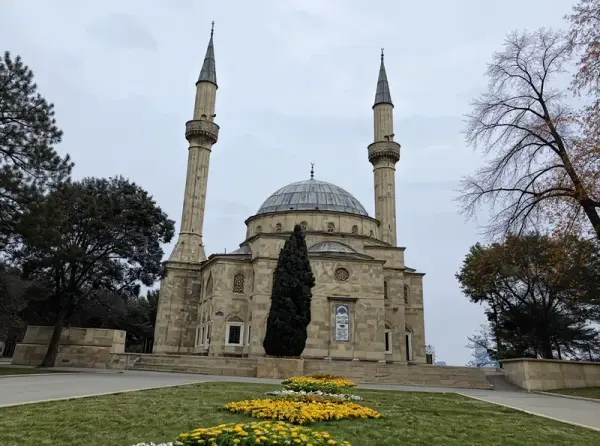
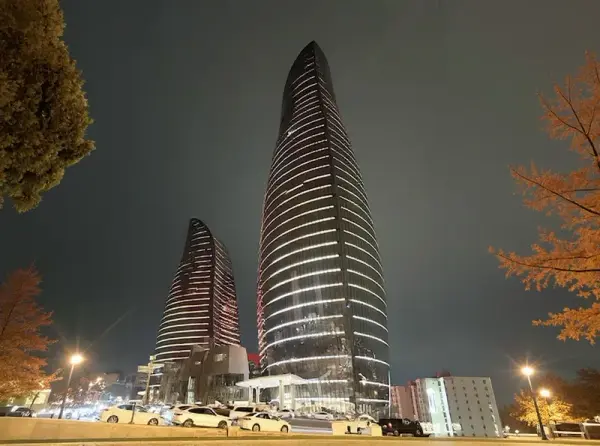
4. Flame Towers
Iconic trio of flame-shaped towers lights up Baku's skyline. Enjoy sweeping Caspian views, LED shows and rooftop bars.
Quick facts: Three glass-clad towers gleam like tongues of flame, their LED skins painting the skyline with animated bursts of color that can be seen for miles. Walk along the waterfront at night and you'll catch the flicker of themed light shows, reflections dancing on the water and the low hum of the city around you.
Highlights: At night the glass-clad trio of 190-meter towers becomes a 10,000-LED flame that ripples along the curved façades, projecting images like the red, green and blue of the flag and a giant dancing pomegranate across the skyline. Local wedding parties and taxi drivers have a quirky habit of timing photos at sunrise or 6 to 7 p.m., claiming the angled light and wind gusts of up to 70 km/h create a perfect golden rim and a low, cathedral-like whoosh you can feel in your chest.
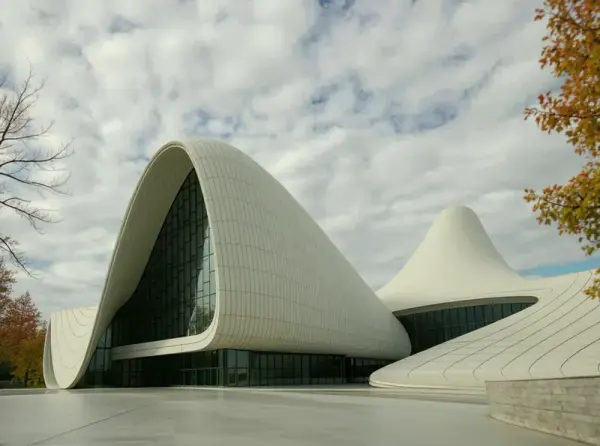
5. Heydar Aliyev Center
A sculptural landmark of modern Azerbaijan designed by Zaha Hadid. Explore flowing galleries, contemporary exhibitions and striking city views.
Quick facts: Smooth, flowing curves make the building feel like a frozen wave, guiding visitors through galleries where floors, walls and ceilings blur into a single continuous surface. Under a pearly white skin the seamless exterior mirrors the sky so vividly that people often mistake reflections for voids, a bold example of architecture becoming an immersive experience.
Highlights: Zaha Hadid designed the building, completed in 2012, with about 57,500 square meters of continuous curved surface so precisely modeled that builders relied on 3D-printed templates to cut thousands of unique panels, giving the skin a seamless, satin-like sheen at sunset. A quirky local habit is to stage slow-motion photo shoots on the long white steps at golden hour, photographers timing exposures to catch the façade shifting from pearly white to warm gold, which makes the place feel like a giant camera set.
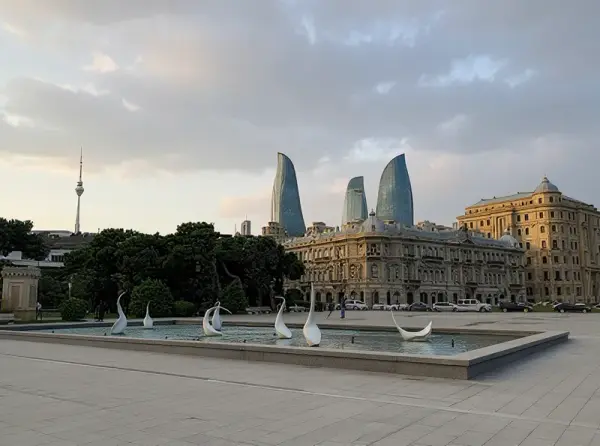
6. Baku Boulevard (Seaside National Park)
Seaside National Park
Lively waterfront with panoramic Caspian views and modern public art. Walk or cycle the long promenade, ride the Ferris wheel and watch Flame Towers light up at night.
Quick facts: More than 3.5 kilometers of waterside promenade invite relaxed strolls, where café tables, sculpture gardens, and a towering Ferris wheel punctuate the skyline. Autumn breezes and choreographed fountain shows make evenings feel cinematic, while bike lanes and playgrounds keep families and cyclists returning.
Highlights: At golden hour the roughly 3.5-kilometer seafront promenade fills with the scent of grilled fish and roasted chestnuts while the three Flame Towers catch the light and streak ribbons of gold across the water. Locals practice a quirky ritual of tucking tiny painted pebbles and coins beneath a concrete bench by the musical fountains, so when the evening light-and-music set begins you can hear them tinkle underfoot like a secret bell.
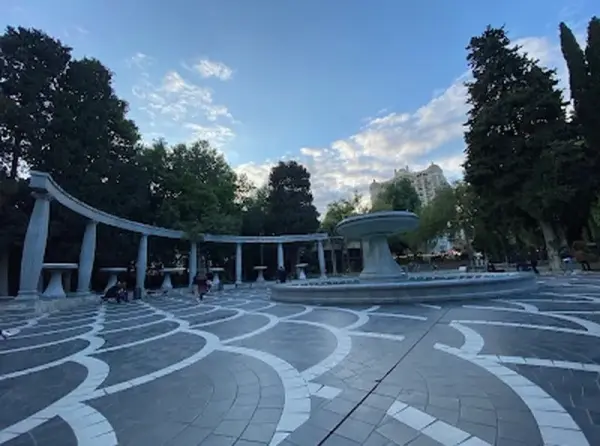
7. Fountain Square (Fəvvarələr Meydanı)
Fəvvarələr Meydanı
Lively central plaza with fountains, cafés and nightlife. Stroll the pedestrian square, catch illuminated water shows and people-watch.
Quick facts: Cobbled paths and bubbling jets lure café crowds and street musicians, while the scent of roasted chestnuts and warm stone makes evenings feel instantly cozy. Glowing fountains sync with music and color, turning a casual stroll into a mini light show that photographers and locals race to capture.
Highlights: On warm evenings, three street musicians often set up by the largest fountain, playing soulful mugham as the spray cools your face and the air fills with the sweet, nutty scent of roasting chestnuts from a vendor selling them for about 1 AZN a bag. A quirky local habit sees people press a single coin into the bronze plinth of an old statue and whisper a short wish in Azerbaijani, a small ritual many locals say brings a streak of luck before heading to nearby late-night cafes.
8. Martyrs' Lane (Şəhidlər Xiyabanı)
Şəhidlər Xiyabanı
A moving open-air memorial that honors Azerbaijan's modern history. Walk among marble slabs, flame monuments, and wide city views that invite quiet reflection.
Quick facts: A wind-whipped avenue of graves and flickering candles feels like a nation's memory made visible, with neat headstones and clusters of red carnations left by visitors. Night visits are particularly moving, when a solemn flame and a lone guard create a hushed, cinematic atmosphere that draws thousands to pay their respects.
Highlights: Arrive before sunrise and you’ll see rows of polished black stone reflecting a bruised pink sky, each slab etched with a name and an age, sometimes a small handwritten note tucked into a crack. On January 20 every year survivors and schoolchildren lay candles and flowers at particular graves, honoring victims of the 1990 crackdown and later conflicts; the steady hum of whispered names feels like a chorus rather than silence.
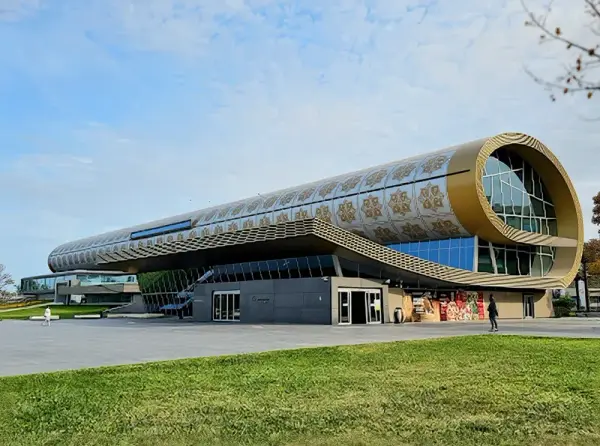
9. Azerbaijan Carpet Museum
Modern architecture housing centuries of Azerbaijani carpet art makes the museum worth visiting. Wander galleries of vibrant handwoven carpets, patterns, and traditional techniques.
Quick facts: Visitors wander through galleries of rich texture and color, where hand-knotted rugs gleam under soft lighting and each tiny knot reflects generations of skill. Surprisingly, the collection tops 10,000 items, ranging from miniature prayer rugs to large pictorial carpets that embed local stories and dyeing secrets into their weaves.
Highlights: You approach a building shaped like a giant rolled carpet, its curved glass skin catching the sun so the whole façade shimmers like braided silk. Inside, more than 10,000 handwoven pieces are organized by region and technique, and a supervised exhibit lets you press your palm to a protected wool sample to feel the lanolin-slick softness that makes pomegranate-red and cobalt-blue dyes sing.
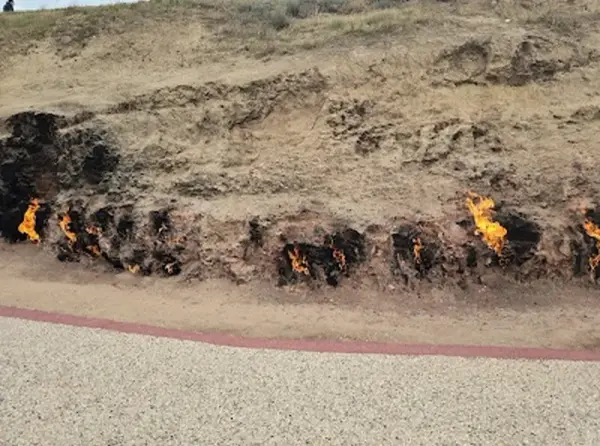
10. Yanar Dag (Burning Mountain)
Burning Mountain
Fiery natural gas vents burn on a hillside outside Baku, creating an eerie, otherworldly glow. Visit at dusk to watch blue flames flicker against the dark sky.
Quick facts: Gusts of warm air carry a faint mineral smell while steady orange-blue tongues of flame lick a rocky slope, the glow fueled by natural hydrocarbons seeping from underground. Surprisingly, some researchers believe the seepage has been active for centuries and pilgrims once treated the site as sacred, while modern visitors linger after dark to photograph the hypnotic blaze.
Highlights: A persistent natural-gas seep feeds a steady orange flame that can reach about three meters high along a rocky slope, so you can hear a faint hiss and see heat shimmer on cold nights. Local lore says shepherds and night-watchers warmed themselves there for generations, and when wind and gas align the flame's inner core can turn an almost electric blue, making the orange tongues look like molten metal under a sapphire glow.
Where to Stay in Baku, Azerbaijan
Selected by City Buddy based on guest reviews and proximity to top attractions
Search all hotels in Baku, AzerbaijanPowered by agoda
Opening days in Baku, Azerbaijan
Which of the top sights close on which day of the week — the classic trip-ruiner, checked for you.
Monday: 2 of 9 top sights closed — plan museums for another day.
Closed on Monday · 2 closed, 7 open
Opening days from Google Maps (checked 2026-02-19). Public holidays, strikes and seasonal hours can differ — check the official website before you go.
Traditional Sweet Dishes
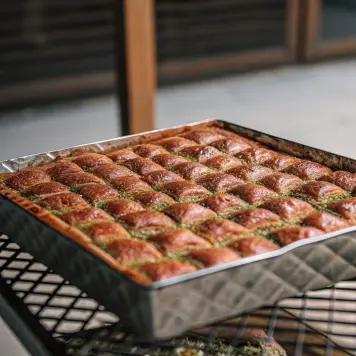
Baklava
Azerbaijani pakhlava is often baked in large diamond-patterned trays and flavored with saffron or rosewater, and serving a piece is a traditional sign of hospitality at weddings and festivals.
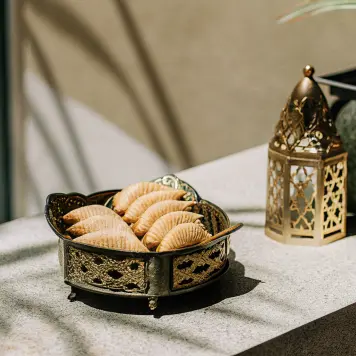
Shekerbura
Shekerbura is a crescent-shaped pastry filled with ground nuts and sugar, traditionally decorated by hand with intricate patterns and made by families together for the Novruz spring festival.
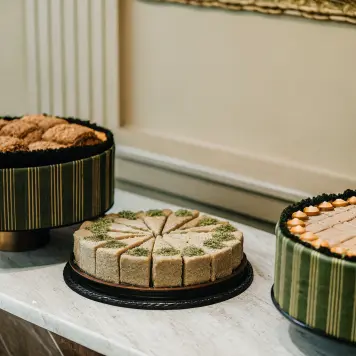
Halva
Halva in Baku comes in many textures from crumbly to silky, and it is both a festive sweet and a meaningful offering at family ceremonies, linking celebration and remembrance.
Traditional Savory Dishes

Plov (pilaf)
Azerbaijani plov is built from separately cooked components so rice stays fluffy while toppings like saffron, dried fruits, and caramelized meat create dramatic layers of color and flavor.
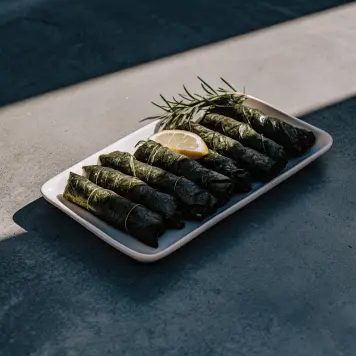
Dolma
Dolma in Azerbaijan can mean stuffed vine leaves, peppers, or even quince, and the skillful rolling and balance of meat and herbs reflects a region where every garden ingredient finds a culinary role.
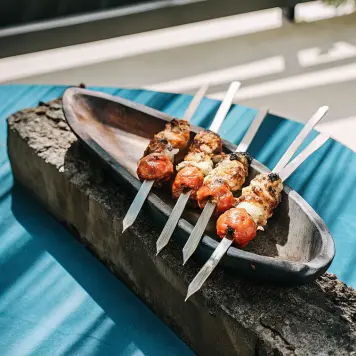
Kebabs
Azerbaijani kebabs, often made from juicy lamb skewers, are traditionally grilled over fruitwood which adds a subtle sweet smoke, and cooks sometimes add little pieces of tail fat to keep the meat glossy and tender.
Traditional Beverages
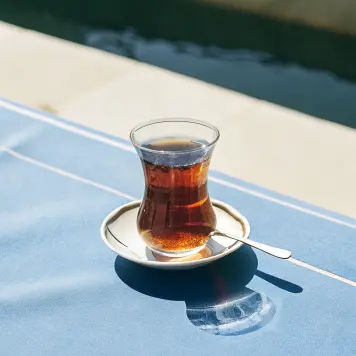
Black tea
Black tea is the backbone of Azerbaijani hospitality, poured strong into slender armudu glasses and sipped throughout the day alongside sweets and long conversation.

Ayran
Ayran is a simple chilled mix of yogurt, water, and salt, and in Baku it is a common cooling companion to rich kebabs and spicy dishes.

Sherbet
Sherbet is a syrupy fruit or floral drink often made from pomegranate, quince, or rose, and historically it was served as a digestif and a symbol of welcome on the Silk Road.
Know before you go
What a day costs in Baku, and the rip-offs to avoid
Top rip-offs to avoid
- Unlicensed airport taxis. Walk to the official taxi desk inside arrivals or book through Bolt before leaving the terminal. Do not negotiate with drivers who approach you outside.
- Friendly stranger invitations. Politely decline unsolicited help and recommendations. Research venues yourself and compare prices before buying.
- Marshrutka overcharging. Check the posted fare or ask a local before boarding. Pay the exact amount in manat to avoid confusion.
Fair taxi from the airport: ₼20 - ₼35 (€10 - €18)
Cheaper option: Airport Express bus (line A1) to 28 May metro station in the centre (₼1.50)
All scams, fair prices and rulesFrequently Asked Questions about Baku, Azerbaijan
What is the best time to visit Baku, Azerbaijan?
Is Baku, Azerbaijan expensive for travelers?
How safe is Baku, Azerbaijan for tourists?
How do I get around Baku, Azerbaijan?
How many tourists visit Baku, Azerbaijan each year?
Get a PDF with the most popular attractions sent to your email
Get a PDF with all attractions, ratings, and tips. Perfect for offline use.
Most popular day trips
Ateshgah (Fire Temple) & Yanardag
Ancient fire temple and continuously burning natural gas hillside.
Quba and Khinalug area (Quba)
Mountain towns, carpets and scenic countryside.
Sumgayit coast & beaches
Soviet-era coastal city with beaches and promenades.
Getting there
Train stations
Domestic (Ganja, Sumgayit), Baku–Tbilisi international link
Take the Airport Express bus or official taxi; 30–40 min to downtown (depending on traffic).
Useful information for Baku, Azerbaijan
Overview for Baku, Azerbaijan
Want a day-by-day plan for Baku, Azerbaijan? Open the trip planner
Plan your perfect trip to Baku, Azerbaijan
Get a complete travel plan built just for you in under 30 seconds, with daily routes, local food tips, budget estimates and more.
Are any of these especially important to you?
Select all that apply
Getting around
How do you want to move between places?
Plan language: English