 CityBuddy
 English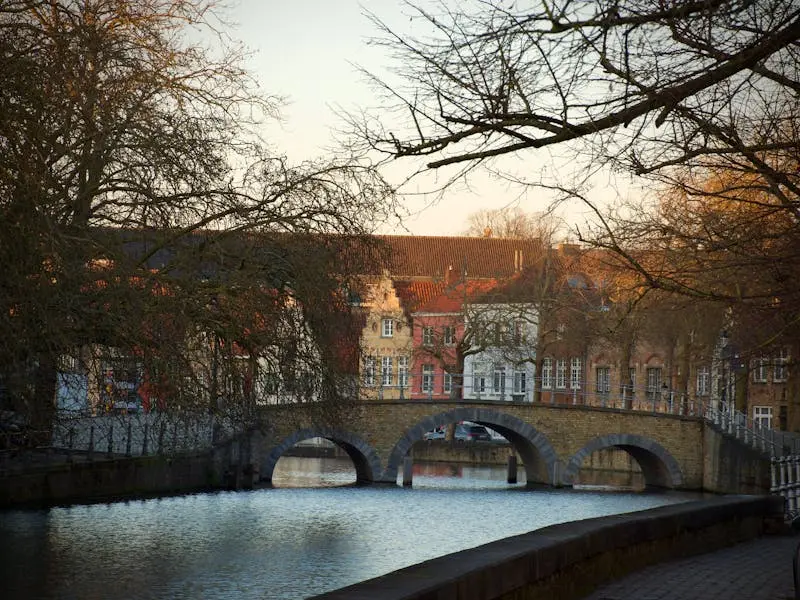
Things to Do in Brugge, Belgium
Photo made by Rajkumar Bhandari on Pexels.com
When to visit
Most popular attractions in Brugge, Belgium
Things to do in Brugge, Belgium include climbing the Belfry of Bruges, which offers panoramic views of the city from its 366 steps. Wander through Market Square, where centuries of history unfold around you. A Canal Boat Tour provides a unique perspective on Brugge’s medieval waterways and charming architecture.
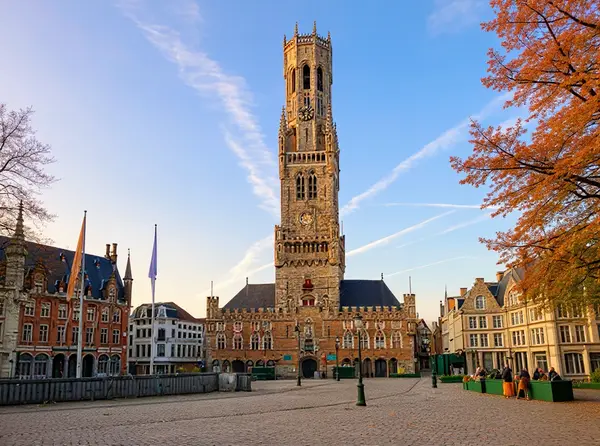
1. Belfry of Bruges
Experience breathtaking medieval views from a towering climb. Hear the melodic bell carillon echo through charming city streets and history underfoot.
Quick facts: Climbing 366 steps leads to panoramic views stretching out over the medieval cityscape. The tower rings with a carillon of 47 bells that chime melodies on the hour and during special events.
Highlights: Ascending narrow, winding stairs feels like stepping back in time while panoramic views reward the climb from the top platform. The original wooden dragon weather vane perched at the peak captures one of the tower's iconic silhouettes against the sky.
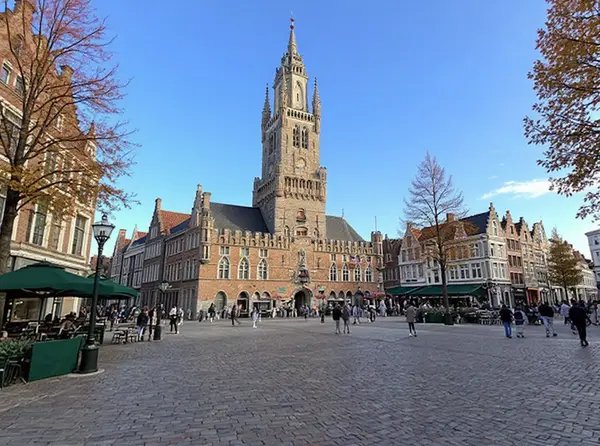
2. Market Square
Step into vibrant history where medieval meets lively modern charm. Enjoy colorful markets, historic towers, and bustling cafe terraces that bring the square alive.
Quick facts: Market Square buzzes with energy from over a hundred outdoor cafes surrounding the grand Belfry tower. Local markets here once dictated Brugge's medieval economy with merchants trading cloth, spices, and silks.
Highlights: Spot the fascinating horse troughs near the Belfry, remnants of a medieval transport system. On Saturdays, the market spills vibrant stalls selling fresh produce, flowers, and artisan goods, turning the square into a feast for the senses.
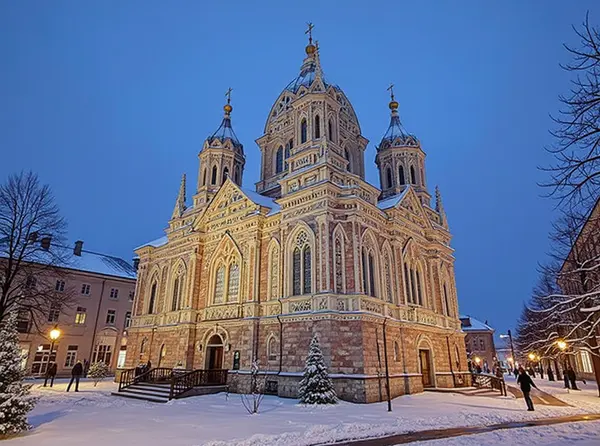
3. Basilica of the Holy Blood
Discover a sacred relic and medieval rituals up close. Experience a mystical chapel and vibrant historic processions that captivate all visitors.
Quick facts: Two vials within this basilica hold a cloth believed to contain the blood of Christ, brought back from the Second Crusade. Each year, a procession parades the relic through the streets, drawing thousands in colorful medieval costumes.
Highlights: A secret staircase leads you up to a small chapel where the relic is housed, bathed in soft candlelight that casts a mystical glow. Witnessing the annual procession offers a vivid glimpse into medieval devotion with over 1,000 participants reenacting the event.
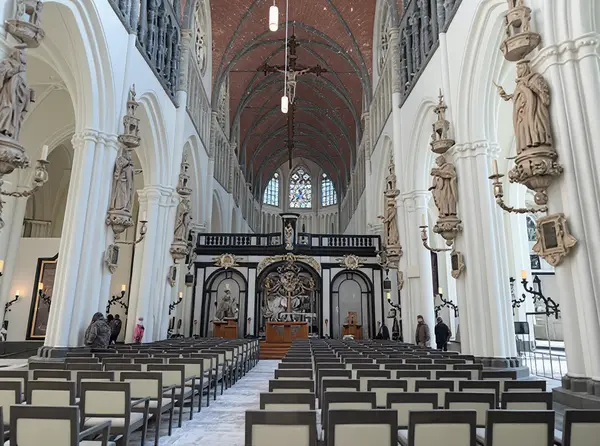
4. Church of Our Lady Bruges
Experience awe-inspiring architecture and rare art. Discover Michelangelo's marble masterpiece and centuries of history all under one soaring roof.
Quick facts: A striking feature of this church is its towering brick spire, which reaches an impressive height of about 115 meters. Among its treasures, a breathtaking marble sculpture named 'Madonna and Child' by Michelangelo stands out as one of the few of his works to have left Italy.
Highlights: Visitors can marvel at the life-size marble statue that was secretly transported from Italy in the early 1500s, a masterpiece that still captivates with its delicate detail. The church also shelters the tombs of notable European noble families, adding a historic aura to its grand interiors.
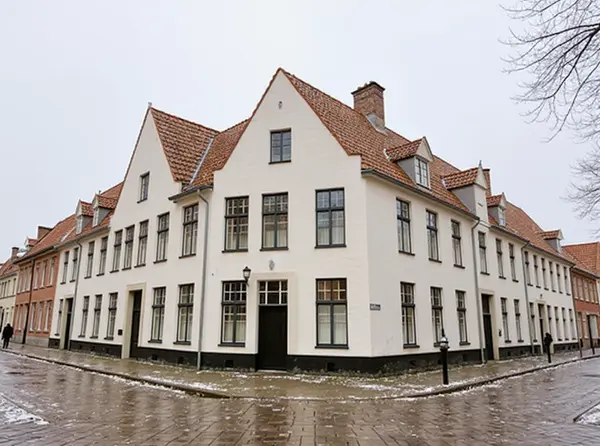
5. Beguinage
Experience a peaceful retreat surrounded by historic charm. Wander tranquil courtyards and discover centuries-old stories etched in every stone.
Quick facts: A serene oasis amidst the bustling city, this tranquil spot hosts former homes of religious women known as Beguines. The charming whitewashed walls and cobblestone paths create an atmosphere that feels like stepping back in time.
Highlights: Mercator, a famous cartographer, once lived here and his house showcases fascinating old maps and globes. The peaceful inner courtyard, lined with orange trees, invites visitors to pause and soak up the calm away from city noise.
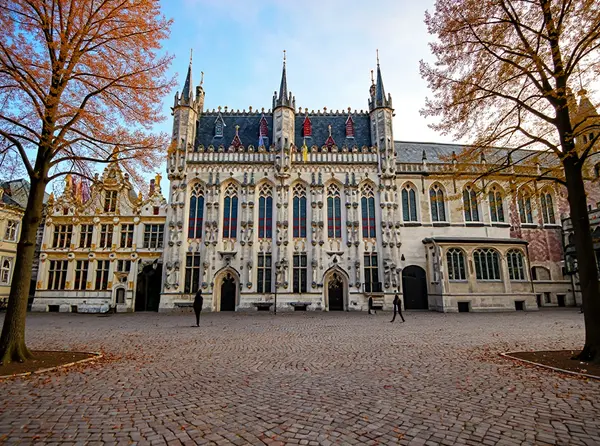
6. Bruges City Hall
Experience the grandeur of gothic architecture and medieval splendor. Walk through halls where history is vividly painted and sculpted around you.
Quick facts: The ornate architecture showcases a blend of Gothic styles with a striking façade that has over 200 statues of historical figures. It was a major center of medieval power and civic pride, reflecting the city's wealth and unique governance.
Highlights: A rare feature is the richly painted and gilded interior, especially the Gothic Hall's vaulted ceiling covered with vibrant murals depicting scenes from Bruges' history. The intricate wooden panels and the detailed coats of arms bring the walls alive with stories of the past.
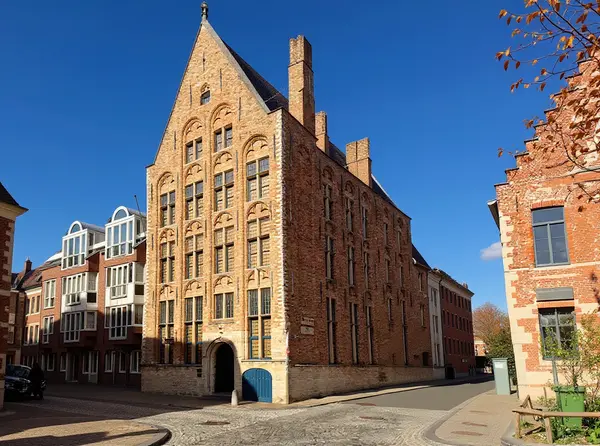
7. Choco-Story
The Chocolate Museum
Dive into the delicious history and craft of fine chocolate. Watch, learn, and taste where centuries of chocolate making come alive.
Quick facts: Chocolate has been at the heart of local culture here, with over 500 years of history influencing the treats on display. Visitors can delve into the fascinating journey of cacao from bean to bar, complete with authentic chocolate-making demos.
Highlights: One standout moment is witnessing the ancient chocolate grinder from the 17th century in action, still used to craft small batches by hand. The air fills with rich chocolate aromas as you explore hands-on exhibits, making it a feast for all senses.
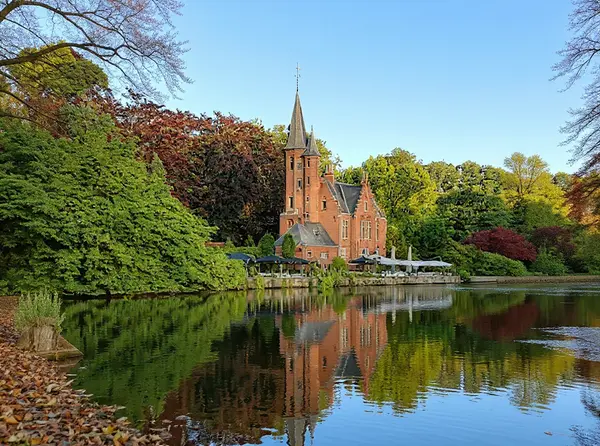
8. Minnewater Park
Peaceful waters and graceful swans set a calm mood. Experience romantic strolls and charming historic views that soothe the soul.
Quick facts: A serene lake in the park is home to a legendary white swan that locals say guards the spirit of the city. The park spans over 13 hectares with carefully maintained gardens, attracting both locals and visitors alike.
Highlights: The Minnewater Bridge offers a stunning view where swans glide gracefully under century-old oak trees, creating an enchanting scene especially at sunset. Whispered stories tell of lovers making wishes by the lake, hoping for eternal happiness, a tradition loved by couples.
9. Boudewijn Seapark
Where else can you watch dolphins leap overhead while the kids race go-karts 50 meters away? Get ready for sea lion shows, a splashy water playground, and a walk-through tropical jungle all in one afternoon.
Quick facts: More than 50 bottlenose dolphins have been born at this marine park since it opened, making its breeding program one of Europe's most successful. The park also houses the largest indoor tropical rainforest in Belgium, complete with free-flying birds and butterflies.
Highlights: You can watch California sea lions zoom past you through underwater viewing windows at lightning speed, twisting and spinning like torpedoes with whiskers. The dolphinarium's 10-meter-deep main pool lets you see the animals dive all the way down from above, a perspective most marine parks don't offer.
What to pre-book in Brugge
These sell out or need a reservation. Book them first, in this order.
- 1.Belfry of BrugesBook 2 days aheadA few days to a week in summer Skip-the-line tickets
Where to Stay in Brugge, Belgium
Selected by City Buddy based on guest reviews and proximity to top attractions
Search all hotels in Brugge, BelgiumPowered by agoda
Opening days in Brugge, Belgium
Which of the top sights close on which day of the week — the classic trip-ruiner, checked for you.
Good news: all 9 top sights with known hours are open every day of the week.
Closed on Monday · 0 closed, 9 open
Nothing closes on Monday — all 9 sights with known hours are open.
Opening days from Google Maps (checked 2026-07-21). Public holidays, strikes and seasonal hours can differ — check the official website before you go.
Traditional Sweet Dishes

Bruges Waffles
Bruges waffles are a famous Belgian treat known for their light, crispy texture and deep grid pattern. They are typically enjoyed with powdered sugar, whipped cream, or fresh strawberries.
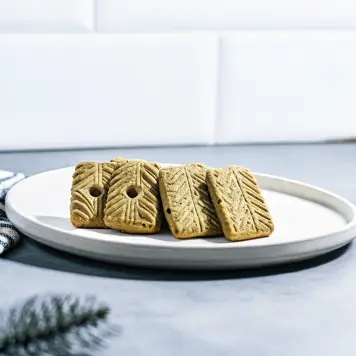
Speculoos Cookies
Speculoos are spiced shortcrust biscuits traditionally baked for St. Nicholas' feast, featuring flavors of cinnamon, nutmeg, and cloves. These cookies have become popular worldwide, especially as a spread.
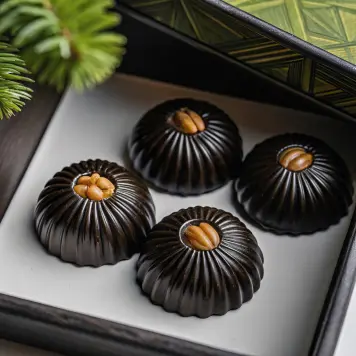
Chocolate Pralines
Bruges is renowned for its exquisite Belgian chocolate pralines, handcrafted by artisans using high-quality cocoa and unique fillings. The pralines often come in decorative boxes, making them a prized souvenir.
Traditional Savory Dishes

Moules-Frites
Moules-frites, or mussels with fries, is a beloved Belgian dish where fresh mussels are cooked in white wine, herbs, and garlic and served with crispy fries. It is a staple in Bruges' culinary scene.

Waterzooi
Waterzooi is a creamy stew originally from Flanders, made with fish or chicken, vegetables, cream, and eggs. This hearty dish reflects Bruges' Flemish culinary heritage and is often served with crusty bread.
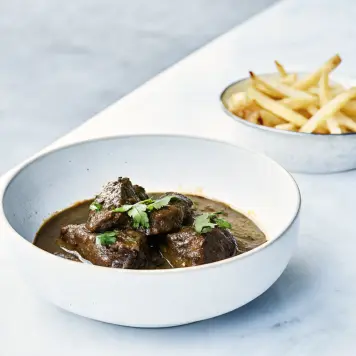
Carbonade Flamande
Carbonade Flamande is a traditional Flemish beef stew slow-cooked in Belgian beer with onions, mustard, and herbs. It is rich and flavorful, often paired with fries or bread to soak up the sauce.
Traditional Beverages
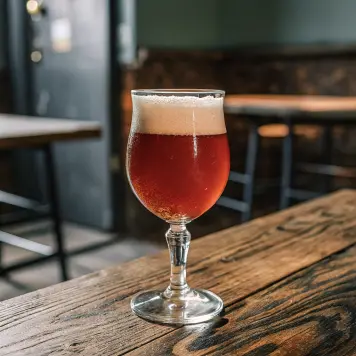
Belgian Beer
Bruges boasts a range of world-famous Belgian beers, including Trappist ales and locally brewed specialties. Each beer often has a story linked to the city's history and monastic traditions.

Jenever
Jenever is a traditional Belgian gin with a distinct malt flavor, historically enjoyed as a warming regional spirit. It is considered the national spirit of Belgium and is often served chilled in small tulip-shaped glasses.

Hot Chocolate
Bruges offers some of the finest hot chocolate experiences made with rich Belgian chocolate. It is a popular drink among locals and tourists, especially during colder months.
Know before you go
What a day costs in Brugge, and the rip-offs to avoid
Top rip-offs to avoid
- Unlicensed drivers at Brussels Airport. Walk past them and use the official taxi rank outside arrivals. Confirm the price or the meter before you get in.
- Menu without prices near the Markt. Only sit down where prices are clearly displayed on the menu. Ask for the full written menu before ordering.
- Poor-rate exchange booths. Use bank ATMs for cash and pay by card where possible. If you must exchange, compare the rate with the mid-market rate first.
Fair taxi from the airport: €140 - €180
Cheaper option: Train from Brussels Airport to Brugge, changing at Brussels Central or Ghent (€25)
All scams, fair prices and rulesFrequently Asked Questions about Brugge, Belgium
What are the best months to visit Brugge, Belgium?
Is Brugge, Belgium expensive to live or travel in?
How is public transportation in Brugge, Belgium?
Is tap water safe to drink in Brugge, Belgium?
How can I get around Brugge, Belgium?
Get a PDF with the most popular attractions sent to your email
Get a PDF with all attractions, ratings, and tips. Perfect for offline use.
Most popular day trips
Brussels
Belgium's capital with historic sites and vibrant culture.
Getting there
Train stations
High-speed trains to Brussels, Ghent, and other cities
From Brussels Airport, take a train direct to Brugge station. From Ostend Airport, a taxi or shuttle is recommended.
Useful information for Brugge, Belgium
Overview for Brugge, Belgium
Compare Brugge with other destinations
Prices, safety, weather and top attractions side by side, with a verdict for every kind of traveler.
Want a day-by-day plan for Brugge, Belgium? Open the trip planner
Plan your perfect trip to Brugge, Belgium
Get a complete travel plan built just for you in under 30 seconds, with daily routes, local food tips, budget estimates and more.
Are any of these especially important to you?
Select all that apply
Getting around
How do you want to move between places?
Plan language: EnglishMost popular itineraries for Brugge, Belgium
Browse trip plans created by other travelers