 CityBuddy
 English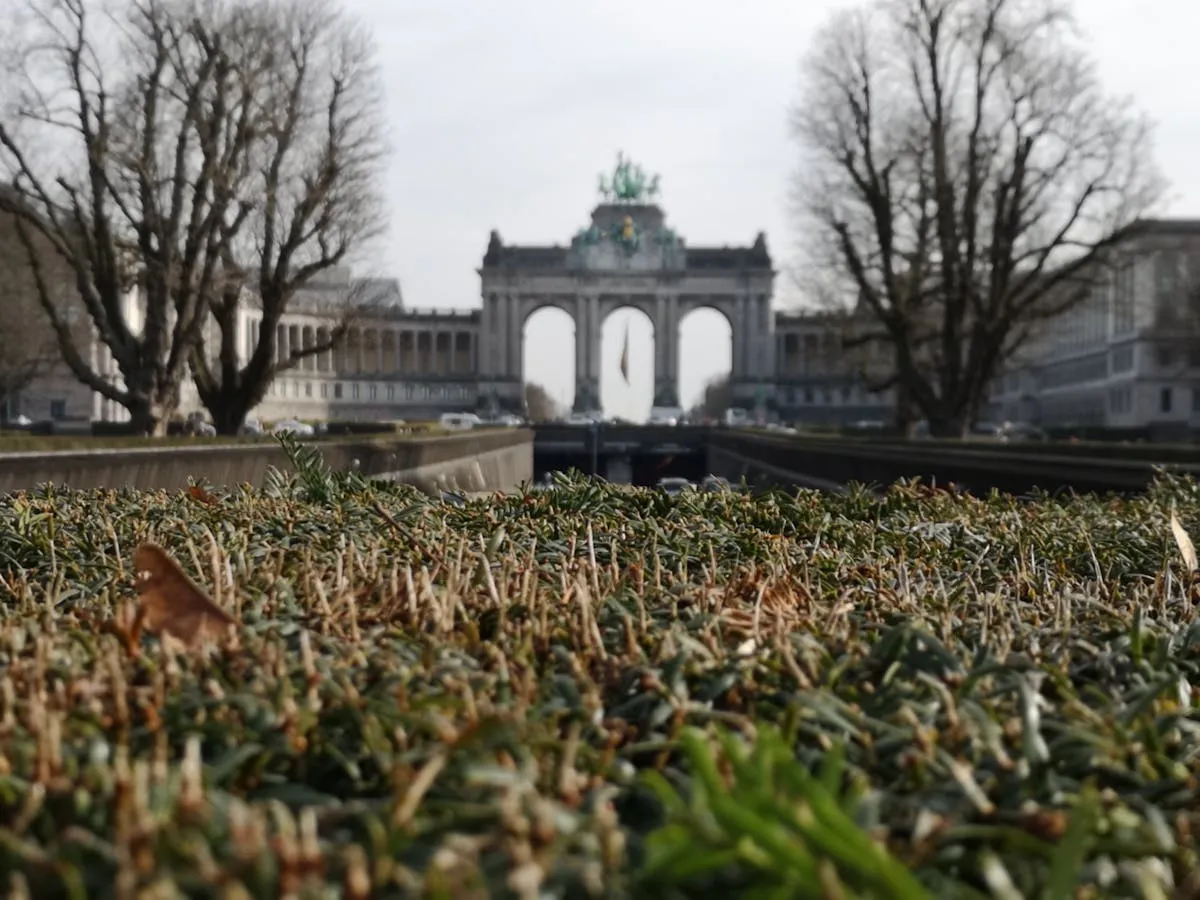
Things to Do in Brussels, Belgium
Photo made by Marci Geicz on Pexels.com
When to visit
Most popular attractions in Brussels, Belgium
Exploring things to do in Brussels, Belgium means experiencing the ornate Grand-Place, just a 5-minute walk from Central Station. Visit the quirky Manneken Pis statue, only 300 meters away. Don't miss the Atomium, a 102-meter tall structure offering panoramic city views and an insight into 1958's World Expo.
1. Grand-Place (Grote Markt)
Grote Markt
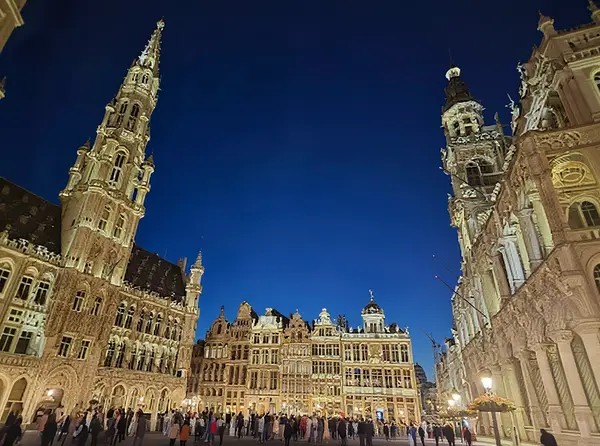
Europe's most ornate town square, alive with gilded guildhalls and dramatic architecture. Walk cobbled stones, admire Baroque façades and catch lively markets or light shows.
Quick facts: Golden light washes over ornate guild-house facades at dusk, turning the cobbles into a shimmering stage where every carved figure seems to whisper stories. Visitors often catch brass fanfares during the biennial flower carpet, when hundreds of thousands of begonias form a living tapestry and crowds press close to admire the dizzying patterns.
Highlights: At dusk the gilded guildhalls glow like warm brass, and every two years locals lay a Flower Carpet of begonias, roughly 600,000 blooms covering about 1,800 square meters, releasing a damp, sweet floral scent that hangs over the cobbles. During summer the Ommegang pageant reenacts Emperor Charles V's 1549 procession with costumed riders, trumpets and drums, a quirky tradition where torchlight, marching boots and the smell of fries and beer melt into a living history that makes locals grin.
2. Manneken Pis
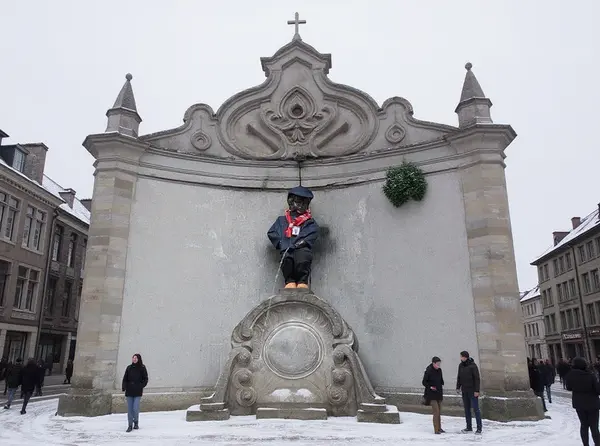
Tiny bronze statue packed with history and cheeky Brussels character. Expect quick photos, frequent costumes, and lively square vibes.
Quick facts: A cheeky little bronze figure famously wears hundreds of tiny costumes, with a wardrobe of over 900 outfits that are swapped for festivals and state visits. Passersby often crowd the narrow square to watch playful streams of water and snap photos, enjoying the quirky tradition and surprising historical anecdotes shared by local guides.
Highlights: Measuring just 61 centimeters tall, the bronze figure has an official wardrobe of over 900 costumes and draws crowds whenever a costume-change ceremony is staged, with a uniformed confraternity and a tiny brass band parading by. Local lore says the figure once saved the town by extinguishing a fuse, and each year a local brewery donates a keg of lambic for the dressing ceremony, filling the square with the warm scents of hops and boiled wool.
3. Atomium
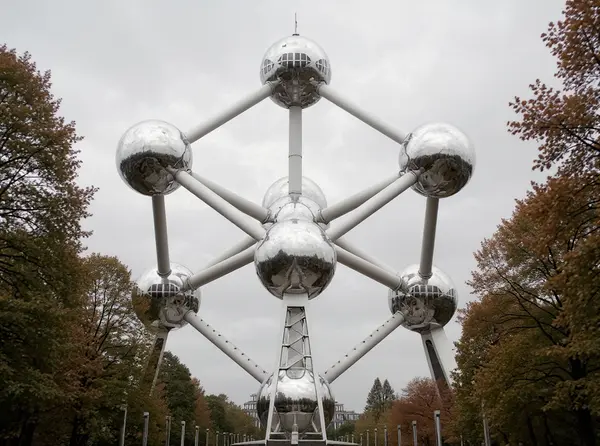
Shiny 1958 Expo landmark with bold architecture and sweeping city views. Walk through connected spheres to see exhibits and climb to the top for panoramic Brussels vistas.
Quick facts: The structure magnifies an iron crystal cell 165 billion times, with nine mirrored spheres linked by tubes that visitors can walk through. Step inside and you'll find retro-futuristic exhibits, a dizzying spiral of escalators, and a top-sphere restaurant where the polished steel skin throws back sunlight like chrome.
Highlights: Nine gleaming stainless-steel spheres, each about 18 meters across and linked by tubes, form a surreal lattice rising 102 meters and represent an iron crystal magnified 165 billion times, an idea born for the 1958 World's Fair by engineer André Waterkeyn. Climb the narrow escalators through the shiny tubes to the top sphere, sit in the revolving restaurant and watch sunlight carve bright ribbons across curved metal while the faint clink of cutlery and black-and-white Expo-58 photos anchor you in history.
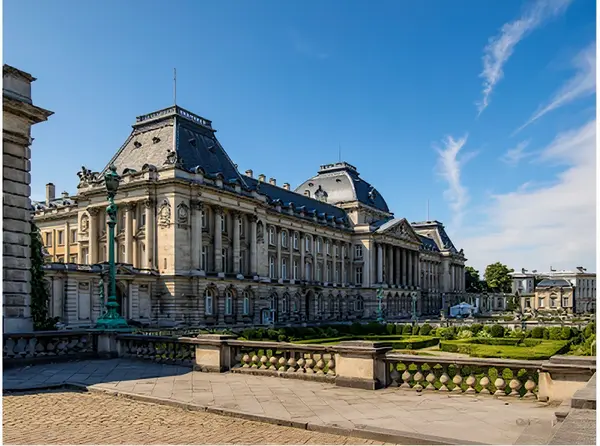
4. Royal Palace of Brussels (Palais Royal)
Palais Royal
Stately rooms and ornate facades reveal Belgium's royal history. Step into lavish apartments and grand halls, admire chandeliers, tapestries, and park-facing balconies.
Quick facts: Sunlight catches the sweeping marble facade and the grand windows reveal glimmers of ornate salons, where chandeliers and gilded ceilings still play host to state occasions. Many visitors wander through dozens of lavishly decorated rooms, spotting royal portraits and Art Nouveau details tucked into unexpected corners.
Highlights: Every summer the state rooms open to the public for roughly six weeks, so you can stroll across cool marble under a gilded 19th-century ceiling and let the hush of echoing footsteps and the faint scent of beeswax polish sink in. King Leopold II masterminded the palace's late-19th-century makeover, and palace staff still tell a whispered legend about a tiny snack bell hidden behind a west-wing panel that once summoned servants to quietly deliver cakes during royal receptions.
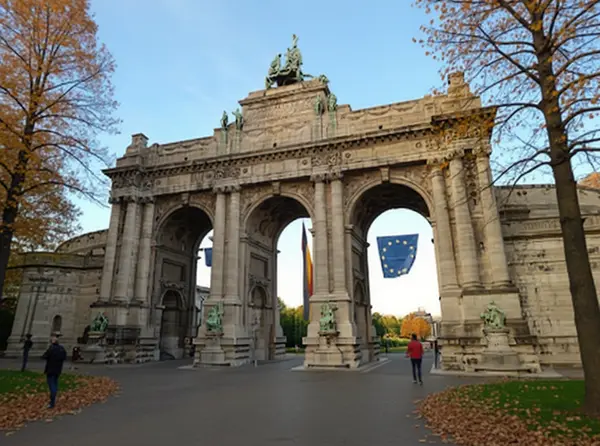
5. Parc du Cinquantenaire (Cinquantenaire Park)
Cinquantenaire Park
Grand triumphal arch, museums, and wide lawns make Parc du Cinquantenaire worth visiting. Stroll under the arch, picnic on the grass, and explore museums or vintage cars.
Quick facts: Strolling down the broad, tree-lined esplanade feels cinematic, a soaring triple-arched colonnade capped by a bronze quadriga provides a dramatic centerpiece for photos and people-watching. Picnickers spread blankets on the lawns beside museums whose grand façades hide surprising collections, from vintage cars to military artifacts, while weekend markets and street performers add a lively buzz.
Highlights: Built for the 1880 National Exhibition celebrating 50 years of independence, the park's monumental triple arch and long colonnades frame a theatrical expanse of lawn where brass bands and buskers bounce music off the stone while waffle and coffee aromas drift across the grass. Locals still keep a quirky habit of chalking dates and tiny names on the undersides of arcade benches, so if you look closely you can spot commemorative scribbles dating back to the 1930s.
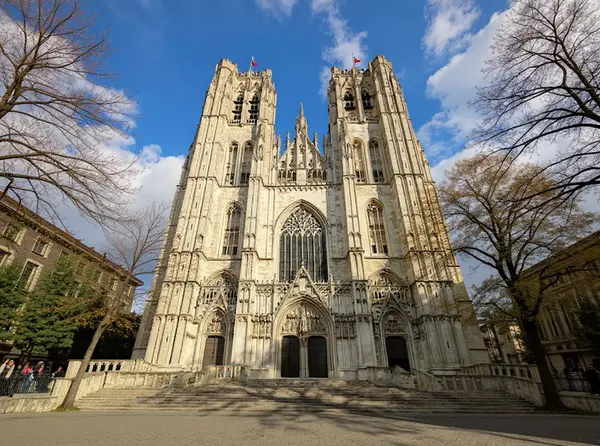
6. Cathedral of St. Michael and St. Gudula (Cathédrale Saints-Michel-et-Gudule)
Cathédrale Saints-Michel-et-Gudule
Gothic cathedral that charts Belgium's royal and religious history. Explore the vaulted nave, stained glass, and grand organs.
Quick facts: Sunlight through soaring stained-glass windows splashes jewel-bright colors across the stone nave, while the grand organ's booming tones make the whole space tremble during a recital. Look up to spot carved facades and mischievous gargoyles, each one hiding symbolic scenes that reward patient visitors who study every corner.
Highlights: Look up in the choir and you'll spot several 16th-century stained-glass panels by Bernard van Orley, their jewel-like reds and blues flooding the stone when afternoon sun pours through. During national ceremonies the nave fills with military uniforms and velvet robes, a scene locals still recall from King Baudouin's 1993 funeral when a lone trumpet's note hung in the vaulted space for several long, echoing seconds.
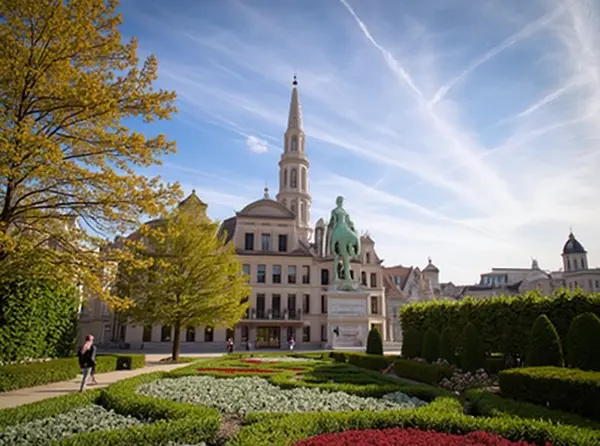
7. Mont des Arts (Kunstberg)
Kunstberg
Sweeping city views and a cultural hub in the heart of Brussels. Stroll terraced gardens, grand staircases and panoramic skyline views.
Quick facts: Sunlight pours down the terraced lawns onto a mosaic of rooftops and spires, while fountains and modern sculptures give off a surprisingly intimate urban oasis vibe. A cluster of more than a dozen museums, galleries, and performance halls encircles the gardens, so you can hop from a blockbuster exhibition to a live concert within minutes.
Highlights: Climb the terraced gardens at golden hour and the perspective lines up the Gothic Town Hall spire with a checkerboard of red and purple geranium beds and clipped yew hedges, the air thick with warm coffee and frying-bread aromas from the cafés below. Students and office workers routinely spread quilts on the long central lawn to eat and trade vinyl records while a dozen church bells and distant tram clangs layer into a surprisingly gentle city soundtrack.
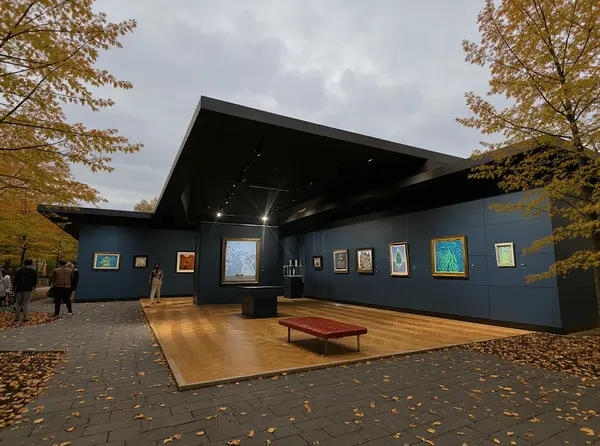
8. Magritte Museum (Musée Magritte)
Musée Magritte
Explore René Magritte's surreal world in a compact museum near the Royal Galleries. Expect witty paintings, playful titles, and room-by-room storytelling.
Quick facts: Walking through the rooms feels like slipping into a painted dream, where ordinary objects float and familiar scenes bend into playful paradoxes. Around 200 original works, sketches, and letters are arranged to highlight the artist's sly humor, so visitors catch recurring motifs that hook the imagination.
Highlights: You step into rooms hung with more than 200 original works by René Magritte, the low, warm lighting and the smell of old paper making the painted skies and floating apples feel like they could drift into the corridor. On a small table near the staircase there is a faithful reconstruction of the artist's studio complete with his bowler hat and worn pipes, a detail that makes the surreal scenes feel like private snapshots of a strange, lived-in life.
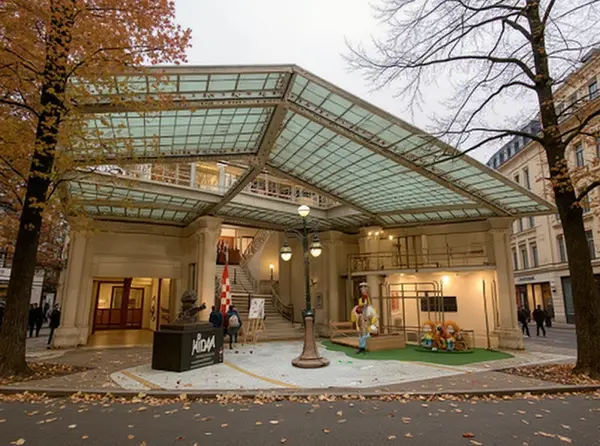
9. Belgian Comic Strip Center (Centre Belge de la Bande Dessinée)
Centre Belge de la Bande Dessinée
Explore Belgium's world-class comic art in a stunning Victor Horta building. Walk through original pages, life-size scenes and interactive displays featuring Tintin, the Smurfs and more.
Quick facts: Step into rooms awash with bold colors and life-size cartoon scenes, where original sketches and interactive displays make the creative process feel hands-on. Hidden gems include rare original pages and behind-the-scenes notes from famous European cartoonists, so you can spot penciled corrections and tiny details that usually never make it to print.
Highlights: You climb Victor Horta's curved Art Nouveau staircase, built in 1905–1906, and suddenly you're surrounded by giant cartoon panels that make you feel like you're walking through a page. Original Hergé drawings from the 1940s hang under the restored glass skylight, their pencil marks and faint varnish visible up close, so quiet visitors often lean in and whisper as if sharing a comic-book secret.
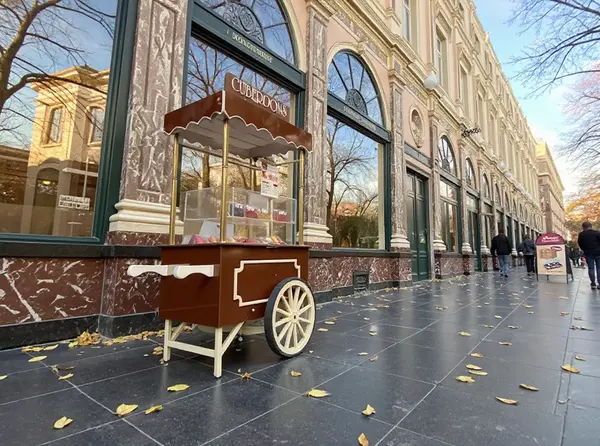
10. Galeries Royales Saint-Hubert (Galeries Royales Saint-Hubert)
Galeries Royales Saint-Hubert
Ornate 19th-century glazed arcade full of chocolatiers, boutiques and cafés. Stroll under the glass roof, admire Belle Époque details and sample Belgian chocolate.
Quick facts: Sunlight pours through a soaring glass roof, turning mosaic floors and ornate shopfronts into a glittering indoor boulevard where chocolatiers, bookshops, and couture boutiques sit cheek by cheek. A hushed, people-watching atmosphere invites slow wandering and coffee breaks, and you'll often spot photographers framing the ornate facades beneath the arcade's delicate ironwork.
Highlights: Built in 1847 by architect Jean-Pierre Cluysenaer, the glass-and-iron arcade stretches under a sweeping roof across three parallel passages, bathing polished marble and carved shopfronts in warm, amber light. Slip inside and the air fills with the sweet tang of cocoa from chocolatiers founded in the 19th century such as Neuhaus, the low murmur of French and Flemish, and the occasional hush of a tiny 19th-century theatre tucked behind a boutique where locals still gather for intimate shows.
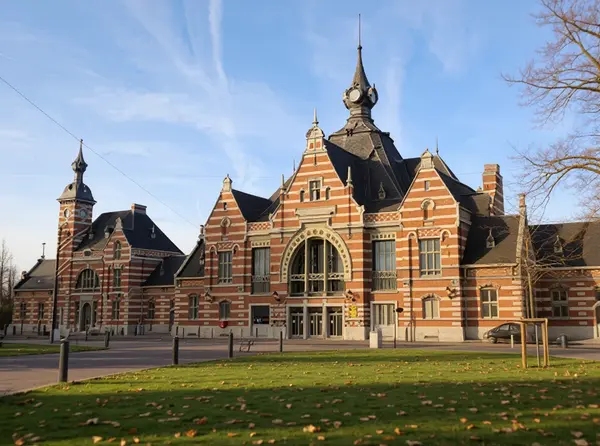
11. Train World
Dive into railway history like never before. Experience hands-on exploration with real trains up close and personal.
Quick facts: Rail lovers can explore over 100 years of train history through an impressive collection of 25 original locomotives and countless artifacts. The site includes a fully operational old railway workshop where you can see restoration work in progress.
Highlights: Imagine stepping right into a massive train shed where sleek steam giants and colorful electric engines line up under a sky of glass. A rare gem here lets you climb aboard century-old trains and feel the worn leather seats and polished brass controls first-hand.
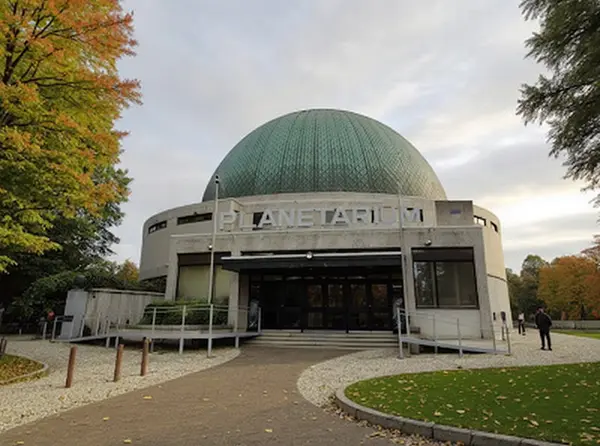
12. Planetarium at Royal Observatory of Belgium
Explore the cosmos like never before through vivid digital star shows. Experience immersive journeys narrated by astronomers revealing the secrets of the night sky.
Quick facts: Located within a scientific institution, this place offers an immersive way to explore the universe through cutting-edge technology. The dome uses a high-definition digital projection system that can simulate the night sky on any given day from anywhere on Earth.
Highlights: Visitors can experience a dazzling journey through the cosmos narrated by expert astronomers, revealing the wonders of planets, stars, and distant galaxies. The custom star shows are tailored using real-time data, making each visit unique and visually captivating.
What to pre-book in Brussels
These sell out or need a reservation. Book them first, in this order.
- 1.AtomiumBook 3 days aheadA few days ahead, especially weekends and holidays Skip-the-line tickets
Where to Stay in Brussels, Belgium
Selected by City Buddy based on guest reviews and proximity to top attractions
Search all hotels in Brussels, BelgiumPowered by agoda
Opening days in Brussels, Belgium
Which of the top sights close on which day of the week — the classic trip-ruiner, checked for you.
Monday: 3 of 13 top sights closed — plan museums for another day.
Closed on Monday · 3 closed, 10 open
Opening days from Google Maps (checked 2026-09-10). Public holidays, strikes and seasonal hours can differ — check the official website before you go.
Traditional Sweet Dishes
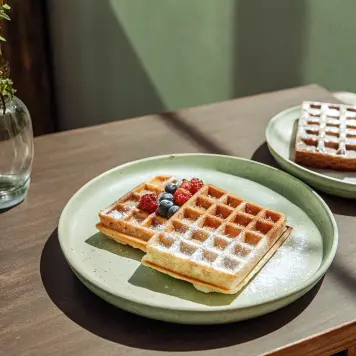
Belgian waffles
Brussels waffles are light, rectangular and crisp, originally popularized at 19th-century fairs, and their airy texture comes from beaten egg whites and yeast.
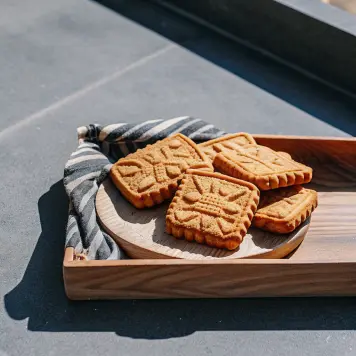
Speculoos
Speculoos are spiced biscuits traditionally baked for Saint Nicholas' feast, and their ornate shapes come from carved wooden molds used for centuries.
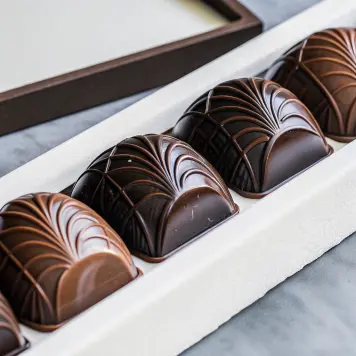
Chocolate pralines
Brussels invented the filled chocolate praline in 1912 when Jean Neuhaus II replaced hard centers with soft ganaches, creating a giftable candy that launched Belgium's luxury chocolate reputation.
Traditional Savory Dishes

Moules-frites
Moules-frites pairs steaming pots of white wine or herb-scented mussels with crisp Belgian fries, a combination so beloved it is often called Belgium's unofficial national dish.

Stoemp
Stoemp is a rustic Belgian mash of potatoes and seasonal vegetables, once peasant fare that became a comfort-food staple and a perfect vehicle for local sausages.
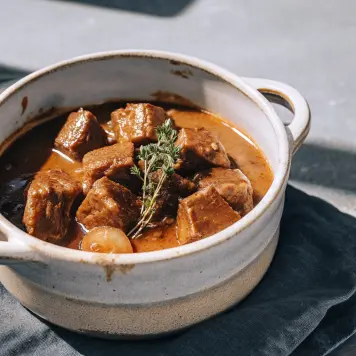
Carbonnade flamande
Carbonnade flamande is a slow-cooked beef stew braised in dark Belgian beer with brown sugar and mustard, the beer both tenderizes the meat and gives the dish its signature sweet-bitter depth.
Traditional Beverages

Beer
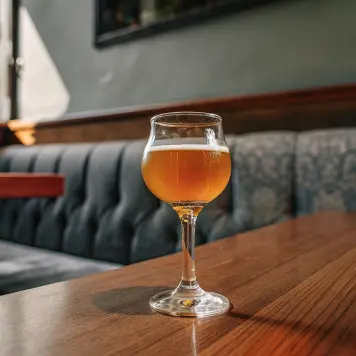
Belgium's beer culture includes hundreds of unique styles and Trappist ales brewed in monasteries, so distinctive that UNESCO declared Belgian beer culture an Intangible Cultural Heritage in 2016.
Jenever
Jenever, the juniper-flavored spirit from the Low Countries, is the direct ancestor of gin, and Belgians often drink it neat from small tulip-shaped glasses in a ritual called a kopstoot when paired with beer.
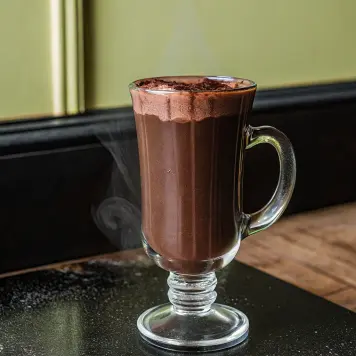
Hot chocolate
Brussels hot chocolate is famously thick and luxurious, made from melted Belgian chocolate rather than powder, a tradition that dates back to the 17th century when cocoa arrived in Europe.
Know before you go
What a day costs in Brussels, and the rip-offs to avoid
Top rip-offs to avoid
- Pickpocketing at crowded sights. Keep bags zipped and in front of you, avoid rear pockets, and stay alert in dense crowds and on escalators.
- Unlicensed drivers at the airport. Use the official taxi rank outside arrivals or book through a licensed app. Agree on the fare or confirm the meter before getting in.
- Fake or overpriced tickets near stations. Buy tickets only from official STIB machines, the official app, or a transport kiosk. Never buy from individuals on the street.
Fair taxi from the airport: €45 - €55
Cheaper option: Train (SNCB) from Brussels Airport-Zaventem station, arriving at Bruxelles-Central or Bruxelles-Midi (€13)
All scams, fair prices and rulesFrequently Asked Questions about Brussels, Belgium
What is the best time to visit Brussels, Belgium?
Is Brussels, Belgium expensive for travelers?
How safe is tap water in Brussels, Belgium?
How do you get around Brussels, Belgium?
How many tourists visit Brussels, Belgium each year?
Get a PDF with the most popular attractions sent to your email
Get a PDF with all attractions, ratings, and tips. Perfect for offline use.
Most popular day trips
Getting there
Airports
Train stations
International (Eurostar, Thalys), national IC/ICN lines
Central city hub; regional and national services
Regional and national services, commuter lines
From BRU take the direct train to Bruxelles-Central (~20 min); from Charleroi use the airport shuttle + train (~1h).
Useful information for Brussels, Belgium
Overview for Brussels, Belgium
Want a day-by-day plan for Brussels, Belgium? Open the trip planner
Plan your perfect trip to Brussels, Belgium
Get a complete travel plan built just for you in under 30 seconds, with daily routes, local food tips, budget estimates and more.
Are any of these especially important to you?
Select all that apply
Getting around
How do you want to move between places?
Plan language: EnglishMost popular itineraries for Brussels, Belgium
Browse trip plans created by other travelers
5-Day Brussels: Hidden Courtyards & Underground Culture
Discover Brussels beyond the tourist trail with secret courtyards, neighborhood gems, world-class museums, and authentic local hangouts that reveal the city's soul.
2-Day Brussels Family & Budget Backpacker Spring Adventure
Enjoy an authentic and budget-friendly Brussels experience perfect for families with children. Explore iconic sights, parks, museums, and local neighborhoods with kid-friendly activities and a relaxed pace.
5-Day Spring Highlights of Brussels
Discover Brussels in spring through a perfect blend of iconic sights, charming neighborhoods, cultural gems, and delightful local experiences.
5-Day Brussels Offbeat Explorer Itinerary
Discover Brussels like a local with hidden courtyards, secret viewpoints, neighborhood gems, and authentic hangouts away from tourist crowds this spring.
2-Day Brussels Family Adventure in Spring
Discover Brussels with your family through kid-friendly attractions, interactive museums, beautiful parks and leisurely walks designed for a comfortable springtime pace.
2-Day Brussels for Families and Offbeat Explorers
Explore Brussels with your family in spring through a perfect blend of kid-friendly attractions and hidden local gems, discovering secret spots and enjoying relaxed days full of fun and culture.
3-Day Brussels for the Offbeat Explorer
Discover the hidden sides of Brussels in spring with local gems, underground scenes, secret courtyards, and authentic hangouts far from the tourist crowds.
5-Day Brussels Spring Adventure for Families and Culture Lovers
Discover Brussels in spring with your family. Enjoy kid-friendly museums, historic sites, parks, cultural experiences, and guided tours in a relaxed pace perfect for all ages.
10-Day Brussels for Off-the-Beaten-Path Explorers
Discover lesser-known Brussels gems, local hangouts, and unique neighborhood experiences away from tourist crowds this spring.