 CityBuddy
 English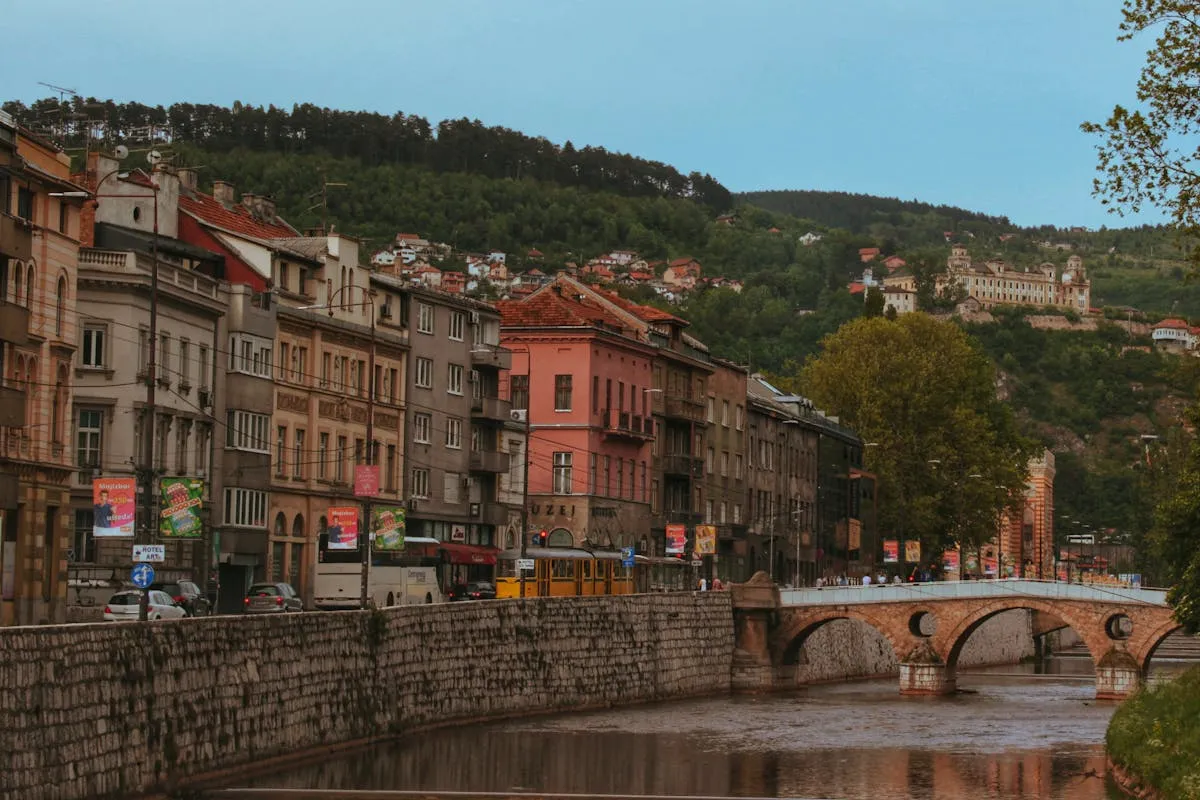
Things to Do in Sarajevo, Bosnia and Herzegovina
Photo made by Tahsin Bilgin on Pexels.com
When to visit
Plan your perfect trip to Sarajevo, Bosnia and Herzegovina
Get a complete travel plan built just for you in under 30 seconds, with daily routes, local food tips, budget estimates and more.
Are any of these especially important to you?
Select all that apply
Plan language: EnglishMost popular attractions in Sarajevo, Bosnia and Herzegovina
Things to do in Sarajevo, Bosnia and Herzegovina include exploring Baščaršija, the historic Old Bazaar with over 200 shops. Visit the Sebilj Fountain, a wooden Ottoman-style landmark in the city center. Don't miss the Latin Bridge, famous for its role in history and located just 15 minutes from the bustling main square.
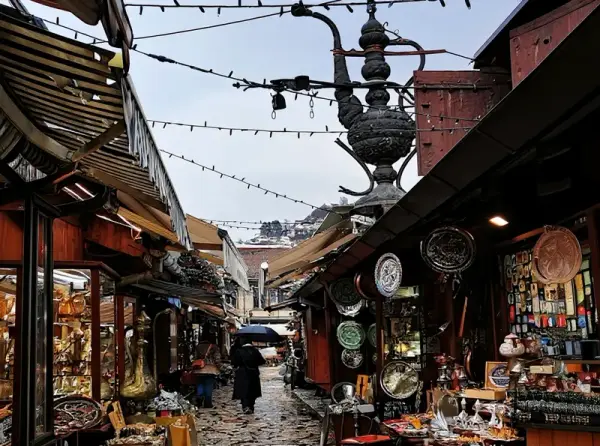
1. Baščaršija (Sarajevo Old Bazaar)
Sarajevo Old Bazaar
Explore Sarajevo's Ottoman-era bazaar with craftsmen, cafés and lively stalls. Wander alleys, taste ćevapi, and find brassware and traditional carpets.
Quick facts: Wandering down narrow cobbled alleys, you'll spot tiny workshops where artisans hammer copper and polish filigree by hand. A surprising number of small coffeehouses and spice stalls fill the air with the scent of thick dark coffee and grilled meats, making the streets feel like a living, aromatic museum.
Highlights: Walking the narrow cobblestone alleys feels like stepping into a market over 500 years old, where cardamom-scented coffee fumes curl around the smoke of grilling ćevapi and hundreds of brass and copper trays sing under steady polishing. A local legend promises that anyone who drinks from the small wooden fountain in the main square will return someday, and old artisans still roast beans on tiny brass pans while calling out prices in a sing-song that sounds like a family recipe passed down seven generations.
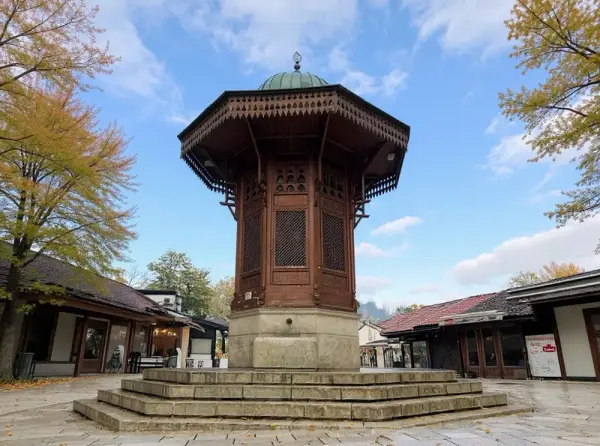
2. Sebilj Fountain
Ottoman-era wooden fountain and Sarajevo icon in lively Baščaršija. Taste spring water, watch street life, and capture great photos by the square.
Quick facts: Carved wood and stone wrap around an octagonal basin, the cool, running water inviting visitors to cup their hands and drop a wishful coin. Local lore insists anyone who sips from the fountain will return someday, and photographers flock at golden hour for the warm reflections on the wet stone.
Highlights: Locals and sellers often encourage visitors to toss a coin and make a whispered wish, and many say that the clear clink of exactly three coins means you will return within a year. Under the small wooden kiosk the air smells faintly of old cedar and wet stone, and the water splashes over a carved spout with a cool, slightly metallic tang you can feel on your tongue when you cup your hand to drink.
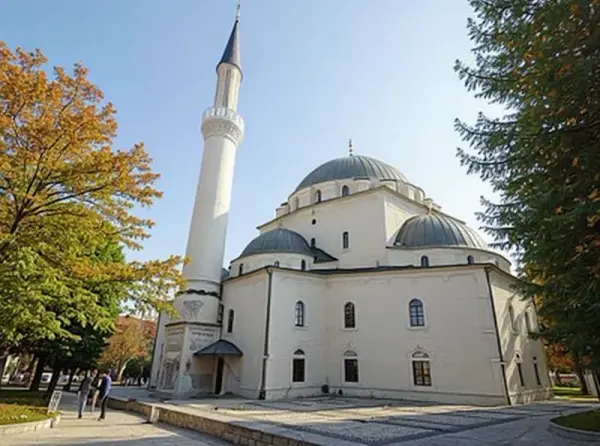
3. Gazi Husrev-beg Mosque
One of the Balkans' finest Ottoman mosques, alive with history and elegant architecture. Step inside for ornate calligraphy, a serene courtyard, and glimpses of local life.
Quick facts: Sunlight pours through colored windows onto cool marble, and the carved wooden minbar and sweeping dome make the interior feel like a hushed, sculptural orchestra. More than a place of worship, the complex once hosted a lively market and still houses a library of rare Ottoman manuscripts, surprising visitors who expect only a prayer hall.
Highlights: Built in 1531 as an Ottoman endowment, the courtyard still smells of lemon soap and beeswax in the mornings because the original wooden shutters and brass lamps are oiled by hand every week. A local story says a 19th-century warden named Hasan slipped a folded note and a coin into one brass lamp for safekeeping, and guides will quietly point out the lamp if you ask, saying you can sometimes hear the coin rattle when the floor warms in the sun.
Have you heard of free walking tours?
After traveling to 30+ countries, there's one thing I wish someone had told me from day one, and it completely changed how I experience new cities.
Free walking tours. Yes, actually free. No credit card needed. No catch.
Local guide, 2-3 hours
Major sights, hidden gems, local stories
100% tip-based
Guides earn only tips, so they give their absolute best
You tip what feels right
At the end, just tip whatever you feel is right
I've done these in dozens of cities and they've been the highlight of almost every trip. If you're visiting Sarajevo, Bosnia and Herzegovina, do this on your first day. You'll thank me later.
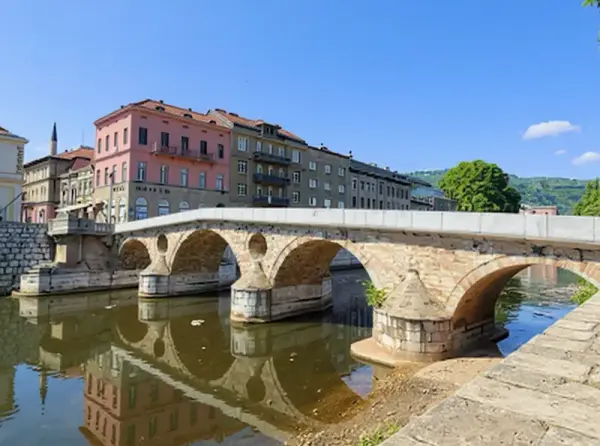
4. Latin Bridge (Latinska ćuprija)
Latinska ćuprija
Stand on the bridge that helped spark World War I. See Ottoman stonework, river views, and the plaque marking where history unfolded.
Quick facts: Walking across the low stone span you can hear the river's rush and feel the weight of a world-changing moment underfoot. A small plaque and the nearby skyline quietly mark a flashpoint in modern history, drawing historians and curious travelers who want to stand where events altered the 20th century.
Highlights: On June 28, 1914, a 19-year-old named Gavrilo Princip fired the shots from a café corner beside the bridge that helped set off World War I, and locals still point to a small brass plaque marking the exact spot. Stand on the worn cobbles and feel the river breeze, listen to trams creak, and notice how the span is barely 10 meters across, a compact stage where an ordinary afternoon changed the world.
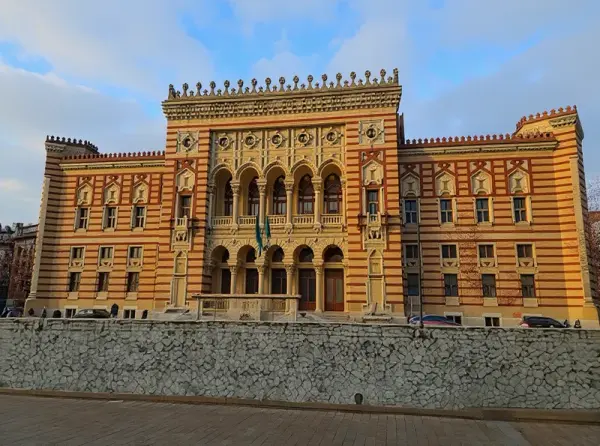
5. Sarajevo City Hall (Vijećnica)
Vijećnica
Striking Austro-Hungarian architecture and richly decorated interior showcase Sarajevo's multicultural history. Step inside to see painted ceilings, ornate woodwork, and a restored reading room.
Quick facts: A jewel of Moorish Revival ornamentation, the main hall envelopes visitors in warm gilding, carved wood, and jewel-toned windows that scatter colorful light across the floor. A catastrophic fire once gutted the treasured library inside, yet painstaking restoration rebuilt every carved detail and now the site draws photographers and historians who can’t stop staring at the faithful revival.
Highlights: Step inside and sunlight pours through jewel-toned stained glass, painting the honeyed wood and gilded arabesques in sapphire and gold while a faint, resinous smell of old paper still clings to the restored reading rooms. After a devastating 1992 fire destroyed much of the 19th-century library, a handful of staff and volunteers risked their lives to carry out rare manuscripts, and after painstaking restoration the hall reopened in 2014.
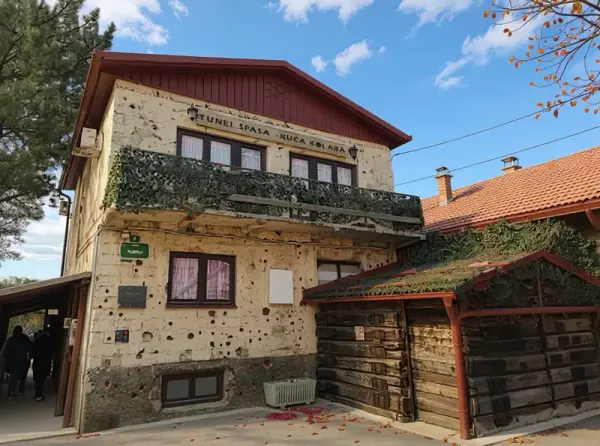
6. Tunnel of Hope (Tunel Spasa / Tunnel Museum)
Tunel Spasa / Tunnel Museum
Powerful look at Sarajevo's wartime survival. Walk an 800-meter tunnel that secretly kept the city connected.
Quick facts: Step into a narrow, low-ceilinged corridor and you can feel the weight of history, with faded wooden panels and wartime scrawls whispering stories of bravery and quiet survival. Remarkably, more than a thousand people used the tunnel daily at the siege’s peak, its cramped dimensions and clandestine entrance turning it into a vital lifeline for supplies, patients, and escape.
Highlights: Crawl through the narrow, roughly 800-meter wartime tunnel and you can still smell damp earth and kerosene, feel the compressed 1.2-meter width that forced people to shuffle in single file, and hear the hollow echo that carried whispered instructions. Every April 6 survivors and visitors quietly place small candles or red carnations by a low ventilation shaft stamped 1993, a humble ritual that turns cold concrete into a personal, human memory.
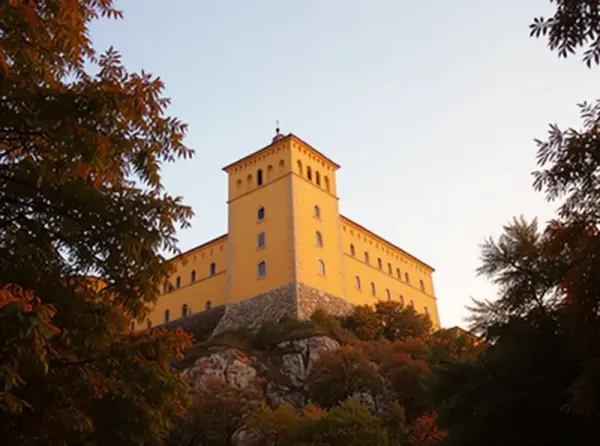
7. Yellow Fortress (Žuta Tabija)
Žuta Tabija
Hilltop fortress with sweeping views over Sarajevo and the Miljacka river. Walk the battlements, see preserved cannon positions, and watch spectacular sunsets over the old town.
Quick facts: Perched on a sun-warmed hill, visitors pause at low stone parapets to watch paragliders drift over terracotta roofs and hear the city settle beneath them. A nightly cannon salute still rolls across the valley, a surprisingly vivid echo that recalls the fortress’s long history of defense.
Highlights: Climb the steep path at noon and listen for the single brassy boom that has been fired from the old cannon to mark midday for generations, the blast rattling windowpanes below and making café cups jump on their saucers. At sunset locals unroll woven rugs, share jars of plum rakija and slices of warm pita, and watch as the last light sets dozens of red-tiled roofs and the dark spine of Trebević on fire while someone starts a soft sevdalinka that drifts down into the streets.
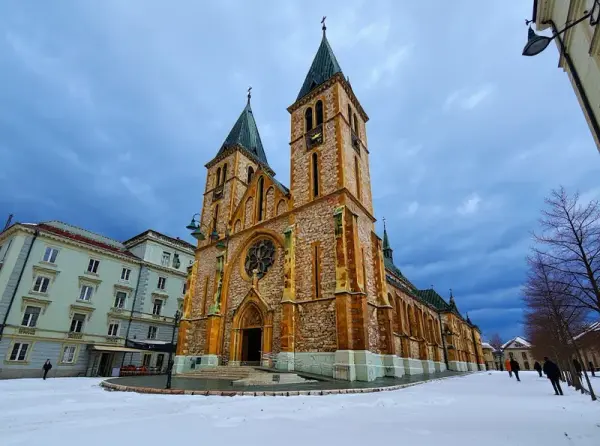
8. Sacred Heart Cathedral (Cathedral of Jesus' Sacred Heart)
Cathedral of Jesus' Sacred Heart
Neo-Gothic cathedral in central Sarajevo, full of history and color. Step inside for vaulted arches, stained glass and quiet organ music.
Quick facts: Step inside and you'll find soaring neo-Gothic vaults where jewel-toned stained glass floods the nave with warm, kaleidoscopic light. Many visitors are struck by the powerful pipe organ and the twin towers capped in copper that has weathered to a vivid green, giving the exterior a dramatic, unforgettable silhouette.
Highlights: Step inside and afternoon light pours through high stained-glass panels, painting the nave in ruby, emerald, and sapphire while the warm scent of beeswax and incense hangs thick above wooden pews. A little-known local habit sees worshippers tucking tiny handwritten prayers and old rosary beads into the stonework around the altar, and on festival mornings volunteers hand out warm almond pastries to anyone leaving the service.
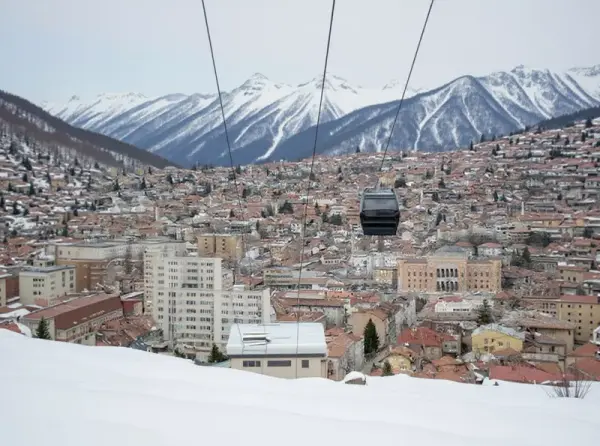
9. Trebević Cable Car (Trebevićka žičara) / Trebević Mountain
Sweeping views across Sarajevo and the Dinaric Alps reward the trip up Trebević. Ride the restored cable car, stroll summit trails and photograph the city below.
Quick facts: From the glass cabins the city below folds into a patchwork of red roofs and river bends, while pine-scented air and steady ascent reward riders with sweeping ridge-to-valley panoramas. A short walk from the upper station reveals the rusting skeleton of an Olympic bobsled track, a striking mix of sporting history and wartime scars, and the line was fully restored to passenger service in 2018.
Highlights: Hop into one of the refurbished cabins that first ran in 1959 and after wartime damage were triumphantly relaunched in 2018, then glide up through pine-scented air as the city below shrinks into a mosaic of orange roofs and a silver ribbon of river. At the summit an abandoned 1984 Olympic bobsled track waits, its concrete ribbon splashed with vivid graffiti, and locals love to clamber along its warped turns while listening to the distant hum of traffic and the chatter of jackdaws.
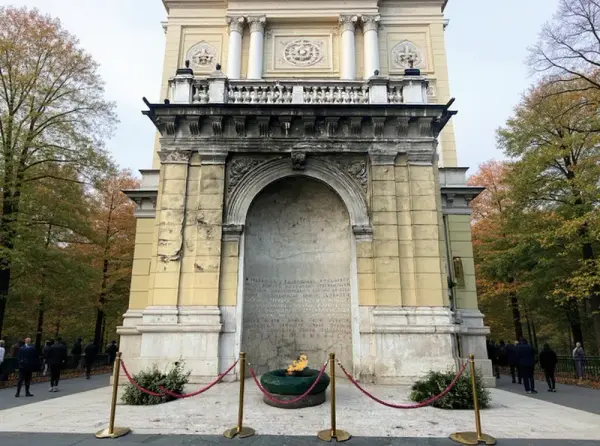
10. Eternal Flame (Vječna Vatra)
Vječna Vatra
A moving wartime memorial at Sarajevo's heart honoring civilian and military victims. Expect a quiet eternal flame, wreaths, and reflective views of the surrounding old city.
Quick facts: A modest, perpetual flame throws a warm orange glow that draws locals who leave wreaths and pause for quiet remembrance. Nighttime photos often show the flame’s tiny heat against cold stone, creating an unexpectedly intimate symbol of resilience that surprises visitors.
Highlights: A low, steady flame has burned on a small stone memorial since April 6, 1946, lit to honor those lost during the war and now surrounded each year by wreaths and red carnations left by citizens. Local students and veterans quietly visit at dusk to tuck handwritten notes and coin-sized tokens into the metal grate, while the flame gives a faint mineral smell and a thin warmth you can feel on a cold winter evening.
Where to Stay in Sarajevo, Bosnia and Herzegovina
Selected by City Buddy based on guest reviews and proximity to top attractions
Search all hotels in Sarajevo, Bosnia and HerzegovinaPowered by agoda
Traditional Sweet Dishes
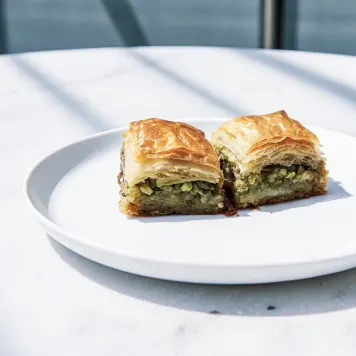
Baklava
Sarajevo baklava keeps the Ottoman pastry tradition alive, layered with flaky phyllo and chopped walnuts, and it is a staple at celebrations and coffeehouses in Baščaršija.
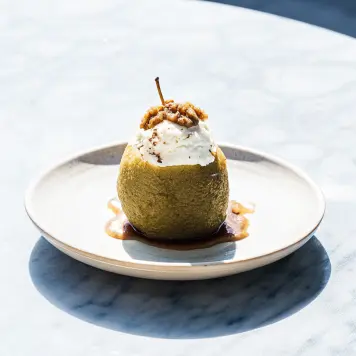
Tufahija
Tufahija is a whole apple poached in syrup, stuffed with walnuts and topped with whipped cream, and it often serves as the showpiece dessert at Bosnian family feasts.
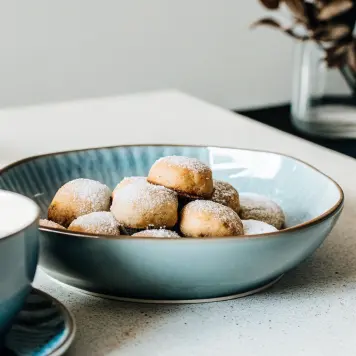
Hurmašice
Hurmašice literally means "little dates", they are small, syrup-soaked semolina cookies beloved for pairing with Bosnian coffee.
Traditional Savory Dishes
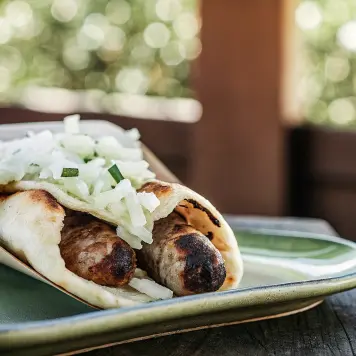
Cevapi
Cevapi are small grilled minced meat sausages served in warm somun with chopped onions and creamy kajmak, and Sarajevo is famous for long lines at iconic ćevabdžinicas.
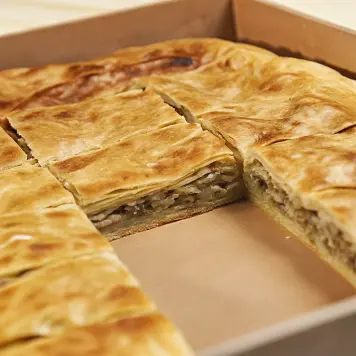
Burek
In Bosnia, the word burek refers strictly to the meat-filled phyllo pie. Other fillings have their own names, and locals take pride in the distinction.

Begova Čorba
Begova čorba, or Bey's soup, is a thick, velvety chicken or veal soup enriched with rice and sometimes okra. It traces back to Ottoman court cuisine and was once served to regional governors.
Traditional Beverages
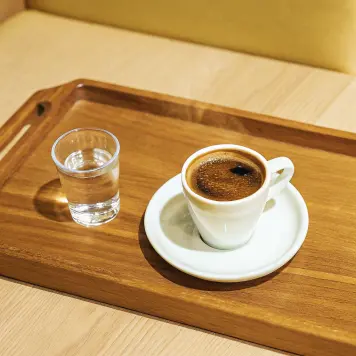
Bosnian coffee
Bosnian coffee is brewed unfiltered in a džezva and poured slowly so the grounds settle. Serving it is a ritual of hospitality, and many people read the grounds for fun.
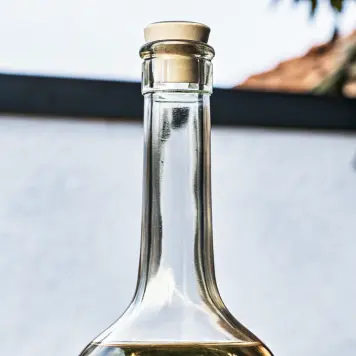
Rakija
Rakija is a potent fruit brandy distilled at home from plums, grapes, or other fruits. It is used to welcome guests, seal agreements, and toast life's moments.
Frequently Asked Questions about Sarajevo, Bosnia and Herzegovina
What is the best time to visit Sarajevo, Bosnia and Herzegovina?
Is Sarajevo, Bosnia and Herzegovina expensive for travelers?
Is the tap water in Sarajevo safe to drink?
How is public transportation in Sarajevo, Bosnia and Herzegovina?
How many tourists visit Sarajevo annually?
Get a PDF with the most popular attractions sent to your email
Get a PDF with all attractions, ratings, and tips. Perfect for offline use.
Most popular day trips
Mostar
Historic town with the iconic Stari Most bridge and Ottoman quarter.
Konjic
River canyon, old Ottoman town and Tito’s nearby bunker tours.
Travnik
Fortress town with Ottoman-era architecture and colorful houses.
Jajce
Waterfall in town centre and medieval fortress—scenic history stop.
Višegrad
Famous Mehmed Paša Sokolović Bridge and Drina River scenery.
Getting there
Airports
Train stations
Regional lines to Mostar, Doboj; limited international links (Zagreb, Belgrade seasonal)
Local/regional commuter services towards suburbs and nearby towns
Airport shuttle buses and taxis connect SJJ to center in ~20–30 min; book transfers in summer.
Find flights to Sarajevo, Bosnia and Herzegovina
Click to get eSim for Sarajevo, Bosnia and Herzegovina
The easiest and most affordable way to get mobile internet wherever you travel.
Useful information for Sarajevo, Bosnia and Herzegovina
Overview for Sarajevo, Bosnia and Herzegovina
Most popular itineraries for Sarajevo, Bosnia and Herzegovina
Browse trip plans created by other travelers
Comments (9)
Loved the mix of Ottoman and Austro-Hungarian architecture, food was incredible, friendly people, expect hills.
Buy a 24 hour tram ticket at kiosks by the stops, validate on board. Way cheaper than singles if you hop around.
Three days hit the sweet spot, museums are compact and interesting, nightlife is chill and mostly local bars.
A bit overhyped for me, lots of souvenir stalls and construction in the old town, still worth a stroll though.
Tunnel of Hope tour is very moving, staff are informative, but groups can feel rushed so arrive early for quieter time.