 CityBuddy
 English
Things to Do in Rio de Janeiro, Brazil
Photo made by Renata Meneses on Pexels.com
When to visit
Most popular attractions in Rio de Janeiro, Brazil
Among the top things to do in Rio de Janeiro, Brazil, visitors can explore Christ the Redeemer on Corcovado, standing 30 meters tall and offering panoramic views of the city. Sugarloaf Mountain, rising 396 meters, allows cable car rides with sweeping vistas. Relaxing on Copacabana Beach, stretching 4 kilometers, is a favorite local pastime.

1. Christ the Redeemer (Cristo Redentor) - Corcovado
Corcovado
Colossal statue overlooking Rio offers unbeatable panoramic views of the city and bay. Ride the cog train or hike up to stand beneath the 30 m figure and catch sunrise or city lights.
Quick facts: A 30-meter statue with a 28-meter arm span is clad in thousands of triangular soapstone tiles, giving its smooth, pale surface a subtle texture that can be picked out even from the base. Fog and sun frequently trade places over the summit, so visitors witness the silhouette vanish into mist one moment and stand framed by brilliant blue sky the next.
Highlights: Rising 30 meters atop an 8-meter pedestal with a 28-meter arm span, the monument was inaugurated on October 12, 1931 and was engineered by Heitor da Silva Costa while the face was sculpted by Romanian artist Gheorghe Leonida. Because the outer layer is hand-laid soapstone, conservators have had to replace chipped tiles after lightning strikes and storms, so when you peer closely you can see subtle color shifts and narrow repair seams where the pale tiles were swapped.

2. Sugarloaf Mountain (Pão de Açúcar)
Pão de Açúcar
Stunning panoramic views over Rio, Guanabara Bay and Christ the Redeemer. Ride the historic cable car and watch sunrise or sunset paint the city.
Quick facts: From the glass-walled cable car you float over emerald bays and the city grid, a ride that climbs nearly 396 meters to reveal postcard panoramas. Granite cliffs catch golden light at sunset, and the steep, rounded peak attracts rock climbers who test classic routes while photographers chase the shifting colors.
Highlights: At sunrise the bare granite peak melts into warm honey tones, you can taste salt in the air and feel wind that makes the whole 396-meter rock shimmer like a living thing. The century-old cable car, first opened in 1912 and still running in two stages, ferries crowds while climbers keep the quirky habit of humming a soft samba or tapping a small bell at the summit after a long ascent, a tradition locals quietly swear by.

3. Copacabana Beach
Iconic beachfront energy and sweeping city views make Copacabana unforgettable. Sunbathing, street food and lively promenade action await.
Quick facts: Golden sand curves along a wide bay, where a black-and-white wave mosaic promenade hums with barefoot soccer players, vendors, and samba rhythms. Massive New Year's Eve fireworks and colorful sea offerings create electric nights, drawing millions who dance, watch, and make wishes by the water.
Highlights: On New Year's Eve over 2 million people crowd the crescent of sand to set floating bouquets and handwritten notes to Yemanjá, the sea goddess, while fireworks explode over the surf and the salt-scented air fills your lungs. Along the shore a black-and-white wave-patterned promenade by Roberto Burle Marx undulates underfoot, its bold Portuguese pavement stones worn smooth by decades of barefoot samba and late-night vendors selling hot corn and sweet cocada.

4. Ipanema Beach
World-famous beach with lively Carioca culture and sweeping mountain views. Expect sunbathers, surfers, vibrant kiosks, and stunning Arpoador sunsets.
Quick facts: Golden sand arcs along a lively shoreline where locals and visitors share the surf, surfers carve clean waves and vendors hawk chilled coconut water beneath colorful umbrellas. Evenings light up with riotous sunsets that spur impromptu samba and drum circles, and on busy days the boardwalk swells with hundreds of joggers, dancers and people watching.
Highlights: Time golden hour right and you'll find hundreds of people, from teens in cutoff jeans to silver-haired couples, converging at Posto 9 to clap and sing as the sun slips behind the Dois Irmãos peaks, turning the sky molten orange and magenta. Vendors call out cold coconuts and warm pão de queijo, the air tasting salty and warm, threaded with samba drums and the sly, familiar bossa nova chords of Antônio Carlos Jobim and Vinícius de Moraes.
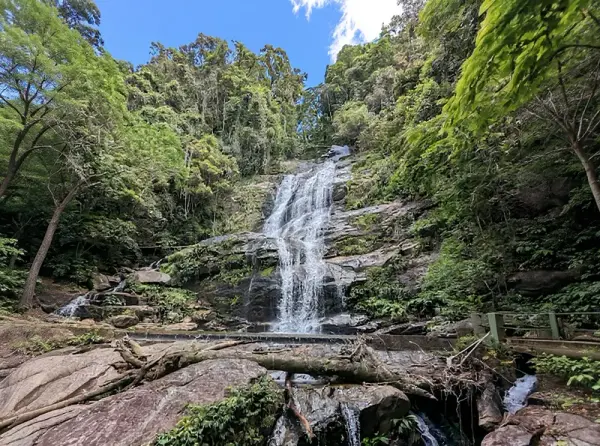
5. Tijuca National Park (Parque Nacional da Tijuca)
Parque Nacional da Tijuca
Lush Atlantic rainforest and sweeping views of Rio make Tijuca worth visiting. Hike trails to waterfalls, spot monkeys and photograph skyline vistas.
Quick facts: Mist-wreathed trails thread through an urban rainforest where howler monkeys and more than a thousand native plant species share a cathedral of trees. Climb granite peaks to sweeping lookout points with skyline-and-sea panoramas, then cool off beneath hidden waterfalls that reward hikers with secluded swimming pools.
Highlights: Back in the mid-1800s Emperor Pedro II ordered replanting on what had been coffee farms, and those crews helped regenerate roughly 32 square kilometers of forest by planting thousands of native trees on steep, misty slopes. Hike up a narrow, rocky trail to a granite viewpoint where the air smells like wet leaves and orchids, and watch paragliders launch shoulder to shoulder into thermals that lift them over the city toward the ocean.
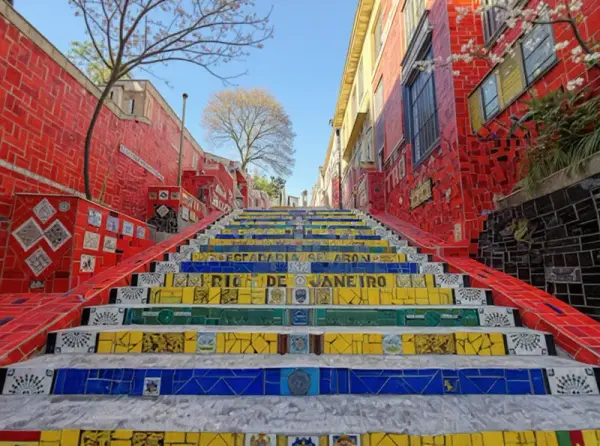
6. Selarón Steps (Escadaria Selarón) - Santa Teresa
Santa Teresa
Iconic mosaic staircase that captures Rio's color and creative spirit. Expect vibrant photo ops and lively street life between Lapa and Santa Teresa.
Quick facts: A riot of over 2,000 tiles from more than 60 countries covers the stairway, giving each step a patchwork of colors that begs for photos. Passersby say every visit feels different because sunlight, wear, and new additions alter the mood, turning the route into an ever-shifting urban artwork.
Highlights: Artist Jorge Selarón hand-tiled every one of the 215 steps over decades, collecting and fitting more than 2,000 tiles from over 60 countries so you can spot a Japanese porcelain shard next to a green Portuguese azulejo. Locals and travelers still slide tiny painted tiles and handwritten notes into cracks as an unofficial ritual, and on carnival nights the whole stairway smells of grilled meat, bursts with samba and echoes like a living mosaic.

7. Maracanã Stadium (Estádio do Maracanã)
Estádio do Maracanã
One of world football's iconic arenas, where legends played. Tour the stands, walk the pitch and glimpse locker rooms and panoramic views.
Quick facts: A near-200,000 crowd once packed the bowl for a World Cup final, an intensity that still makes the hairs on your neck stand up. Night matches flood the terraces with blinding color and thunderous chants, and the cavernous scale turns every goal into a seismic pulse you can feel in your chest.
Highlights: Believe it or not, the 1950 World Cup final packed an official crowd of 199,854, and after Uruguay's winning goal the stunned silence from the stands turned that defeat into a piece of national legend. Nowadays the 78,838 seats thrum on big nights, more than 70,000 throats chanting player names in tight, chest-shaking unison while the air fills with the sharp scent of churrasco from the vendors outside.
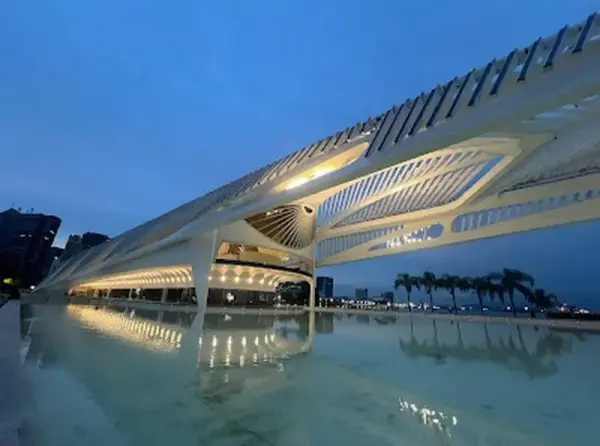
8. Museum of Tomorrow (Museu do Amanhã) - Praça Mauá
Praça Mauá
Futuristic waterfront museum with striking Calatrava design. Interactive climate and future-of-life exhibits paired with stunning Guanabara Bay views.
Quick facts: A sleek glass-and-steel silhouette stretches over the waterfront, with moving solar panels and shaded promenades that create dramatic light and shadow for photo-worthy views. Inside, hands-on exhibits blend science and art so visitors can manipulate climate simulations and see how small choices ripple into long-term scenarios.
Highlights: Designed by Santiago Calatrava and opened on December 17, 2015, the building wears a ribbed white roof studded with tilting solar panels that angle toward the sun, and from the esplanade you can taste salt on the breeze while a black reflecting pool mirrors the sky like glass. Local photographers and families gather at golden hour to watch the ribs flush pink and gold as the sun sinks, and a low-key tradition has developed where volunteers hand out tiny laminated cards explaining how seawater is used to help cool the galleries.
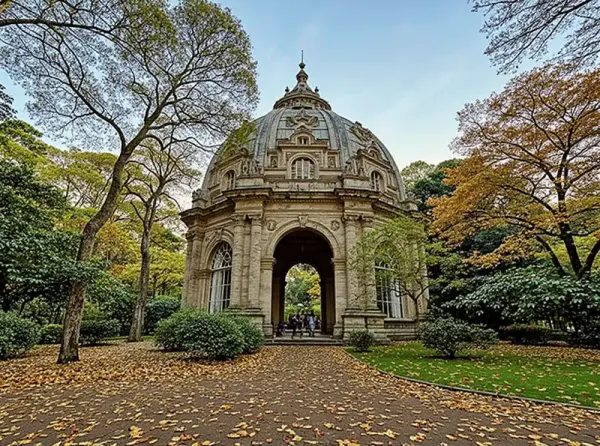
9. Rio de Janeiro Botanical Garden (Jardim Botânico)
Jardim Botânico
Old gardens and towering royal palms bring calm to Rio's bustle. Stroll shaded avenues, see orchids and hummingbirds, and frame Corcovado through the trees.
Quick facts: Strolling beneath towering royal palms feels like stepping into a living museum, where around 6,500 plant species line shaded avenues and a canopy of orchids and bromeliads dazzles the eye. Quiet ponds mirror ornate statues and attract herons and colorful tanagers, while guided trails highlight medicinal plants still used in traditional remedies.
Highlights: Walk down the avenue of 134 Royal Palms planted in 1809 by King João VI, where the trunks rise like cathedral columns and shafts of light stripe the path into bands of gold. Beyond those palms a network of humid, mossy microclimates hosts centuries-old trees and hundreds of orchid and bromeliad species, so close you can smell sharp citrus and wet earth after a sudden rain.
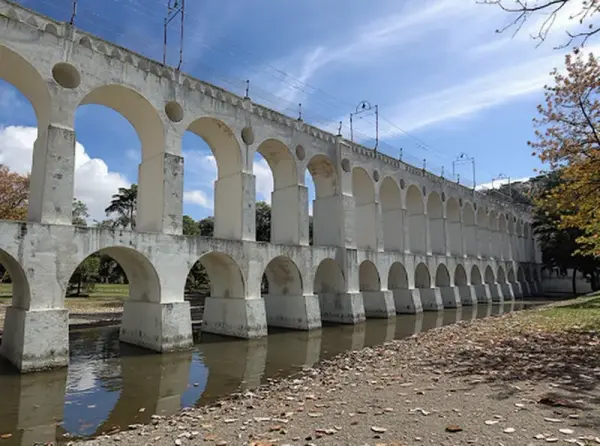
10. Lapa Arches (Arcos da Lapa)
Arcos da Lapa
Iconic colonial aqueduct with sweeping city and hilltop views. Stroll beneath the arches, catch street samba and vibrant nightlife.
Quick facts: Beneath a line of 42 soaring stone arches, the air pulses with samba, neon-lit bars, and the gentle clatter of the vintage tram above. Curious travelers stand on its shadowed walkways for dramatic photo angles and rooftop cocktails that reveal unexpected panoramic views over the city.
Highlights: At dusk a circle of dancers gathers beneath the 42 weathered stone arches, samba drums and tambourines making the air taste of grilled queijo coalho and lime while vendors shout over the music. A creaking yellow tram called the Bondinho rattles across the top every hour, its bell cutting through the party and reminding everyone the 18th-century structure once carried water across the city.
What to pre-book in Rio de Janeiro
These sell out or need a reservation. Book them first, in this order.
- 1.Christ the Redeemer (Cristo Redentor) - CorcovadoBook 7 days ahead1-2 weeks ahead, especially in peak season Skip-the-line tickets
- 2.Sugarloaf Mountain (Pão de Açúcar)Book 3 days aheadA few days ahead in peak season Skip-the-line tickets
Where to Stay in Rio de Janeiro, Brazil
Selected by City Buddy based on guest reviews and proximity to top attractions
Search all hotels in Rio de Janeiro, BrazilPowered by agoda
Opening days in Rio de Janeiro, Brazil
Which of the top sights close on which day of the week — the classic trip-ruiner, checked for you.
Wednesday: 1 of 4 top sights closed — plan museums for another day.
Closed on Wednesday · 1 closed, 3 open
Opening days from Google Maps (checked 2026-02-19). Public holidays, strikes and seasonal hours can differ — check the official website before you go.
Traditional Sweet Dishes

Brigadeiro
Brigadeiro was named in the 1940s after Brigadier Eduardo Gomes, and it became a political fundraiser and later the indispensable chocolate truffle at Brazilian birthday parties.

Quindim
Quindim's glossy, golden surface comes from dozens of egg yolks mixed with coconut, creating a jewel-like custard that traces its roots to Portuguese and African influences.

Pudim de leite
Pudim de leite is a silky caramel flan that is baked slowly in a water bath for hours, and many Brazilian families guard secret recipes passed down through generations.
Traditional Savory Dishes
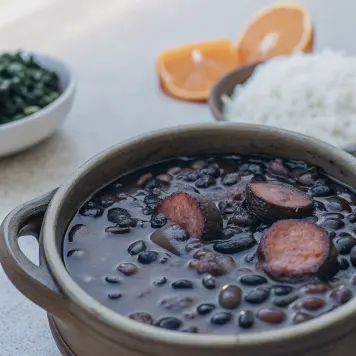
Feijoada
Feijoada, a hearty black bean stew with many pork cuts, started as a humble dish made by enslaved people using discarded meats, and today it is a festive communal meal often served with rice, collard greens and orange slices.

Coxinha
Coxinha is a crunchy fried snack shaped like a little drumstick and filled with seasoned shredded chicken, and its playful shape helped it become one of Brazil's most beloved street foods.

Pastel
Pastel, a thin fried pastry sold at lively street fairs, shows Chinese influence and is commonly paired with fresh sugarcane juice for a classic Carioca combo.
Traditional Beverages

Caipirinha
Caipirinha began as a rural home remedy for colds and evolved into Brazil's signature cocktail, made by muddling lime and sugar and mixing with cachaça and ice.

Cachaça
Cachaça is distilled from fresh sugarcane juice rather than molasses, giving it bright vegetal and fruity notes, and it has been produced in Brazil since the 16th century making it older than many world spirits.

Guaraná
Guaraná soda is flavored with the Amazonian guaraná berry and became a national favorite because of its fruity taste and natural stimulant from high caffeine levels.
Know before you go
What a day costs in Rio de Janeiro, and the rip-offs to avoid
Top rip-offs to avoid
- Beach and crowd theft. Leave passports and valuables at your hotel. Take only cash and an inexpensive phone to the beach, and keep items in front of you.
- Distraction and pickpocket teams. Keep bags zipped and in front of your body. Ignore people who crowd you and step away if someone tries to distract you.
- Unlicensed airport drivers. Walk past unsolicited offers and use only the official taxi rank at the terminal exit. Uber and 99 through their apps are also reliable.
Fair taxi from the airport: 130 R$ - 180 R$ (€22 - €31)
Cheaper option: Executive coach (Alvorada/Real Auto Ônibus) to central bus station, then metro or local bus (22 R$)
All scams, fair prices and rulesFrequently Asked Questions about Rio de Janeiro, Brazil
What are the best months to visit Rio de Janeiro, Brazil?
Is Rio de Janeiro, Brazil expensive for travelers?
How many tourists visit Rio de Janeiro, Brazil each year?
How to get around Rio de Janeiro, Brazil?
Is Rio de Janeiro, Brazil safe for tourists?
Get a PDF with the most popular attractions sent to your email
Get a PDF with all attractions, ratings, and tips. Perfect for offline use.
Most popular day trips
Petrópolis
Historic mountain town; imperial museums and cooler weather.
Ilha Grande
Car-free island with hiking, clear waters and secluded beaches.
Teresópolis
Mountain town in Serra dos Órgãos; hiking and milder climate.
Getting there
Train stations
SuperVia commuter rail to suburbs; connections to metro
From GIG use BRT or taxi; from SDU use VLT/metro or taxi; Central do Brasil links to the metro.
Useful information for Rio de Janeiro, Brazil
Overview for Rio de Janeiro, Brazil
Want a day-by-day plan for Rio de Janeiro, Brazil? Open the trip planner
Plan your perfect trip to Rio de Janeiro, Brazil
Get a complete travel plan built just for you in under 30 seconds, with daily routes, local food tips, budget estimates and more.
Are any of these especially important to you?
Select all that apply
Getting around
How do you want to move between places?
Plan language: English