 CityBuddy
 English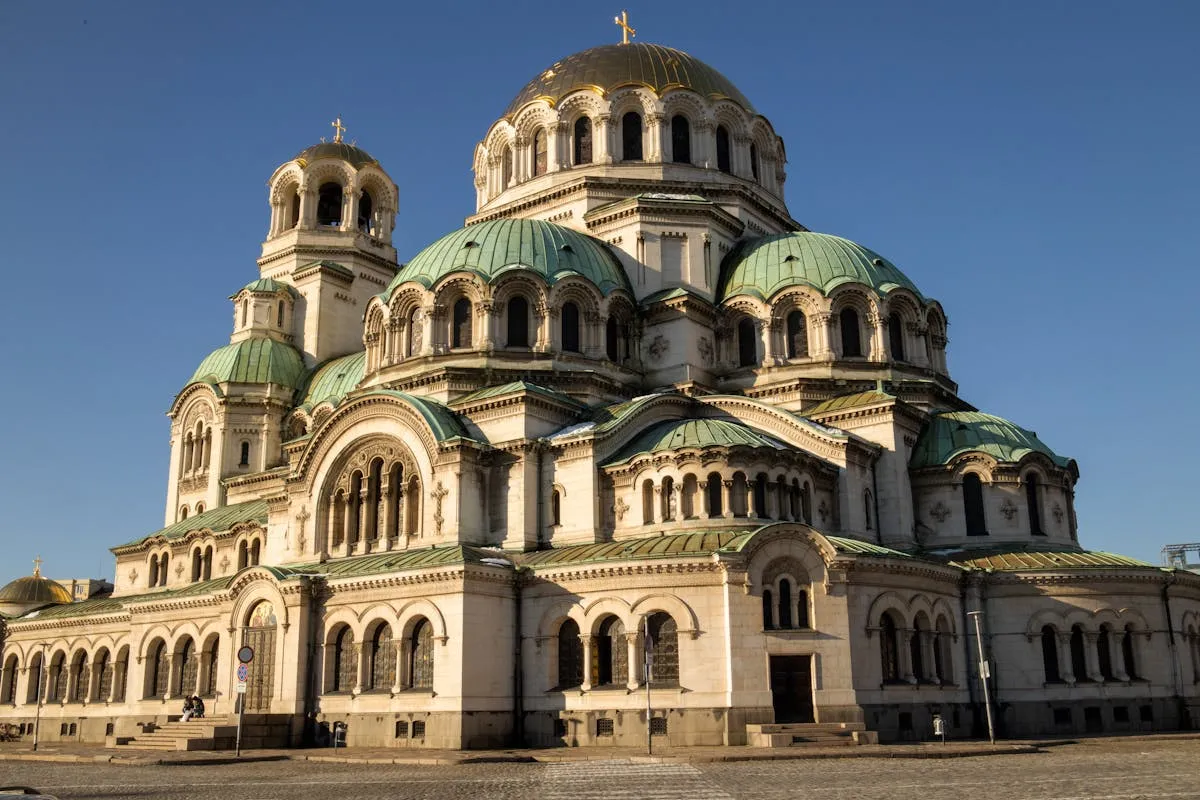
Things to Do in Sofia, Bulgaria
Photo made by Valentin on Pexels.com
When to visit
Most popular attractions in Sofia, Bulgaria
Things to do in Sofia, Bulgaria, include visiting the impressive Alexander Nevsky Cathedral with its striking gold-plated domes, exploring the ancient Church of St. George with its distinctive red brick rotunda, and soaking in the rich history at the Sofia Central Mineral Baths, a grand 20th-century building now housing a museum and spa.
1. Alexander Nevsky Cathedral
Imposing 19th-century Orthodox cathedral with glittering golden domes and ornate interiors. Wander through painted frescoes, icons and the atmospheric crypt museum beneath.
Quick facts: Golden domes catch sunlight and crown a monumental Neo-Byzantine church whose facades and interior are lavish with marble, icons, and intricate mosaics. Step inside and the echoing nave, glittering iconostasis, and nearly floor-to-ceiling frescoes make the space feel both intimate and vast, while the crypt contains a chapel with revered relics.
Highlights: Built between 1882 and 1912, the cathedral's bell tower holds 12 bronze bells whose deep chords make the marble floors and stained-glass windows vibrate when they're rung on major feast days. Inside the nave, sunlight slices through high windows and skims dozens of gold mosaics and a towering carved iconostasis, while the warm honey-sweet scent of beeswax candles and incense lingers in the air.
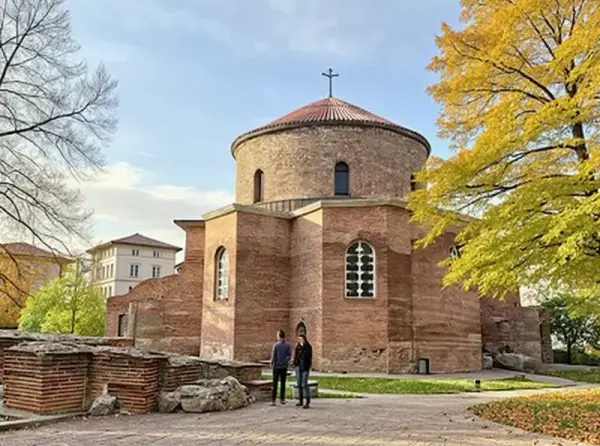
2. Church of St. George (Rotunda of St. George)
Rotunda of St. George
Ancient Roman rotunda tucked into central Sofia, a rare surviving 4th-century structure. Step inside for warm brickwork, layered frescoes, and a tranquil courtyard.
Quick facts: Stepping into a cool, dim rotunda, you spot vivid crimson-and-gold fresco fragments peeking through layers of plaster, their faces arresting even in near-darkness. Scholars and curious visitors often marvel that this humble, brick circle survived being enveloped by later structures, so you can trace multiple historical layers in one intimate space.
Highlights: A squat 4th-century red-brick rotunda hides layers of painting: the walls preserve at least three distinct fresco cycles from the 10th to the 14th century, with startling crimson and gold pigments that still catch sunlight and make the saints' faces seem to breathe. After centuries of changing uses, including roughly five centuries as a mosque, restorers in the 20th century peeled back plaster to reveal a medieval portrait of an anonymous donor wearing a red robe, a discovery that still makes local guides whisper when they show you the dim, echoing interior.
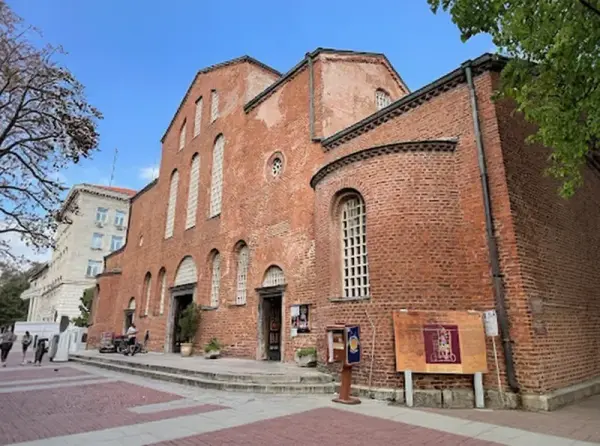
3. Saint Sofia Church (St. Sofia)
St. Sofia
Early Byzantine landmark revealing Sofia's layered past. Expect a peaceful church interior, ancient tombstones, and an on-site archaeological exhibition beneath the floor.
Quick facts: Step inside and the cool hush of thick stone walls and ghostly mosaics wraps around you, making the space feel like a layered time capsule. Beneath the floor archaeologists have revealed Roman streets and an ancient rotunda, so you are literally standing on multiple cities at once.
Highlights: Beneath the nave, a 6th-century layer of carved stone coffins and mosaic tesserae lies exposed: you can peer down at dozens of slab graves and the faded polychrome chips as if reading a buried city map. During Orthodox services the low vaulted space fills with frankincense and a single, centuries-old bell is struck in a slow, insistent rhythm that locals still say marks births, weddings, and funerals.
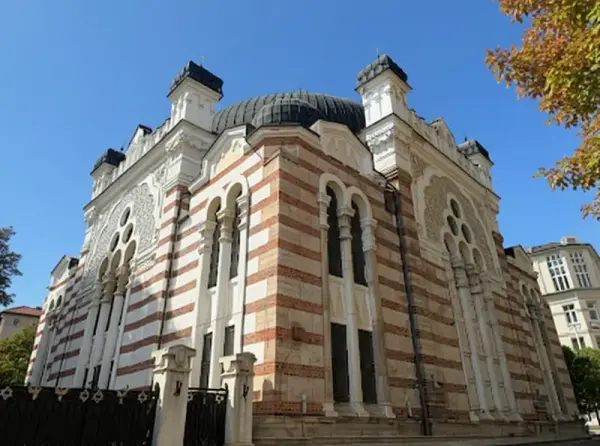
4. Central Sofia Synagogue
Moorish Revival landmark in Sofia's center, rich in history. Step under gilded domes, stained glass and ornate chandeliers while learning about Bulgaria's Jewish past.
Quick facts: A shimmering dome and gilded interior make visiting feel like stepping into a jewel box, as sunlight through stained-glass windows paints warm mosaics across the floor. Few expect the hushed sanctuary to double as a concert venue and cultural hub, where solemn services coexist with lively music and community gatherings.
Highlights: Step inside and your eyes are grabbed by a riot of turquoise and gold mosaics made from roughly 3,000 tiny tiles on the dome, while the warm scent of beeswax polish and aged wood hangs in the air. On Friday nights an 82-year-old cantor named Michael guides a small choir through a slow Ladino hymn until the brass chandeliers shimmer like stars, and regulars pass around palm-sized honey cakes as a sticky, generations-old tradition.
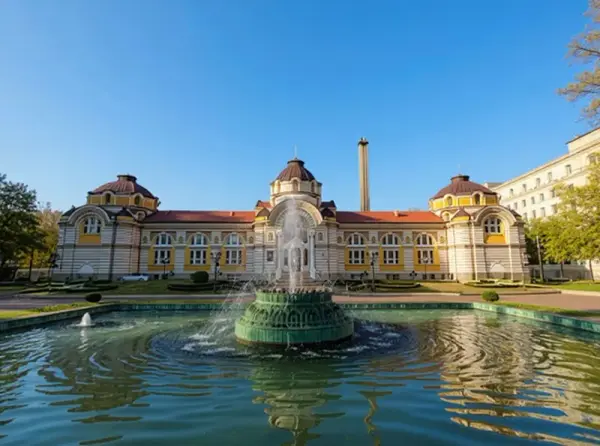
5. Sofia Central Mineral Baths (Mineral Baths)
Mineral Baths
Step into Sofia's Central Mineral Baths to admire grand domes and colourful mosaics. Wander the former bath halls, photograph details and pop into the small museum.
Quick facts: Steamy mosaics and onion-shaped domes give the building a fairy-tale silhouette, while faint sulfur-scented steam hints at the thermal waters beneath. Visitors linger to photograph its vivid yellow-and-green façade, and mineral-rich water still pours from ornate bronze taps that locals once used for restorative baths.
Highlights: Built between 1911 and 1913, the old bathhouse still exhales warm, sulfur-scented steam from natural thermal springs, and you can peer through cracked mosaic tiles into pools where the water sits around 40–42°C. A local habit that's oddly charming: people line up at tiny spigots to fill glass bottles with mineral water for drinking or soaking, some bottles kept for decades and marked with faded stickers or hand-written dates.
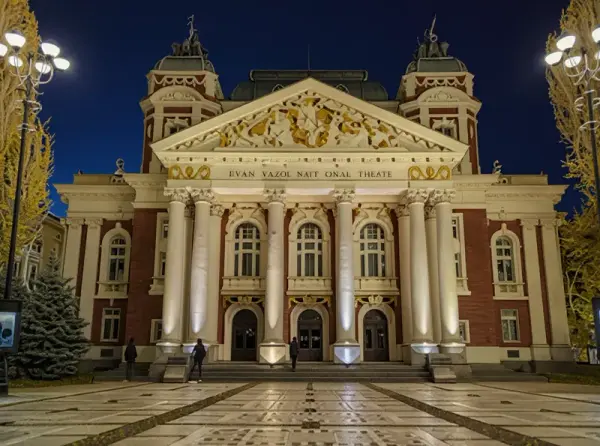
6. Ivan Vazov National Theatre
Iconic neoclassical theatre anchoring Sofia's cultural heart. Attend a performance or tour the ornate auditorium and grand marble foyer.
Quick facts: A gilded pediment and sweeping colonnade give the façade a cinematic drama, while evening lights make the building glow like a stage set. Inside, plush velvet seats and impeccable acoustics turn spoken lines into palpable emotion, and the program mixes beloved classics with surprisingly daring contemporary productions.
Highlights: Step inside the 1907 neo-Baroque building by Fellner and Helmer and you'll feel the velvet-heavy hush and smell of old stage dust, while the gilt proscenium and crystal chandelier glow like warm honey under the stage lights. Legend among actors says that if you slip a single red carnation into the orchestra pit before the final bow, the show will run for at least 30 performances, a playful superstition that sparks secret smiles back stage.
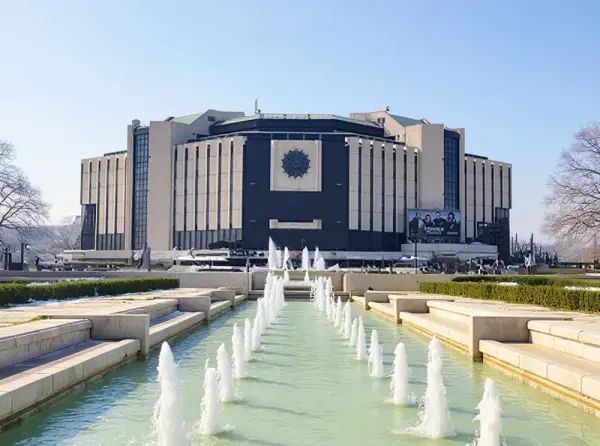
7. National Palace of Culture (NDK)
NDK
A lively cultural hub hosting concerts, exhibitions and events in a striking modernist complex. Wander galleries, catch a live show, or relax on the sunlit plaza.
Quick facts: Step inside and you'll feel the scale and acoustic warmth, a main auditorium that swallows sound while dozens of smaller stages buzz with rehearsals and events. Around the complex are exhibition halls, galleries, and rooftop terraces where locals gather for open-air performances, turning concrete into an unexpectedly social urban magnet.
Highlights: Since its opening in 1981, the cavernous main foyer still smells faintly of old paper programs and espresso, and on festival nights the acoustics make even a single violin swell like a small cathedral. A quirky local tradition sees people tap the brass handrail of the central staircase for luck before performances, a habit so common that the metal is polished to a warm, golden sheen where thousands of palms have rubbed it.
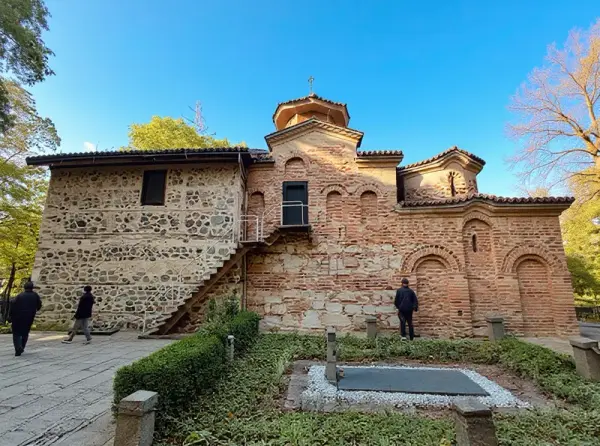
8. Boyana Church (UNESCO)
UNESCO
13th-century frescoes display vivid, lifelike detail, making Boyana Church a highlight of medieval art. Explore small chapels and study portraits up close.
Quick facts: Step inside and your eyes lock onto frescoes so vivid that the painted faces seem to follow you, their emotional realism standing out among medieval art. Dozens of intimate portraits and narrative scenes crowd the walls, offering a surprising snapshot of medieval society that visitors often describe as shockingly modern.
Highlights: Stepping inside feels like walking into a 1259 portrait studio, where frescoed faces display tiny details, freckles, hollowed cheeks and a glint in an eye rendered with a realism rare for the Middle Ages. Local guides lean in and whisper that around 3 pm on a sunny day the ochre and ultramarine pigments catch the light so the painted skin seems warm, and you can smell faint chalk and beeswax from the old layers.
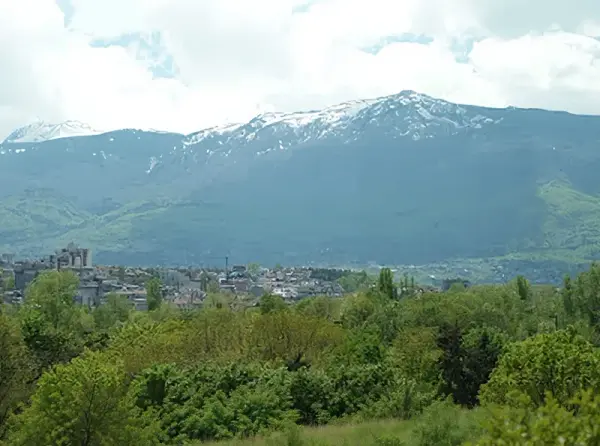
9. Vitosha Mountain (Vitosha Nature Park)
Vitosha Nature Park
Alpine slopes and panoramic views just outside Sofia, perfect for outdoor escapes. Hike forested trails, ride the chairlift, or ski with the city below.
Quick facts: Granite ridges and rounded plateaus give dramatic panoramas, while well-marked trails make the high country reachable from the city in under an hour. Ringing cowbells and pine-scented air accompany hikes where lucky walkers spot Balkan chamois and ancient beech groves, and more than 20 ski runs plus hundreds of kilometers of trails keep visitors busy year-round.
Highlights: A 2,290-meter summit rises above ancient glacial stone rivers where granite boulders, some the size of cars, pile into corridors more than two kilometers long and flash in the morning light like scattered coins. Locals still head out at dusk for torchlit walks and impromptu sled runs, the pine-resin scent and distant cowbells turning the slopes into a crackling, low-lit theater.
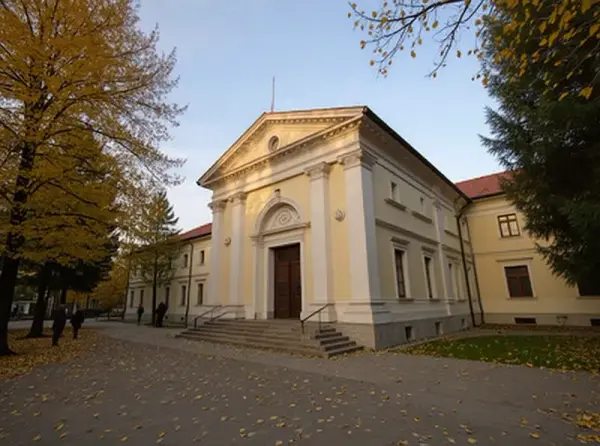
10. National Archaeological Museum
Sofia
Rich collection spanning Bulgaria's prehistoric to medieval past. Explore Thracian gold, Roman mosaics and a dramatic Ottoman-era building.
Quick facts: Mosaic-clad rooms and towering columns guide visitors through a collection of more than 650,000 artifacts, so every corner feels like a new archaeological revelation. A spectacular display of Thracian gold and lifelike statues brings ancient craftsmanship to eye-level, while dim galleries of everyday objects make history feel surprisingly intimate.
Highlights: Step inside and you might catch a 2,300-year-old golden wreath gleaming under amber spotlights, the tiny laurel leaves still crisp enough to see individual veins. Staff follow an old practice of tapping a small bronze bell at 12:00 each day before unveiling a new case, the quick, high chime making people hush and lean closer to the glass.
What to pre-book in Sofia
These sell out or need a reservation. Book them first, in this order.
- 1.Boyana Church (UNESCO)Book a day aheadA day ahead in summer, same day off-season Skip-the-line tickets
Where to Stay in Sofia, Bulgaria
Selected by City Buddy based on guest reviews and proximity to top attractions
Search all hotels in Sofia, BulgariaPowered by agoda
Opening days in Sofia, Bulgaria
Which of the top sights close on which day of the week — the classic trip-ruiner, checked for you.
Monday: 1 of 10 top sights closed — plan museums for another day.
Closed on Monday · 1 closed, 9 open
Opening days from Google Maps (checked 2026-02-19). Public holidays, strikes and seasonal hours can differ — check the official website before you go.
Traditional Sweet Dishes
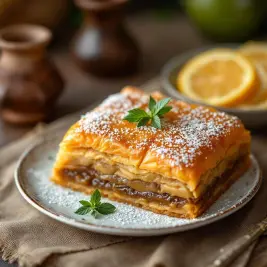
baklava
In Sofia, baklava is often made with coarsely chopped walnuts and a cinnamon-scented syrup, giving a heartier, less cloying sweetness than some other versions.
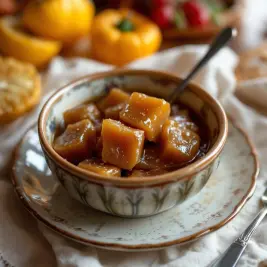
lokum
Lokum in Sofia often arrives scented with rosewater or lemon, and it became woven into Bulgarian sweet culture after being used as a favored diplomatic gift during Ottoman times.

tikvenik
Tikvenik is a seasonal favorite in Sofia, a thin phyllo roll filled with spiced pumpkin and walnuts, and it is a must at autumn and harvest celebrations.
Traditional Savory Dishes

banitsa
Banitsa is more than breakfast in Sofia, it is central to New Year celebrations when bakers tuck small charms and wishes into the layers so each bite can bring luck.

shopska salad
Shopska salad was created to showcase Bulgarian produce, its red, green, and white colors echo the national flag, and it quickly became a symbol of Bulgarian culinary identity.

sarmi
Sarmi, cabbage or vine leaves stuffed with rice and meat, are a Sofia staple at family gatherings, and rolling them is a communal ritual that can take an entire afternoon.
Traditional Beverages

rakia
Rakia is Bulgaria’s potent fruit brandy, commonly made from plums or grapes, and in Sofia it is customary to greet guests with a shot alongside warm toasts and local stories.
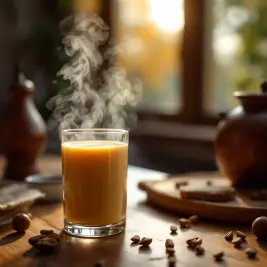
boza
Boza is a thick, mildly fermented millet drink with a sweet and tangy flavor, once carried through Sofia by vendors in wooden barrels and still loved as a nostalgic winter beverage.
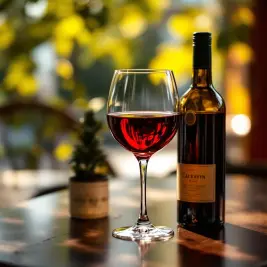
wine
Bulgaria’s winemaking goes back to the Thracians, and vineyards around Sofia produce aromatic reds and crisp whites that have surprised international critics.
Know before you go
What a day costs in Sofia, and the rip-offs to avoid
Top rip-offs to avoid
- Unlicensed airport drivers. Walk past anyone offering a ride inside the terminal. Use the official taxi rank outside or book through Bolt or Yellow before exiting.
- Poor-rate exchange booths. Use bank ATMs for withdrawals instead. If you must exchange, compare posted rates and ask for the final amount before handing over money.
- Bill inflation. Confirm the menu has prices, ask about service charges before ordering, and review the itemised bill at payment.
Fair taxi from the airport: €10 - €15
Cheaper option: Metro Line 1 (M1) from Sofia Airport station to the city centre (€1.60)
All scams, fair prices and rulesFrequently Asked Questions about Sofia, Bulgaria
What is the best time to visit Sofia, Bulgaria?
Is Sofia, Bulgaria expensive for travelers?
How do tourists get around Sofia, Bulgaria?
Is tap water safe to drink in Sofia, Bulgaria?
How many tourists visit Sofia, Bulgaria each year?
Get a PDF with the most popular attractions sent to your email
Get a PDF with all attractions, ratings, and tips. Perfect for offline use.
Most popular day trips
Plovdiv
Historic Roman theatre and colorful Old Town.
Vitosha Mountain
Closest mountain for hiking and skiing near Sofia.
Melnik and Rozhen Monastery
Small wine town and nearby medieval monastery.
Getting there
Train stations
Domestic and international lines (Plovdiv, Varna, Burgas, Bucharest, Belgrade).
Metro connections; local commuter lines.
Take the M4 metro or bus 84 from Sofia Airport to Serdika for fastest access.
Useful information for Sofia, Bulgaria
Overview for Sofia, Bulgaria
Compare Sofia with other destinations
Prices, safety, weather and top attractions side by side, with a verdict for every kind of traveler.
Want a day-by-day plan for Sofia, Bulgaria? Open the trip planner
Plan your perfect trip to Sofia, Bulgaria
Get a complete travel plan built just for you in under 30 seconds, with daily routes, local food tips, budget estimates and more.
Are any of these especially important to you?
Select all that apply
Getting around
How do you want to move between places?
Plan language: English