 CityBuddy
 English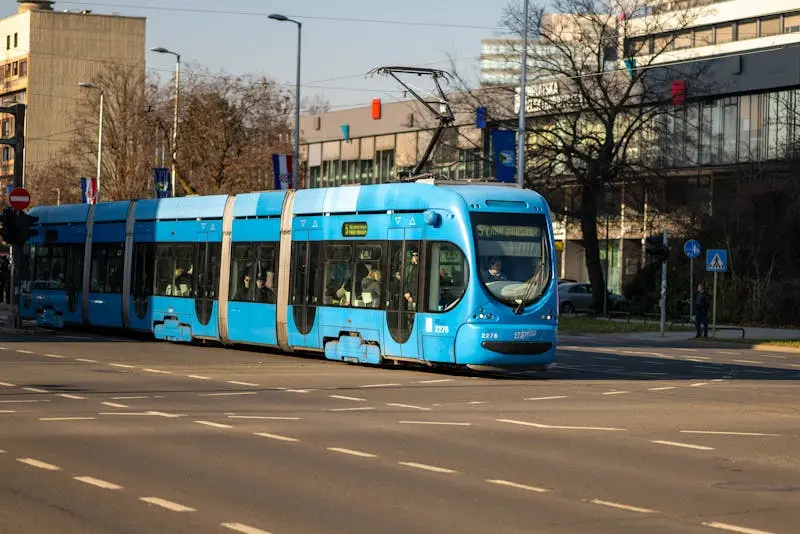
Things to Do in Zagreb, Croatia
Photo made by Vladimir Srajber on Pexels.com
When to visit
Most popular attractions in Zagreb, Croatia
Things to do in Zagreb, Croatia include exploring Ban Jelačić Square, the city's central hub with lively cafes and historic charm. Visit the Zagreb Cathedral with its impressive twin spires towering 108 meters high. Don’t miss the colorful tiled roof of St. Mark's Church in Upper Town, a symbol of the city’s heritage.
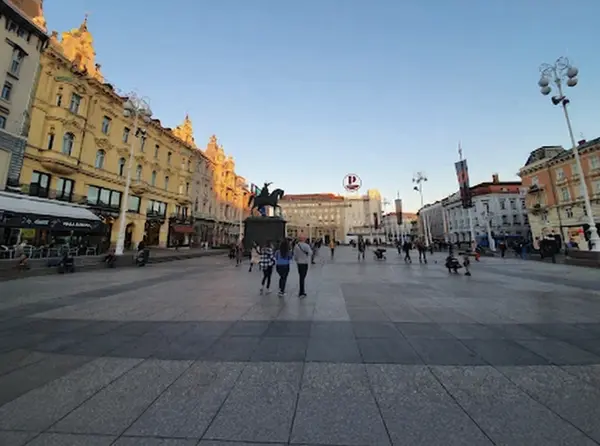
1. Ban Jelačić Square (Trg bana Jelačića)
Trg bana Jelačića
Heart of Zagreb where history, trams and street life meet. Expect lively markets, the Ban Jelačić statue, and easy tram links to Upper Town.
Quick facts: Step into a lively square where trams crisscross like shining veins and street musicians turn cobblestones into a stage. Look up to a proud horseman statue that locals use as the city's traditional meeting point and zero-kilometre marker, a small detail that surprises many first-time visitors.
Highlights: The bronze rider that anchors the plaza was removed by authorities in 1947 and triumphantly reinstalled in 1990, a disappearance and return that locals still joke turned the statue into the city's unofficial time capsule. Walk by on a weekday and you'll hear tram bells, smell roasted chestnuts from a vendor beside the small Manduševac fountain, and see office workers tap the horse's hoof for luck before meetings.
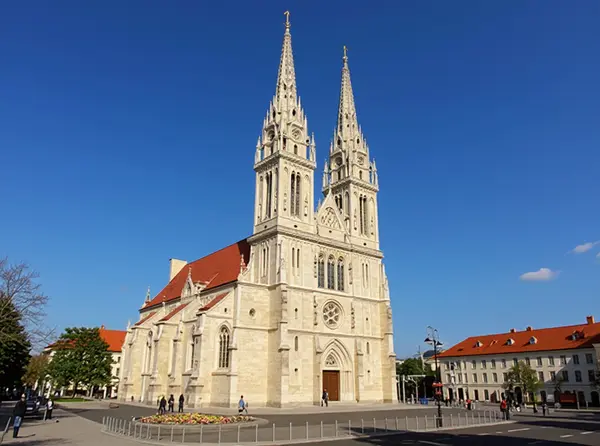
2. Zagreb Cathedral (Cathedral of the Assumption of the Blessed Virgin Mary)
Cathedral of the Assumption of the Blessed Virgin Mary
Majestic twin spires shape Zagreb's skyline, anchoring the city's medieval core. Step inside for soaring Gothic vaults, Baroque altars, and a small treasury of religious art.
Quick facts: Visitors often notice the twin spires reaching 108 meters, the tallest church towers in the country, while sunlight plays through intricate stained glass and stone portals. Don't miss the quiet crypt beneath the nave, where the tomb of a much-debated 20th-century cardinal draws pilgrims and sparks lively conversation among history buffs.
Highlights: Look up and you’ll spot twin neo-Gothic spires soaring roughly 108 meters high, their copper crosses flashing green in sunlight while ornate buttresses carve deep shadow lines across the sandstone facade. Beneath the main altar rests the tomb of Cardinal Alojzije Stepinac, and parishioners sometimes slip handwritten prayers and small silver coins into the iron grille, a quiet, tactile tradition that fills the crypt with the scent of wax and flowers.
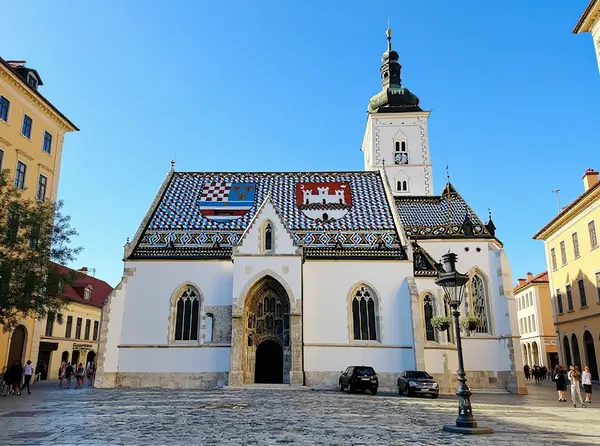
3. St. Mark's Church (Crkva sv. Marka) - Upper Town
Upper Town
Striking tiled roof and medieval façade, a symbol of Zagreb's Upper Town. Admire the colorful coats of arms, Gothic stonework, and quiet churchyard views.
Quick facts: Gleaming roof tiles form a striking checkerboard of coats of arms that sparkle in sunlight, drawing photographers and curious wanderers to peer up from the cobblestones. Inside, visitors notice a surprising contrast between the ornate tiled roof's showy exterior and the serene, Gothic nave where stone carvings and quiet shadows make the past feel palpable.
Highlights: Look up and you'll see a flamboyant tiled roof patterned with two heraldic shields: on one side the red-and-white checkerboard of the historic Croatian coat of arms, on the other Zagreb's medieval shield, their glazed tiles catching sunlight like hundreds of tiny mirrors. Behind the church a weathered 13th century grave slab bears a carved wolf's paw and a faint Latin inscription, a little-known legend says a medieval knight was buried there and locals still whisper the story on moonlit walks.
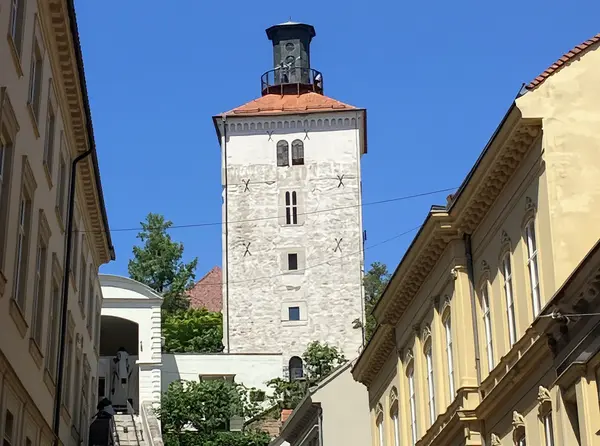
4. Lotrščak Tower (Kula Lotrščak)
Kula Lotrščak
Perched over Zagreb's Upper Town, Lotrščak Tower rewards visitors with sweeping city views and a daily cannon firing. Climb narrow stairs for rooftop panoramas and lively history.
Quick facts: A thunderous cannon blast marks the stroke of noon every day, surprising visitors and keeping a long local tradition alive. Climbing narrow stone steps rewards you with a compact museum and rooftop views that frame red-tiled roofs and church spires.
Highlights: Climb the tight spiral staircase up to a tiny terrace where a little bronze cannon booms exactly at 12:00 every day, a ritual kept since 1877 that makes your chest thrum and sends pigeons scattering from the red-tiled roofs below. Peer through narrow stone windows to spot distant church spires and laundry lines, breathe the sharp tang of old lime mortar, and watch the cannon's powder-sweet smoke curl into the sky like a small, proud signal.
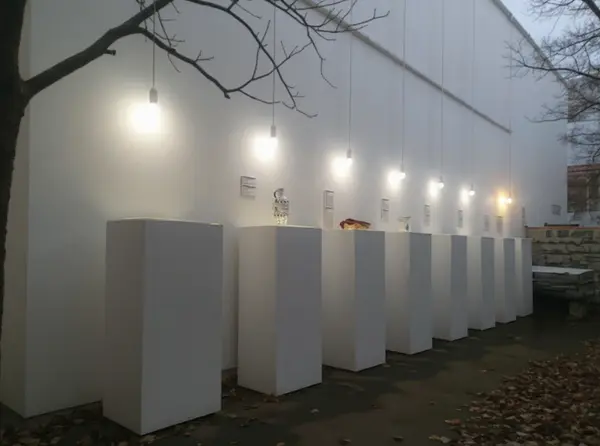
5. Museum of Broken Relationships (Muzej prekinutih veza)
Muzej prekinutih veza
Experience a raw, human look at relationships through personal objects. Expect short, often funny or heartbreaking stories in a small, intimate museum.
Quick facts: A chipped coffee mug and a crumpled love letter sit in glass cases with short, blunt captions, those tiny narratives often more affecting than the objects themselves. Visitors frequently leave laughing and crying in the same hour, and the collection includes thousands of donated items that map heartbreak into surprisingly honest, human stories.
Highlights: Glass cases hold ordinary relics: a stained wedding handkerchief, a 1994 mixtape, a single earring, each paired with a blunt, handwritten note that can make the gallery go silent. More than a thousand items, donated by people from over fifty countries, sit beside a practice where visitors leave a short breakup confession on an index card, filling a cardboard box with hundreds of fresh stories each year.
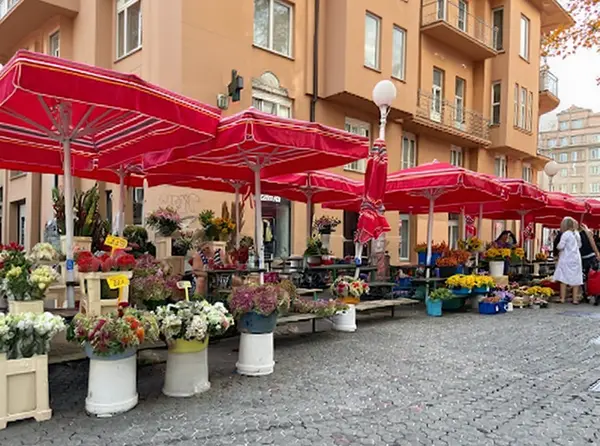
6. Dolac Market (Tržnica Dolac)
Tržnica Dolac
Fresh local produce and lively Croatian market culture in Zagreb's central square. Stalls burst with colorful fruit, cheeses, flowers and friendly vendors to sample.
Quick facts: Arrive early to find stalls overflowing with heirloom tomatoes and fragrant lavender, vendors trading friendly barbs and offering tastes of creamy cheeses. Sunlight splashes through a central canopy onto a lively mix of fresh produce, cured meats and handmade crafts, drawing locals and curious visitors who linger over strong coffee and animated conversation.
Highlights: Go at 6:00 AM when farmers from nearby Samobor and Zagorje stack wooden crates of ruby-red tomatoes and fragrant parsley beneath the market umbrellas, and you can still smell warm, just-baked bread drifting up the stone steps. On Saturdays listen for low bargaining in the Kajkavian dialect, watch women in patterned headscarves wrap sheep cheese in wax paper with blue producer stamps, and spy the sunken fish hall where vendors slap silver carp onto counters under fluorescent lights.
7. Maksimir Park (Park Maksimir)
Park Maksimir
One of Zagreb's largest green escapes, perfect for leafy walks and lake views. Wander forest paths, five linked lakes, meadows and a small zoo for all ages.
Quick facts: A maze of rolling meadows, quiet lakes, and towering old trees makes you feel miles away from the urban rush, and locals swear by its shady lanes for weekend picnics and morning runs. Listen for frog choruses at dusk and watch graceful swans slip under wooden bridges, then follow wide gravel paths that open onto secluded viewpoints where deer sometimes appear.
Highlights: On misty mornings you can wander along five glassy ponds where moss-draped oak trunks lean over the water and the air smells of damp earth and roasted chestnuts from a lone vendor by the third footbridge. A quirky tradition among local students is to carve tiny wooden boats, scratch the year into the hull, and float roughly fifty of them at once during an informal autumn launch beneath the weeping willows, a habit that began as a 19th-century prank and now draws laughing passersby.
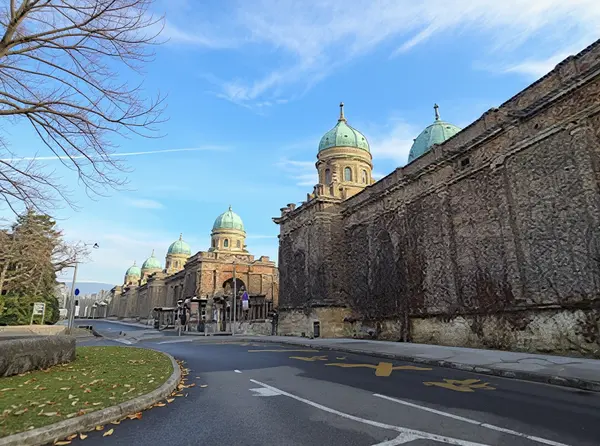
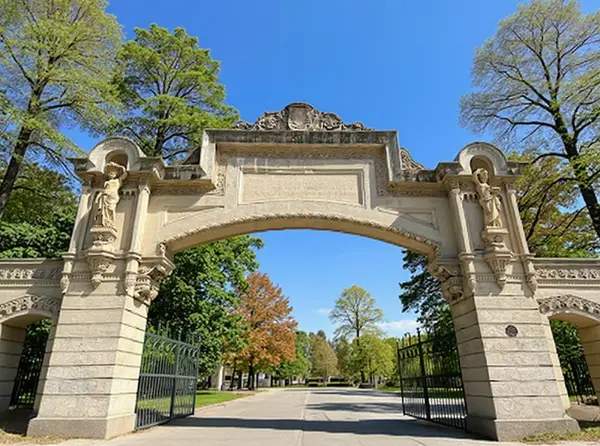
8. Mirogoj Cemetery (Mirogojev groblje)
Mirogojev groblje
A striking 19th-century cemetery blending architecture, art and city history. Wander colonnades, ornate tombs and peaceful parkland with city views.
Quick facts: A long colonnaded arcade and green avenues create a cathedral-like calm, where mossy paths and whispering leaves invite slow, reflective walks. Stunning funerary sculptures and painted domes turn graves into small art museums, and photographers love capturing the interplay of shadow and patina at sunrise.
Highlights: Step under the arcaded galleries Hermann Bollé planned in the late 1800s and the cool, damp stone smells of cypress and old marble while golden mosaics and carved angels catch the last pink of sunset. On All Saints' Day tens of thousands of wax candles and chrysanthemums illuminate the graves, turning the lawns and colonnades into a soft, humming sea of light where families linger and quietly whisper names.
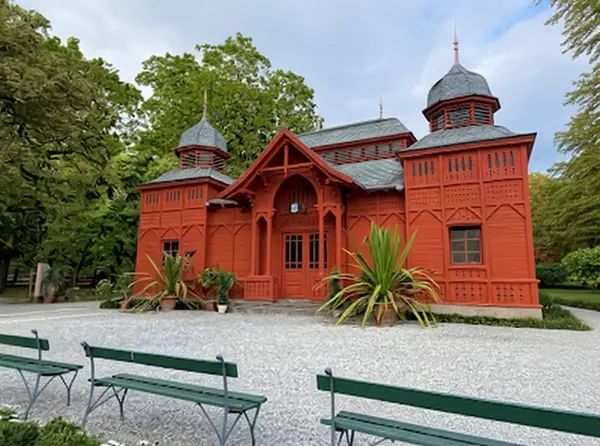
9. Zagreb Botanical Garden (Botanički vrt)
Botanički vrt
Relaxing city oasis with diverse plant collections and historic greenhouses. Wander seasonal flower beds, a peaceful pond, and tropical displays under glass.
Quick facts: Winding paths framed by labeled beds and leafy arboretums make wandering feel like a relaxed botany lesson, and greenhouse humidity often fills the air with a warm, earthy scent. Seasonal bursts of tulips and magnolias attract students and photographers alike, while quiet benches tucked beneath old trees are perfect for sketching or a peaceful pause.
Highlights: Wandering under a canopy of glossy magnolia and century-old plane trees, you'll suddenly stumble on a Victorian glasshouse where orchids perfume the humid air, and the faded brass plaque reads 1891 in raised letters. Locals have a quirky habit of leaving tiny folded paper boats along the narrow canal every spring, each labeled with a name or wish in Croatian, so by April you can count dozens of brightly painted notes bobbing like tiny lanterns.
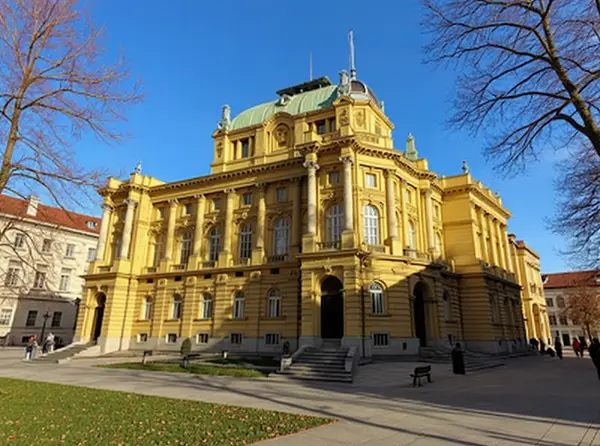
10. Croatian National Theatre in Zagreb (Hrvatsko narodno kazalište)
Hrvatsko narodno kazalište
Grand neo-baroque theatre with world-class opera, ballet and drama. Experience ornate interiors, live performances, and the dramatic marble staircase.
Quick facts: Golden chandeliers and velvet curtains bathe the auditorium in a warm glow, while the stage regularly hosts operas whose voices can linger long after the final bow. Surprisingly precise acoustics carry a whisper from the stage to the gallery, and behind the scenes you can glimpse lavish costumes and gilded plasterwork that steal the spotlight for photographers.
Highlights: Built in 1895 by the Viennese firm Fellner and Helmer, the grand auditorium still bathes red velvet seats and gilded plasterwork in warm light, so close you can hear the orchestra's breath before the overture. A quirky backstage superstition survives: performers habitually touch a small bronze relief near stage-left for luck, the metal polished smooth from decades of secret pre-show rituals, so a shiny thumbprint catches the lamps if you glimpse inside.
Where to Stay in Zagreb, Croatia
Selected by City Buddy based on guest reviews and proximity to top attractions
Search all hotels in Zagreb, CroatiaPowered by agoda
Opening days in Zagreb, Croatia
Which of the top sights close on which day of the week — the classic trip-ruiner, checked for you.
Monday: 2 of 6 top sights closed — plan museums for another day.
Closed on Monday · 2 closed, 4 open
Opening days from Google Maps (checked 2026-02-24). Public holidays, strikes and seasonal hours can differ — check the official website before you go.
Traditional Sweet Dishes

Fritule
Fritule are tiny, rum- or brandy-scented fried dough balls studded with raisins and citrus zest, traditionally dusted with powdered sugar and a staple on Zagreb's Advent market.

Kroštule
Kroštule are crisp, ribbon-shaped fried pastries twisted into knots, a Carnival favorite that shows Venetian and coastal pastry influences transported inland to Zagreb.

Povitica
Povitica is a hand-rolled walnut and honey swirl bread where the dough is stretched paper-thin to create spectacular spirals, often passed down as an heirloom recipe at family celebrations.
Traditional Savory Dishes

Ćevapi
Ćevapi are small grilled minced-meat sausages served in flatbread with raw onions and ajvar, they burst onto late-night street-food menus across Zagreb.
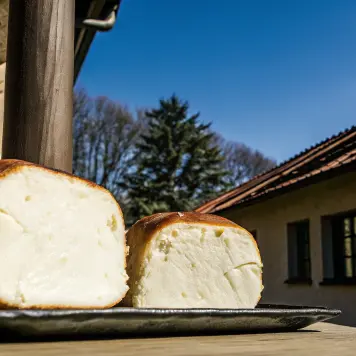
Strukli
Strukli are soft parcels of dough filled with fresh cottage cheese and cream, they can be boiled or baked and enjoyed as a homey comfort or as a refined restaurant specialty in Zagreb.

Sarma
Sarma are cabbage leaves wrapped around a savory mix of minced meat and rice, slow-simmered for hours and a symbol of winter family gatherings in Zagreb.
Traditional Beverages
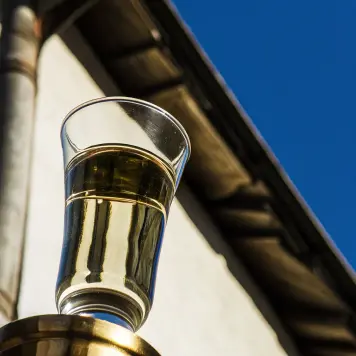
Rakija
Rakija is a potent fruit brandy often made at home from plums or grapes, it is poured into tiny glasses for toasts and treated like liquid hospitality in Zagreb.

Kvas
Kvas is a mildly fermented rye beverage with a fizzy, slightly tangy flavor, it was once a common peasant refresher and now pops up at summertime stalls and craft producers in Zagreb.

Prošek
Prošek is a lusciously sweet, sun-dried-grape dessert wine from the Dalmatian coast, its syrupy layers make it a classic finish to meals and a favorite to pair with rich pastries or strong cheeses in Zagreb.
Know before you go
What a day costs in Zagreb, and the rip-offs to avoid
Top rip-offs to avoid
- Unofficial airport drivers. Walk to the official taxi rank outside and confirm the meter or the city fixed rate before getting in. Book through a licensed app.
- Tourist menu overcharging. Ask for the menu with prices before sitting, check the bill for added charges, and eat a block away from the most tourist-dense streets.
- Friendly stranger distraction. Keep bags zipped and in front, decline unsolicited help, and stay alert in crowded spots like the main square and trams.
Fair taxi from the airport: €20 - €30
Cheaper option: Airport shuttle bus to the main bus station and city centre (€5)
All scams, fair prices and rulesFrequently Asked Questions about Zagreb, Croatia
When is the best time to visit Zagreb, Croatia?
Is Zagreb, Croatia expensive for travelers?
How do I get around Zagreb, Croatia?
Is tap water safe to drink in Zagreb, Croatia?
How many tourists visit Zagreb each year?
Get a PDF with the most popular attractions sent to your email
Get a PDF with all attractions, ratings, and tips. Perfect for offline use.
Most popular day trips
Plitvice Lakes National Park
UNESCO park of lakes, walking trails and waterfalls.
Samobor
Charming small town famed for kremšnita pastry and old town.
Trakošćan Castle
Picturesque hilltop castle with a scenic lakeside setting.
Getting there
Airports
Train stations
International (Vienna, Budapest, Belgrade); national (Split, Rijeka, Osijek)
From ZAG use the Pleso Airport shuttle (30–40 min) or taxi; central train station connects to trams/buses.
Useful information for Zagreb, Croatia
Overview for Zagreb, Croatia
Compare Zagreb with other destinations
Prices, safety, weather and top attractions side by side, with a verdict for every kind of traveler.
Want a day-by-day plan for Zagreb, Croatia? Open the trip planner
Plan your perfect trip to Zagreb, Croatia
Get a complete travel plan built just for you in under 30 seconds, with daily routes, local food tips, budget estimates and more.
Are any of these especially important to you?
Select all that apply
Getting around
How do you want to move between places?
Plan language: English