 CityBuddy
 English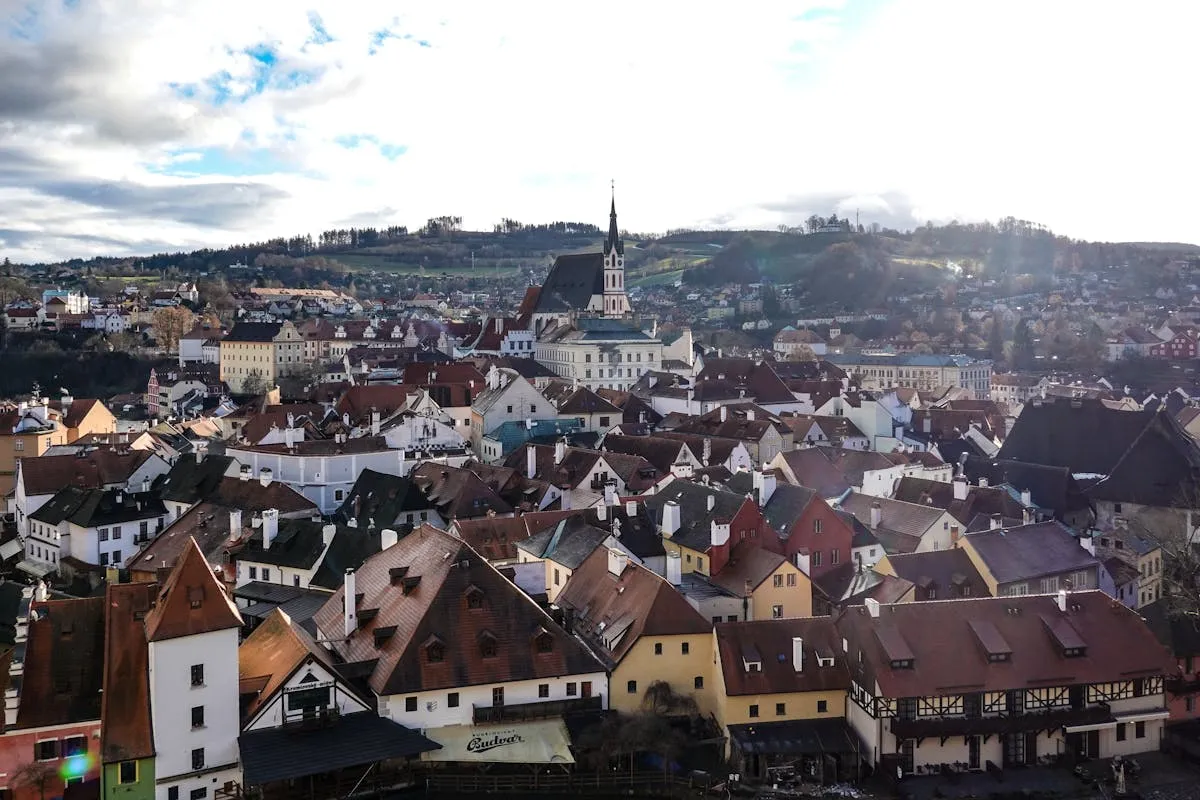
Things to Do in Český Krumlov, Czechia
Photo made by Magda Ehlers on Pexels.com
When to visit
Most popular attractions in Český Krumlov, Czechia
Things to do in Český Krumlov, Czechia include exploring the vast Český Krumlov Castle, perched above the Vltava River with its Renaissance and Baroque architecture. Wander the UNESCO-listed Historic Centre, characterized by cobbled streets and colorful houses. Don't miss the Museum Fotoatelier Seidel, offering a glimpse into early photography history.
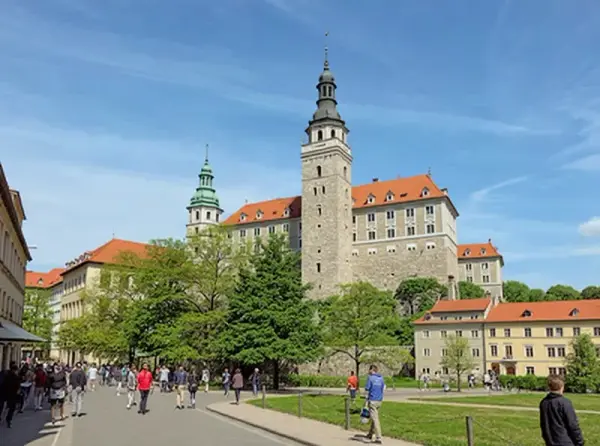
1. Český Krumlov Castle (Zámek Český Krumlov)
Zámek Český Krumlov
One of Central Europe's largest castle complexes with layered Gothic, Renaissance and Baroque architecture. Wander courtyards, climb the tower for town views, and stroll the riverside gardens.
Quick facts: Climbing the steep, mosaic-lined courtyards rewards you with a Baroque theater whose original stage machinery still works, offering a rare glimpse of living historical spectacle. A winding tower walkway frames ribbon-like river views and hides over 300 rooms tucked into the hillside, so wandering feels like unlocking secret chapters with every staircase.
Highlights: An 18th-century Baroque theatre tucked in one courtyard still uses original stage machinery and hand-painted backdrops, and during special performances the stalls glow with the light of dozens of candles while painted stage flats rotate in synchrony. A living tradition has kept brown bears in the castle moat since the 16th century, so you can peer over the parapet to watch them lumber in the grass below while the Vltava river murmurs around the bend.
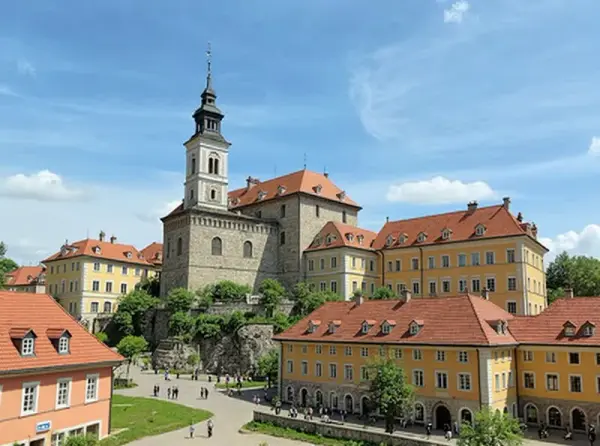
2. Historic Centre of Český Krumlov (Staré Město) — UNESCO World Heritage Site
Medieval streets, a riverside castle and baroque facades make Český Krumlov unforgettable. Stroll cobbled alleys, climb the castle tower, and watch the Vltava.
Quick facts: Wandering the maze of cobbled alleys feels like stepping into a living storybook, where pastel facades, red-tiled roofs, and a slow river bend create a picture-postcard medieval atmosphere. A baroque theatre with an original revolving stage still hosts atmospheric performances, and the castle's layered courtyards reward curious explorers with unexpected viewpoints over the whole town.
Highlights: Walk the honey-colored alleys that have curled around a 13th-century core, where worn cobbles click underfoot and a looping river embraces the red-tiled roofs so closely you can watch swans drift past café windows. Behind the walls a tiny Baroque theatre from the 1760s still survives with original stage machinery, hand-painted backdrops and about 100 wooden seats, so during intimate summer performances you hear gears creak and smell oil and dust as candlelight flickers.
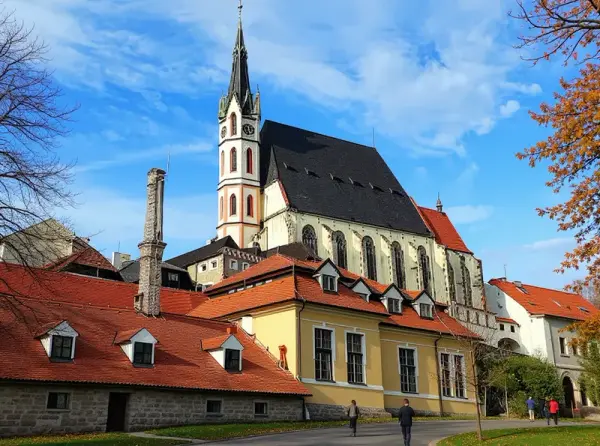
3. St. Vitus Church (Kostel sv. Víta)
Kostel sv. Víta
Gothic church by the river with medieval frescoes and a peaceful atmosphere. Enter to admire painted walls and enjoy calm views of the town and castle.
Quick facts: Inside the soaring nave you can hear whispered acoustics that make even a few footsteps echo like a small choir, while stained-glass light paints the stone in jewel tones. Climb a narrow spiral to spot Baroque altarpieces and fresco fragments that reveal centuries of changing tastes, and don't miss the surprising 16th-century funerary sculptures tucked into side chapels.
Highlights: Behind the dim vaulted nave a single floor stone, no larger than a dinner plate, is worn glossy by centuries of knees and fingers and catches candlelight like a tiny black mirror. Old-timers still press their forehead to that stone and whisper a name before Mass, they say the parish register will note that person in the next remembrance, and the air at dawn always smells of beeswax and cold stone.
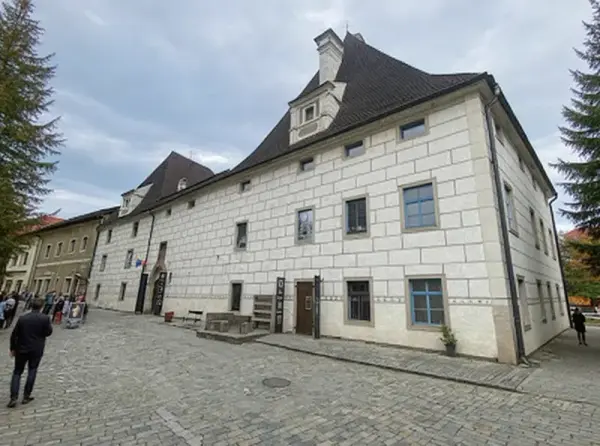
4. Egon Schiele Art Centrum
Original Schiele drawings and thought-provoking contemporary shows reveal the artist's local connection. Walk intimate galleries, see rotating exhibitions and climb the tower for town views.
Quick facts: Step inside and the rooms hit you with raw, angular drawings and electric color that make the portraits feel startlingly alive. A surprising collection of more than 300 works plus rotating contemporary shows means each visit reveals something new for lovers of expressive figurative art.
Highlights: Step inside and the air smells faintly of old paper and linseed oil, the low gallery lighting making the chalk lines and fragile brown edges on a stack of century-old drawings look like living veins. On slow afternoons a guide will hand you a tiny magnifying glass and, leaning conspiratorially, point out a penciled date from 1912 and a barely visible fingerprint in the margin, a quiet little story that turns the white paper into someone's lived moment.
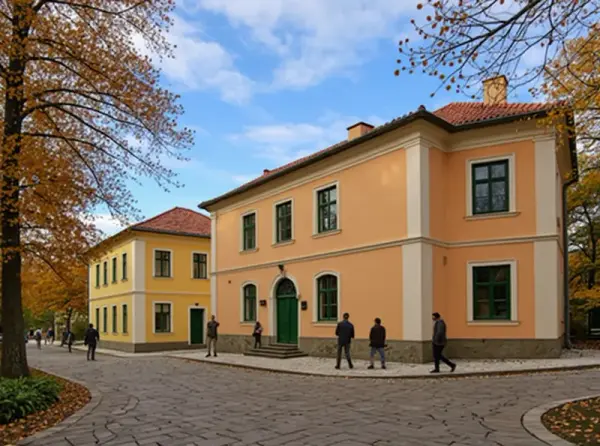
5. Museum Fotoatelier Seidel (Muzeum Fotoateliér Seidel)
Muzeum Fotoateliér Seidel
Step into a preserved 19th-century photo studio showcasing original equipment and family portraits. Explore the darkroom, glass negatives and staged studio sets up close.
Quick facts: Step into a warmly lit studio and you’ll feel the hush of meticulous darkroom work, while racks of glass negatives and antique cameras seem to whisper family stories. Curators have preserved a surprisingly large portion of the original archive, so dozens of portraits and hundreds of negatives survive intact and let you trace personal histories through generations.
Highlights: Step into the old studio and the smell of developer and waxed wood hits you, while shelves of wooden and brass cameras and albums of hand-colored portraits still bear Josef Seidel's penciled notes and studio stamps. On certain guided tours a docent will hand you an original brass plate camera and show how a glass negative slowly materializes beneath a red lamp, the silver image appearing like a ghost right before your eyes.
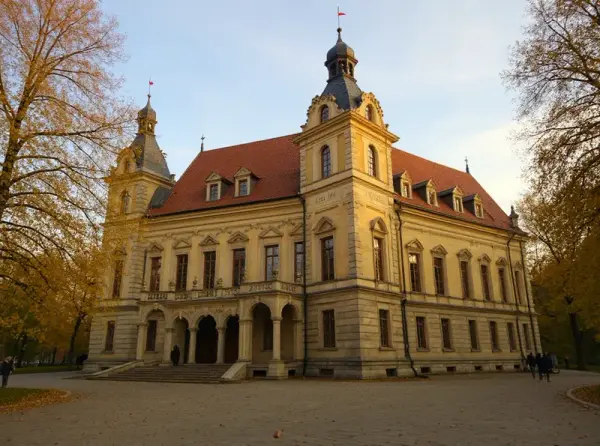
6. Baroque Theatre (Zámecké barokní divadlo)
Zámecké barokní divadlo
A rare working 18th-century court theatre with original stage machinery and painted backdrops. Step into period sets and watch historic stagecraft in action.
Quick facts: Step inside and hear the hush of candlelit balconies with painted backdrops that still move thanks to original stage machinery, giving performances a tactile, almost magical atmosphere. Hundreds of handcrafted props and ingenious stage tricks remain in place, and period instruments are used in some shows so the sound feels startlingly authentic.
Highlights: Stepping inside feels like slipping back over 250 years, when candlelight pooled on hand-painted clouds and gilded boxes while the scent of beeswax and old wood filled the air. An original rope-and-pulley stage machinery still moves perspective flats during demonstrations, and staff keep a quirky backstage habit: before every season a stagehand taps the main flyline three times for luck.
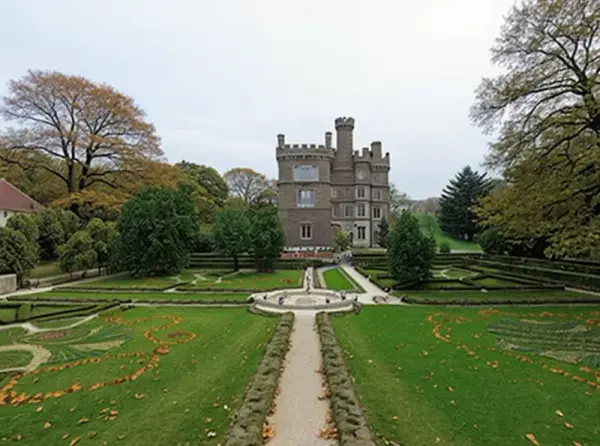
7. Český Krumlov Castle Gardens (Zámecká zahrada)
Zámecká zahrada
Renaissance terraces and dramatic castle views crown a peaceful riverside garden. Wander shaded paths, ornamental beds and a Baroque theater garden for great photos.
Quick facts: Stepping onto the terraced lawns feels like entering a living stage where baroque plays once unfolded, with a secluded grotto and sculpted figures popping up around winding paths. Climb to the upper belvedere for a sudden panorama of clipped alleys and seasonal flowerbeds, fragrant roses giving way to cool lime-tree shade as you wander.
Highlights: Climb the five-arched covered bridge from the upper terrace and you suddenly find a secret Baroque wooden stage where original 18th-century stage machinery still creaks underfoot, the scent of warm oak and oil rising when the sun hits at noon. Local guides still whisper about the centuries-old custom of tying a ribbon to the wrought-iron garden gate, some visitors leave one with their name and date, and on warm summer evenings the roses scent the air so thick you can taste honey on your tongue.
8. Vltava River (rafting/kayaking and riverfront)
rafting/kayaking and riverfront
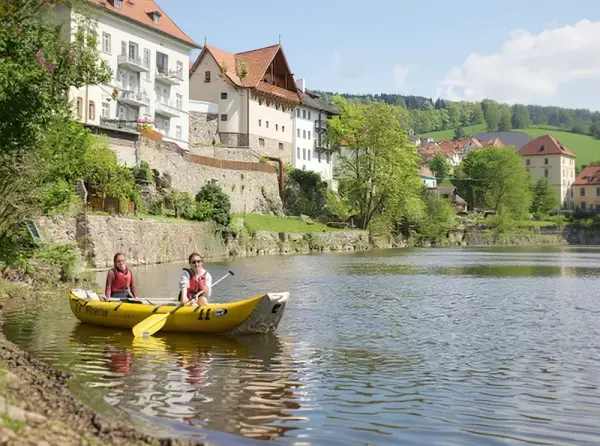
Winding river views and gentle rapids make Český Krumlov an outdoor playground. Paddle past the castle bend, riverfront cafés and historic bridges for a scenic, easy adventure.
Quick facts: Riverside cafés and tree-lined banks make paddling feel like a moving postcard, with guides pointing out hidden cascades and perfect picnic nooks. Opt for a mellow raft or a nimble kayak, and you’ll often see dozens of boats threading narrow bends on busy summer afternoons, laughter and paddle splashes adding to the riverfront buzz.
Highlights: Paddling through the town's tight horseshoe bend feels like gliding through a living postcard: castle walls and red-tiled roofs crowd the riverbanks, stone bridges appear around each turn, and the current is gentle enough that most short floats take about 20–40 minutes between the main put-in and landing. Local raft operators still tell old loggers' tales between bends, and on summer evenings small groups often lash together wooden rafts, light lanterns, and drift silently under the yellow glow while a guide chants the river songs passed down for generations.
9. Latrán — historic street and neighborhood
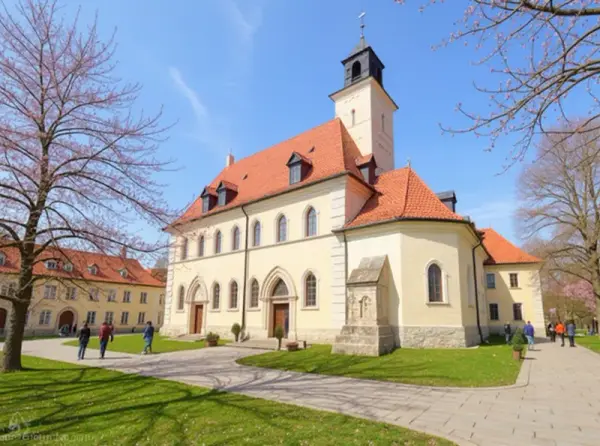
Medieval charm in colorful Renaissance houses and baroque facades makes Latrán worth a visit. Wander cobbled alleys, browse artisan shops and peek into quiet courtyards.
Quick facts: Cobblestone lanes reverberate with the clack of footsteps and the scent of roasted coffee, while colorful Baroque and Renaissance facades press close above hidden courtyards. A steep, intimate street plan reveals small artisan shops, family-run pubs, and unexpected viewpoints peeking over red-tiled roofs, rewarding anyone who wanders off the main tourist routes.
Highlights: Wander down the steep cobbled lane and you'll smell wood smoke and plum brandy, see apricot- and teal-painted Baroque facades glow in the late-afternoon sun, and peek into tiny vaulted cellars where locals still age cheese and slivovice in earthen crocks. After sunset about ten carved wooden signs swing above the doorways, each stamped with a guild name like Tanner, Cooper, or Thatcher, a quirky tradition said to help travelers find a craftsman in the era before house numbers.
10. Regional Museum in Český Krumlov (Regionální muzeum v Českém Krumlově)
Regionální muzeum v Českém Krumlově
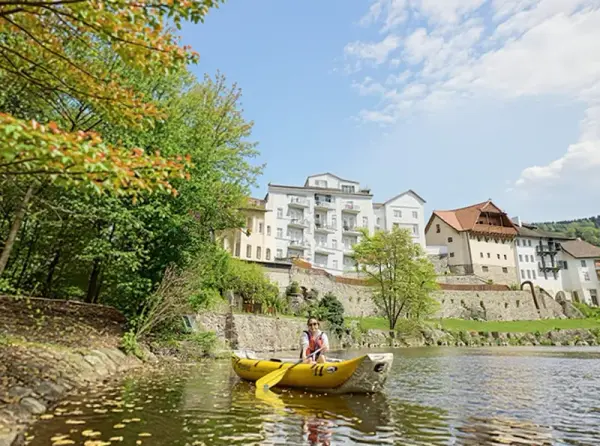
Explore Český Krumlov's local history through costumes, folk art, and archaeological finds. Walk through compact galleries that bring the town's past alive.
Quick facts: Wander through cozy period rooms and you'll stumble on an impressive collection of Bohemian folk costumes and hand-painted furniture that makes the past feel tactile and lived-in. Curators keep an uncanny assortment of puppets, medieval weaponry, and delicate Baroque paintings, some pieces so small you'll miss them unless you lean in close.
Highlights: Ask a guide to show you the tiny 19th-century puppet stage tucked behind a glass door, where 24 hand-carved marionettes still wear faded costumes stitched with gold thread and smell faintly of camphor. On selected afternoons a curator will wind the stage and perform a three-minute scene, the wooden joints clicking like distant rain while a single gas lamp throws ochre light across painted faces.
Where to Stay in Český Krumlov, Czechia
Selected by City Buddy based on guest reviews and proximity to top attractions
Search all hotels in Český Krumlov, CzechiaPowered by agoda
Opening days in Český Krumlov, Czechia
Which of the top sights close on which day of the week — the classic trip-ruiner, checked for you.
Monday: 3 of 5 top sights closed — plan museums for another day.
Closed on Monday · 3 closed, 2 open
Opening days from Google Maps (checked 2026-02-19). Public holidays, strikes and seasonal hours can differ — check the official website before you go.
Traditional Sweet Dishes

trdelník
Trdelník is a spit cake baked on a rotating spit over an open flame, and its crisp, sugar-crusted exterior and hollow center make it perfect for filling with ice cream or cream.
koláče
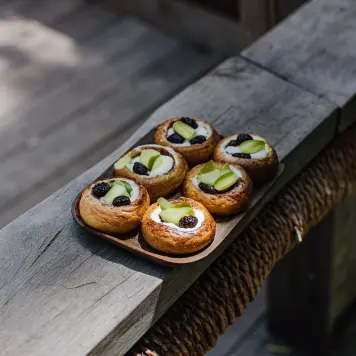
Koláče are small round pastries filled with fruit, poppy seed or sweet cheese, and they trace their roots to medieval Czech celebrations where they symbolized prosperity.
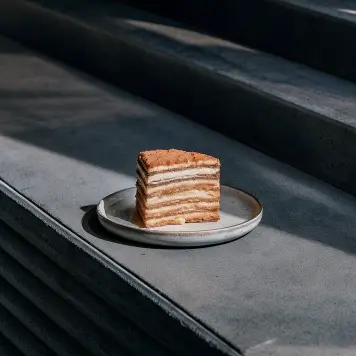
medovník
Medovník is a layered honey cake held together with sweet cream, and its caramelized, floral honey notes made it a favorite among Austro-Hungarian-era households.
Traditional Savory Dishes
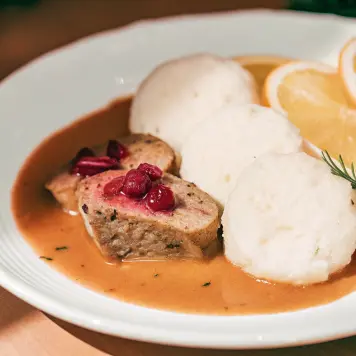
svíčková
Svíčková na smetaně is marinated beef sirloin braised in a creamy root-vegetable sauce, and it is traditionally served with a slice of lemon, cranberry compote and fluffy dumplings.
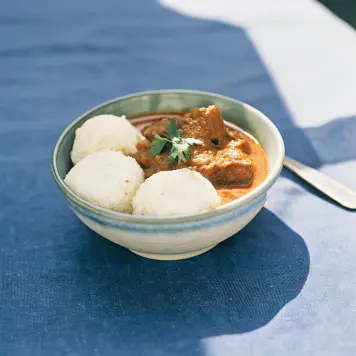
gulaš
Czech guláš is a paprika-scented beef stew slow-cooked until the meat almost melts, and it became a beloved comfort food often served with bread or dumplings.
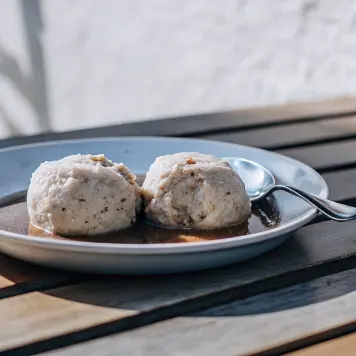
knedlíky
Knedlíky are steamed or boiled bread dumplings designed to soak up sauces, and locals will judge a restaurant by how light and springy its knedlíky are.
Traditional Beverages

Pilsner beer
Pilsner lager was invented in nearby Plzeň in 1842, and its golden clarity and crisp hop bite set the standard for modern pale lagers around the world.
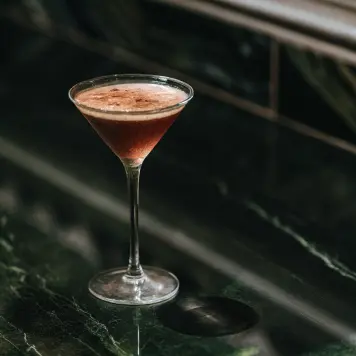
Becherovka
Becherovka is an aromatic herbal liqueur from Karlovy Vary, and locals often sip it as a digestif after heavy meals to settle the stomach.
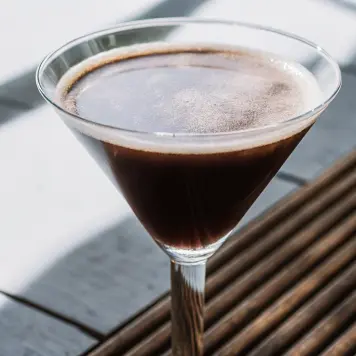
Slivovice
Slivovice is a potent plum brandy distilled from ripe plums, and it is traditionally offered for toasts and sometimes aged in wooden barrels for extra smoothness.
Frequently Asked Questions about Český Krumlov, Czechia
Is Český Krumlov, Czechia safe for travelers?
How many days should I spend in Český Krumlov, Czechia?
What is the best time to visit Český Krumlov, Czechia?
Is Český Krumlov, Czechia expensive to visit?
How to get around Český Krumlov, Czechia?
Get a PDF with the most popular attractions sent to your email
Get a PDF with all attractions, ratings, and tips. Perfect for offline use.
Most popular day trips
České Budějovice
Regional capital with a large square and Budweiser brewery.
Hluboká nad Vltavou
Neo-Gothic castle with landscaped park and interiors.
Holašovice
UNESCO-listed traditional South Bohemian village.
Lipno nad Vltavou
Lake area with water sports and a treetop walkway.
Getting there
Train stations
Regional line to České Budějovice (connects to national network)
Mainline connections: Prague, Linz and other Czech cities
From Prague Airport take bus/train to Prague, then a direct bus to Český Krumlov; book summer buses early.
Useful information for Český Krumlov, Czechia
Overview for Český Krumlov, Czechia
Want a day-by-day plan for Český Krumlov, Czechia? Open the trip planner
Plan your perfect trip to Český Krumlov, Czechia
Get a complete travel plan built just for you in under 30 seconds, with daily routes, local food tips, budget estimates and more.
Are any of these especially important to you?
Select all that apply
Getting around
How do you want to move between places?
Plan language: English