 CityBuddy
 English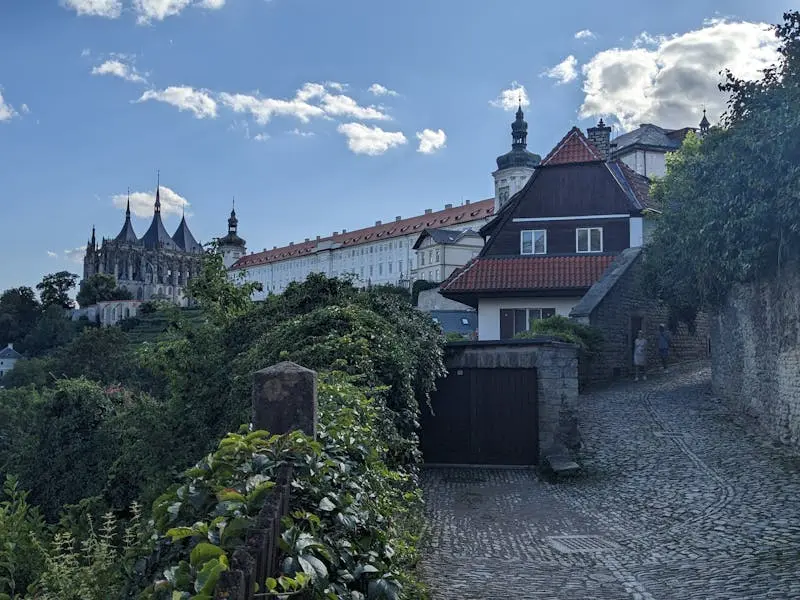
Things to Do in Kutná Hora, Czechia
Photo made by Norbert Paglia on Pexels.com
When to visit
Plan your perfect trip to Kutná Hora, Czechia
Get a complete travel plan built just for you in under 30 seconds, with daily routes, local food tips, budget estimates and more.
Are any of these especially important to you?
Select all that apply
Plan language: EnglishMost popular attractions in Kutná Hora, Czechia
Top things to do in Kutná Hora, Czechia include visiting the Sedlec Ossuary, famous for its intricate bone decorations, and exploring St Barbara's Church with its stunning Gothic architecture. Don’t miss the Italian Court, a former royal mint just 600 meters from the town center, offering rich history and craftsmanship.
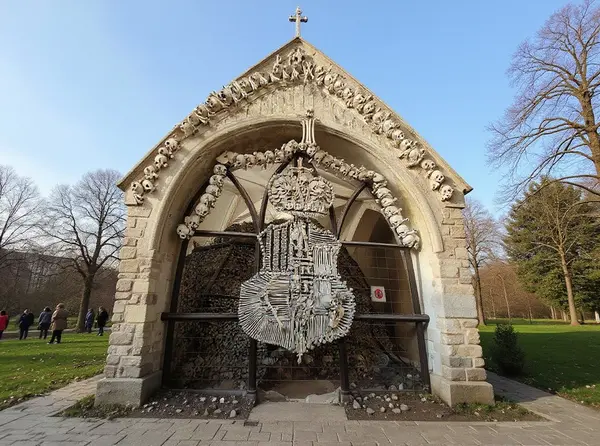
1. Sedlec Ossuary
Worth visiting because of the fascinating but somewhat eerie arrangement of bones. The feeling of unusual silence and fascination is conveyed through the unique decorations made of human bones.
Quick facts: This space contains the bones of about 40,000 people, artistically arranged into unique decorations such as a chandelier made from human skulls. The bones were collected from graves destroyed during the Church wars in the 14th century.
Highlights: A truly special feature is the large chandelier made from various bones of the skeleton, including skulls and bones hanging as decorations. A sense of deep history permeates every corner due to this unusual use of human remains in decoration.
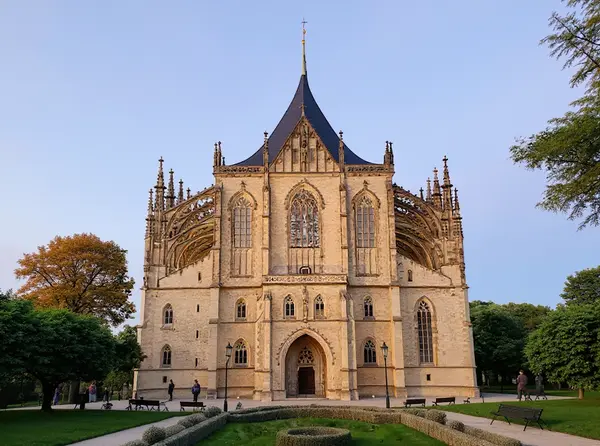
2. St Barbara's Church
Worth coming for the unique Gothic architecture with dynamic roof lines. Walk through the richly painted space and feel the atmosphere of the Middle Ages.
Quick facts: This Gothic church has a unique appearance with its tall spires and fan-shaped vaults resembling fish bones. It is known as one of the main monuments in the city that was once rich in copper.
Highlights: The interior is decorated with frescoes depicting unusual scenes such as knights and saints battling green dragons. It is particularly interesting that the glass was struck with prayers to drive away diseases, which is an old local tradition.
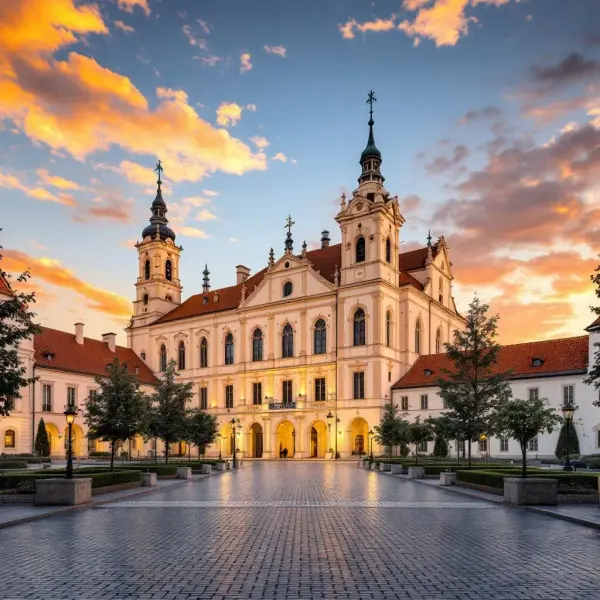
3. Italian Court
Worth visiting for the fascinating story of the mining industry and medieval administration. Experience the daily life of miners up close through authentic artifacts and frescoes.
Quick facts: It preserves the unique architecture of a medieval royal court palace that served as a mining administration. The first systematic mining accounting system in Europe was used here, significantly influencing the development of the economy.
Highlights: Inside the rooms, the original mining inventory is kept, showcasing the daily life of miners of that era. It is distinctive for its beautiful frescoes depicting the life and work of miners in the 14th century, creating an authentic atmosphere of the past.
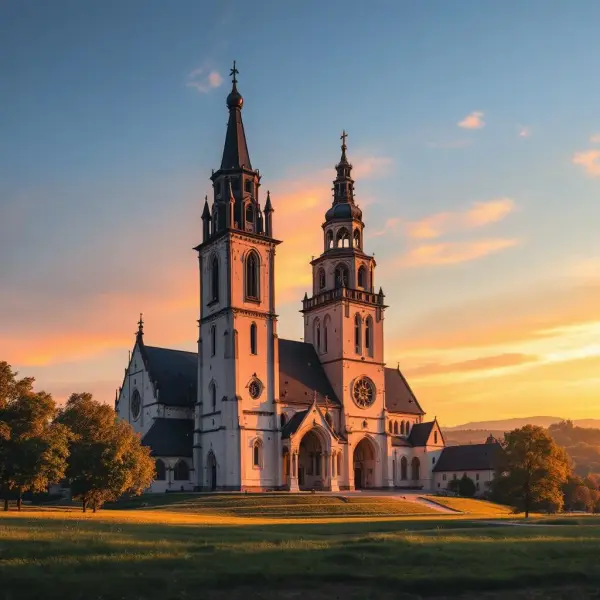
4. Church of Saint James
Valuable architecture and biographical fresco decorations. Feel the atmosphere of the 14th century through sounds and characters that tell stories.
Quick facts: The Church of St. James in Kutná Hora has unusual Gothic architecture with 19 stained glass windows made in Prague. The unique statues of saints seem to guard the entrance gate with serious facial expressions.
Highlights: The interior of the church is adorned with life-sized frescoes of saints depicting not only religious motifs but also everyday scenes from the 14th century. The bell is said to have once echoed mining alarms, giving the place special historical significance.
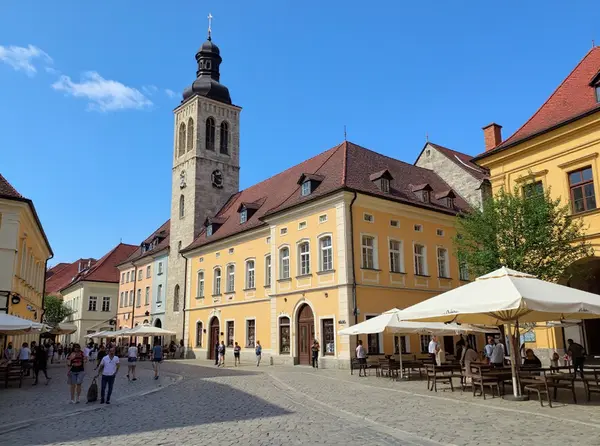
5. Kutná Hora Historical Town Center
Experience the unique history of the mining town with unusually decorated churches made of bones. Walk through the medieval town with entertaining and eerie atmospheres.
Quick facts: The city was once the main center for silver mining in Europe, with mines that shaped its rich history and architecture. The central part of the city contains a unique collection of Gothic and Baroque buildings that tell the story of its former importance.
Highlights: The most exciting attraction is the Ossuary in Sedlec, a church decorated with skeletons containing about 40,000 human bones, creating a creepy but fascinating artistic environment. Additionally, the complex includes the famous Cathedral of St. James with details revealing the city’s wealth and power in the Middle Ages.
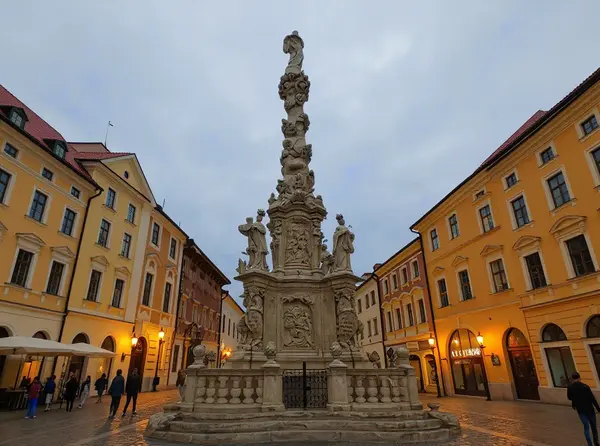
6. Plague Column
An incredible historical sculpture full of details. Feel the spirit of past times as you walk around this impressive colonnade.
Quick facts: The plague monument stands in the city center, erected as a sign of gratitude for the end of the plague epidemic that ravaged in the 18th century. The sculptures on the column depict the Holy Trinity and various saints, protectors against diseases.
Highlights: An interesting detail is that each figure on the column has a different facial expression and pose, giving a sense of movement and life despite being made of stone. Additionally, the column is positioned in such a way that the viewer from certain points can see a dramatic three-dimensional effect of light and shadow.
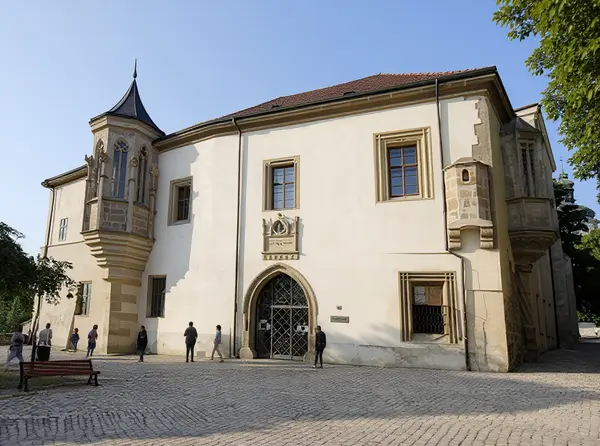
7. Czech Museum of Silver
It is worth it because of the fascinating story about silver that shaped the region. Experience a walk through mining tunnels and touch the history of mining.
Quick facts: The silver mine in this museum was once one of the richest sources of silver in Europe, significantly influencing the economy and development of medieval Czechoslovakia. This place preserves artifacts and tools dating from the period when miners manually extracted silver from complex underground tunnels.
Highlights: The underground tour leads visitors through original mining tunnels up to 40 meters deep, where they can feel the dark and cold atmosphere that miners once experienced. A unique feature is the replicas of medieval mining tools that can be touched, providing an authentic experience of past work.
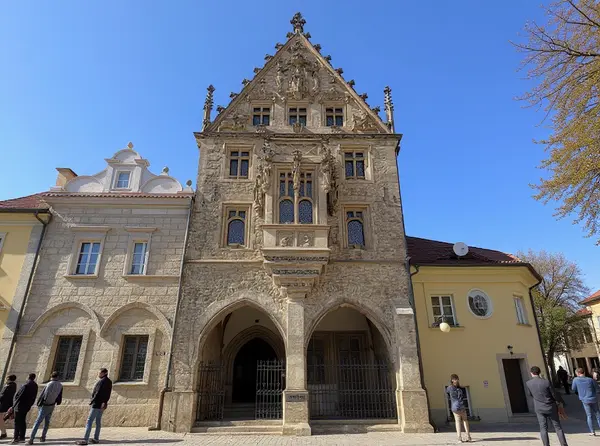
8. Stone House
Worth it for history and architecture lovers. Feel the touch of the Middle Ages through sealed walls and hidden frescoes.
Quick facts: The Stone House has a rich history related to mining activities in Kutná Hora. Its architecture reflects the Gothic style with recognizable stone details that fascinate visitors.
Highlights: There are not many places where you can feel the atmosphere of medieval life as authentically as here, with preserved stone walls up to 1.5 meters thick. One of the rooms hides original frescoes that few notice, making the whole house unique in the region.
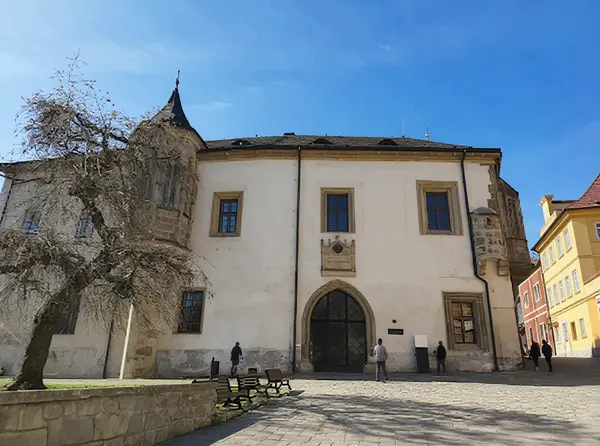
9. Hrádek Museum
Explore a real mining adventure underground. Experience the authentic atmosphere of a medieval mine through impressive replicas and exhibits.
Quick facts: In this museum, you can see a rich collection related to the history of silver mining, whose significance shaped the fate of the city. The exhibitions include authentic artifacts and models that bring medieval mining life to life.
Highlights: Particularly fascinating is the replica of the mine skillfully crafted down to the smallest details, where the atmosphere of a real underground environment can be experienced. You don’t just look at the exhibits, you will feel the dampness and darkness that miners experienced daily.
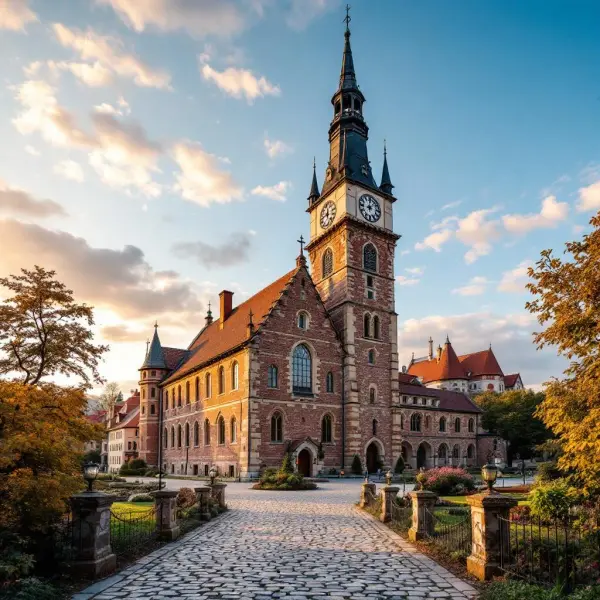
10. Jesuit College Museum
A place that connects science and spirituality from the past. Walk through collections that bring the educational life of the Jesuits to life.
Quick facts: The museum occupies the building of a former Jesuit college that has a rich educational history connected with Czech academic life. It contains a collection of items that tell about the spiritual and scientific heritage of the Jesuit society.
Highlights: Interestingly, one of the exhibits is the original manuscript of the famous Czech mathematician Václav Vlk, giving a unique insight into the educational methods of that time. A special experience is provided by the quiet inner garden with Baroque details that evokes peace and contemplation as in the past.
Where to Stay in Kutná Hora, Czechia
Selected by City Buddy based on guest reviews and proximity to top attractions
Search all hotels in Kutná Hora, CzechiaPowered by agoda
Traditional Sweet Dishes
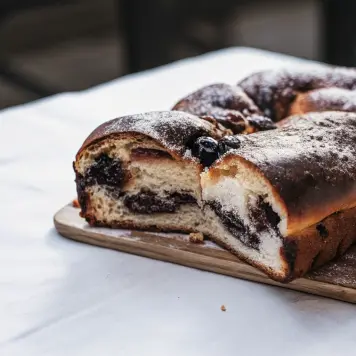
Kutnohorský koláč
Kutnohorský koláč is a traditional fruit pastry unique to Kutná Hora, often filled with poppy seeds or fruit preserves, and showcases local baking heritage.

Medovník
Medovník is a honey cake commonly enjoyed in Kutná Hora, known for its rich layers and sweet taste that reflects the region's love for honey-based desserts.

Buchty
Buchty are sweet yeast buns filled with jam or curd, popular in Kutná Hora as a comforting homemade treat served during festive occasions.
Traditional Savory Dishes

Svickova na smetane
Svickova na smetane is a classic Czech dish featuring marinated beef with creamy vegetable sauce, often served with dumplings, deeply cherished in Kutná Hora.

Knedlíky s uzeným masem
Knedlíky s uzeným masem combines tender smoked meat with traditional Czech dumplings, highlighting Kutná Hora's rich meat-curing traditions.
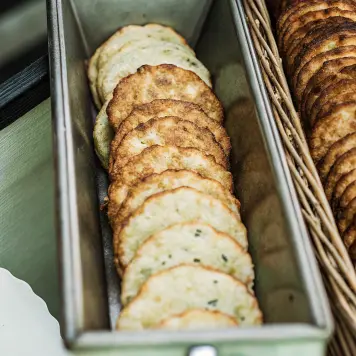
Bramboráky
Bramboráky are crispy potato pancakes, widely loved in Kutná Hora for their simple ingredients and flavorful, comforting taste.
Traditional Beverages

Becherovka
Becherovka is a famous herbal liqueur originating near Kutná Hora, known for its unique bittersweet flavor used as a digestive aid.

Moravian Wine
Moravian Wine, enjoyed in Kutná Hora, comes from the nearby Moravia region and is prized for its quality white and red varieties.

Kofola
Kofola is a popular Czech soft drink resembling cola, well-loved in Kutná Hora for its distinctive herbal notes and nostalgic value.
Frequently Asked Questions about Kutná Hora, Czechia
Is Kutná Hora, Czech Republic a safe place to travel?
How many days should be spent in Kutná Hora?
What is the best time to visit Kutná Hora?
Is Kutná Hora expensive for tourists?
How to get around Kutná Hora?
Get a PDF with the most popular attractions sent to your email
Get a PDF with all attractions, ratings, and tips. Perfect for offline use.
Most popular day trips
Prague
Historical capital with numerous castles, museums, and vibrant culture.
Český Šternberk Castle
Medieval castle overlooking the Sázava River with guided tours.
Konopiště Castle
A picturesque castle with beautiful gardens and a historical museum.
Getting there
Airports
Train stations
Prague-Kolín-Kutná Hora line
From Václav Havel Airport, take a direct train or bus to Kutná Hora; it is well connected.
Find flights to Kutná Hora, Czechia
Click to get eSim for Kutná Hora, Czechia
The easiest and most affordable way to get mobile internet wherever you travel.
Comments (5)
Hit up the bakery on the street behind the main square early in the morning, best fresh pastries and cheaper than the big tourist café. Also, plan museum visits for late afternoon when it thins out.
If you want to save cash, skip mostly daytime buses and walk. The town is small and easily explored on foot, plus you avoid the steep transfer fees.
Quiet little town with some great photo ops, though can get crowded midday. Cafes serve good Czech pastries, worth trying the local beer. Stayed three days, felt just right.
The Sedlec Ossuary is a must see. Weirdly fascinating and kinda eerie. The town itself has a chill pace, great for a weekend getaway. Food was decent but a bit pricey near tourist spots.
Loved the medieval vibe here, the town feels like stepping back in time. Weather was chilly but clear, so brings a cozy feel. Two days is perfect to soak it all in.