 CityBuddy
 English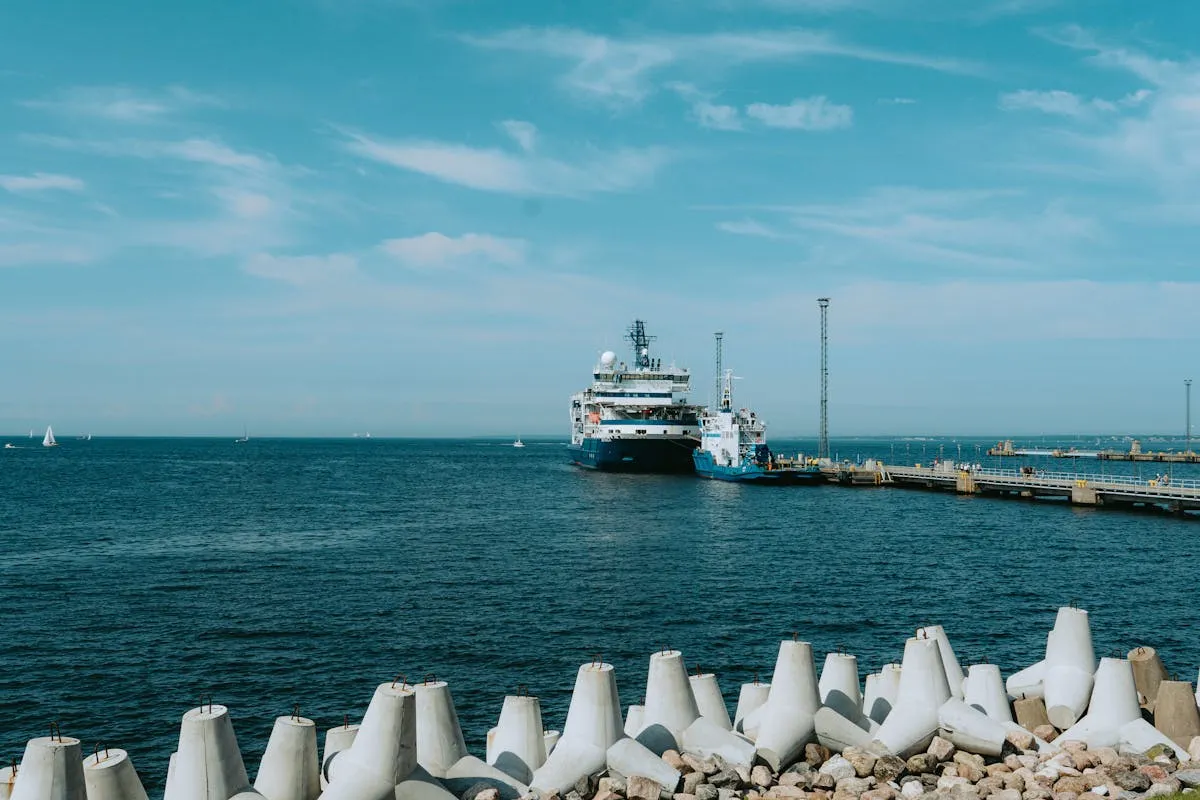
Things to Do in Tallinn, Estonia
Photo made by Liisbet Luup on Pexels.com
When to visit
Tallinn is the #9 cleanest city in the world, based on our data across hundreds of destinations.
Most popular attractions in Tallinn, Estonia
Things to do in Tallinn, Estonia, include exploring the medieval charm of Tallinn Old Town, which spans roughly 113.2 hectares, and visiting Toompea Castle atop Toompea Hill, offering panoramic city views. Don't miss the Alexander Nevsky Cathedral with its striking onion domes, showcasing Russian Revival architecture.
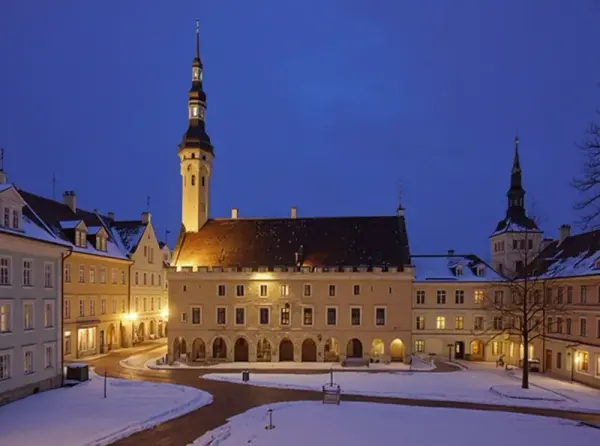
1. Tallinn Old Town (Vanalinn)
Vanalinn
Medieval streets, colorful guild houses and skyline views make Old Town unforgettable. Wander cobbled lanes, climb Toompea for city panoramas and linger in cozy cafés.
Quick facts: Cobblestone streets glow under amber streetlights, while tiny cafés and artisan shops tuck into narrow alleys that feel like stepping into a living storybook. Climbing narrow staircases to weathered towers rewards you with sweeping panoramas of red-tiled roofs, and centuries-old guild houses and pharmacies still welcome locals and visitors alike.
Highlights: Slip down narrow cobblestone lanes under wrought-iron lanterns and you'll hear a cappella choirs rehearsing in vaulted courtyard cellars, their voices ricocheting off 15th-century stone walls and red-tiled roofs. Local confectioners still hand-paint marzipan figures using recipes traced back to the 16th century, and on some nights a costumed town watch blows a wooden horn at 9:00 p.m., a quirky tradition that marks the old gate closing.
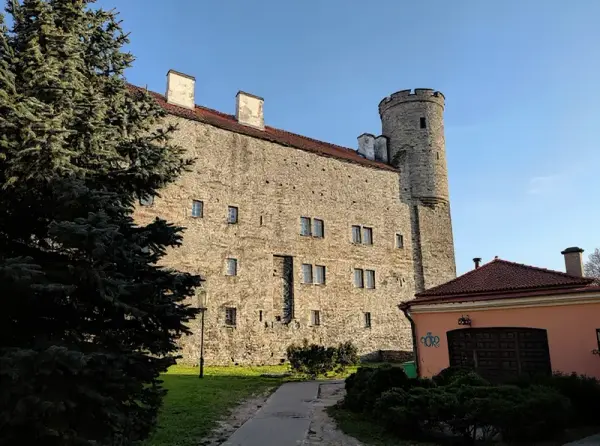
2. Toompea Castle (Toompea loss) / Toompea Hill
Perched on a limestone bluff, Toompea Castle anchors Tallinn's history and politics. Stroll medieval walls, enjoy sweeping Old Town views, and admire the pink parliament building.
Quick facts: From the hilltop terrace you can watch medieval red roofs unfold while a tall baroque spire punctuates the skyline, and guided tours reveal a hidden prison chamber beneath the thick walls. A pink-and-white tower topped with a golden weather vane contains the nation's parliament, and the surrounding limestone slopes provide unexpectedly peaceful walking paths with sweeping vistas.
Highlights: Walk up the limestone rise that locals say is about 20 meters high and you'll find a 46-meter-tall medieval tower where the Estonian blue-black-white flag is ceremonially raised in full view of the city, a ritual tied to the 1918 independence movement. Legend has it that the hill was formed by the tears and stones of Linda, the mythical mother of the nation, and on quiet evenings you can almost taste the salt in the air and hear the flag's nylon flutter against the tower masonry.
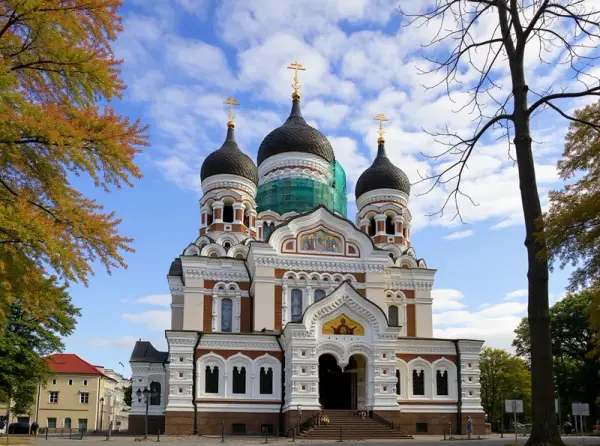
3. Alexander Nevsky Cathedral
Iconic onion-domed cathedral showcasing lavish Russian Revival architecture on Toompea Hill. Walk through glittering mosaics, carved iconostasis and candlelit interiors.
Quick facts: Onion-shaped domes glitter with gold and green tiles, while mosaics and sculpted stonework make the façade a magnet for photographers and curious walkers. Step inside and you'll find a dazzling iconostasis and layered frescoes that fill the air with the faint scent of beeswax and incense, a striking contrast to the medieval streets outside.
Highlights: Built between 1894 and 1900 by architect Mikhail Preobrazhensky, the cathedral's onion domes are gilded so heavily they glare like molten coins in sunlight, especially at dawn when even the smallest mosaic tiles catch fire with color. After independence in 1918 there were serious plans to demolish the structure and recycle its stones for national monuments, but the idea collapsed under the cost and a surprisingly loud public backlash.
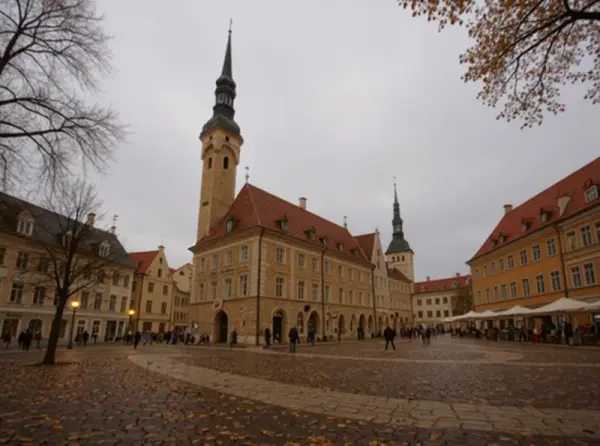
4. Town Hall Square (Raekoja plats) & Tallinn Town Hall
Medieval heart of Tallinn with lively markets and cafés. Walk the cobbled square, admire the Gothic Town Hall and local street life.
Quick facts: Cobblestones glint underfoot while open-air cafés and a centuries-old market fill the square with the smells of roasting chestnuts and cardamom buns. Climb narrow wooden stairs to a Gothic council chamber where a tiny gilded rooster crowns the spire, and the view rewards photographers with rooftops that seem to tumble toward the sea.
Highlights: Look up and you'll spot Old Thomas, the 16th-century weather vane sentinel installed in 1530, his iron silhouette casting a crooked shadow over the red-tiled roofs. In 1441 local records note the first public Christmas tree was erected in the square, and every December the cobbles ring with the clink of wooden mugs as some 40 wooden stalls sell steaming glögi and honeyed gingerbread.
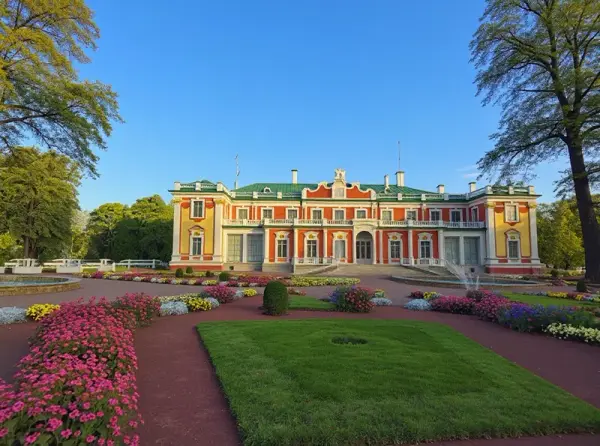
5. Kadriorg Palace and Kadriorg Park
Baroque palace and landscaped gardens reveal Estonia's imperial era. Stroll ornate rooms, art galleries, ponds and tree-lined paths for relaxed, photogenic exploring.
Quick facts: Marble-clad halls and curving Baroque facades spill into a garden where fountains, formal flowerbeds, and whispering linden trees create cinematic postcard views. Summer concerts, hidden statues, and a maze of gravel paths invite slow strolls and sunlit picnics that feel surprisingly grand and unexpectedly intimate.
Highlights: Czar Peter the Great commissioned a Baroque palace in 1718 for Catherine I, and on clear mornings the pale facade and gilded stucco glow like warm pastry under a cobalt sky. In the park, long lime-lined alleys and mirror-like ponds fill with a honeyed linden scent in late June, and visitors often follow the formal 18th-century avenue layout as if retracing the original gardeners' footsteps.
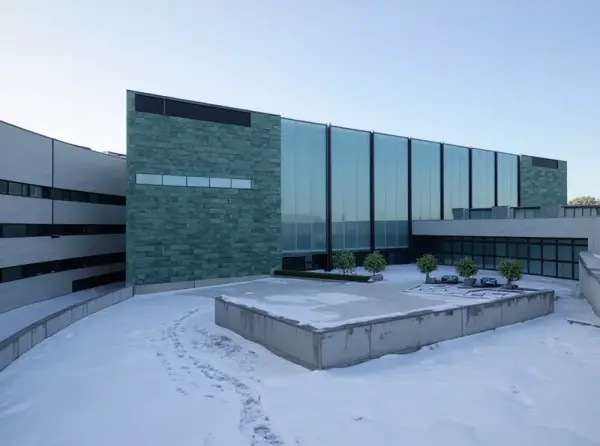
6. Kumu Art Museum
Major museum of Estonian art with striking modern shows and skyline views. Experience immersive contemporary exhibitions, historic collections and a café on the top floor.
Quick facts: Step inside and you'll wander through light-filled galleries where classical portraits sit beside bold contemporary installations, the austere concrete architecture is softened by warm wood and plentiful natural light. A rooftop terrace looks over the park, while interactive displays and thoughtful audio guides make the art feel unexpectedly approachable and playful.
Highlights: Designed by Finnish architect Pekka Vapaavuori and opened in 2006, the building's sweeping concrete-and-glass atrium funnels pale northern daylight across 20th-century oil glazes, so that Konrad Mägi's skies and Nikolai Triik's portraits change tone as the sun slides west. A delightful local habit sees visitors staying for the after-hours sketch nights, adding quick ink drawings and postcard notes to a communal roll of paper that now numbers into the hundreds, its creased, coffee-smudged pages kept by curators as a quirky archive.
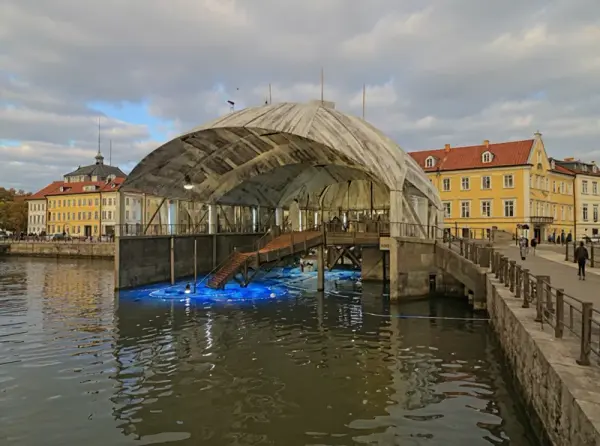
7. Seaplane Harbour (Lennusadam) Maritime Museum
Explore huge historic ships and interactive naval exhibits on Tallinn's waterfront. Climb a real submarine, try flight simulators, and walk aboard century-old vessels.
Quick facts: Walk into a cavernous hangar where a real wartime submarine sits in a shallow dock, the metallic hush and dim lighting making you feel like a clandestine stowaway. Interactive exhibits let you clamber into cramped control rooms, try historic navigation instruments, and watch model ships glide through illuminated tanks, so even museum skeptics leave buzzing.
Highlights: You can clamber through a 59.5-meter submarine launched in 1936, ducking through a 60-centimetre hatch and feeling cold riveted steel under your palm as guides point out bunks stacked like sardine tins. Sunlight pours through the curved corrugated roof of the old seaplane hangar, and on certain afternoons a working periscope is lowered so visitors can take turns spying a projected harbour panorama, the air filled with the tang of diesel and salt.
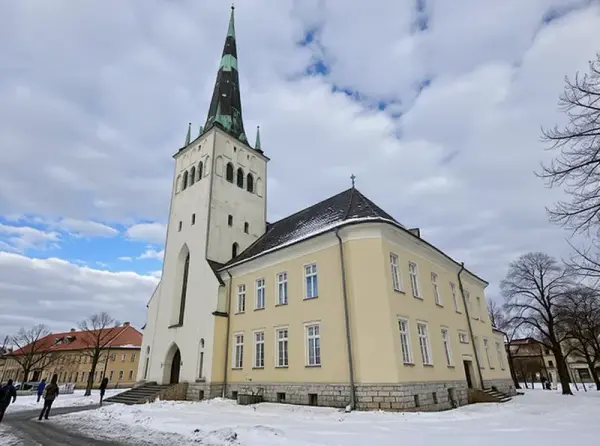
8. St. Olaf's Church (Oleviste)
Oleviste
A soaring medieval spire with sweeping city and sea views. Climb narrow stairs to the observation deck for panoramic photos and steeped-in-history atmosphere.
Quick facts: Climb the narrow spiral stairs and you'll be rewarded with dizzying views from a spire that was once claimed to be the tallest building in the world. Amazingly, repeated lightning strikes and dramatic rebuilds left a mix of architectural styles and a storied reputation among seafaring merchants.
Highlights: Climb the narrow wooden spiral to the observation level and you'll be standing roughly 159 meters above ground, a height that made the spire reputedly the tallest structure in the world during the 16th and 17th centuries. Old maritime charts from the 1600s even marked the spire as a seafaring landmark, and you can still smell centuries of tar and oak in the stairwell while imagining the watchmen who rang the bells to warn ships and the town.
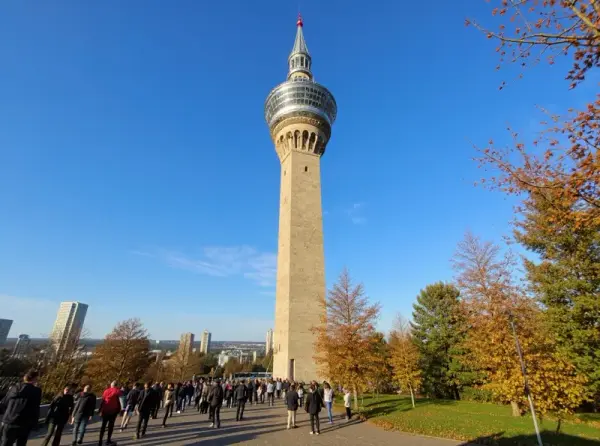
9. Tallinn TV Tower (Teletorn)
Teletorn
Panoramic views over Tallinn and the Gulf of Finland from Estonia's tallest structure. Ride the glass lift to viewing decks, a café, and a Cold War exhibit.
Quick facts: Step onto the glass-floored observation deck and feel the city shrink beneath you, while a 314-meter spire punctures the sky and hands-on exhibits decode how broadcasting once knit the region together. On clear days the view stretches more than fifty kilometers, sensors record dramatic gusts that make the structure sway gently, and a cozy café eases any vertigo with strong coffee.
Highlights: Rising 314 meters and originally built to carry live coverage of the 1980 Olympic sailing events, the tower’s slim concrete shaft and needlelike antenna make the skyline look like someone stuck a radio mast through a postcard. An elevator rockets you up to the glassed observation level at about 170 meters in roughly 30 seconds, leaving your ears popping and a dizzying panorama of rooftops, forest and distant water spread beneath your feet.
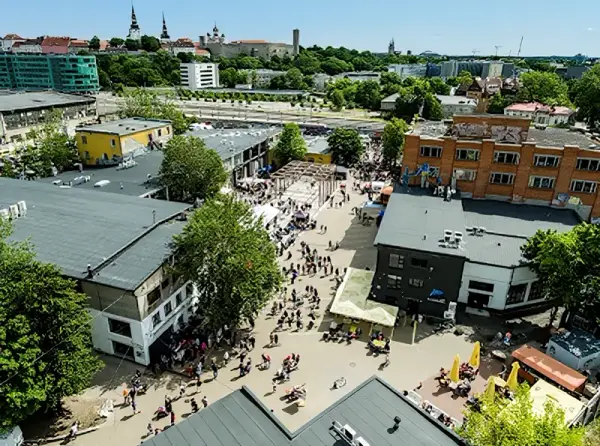
10. Telliskivi Creative City (Telliskivi Loomelinnak)
Telliskivi Loomelinnak
Vibrant creative quarter blending street art, quirky shops and cool cafés. Expect colorful murals, weekend markets and lively bars in a repurposed factory setting.
Quick facts: Colorful murals and pop-up markets turn former industrial courtyards into a feast for the eyes and taste buds, where independent designers sell quirky fashion and street food fills the air with smoky, spicy aromas. Expect experimental theater, craft workshops, and more than a hundred creative studios packed into a compact area, so you can wander from a design shop to a pop-up gig in minutes.
Highlights: A cluster of converted red-brick factory halls now contains dozens of independent studios, galleries, and quirky shops, and the long-running bar-restaurant F-Hoone constantly pumps the smell of fried onions and coffee into the cobbled courtyard. On summer weekends the courtyard turns into an open-air flea and design market beneath strings of lights, where you can browse handmade ceramics beside walls covered in dozens of vivid murals while DJs spin vinyl.
Where to Stay in Tallinn, Estonia
Selected by City Buddy based on guest reviews and proximity to top attractions
Search all hotels in Tallinn, EstoniaPowered by agoda
Opening days in Tallinn, Estonia
Which of the top sights close on which day of the week — the classic trip-ruiner, checked for you.
Monday: 3 of 7 top sights closed — plan museums for another day.
Closed on Monday · 3 closed, 4 open
Opening days from Google Maps (checked 2026-02-22). Public holidays, strikes and seasonal hours can differ — check the official website before you go.
Traditional Sweet Dishes

Kringel
Kringel is a braided sweet yeast pastry shaped into a loop, often studded with almonds and pearl sugar, and served at weddings and celebrations as a symbol of good fortune.
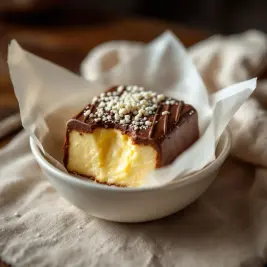
Kohuke
Kohuke is a portable curd snack coated in chocolate that became an iconic Estonian treat during the 20th century, and many people enjoy it straight from the freezer for a refreshingly firm texture.
Traditional Savory Dishes

Mulgipuder
Mulgipuder mixes mashed potatoes with barley groats, it was a peasant staple from the Mulgi region that became Estonia's quintessential comfort dish, usually topped with butter and fried bacon.

Verivorst
Verivorst is a traditional blood sausage spiced and packed with barley, it is essential at Estonian Christmas tables and families still guard recipes handed down through annual butchering days.
Traditional Beverages

Kama drink
Kama is a powder of roasted grains and peas mixed with milk or kefir, it dates back centuries and is still served cold with berries for a quick, protein-rich snack.

Vana Tallinn liqueur
Vana Tallinn is a dark, spiced rum-based liqueur from Tallinn, its vanilla and citrus notes make it a favorite for warming cocktails and for drizzling over desserts.
Know before you go
What a day costs in Tallinn, and the rip-offs to avoid
Top rip-offs to avoid
- Unofficial drivers at airport. Use only the official taxi rank and check the meter or agreed fare before the trip starts.
- Pickpocketing in Old Town. Keep bags zipped and in front, and avoid carrying valuables loosely in back pockets in crowds.
- Poor-rate exchange booths. Use bank ATMs that give the local euro and decline currency conversion, and avoid booth exchange near the main square.
Fair taxi from the airport: €10 - €15
Cheaper option: Bus line 2 from the airport to the city centre (€2)
All scams, fair prices and rulesFrequently Asked Questions about Tallinn, Estonia
What is the best time to visit Tallinn, Estonia?
Is Tallinn, Estonia expensive to live or visit?
How do I get around Tallinn, Estonia?
Is the tap water in Tallinn safe to drink?
How many tourists visit Tallinn each year?
Get a PDF with the most popular attractions sent to your email
Get a PDF with all attractions, ratings, and tips. Perfect for offline use.
Most popular day trips
Lahemaa National Park
Old manors, forests, bogs and coastal walks.
Pärnu
Estonia’s summer beach town with parks and cafés.
Helsinki, Finland (by ferry)
Quick international trip across the Gulf of Finland.
Getting there
Airports
Train stations
Main domestic lines to Tartu, Narva, Valga and regional services
Regional services; close to airport and Ülemiste City
From TLL: tram 4 or bus 2 to city centre (~15–20 min); taxis and ride-shares widely available.
Useful information for Tallinn, Estonia
Overview for Tallinn, Estonia
Compare Tallinn with other destinations
Prices, safety, weather and top attractions side by side, with a verdict for every kind of traveler.
Want a day-by-day plan for Tallinn, Estonia? Open the trip planner
Plan your perfect trip to Tallinn, Estonia
Get a complete travel plan built just for you in under 30 seconds, with daily routes, local food tips, budget estimates and more.
Are any of these especially important to you?
Select all that apply
Getting around
How do you want to move between places?
Plan language: English