 CityBuddy
 English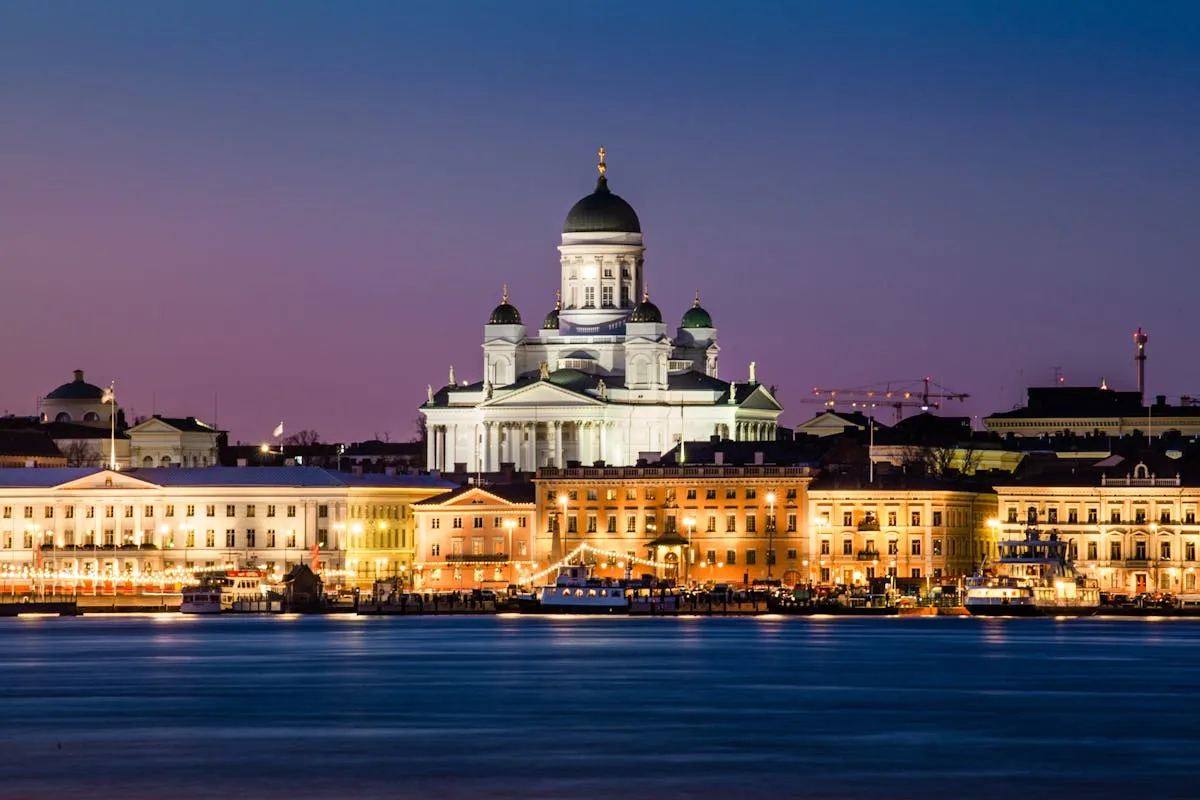
Things to Do in Helsinki, Finland
Photo made by Tapio Haaja on Pexels.com
When to visit
Helsinki is the #5 cleanest city in the world, based on our data across hundreds of destinations.
Most popular attractions in Helsinki, Finland
Exploring things to do in Helsinki, Finland, includes visiting the stunning Helsinki Cathedral at Senate Square, a neoclassical masterpiece. Take a 15-minute ferry to Suomenlinna Sea Fortress, an 18th-century maritime defense and UNESCO site. Also, experience the remarkable Temppeliaukio Church, carved directly into solid rock.
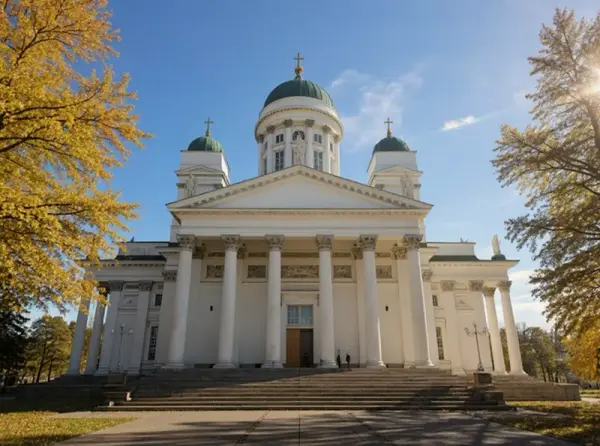
1. Helsinki Cathedral (Tuomiokirkko) - Senate Square
Senate Square
Iconic neoclassical landmark at Senate Square, central to Helsinki's skyline. Climb the broad steps for sweeping photos and a quiet, airy Lutheran interior.
Quick facts: Step onto the broad white steps and you quickly notice how the hush of the plaza makes every footstep echo, turning casual gatherings into quite photogenic scenes. A ring of green copper domes tops the building, their patina glowing at sunset so photographers often wait for blue hour to capture the view.
Highlights: Climb the broad white steps at sunrise and watch the five green copper domes flare a minty patina, the central golden cross scattering tiny glittering sparks across the square. Finished in 1852 as a tribute to Tsar Nicholas I, the building keeps its Neoclassical hush: white pillars, severe pediments, and an organ whose single sustained chord seems to hang in the air long enough for you to hear your own footfall.
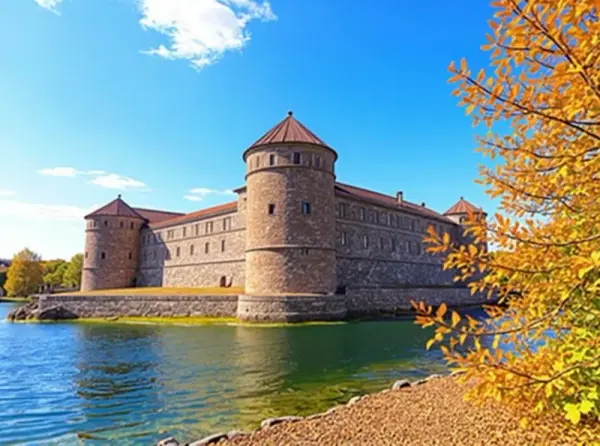
2. Suomenlinna Sea Fortress (Suomenlinna)
Suomenlinna
Island sea fortress with dramatic coastal views and layered military history. Walk ramparts, visit museums and picnic after a short ferry from Market Square.
Quick facts: Cobblestone streets and a tang of sea spray make wandering the fortress islands feel like stepping into a living history painting. You can picnic on old ramparts and discover a lively local community with cafés, artists' studios, and a small maritime museum.
Highlights: Built from 1748 under Augustin Ehrensvärd, the fortress spreads across six linked islands where roughly 800 people still live among mossy cobblestone streets, and on windy mornings you can smell tar, sea salt and the sharp tang of iron from old cannons. Duck into the dim powder magazines and tunnel network carved in the 1700s and the damp stone walls, narrow staircases and ghostly echoes make you feel like you're sneaking through a living time capsule.
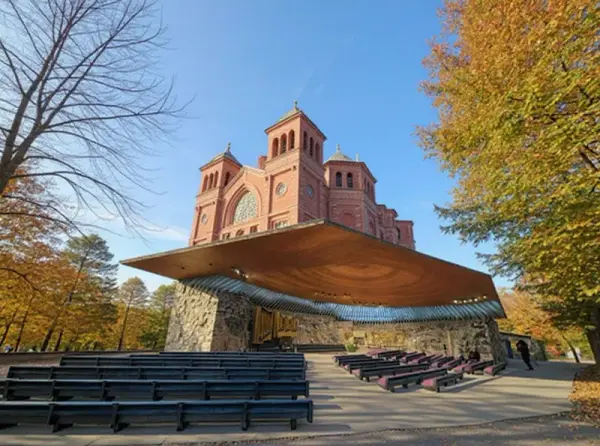
3. Temppeliaukio Church (Rock Church)
Rock Church
A church hewn from solid granite with a dramatic copper dome and superb acoustics. Experience the serene cavern interior, daylight skylight, and frequent organ concerts.
Quick facts: A cavernous sanctuary carved directly from solid bedrock wraps listeners in warm, natural acoustics, the rough granite walls and broad copper dome turning concerts into an intimate, resonant experience. Sunlight pours through a circular ring of skylights, scattering over uneven stone and surprising visitors who expect darkness; the modest seating makes most performances feel remarkably personal.
Highlights: Designed by brothers Timo and Tuomo Suomalainen and consecrated in 1969, the round sanctuary was carved straight into solid granite so the rough rock walls glow warm under the copper dome and even footsteps sound like soft percussion. On quiet afternoons the copper’s resonance and the exposed bedrock make a lone sung note linger for several seconds, and local musicians still hold impromptu piano and vocal concerts there because the place turns a single vowel into a cathedral sized echo.
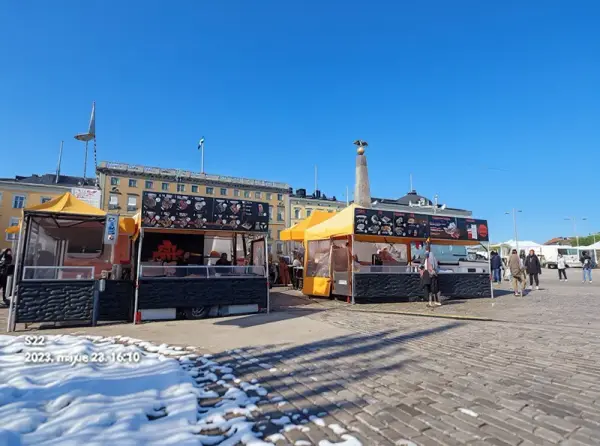
4. Market Square (Kauppatori)
Kauppatori
Iconic waterfront market for fresh Nordic food and Finnish crafts. Wander colorful stalls, taste salmon soup, and watch fishermen sell the day's catch.
Quick facts: Seafront stalls burst with colors and scents, offering hand-knit woolens, artisan jams, and steam-wrapped fresh fish that draw hungry passersby. Evenings hum with ferries, street musicians, and the clink of coffee cups as locals and tourists linger over sweet buns and sun-warmed berries.
Highlights: Grab a paper cone of piping-hot fried vendace, muikku, for about one euro and stand by the water as the tiny silver fish crackle under a squeeze of lemon while vendors shout and gulls swoop for the scraps. Every October the centuries-old Silakkamarkkinat herring fair, held since 1743, turns the place into a carnival of barrels of pickled herring, accordion tunes, and friendly bartering that sounds more like a family argument than a market.
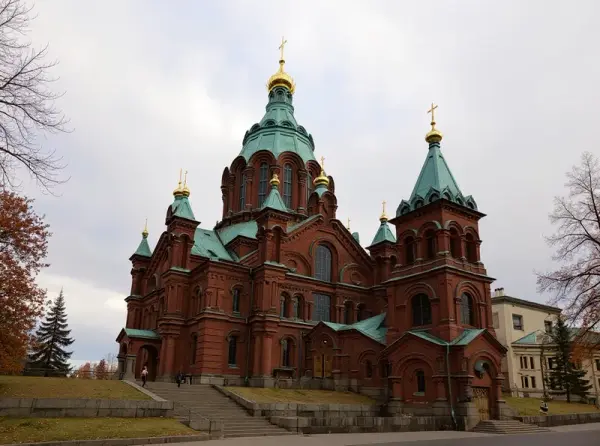
5. Uspenski Cathedral
Striking red-brick Orthodox cathedral overlooking Helsinki harbor. Admire gilded icons, a grand iconostasis, and sweeping views over the water.
Quick facts: From the rocky hillside the glowing red-brick facades and gilded onion domes catch late-afternoon light, creating one of the city's most photogenic silhouettes. Inside, hundreds of icons and ornate woodwork frame beeswax candles, while deep Orthodox chants give the space a surprisingly intimate, enveloping hush.
Highlights: Perched on a rocky hill, the red-brick cathedral designed by Aleksei Gornostayev and completed in 1868 wears 13 gilded onion domes that catch the low northern sun like scattered coins, each dome topped by a bright cross. Stepping inside, the hush, honeyed scent of beeswax candles and glittering iconostasis make the place feel like a pocket of Russian Orthodox ritual, and the deliberate 13-domes symbolism, representing Christ and the 12 apostles, gives the whole space a quietly theatrical, almost narrative quality.
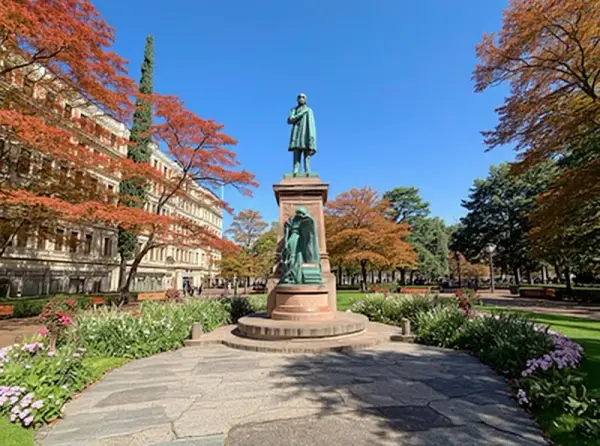
6. Esplanadi Park (Esplanadinpuisto)
Esplanadinpuisto
Central green space by Helsinki's shopping streets, ideal for relaxing and people-watching. Stroll tree-lined paths, enjoy summer concerts, and sample market treats.
Quick facts: Lined with chestnut trees and elegant stone walkways, the green promenade hums with street musicians, fashionably dressed locals, and picnickers who spread out on warm afternoons. A small bandstand hosts frequent free concerts and playful impromptu performances, turning the space into a lively meeting place for casual gatherings and people-watching.
Highlights: Under the long rows of horse-chestnut trees the wooden Kappeli pavilion draws lunchtime crowds, with accordion players and around 15 buskers often filling the air with waltzes and pop covers while clinking coffee cups and the sharp scent of roasted almonds mingle with distant tram bells. Locals have a quirky habit of picnicking on the low granite steps after work, spreading small paper napkins and swapping stories about the 19th-century statues nearby, so on a warm evening the place feels like a living postcard of chatter, brass and bright green leaves.
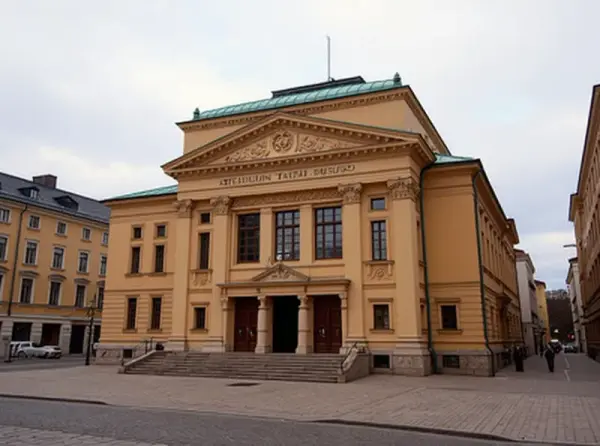
7. Ateneum Art Museum (Ateneumin taidemuseo)
Ateneumin taidemuseo
Finland's national art museum showcasing classic Finnish masters and European paintings. Experience iconic Gallen-Kallela and Schjerfbeck works plus changing exhibitions.
Quick facts: Marble staircases and a light-filled central hall give the place a theatrical hush, and one gallery alone holds an astonishing concentration of 19th-century masterworks that shaped the nation's visual identity. Visitors often lean close to inspect tiny preparatory sketches behind major canvases, while the faint scent of oil paint and murmured audio guides make the rooms feel intimate and alive.
Highlights: Home to the largest collection of classical Finnish art, the museum houses iconic canvases by Akseli Gallen-Kallela, Albert Edelfelt and Helene Schjerfbeck, where pale palettes and cracked varnish reveal a century of touch and repair. Visitors can admire those works beneath the building's 1887 skylights, where warm north light and behind-the-glass conservation work make brushstrokes, craquelure and varnish layers dazzlingly visible.
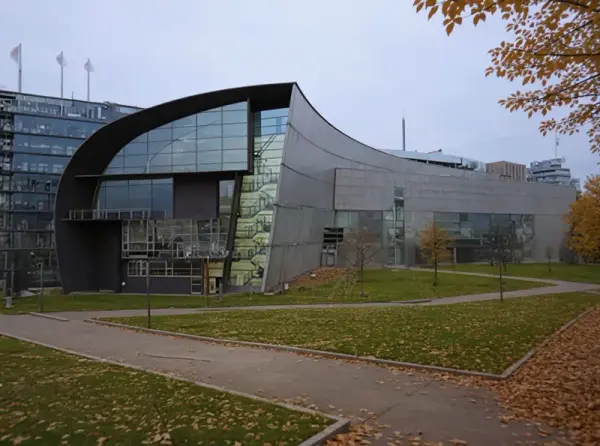
8. Kiasma Museum of Contemporary Art
Bold contemporary art in a sculptural modern building. Expect rotating exhibitions, immersive installations, and a relaxed museum cafe.
Quick facts: Curving white volumes and generous skylights guide visitors through unexpected sightlines, so every gallery feels like a new discovery where light and concrete play off each other. Frequent performance pieces, film screenings, and interactive projects animate the spaces, often surprising visitors who expect only traditional exhibitions.
Highlights: Walk through a swooping, light-filled building by architect Steven Holl, opened in 1998, where skylights and curving white walls make colors in the galleries shift from chalky pale to rich gold as the day changes. The name comes from the Greek word chiasma, meaning cross, and the floorplan literally twists galleries around a central axis so you often glimpse a different exhibition just by peeking around a corner.
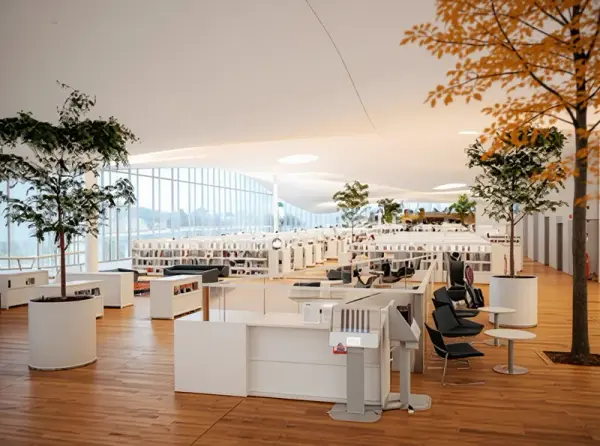
9. Oodi Central Library (Oodi)
Oodi
A bold civic library with modern architecture and lively cultural programming. Explore open reading rooms, a sunny rooftop terrace, cafes, and free workshops.
Quick facts: Walk in and you’re greeted by a warm, wood-lined hall where natural light ripples off a dramatic roof, people lounge on stair-like seating, and the mix of conversation, coffee and keyboard clicks feels as integral as the books. Beyond the stacks a makerspace bristles with 3D printers, a recording studio and workshop tools, so you can borrow a novel, build a prototype and record a podcast all in one visit.
Highlights: On the third floor there’s a warm, wood-lined living-room style space with floor-to-ceiling glass where you can smell fresh espresso and hear the low whirr of 3D printers in the makerspace below, the building opened in December 2018 and spans about 17,000 square meters. A quirky local habit is to bring homemade cinnamon buns to the long communal tables after weekend story hours, and you can even book a recording studio or print a tiny 3D souvenir on the spot to take home.
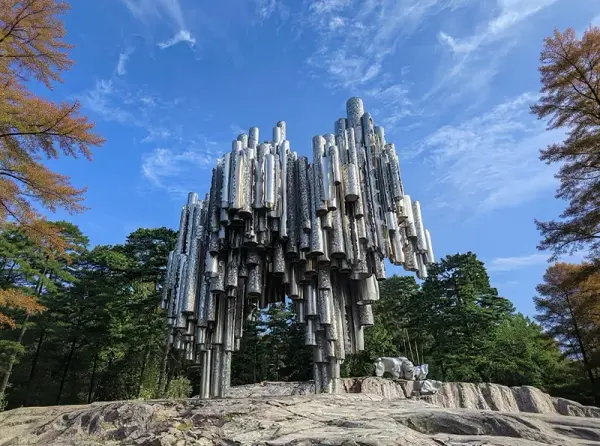
10. Sibelius Monument (Sibelius Park)
Sibelius Park
Experience a dramatic, wave-like pipe sculpture honoring Jean Sibelius, set by the sea. Wander between mirrored steel tubes, hear the wind play on metal, and snap striking photos.
Quick facts: Clusters of dark welded pipes rise like frozen organ ranks, humming when the wind slips through and scattering metallic notes among the pines. Nearby visitors often liken the abstract tubing to a giant, playable instrument, while a small bronze bust tucked to one side offers a quiet, human focal point many crouch to frame in photos.
Highlights: About 600 welded steel pipes, some as long as 6 meters, cluster into a jagged, wave-like formation that sings with deep, organ-like tones when the wind slides through the tubes, the bass notes vibrating in your chest. After early controversy over the abstract design, officials installed a small bronze bust of Jean Sibelius nearby, so you can stand between the sculpted organ and his somber profile while the wind makes the metal hum.
What to pre-book in Helsinki
These sell out or need a reservation. Book them first, in this order.
- 1.Ateneum Art Museum (Ateneumin taidemuseo)Book a day aheadA day or two ahead, same day usually fine Skip-the-line tickets
- 2.Kiasma Museum of Contemporary ArtBook a day aheadA day or two ahead, same day usually fine Skip-the-line tickets
Where to Stay in Helsinki, Finland
Selected by City Buddy based on guest reviews and proximity to top attractions
Search all hotels in Helsinki, FinlandPowered by agoda
Opening days in Helsinki, Finland
Which of the top sights close on which day of the week — the classic trip-ruiner, checked for you.
Monday: 3 of 7 top sights closed — plan museums for another day.
Closed on Monday · 3 closed, 4 open
Opening days from Google Maps (checked 2026-02-19). Public holidays, strikes and seasonal hours can differ — check the official website before you go.
Traditional Sweet Dishes
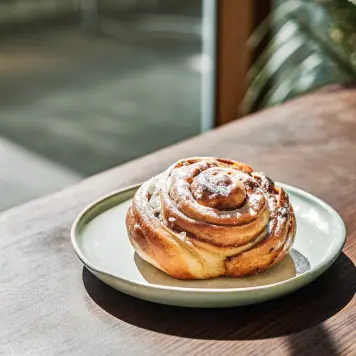
Korvapuusti
Korvapuusti literally means "a slap on the ear", a playful name inspired by the bun's pinched shape, and its cardamom-scented dough has been a beloved Finnish café staple for generations.
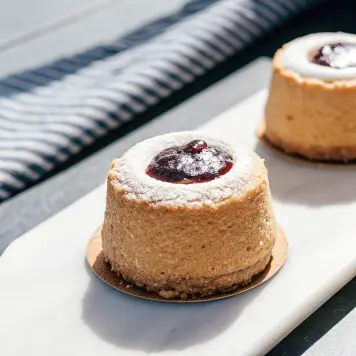
Runeberg torte
The Runeberg torte is named for national poet Johan Ludvig Runeberg, and every February 5th Finns enjoy these almond cakes topped with raspberry jam to celebrate his birthday.
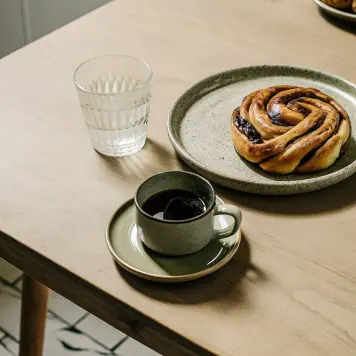
Pulla
Pulla is a soft, cardamom-scented braided bread made for sharing, and it is practically designed for kahvihetki, the cherished Finnish coffee moment enjoyed throughout the day.
Traditional Savory Dishes
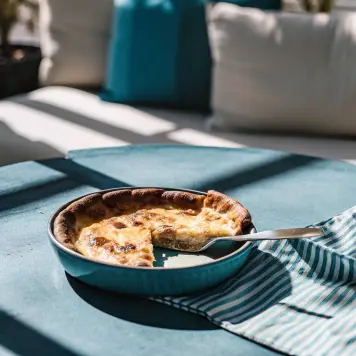
Karjalanpiirakka
Karjalanpiirakka features a thin rye crust filled with creamy rice porridge, and it is traditionally eaten warm with a spread of egg butter that creates a silky, savory contrast.
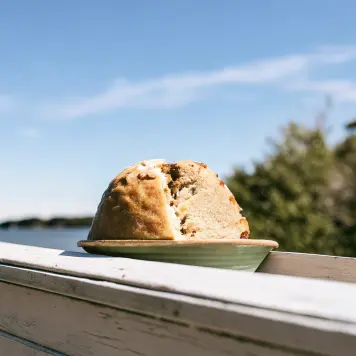
Kalakukko
Kalakukko is a rustic pie of fish and pork baked inside a dense rye loaf, originally made to be carried on long journeys because the bread preserved the fillings for days.

Meatballs (Lihapullat)
Lihapullat are Finnish meatballs seasoned simply and served with mashed potatoes and lingonberry jam, a comforting combo that showcases the Nordic taste for sweet and savory together.
Traditional Beverages
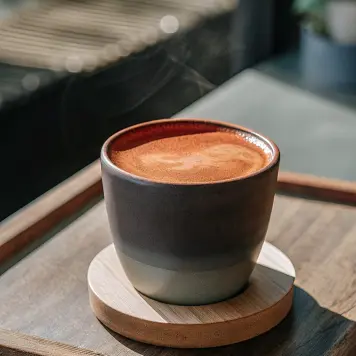
Coffee
Finland drinks more coffee per person than any other country, and coffee breaks are woven into work and social life so tightly they are often called a national pastime.
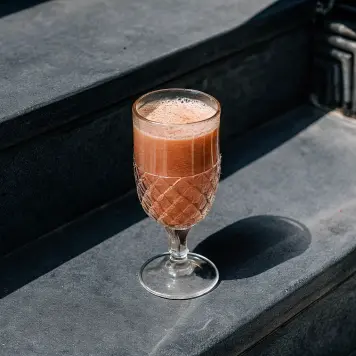
Sahti
Sahti is an ancient farmhouse ale flavored with juniper and often made without hops, its cloudy, unfiltered pour smells of bread and berries and connects modern drinkers to rural brewing traditions.

Kotikalja
Kotikalja is a mildly fermented, low-alcohol bread beer once brewed at home, its malty sweetness made it a common table drink before commercial sodas became widespread.
Know before you go
What a day costs in Helsinki, and the rip-offs to avoid
Top rip-offs to avoid
- Unvalidated tram ticket. Purchase a ticket in the HSL app before boarding, or tap your contactless card on the reader when you get on.
- Unlicensed airport drivers. Walk to the official taxi rank outside and take a licensed metered cab, or book through a reputable app.
- Poor-rate exchange booths. Pay by card wherever possible or withdraw local currency from a bank-attached ATM. Finland is highly card-friendly.
Fair taxi from the airport: €35 - €45
Cheaper option: P train (commuter train) to Helsinki Central Station (€4.10)
All scams, fair prices and rulesFrequently Asked Questions about Helsinki, Finland
When is the best time to visit Helsinki, Finland?
Is Helsinki, Finland expensive to live or visit?
How do I get around Helsinki, Finland?
Is the tap water in Helsinki safe to drink?
How many tourists visit Helsinki each year?
Get a PDF with the most popular attractions sent to your email
Get a PDF with all attractions, ratings, and tips. Perfect for offline use.
Most popular day trips
Nuuksio National Park
Lakes, trails and Finnish forest scenery close to city.
Tallinn (Estonia)
Medieval old town across the Gulf of Finland (day-trip).
Fiskars Village
Arts, design shops and a historic ironworks village.
Getting there
Airports
Train stations
Long-distance VR lines to Tampere, Turku, Lahti, Kouvola; commuter lines.
Major long-distance and commuter connections; rail link to airport via Ring Rail.
Use the Ring Rail train (I/P) or Finnair City Bus from HEL to the city center.
Useful information for Helsinki, Finland
Overview for Helsinki, Finland
Compare Helsinki with other destinations
Prices, safety, weather and top attractions side by side, with a verdict for every kind of traveler.
Want a day-by-day plan for Helsinki, Finland? Open the trip planner
Plan your perfect trip to Helsinki, Finland
Get a complete travel plan built just for you in under 30 seconds, with daily routes, local food tips, budget estimates and more.
Are any of these especially important to you?
Select all that apply
Getting around
How do you want to move between places?
Plan language: English