 CityBuddy
 English
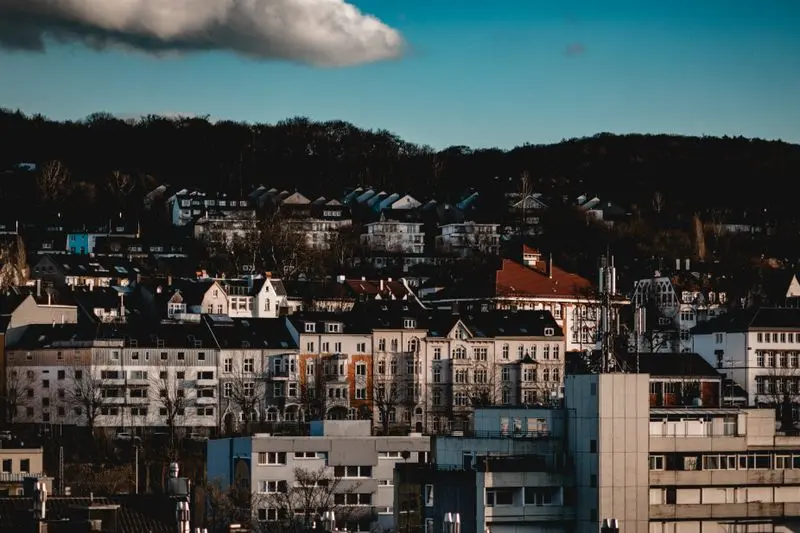
Things to Do in Germany, Germany
Photo made by Tasso Mitsarakis on Pexels.com
When to visit
Germany is the #1 city for healthcare in the world, based on our data across hundreds of destinations.
Most popular attractions in Germany, Germany
The best things to do in Germany, Germany start at the Reichstag's glass dome, an ascent of 360 steps above Berlin's skyline. Then ride south 90 minutes to Neuschwanstein Castle, a palace that inspired Disney's 1900s fairy tales. Wrap up along the East Side Gallery's 101 murals, one kilometer of the former Berlin Wall.
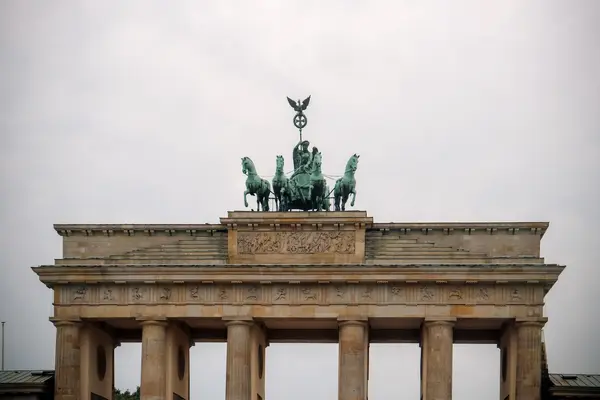
1. Brandenburg Gate
Cross the line where Europe's wall once snapped a city in two. Stand in the middle as the echo of 1989's cheering crowds rolls off the sandstone columns.
Quick facts: The 12 fluted sandstone columns stretch across a 65-meter gateway, and Napoleon once hauled the four-horse chariot on top back to Paris before Berliners brought it home. Decades later the massive doorway sat locked inside a deadly no-man's-land, unreachable from either side, until the barrier finally came down in 1989.
Highlights: Check which way the chariot's four horses face: they stare east, dead into the old restricted zone, so for 28 years they looked straight at the barrier that cut their city in half. Hunt out the pale rectangle of wall-repaired stone near the left side, a ghost scar from the era when the crossing's western half was a dead strip.
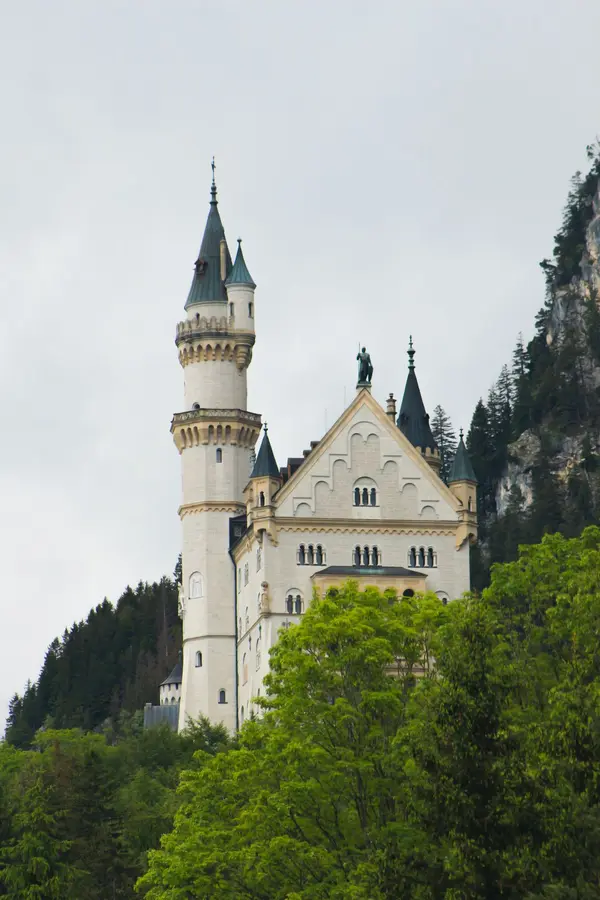
2. Neuschwanstein Castle
A fairy-tale fortress that inspired Walt Disney's castles, perched high above a deep gorge. Wander swan-filled halls, then cross the covered bridge for the classic postcard view.
Quick facts: King Ludwig II spent only 172 days inside the finished rooms before his mysterious death in 1886. Roughly 1.4 million visitors make the long climb up the hill each year.
Highlights: The throne room was never completed: the actual throne was never installed, so the central marble platform sits empty beneath a glittering mosaic of angels. Wagner's operas hide throughout the decor, from a swan motif repeated over 15 times to murals depicting scenes from Lohengrin and Tannhäuser.
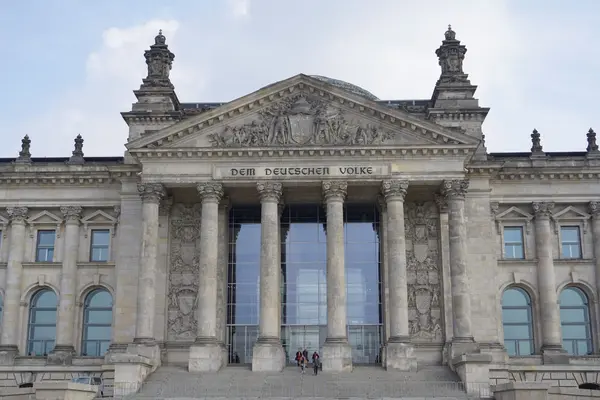
3. Reichstag Building
Watch democracy in action as you stand directly above the debating chamber. A free reservation lets you spiral up the glowing glass dome for sweeping 360-degree views over the city.
Quick facts: Roughly 3 million visitors make the climb up the glass dome every year. A 230-meter steel ramp spirals 45 meters high, and 360 mirrors in the central cone bounce daylight down into the parliamentary chamber below.
Highlights: Soviet soldiers scrawled their names in Cyrillic across the walls back in 1945, and the scorched graffiti survives to this day inside the restored interior. Parliament voted to keep the smoky scribbles as a memorial, so you can run your eyes over messages left by the Red Army before you ever reach the dome.
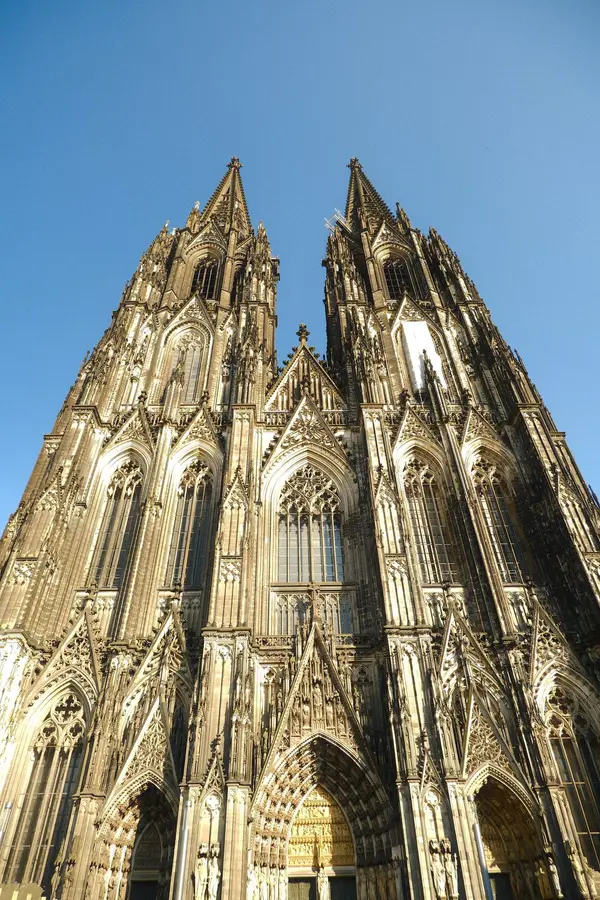
4. Cologne Cathedral
Climb 533 steps to the belfry for a skyline that stuns even jaded travelers. Descend into the gloom and gape at jeweled reliquaries and 700-year-old choir stalls.
Quick facts: Twin towers soar 157 meters, briefly ranking this as the tallest structure on the planet after completion in 1880. Some 20,000 visitors pass through daily, and its St. Peter's Bell, at 24 tons, is the world's largest free-swinging church bell.
Highlights: Artist Gerhard Richter filled the south window in 2007 with 11,263 hand-blown glass squares in 72 colors that look like random pixels up close yet echo the 19th-century window that once stood there. Walk forward and the luminous wall dissolves into chaotic confetti, then step back and the whole thing snaps into a precise, glowing grid.

5. East Side Gallery
Stand before 1.3 kilometers of original Wall painted in over 100 colors. Walk the riverside path where giant murals tell the story of a divided city that broke free.
Quick facts: Roughly 1.3 kilometers of the original wall stands here, covered with 101 murals by artists from 21 countries. That same concrete once formed part of a 155-kilometer barrier that split a city for 28 years.
Highlights: Look closely for the famous kiss between Brezhnev and Honecker, a mural that had to be repainted when the original faded into pastel smudges. Graffiti artists still add fresh layers to sections of the wall, so the artwork literally changes between visits.
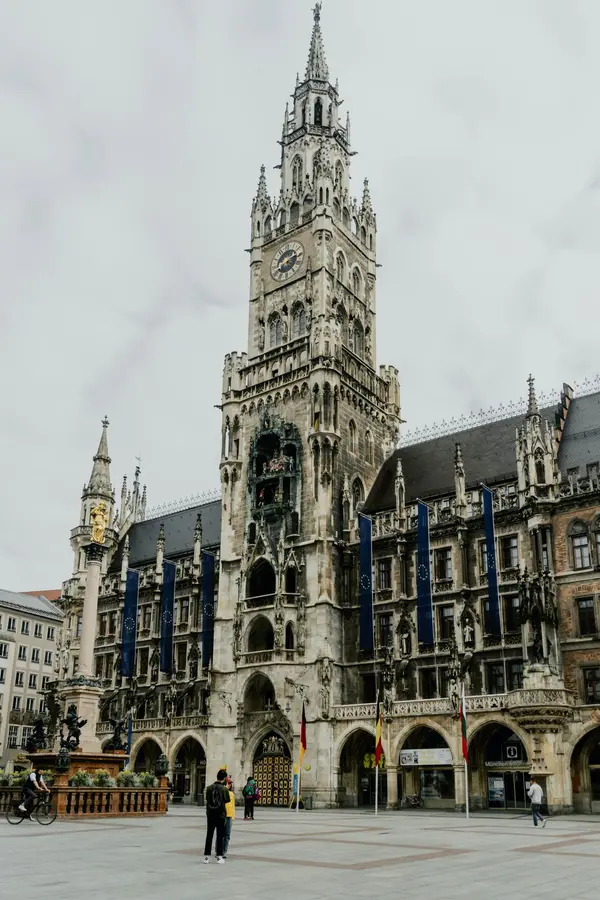
6. Marienplatz
One square packs royal history, a Christmas market, and a daily mechanical spectacle into a few blocks. Expect your neck craned skyward, your ears full of bells, and a camera that never stops clicking.
Quick facts: Forty-three bells chime in the 85-meter town hall tower while 32 life-sized figures reenact a 1568 royal wedding twice a day. Roughly 2 million visitors cross the square yearly, drawn by a gilded column raised in 1638 that marks the end of the Swedish occupation.
Highlights: Locals rub a bronze pig's snout for luck before big decisions, a cheeky ritual rooted in the days when livestock traders gathered here. Arrive moments before the hourly chime and watch grown adults scramble for curb seats; the 12-minute duel of jousting knights, a coopers' dance, and 43 ringing bells is pure crowd theater.
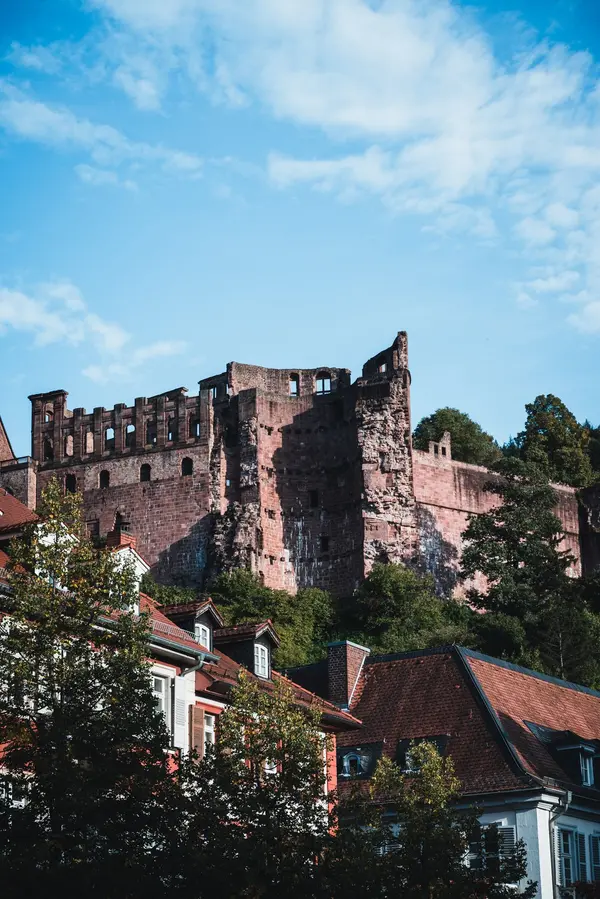
7. Heidelberg Castle
Perched 80 meters above town, the ruin guards a nine-meter wine tun. Take the funicular up, then roam shattered walls and terraces over the valley.
Quick facts: A lightning strike in 1764 sent flames through the upper floors, leaving them roofless to this day. The Great Tun wine barrel spans nine meters and holds roughly 220,000 liters, enough for nearly 300,000 bottles.
Highlights: Gunpowder charges set by French troops in 1693 blew whole wings apart, then lightning in 1764 sealed the ruin's fate with a fire that was simply left to burn out. Sip a glass at the terrace café and watch the afternoon sun turn the red sandstone a warm rosy pink while swallows dive between the shattered window arches.
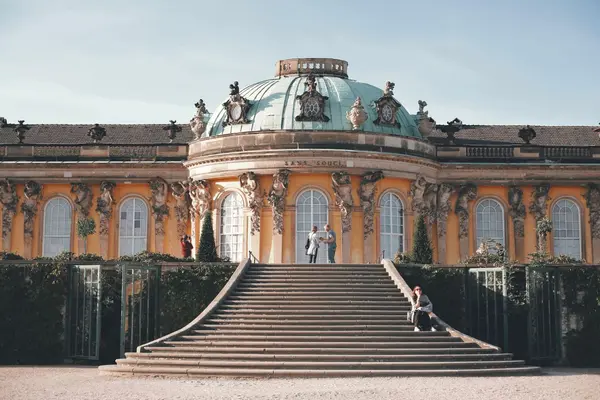
8. Sanssouci Palace
Step into the sun-warmed rooms where a king once debated Voltaire by candlelight. You'll wander golden galleries, climb vine terraces, and linger by the marble fountain.
Quick facts: Frederick the Great kept this summer retreat astonishingly small, just 10 rooms, all on one floor so he could step straight from bed onto the vineyard terraces. The king hosted Voltaire here for years and even buried his favorite greyhound beside the garden path.
Highlights: Look for the hidden trick in the six vineyard terraces: the palace's rooms open directly onto the garden level, so the king never climbed a single stair. On warm evenings, figs and peaches still ripen behind the iron-grate niches in the terrace walls, exactly as they did in the 1700s.
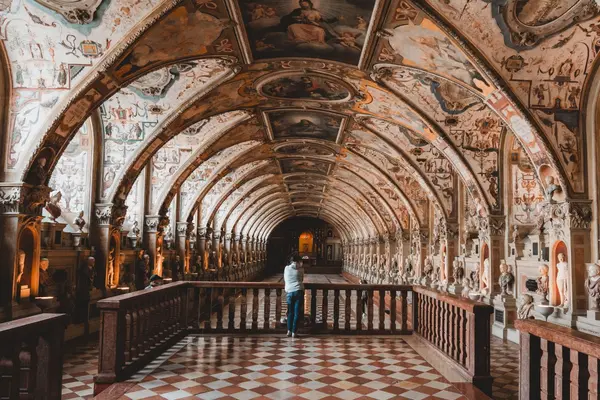
9. Munich Residenz
Wander five centuries of Bavaria's royal past under one roof. Expect ornate state rooms, a glittering treasure vault, and an entire palace complex that rewards slow, curious exploration.
Quick facts: As the largest city palace in Germany, the complex sprawls across roughly 70,000 square meters with more than 130 showrooms. Each room layers a different century of Wittelsbach rule, from Renaissance banquet halls to rococo theater spaces.
Highlights: Inside the Antiquarium, a 69-meter barrel-vaulted hall crowds with ceiling frescoes of more than 300 painted figures, all commissioned from Flemish masters in the 1500s. Stand near the center and clap once, the cavernous acoustics carry the sound right to the far wall, an effect that stunned 18th-century court guests too.
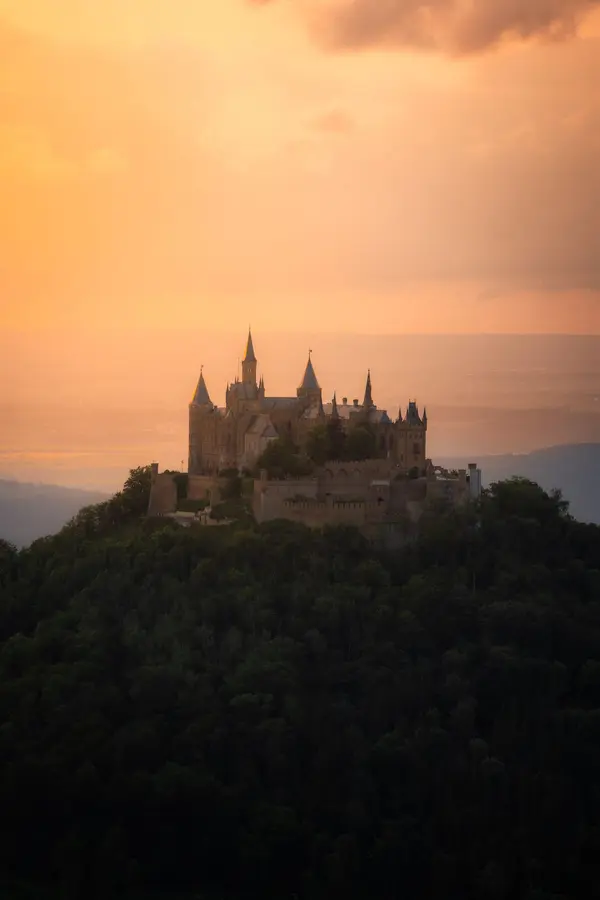
10. Hohenzollern Castle
A mighty castle crowns the ridgeline, a 30-minute climb from the valley road. Inside, royal treasures and sweeping mountain views await.
Quick facts: About 300,000 visitors each year make the steep hike to the 855-meter summit. The current neo-Gothic fortress, rebuilt over the 1850s and 1860s, stays privately owned by the family that once supplied German emperors.
Highlights: Frederick the Great's death mask and the heavy gold crown worn by the last Prussian king sit side by side in the third-floor treasury, and both feel startlingly small up close. On the climb you pass under five gates from different centuries, each with its own portcullis still hanging on its hinges.
Where to Stay in Germany, Germany
Selected by City Buddy based on guest reviews and proximity to top attractions
Search all hotels in Germany, GermanyPowered by agoda
Opening days in Germany, Germany
Which of the top sights close on which day of the week — the classic trip-ruiner, checked for you.
Monday: 1 of 6 top sights closed — plan museums for another day.
Closed on Monday · 1 closed, 5 open
Opening days from Google Maps (checked 2026-09-12). Public holidays, strikes and seasonal hours can differ — check the official website before you go.
Traditional Sweet Dishes

Black Forest Cake (Schwarzwälder Kirschtorte)
This layered chocolate cake gets its name from the Black Forest region and is flavored with kirschwasser, a clear cherry brandy that is a required ingredient for the authentic version.

Dresdner Stollen
Stollen is a fruit-and-nut filled Christmas bread, and Dresden hosts an annual festival where a giant Stollen weighing several tons is paraded through the city before being sliced for the crowd.
Rote Grütze
This northern German dessert is a thick red berry pudding made from currants, raspberries, and cherries, and it is traditionally served with vanilla sauce or cream.
Traditional Savory Dishes
Sauerbraten
Sauerbraten is a pot roast marinated in vinegar, wine, and spices for up to ten days before cooking, which gives it its famously tangy flavor and tender texture.
Bratwurst with Sauerkraut
Germany counts more than 40 regional varieties of bratwurst, and the tiny Nuremberg version is so small that it is traditionally served in portions of six.
Jägerschnitzel
This breaded and fried cutlet is named after the hunter's dish it was inspired by, and it is always served smothered in a hearty mushroom gravy.
Traditional Beverages
Glühwein
Glühwein is a spiced mulled wine flavored with cinnamon, cloves, and star anise, and it is the classic warming drink of German Christmas markets.
Radler
This refreshing mix of beer and lemon soda is named after the German word for cyclist, since it was supposedly created as a lighter drink for bike riders.
Apfelschorle
Apfelschorle is a sparkling mix of apple juice and carbonated water that is so popular in Germany that it outsells cola in many regions.
Frequently Asked Questions about Germany, Germany
Is Germany safe for tourists?
How many days should I spend in Germany?
What is the best time to visit Germany?
Is Germany expensive to visit?
How to get around Germany?
Get a PDF with the most popular attractions sent to your email
Get a PDF with all attractions, ratings, and tips. Perfect for offline use.
Most popular day trips
Potsdam
Home to Sanssouci Palace and beautiful Prussian gardens and parks.
Dresden
Baroque old town on the Elbe River with rebuilt Frauenkirche and art museums.
Leipzig
Lively cultural city known for Bach, St. Thomas Church and historic trade fairs.
Spreewald
Boat through a network of canals lined with trees and half-timbered villages.
Rostock
Baltic seaport with a medieval center and sandy Warnemuende beach nearby.
Getting there
Train stations
ICE, IC, regional trains, S-Bahn and connections across Europe
Regional and long distance southbound and eastbound routes
Take the S-Bahn or regional train from BER to the city center; the ride takes about 30 minutes.
Useful information for Germany, Germany
Overview for Germany, Germany
Want a day-by-day plan for Germany, Germany? Open the trip planner
Plan your perfect trip to Germany, Germany
Get a complete travel plan built just for you in under 30 seconds, with daily routes, local food tips, budget estimates and more.
Are any of these especially important to you?
Select all that apply
Getting around
How do you want to move between places?
Plan language: English