 CityBuddy
 English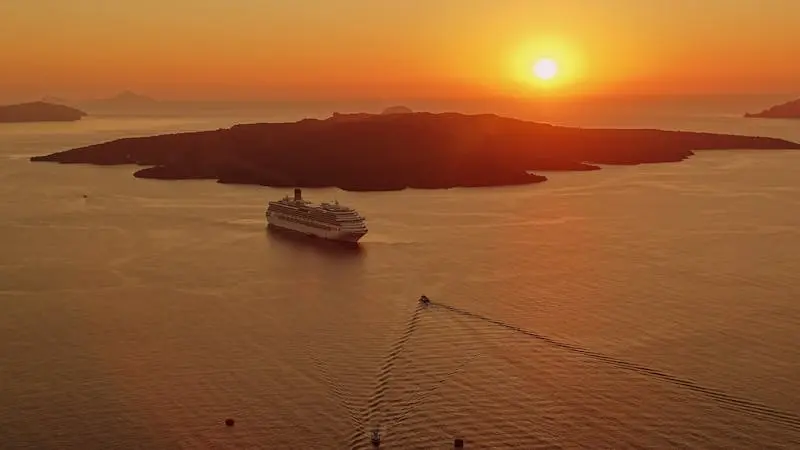
Things to Do in Santorini, Greece
Photo made by Pixabay on Pexels.com
When to visit
Most popular attractions in Santorini, Greece
The top things to do in Santorini, Greece include wandering through Oia Village for breathtaking sunset views over the caldera and exploring Fira's town center with its vibrant shops and stunning sea vistas. History enthusiasts should visit the Akrotiri Archaeological Site, just 15 minutes from Fira, to see ancient Minoan ruins.
1. Oia Village (Oía)
Oía
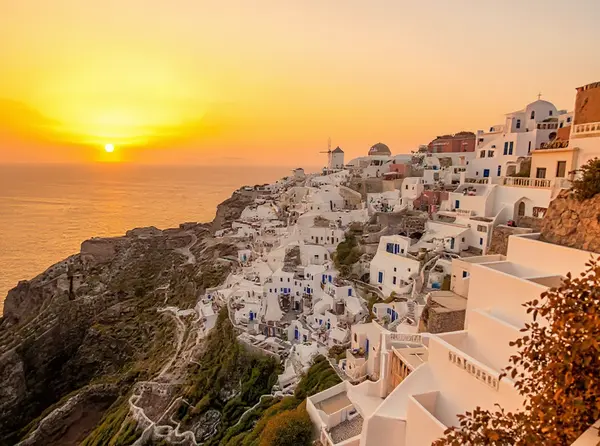
Whitewashed houses cling to caldera cliffs for unforgettable views. Wander narrow alleys, blue-domed churches, and watch the Aegean sunset.
Quick facts: Whitewashed houses and blue-domed chapels tumble along steep cliffs, while narrow stairways double as terraces where locals nap in the sun. A maze of alleys packs more than a dozen picture-perfect viewpoints per kilometer, which explains the pre-sunset rush as photographers jockey for the best angle.
Highlights: Sunset floods the sky with molten orange and magenta, and camera shutters click so frequently that you can hear a steady staccato across the main ridge. A handful of families maintain a ritual of placing exactly 12 small oil lamps along a cliff path during feast nights, their warm light reflecting off blue domes and inviting neighbors to sing and share raki.
2. Fira (Thira) - Town Center & Caldera View
Town Center & Caldera View
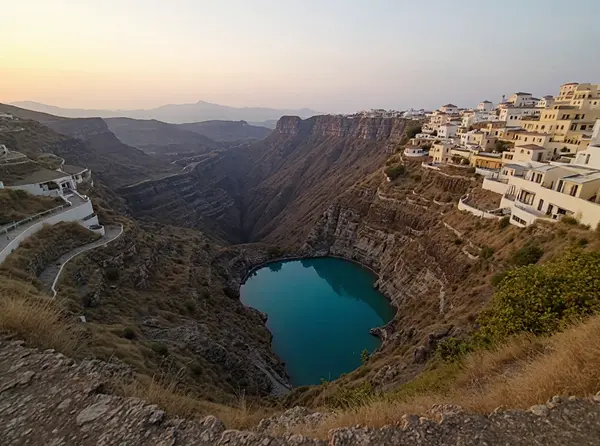
Spectacular cliffside views and whitewashed streets make Fira Santorini's lively caldera hub. Stroll narrow alleys, browse shops, and watch volcanic isles light up at sunset.
Quick facts: Cliffside lanes wind past whitewashed houses and tiny blue-domed chapels, offering dizzying vistas that flush the caldera with gold at sunset. Cafés, tavernas, and artisan shops spill onto narrow alleys, where volcanic wine, smoked tomato paste, and hand-painted ceramics are sold within a few footsteps of panoramic lookout points.
Highlights: Golden-hour crowds gather along the terrace promenades to watch the sun slide behind the sea, often accompanied by local bouzouki players whose music echoes against the cliff. A steep stone stairway of roughly 587 steps links the old harbor to the cliff-top, and those who choose to hike it are rewarded with sea-salt air, mule-bell rhythms, and the chance to sample a fisherman's catch served in a taverna minutes after it comes ashore.
3. Akrotiri Archaeological Site
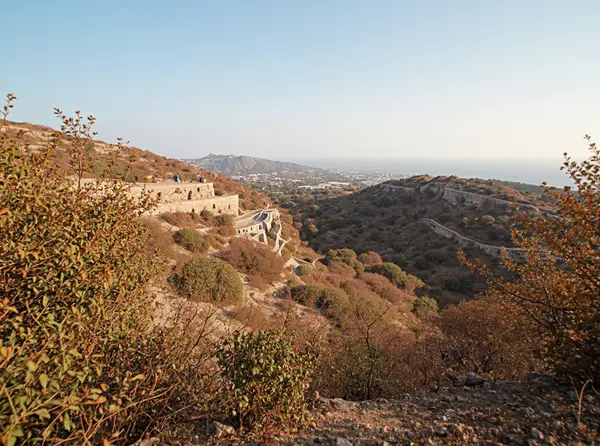
Explore a Bronze Age town preserved by a volcanic eruption, offering rare ancient streets and vivid frescoes. Walk under a protective shelter through original houses and detailed wall paintings.
Quick facts: Walk down narrow paved lanes lined with house foundations and startlingly vivid fresco fragments, where deep cinnabar reds and sea-blues still catch the eye. Archaeological layers of pumice and ash acted like a protective blanket, preserving wooden furniture impressions, pottery, and multi-room domestic layouts for careful study.
Highlights: Move close to a wall and you can read brushstrokes in bright pigments, including a well-known scene of two monkeys that feels oddly intimate and alive. Conservators uncovered small finds like clay seals and bronze pins in storerooms, details that reveal trade connections and skilled hands shaping everyday life.
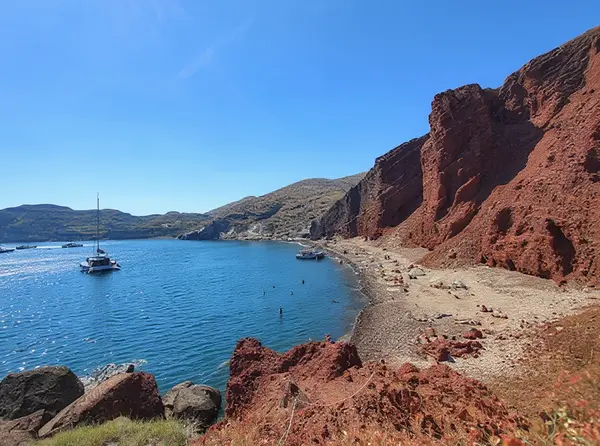
4. Red Beach (Kokkini Paralia)
Kokkini Paralia
Crimson cliffs and black sand create one of Santorini's most dramatic shorelines. Walk the shore, photograph volcanic strata, and feel the raw sea.
Quick facts: Jagged crimson cliffs rise over a narrow crescent of pebbled sand, while volcanic red and black rocks are scattered like spilled rust. Strong currents and steep seabed drop-offs mean swimming is best on calm afternoons, and snorkelers often find dense pockets of colorful fish around the rocky outcrops.
Highlights: At certain times of day a 30 to 40 minute window of light makes the red rock glow like hot coals, turning the sea an almost electric turquoise that photographers chase. A worn footpath descends roughly 200 uneven steps cut into loose volcanic scree, so sturdy shoes and steady footing turn the approach into part of the adventure.
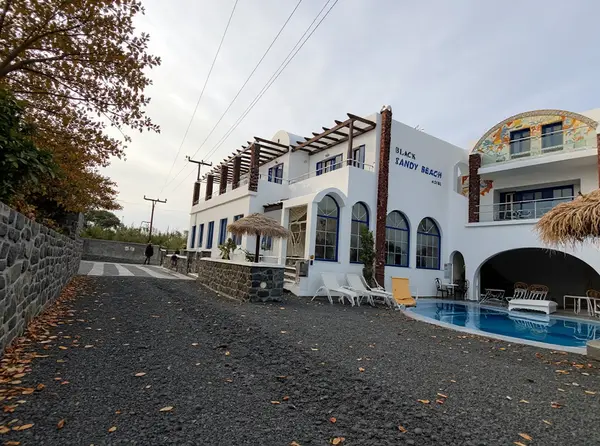
5. Perissa Beach (Black Sand Beach)
Black Sand Beach
Black volcanic sands and clear Aegean water make Perissa a lively seaside escape. Sunbathing, swimming, beach bars and watersports await.
Quick facts: Expect a dramatic contrast of near-black volcanic sand against cobalt-blue water, the sand often so fine it slips between toes like velvet. Warm sea breezes mix with the hum of beach bars and water-sport stands, creating a lively, social shoreline where families and night owls both find space to relax.
Highlights: Sun-baked sand can top 50°C (122°F) in peak summer, prompting many visitors to buy inexpensive flip-flops sold by small stands so bare feet don't have to hop into the surf. A continuous line of white umbrellas and family-run tavernas backs the shore, their strings of bulbs reflecting on wet black sand at sunset to create mirrorlike orange and violet bands that photographers love.
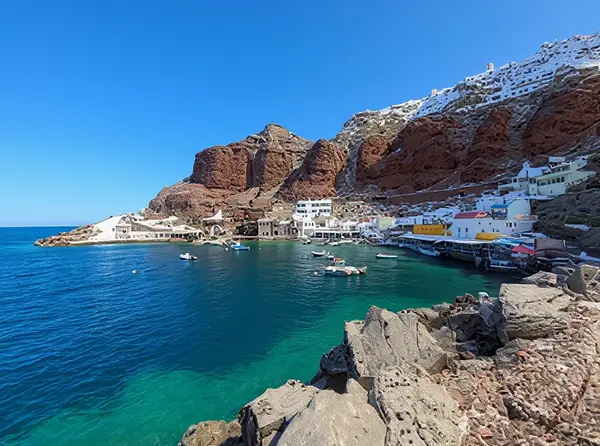
6. Amoudi Bay
Cliffside harbor with turquoise water and seaside tavernas worth the descent. Descend the 200 steps, swim from the rocks, and dine beside colorful fishing boats.
Quick facts: Bright, hand-painted fishing boats bob in a narrow harbor cradled beneath sheer white houses, and about 300 steep stone steps lead down from the rim to the water. Locals haul in the day's catch right onto waterfront grills, where salty air mixes with smoke and lemon as tavern tables perch inches from the sea.
Highlights: Adrenaline shows up when cliff-jumpers launch from platforms between 4 and 8 meters high, the splash echoing off the cliffs and drawing cheers from the tavern terraces above. More surprising, fishermen and tavern owners hang purple octopus tentacles on thin lines above the tables, the sun turning them leathery and fragrant in just a few hours before they hit the grill.
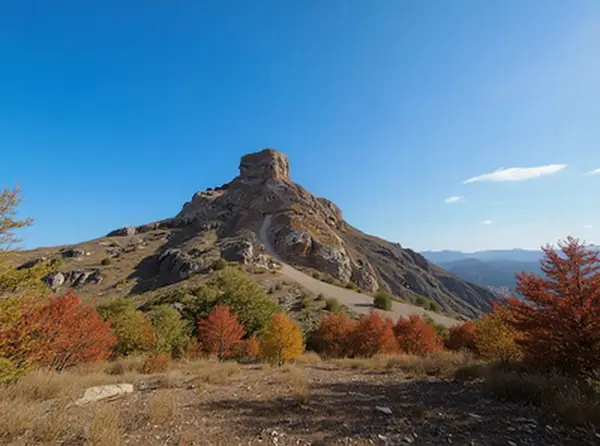
7. Skaros Rock (Imerovigli)
Imerovigli
Perched on a volcanic promontory with fortress ruins, Skaros Rock rewards with unmatched caldera views. Short hike leads to dramatic cliffside photo opportunities.
Quick facts: Sharp volcanic cliffs and a ruined Venetian fortress give the promontory a dramatic silhouette, with narrow paths winding along sheer drops and white-washed houses clinging to the slopes. Morning light turns the sea into a strip of molten turquoise, and wandering cats and grazing goats are frequent, friendly companions on the trail.
Highlights: Local lore credits Marco Sanudo with ordering the summit fortress, and you can still walk among crumbling ramparts and a lone collapsed tower where lizards warm themselves on sun-baked stone. Every August 15 villagers gather to ring a tiny chapel bell, the single clear peal echoing across the volcanic amphitheatre while the sunset stains the rock a blood-orange hue.
8. Santo Wines (Santo Winery)
Santo Winery
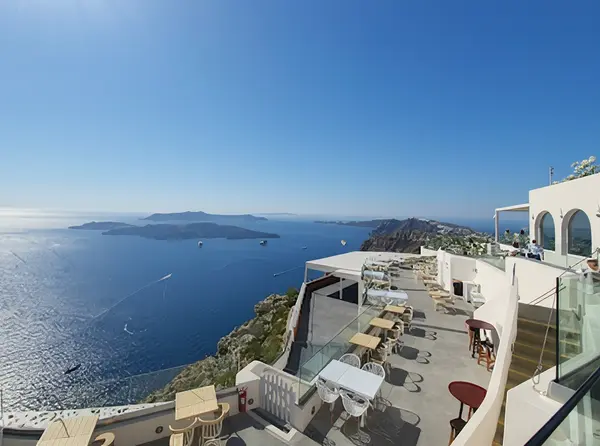
Perched above the caldera with volcanic wines and sweeping views, great for wine lovers and sunset chasers. Taste Assyrtiko and rare volcanic blends on the terrace as the sun sinks.
Quick facts: Low, gnarly vines hugged to volcanic ground make tiny, concentrated grapes, so the whites bite with bright acid and the dessert wines glow amber and syrupy. A cooperative cellar brings grapes from more than 1,200 family plots, then pours relaxed tasting flights that pair perfectly with salty cheese and sun on your skin.
Highlights: You can taste a dozen vintages of the local sun-dried sweet wine, including bottles aged over 20 years that smell of dried apricot, caramel and roasted honey. A harvest-time practice sees about 300 families clip tiny clay tags with surnames to the low vines, a tactile tradition that helps pickers find parcels by feel during the frenetic September squeeze.
9. Ancient Thera
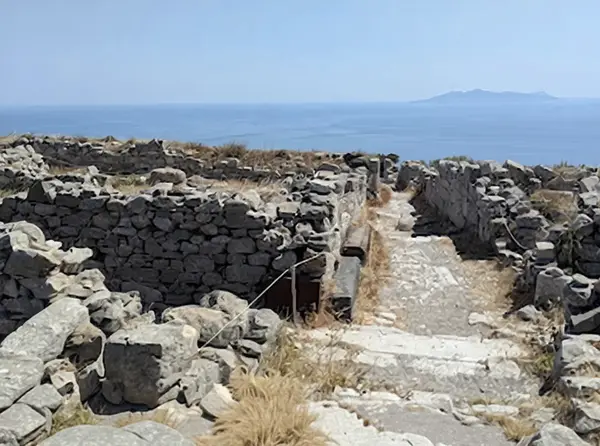
Clifftop ruins revealing layers of Minoan to Roman life, perched above Santorini's black-sand coast. Walk ancient streets and enjoy sweeping caldera and Aegean views.
Quick facts: Walking along sun-baked streets you can still trace shops, a small theater and mosaic floors, the layers of different cultures visible in the stonework. A ridge-top setting gives dramatic sea views while sparse winds often carry the scent of salt and wild thyme.
Highlights: A steep climb up roughly 360 meters rewards visitors with limestone terraces streaked orange at sunset, the worn steps and fragments of amphorae catching the low light. Local storytellers point out an inscription mentioning a merchant named Kallinos and a tiny votive bowl etched with three fish, small personal marks that make the ruins feel like someone's old neighborhood.
10. Pyrgos Village (Pyrgos Kallistis)
Pyrgos Kallistis
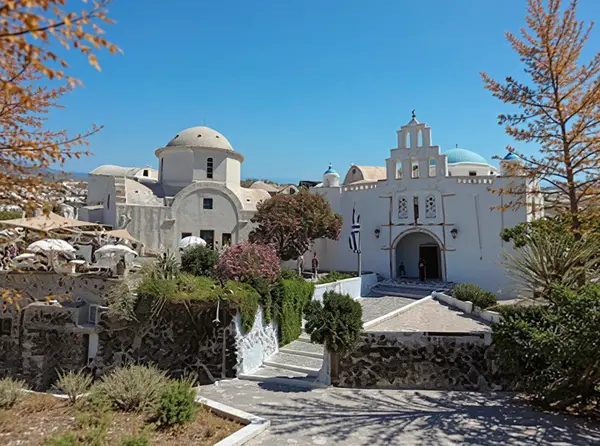
Hilltop village with preserved medieval streets and sweeping caldera views. Wander narrow alleys, climb the castle ruins, and enjoy quiet sunset panoramas.
Quick facts: Narrow cobbled streets wind up to a hilltop castle ruin, with white houses stacked like postcards and rooftop views that sweep almost the entire island. Local tavernas sit under bougainvillea, where the air often smells of grilled seafood and thyme while residents hang laundry across dizzying alleys.
Highlights: From the highest knob you can hear church bells chiming from several stone bell towers while wind carries the smell of frying octopus and wild thyme, turning the sunset into a sensory chorus. A tiny castle square is ringed by roughly a dozen low stone houses and rooftop nooks where painters and elderly men gather to gossip until blue hour, a domestic scene that feels like stepping into someone's long-running photograph.
Where to Stay in Santorini, Greece
Selected by City Buddy based on guest reviews and proximity to top attractions
Search all hotels in Santorini, GreecePowered by agoda
Opening days in Santorini, Greece
Which of the top sights close on which day of the week — the classic trip-ruiner, checked for you.
Monday: 1 of 5 top sights closed — plan museums for another day.
Closed on Monday · 1 closed, 4 open
Opening days from Google Maps (checked 2026-02-21). Public holidays, strikes and seasonal hours can differ — check the official website before you go.
Traditional Sweet Dishes
Baklava
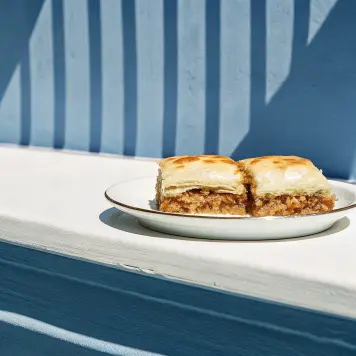
Santorini baklava layers crisp phyllo with cinnamon-spiced nuts and honey, creating a syrupy pastry that has been a celebration staple across Greece for centuries.
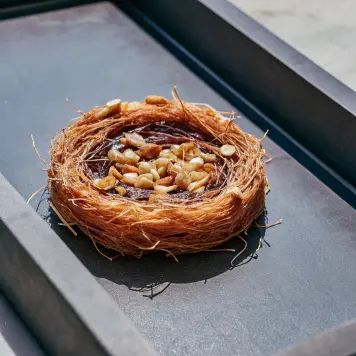
Kataifi
Kataifi's shredded phyllo looks like a golden bird's nest, it hides crunchy nuts and is drenched in sweet syrup for a thrilling texture contrast.
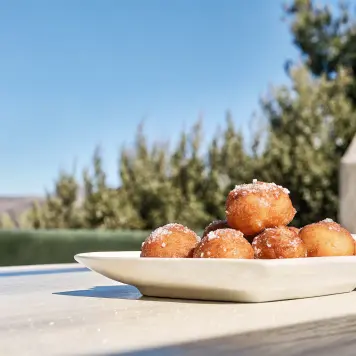
Loukoumades
Loukoumades are small, pillowy doughnuts soaked in honey and often dusted with cinnamon, they trace back to recipes enjoyed since ancient times and remain a beloved street treat.
Traditional Savory Dishes
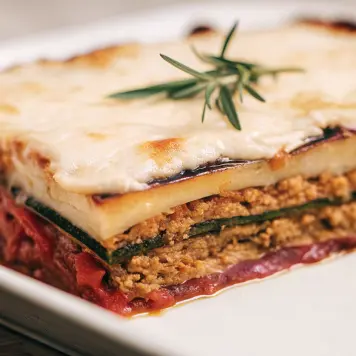
Moussaka
Santorini fava is a silky puree made from local yellow split peas, its velvety texture and sweet, earthy flavor reflect the island's volcanic soil and bright sun.
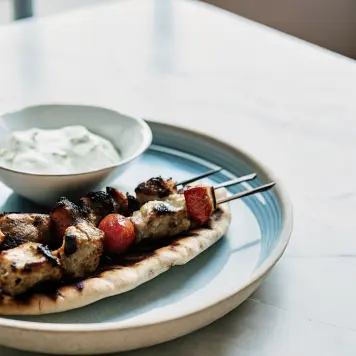
Souvlaki
Souvlaki are grilled skewers of marinated meat, traditionally cooked over charcoal and often tucked into warm pita with tomatoes and tzatziki for a perfect on-the-go meal.
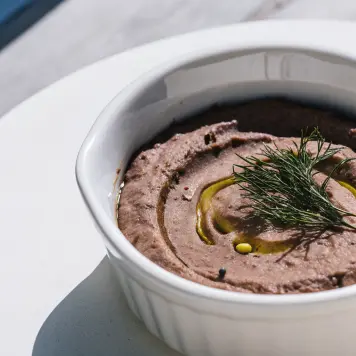
Fava
Moussaka layers roasted eggplant, seasoned minced meat, and creamy béchamel, it is a heartwarming baked dish that showcases deep Mediterranean flavors with every spoonful.
Traditional Beverages
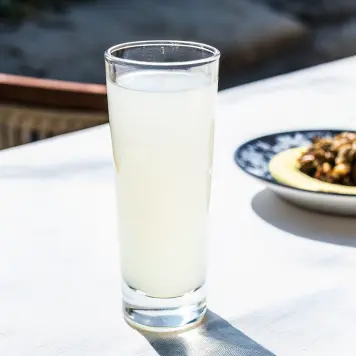
Ouzo
Ouzo is an anise-flavored spirit that smells like licorice and is typically sipped slowly with small plates of meze, it fuels long, convivial evenings across the islands.
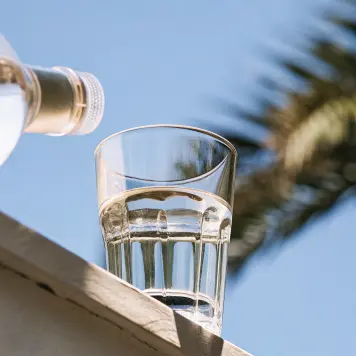
Raki
Raki, known in some regions as tsikoudia, is a strong pomace brandy often made at home and shared after meals to mark celebrations and warm the conversation.
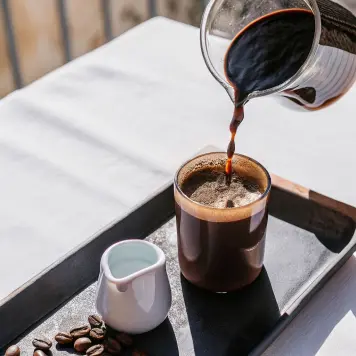
Greek Coffee
Greek coffee is brewed in a small pot called a briki and served unfiltered with the grounds settled at the bottom, it is a ritual drink often accompanied by slow conversation and occasional fortune telling from the grounds.
Frequently Asked Questions about Santorini, Greece
What are the best months to visit Santorini, Greece?
Is Santorini, Greece expensive to live in?
How many tourists visit Santorini, Greece annually?
How is the public transport system in Santorini, Greece?
How can I get around Santorini, Greece?
Get a PDF with the most popular attractions sent to your email
Get a PDF with all attractions, ratings, and tips. Perfect for offline use.
Most popular day trips
Ios
Sandy beaches and lively nightlife, great for day trips
Mykonos
Cosmopolitan beaches, nightlife, iconic windmills
Getting there
Train stations
Intercity, regional, Proastiakos (suburban)
From Santorini airport take bus or taxi to Fira (~15 min); pre-book transfers in high season.
Useful information for Santorini, Greece
Overview for Santorini, Greece
Compare Santorini with other destinations
Prices, safety, weather and top attractions side by side, with a verdict for every kind of traveler.
Want a day-by-day plan for Santorini, Greece? Open the trip planner
Plan your perfect trip to Santorini, Greece
Get a complete travel plan built just for you in under 30 seconds, with daily routes, local food tips, budget estimates and more.
Are any of these especially important to you?
Select all that apply
Getting around
How do you want to move between places?
Plan language: English