 CityBuddy
 English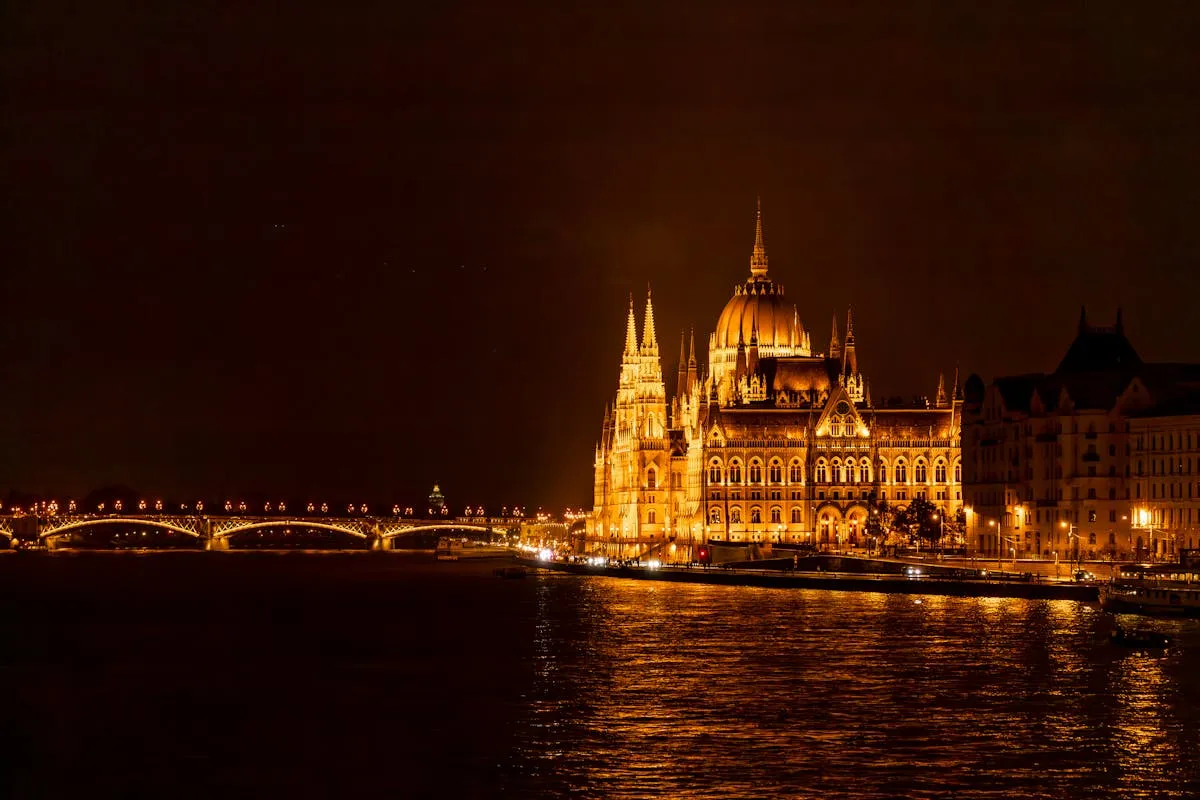
Things to Do in Budapest, Hungary
Photo made by Andrea Imre on Pexels.com
When to visit
Most popular attractions in Budapest, Hungary
Things to do in Budapest, Hungary include exploring Buda Castle, a historic palace complex offering stunning city views. Visit Fisherman's Bastion for its fairy-tale terraces and panoramic views over the Danube. Don't miss Matthias Church, known for its colorful tiled roof and rich history dating back 700 years.
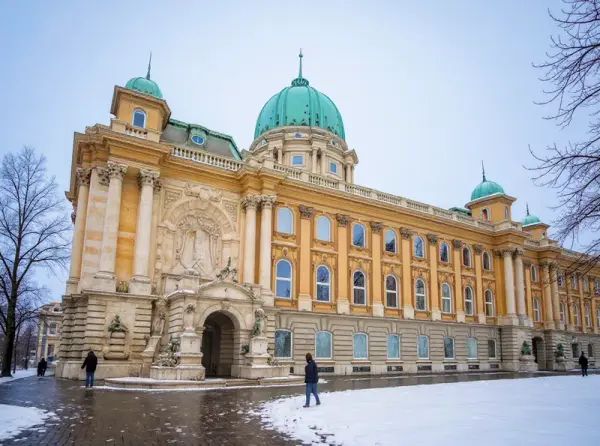
1. Buda Castle (Budavári Palota)
Budavári Palota
Hilltop palace with sweeping Danube and city views, rich museums and baroque architecture. Stroll grand courtyards, explore galleries, and photograph the skyline from Fisherman's Bastion.
Quick facts: Golden light at dusk turns the carved stone and baroque roofs into a cinematic backdrop that makes crowds pause and photographers linger. Beneath those grand facades, galleries and museums guard millions of artifacts, so you can wander from medieval tapestries to modern art without leaving the same courtyard.
Highlights: Hop on the hill funicular, first opened in 1870 and rebuilt in 1986, and the climb delivers a postcard panorama of riverlight and terracotta rooftops that feels like stepping into a movie set. Wander under the palace and you'll find a cool, echoing network of medieval cellars and caves that were used as wine stores and wartime shelters, where buskers sometimes play violins so the stones literally answer back.
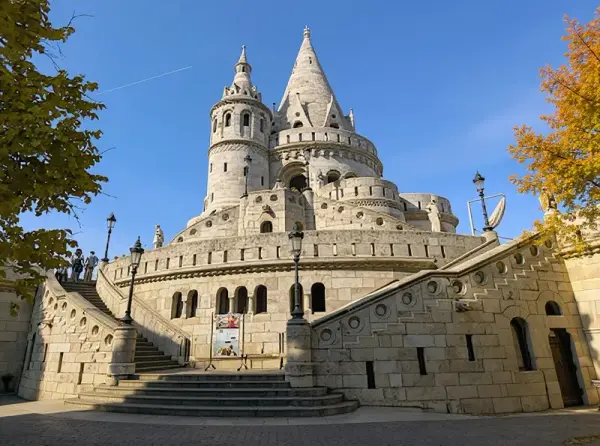
2. Fisherman's Bastion (Halászbástya)
Halászbástya
Hilltop views over the Danube and Parliament. Fairytale turrets and panoramic terraces perfect for photos and a relaxed stroll.
Quick facts: Stepping onto the honey-colored terraces, visitors get sweeping panoramic views and fairytale towers that photograph brilliantly at golden hour. Seven conical turrets symbolize the Magyar tribes, and ornate arches, carved stonework, and hidden nooks reward anyone who wanders off the main path.
Highlights: A quirky little fact: the spot takes its name from the medieval fishermen's guild that once defended that stretch of castle wall, and the neo-Romanesque lookout you see today was designed by architect Frigyes Schulek and built between 1895 and 1902 with seven conical towers representing the seven Magyar tribes. At golden hour the honey-colored stone warms under your palm and the terraces offer a postcard-perfect panorama where the Gothic Revival spires of the Parliament shimmer across the Danube while Alajos Stróbl's bronze statue of King Stephen catches the low light.
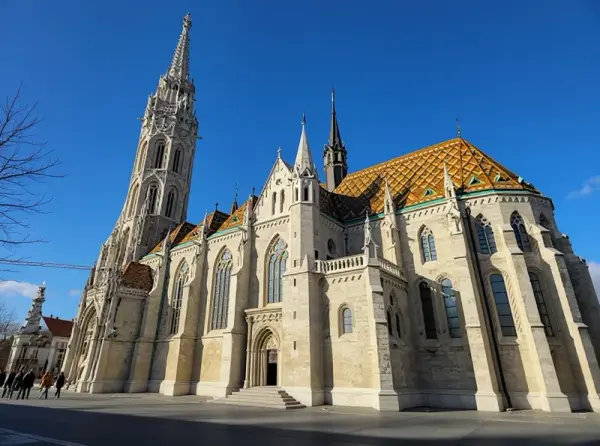
3. Matthias Church (Mátyás-templom)
Mátyás-templom
Stunning neo-Gothic church with colorful roof tiles and centuries of royal history. Explore a richly decorated interior, medieval relics, and skyline views from Fisherman's Bastion.
Quick facts: Sunlight sets the multicolored Zsolnay roof tiles aglow, and inside the high, vaulted nave an organ's notes linger like whispers through ornate frescoes. Visitors often pause at the intricately carved pulpit and wonder how royal coronations and centuries of ceremonies have shaped the building's layered, dramatic atmosphere.
Highlights: Look up at the roof: thousands of glossy Zsolnay eosin-glazed tiles catch the sun in greens, reds and golds so they sparkle like dragon scales when you tilt your head. Between 1541 and 1686 the interior was used as a mosque, which led to medieval frescoes being plastered over and later uncovered as faint, ghostly fragments beside the brighter 19th-century paintings.
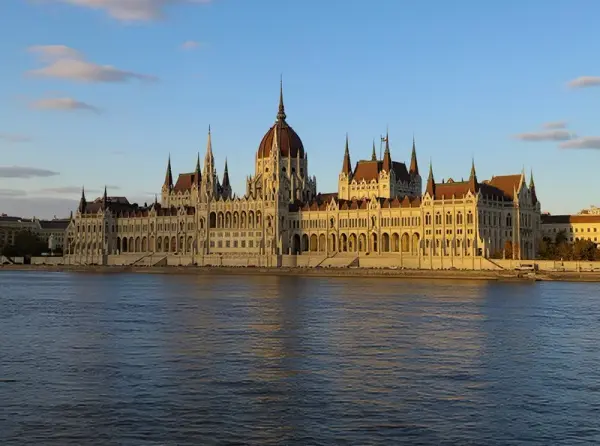
4. Hungarian Parliament Building (Országház)
Országház
Neo-Gothic national icon, impressive inside and out. Guided tours reveal the Crown Jewels, ornate chambers, and dramatic Danube views.
Quick facts: Step close and you'll notice the opulent interior hides an astonishing 691 rooms, with a central hall crowned by a 96-metre dome that dominates the skyline. Inside, visitors encounter the Holy Crown of Hungary displayed beneath that dome, a tiny but potent symbol amid soaring marble, carved statues, and glittering gold leaf.
Highlights: Behind the central glass display the Holy Crown of St. Stephen sits under soft gilt and spotlights, its enamel and precious stones catching the riverlight like a tiny sun, a relic spirited out after World War II and not returned until 1978. Towering above, a 96-meter dome crowns a labyrinth of 691 rooms, and after dark the Neo-Gothic spires and red roof tiles are bathed in amber lights so the whole façade resembles a lit honeycomb.
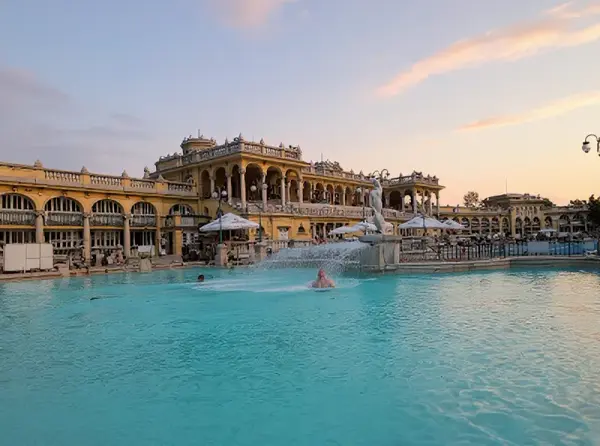
5. Széchenyi Thermal Bath (Széchenyi Gyógyfürdő)
Széchenyi Gyógyfürdő
Thermal baths in a grand Neo-Baroque setting offer year-round relaxation. Soak in steaming outdoor pools, wander ornate indoor halls and enjoy spa treatments.
Quick facts: Steam curls above a grid of outdoor pools where locals and visitors play chess at poolside tables while soaking in mineral-rich water kept around 38°C, creating a lively, social vibe. Ornate yellow façades and cavernous neo-Baroque halls hide dozens of thermal and medicinal baths, and the warm, slightly sulfurous mist makes every soak feel like a cozy, restorative ritual.
Highlights: Steam drifts over the pale yellow neoclassical baths at dawn, where 18 outdoor pools sit like warm islands at about 38 degrees Celsius, while elderly men shout and slap dominoes over steamy games of chess at the poolside tables. Come nightfall the complex flips into a neon-soaked party: live DJs and people hopping between steaming basins during the famed 'Sparty' events, the air heavy with eucalyptus and mineral salt.
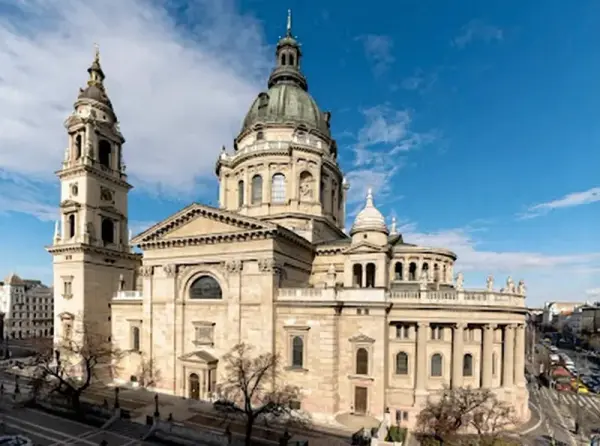
6. St. Stephen's Basilica (Szent István-bazilika)
Szent István-bazilika
Budapest's grand neoclassical basilica houses St Stephen's relic and an impressive dome. Climb the gallery for sweeping city views and admire ornate mosaics inside.
Quick facts: Climbing the narrow spiral staircase to the dome rewards you with a jaw-dropping, 360-degree panorama and a dramatic close-up of the richly gilded interior frescoes. A solemn glass case holds a preserved right hand venerated as a national relic, drawing both pilgrims and curious visitors who linger under its soft light.
Highlights: A glass reliquary holds the preserved right hand of King Stephen I, and on August 20 locals still carry it in a slow, candlelit procession that smells of beeswax and incense. Take the elevator up to the 96-meter-high dome and you'll emerge into a circular gallery where the air tastes faintly of old stone and candle smoke, the gilded tiles shimmer in gold and you can stare down at the floor mosaics like a secret map.
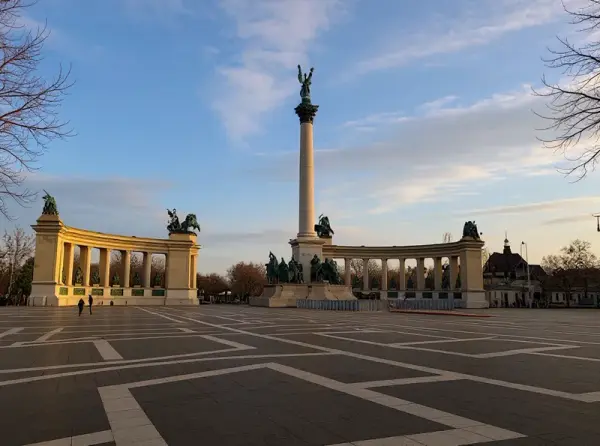
7. Heroes' Square (Hősök tere)
Hősök tere
A grand open square showcasing Hungary's history through towering statues and the Millennium Monument. Expect sweeping photos, ceremonial guards, and direct access to museums and City Park.
Quick facts: Step onto a wide, echoing plaza and you’ll be greeted by towering statues that dramatize seven centuries of leaders, their horses frozen mid-stride under the open sky. Look closely at the colonnade and you’ll spot symbolic figures and subtle inscriptions that whisper unexpected stories about national myths and political turns.
Highlights: A 36-metre central column topped by the Archangel Gabriel holding the crown and apostolic double cross rises between two colonnades of 14 life-size statues, so when the late sun hits the bronzes their faces burn a warm, metallic orange. Built in 1896 to mark the thousand-year anniversary of the Magyar arrival, the place still draws quiet school pilgrimages where children line up on the chieftains' plinths to learn the names of the seven leaders.
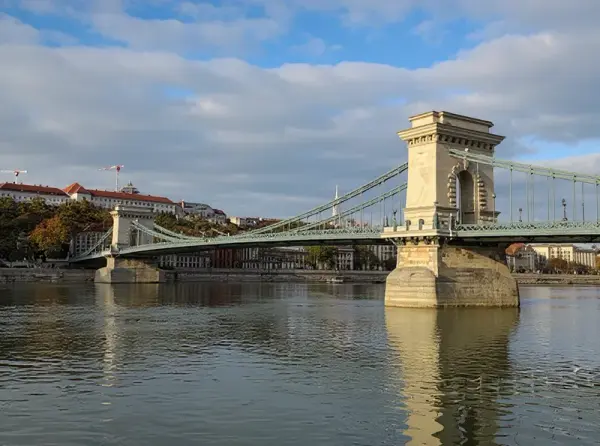
8. Széchenyi Chain Bridge (Széchenyi Lánchíd)
Széchenyi Lánchíd
Iconic 19th-century suspension bridge linking Buda and Pest. Walk the ornate span for river views, lion statues, and dramatic photos of Parliament.
Quick facts: Walking across at dusk, the wrought-iron chains and stoic lion sculptures feel oddly theatrical, while floodlights turn the span into a glittering ribbon over the water. A persistent myth says the lions have no tongues, yet close inspection shows they were carved with tongues that hide in shadow, which surprises many visitors.
Highlights: Engineered by William Tierney Clark and built under Scottish engineer Adam Clark, the bridge first opened in 1849, was blown up in 1945, and was spectacularly rebuilt and reopened exactly one hundred years after its debut in 1949. Visitors always do a double-take at the four stone lions sculpted by János Marschalkó, leaning in to squint at the jaws because a long-running local joke claims the lions have no tongues, though a close look reveals tiny carved tongues tucked behind the teeth.
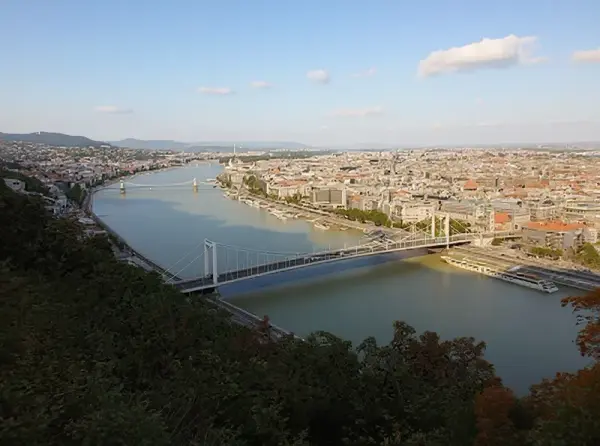
9. Gellért Hill & Citadella (Gellért-hegy és Citadella)
Gellért-hegy és Citadella
Panoramic views over Budapest and atmospheric fortifications make the hill worth the climb. Walk leafy paths to the Liberty Statue, explore Citadel ramparts, and shoot skyline photos.
Quick facts: Climb a rocky, verdant slope and you're rewarded with sweeping panoramas over the river and a patchwork of tiled roofs, golden-hour light turns statues and domes into coppery silhouettes. A stone fortress crowns the summit, its old gun emplacements and narrow walkways framing peaceful viewpoints and surprising wartime echoes amid picnic spots and wildflowers.
Highlights: A fortress built by the Habsburgs in 1854 sits on the summit, its gun-emplacements and low stone walls still showing blackened shrapnel marks from World War II, so you can crouch by rusted embrasures and almost hear the city below. At dusk local couples and students climb up to watch the sun glaze the river and the city lights, then leave tiny trinkets and notes tucked into crevices as informal time capsules, a quirky tradition that sometimes fills cracks with concert tickets or candy wrappers.
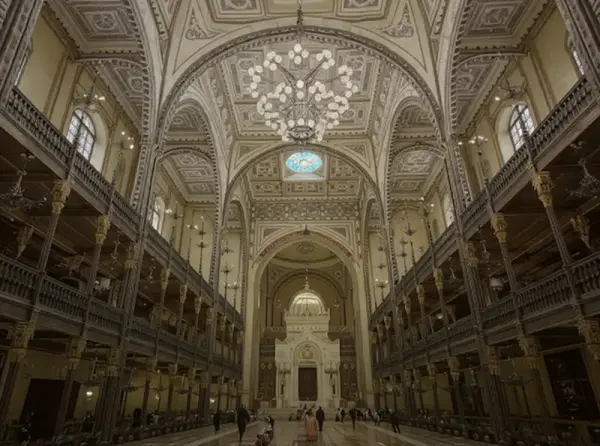
10. Dohány Street Synagogue (Dohány utcai zsinagóga)
Dohány utcai zsinagóga
One of Europe's largest synagogues, a powerful mix of history and Moorish Revival architecture. See the ornate interior, Jewish Museum exhibits, and the Holocaust memorial.
Quick facts: Stepping inside, the lavish Moorish ornamentation and twin onion domes bathe the vast prayer hall in a warm, cinematic glow. Visitors often mention how the enormous organ and seating for almost 3,000 people turn ceremonies and concerts into a surprisingly intimate sonic experience.
Highlights: Step inside and the vast sanctuary completed in 1859 by Ludwig Förster glows with gold-and-blue Moorish mosaics, while an organ's vertical ranks of polished pipes loom like silver birches above the pews. In the adjacent memorial grove a bronze weeping willow by Imre Varga bears dozens of engraved leaves with victims' names, and visitors often press a fingertip to a single leaf, a small ritual of remembrance that feels unexpectedly intimate.
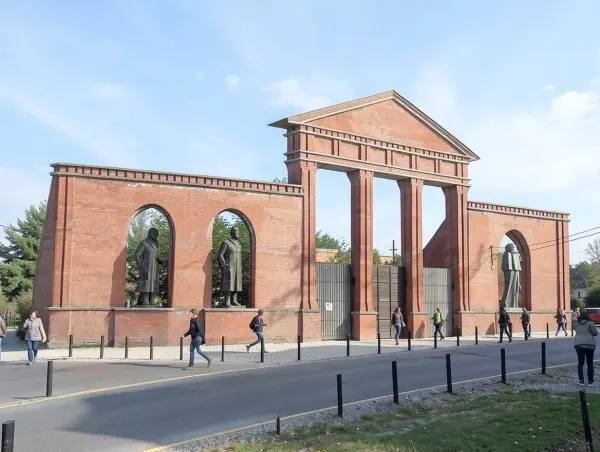
11. Memento Park
Step back in time to a unique historical period. Encounter monumental statues and a fascinating collection of the recent past.
Quick facts: Gigantic statues from Budapest's Communist era were relocated here after the fall of the Soviet Union. It's a vast outdoor sculpture park where you can walk among remnants of a past era.
Highlights: Towering figures of Lenin, Marx, and Hungarian communist leaders fill the park, their imposing forms a stark contrast to the open sky. Imagine the sheer scale of these sculptures, some weighing tons, that once dominated public squares across the country.
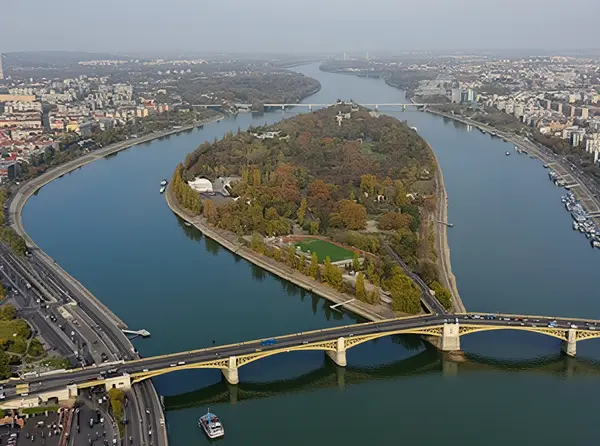
12. Margaret Island (Margit-sziget)
Margit-sziget
Escape the city buzz on this car-free island paradise. Enjoy gardens, music, and thermal baths in a unique urban oasis.
Quick facts: Locals call it the "heart of Budapest," a car-free oasis. You can rent bikes or golf carts to explore its vast grounds.
Highlights: Imagine buildings from the 19th century, like the Palatinus Strand baths, once a social hub. You can still visit the ruins of a medieval Dominican convent right in the middle of the island.
What to pre-book in Budapest
These sell out or need a reservation. Book them first, in this order.
- 1.Hungarian Parliament Building (Országház)Book 2 weeks ahead1 to 2 weeks ahead in summer Skip-the-line tickets
- 2.Széchenyi Thermal Bath (Széchenyi Gyógyfürdő)Book 3 days aheadA few days ahead in summer Skip-the-line tickets
Where to Stay in Budapest, Hungary
Selected by City Buddy based on guest reviews and proximity to top attractions
Search all hotels in Budapest, HungaryPowered by agoda
Opening days in Budapest, Hungary
Which of the top sights close on which day of the week — the classic trip-ruiner, checked for you.
Saturday: 1 of 8 top sights closed — plan museums for another day.
Closed on Saturday · 1 closed, 7 open
Opening days from Google Maps (checked 2026-05-27). Public holidays, strikes and seasonal hours can differ — check the official website before you go.
Traditional Sweet Dishes
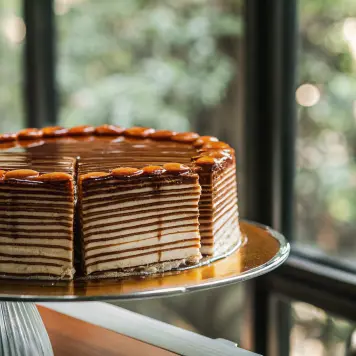
Dobos torte
Dobos torte was invented by pastry chef József Dobos in 1884 to create a cake with a longer shelf life, and its shiny caramel top doubled as both decoration and a moisture barrier.

Kürtőskalács
Kürtőskalács, or chimney cake, is baked on a spit over charcoal until the sugar forms a crackly caramel crust, and its rolled shape made it a favorite festival treat across Transylvania and Budapest.

Somlói galuska
Somlói galuska is a playful Hungarian trifle made from three types of sponge cake, rum-soaked raisins, walnuts and thick chocolate sauce, and it became a signature national dessert in the 20th century.
Traditional Savory Dishes

Gulyás
Gulyás began as a portable, one-pot meal cooked by cattle herders called gulyás, and its rich paprika-flavored broth is actually a stew in Hungary but is often served as a soup abroad.

Lángos
Lángos started as a way to use leftover bread dough and evolved into a beloved street food, usually fried until puffy and topped with sour cream, cheese or garlic.

Pörkölt
Pörkölt is Hungary's thick, paprika-forward meat stew, its name coming from the verb pörköl which means to roast, and it relies on slow simmering to create deep, savory flavor.
Traditional Beverages

Pálinka
Pálinka is a traditional fruit brandy protected by law in Hungary, and its long tradition celebrates regional fruits from plums to apricots in powerful, aromatic distillates.

Unicum
Unicum is a bitter herbal liqueur invented by the Zwack family in the late 18th century, and its secret blend of more than forty botanicals is still a guarded family recipe.

Tokaji wine
Tokaji wine, famed for its aszú sweets, is made with grapes affected by noble rot which concentrates sugars, and it earned the praise Vinum Regum, Rex Vinorum, meaning wine of kings, king of wines.
Know before you go
What a day costs in Budapest, and the rip-offs to avoid
Cost per person per day
Top rip-offs to avoid
- Poor-rate exchange booths. Use bank ATMs or compare the offered rate against the official rate on your phone before exchanging. Avoid booths with no published rate board.
- Unlicensed airport drivers. Walk past all solicitors and use only the official licensed taxi rank outside with published flat rates to the centre.
- Menus without prices. Ask for a menu with prices before ordering and check the bill for extra line items. Leave if prices are not shown.
Fair taxi from the airport: 9,000 Ft - 12,000 Ft (€25 - €33)
Cheaper option: Airport shuttle bus 100E to Deák Ferenc Tér in the centre (2,200 Ft)
All scams, fair prices and rulesFrequently Asked Questions about Budapest, Hungary
What is the best time to visit Budapest, Hungary?
Is Budapest, Hungary expensive to visit?
How safe is the tap water in Budapest, Hungary?
How do I get around Budapest, Hungary?
How many tourists visit Budapest, Hungary each year?
Get a PDF with the most popular attractions sent to your email
Get a PDF with all attractions, ratings, and tips. Perfect for offline use.
Most popular day trips
Szentendre
Charming riverside town with art galleries and baroque streets.
Visegrád
Medieval citadel with panoramic Danube Bend views.
Lake Balaton (Siófok)
Hungary's largest lake — beaches, boating and summer nightlife.
Getting there
Airports
Train stations
Main long-distance and international lines (InterCity, EuroCity, MÁV)
Regional and some international services; connected to metro M3
Regional and suburban lines; local transit connections
From BUD take the 100E airport bus to Deák Ferenc tér (~35 min) or taxi/ride-share (25–35 min).
Useful information for Budapest, Hungary
Overview for Budapest, Hungary
Compare Budapest with other destinations
Prices, safety, weather and top attractions side by side, with a verdict for every kind of traveler.
Want a day-by-day plan for Budapest, Hungary? Open the trip planner
Plan your perfect trip to Budapest, Hungary
Get a complete travel plan built just for you in under 30 seconds, with daily routes, local food tips, budget estimates and more.
Are any of these especially important to you?
Select all that apply
Getting around
How do you want to move between places?
Plan language: EnglishMost popular itineraries for Budapest, Hungary
Browse trip plans created by other travelers
3-Day Budapest for Offbeat Culture Explorers
Discover Budapest's lesser-known gems and rich history through local hangouts, hidden courtyards, and authentic cultural experiences in spring.
5-Day Springtime Discovery of Budapest
Experience the magic of Budapest with this 5-day spring itinerary, blending iconic landmarks, hidden gems, and the vibrant atmosphere of this Pearl of the Danube.
Budapest: A 3-Day Cultural & Hidden Gem Discovery
Discover Budapest's imperial past, hidden courtyards, and vibrant ruin bar culture on this unforgettable 3-day summer adventure!
3-Day Budapest Off-the-Beaten-Path Summer Adventure
Uncover Budapest's hidden gems and local secrets for an unforgettable summer adventure!
4-Day Budapest Explorer: Parks, History & Local Charm
Uncover Budapest's blend of stunning scenery, rich history, and vibrant local life on this unforgettable 4-day adventure.
4-Day Springtime Discovery of Budapest
Discover the stunning beauty of Budapest with this 4-day spring itinerary, blending iconic landmarks, relaxing thermal baths, and charming local experiences.
1-Day Spring Highlights of Budapest
Experience the best of Budapest in spring with a perfect blend of history, architecture, relaxation, and local flavors starting with a free walking tour to orient you in this vibrant city.
3-Day Budapest Spring Highlights
Experience the best of Budapest in spring with historic sights, relaxing baths, and vibrant local culture.
5-Day Budapest Spring Adventure for Culture, Nature & Local Life
Discover Budapest's rich history, vibrant local scenes, scenic nature spots, and budget-friendly cultural gems on this 5-day spring itinerary perfect for curious and active travelers.