 CityBuddy
 English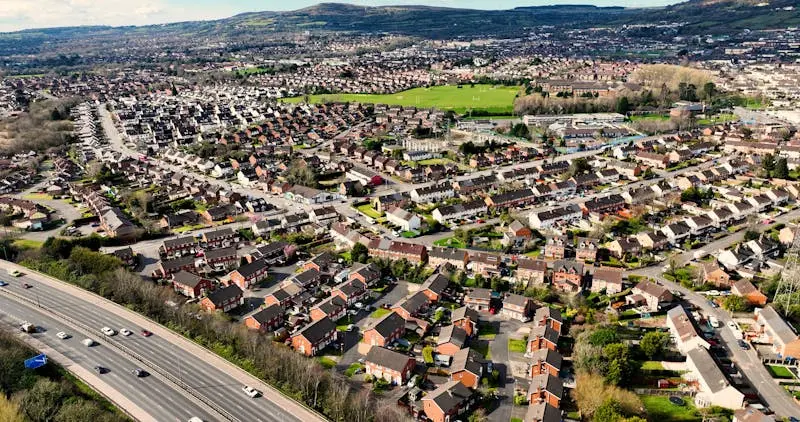
Things to Do in Belfast, United Kingdom
Photo made by Peter Steele on Pexels.com
When to visit
Most popular attractions in Belfast, United Kingdom
Things to do in Belfast, United Kingdom include exploring Titanic Belfast, a striking museum situated on the historic site of the shipyard where the RMS Titanic was built. Visitors can also enjoy the majestic Belfast City Hall, only a 10-minute walk from the city center, or browse the lively stalls of St George's Market, open Fridays to Sundays.
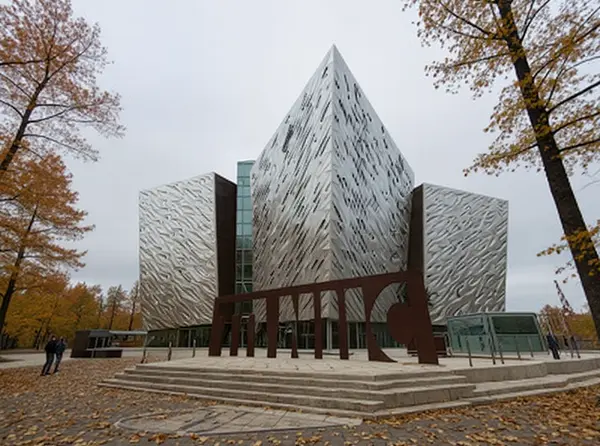
1. Titanic Belfast
Discover the epic tale of a legendary ship in an immersive setting. Experience history through interactive exhibits and striking architecture.
Quick facts: The building's design mimics the hulls of ships, echoing Belfast's shipbuilding heritage. It houses nine interactive galleries telling the Titanic's story from construction to its legacy.
Highlights: Visitors experience a ride that simulates boarding the Titanic, feeling the chilly sea air and ship vibrations. The iconic height of the building matches the Titanic's hull, connecting visitors physically to its scale.
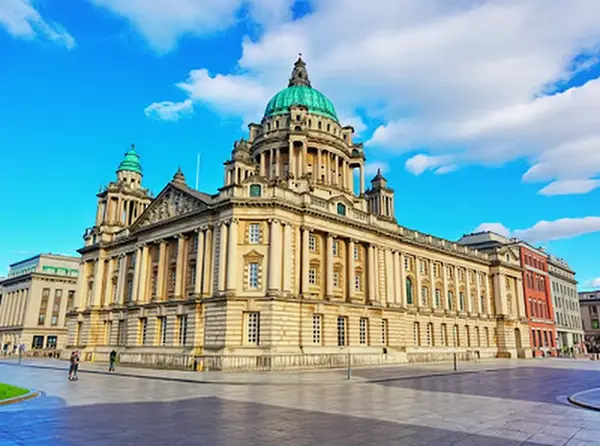
2. Belfast City Hall
Admire stunning architecture topped with a gleaming copper dome. Experience vibrant stained glass and rich historical mosaics inside.
Quick facts: The building's iconic copper dome is crowned with a golden statue of Justice holding scales and a sword. Underneath lies an impressive mosaic floor that shows the city's rivers and famous landmarks.
Highlights: A unique feature is the Titanic Memorial located in the grounds, paying tribute to Belfast's shipbuilding legacy. Inside, intricate stained glass windows depict important events from Northern Ireland's history, casting colorful light patterns throughout.
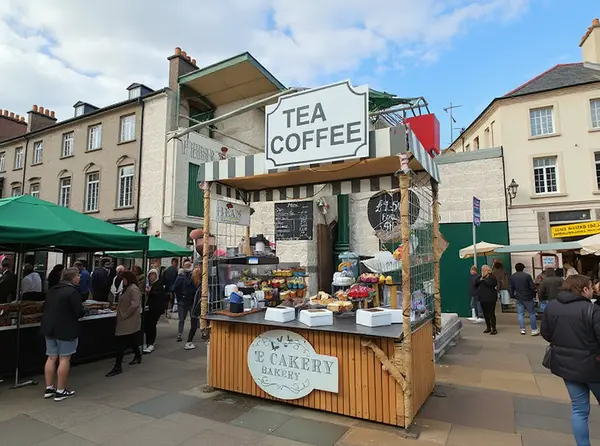
3. St George's Market
Dive into lively stalls filled with local crafts and delicious bites. Enjoy live music and colorful sights that bring the market's energy to life.
Quick facts: A vibrant hub where over 300 traders showcase local crafts, food, and antiques every weekend. The market pulses with live music performances that create an infectious, joyous atmosphere.
Highlights: The weekend food hall dazzles with a blend of traditional Ulster dishes and global flavors, reflecting Belfast's rich cultural tapestry. Bright stained glass windows cast colorful patterns over lively stalls, adding a magical vibe that captures the market's lively spirit.
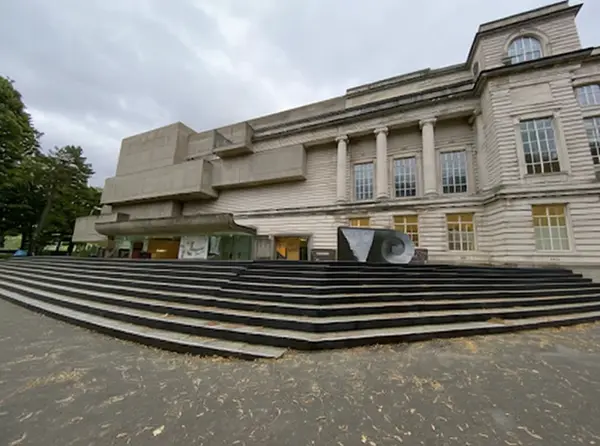
4. Ulster Museum
Dive into millennia of history and stunning art in one spot. Experience towering dinosaurs and vivid murals that bring Belfast’s heritage alive.
Quick facts: You can explore over 8,000 years of history under one roof, from ancient artifacts to contemporary art. The building cleverly combines Victorian and modern architecture with a unique glass-fronted extension.
Highlights: The captivating dinosaur skeleton in the main hall captures everyone's imagination, standing over 10 feet tall and almost 18 feet long. Don’t miss the striking 'Wings and Roots' mural by NI artist Toast, a vibrant celebration of nature and culture.
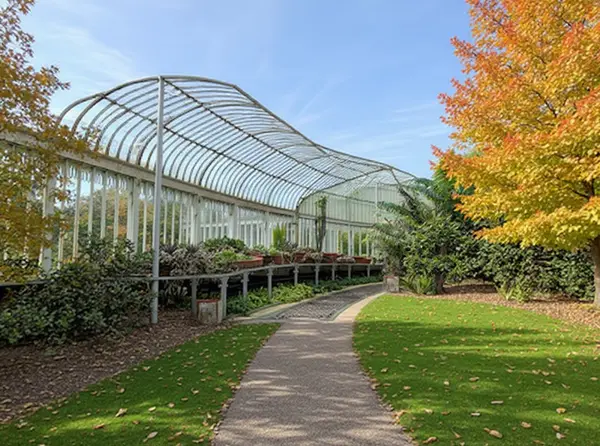
5. Botanic Gardens
Experience a lush escape where exotic palms meet colorful blooms. Wander themed gardens and find peace in vibrant nature right in the city.
Quick facts: Massive Victorian glasshouses house tropical plants and a rare collection of palms. The gardens also feature an impressive collection of tree species from around the world, creating a leafy paradise in the city.
Highlights: One standout attraction is the Palm House, hosting a rainforest climate with towering palms and exotic birds that transport you to a warm tropical world. The gardens' layout includes themed zones like a walled garden and rose garden, making each stroll a discovery of color and scent.
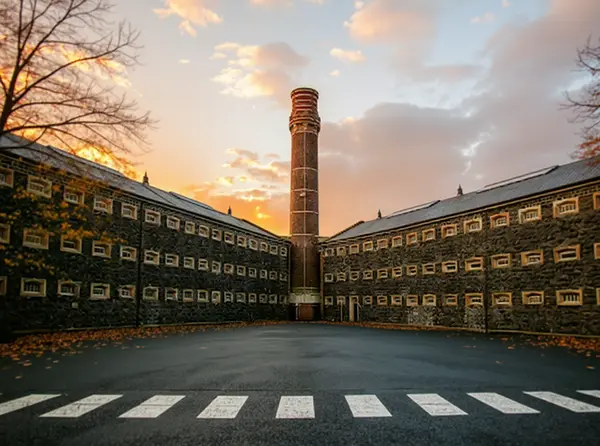
6. Crumlin Road Gaol
Step inside a fortress of gripping history and raw reality. Experience chilling tales and secret underground tunnels that bring the past to life.
Quick facts: Walls soaked with stories, this place once held over 1500 inmates and witnessed several famous political trials. Its Victorian architecture blends with chilling tales, giving visitors an eerie glimpse into its gritty past.
Highlights: The gallows still stand inside, a sobering reminder of the 17 executions once carried out here, creating an unforgettable, intense atmosphere. Exploring the underground tunnels adds a thrilling layer, as they reveal secretive prisoner movements and smuggling routes.
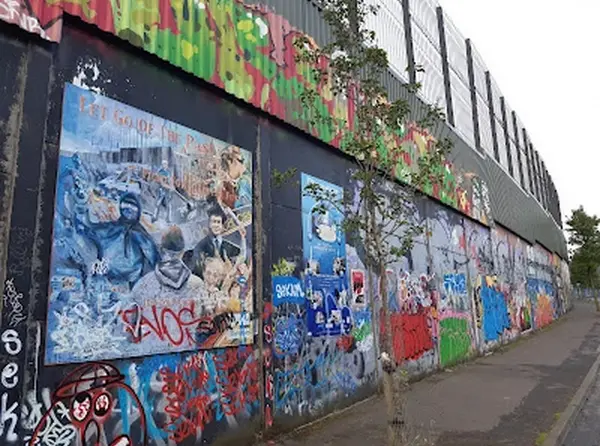
7. Peace Wall
Explore unforgettable murals that blend history with hope and peace. Experience powerful stories told through vibrant community art right on the city walls.
Quick facts: Murals on the walls depict powerful stories from decades of local history, with one spanning over 100 meters. Walls were originally built to prevent violence but now serve as a vivid canvas for community art.
Highlights: The intricate artwork covers more than 17 kilometers and changes over time, reflecting ongoing peace and social issues. Visitors can see the political murals alongside peace messages, creating a striking contrast that tells Belfast's story visually.
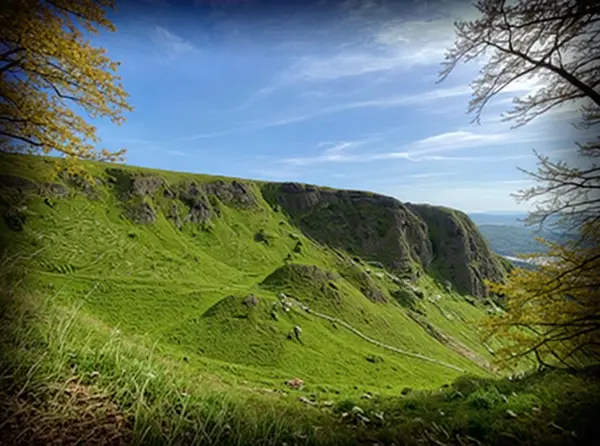
8. Cave Hill Country Park
Breathtaking views and ancient folklore collide on sprawling trails. Explore forests, caves, and vistas that tell fascinating stories of the past.
Quick facts: The area offers panoramic views of Belfast and extends over 1,200 acres of parkland. It features the iconic cave called McArt's Fort, linked to ancient legends and historical significance.
Highlights: Visitors can explore a mysterious ancient fort perched atop a cliff, said to be connected to Ireland's mythic heroes. The park's dense woodland paths lead to breathtaking vistas and echo the calls of native wildlife, providing a serene escape.
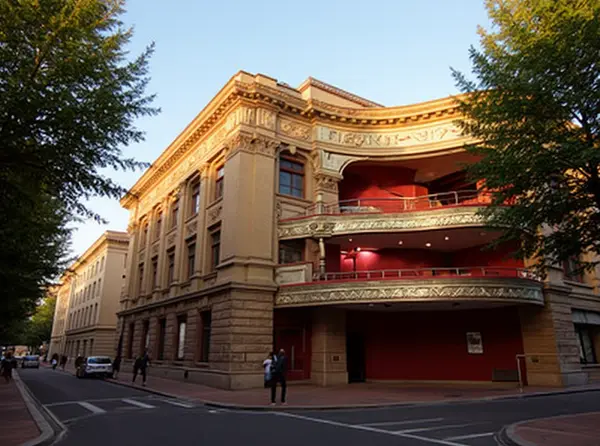
9. Grand Opera House
Experience drama and music in a breathtaking historic theatre. Feel the magic of live performances in a stunning Victorian setting.
Quick facts: Nearly a century-old, this venue hosts over 180 events annually, spanning drama, comedy, and music. Its iconic red-brick façade and ornate interiors captivate both theatre lovers and architecture fans alike.
Highlights: Spot the stunning Victorian auditorium adorned with intricate plasterwork and elegant chandeliers that seem to float above the seats. Catching a live performance here feels like stepping back in time, with acoustics that make every whisper crystal clear.
Where to Stay in Belfast, United Kingdom
Selected by City Buddy based on guest reviews and proximity to top attractions
Search all hotels in Belfast, United KingdomPowered by agoda
Opening days in Belfast, United Kingdom
Which of the top sights close on which day of the week — the classic trip-ruiner, checked for you.
Monday: 2 of 9 top sights closed — plan museums for another day.
Closed on Monday · 2 closed, 7 open
Opening days from Google Maps (checked 2026-02-27). Public holidays, strikes and seasonal hours can differ — check the official website before you go.
Traditional Sweet Dishes
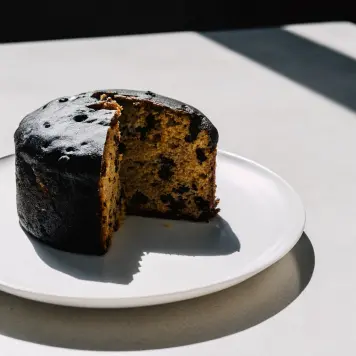
Barmbrack
Barmbrack is a traditional Irish fruitcake often enjoyed at Halloween, sometimes containing hidden items like a ring or coin to predict the eater's future.
Frequently Asked Questions about Belfast, United Kingdom
Is Belfast, United Kingdom safe for travelers?
How many days should I spend in Belfast, United Kingdom?
What is the best time to visit Belfast, United Kingdom?
Is Belfast, United Kingdom expensive to visit?
How to get around Belfast, United Kingdom?
Get a PDF with the most popular attractions sent to your email
Get a PDF with all attractions, ratings, and tips. Perfect for offline use.
Most popular day trips
Giant's Causeway
Iconic natural basalt columns and stunning coastal views.
Carrick-a-Rede Rope Bridge
Famous rope bridge offering scenic cliffside walks.
Mourne Mountains
Popular hiking area with beautiful mountain scenery.
Getting there
Train stations
Northern Ireland Railways lines to many regional destinations
Main station for trains to Dublin and other cities
From the airports, take the Airport Express or taxi to city center for quick access.
Useful information for Belfast, United Kingdom
Overview for Belfast, United Kingdom
Want a day-by-day plan for Belfast, United Kingdom? Open the trip planner
Plan your perfect trip to Belfast, United Kingdom
Get a complete travel plan built just for you in under 30 seconds, with daily routes, local food tips, budget estimates and more.
Are any of these especially important to you?
Select all that apply
Getting around
How do you want to move between places?
Plan language: English