 CityBuddy
 English
Things to Do in Dingle, Ireland
Photo made by Jan van der Wolf on Pexels.com
When to visit
Dingle is the #13 city for English speakers in the world, based on our data across hundreds of destinations.
Most popular attractions in Dingle, Ireland
Things to do in Dingle, Ireland include exploring the scenic 30-kilometer Slea Head Drive, offering striking coastal views. Visit Dingle Harbour to enjoy lively boat tours and seafood. The Great Blasket Centre provides insight into the island's intriguing history, about 6 kilometers from Dingle town, enriching your cultural journey.
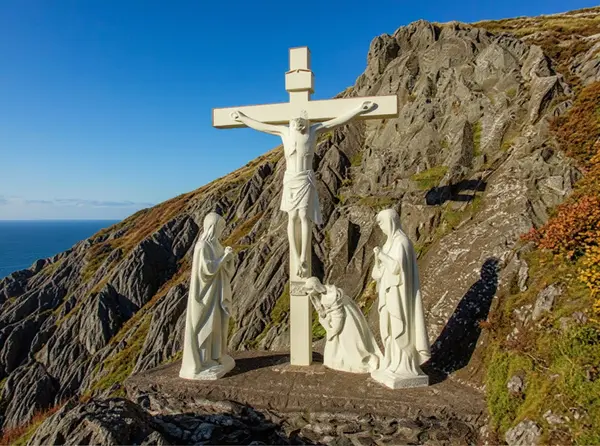
1. Slea Head Drive (Slea Head)
Slea Head
Panoramic cliffs, ancient ruins and wild Atlantic views make Slea Head worth the trip. Drive the coastal loop, photograph beehive huts, and watch for dolphins.
Quick facts: A coastal loop of roughly 30 kilometers winds past rugged cliffs, small stone cottages, and the silhouettes of offshore islets. Visitors often encounter low corbelled stone huts and roadside signs in Irish, while the road squeezes past hairpin bends that demand slow, careful driving.
Highlights: On exposed headlands you can watch gannets plunge at speeds approaching 100 km/h, while the spray smells of kelp and the wind carries seabird calls. A particular cove hides roughly 20 rounded stone huts clustered together, their golden faces catching the last light so well photographers set alarms for sunset to catch the glow.
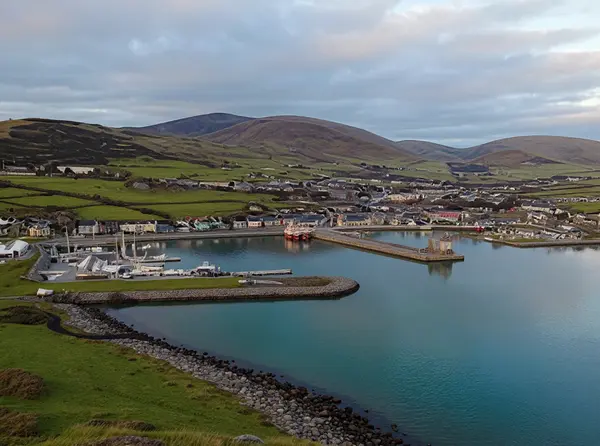
2. Dingle Harbour
Dingle Harbour delivers sweeping coastal views and a lively fishing-port atmosphere. Stroll the quay, watch colorful boats, and take short cruises to see sea cliffs and wildlife.
Quick facts: Brightly painted fishing boats and sleek wooden currachs cluster in the basin, their colors and rigging mirrored on the water at golden hour. Local fishermen still haul up fresh crab, lobster, and mackerel to sell straight from the quay, while visiting skippers offer short wildlife trips that often find seals and cormorants within minutes.
Highlights: Local legend Fungie, a solitary bottlenose dolphin, swam alongside boats for over 30 years, sometimes riding bow waves and appearing beside as many as 20 tour boats in a single afternoon. On calm evenings the quay fills with the smell of frying fish and seaweed, while lanterns from roughly 25 moored vessels reflect like amber coins, creating a ring of warm light around the harbor mouth.
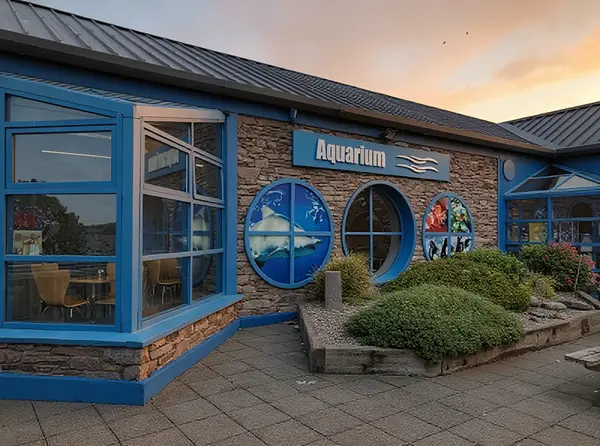
3. Dingle Oceanworld Aquarium
Close-up encounters with local marine life in a compact, family-friendly aquarium. Walk-through tank, hands-on touch pools, and daily feeding demos.
Quick facts: You can press your palm to the glass and watch curious rays and small sharks glide by, while more than 60 species showcase the diversity of Atlantic coastal life. Hands-on rockpool sessions let you feel cool, bumpy sea stars and nimble crabs under staff supervision, turning marine biology into a tactile, slightly slimy classroom.
Highlights: Step into a 360-degree acrylic tunnel where the muffled roar of water and shafts of light catch on scales, so schools of fish and a few sleek sharks sweep eerily overhead. Keeper talks include a hands-on rockpool experience for groups of about 15 people, where guides name individual animals and invite you to feel their textures while telling offbeat stories about the creatures' behaviours.
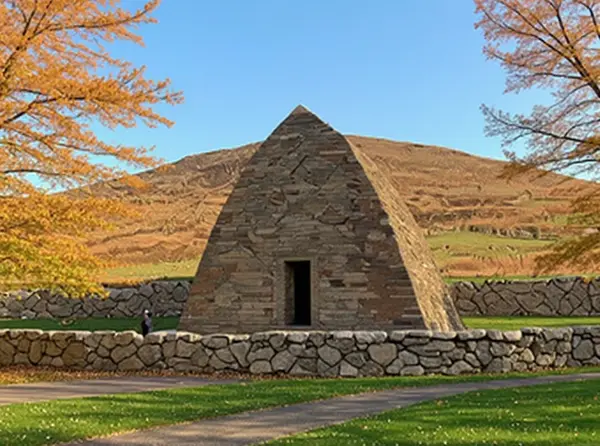
4. Gallarus Oratory
Perfectly preserved early medieval stone oratory showing ancient corbelled roofing skill. Walk around the roof, enjoy Dingle Bay views and sense the site's age.
Quick facts: Look closely and you'll notice tightly fitted stones laid without mortar, the clever stacking makes the roof shed rain like overlapping tiles. A single, low-roofed chamber holds a hush where footsteps and distant gulls sound unusually sharp.
Highlights: Step inside and the air shifts to a cool, stone hush, a faint tang of sea salt and peat clinging to the walls. Local lore and simple physics combine: overlapping corbelled stones keep the interior bone-dry even during heavy Atlantic storms, so you can stand inside while rain lashes the grass outside.
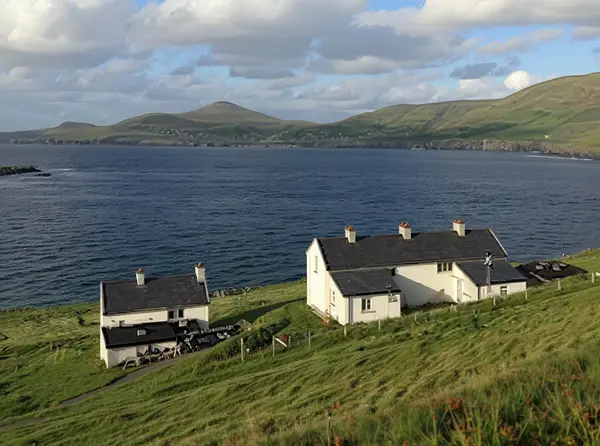
5. Great Blasket Island / Great Blasket Centre
Wild coastal scenery and island-language heritage make the Great Blasket unforgettable. Walk windswept beaches, visit the small museum, and take panoramic views back to Dingle.
Quick facts: Wind-bent cliffs and a handful of whitewashed stone cottages give the place a cinematic, windswept feel, once home to about 150 people at its peak. Handwritten letters and the novels of Peig Sayers and Tomás Ó Criomhthain keep the Irish-language voice alive, offering weathered snapshots of daily island life.
Highlights: A quirky oral-history tradition invites visitors to hear more than 300 taped interviews in Munster Irish, many narrated by fishermen and storytellers whose accents curl like the sea breeze. Step inside a recreated cottage to feel peat smoke on the air and see a single wooden chest of household names and scribbled recipes, a tactile link to family routines and superstitions.
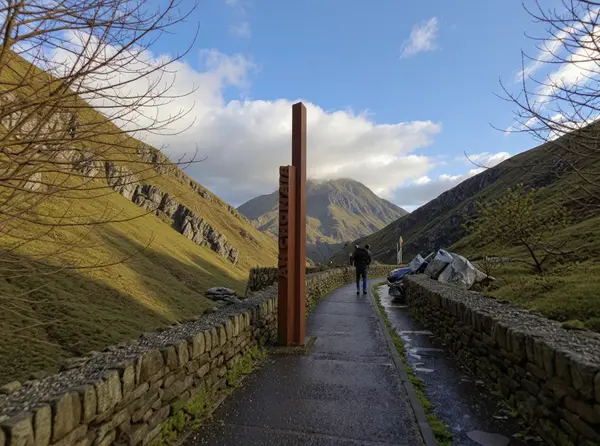
6. Conor Pass
Wild mountain road with sweeping views over the Dingle Peninsula. Expect narrow hairpins, high cliffs, and panoramic photo stops.
Quick facts: Conor Pass is one of the island's highest mountain passes, rising to roughly 456 meters along a narrow, single-track road through steep cliffs. Drivers, cyclists and photographers share the route with grazing sheep and tight hairpin bends, creating dramatic roadside moments especially when fog or low sun appears.
Highlights: A single-track road squeezes between sheer rock faces so tightly that sheep can graze within two metres of passing vehicles, producing tense and memorable encounters. Late-afternoon light often bathes the rocky slopes in warm gold while salt-laden wind carries the smell of sea and peat, making the view thrillingly atmospheric for photographers.
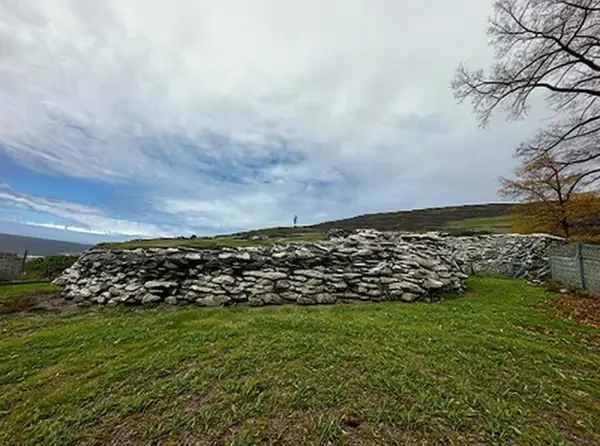
7. Dún Beag (Dunbeg Fort)
Dunbeg Fort
Dry stone walls on a rugged Atlantic headland offer dramatic sea views. Walk a short path to the fort, explore the ruins, and snap sunset photos.
Quick facts: Low, looping stone walls cling to a rocky headland, giving the ruins the mood of a weather-beaten lookout. Inside, compact round huts and narrow passages suggest people lived closely together against relentless sea winds and salt spray.
Highlights: A single narrow entrance, barely a metre across, frames the open sea like a natural window, making sudden squalls and guillemot cries feel startlingly close. Lean close to the low stones and hear the hollow echo of waves far below, a tactile, salty hush that makes the place feel like a worn sentinel of the coast.
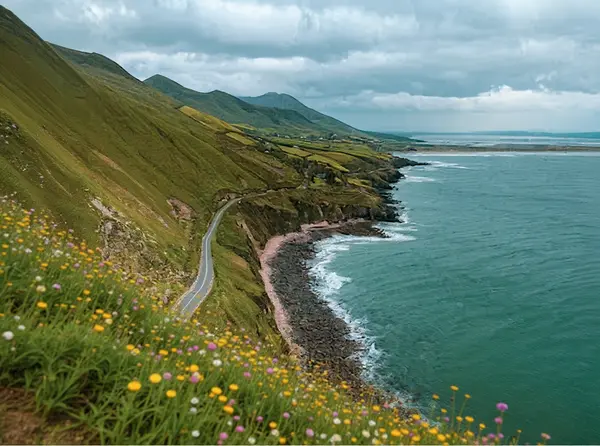
8. Inch Beach
Wide golden sand framed by Atlantic waves and the Slieve Mish range, ideal for walking and surfing. Expect long beach walks, reliable surf, sea birds and dramatic sunsets.
Quick facts: A windswept strand runs about five kilometers, attracting surfers, walkers, and horse riders with its long, clean sand and punchy beach breaks. Walking along the shore rewards you with seal sightings, colorful pebbles exposed at low tide, and gulls wheeling against the cliffs.
Highlights: Stand on the dunes and watch pale sand flash to burnished gold, while wind-carved ripples whisper underfoot and the Atlantic brings a briny coolness to your nose. Local instructors often point out half a dozen hang-gliders launching from the northern headland, their bright sails tiny and vivid against the wide sky.
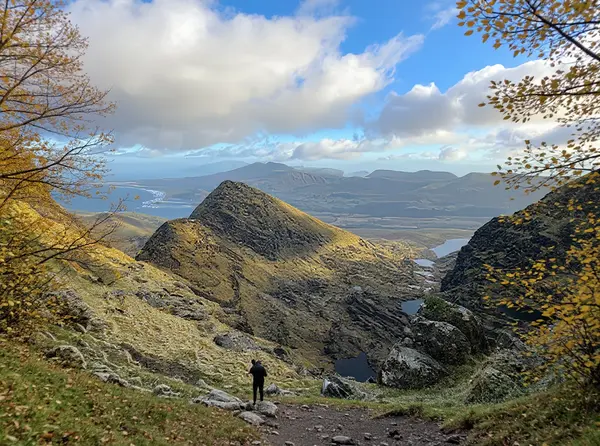
9. Mount Brandon (Cnoc Bréanainn)
Cnoc Bréanainn
Sweeping Atlantic views from the Dingle Peninsula's high ridges. Hike a rugged pilgrim path to exposed summit tops and the Blasket Islands.
Quick facts: A rugged peak rising to 952 meters, it rewards hikers with broad panoramas that can include distant islands and a sweeping coastline. Seasonal mists and strong Atlantic winds carve the ridgelines, while small highland lakes and peat bogs give off a smoky, earthy smell underfoot.
Highlights: Legend hangs heavy on the slopes, the mountain being linked to Saint Brendan who, according to local storytellers, used the summit for prayer and navigation; from the highest point at 952 meters you can stare into a wide wash of ocean and feel the wind like a living thing. On clear mornings the air tastes of salt and peat, sunlight picks out quartz veins in the rocks, and hikers often leave small stones on an old cairn as an informal offering, a quiet tradition that turns the summit into a mosaic of tiny memorials.
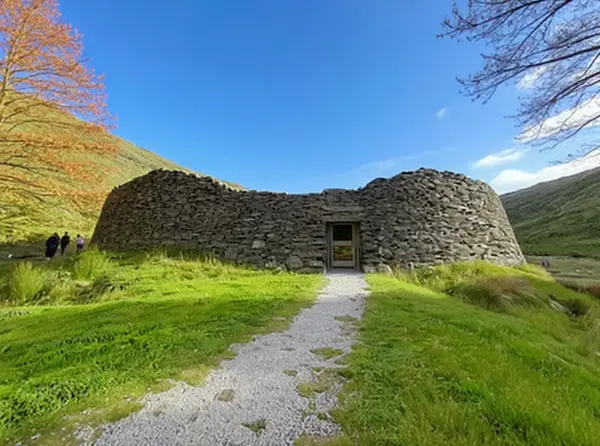
10. Staigue Stone Fort
Impressive prehistoric stone ringfort with sturdy dry-stone walls and sea views. Walk the circular interior and feel the age and Atlantic winds on the ramparts.
Quick facts: You can walk inside a circular stone fort where the massive walls rise like layered cliffs, each course of rock fitted so tightly rain struggles to seep through. Scholars continue to debate its original purpose, offering theories that range from livestock refuge to ritual gathering place.
Highlights: Step into the central space and even a single clap makes a short, drumlike echo that seems to pulse through the stones themselves. Local storytellers point out fist-sized cavities and lichen-smudged hollows in the wall, claiming anyone who presses a cheek there can feel a cool, hollow vibration and sometimes glimpse sleeping bats.
Where to Stay in Dingle, Ireland
Selected by City Buddy based on guest reviews and proximity to top attractions
Search all hotels in Dingle, IrelandPowered by agoda
Opening days in Dingle, Ireland
Which of the top sights close on which day of the week — the classic trip-ruiner, checked for you.
Good news: all 7 top sights with known hours are open every day of the week.
Closed on Monday · 0 closed, 7 open
Nothing closes on Monday — all 7 sights with known hours are open.
Opening days from Google Maps (checked 2026-02-22). Public holidays, strikes and seasonal hours can differ — check the official website before you go.
Traditional Sweet Dishes
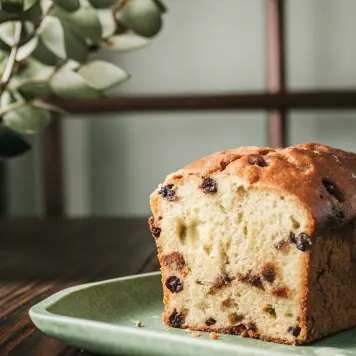
Barmbrack
Dingle barmbrack is a fruit-studded tea loaf traditionally baked at Halloween, and it often hides small tokens inside used for playful fortune-telling about marriage and prosperity.
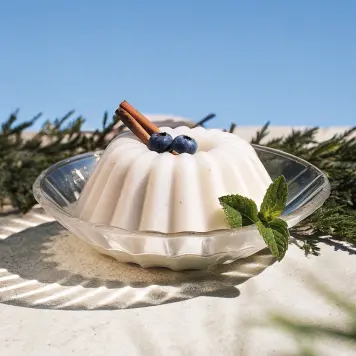
Carrageen Moss Pudding
Made from seaweed harvested off Dingle's shores, carrageen moss pudding sets into a delicate, jelly-like custard and was once valued as both a dessert and a folk remedy for digestion.
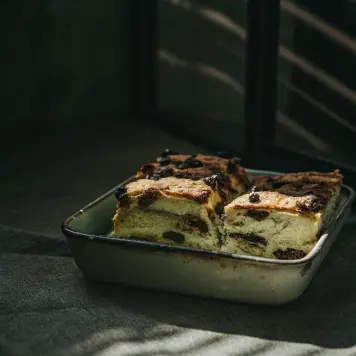
Bread and Butter Pudding
Dingle bread and butter pudding turns leftover bread into a rich, custardy treat by layering slices with butter and raisins, a humble thrifty dish that became a beloved comfort dessert.
Traditional Savory Dishes
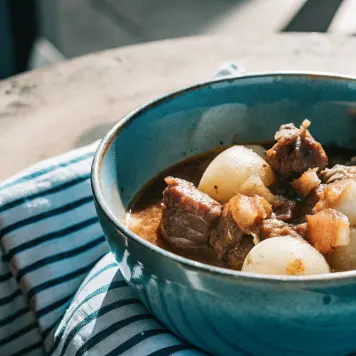
Irish Stew
In Dingle, Irish stew is a humble pot of lamb or mutton, potatoes, and onions, slow-cooked until the meat falls apart and the broth tastes like home.

Boxty
Boxty in Dingle mixes grated raw potatoes with mashed potatoes to produce a pancake with a crisp exterior and a pillowy interior, it is a true celebration of the potato.
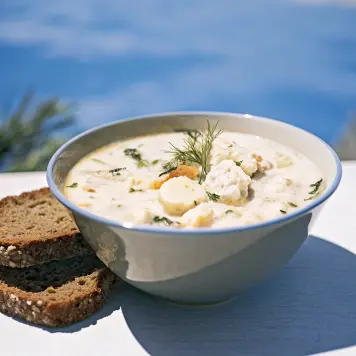
Seafood Chowder
Dingle seafood chowder is a creamy, briny celebration of the local catch, often featuring monkfish, mussels, and scallops and served with brown bread to sop up every drop.
Traditional Beverages

Irish Coffee
In Dingle, Irish coffee marries strong local coffee with a measure of whiskey and a float of cream, it was made to warm cold hands and lift spirits after long nights at sea.

Guinness
A pint of Guinness in a Dingle pub is as much about ritual as taste, the nitrogenated pour creates a velvety head and the stout anchors evenings of music and storytelling.
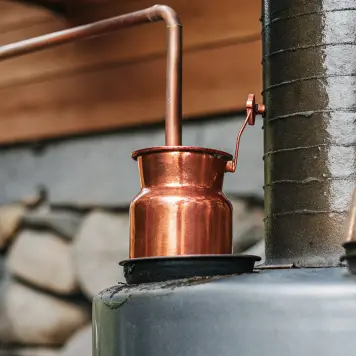
Poitin
Poitin from Dingle carries a wild reputation, it was once distilled clandestinely in small copper stills and kept families warm through harsh winters and hard times.
Frequently Asked Questions about Dingle, Ireland
What are the best months to visit Dingle, Ireland?
Is Dingle, Ireland expensive to live in?
How safe is the tap water in Dingle, Ireland?
How do most people get around Dingle, Ireland?
How many tourists visit Dingle, Ireland each year?
Get a PDF with the most popular attractions sent to your email
Get a PDF with all attractions, ratings, and tips. Perfect for offline use.
Most popular day trips
Slea Head Loop
Short coastal loop with dramatic views and ancient sites.
Skellig Michael via Portmagee
Boat trips to a UNESCO monastery, weather dependent.
Killarney National Park
Lakes, mountains, and historic houses.
Ring of Kerry (Kenmare section)
Iconic coastal scenic drive with viewpoints.
Blasket Islands via Dunquin
Wild island landscape and heritage tours.
Getting there
Train stations
Connections to Mallow, Cork, Limerick and onward to Dublin
Connections to Mallow, Cork, Limerick and onward to Dublin
From Kerry Airport take a 50 minute taxi or bus to Tralee, then a local bus or taxi to Dingle.
Useful information for Dingle, Ireland
Overview for Dingle, Ireland
Compare Dingle with other destinations
Prices, safety, weather and top attractions side by side, with a verdict for every kind of traveler.
Want a day-by-day plan for Dingle, Ireland? Open the trip planner
Plan your perfect trip to Dingle, Ireland
Get a complete travel plan built just for you in under 30 seconds, with daily routes, local food tips, budget estimates and more.
Are any of these especially important to you?
Select all that apply
Getting around
How do you want to move between places?
Plan language: EnglishMost popular itineraries for Dingle, Ireland
Browse trip plans created by other travelers
3-Day Family Adventure in Dingle for Spring
Discover Dingle with the kids exploring nature, history, and fun interactive spots at a family-friendly pace this spring.
10-Day Dingle Summer Escape
Experience the stunning landscapes, rich history, and vibrant local culture of Dingle with a perfect blend of adventures and relaxing moments.