 CityBuddy
 English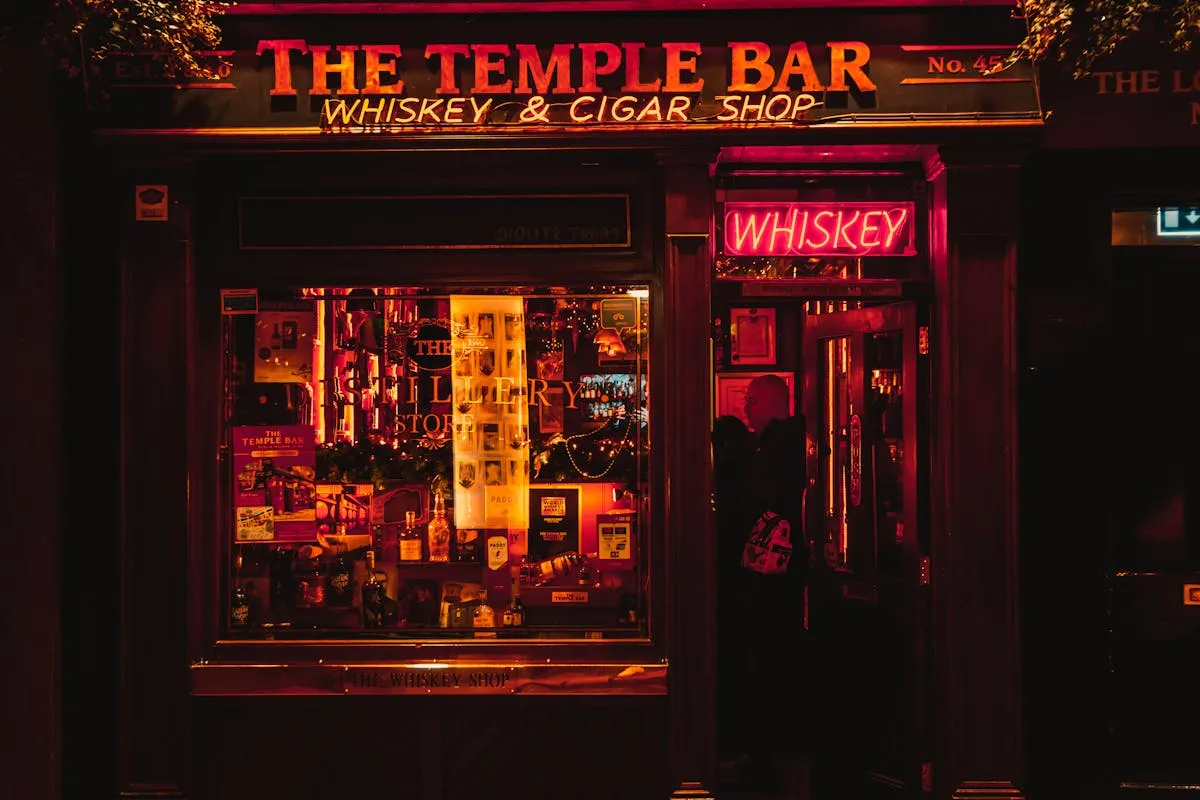
Things to Do in Dublin, Ireland
Photo made by Luciann Photography on Pexels.com
When to visit
Dublin is the #3 city for nightlife in the world, based on our data across hundreds of destinations.
Most popular attractions in Dublin, Ireland
Things to do in Dublin, Ireland include exploring the historic Trinity College Dublin to view the Book of Kells, wandering through the Guinness Storehouse to learn about Ireland's famous stout, and visiting Dublin Castle, a 13th-century fortress tucked in the city's heart. Each offers a distinct glimpse into Dublin’s rich cultural tapestry.

1. Trinity College Dublin & Book of Kells
Step into a 17th-century library alive with illuminated manuscripts and soaring oak shelves. See the Book of Kells up close and wander the Long Room's marble busts.
Quick facts: Enter under vaulted light and a hush of polished wood, and you'll find pages so densely illuminated they glitter like tiny stained-glass windows. Scholars have counted over 3,000 animal, human and mythical figures tucked into the margins, revealing a playful, unexpectedly modern sense of humour.
Highlights: Step into a 65-meter, barrel-vaulted library hall and the first hit is a warm honeyed wood smell, rows of some 200,000 leather-bound volumes and a glass case holding a 14th-century Gaelic harp that looms like an old storyteller. A hand-written gospel from around 800 AD opens to the riotous Chi Rho page, where red and green interlace with tiny animal faces in the margins, and a conservator once told me some pigments are so fragile you can see individual brush hairs under a magnifier.
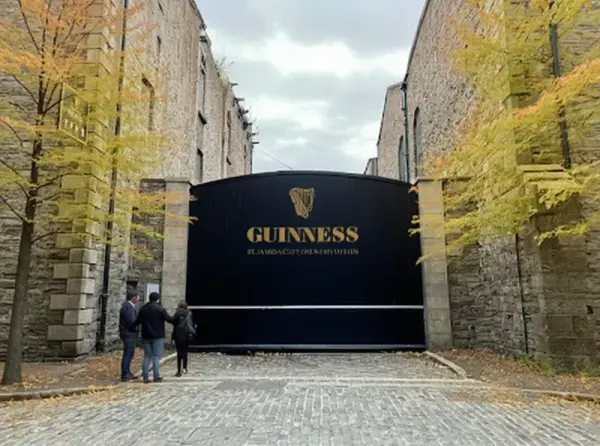
2. Guinness Storehouse
Iconic Dublin brewery with panoramic city views and rich brewing history. Wander interactive galleries, learn to pour a perfect pint, finish at the Gravity Bar.
Quick facts: Warm malt and toasted barley aromas greet you as interactive exhibits guide you through brewing processes, sensory tastings, and the craft of pouring a flawless pint. Head up to a circular rooftop bar for sweeping skyline views while you savor the creamy head, a finale that helps explain why more than a million people make the trip each year.
Highlights: You can learn the two-part pour for the signature stout, timing the pour with a 119.5-second settle so the roasted barley aroma and velvety, three-finger cream head form perfectly in your glass. The seven-story brick atrium is actually built in the shape of a pint when seen from above, and the top-floor bar rewards you with a cold glass and panoramic skyline views that make the dark, coffee-like flavors pop.
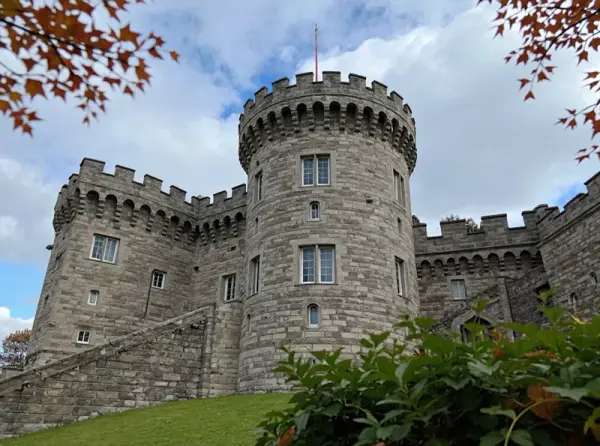
3. Dublin Castle
See centuries of Irish history at Dublin Castle, where medieval foundations meet stately rooms. Walk the undercroft, tour the State Apartments, and catch changing exhibitions.
Quick facts: Stout stone walls and echoing courtyards hold a surprising mix of medieval fortifications and ornate state rooms, leaving many visitors struck by the contrast between austere battlements and gilded interiors. Guided tours point out hidden passageways and a vast archive where over 800 years of governance are recorded, so you leave sensing both the weight of history and the pageantry of modern state occasions.
Highlights: Beneath the elegant ceremonial rooms there's a medieval undercroft and the 13th-century Record Tower, where cold, damp stone and narrow arrow-slits make the air taste of centuries and faint smoke. Upstairs the State Apartments burst with crimson velvet, gilt plasterwork and glittering chandeliers, and those same rooms have hosted presidential inaugurations and state banquets, so standing there feels like walking onto a stage soaked in 800 years of politics.
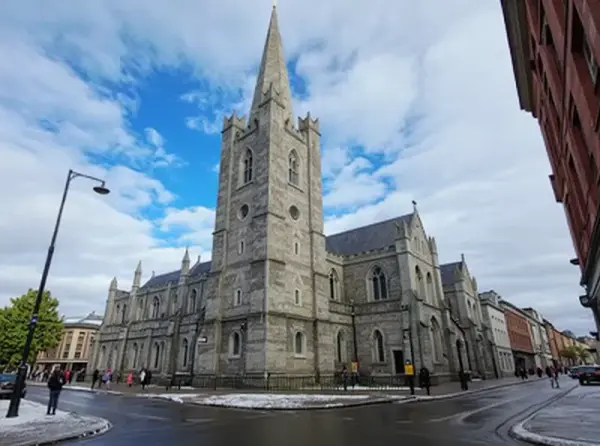
4. St. Patrick's Cathedral
Iconic Gothic cathedral with centuries of history and a renowned choir. Explore vaulted interiors, medieval monuments, and live choral music.
Quick facts: Stepping into the soaring nave, visitors often notice sunlight splintering through stained glass to color the ancient stone and make the organ's bass notes seem to hang in the air. A famous satirist who once served as dean is buried beneath the floor, and the cathedral still hosts a live choral tradition that draws scholars and music lovers.
Highlights: Lean over the dark marble tomb of Jonathan Swift and feel the cool stone under your fingertips, knowing the author of Gulliver served as Dean for 32 years from 1713 to 1745. A booming 19th-century rescue by brewer Benjamin Lee Guinness brought back the cathedral's deep oak pews and jewel-toned stained glass, which is why the medieval vaults look so freshly theatrical compared with the weathered stone outside.
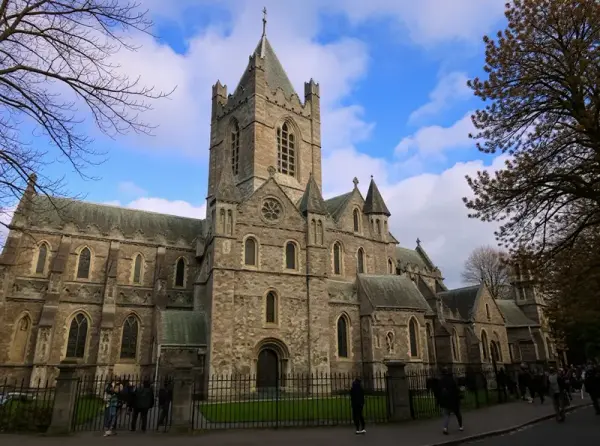
5. Christ Church Cathedral
Explore one of Dublin's oldest churches, rich in medieval architecture and history. Wander vaulted aisles, the Viking-era crypt, and see the famous 18th-century organ.
Quick facts: Step inside and you'll feel the cool hush of ancient stone, where a little mummified cat and rat tucked away in the crypt provide a surprisingly domestic, slightly eerie glimpse of past life. Listen as the pipe organ floods the vaulted nave with thunderous resonance, and notice the rare double-chancel arrangement that lets two services happen simultaneously, a quirky twist visitors often remark on.
Highlights: Beneath the nave, a single mummified cat curled around a rat sits in a glass case in the 12th-century crypt, a quirky find from 19th-century restorations that still surprises people who expect only tombs and stone. On Sunday mornings the choir's harmonic, candlelit chant rolls off ancient masonry like a warm, low cello, making the cold, musty air feel almost golden and as if 800 years of voices are pressing close.
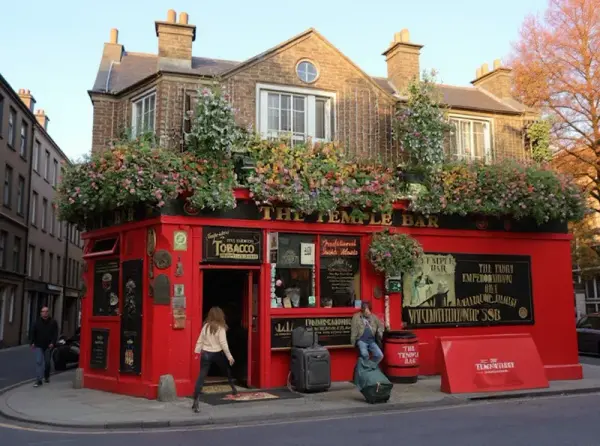
6. Temple Bar (Cultural Quarter)
Cultural Quarter
Temple Bar packs live music, galleries and colourful cobbled streets into one compact cultural quarter. Expect street performers, late-night pubs and independent art spaces to explore.
Quick facts: Cobblestone lanes pulse with live music spilling from snug pubs, while the scent of frying fish and Guinness completes a distinctly lively evening. Hidden galleries, quirky shops, and frequent street performances draw more than five million visitors a year, so you can stumble upon an impromptu poetry reading or trad session at any hour.
Highlights: Cobbled lanes smell of frying fish and rain-wet stone, neon pub signs glow above around 20 live music venues where trad sessions and indie gigs spill onto the sidewalk late into the night. A quirky ritual sees buskers and poets jockey for the prime corner outside The Porterhouse, and on Saturdays an open-air food market fills the square with the scent of smoked salmon and freshly baked brown bread.
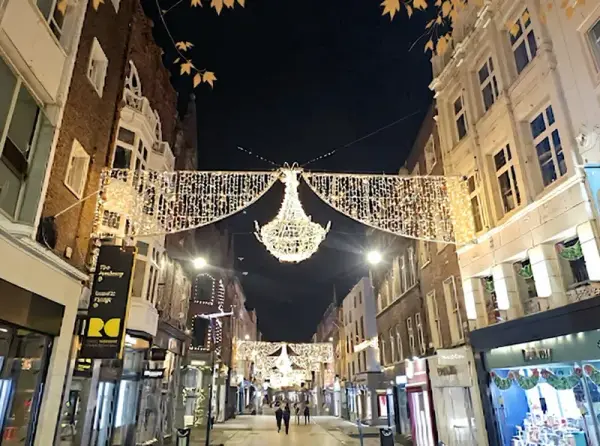
7. Grafton Street
Dublin's liveliest street, buzzing with music, shopping, and local character. Walk past Georgian facades, buskers, cafes, and boutiques for a lively slice of Irish life.
Quick facts: Warm piano chords and busker banter weave through a bustling shopping mile, where polished shop windows and pockets of crowds create a street-theatre atmosphere. Many now-famous musicians were first heard playing on its paving stones, and generous passersby still turn spare change into unexpected breaks for performers.
Highlights: On busy afternoons the whole pedestrian artery hums like a living record, with six musicians layering fiddle, bodhrán, guitar, and a lone trumpet so the melody drifts above the clatter of café cups and the scent of roasted chestnuts. Crowds routinely close around a standout player, tossing euro coins and crumpled notes into a battered guitar case while strangers clap in perfect rhythm, turning a single street corner into an instant pub session.
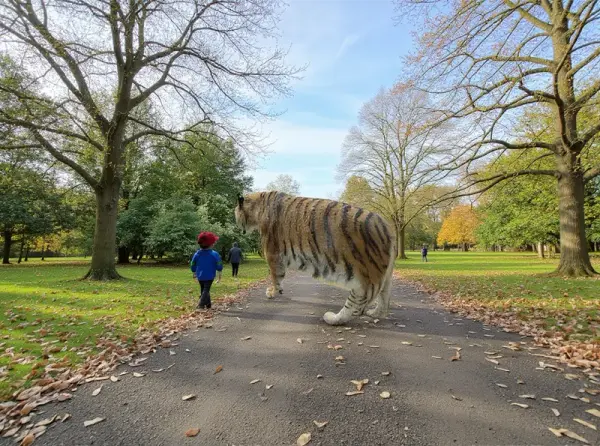
8. Phoenix Park (including Dublin Zoo)
including Dublin Zoo
One of Europe's largest city parks, home to roaming fallow deer and Dublin Zoo. Walk broad avenues, picnic by the Papal Cross, and visit monuments and gardens.
Quick facts: Strolling under wide avenues of plane and oak, you might spot fallow deer grazing calmly on the lawns, a surprisingly tranquil wildlife scene tucked into an urban landscape. Visitors often discover that the on-site zoo's immersive habitats and hundreds of animals turn a casual walk into a string of vivid, audible encounters that delight families.
Highlights: About 1,750 acres of rolling lawns and tree avenues hide a free-roaming herd of roughly 400 fallow deer, so on a quiet evening you might hear soft hoofbeats and see antlers silhouetted against the Wellington Monument. The city zoo, founded in 1831, still sits inside 19th-century brick pavilions where the tang of hay and the warm stone underfoot make morning keeper rounds feel like a living Victorian postcard.
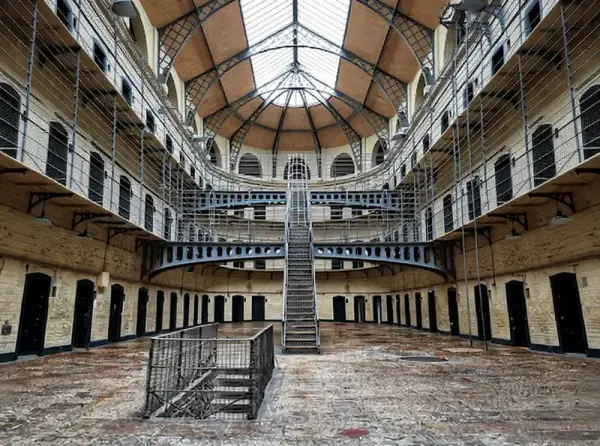
9. Kilmainham Gaol
A powerful lens on Ireland's fight for independence. Walk cell wings, stand in the execution yard, and hear the stories behind the stones.
Quick facts: A cool draft moves through the long stone corridors, where guided voices and the clank of iron make the past feel startlingly close. Cold, cramped cells once held prominent revolutionaries, and visitors often leave in silence, struck by the raw atmosphere and unforgiving rows of doors.
Highlights: If you press your palm to the cold iron bars you can feel tiny grooves worn by decades of hands, while guides still whisper names like Patrick Pearse and James Connolly so the past sounds almost conversational. A compact gravel yard is where 15 leaders of the 1916 Rising were executed, and visitors point to a patch of worn stone where faint rope marks are said to linger, making the silence feel unexpectedly heavy.
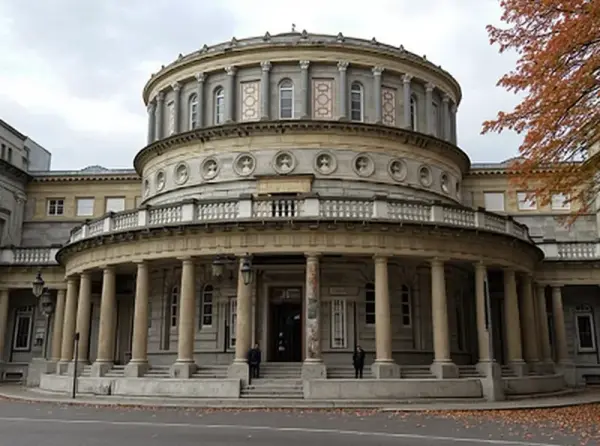
10. National Museum of Ireland – Archaeology
Explore Ireland's extraordinary ancient treasures, from Bog Bodies to the Ardagh Chalice. Wander atmospheric galleries that bring prehistoric and medieval Ireland to life.
Quick facts: Stepping into the dim galleries, you’re greeted by glinting gold and intricate filigree that make ancient metalwork feel surprisingly modern. Scholars still debate origins for some pieces, and the sheer concentration of ornate brooches, chalices, and ritual objects gives a vivid sense of both everyday life and ceremonial power.
Highlights: Slip down the dim stone stairs and you’ll find the Ardagh Chalice catching the spotlight, its 9th-century silver and gold filigree studded with tiny blue glass beads that flash like confetti when the light hits them. Locals still whisper that the Ardagh Hoard was dug up by two boys in 1868 after a day of playing in a field, and a nearby bog body, Clonycavan Man, has a 2,000-year-old hairdo preserved with pine resin you can almost smell when conservators open his case.
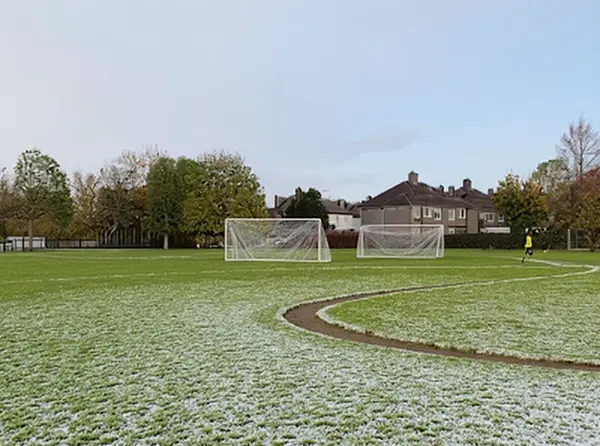
11. Leopardstown Park
Green riverside park beside Dublin's racecourse, ideal for relaxed walks and family time. Explore ponds, playgrounds, tree-lined paths and racecourse views.
Quick facts: Wide grass slopes and winding, tree-lined paths make it a favorite spot for joggers, dog walkers, and families on sunny afternoons. Listen for the loud caw of rooks in the tall beech trees and watch mallards paddling in the small ornamental pond beside the playground.
Highlights: A tight murmuration of starlings can appear above the meadow at dusk, folding the sky into a living black ribbon that then scatters into glittering points. Sit on the old stone bench after rain and breathe the sharp scent of wet earth and moss while the pond mirrors an upside-down canopy, a quietly cinematic scene photographers and local dog-walkers swear by.
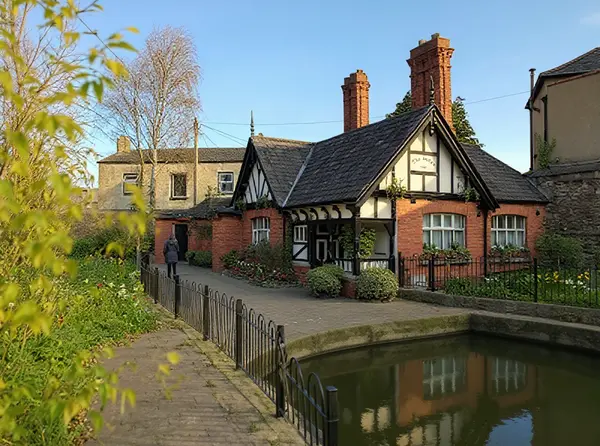
12. Secret Viewpoint at Blessington Street Basin
Escape the city buzz with tranquil waters and leafy views. Experience calm reflections and historic stone architecture in one perfect spot.
Quick facts: A serene urban oasis, this spot offers sweeping views over a calm reservoir framed by greenery and historic stone walls. It remains surprisingly quiet despite being close to bustling city streets, perfect for a relaxing escape.
Highlights: Gaze out from the vantage point to see the reservoir's mirror-like surface reflecting the changing sky and lush surroundings, creating postcard-worthy photos. The stonework here tells stories of Dublin's 19th-century water supply system, a blend of engineering and nature.
What to pre-book in Dublin
These sell out or need a reservation. Book them first, in this order.
- 1.Kilmainham GaolBook 7 days ahead1-2 weeks ahead in summer
- 2.Trinity College Dublin & Book of KellsBook 7 days ahead1-2 weeks ahead in summer, a few days off-season Skip-the-line tickets
- 3.Guinness StorehouseBook 3 days aheadA few days ahead in summer, same day off-season Skip-the-line tickets
- 4.Phoenix Park (including Dublin Zoo)Book 3 days aheadA few days ahead in summer, same day off-season
- 5.Visit the Little Museum of DublinBook 2 days aheadA few days ahead, especially weekends Check availability
Where to Stay in Dublin, Ireland
Selected by City Buddy based on guest reviews and proximity to top attractions
Search all hotels in Dublin, IrelandPowered by agoda
Opening days in Dublin, Ireland
Which of the top sights close on which day of the week — the classic trip-ruiner, checked for you.
Monday: 1 of 14 top sights closed — plan museums for another day.
Closed on Monday · 1 closed, 13 open
Opening days from Google Maps (checked 2026-03-12). Public holidays, strikes and seasonal hours can differ — check the official website before you go.
Traditional Sweet Dishes

Barmbrack
Barmbrack is a fruit-studded tea bread traditionally baked at Halloween with a hidden ring or coin, and finding it was once a playful way to predict marriage and fortune.

Irish apple tart
Irish apple tart showcases local apples in a simple, buttery pastry and was a classic way for households to celebrate the autumn harvest, often served with a spoonful of custard.

Carrageen pudding
Carrageen pudding uses carrageen moss, a seaweed, as a natural gelling agent, giving the dessert a silky, translucent texture that has been used in Irish kitchens for centuries.
Traditional Savory Dishes

Irish stew
Irish stew, made from lamb or mutton, potatoes and onions simmered slowly, began as a frugal one-pot meal and became Ireland's emblem of hearty, comforting cooking.

Coddle
Coddle, a Dublin favorite of sausages, bacon and potatoes gently simmered in broth, was once an inexpensive, warming meal for working families and remains a symbol of home cooking in the city.

Boxty
Boxty mixes grated and mashed potatoes into pancakes or dumplings, and the folk rhyme 'Boxty on the griddle' hints at its long place in Irish kitchen lore.
Traditional Beverages

Guinness
Guinness has been brewed at St. James's Gate in Dublin since 1759 under the famous 9,000-year lease signed by Arthur Guinness, and its roasted barley flavor and nitrogenated pour create the signature smooth, creamy head.

Irish whiskey
Irish whiskey helped fuel Dublin's 19th-century distilling boom, and its often triple-distilled, mellow character made it a global favorite for neat drinking and cocktails.

Irish coffee
Irish coffee was created to warm travelers by combining hot coffee, brown sugar, a shot of Irish whiskey, and a float of cream. The trick is to sip the coffee through the cream for a warm, sweet and velvety mouthfeel.
Know before you go
What a day costs in Dublin, and the rip-offs to avoid
Top rip-offs to avoid
- Unlicensed airport drivers. Use only the official taxi rank outside arrivals or book through Free Now, Bolt or Uber. Never follow someone who offers a ride inside the terminal.
- Fast-moving pickpockets in crowds. Keep bags zipped and in front, phones in front pockets, and stay alert in dense crowds and on packed buses and trams.
- Poor currency exchange rates. Pay by card where possible. If you need cash, withdraw from a bank ATM in euro and decline dynamic currency conversion at the terminal.
Fair taxi from the airport: €25 - €35
Cheaper option: Aircoach bus (€8)
All scams, fair prices and rulesFrequently Asked Questions about Dublin, Ireland
What is the best time to visit Dublin, Ireland?
Is Dublin, Ireland expensive for travelers?
How do most people get around Dublin, Ireland?
Is the tap water safe to drink in Dublin, Ireland?
How many tourists visit Dublin, Ireland each year?
Get a PDF with the most popular attractions sent to your email
Get a PDF with all attractions, ratings, and tips. Perfect for offline use.
Most popular day trips
Howth
Scenic seaside village, cliff walks and fresh seafood.
Glendalough & Wicklow Mountains
Ancient monastic site, lakes and dramatic mountain scenery.
Newgrange (Brú na Bóinne)
Neolithic passage tomb and UNESCO archaeological complex.
Kilkenny
Medieval city with castle, craft shops and lively pubs.
Getting there
Train stations
InterCity (north, Sligo), DART, commuter services
InterCity to Cork, Limerick, Galway, Waterford
From Dublin Airport take the Airlink 747/748 bus or taxi to city center; use DART/commuter trains from Connolly.
Useful information for Dublin, Ireland
Overview for Dublin, Ireland
Compare Dublin with other destinations
Prices, safety, weather and top attractions side by side, with a verdict for every kind of traveler.
Want a day-by-day plan for Dublin, Ireland? Open the trip planner
Plan your perfect trip to Dublin, Ireland
Get a complete travel plan built just for you in under 30 seconds, with daily routes, local food tips, budget estimates and more.
Are any of these especially important to you?
Select all that apply
Getting around
How do you want to move between places?
Plan language: EnglishMost popular itineraries for Dublin, Ireland
Browse trip plans created by other travelers
6-Day Relaxed Summer in Dublin
A leisurely 6-day trip in Dublin focusing on iconic landmarks, scenic walks, cozy cafes, local shops, and relaxed sightseeing with comfortable pacing.
3-Day Relaxed Family Spring Trip to Dublin
A leisurely 3-day itinerary in Dublin with kid-friendly attractions, scenic walks, cozy cafes, and practical family tips for a comfortable and enjoyable spring visit.
2-Day Dublin Summer Explorer
Explore Dublin's rich history, culture, and local leisure activities over two delightful summer days.
9-Day Ireland Cultural & Hidden Gems Journey
Explore Ireland’s rich cultural heritage and lesser-known local treasures on this 9-day multi-city adventure from Dublin to Cork.
3-Day Dublin Adventure for Families & Culture Seekers
Discover Dublin with your family through interactive museums, hidden local gems, and rich cultural experiences away from the crowds. Embrace history, nature, and authentic moments at a relaxed summer pace.
2-Day Dublin for Local Explorers and Active Families
Discover Dublin's hidden gems and vibrant local culture with a perfect balance of nature, history, and family-friendly fun in spring.
14-Day Dublin Family Adventure for Little Explorers
Discover Dublin through a unique lens with fun kid-friendly spots, peaceful parks, secret local gems, and interactive experiences that reveal the authentic heart of Ireland’s capital this spring.
5-Day Dublin for Off-the-Beaten-Path Explorers
Discover Dublin beyond the usual sights with hidden courtyards, local hangouts, secret viewpoints, and authentic neighborhoods loved by locals in the summer.
8-Day Irish Spring Adventure for Families and Nature Lovers
Explore Ireland's charm from Dublin to Tullamore with kid-friendly activities, hidden local gems, interactive museums, and stunning natural landscapes. Enjoy a balanced pace with plenty of outdoor fun and cultural discoveries off the beaten path.