 CityBuddy
 English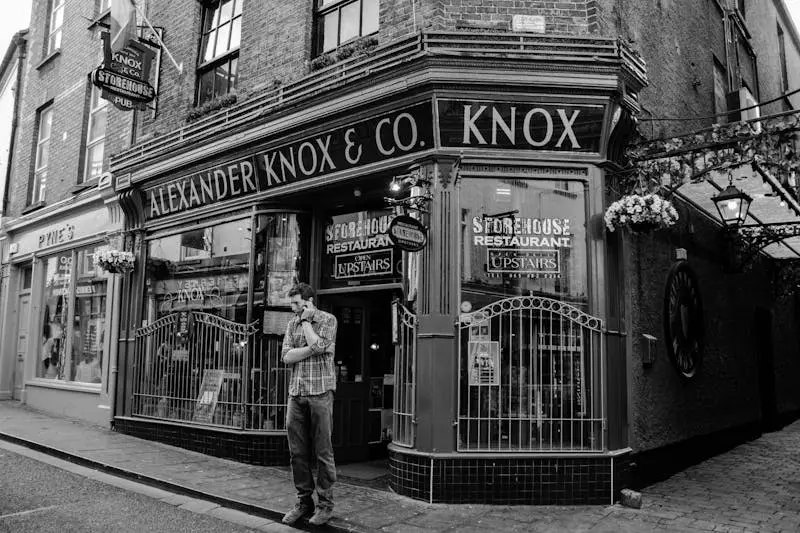
Things to Do in Kilkenny, Ireland
Photo made by Philippe Bonnaire on Pexels.com
When to visit
Most popular attractions in Kilkenny, Ireland
Exploring things to do in Kilkenny, Ireland offers a journey through rich history and captivating sites. Visit Kilkenny Castle with its 900-year-old legacy, wander St. Canice's Cathedral and climb the Round Tower for panoramic views, and dive into local heritage at the Kilkenny Medieval Mile Museum, all within a compact walking distance.
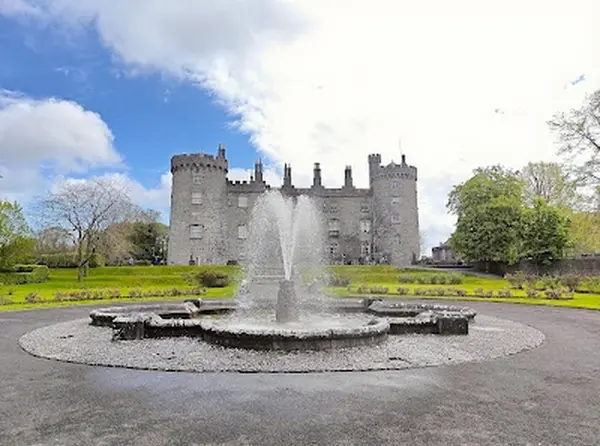
1. Kilkenny Castle
Imposing medieval castle with restored state rooms and sweeping parkland. Explore grand rooms, art collections, formal gardens and riverside walks.
Quick facts: Visitors often pause beneath soaring towers to admire an unexpectedly lavish Great Hall, where tapestries and polished wood glow in amber light. Hidden riverside walks and landscaped gardens offer hush and birdsong, plus a surprising stat: generations of owners spent fortunes curating a vast collection of antique furniture and portraits.
Highlights: Legend says the Butler family once hosted candlelit masquerades in the long gallery for as many as 200 guests, and you can still make out soot smudges high on the honeyed oak beams when you tilt your head up. Behind the state rooms a Victorian walled garden hides a spiral of clipped yews and more than 40 scent-rich roses, so close on a warm afternoon you can taste peppery, honeyed petals on the air.
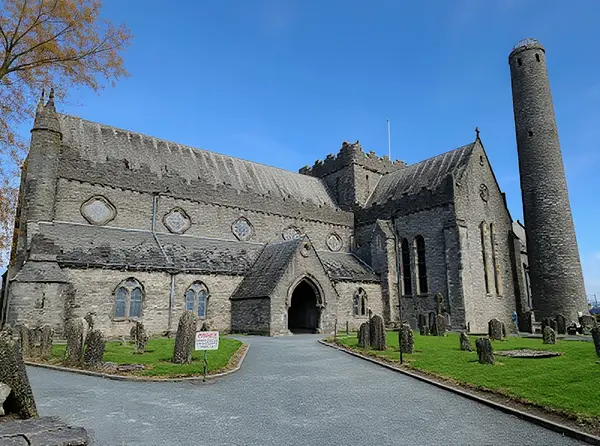
2. St. Canice's Cathedral & Round Tower
Stand beneath a 9th-century round tower and explore a Gothic cathedral steeped in medieval Irish history. Climb the tower for city views and wander ancient graveyards.
Quick facts: A narrow spiral staircase climbs inside the tower, rewarding the breathless ascent with a rooftop view that spills over red-tiled roofs and river bends. Carved medieval tombs, jewel-toned stained glass, and worn flagstones give the nave a hushed, tactile sense of history that invites slow, curious exploration.
Highlights: Climb a narrow spiral of worn stone inside the round tower that rises roughly 100 feet, about 30 meters, and you'll pop out onto a roof-level slit where the River Nore, the cathedral spire, and a patchwork of red-tiled roofs spread like a mini landscape beneath your feet. Inside the church, centuries-old grave slabs and carved bosses still bear the grooves of penny pebbles and coin rubbings, locals used to tuck coins and tiny rosaries into the cracks as whispered offerings before long journeys, a quiet ritual you can almost still feel on the cool slate under your palm.
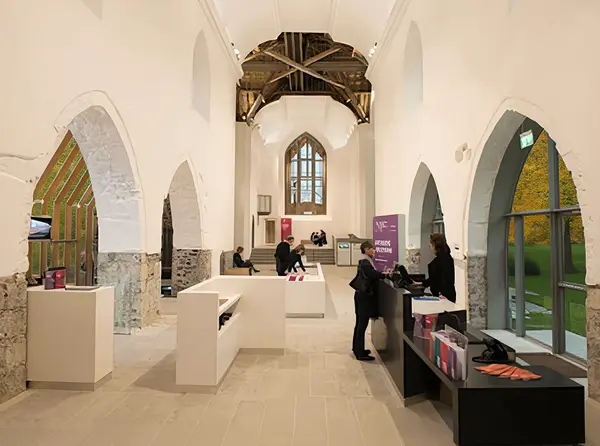
3. Kilkenny Medieval Mile Museum
Explore Kilkenny's medieval heart with authentic artifacts and atmospheric rooms. Walk through a 13th-century priory with interactive displays and original medieval objects.
Quick facts: Step into dim vaulted rooms where medieval stonework meets sleek interactive displays, and the combination makes centuries-old stories feel immediate. Low light and whispers of the past guide you to hidden grave slabs and vivid audio-visual scenes, so a short visit can feel like uncovering several secret histories.
Highlights: Housed in a 13th-century Dominican priory, the museum opens into a candlelit vaulted undercroft where monks' scratched graffiti and a c.1400 stone effigy glint in a thin shaft of afternoon sun. A quirky local tradition sees guides ring the original priory bell at closing and invite visitors to whisper a name into the stone, a small ritual that leaves you hearing the hollow chime and smelling cold, dusty limestone long after you leave.
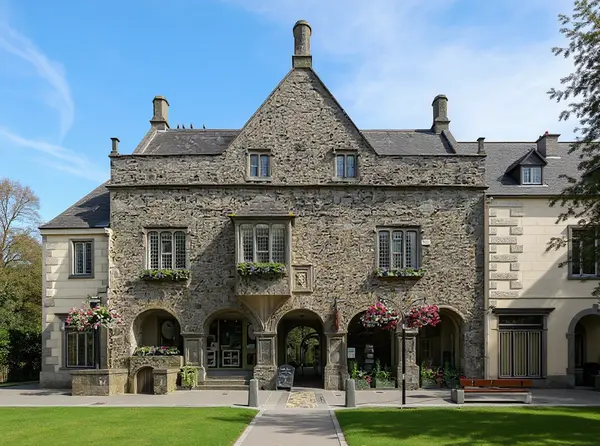
4. Rothe House & Garden
Step back into medieval Kilkenny among impeccably preserved merchant houses. Wander timbered rooms, a walled garden and atmospheric Tudor cellars.
Quick facts: Sunlight filters through leaded glass into snug rooms, where restored timber frames and painted plaster hint at the gossip and business of a prosperous mercantile family. Guided tours reveal surprising artifacts like centuries-old household items and a medieval garden layout, making the place feel more like a lived-in discovery than a standard museum.
Highlights: Three adjoining merchant houses built around 1600 still show original oak panelling and a narrow winding staircase, while the walled garden smells of lavender, crushed apple and dried medicinal herbs that drift through the low rooms. Local guides point out a tiny concealed space behind a fireplace that is reputed to have sheltered a priest during the 17th century, and the on-site archive contains handwritten wills and civic records from the 1600s you can peer at under dim lamplight.
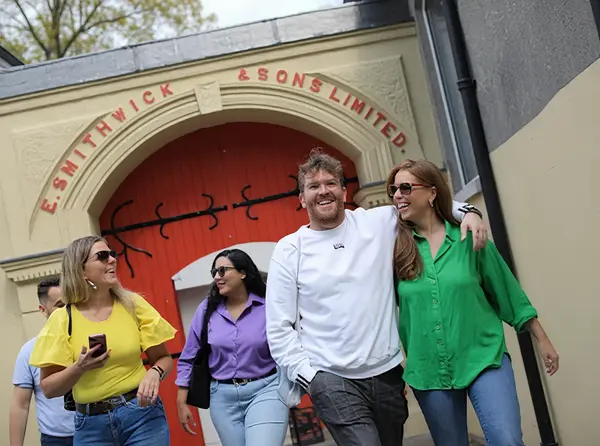
5. Smithwick's Experience Kilkenny
Explore a historic Victorian brewery with lively storytelling and local flavor. Interactive tour ends with a guided tasting of Smithwick's beers.
Quick facts: Amber malt and hop-scented steam greet visitors as interactive exhibits let you smell, taste, and watch traditional brewing processes in a theatrical cellar setting. Guided tastings and a recreated gravity-fed brewhouse offer a hands-on look at recipes and trade lore that kept the brewery's character alive.
Highlights: A cheeky local legend says Benedictine monks were brewing on the site as early as the 13th century, and the recorded brewery beginnings are traced to John Smithwick in 1710, which gives the tour a centuries-deep backstory. You wander through cool stone cellars smelling toasted malt and warm hops, then learn to judge a proper pour by feel and taste a frothy pint with a silky mouthfeel and a cocoa-roast finish that lingers on the tongue.
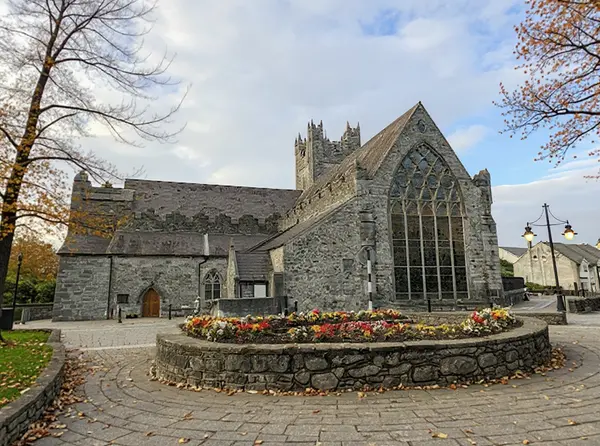
6. Black Abbey (Dominican Black Abbey)
Dominican Black Abbey
Medieval Dominican priory with Harry Clarke's luminous stained glass. Walk candlelit aisles past carved tombs and peaceful cloisters.
Quick facts: Sunlight through soaring stained glass spills jewel-bright colour across cool flagstones, creating a hush that makes voices seem sacred. Carved bosses, marginal graffiti, and tucked-away alcoves reveal personal marks and stories, so every corner feels like a small, lived-in museum.
Highlights: The place earned its dark nickname from the Dominican friars' black cloaks rather than the stone, and you can still spot faint tally marks scratched into the choir stalls where generations of friars counted nights, the grooves polished smooth by fingertips. On quiet afternoons a single medieval lancet pours a razor-thin ribbon of ruby light across the flagstones, while the warm smell of beeswax and old wood makes the air feel like a private chapel of whispers.
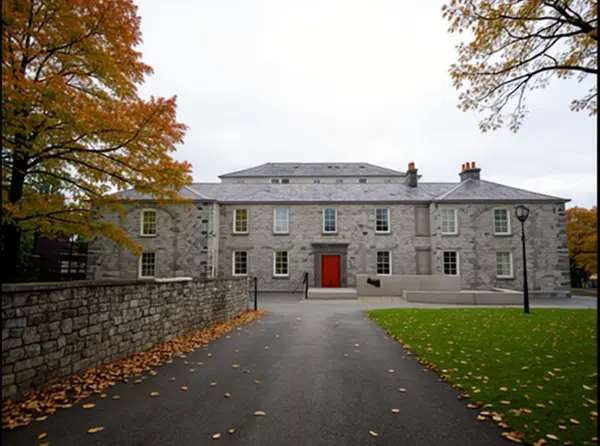
7. Butler Gallery
Fresh contemporary Irish art in a handsome riverside setting. Expect changing exhibitions, friendly staff, and a compact collection worth a relaxed hour.
Quick facts: Soft natural light floods the galleries, making contemporary installations and quiet historical portraits feel unexpectedly intimate. You can stumble upon a surprising contemporary commission tucked behind Georgian stone, and lively artist talks plus school programs attract thousands of people every year.
Highlights: Step inside and you’ll spot a narrow corridor hung with exactly 24 framed sketches, each scrawled with the artist’s blue-ink notes, the air heavy with the soft scent of paper and rain-soaked stone. Staff keep a quirky tradition started in 1998 where each January two local children are invited to rearrange one gallery wall, a ritual that has produced more than 18 spontaneous micro-exhibitions and an annual photo album volunteers pass around like a treasured postcard.
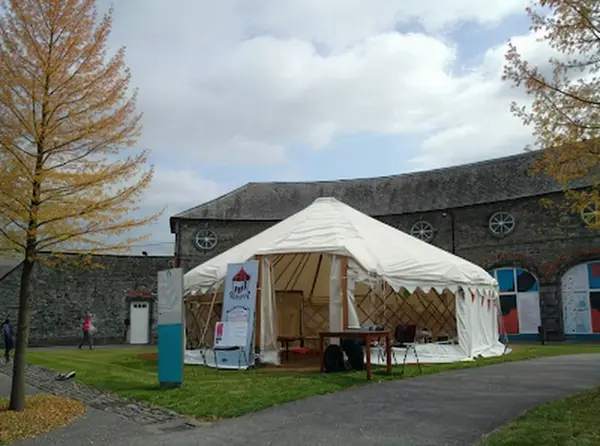
8. Kilkenny Design Centre
Top Irish craft and contemporary design beside Kilkenny Castle. Browse pottery, textiles and jewelry across bright galleries and a leafy courtyard.
Quick facts: Bright colours and tactile materials fill the galleries, making it easy to spot a standout piece among the curated selection. A strong emphasis on craft and contemporary design means many items are limited-run, so visitors often find pieces they won't see anywhere else.
Highlights: Slip through a low brick arch and you’ll be greeted by the scent of wet clay and warm wood, the soft scrape of a potter’s rib, and walls lined with more than 60 handwoven textiles that catch the light like stained glass. On Saturdays, makers pin tiny handwritten tags to a rotating 'story shelf', each tag names the artisan, lists techniques and a price, and often includes a little note about the piece’s inspiration so you can leave with more than just an object.
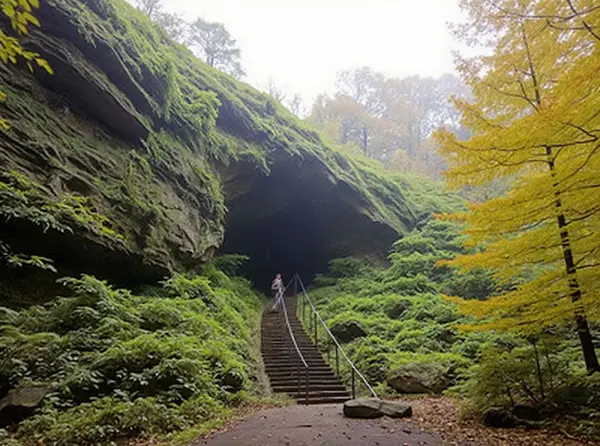
9. Dunmore Cave
Ancient limestone caverns hold Viking history and dramatic stalactites. Walk lit paths through cool chambers and peer into a vast echoing main cavern.
Quick facts: Damp air and filtered light turn delicate stalactites and rippled flowstone into a glowing underground cathedral, where echoes make footsteps feel theatrical. Guides point out a grim collection of human bones found in the chambers, while a resident bat colony adds soft wingbeats to the cave's hush.
Highlights: Deep underground a limestone cavern holds the skeletons of 62 people killed in a Viking attack dated to 928 AD, and the guides still play up that grim story as your torchlight bounces off sparkling stalactites and your footsteps drum in the silence. Down the passage you'll spot bits of a Viking silver hoard: coins and braided arm-ring fragments that flash coldly in the low light against damp, chalky walls.
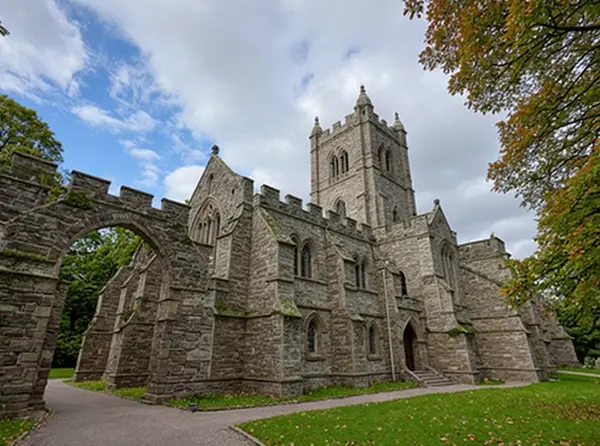
10. Jerpoint Abbey
Medieval stonework and carved tombs bring Ireland's past to life. Walk quiet cloisters, examine ornate capitals and photograph dramatic ruined arches.
Quick facts: Mossy stone cloisters and an ornate Romanesque doorway invite slow exploration, while hundreds of carved figures peek from capitals and corbels. Rain patters on old flagstones so the nave seems to hum, and the ruined chapter house reveals medieval burial stones plus a rare life-sized knight effigy.
Highlights: Wandering the 13th-century cloister you can still feel over 800 years of limestone underfoot, smell damp moss and hear the hollow ring when you tap the carved capitals, where more than 30 medieval faces and animals peer down from the stone. Legend says a 14th-century abbot hid a small bell beneath the chapter house to keep it from invaders, and locals used to tap the floor, hoping to coax a metallic echo as a sign of safe passage.
Where to Stay in Kilkenny, Ireland
Selected by City Buddy based on guest reviews and proximity to top attractions
Search all hotels in Kilkenny, IrelandPowered by agoda
Opening days in Kilkenny, Ireland
Which of the top sights close on which day of the week — the classic trip-ruiner, checked for you.
Monday: 3 of 8 top sights closed — plan museums for another day.
Closed on Monday · 3 closed, 5 open
Opening days from Google Maps (checked 2026-02-21). Public holidays, strikes and seasonal hours can differ — check the official website before you go.
Traditional Sweet Dishes
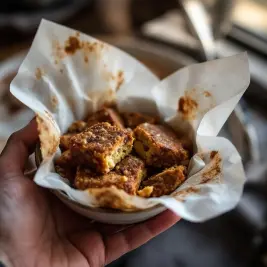
Barmbrack
Barmbrack's name comes from the Irish bairín breac meaning 'speckled loaf', and at Halloween families traditionally hide small charms inside to foretell who will marry or prosper next year.
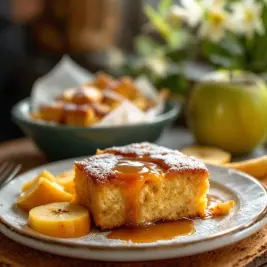
Irish apple cake
Irish apple cake showcases local apples folded into a tender crumb, and many families in Kilkenny guard secret spice mixes and methods that turn a simple cake into a signature heirloom.
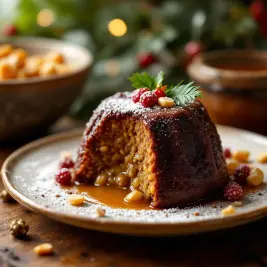
Christmas pudding
Christmas pudding is steamed for hours and often doused with brandy and set alight at the table, a dramatic ritual that signals the start of the festive feast.
Traditional Savory Dishes

Irish stew
Traditional Irish stew uses lamb or mutton, potatoes and onions cooked slowly in a single pot, a humble method that kept rural families warm and well fed for generations.

Boxty
Boxty blends grated and mashed potatoes into a pancake or dumpling, and its endless regional variations grew from the need to use every last potato during hard winters.

Seafood chowder
Irish seafood chowder stitches together fresh fish, shellfish and cream into a spoonable celebration of the Atlantic, and it is almost always served with crusty soda bread to soak up the broth.
Traditional Beverages
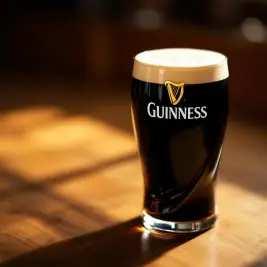
Guinness
Guinness was once advertised as a healthful tonic, and its signature silky head is created by forcing nitrogen into the stout for a velvety texture.

Irish whiskey
Many Irish whiskeys are triple distilled for extra smoothness, and their gentle character made them prized exports that shaped Irish trade and social life.
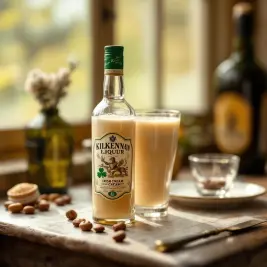
Irish cream liqueur
Irish cream married fresh cream with whiskey in a drinkable dessert, and Baileys, invented in 1974, turned that idea into a global sensation.
Frequently Asked Questions about Kilkenny, Ireland
What is the best time to visit Kilkenny, Ireland?
Is Kilkenny, Ireland expensive to live in or visit?
How safe is Kilkenny, Ireland for travelers?
How do tourists usually get around Kilkenny, Ireland?
How many tourists visit Kilkenny, Ireland each year?
Get a PDF with the most popular attractions sent to your email
Get a PDF with all attractions, ratings, and tips. Perfect for offline use.
Most popular day trips
Waterford
Historic coastal city known for Waterford Crystal and Viking history
Dublin
Ireland's capital with museums, pubs, and Trinity College
Rock of Cashel (Cashel)
Dramatic historic site of medieval churches and round towers
Cork
Vibrant southern city with markets, food scene and nearby Blarney
Getting there
Train stations
Services to Dublin Heuston; connections to Waterford/Cork via transfers
From Dublin Airport take Aircoach/BusEireann to Kilkenny or train from Heuston (change in Dublin city).
Useful information for Kilkenny, Ireland
Overview for Kilkenny, Ireland
Want a day-by-day plan for Kilkenny, Ireland? Open the trip planner
Plan your perfect trip to Kilkenny, Ireland
Get a complete travel plan built just for you in under 30 seconds, with daily routes, local food tips, budget estimates and more.
Are any of these especially important to you?
Select all that apply
Getting around
How do you want to move between places?
Plan language: English