 CityBuddy
 English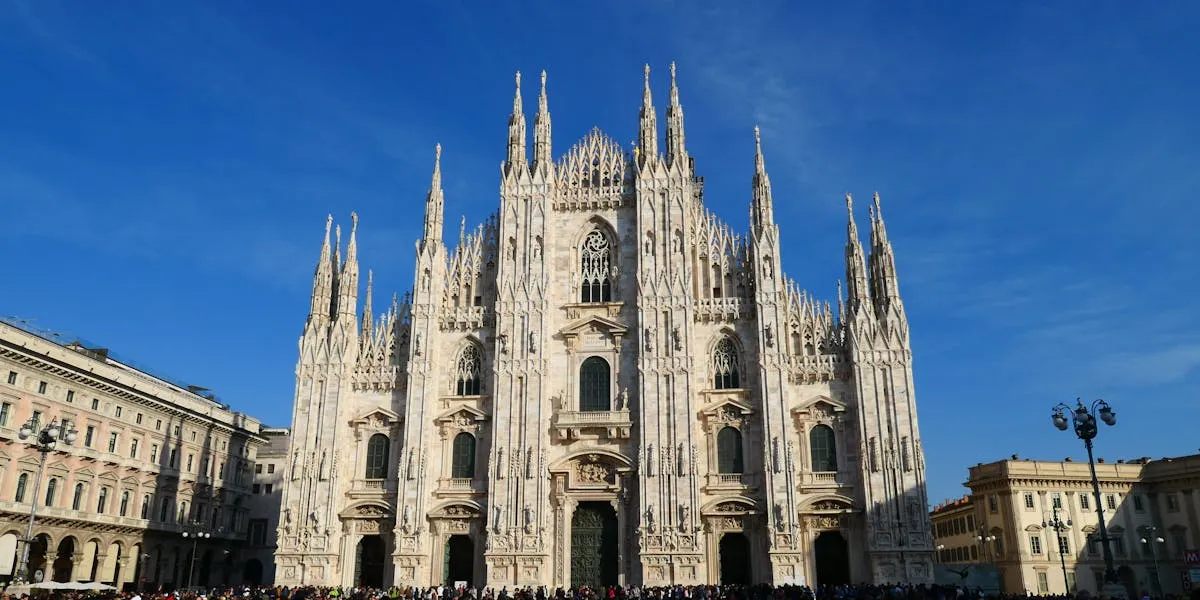
Things to Do in Milan, Italy
Photo made by Lukas Lussi on Pexels.com
When to visit
Most popular attractions in Milan, Italy
Top things to do in Milan, Italy include visiting the Duomo di Milano, an enormous gothic cathedral with 135 spires offering panoramic city views. Shopping or dining in the elegant Galleria Vittorio Emanuele II is a delight. Art lovers should not miss the Santa Maria delle Grazie for Leonardo's Last Supper, just a 10-minute walk from the cathedral.
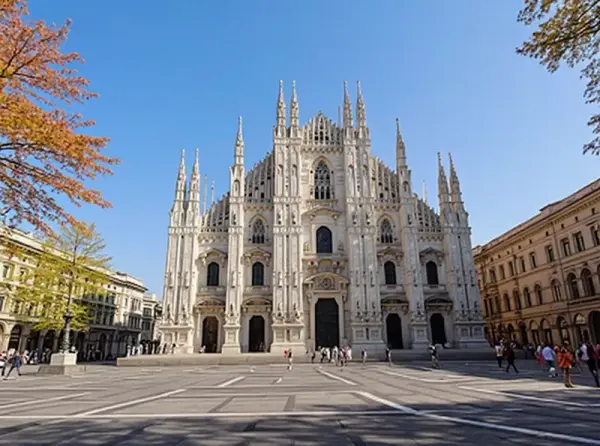
1. Duomo di Milano (Milan Cathedral)
Milan Cathedral
A soaring Gothic masterpiece in Milan's heart, the Duomo rewards with incredible architecture and rooftop views. Climb the terraces to see spires up close and city panoramas.
Quick facts: Step onto sun-warmed rooftop terraces and you can count over 3,400 statues rising like a forest of stone, with spires that lace the sky. Climb narrow staircases to feel cool marble underfoot while jewel-toned stained glass floods the nave and makes the whole place shimmer as daylight moves.
Highlights: Climb the roof and you find yourself threading through 135 spires and about 3,400 carved statues, a stone forest where each saint and gargoyle wears a patina of centuries and cool, powdery marble underfoot. High above perches a gilded Virgin about 4.16 meters tall, and long-standing local custom forbade any building from rising above her, so when modern towers exceeded that height little replicas were placed on their roofs to keep the skyline respectful.
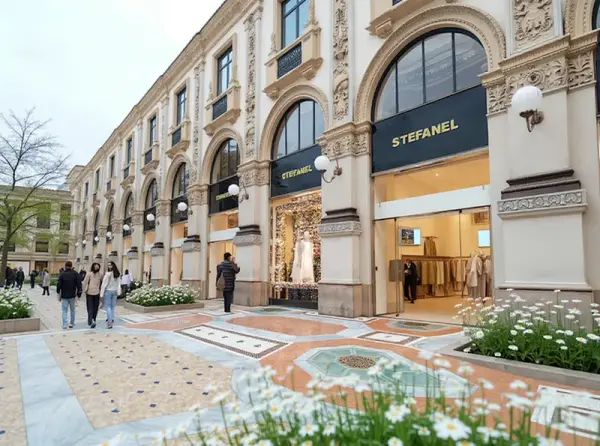
2. Galleria Vittorio Emanuele II
Elegant 19th-century arcade with soaring glass vaults and glittering mosaics. Walk under the central dome to browse historic cafés and luxury boutiques.
Quick facts: Sunlight pours through the soaring glass-and-iron roof, lighting mosaics and marble that make the interior feel like an elegant indoor piazza. Beneath your feet a bull mosaic carries a quirky superstition: spinning on the bull's testicles is said to bring good luck, while cafés and boutiques keep the arcade humming.
Highlights: Under the soaring glass-vaulted dome, a tiled bull mosaic hosts a quirky ritual: visitors spin three times on the bull's heel for luck, a playful practice that locals say dates back to the late 19th century. Step onto the black-and-white marble floor and you can smell espresso from century-old cafés while midday light floods the gold mosaics, turning the whole arcade into a warm, glittering jewelry box.
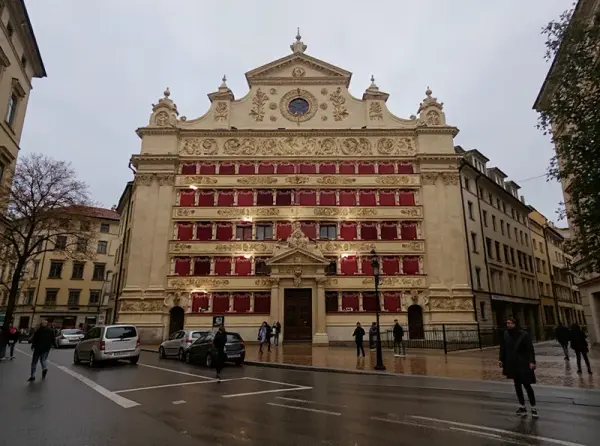
3. Teatro alla Scala (La Scala Opera House)
La Scala Opera House
Historic opera house where musical legends performed. Explore the museum, see original costumes and step into the gilded auditorium for powerful atmosphere.
Quick facts: Velvet-clad boxes and a gilded ceiling create a tactile hush where applause can feel like a physical wave. Opera fans brag that the house has premiered landmark works by composers such as Verdi and Rossini, and the legendary acoustics let a whispered phrase reach the highest gallery.
Highlights: Opening night on 3 August 1778 featured Antonio Salieri's Europa riconosciuta, and the house went on to premiere works by Rossini, Bellini and Verdi, shaping European opera for centuries. Fans in the highest gallery, the loggione, remain notoriously vocal: they have been known to hiss a singer one minute and throw bouquets or shouts of bravo the next, the whole auditorium alive with red-velvet murmurs and golden box gossip.
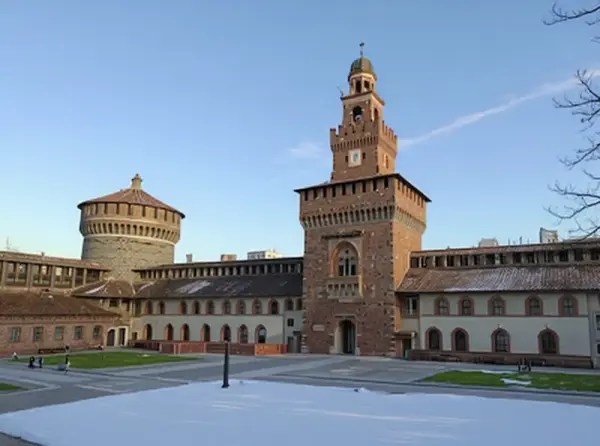
4. Castello Sforzesco (Sforza Castle)
Sforza Castle
A medieval fortress turned museum complex, rich with art and history. Walk ramparts, see Michelangelo's Pietà Rondanini, and explore courtyards and museums.
Quick facts: Wandering through layered courtyards, visitors often stumble on a surprising trove of art, including the serene Pietà Rondanini by Michelangelo tucked into a quiet hall. Echoes of courtly footsteps and distant trumpets linger in the stone, and a maze of museums lets you drift from towering armor displays to intimate Renaissance frescoes without stepping outside.
Highlights: Stand within two meters of Michelangelo's Pietà Rondanini in the hushed hall and you'll see the unfinished marble up close: visible chisel marks, rough surfaces and the figure's eyes only partially carved, a sculpture the artist worked on until his death in 1564. Upstairs, Leonardo's Sala delle Asse wraps a vaulted ceiling in painted mulberry branches so lifelike you can almost smell sap and feel dappled sunlight, a painted woodland that turns the fortress into an indoor grove.
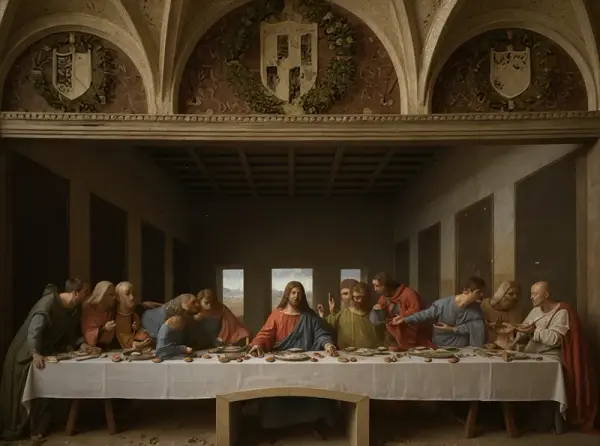
5. Santa Maria delle Grazie - Cenacolo Vinciano (Last Supper)
Last Supper
See Leonardo da Vinci's masterful Last Supper in the original refectory. Timed-entry viewing offers a short, focused encounter with the fragile fresco.
Quick facts: A hush settles in the refectory as Leonardo's composition freezes the apostles' shock in a single, cinematic moment, while his experimental paint layers have left the image unusually fragile and a constant focus of conservation. Visits are tightly limited to short, timed groups to protect the mural after wartime damage and centuries of restoration, so seeing it feels like a rare, almost ceremonial experience.
Highlights: During the 1943 bombing a protective shell of sandbags and a concrete wall was hurriedly built around the refectory, and traces of smoke and patched plaster still whisper the near-disaster that spared Leonardo da Vinci's mural painted between 1495 and 1498, measuring roughly 460 by 880 centimeters. Today's visits are tightly controlled: you get only 15 minutes in the room with groups of about 25 people, so concentrate on the trick of perspective Leonardo used to place the vanishing point at Christ's head, a tiny optical secret that makes the scene snap into depth when you stand on the room's central line.
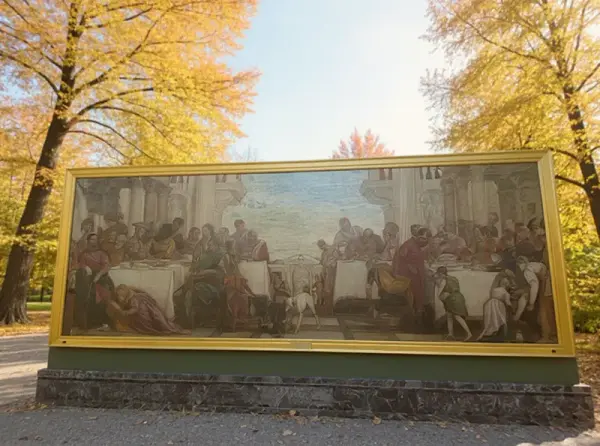
6. Pinacoteca di Brera (Brera Art Gallery) and Brera District
Magnificent collection of Italian paintings from Renaissance to 19th century. Wander luminous galleries, then explore Brera's cobbled streets, cafés and boutiques.
Quick facts: Under soaring skylights, galleries pulse with masterpieces by Caravaggio and Mantegna, where chiaroscuro and delicate brushwork draw visitors into surprisingly intimate moments. Cobblestone streets hum with artisan shops, bohemian cafés, and an art-school energy that turns evening strolls into a gallery of everyday life.
Highlights: Step into a gallery where Raphael's "Marriage of the Virgin" from 1504 and Caravaggio's "Supper at Emmaus" from 1601 hang so close you can read the craquelure patterns, and long-time guides still point out tiny inventory numbers penciled into the canvases from Napoleon's 1809 reorganization. Around the corner the neighborhood's narrow cobbled lanes smell of espresso and frying oil at dusk, locals spill onto tiny piazzas for an aperitivo ritual that often starts at 6:30 pm with plates of olives and warm focaccia, while independent dealers and old print shops keep a steady stream of midnight sketching sessions under soft yellow lamps.
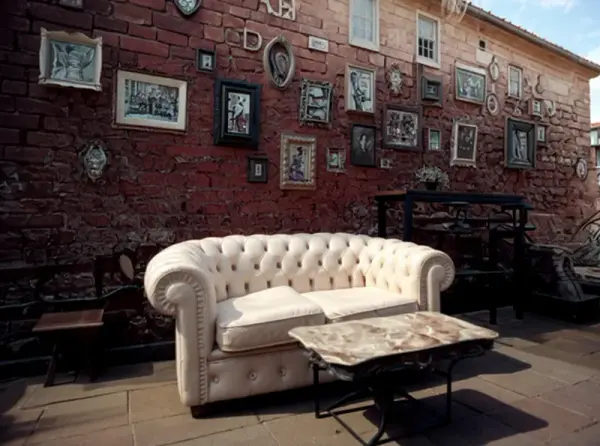
7. Navigli District (Navigli Canals)
Navigli Canals
Canal-side Milan where aperitivo culture meets bohemian charm. Stroll cobbled banks, browse vintage stalls, and sip a spritz as lights shimmer on the water.
Quick facts: Evening lights shimmer on the water while the air fills with the scent of frying street food, as lively bars and antique shops crowd the canal banks. A maze of historic waterways and restored locks hosts bustling aperitivo scenes and vintage markets, surprising visitors who expect only museums with its offbeat creative energy.
Highlights: Leonardo da Vinci sketched the hydraulic solutions that still control those canals in his Codex Atlanticus, including wooden lock designs and sluices he tested while working for Ludovico Sforza. At dusk dozens of bars and old osterie spill onto the stone towpath, steam from frying pans mixing with the bitter-sweet orange of Aperol spritzes as century-old lamps cast honeyed reflections across the water.
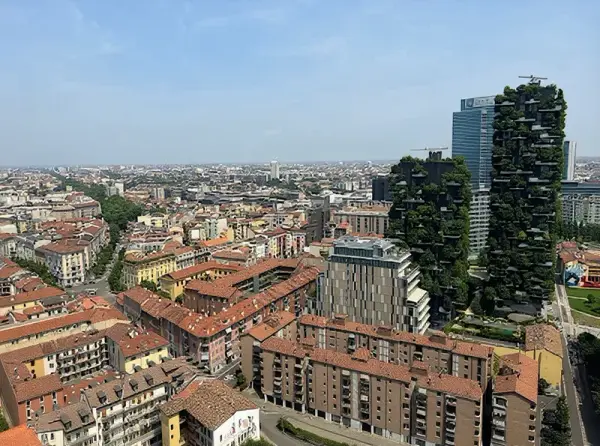
8. Bosco Verticale (Vertical Forest) & Porta Nuova district
A striking pair of tree-covered towers redefining urban greenery. Wander piazza gardens and photograph dramatic architecture framed by plants.
Quick facts: Look up and you'll spot more than 900 trees clinging to glass balconies, their foliage cooling the air and muffling city noise like a living air filter. Strolling through the surrounding high-rise district, you'll find gleaming towers, pocket parks, and buzzing cafés where evening aperitivo feels effortlessly modern and communal.
Highlights: Greenery drapes the balconies, with about 900 trees and roughly 2,000 shrubs planted by architect Stefano Boeri, so the towers smell of pine and rosemary after rain and even host bees and small birds between floors. Nearby, a cluster of glass towers punctuated by a glowing spire has spawned a nightly LED light ritual that locals time with aperitivo, a quirky routine where neighbors meet under the lights to trade gossip and swap cuttings from their balcony plants.
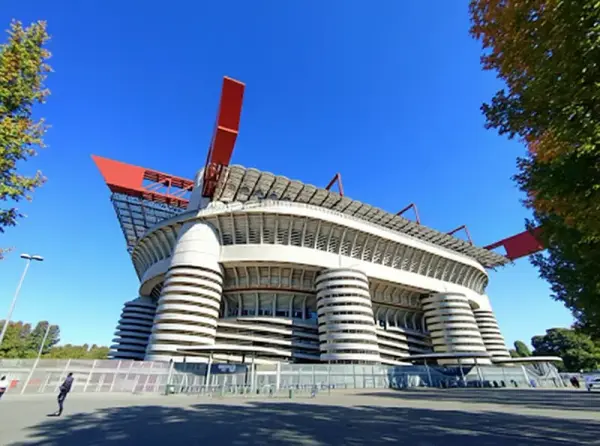
9. San Siro Stadium (Stadio Giuseppe Meazza)
Stadio Giuseppe Meazza
Home to AC Milan and Inter, San Siro brims with football history and electric atmosphere. Tour to walk the pitch, visit the museum and peek inside players' dressing rooms.
Quick facts: Fans feel a thunderous roar as around 80,000 seats wrap the pitch, making crowd noise so intense players sometimes call the atmosphere a cauldron. Matchdays turn into living theatre when two rival clubs share the stage, colors and chants colliding in a dizzying display that leaves visitors buzzing for hours.
Highlights: On derby nights the bowl holds around 75,000 people, and when A.C. Milan and F.C. Internazionale fans chant in waves the concrete seems to hum while flares turn entire sections red-and-black and blue-and-black and the air fills with smoke and the sweet tang of roasted chestnuts. A quirky tradition sees the ultras unfurl giant, hand-painted tifos that require hundreds of volunteers and can span an entire stand, sometimes involving more than 3,000 flags or several hundred metres of stitched fabric prepared over days.
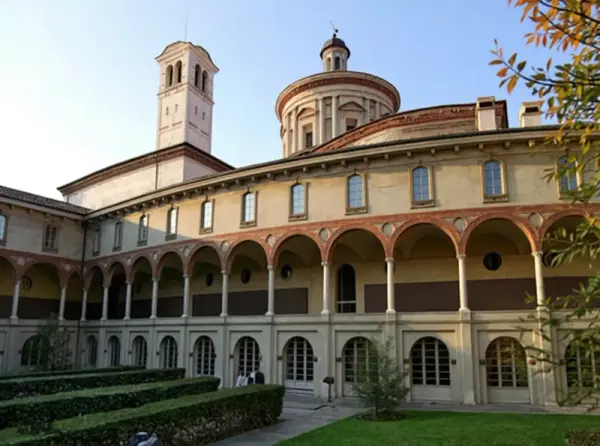
10. Museo Nazionale della Scienza e della Tecnologia "Leonardo da Vinci"
Explore Leonardo's models, vintage locomotives, and interactive exhibits at Italy's largest science museum. Hands-on displays, real aircraft and engineering history await.
Quick facts: Stepping into the galleries feels like wandering through a giant workshop, where gleaming steam engines sit beside scale flying-machine models and interactive stations invite you to pull levers and set mechanisms in motion. Surprising stat: the collection holds over 15,000 objects across transport, energy and communication, and you can inspect full-scale replicas of a master inventor's machines alongside original industrial equipment.
Highlights: You can clamber into the Enrico Toti submarine, the air thick with oil and cold metal, and peer through a periscope that frames the courtyard like a circular movie screen. Since 1953 the main halls have housed a hands-on workshop of more than 60 reconstructed machines from Renaissance engineering notebooks, where wooden gears creak under your fingers and a large wing model lets you feel how air catches on a scaled frame.
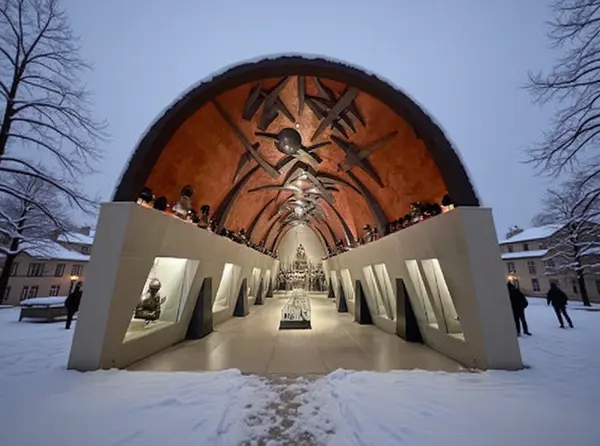
11. Museo Poldi Pezzoli
Step into a 19th-century aristocrat’s art collection filled with Renaissance masterpieces and dazzling armor. Experience a unique blend of painting, decor, and historic weaponry in beautifully frescoed rooms.
Quick facts: The museum showcases over 5,000 works collected by Gian Giacomo Poldi Pezzoli, including paintings, armory, and decorative arts. Its collection features masterpieces like Botticelli's 'Venus and Mars' and exquisite Venetian glassware.
Highlights: A secret highlight is the stunning 19th-century collection of arms and armor displayed alongside Renaissance art, creating an immersive experience blending war and beauty. Visitors can marvel at frescoed rooms recreated to mimic aristocratic Milanese homes, with intricate ceiling paintings and period furnishings.
Where to Stay in Milan, Italy
Selected by City Buddy based on guest reviews and proximity to top attractions
Search all hotels in Milan, ItalyPowered by agoda
Opening days in Milan, Italy
Which of the top sights close on which day of the week — the classic trip-ruiner, checked for you.
Monday: 4 of 10 top sights closed — plan museums for another day.
Closed on Monday · 4 closed, 6 open
Opening days from Google Maps (checked 2026-03-18). Public holidays, strikes and seasonal hours can differ — check the official website before you go.
Traditional Sweet Dishes
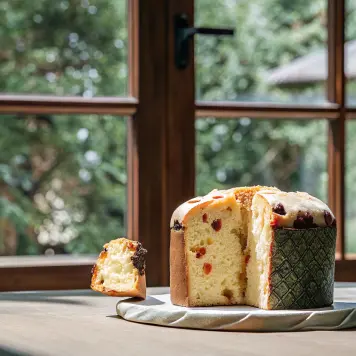
Panettone
Panettone is a Milanese Christmas icon, originally a tall, domed enriched bread studded with candied fruit and raisins, and artisans once competed to produce the lightest, most aerated loaf.
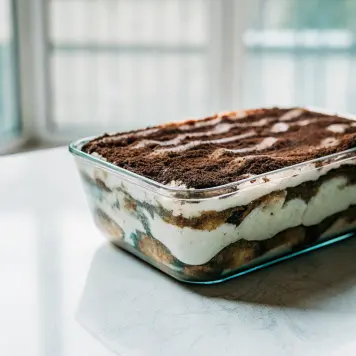
Tiramisu
Tiramisu's origins are debated, but in Milan it became a café staple, prized for the theatrical layering of espresso-soaked ladyfingers and mascarpone that wakes the senses.
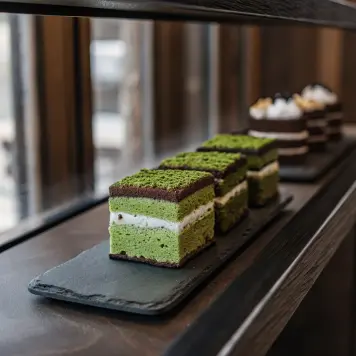
Pasticcini
Pasticcini means 'little pastries' and Milanese pasticcerie display them like jewels, offering delicate bite-sized cakes and filled pastries designed to be enjoyed with an espresso.
Traditional Savory Dishes
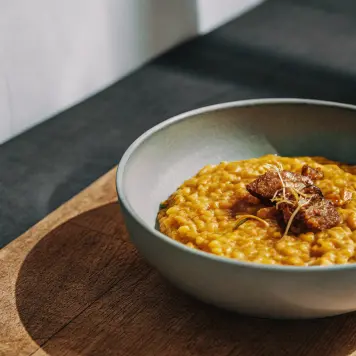
Risotto alla Milanese
Risotto alla Milanese owes its vivid golden color to saffron. Its creamy texture was traditionally achieved by patient stirring and the addition of beef marrow.
Ossobuco
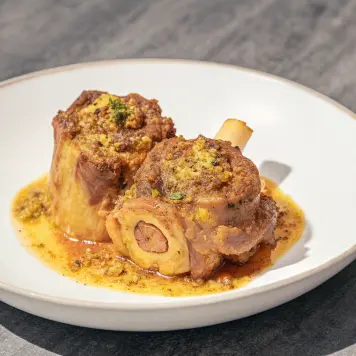
Ossobuco, cross-cut veal shanks braised until gelatinous, gets its bright lift from gremolata, a zesty mix of lemon zest, garlic, and parsley that cuts through the richness.
Cotoletta alla Milanese
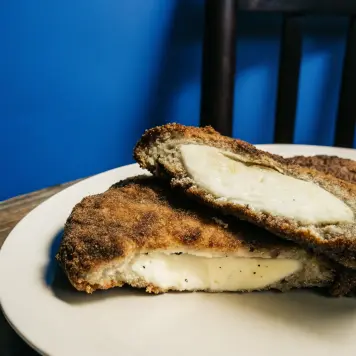
Cotoletta alla Milanese is a bone-in veal cutlet pounded, breaded, and fried in butter until crisp, and some culinary historians say Milan's golden schnitzel predates similar Viennese dishes.
Traditional Beverages
Espresso
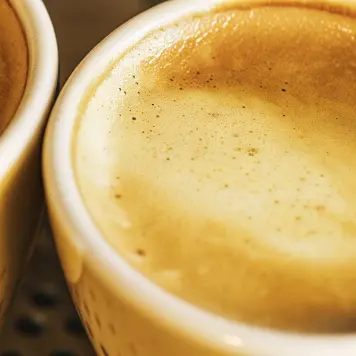
In Milan, espresso is more than a drink, it is a ritual, often consumed standing at the bar for a quick, intense shot that punctuates the workday.

Aperol Spritz
Aperol Spritz became synonymous with Milan's aperitivo scene, its bright orange hue inviting people to gather outdoors for an easy, low-alcohol drink and small plates before dinner.
Campari
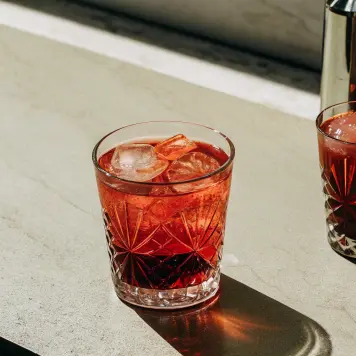
Campari was invented in Milan in the 1860s and its bold, bitter flavor helped define the city’s historic cocktail culture, inspiring classics like the Negroni and the Americano.
Frequently Asked Questions about Milan, Italy
Is Milan, Italy safe for tourists?
How many days should I spend in Milan, Italy?
What is the best time to visit Milan, Italy?
Is Milan, Italy expensive to visit?
How to get around Milan, Italy?
Get a PDF with the most popular attractions sent to your email
Get a PDF with all attractions, ratings, and tips. Perfect for offline use.
Most popular day trips
Como (Lake Como)
Picturesque lake town with villas and ferry rides.
Bergamo (Città Alta)
Medieval hilltop old town with panoramic views.
Sirmione (Lake Garda)
Thermal springs, Scaliger castle and lakeside strolls.
Verona
Roman arena, Juliet's house and charming piazzas.
Pavia
Historic university city with a Romanesque basilica.
Getting there
Airports
Train stations
National & international long‑distance, Frecciarossa, Italo
Regional lines; Malpensa Express terminal
Regional, suburban lines and some high‑speed connections
Take the Malpensa Express to Cadorna/Centrale; Linate is a short taxi/bus ride; Bergamo has regular airport shuttles.
Useful information for Milan, Italy
Overview for Milan, Italy
Compare Milan with other destinations
Prices, safety, weather and top attractions side by side, with a verdict for every kind of traveler.
Want a day-by-day plan for Milan, Italy? Open the trip planner
Plan your perfect trip to Milan, Italy
Get a complete travel plan built just for you in under 30 seconds, with daily routes, local food tips, budget estimates and more.
Are any of these especially important to you?
Select all that apply
Getting around
How do you want to move between places?
Plan language: English