 CityBuddy
 English
Things to Do in Mondovì, Italy
Photo made by Francesco Ungaro on Pexels.com
When to visit
Plan your perfect trip to Mondovì, Italy
Get a complete travel plan built just for you in under 30 seconds, with daily routes, local food tips, budget estimates and more.
Are any of these especially important to you?
Select all that apply
Getting around
How do you want to move between places?
Plan language: EnglishMost popular attractions in Mondovì, Italy
Things to do in Mondovì, Italy include exploring Piazza Maggiore, the historic heart where locals gather and events unfold. Ride the Funicolare di Mondovì for stunning views across the valley. Visit the Cattedrale di San Donato, a remarkable 12th-century cathedral featuring intricate frescoes and elegant architecture.
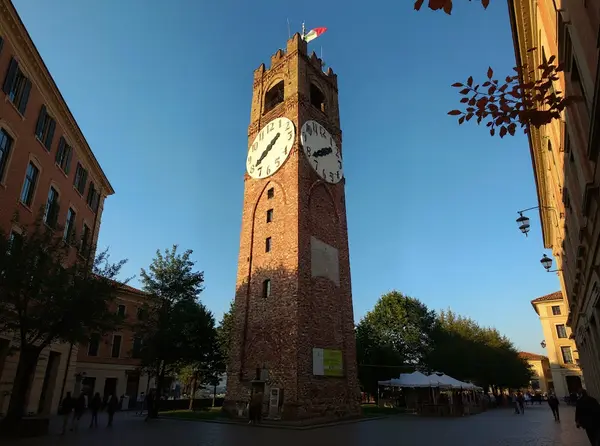
1. Piazza Maggiore
Mondovì
Arcaded palaces and baroque churches give Piazza Maggiore classic Piedmont charm. Wander the open square, sip coffee at a terrace, and watch golden-hour light play on the facades.
Quick facts: Morning light pools in the square's shallow basin, turning worn flagstones warm and honey-colored. Cafés spill onto the arcades where locals linger over thick espresso and paper cones of salt-roasted chestnuts during cooler evenings.
Highlights: On market mornings more than 60 colorful stalls crowd the square, offering everything from antique postcards to pungent local cheeses. An arcade tucked on the north side hides a tiny workshop where a family named Bianchi hand-prints festival posters, you can hear the press's rhythmic thump as you pass.
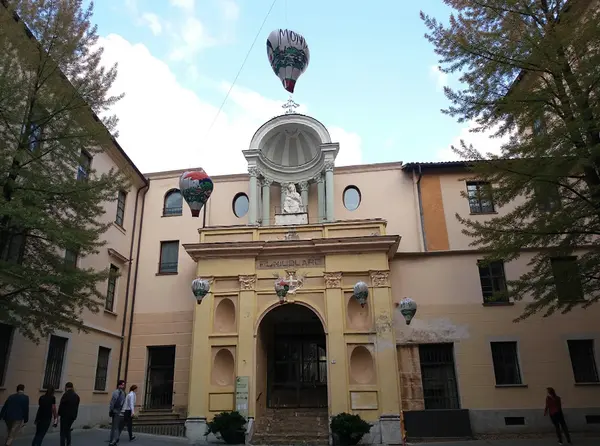
2. Funicolare di Mondovì (Mondovì Funicular)
Mondovì Funicular
Quick scenic lift linking Mondovì's lower town to the historic Piazza, offering sweeping views over the Po valley. A few-minute ride gives fast access to cafés, churches and cobbled lanes.
Quick facts: Snaking up the hillside in two colorful cars, the short route stretches about 555 meters while climbing roughly 160 meters, offering a compact but dramatic ascent. Local commuters and sightseers alike hop on for the roughly three-minute ride, which frames sweeping views of tile roofs, vineyards, and distant foothills.
Highlights: Step into a varnished, timber-paneled cabin and you'll notice the satisfying mechanical rhythm as the two counterbalanced cars glide past each other at the single midpoint passing loop. Look closely at the upper platform and you'll find a small, time-smoothed plaque and the bright echo of a brass bell used during local festivals, a tactile and sonic detail that often surprises first-time riders.
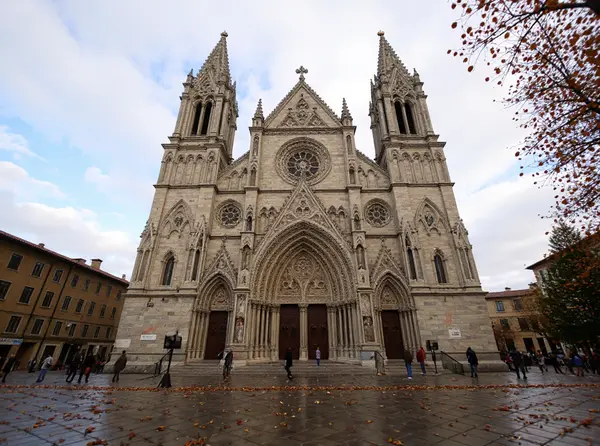
3. Cattedrale di San Donato (Duomo di Mondovì)
Duomo di Mondovì
Quiet historic cathedral in Mondovì, prized for its serene interior and local art. Wander decorated chapels and capture soft light through stained glass.
Quick facts: A striking mix of Baroque ornament and Neoclassical lines gives the interior a theatrical, light-filled atmosphere that rewards a slow walk. You can often spot a dramatic altarpiece and richly veined marble floors that catch the sun and make the nave shimmer at midday.
Highlights: Step in shortly before evening vespers to feel warm beeswax candlelight fill the nave and to catch the honeyed scent of smoke lingering in the stone. A low-hung wooden crucifix and the carved choir stalls work with shafts of light to throw long, moving shadows across the floor, a quietly theatrical moment photographers and locals savor.
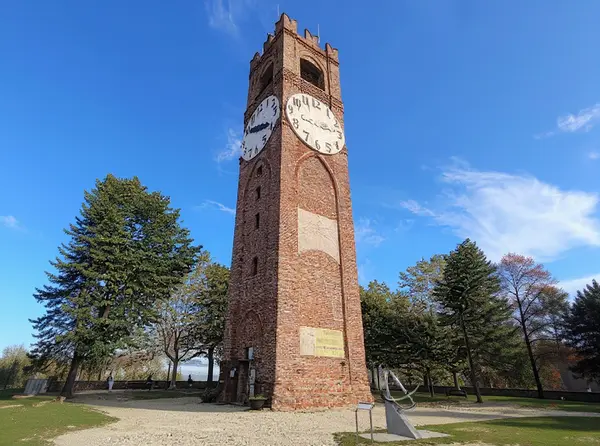
4. Torre Civica di Mondovì
Historic bell tower with sweeping views over Mondovì and the Alps. Climb narrow stairs to panoramic terraces and admire centuries-old stonework.
Quick facts: Step up the narrow brick stairway and you'll feel the stones cool under your hand while the tower frames sweeping views across rolling vineyards and limestone ridges. An old mechanical clock still marks the hours, its face visible from the main square and a cluster of iron bells that chime on market days.
Highlights: Climb roughly 120 spiral steps to a lookout platform where a 360-degree panorama can reveal the snow-capped Alps on clear days and the smell of baking focaccia drifts up from below. Local lore credits a 1766 clockmaker named Giovanni Ruffini with the original clockwork, and during the annual Corpus Domini procession the largest bell, called Maria, is rung 33 times at dusk to signal the start of the march.
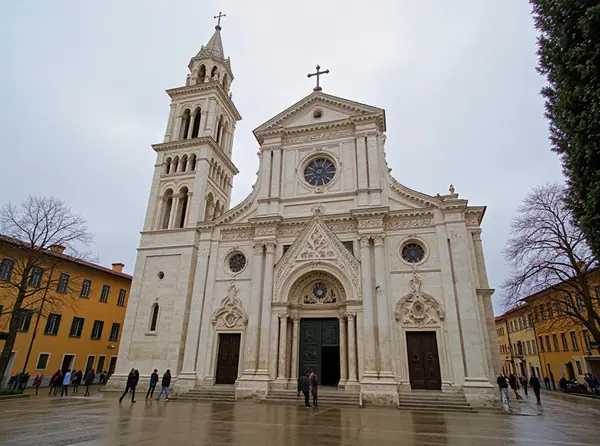
5. Chiesa di San Francesco
Mondovì
Elegant Franciscan church with rich interior and calm atmosphere. Step inside for frescoed walls, Baroque details and a peaceful place to pause.
Quick facts: Step inside and you’ll notice a long, vaulted nave lit by tall windows, where pale stucco and gilded details catch the light. Local guides point out an impressive pipe organ with over 1,000 pipes, and side chapels filled with frescoes that reward a slow, close look.
Highlights: Peer close at a side chapel and you can see tiny, hand-painted ex-voto plaques, some no bigger than a postage stamp, about 4 cm by 6 cm, each with shaky handwriting thanking a saint for small miracles. As dusk falls, the warm smell of beeswax and crushed incense rises while golden light pools on a carved wooden crucifix, making onlookers hush and camera shutters click slowly.
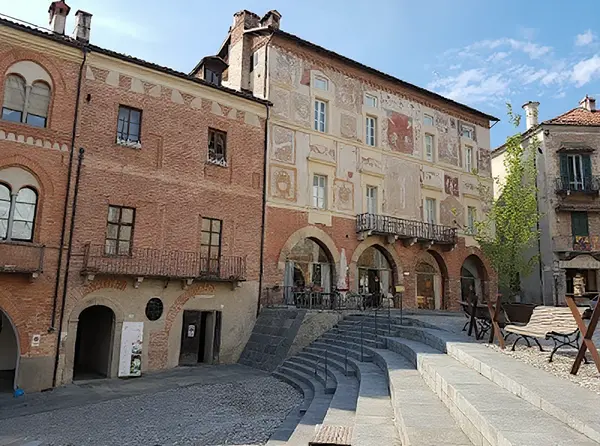
6. Museo della Ceramica di Mondovì
Explore centuries of Italian ceramics in a compact, well-curated museum. See ornate majolica, historic kilns, and contemporary pottery up close.
Quick facts: You'll find over 3,000 ceramic pieces that span techniques from tin-glazed maiolica to delicate Baroque figurines.
Highlights: Step into a recreated workshop corner where warm, earthy clay dust hangs in the air and the metallic tang of tin glaze seems almost audible as lamps pick out tiny brushstrokes. An installation of 150 painted tiles, each labeled with the artisan's name and glaze recipe, lets you trace pigments and patterns like a forensic map of color and technique.
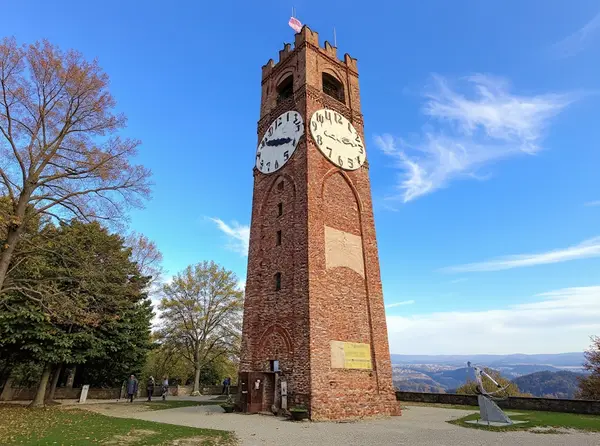
7. Belvedere di Mondovì (Panoramic viewpoint)
Panoramic viewpoint
Panoramic views over the Po plain and Alps from a high terrace above Mondovì. Watch golden-hour light sweep across villages and vineyards.
Quick facts: A compact funicular whisks visitors up a steep limestone slope, delivering a sweeping panorama that frames the Maritime Alps and the solitary profile of Monviso on clear days. Evening visits turn practical details into spectacle, as streetlights flick on and the air fills with espresso and toasted hazelnut aromas from nearby cafés, making the view feel cinematic and intimate.
Highlights: A 90-second funicular ride ends on a terrace where pine resin and stone dust mingle in the wind, creating a tactile soundtrack for photographers chasing golden-hour light. A quirky local ritual sees about 108 smooth pebbles arranged along the balustrade before sunset, the gentle clinking becoming a rhythm that people say improves the framing of panoramic shots.
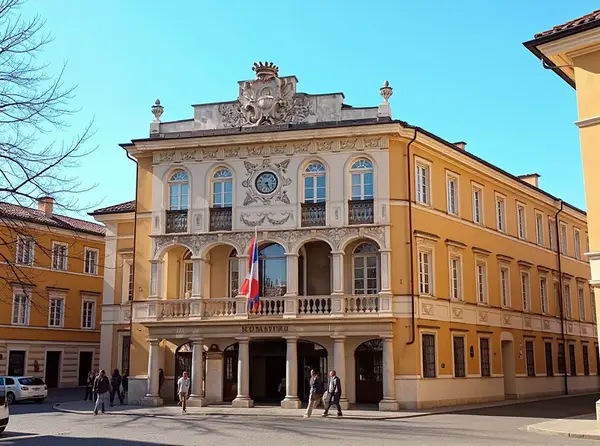
8. Palazzo Comunale di Mondovì (Town Hall)
Town Hall
Elegant civic palace steeped in centuries of local history. Explore frescoed council rooms, ornate façade details and a clock tower view over Mondovì.
Quick facts: A graceful marble staircase winds up to a frescoed council chamber, where afternoon light picks out gilded coats of arms and faded allegories. Beneath the main hall a tiny archive preserves handwritten municipal ledgers that creak when turned, and on official days you can smell beeswax from recently restored woodwork.
Highlights: Legend says a carved lion by the entrance hides a small brass medallion stamped "G.B. 1794," the initials of Giovanni Bianchi who secretly funded a major restoration. On summer evenings exactly 24 wooden chairs are set in the loggia while local school choirs rehearse, their voices bouncing off stone and mixing with the scent of rosemary from the window boxes.
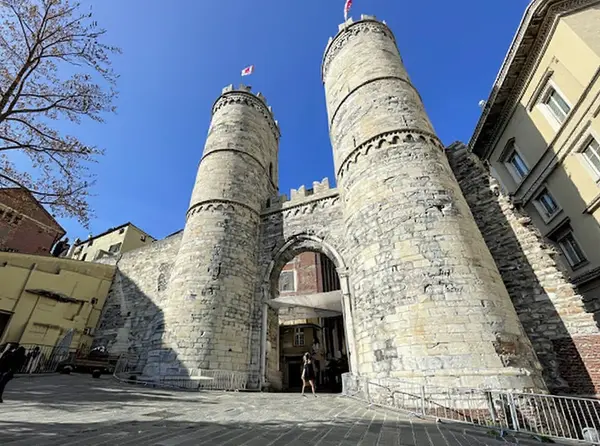
9. Porta Soprana (Historic city gate, Mondovì)
Historic city gate, Mondovì
Medieval gate offering a vivid window into Mondovì's past. Walk through weathered stone arches, climb the ramparts and capture sweeping city views.
Quick facts: Walkers pause beneath the twin stone towers, noticing grooves and tool marks that let you picture stonemasons working by torchlight. An elevated walkway between the towers gives a compact panorama over red-tiled roofs, and echoes of horse hooves still seem to answer on the cobbles at dusk.
Highlights: Climb one narrow spiral stair of about thirty-three worn steps to reach a tiny battlement, where arrow slits frame bursts of copper rooftop and the limestone smells faintly of centuries. Crouch near the inner arch to spot a single, weathered boar carved near the keystone, a mason's secret signature that locals point out with a grin during evening walks.
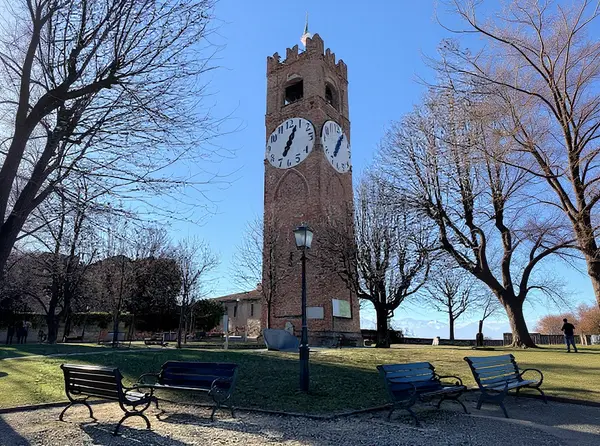
10. Giardini del Belvedere (Public gardens, Mondovì)
Public gardens, Mondovì
Sweeping terraces crown Mondovì with wide views of the town and the Alps. Stroll tree-lined paths, discover classical statues, and pause for golden-hour photos or a picnic.
Quick facts: Terraced gardens unfurl like a green ribbon, offering wide vistas and shady lanes that locals use for an evening passeggiata. More than 200 plane and chestnut trees punctuate the walkways, and spring flower beds spill purple irises and bright yellow marigolds that scent the air.
Highlights: A semicircular terrace holds 12 carved stone benches where photographers time the golden hour and birds punctuate the silence with quick silver wingbeats. Some evenings a quirky local habit appears: visitors tuck tiny hand-painted ceramic tiles into cracks of the low wall, and you can still spot dozens signed with surnames like Rossi and Bianchi among the lichen.
11. Museo della Stampa di Mondovì
Step inside a former monastery where the printed word shaped an entire region for centuries. You'll crank real presses by hand and leave with a warm, ink-scented print of your own.
Quick facts: A former 18th-century monastery now houses one of Italy's most complete collections of working printing machinery, with around 300 presses and tools on display. Visitors see 400 years of typography history compressed into a single building, from wooden hand presses to industrial-era rotary machines.
Highlights: During the daily live demonstrations, visitors can pull a 19th-century iron hand press themselves and walk away with their own freshly printed page still warm from the press. The staff are actual working printers who apprentice in the craft, so they can show you exactly why each lowercase letter lives in its own wooden compartment and how to spot a genuine misprint.
12. Teatro Sociale di Mondovì
Step into one of Europe's oldest working theaters and feel the drama before a single note plays. Watch lights flicker from restored oil lamps while scenery glides on 19th-century wooden machinery.
Quick facts: Around 600 seats curve around a horseshoe-shaped hall where even a whisper from the stage reaches the top balcony. Hand-cranked wooden winches still raise and lower scenery from below, a working system that survives in only a handful of theaters on the continent.
Highlights: Under the parterre, a hand-cranked wooden mechanism lifts the entire floor level with the stage, turning the stalls into a ballroom in under an hour. Nineteenth-century carnival balls once swirled across that same raised platform, so you can stand on a spot that doubled as both stage and dance floor.
Where to Stay in Mondovì, Italy
Selected by City Buddy based on guest reviews and proximity to top attractions
Search all hotels in Mondovì, ItalyPowered by agoda
Traditional Sweet Dishes
Baci di dama
The name means 'lady's kisses', and in Mondovì these tiny hazelnut cookies are pressed together with a chocolate center so they look like a secret embrace.
Torta di nocciole
Mondovì's torta di nocciole celebrates the region's famed Tonda Gentile hazelnuts, its toasted-nut aroma is so intense people often mistake it for pure chocolate.
Gianduiotto
Gianduiotto is a silky, boat-shaped chocolate made with local hazelnut paste, it was born during cocoa shortages and became Piedmont's most elegant sweet.
Traditional Savory Dishes
Agnolotti
Agnolotti from Mondovì are tiny folded pasta pockets traditionally stuffed with roasted meats and vegetable scraps, they were created to stretch a little meat into many festive portions.
Bagna cauda
Bagna cauda is a warm, garlicky anchovy dip served communally in Mondovì, it was invented as a peasant winter ritual meant to bring neighbors together around vegetables and bread.
Vitello tonnato
Vitello tonnato pairs chilled, silky veal with a creamy tuna-caper sauce, the contrast was a clever Piedmontese trick to turn simple roast veal into a celebrated summer dish.
Traditional Beverages
Barolo
Barolo from the hills near Mondovì is often called the king of wines for its powerful tannins and layered aromas of rose and tar, it matures for years to reveal remarkable depth.
Barbera
Barbera offers bright acidity and juicy cherry notes, in Mondovì winemakers often favor a fresh, fruit-forward style that matches perfectly with the region's hearty cuisine.
Vermouth
Vermouth was perfected in nearby Turin and became Piedmont's signature apéritif, in Mondovì it is commonly infused with local botanicals which add a bittersweet, aromatic lift to pre-dinner glasses.
Frequently Asked Questions about Mondovì, Italy
What is the best time to visit Mondovì, Italy?
Is Mondovì, Italy expensive to live in?
How do I get around Mondovì, Italy?
Is the tap water safe to drink in Mondovì, Italy?
How many tourists visit Mondovì, Italy each year?
Get a PDF with the most popular attractions sent to your email
Get a PDF with all attractions, ratings, and tips. Perfect for offline use.
Most popular day trips
Turin
Regional capital, museums, cafes, landmark Mole Antonelliana.
Cuneo
Historic town with markets, elegant squares, local cuisine.
Alba
Langhe wine region, truffle markets, rolling hills.
Savona (Ligurian coast)
Coastal town, beaches, maritime history and promenade.
Lake Orta
Picturesque lake, island village, peaceful scenery.
Rent a car in Mondovì, Italy
Getting there
Train stations
Regional lines to Turin, Savona, Cuneo
Regional connections to Turin, Ventimiglia and local services
National and high speed connections to Milan, Rome, Genoa
From Turin airport use SADEM or train to Turin city, then a regional train to Mondovì; or rent a car for flexibility.
Find flights to Mondovì, Italy
Click to get eSim for Mondovì, Italy
The easiest and most affordable way to get mobile internet wherever you travel.
Useful information for Mondovì, Italy
Overview for Mondovì, Italy
Most popular itineraries for Mondovì, Italy
Browse trip plans created by other travelers
Comments (9)
Saturday market is lively but packed, prices near the stalls go up for tourists. Weekday mornings are much calmer.
Carry small change, a few cafes are still cardless and the lone ATM charges a fee, so bring cash just in case.
Avoid restaurants on the main square for lunch, walk two blocks toward the old streets for fairer prices and better pasta.
Expected more nightlife, town felt sleepy after 9pm, not ideal if you want bars and late dinners.
Food felt honest Piedmontese cooking, amazing agnolotti and local wine, not flashy but thoroughly satisfying.