 CityBuddy
 English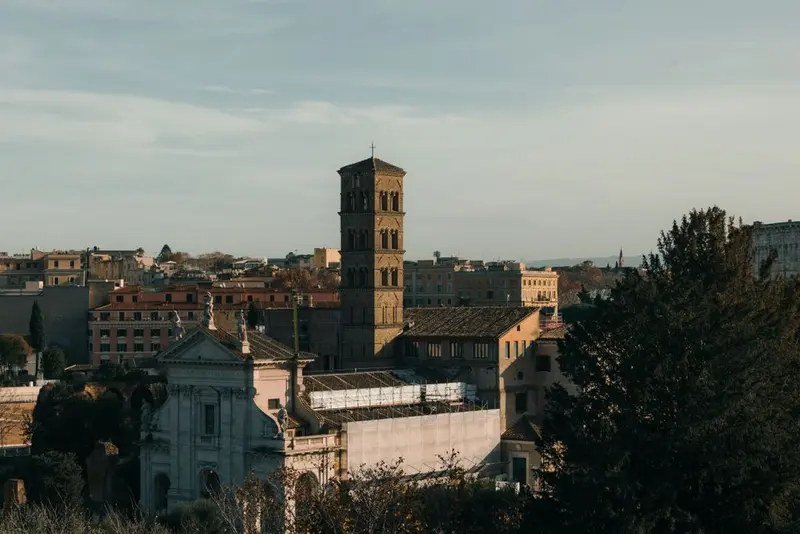
Things to Do in Rome, Italy
Photo made by Ludovic Delot on Pexels.com
When to visit
Rome is the #6 most walkable city in the world, based on our data across hundreds of destinations.
Most popular attractions in Rome, Italy
Exploring things to do in Rome, Italy means immersing yourself in history with visits to the Colosseum, where gladiators once fought, the vast Vatican Museums housing Renaissance art, and St. Peter's Basilica, boasting Michelangelo's dome. Each site invites you to walk through centuries of culture and architectural achievement within a few kilometers.
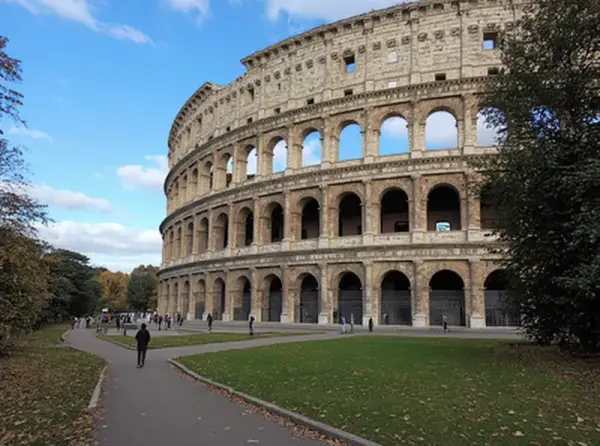
1. Colosseum
Stand inside Rome's ancient arena where gladiators battled and emperors watched. Climb the tiers for up-close ruins and sweeping views of the Roman Forum.
Quick facts: Imagine hearing the roar of tens of thousands of spectators as gladiators battled fiercely in an arena that could hold up to 50,000 people. The structure features an intricate system of underground tunnels and elevators, used to lift animals and fighters into the arena, making every event a dramatic spectacle.
Highlights: Imagine a giant amphitheater that could hold up to 80,000 spectators, with a complex system of trapdoors and elevators under the arena floor used to surprise audiences by making gladiators and wild animals suddenly appear. Romans filled it with a giant awning called the velarium, which sailors expertly controlled to provide shade to the crowd on hot days, adding an ancient maritime touch to the spectacle.
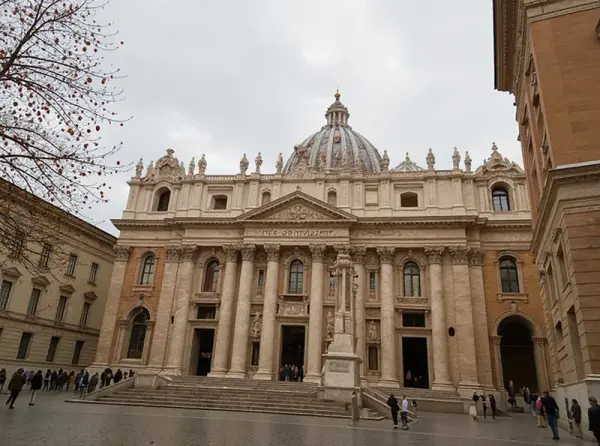
2. Vatican Museums
Home to the Sistine Chapel and vast papal collections, the Vatican Museums showcase centuries of art and history. Wander grand galleries and see Michelangelo's ceiling up close.
Quick facts: Visitors often find themselves mesmerized by the sheer scale of over 70,000 works of art displayed across vast gallery halls and intricate chapels. Among the highlights, the dazzling ceiling frescoes by Michelangelo in the Sistine Chapel draw millions, creating an awe-inspiring visual feast that blends divine imagery with human emotion.
Highlights: Beneath the gleaming ceilings and countless artwork, you can find the world's oldest continuous map gallery, where a series of 40 detailed frescoed maps from the 16th century capture the Italian landscapes with incredible precision. Every year, an ancient tradition sees the museum dim its lights and silence its halls exactly at midnight, celebrating the anniversary of its opening with a surreal, tranquil atmosphere rarely experienced in such a busy cultural hub.
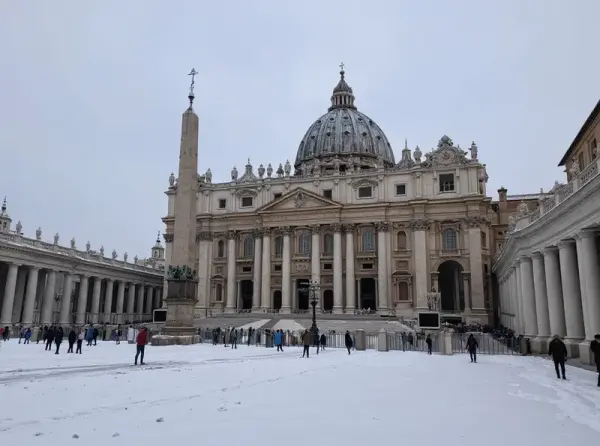
3. St. Peter's Basilica
A monumental Renaissance cathedral brimming with masterful art and grand architecture. Admire Michelangelo's Pietà, Bernini's baldachin, and climb the dome for sweeping Rome views.
Quick facts: Stepping inside, visitors are overwhelmed by the sheer scale and intricate artistry that seem to touch the heavens. The immense dome, which has a breathtaking view of the city, was engineered with such precision that its shadow perfectly marks the day and hour on the basilica's floor.
Highlights: Michelangelo designed the massive dome, which stands nearly 136 meters tall, and the acoustics inside are so precise that a single whisper by the altar can be heard across the vast nave. Beneath the basilica lies the necropolis where St. Peter is believed to be buried, and you can actually see ancient Roman tombs just a few meters below your feet, a striking contrast to the Renaissance art above.
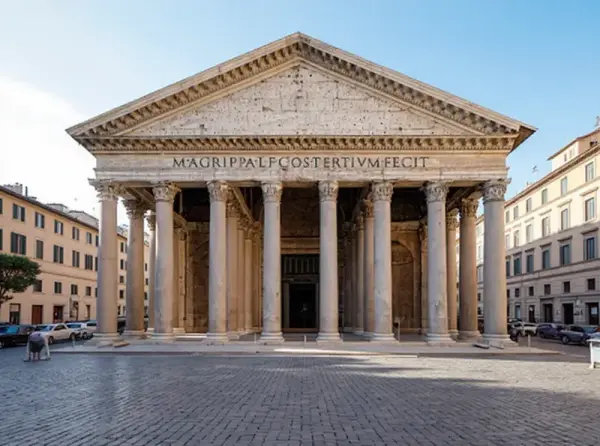
4. Pantheon
One of Rome's best-preserved ancient monuments, famed for its massive dome and central oculus. Stand beneath the oculus and admire marble floors, towering columns, and layered history.
Quick facts: Step inside and look up to see a massive dome with a perfect circular opening that allows sunlight and rain to stream in, creating a mesmerizing play of light and shadow. The dome's thickness varies, showcasing ancient engineering genius with materials carefully chosen to keep it both sturdy and light; feeling the cool marble underfoot adds to the awe of standing in such a timeless space.
Highlights: The giant oculus at the dome's center is exactly 27 feet wide, acting like a natural spotlight that chills to see during rain showers as water streams in gracefully. Also, the interior floor subtly slopes to drain water away, a clever ancient trick that kept the place wonderfully dry despite the open skylight.
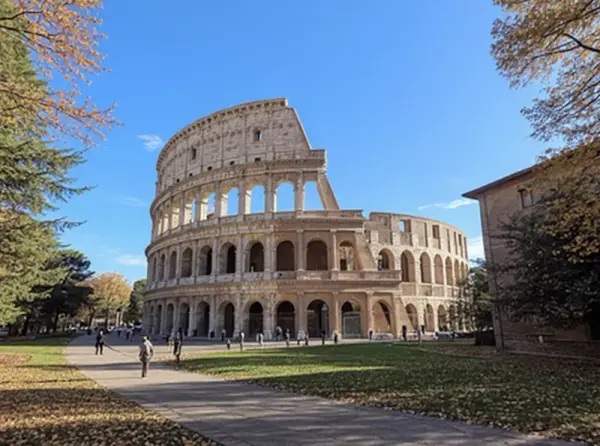
5. Roman Forum
Stand where Roman senators and emperors once debated power. Walk temple-lined streets, see ruined columns and sweeping views toward the Colosseum.
Quick facts: Ancient ruins buzz with stories of political intrigue and social drama as you walk through open-air temples and market places once central to Roman public life. The air carries whispers of orators and emperors, making each stone a silent witness to the empire's rise and fall.
Highlights: Imagine walking where Julius Caesar once strode, surrounded by ruins over 2,000 years old, including the Curia Julia where senators debated laws; you can almost hear whispers of ancient politics in the air. The site was once a bustling marketplace and center of daily Roman life, where over 50 temples, basilicas, and public spaces stood, each engraved with stories carved in stone and echoes of roaring crowds during grand events.
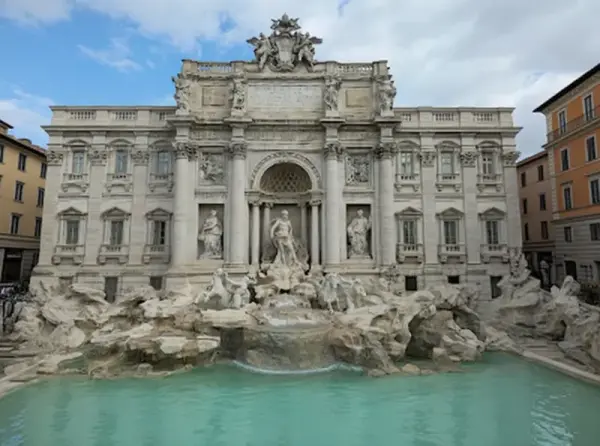
6. Trevi Fountain
Baroque spectacle of marble and water worth visiting. Toss a coin, admire sculpted detail, and soak up lively Roman atmosphere.
Quick facts: Legend says tossing a coin into the fountain ensures a return visit to Rome, making it a magnet for thousands daily who eagerly participate in the ritual. The water in the basin creates a mesmerizing, soothing sound that adds to the enchanting atmosphere of the square, captivating visitors with its charm and splendor.
Highlights: People toss exactly 3 coins with their right hand over their left shoulder into the water to ensure a return visit; this custom results in over 3,000 euros collected daily, which supports a charity for Rome's needy. The central figure is Oceanus, sculpted with intricate details including horses symbolizing the moods of the sea, making the entire fountain a dramatic oceanic stage carved in white travertine stone.
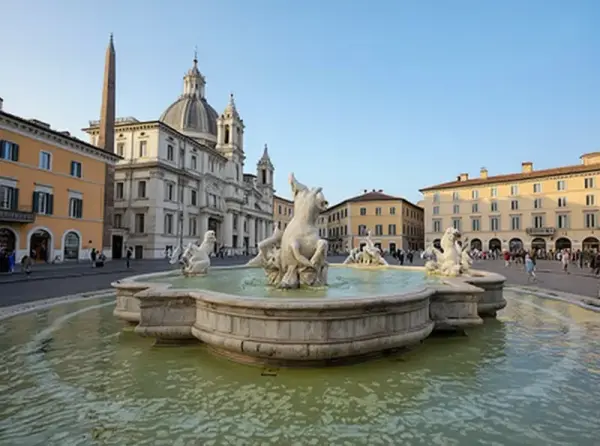
7. Piazza Navona
Baroque splendor in a lively open-air piazza, with grand fountains and ornate palaces. Stroll, people-watch, and photograph Bernini's Fountain of the Four Rivers.
Quick facts: Imagine an open-air canvas where baroque art flows like water in the shape of an ancient Roman stadium's oval. The lively ambiance thrives with street artists and cafes, making the square not just a feast for the eyes but also for the soul.
Highlights: The square was built on the ruins of an ancient Roman stadium and still holds the exact elliptical shape of the original arena where chariot races were once held. The Fountain of the Four Rivers, crafted by Bernini in 1651, features river gods representing four continents, with a startlingly realistic lion that seemed so lifelike it reportedly spooked locals when it was unveiled.
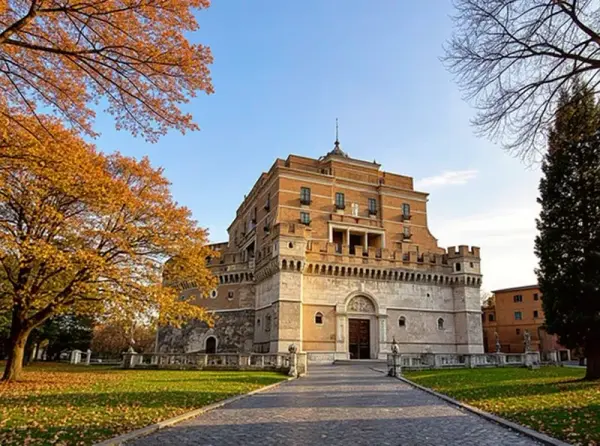
8. Castel Sant'Angelo
A towering blend of Roman fortress and papal palace, layered with centuries of dramatic history. Climb ramparts and terraces for close-up angel statues and sweeping views of the Tiber and St. Peter's.
Quick facts: Echoes of ancient whispers fill the air as you explore the towering cylindrical fortress, once a mausoleum and now a museum with panoramic views that simply take your breath away. Secret passages and towering ramparts reveal centuries of history, blending military might with awe-inspiring artistry in a way you don't expect from a single structure.
Highlights: An ancient Roman mausoleum transformed into a fortress houses a secret passageway called the Passetto di Borgo, which popes used as an escape route during sieges, stretching nearly 800 meters to the Vatican. The massive cylindrical structure also features a striking statue of the archangel Michael, erected after a legendary apparition during a plague in 590 AD, which locals say brings a feeling of divine protection.
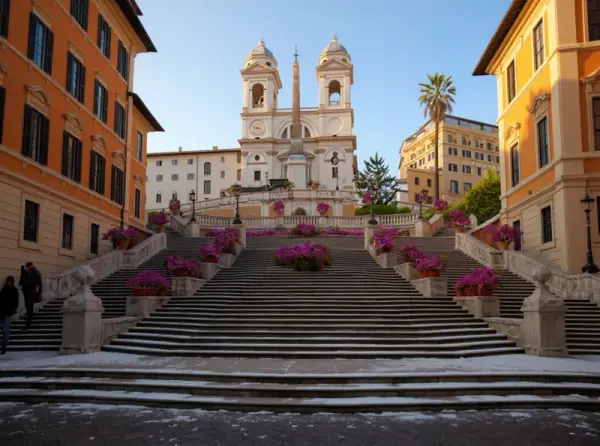
9. Spanish Steps
Elegant Baroque stairway with sweeping views over Rome. Sit, people-watch, and climb to Trinità dei Monti for great photos.
Quick facts: Stepping up these sweeping staircases offers a stunning panoramic view of the bustling piazza below and the church sitting gracefully at the top. Legendary artists and poets have found inspiration here, turning this spot into a lively meeting place full of culture and charm.
Highlights: Legend says that every April, about twelve thousand azaleas are planted on the steps, transforming the area into a vibrant tapestry of pinks and whites for two weeks. Built in 1723 with exactly 135 steps, the staircase was a bold architectural solution to connect two different levels of the city, giving you a stunning panoramic view as you climb.
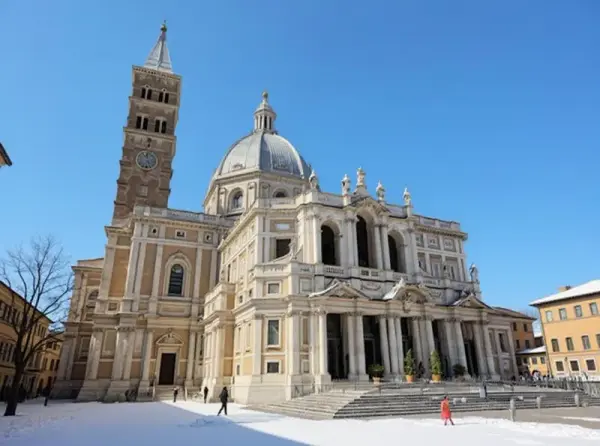
10. Basilica di Santa Maria Maggiore
A glittering papal basilica famed for 5th-century mosaics and a gold-adorned nave. Walk beneath ancient mosaics, Bernini sculptures, and a soaring coffered ceiling.
Quick facts: Golden mosaics glimmer under the high ceilings, narrating biblical stories with astonishing detail that captivates every visitor. A rare outdoor bell tower adds a charming touch, providing a peaceful contrast to the vibrant interior filled with centuries of art and history.
Highlights: Under the golden ceiling adorned with 5,000 pounds of pure gold donated by Ferdinand I of Spain in 1587, an ancient mosaic from the 5th century decorates the nave, narrating biblical scenes with incredible detail and vibrant colors. Each August, a unique tradition takes place where white petals are showered down from the ceiling to celebrate the miraculous snowfall that inspired the basilica's founding.
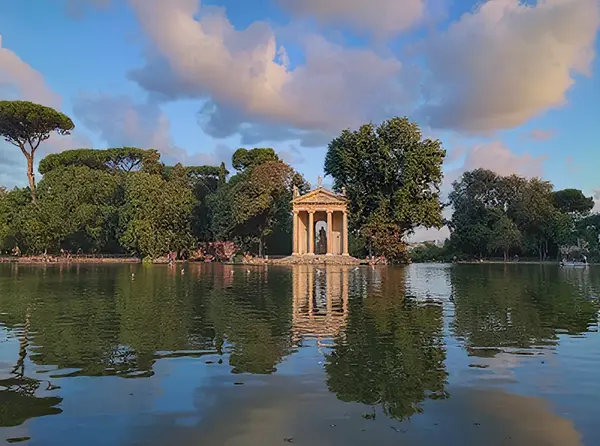
11. Villa Borghese Gardens
One of Rome's grandest parks, where art-filled villas meet sweeping city views. Stroll shaded paths, rent a bike, row on the lake and see the Borghese Gallery.
Quick facts: Winding paths cross roughly 80 hectares of lawns, shady pines and ornamental ponds where locals picnic and students study. Hidden among the trees you'll find classical temples, baroque fountains and a small lake where rowboats glide beneath a marble temple, while a zoo and an open-air theater add surprising variety.
Highlights: At the heart, a tiny marble temple to Aesculapius perches on a man-made island, rowboats circle so closely that oars splash against the stone steps and reflections tremble in the water. Art lovers often plan visits around the late-afternoon light, around 5pm, when Bernini's and Canova's sculptures catch warm rays through the pines and carved faces seem to change expression.
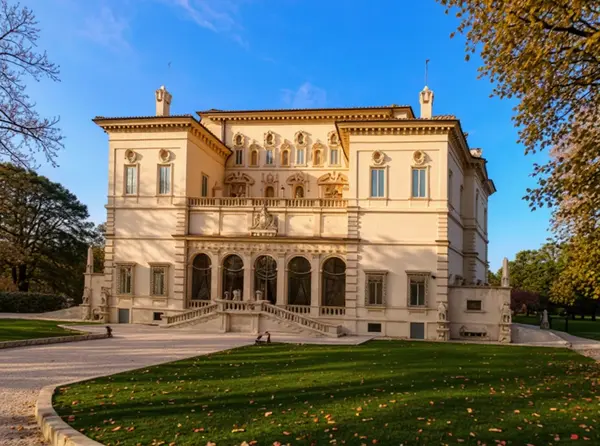
12. Borghese Gallery
Unrivaled Baroque sculpture and dramatic Caravaggios in a cozy villa. Walk curated rooms and a terraced garden with Bernini's expressive marbles.
Quick facts: Rooms are surprisingly compact, so sculptures and canvases often sit just a few paces apart, which makes comparing Bernini's theatrical marble to Caravaggio's moody chiaroscuro almost unavoidable. A once-private collection arranged like an opulent home means you'll pass from intimate portrait-filled salons into show-stopping sculpture rooms without the vast, echoing spaces of larger museums.
Highlights: Bernini's Apollo and Daphne locks a single moment of metamorphosis, with hair, fingers and laurel leaves carved so delicately you can almost feel the difference between skin and bark under the light. Cardinal Scipione Borghese personally assembled many of the pieces, and the original salon-style layout still lets visitors stand within roughly two metres of masterpieces, so you can study tool marks and brushwork up close.
What to pre-book in Rome
These sell out or need a reservation. Book them first, in this order.
- 1.ColosseumBook 4 weeks aheadWeeks ahead in summer, days in shoulder season Skip-the-line tickets
- 2.Vatican MuseumsBook 4 weeks ahead2-4 weeks in advance in summer Skip-the-line tickets
- 3.Borghese GalleryBook 4 weeks aheadWeeks ahead in high season, they sell out Skip-the-line tickets
- 4.Palatine HillBook 7 days aheadUp to a week ahead in summer Skip-the-line tickets
- 5.Palazzo BarberiniBook 5 days aheadA few days ahead in high season Skip-the-line tickets
Where to Stay in Rome, Italy
Selected by City Buddy based on guest reviews and proximity to top attractions
Search all hotels in Rome, ItalyPowered by agoda
Opening days in Rome, Italy
Which of the top sights close on which day of the week — the classic trip-ruiner, checked for you.
Monday: 5 of 25 top sights closed — plan museums for another day.
Closed on Monday · 5 closed, 20 open
Opening days from Google Maps (checked 2026-09-24). Public holidays, strikes and seasonal hours can differ — check the official website before you go.
Traditional Sweet Dishes

Tiramisu
Tiramisu is a beloved Roman cafe treat, its name means "pick-me-up" and the combination of espresso-soaked ladyfingers and mascarpone makes it feel like a luxurious coffee in dessert form.

Gelato
Gelato in Rome is denser and creamier than typical ice cream, artisans often churn it slower to reduce air, and many Roman gelaterie showcase daily flavors made with local, seasonal ingredients.

Cannoli
In Rome, cannoli are often filled to order so the shell stays crisp, and the sight of the gooey ricotta filling stretching when you bite one is part of the fun.
Traditional Savory Dishes

Carbonara
Carbonara in Rome is famously simple but exacting, made with guanciale, pecorino romano, eggs and black pepper, and Roman chefs insist there is no cream in an authentic version.
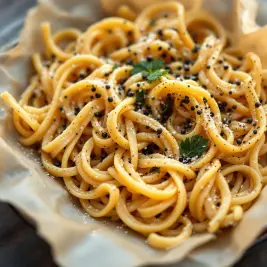
Cacio e Pepe
Cacio e Pepe is Rome in a bowl, two ingredients—Pecorino Romano and black pepper—transformed with hot pasta water into a silky sauce that proves simplicity can be sublime.
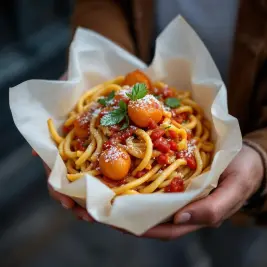
Supplì
Supplì are the archetypal Roman street snack, rice balls with ragù and melted mozzarella at the center, and they are nicknamed "supplì al telefono" because the cheesy pull looks like a telephone wire.
Traditional Beverages

Espresso
Espresso in Rome is a ritual as much as a drink, served quickly at the bar, its signature crema is a result of high-pressure extraction and it is often enjoyed standing up between errands.

Limoncello
Limoncello in Rome is usually served ice-cold in tiny glasses, its bright lemon zest infusion comes from a centuries-old southern tradition, and a homemade batch can taste wildly different from commercial versions.

Aperol Spritz
Aperol Spritz is the colorful symbol of the aperitivo hour across Rome, a low-alcohol mix of Aperol, prosecco and soda that makes pre-dinner socializing feel festive and effortless.
Know before you go
What a day costs in Rome, and the rip-offs to avoid
Top rip-offs to avoid
- Roses and friendship bracelets. Do not make eye contact, do not take the item, and keep walking. A firm no usually ends it.
- Pickpocketing in crowds. Keep bags zipped and in front of you. Do not keep wallets or phones in back pockets. Stay alert when pushed or crowded.
- Unofficial airport drivers. Use only licensed white taxis with a meter from the official rank. Agree on the fixed fare or ask to see the meter before departing.
Fair taxi from the airport: €50 - €55
Cheaper option: Leonardo Express train to Roma Termini (€14)
All scams, fair prices and rulesFrequently Asked Questions about Rome, Italy
Is Rome, Italy safe for tourists?
How many days should I spend in Rome, Italy?
What is the best time to visit Rome, Italy?
Is Rome, Italy expensive to visit?
How to get around Rome, Italy?
Get a PDF with the most popular attractions sent to your email
Get a PDF with all attractions, ratings, and tips. Perfect for offline use.
Most popular day trips
Tivoli
Famous for Villa d'Este and Villa Adriana, beautiful gardens and ancient ruins.
Orvieto
Medieval hill town known for its cathedral and underground caves.
Florence
Renowned for Renaissance art, architecture, and museums.
Naples
Historic city near Mount Vesuvius, famous for pizza and archaeology.
Getting there
Train stations
High-speed trains to Florence, Naples, Milan, Venice
High-speed and regional trains
Regional trains and connection to airport
Useful information for Rome, Italy
Overview for Rome, Italy
Compare Rome with other destinations
Prices, safety, weather and top attractions side by side, with a verdict for every kind of traveler.
Want a day-by-day plan for Rome, Italy? Open the trip planner
Plan your perfect trip to Rome, Italy
Get a complete travel plan built just for you in under 30 seconds, with daily routes, local food tips, budget estimates and more.
Are any of these especially important to you?
Select all that apply
Getting around
How do you want to move between places?
Plan language: EnglishMost popular itineraries for Rome, Italy
Browse trip plans created by other travelers
3-Day Relaxed Rome for Culture and Food Enthusiasts
A comfortable-paced 3-day summer itinerary in Rome blending history, culture, iconic landmarks, leisure walks, and authentic culinary experiences.
3-Day Rome Foodie Adventure in Spring
Dive into Rome's culinary scene with a perfect blend of markets, street foods, cooking classes, and iconic sights. Experience the tastes and flavors of authentic Roman cuisine every day.
5-Day Rome in Autumn: Ancient Wonders & Timeless Charm
Five unforgettable days exploring Rome's ancient marvels, Vatican treasures, baroque squares, and timeless neighborhoods this autumn.
4-Day Roman Summer: Ancient Wonders & La Dolce Vita
From the Colosseum to hidden trattorias, this 4-day summer itinerary takes you through ancient history, Renaissance art, Roman cuisine, and tranquil parks under the warm Italian sun.
4-Day Rome: Hidden Gems & Ancient Wonders for Culture Lovers on a Budget
Explore Rome's ancient marvels, off-the-beaten-path treasures, and authentic local flavors without breaking the bank on this curated autumn adventure.
14-Day Authentic Italy Explorer with Family
Explore Italy's hidden gems and iconic sites over 14 engaging days. Enjoy family-friendly adventures, budget tips, local flavors, and offbeat paths across Rome, Tivoli, Tropea, Cleto, and Marina di Camerota.
14-Day Autumn Italy Adventure for Families and Explorers
Discover Italy's authentic side with family-friendly parks, local markets, hidden gems, and interactive museums. Explore Rome, Tivoli, Tropea, Marina di Camerota through a budget-conscious and off-the-beaten-path lens.
3-Day Active Nature Escape in Rome
Immerse yourself in Rome's stunning outdoor gems and active pursuits this spring. Hike ancient trails, bike lush parks, kayak the Tiber, and savor scenic views with plenty of fresh air and natural beauty.
5-Day Rome for Culture and History Enthusiasts
Dive deep into Rome's rich history, art, and culture with this comprehensive 5-day itinerary perfect for enthusiasts eager to explore museums, ancient sites, and architectural gems.