 CityBuddy
 English
Things to Do in Villanova Mondovì, Italy
Photo made by Moussa Idrissi on Pexels.com
When to visit
Plan your perfect trip to Villanova Mondovì, Italy
Get a complete travel plan built just for you in under 30 seconds, with daily routes, local food tips, budget estimates and more.
Are any of these especially important to you?
Select all that apply
Getting around
How do you want to move between places?
Plan language: EnglishMost popular attractions in Villanova Mondovì, Italy
Things to do in Villanova Mondovì, Italy include exploring Piazza Maggiore, where local life buzzes around charming cafes. Take a ride on the Funicolare di Mondovì, a funicular railway offering panoramic views. Visit the Duomo di Mondovì, a magnificent cathedral with stunning architecture, and stroll through Breo, the historic lower quarter filled with medieval streets.
1. Piazza Maggiore (Mondovì)
Mondovì
Baroque piazza in Villanova Mondovì, alive with arcades and local cafés. Stroll beneath porticoes, browse market stalls, and relax at a café.
Quick facts: Broad stone porticoes hum with the clatter of cafés and local chatter, while elegant arcades and a baroque façade glow in late-afternoon light. Evenings often bring live folk music and open-air markets, where the scent of baking focaccia mingles with a cool mountain breeze.
Highlights: At golden hour the square's uneven cobbles glow like toasted chestnuts and vendors string up about 20 meters of paper lanterns, while neighbors share plates of tajarin and robiola cheese and the air fills with espresso and wood smoke. Each summer a quirky tradition draws roughly 300 locals who roll a hand-painted wooden barrel down the central slope, cheering as it clatters past the old 17th-century well, with the winner earning bragging rights and a warm plate of focaccia.
2. Funicolare di Mondovì (Mondovì Funicular)
Mondovì Funicular
Scenic funicular links Villanova and historic Mondovì with dramatic hilltop views. A short glass-fronted ascent delivers photo-ready panoramas and easy access to cobbled streets and cafés.
Quick facts: A short, scenic cable ride links the lower and upper quarters, packing steep panoramas and charming medieval streets into just a few minutes. Riders notice the gentle clack of rails and windows framing the valley below, making the ascent feel like a tiny theatrical journey through light and stone.
Highlights: An elderly conductor in a flat cap still punches paper tickets by hand and rings a battered brass bell at exactly 07:05 each morning, a ritual locals insist chases away bad weather. Passengers lean against varnished wooden seats and watch the town unfold beneath them in a slow cinematic climb: red roofs, a church spire, and the metallic tang of the carriage as the cable hums underfoot.
3. Duomo di Mondovì (Cattedrale di San Donato)
Cattedrale di San Donato
Elegant Piedmont cathedral with graceful Baroque details in Villanova Mondovì. Step inside to see frescoed ceilings, a luminous nave and peaceful worship.
Quick facts: Step inside and you'll find a soaring nave and painted ceiling that pull your eyes toward vivid frescoes, while afternoon light filters through stained glass in a warm honeyed glow. Local guides point out a rare set of Baroque altarpieces and a bell tower whose clear, almost orchestral chimes surprise visitors during village festivals.
Highlights: Climb the narrow stone staircase and you might find a tiny chapel where the air smells of warmed beeswax and cedar, while a 17th-century fresco tucked above the altar reveals bright lapis blues if you squint up close. A whispered tradition keeps the five bronze bells rung slowly on certain feast days, the deliberate, low toll stretching for about 90 seconds so the sound seems to pool in the cobbled square outside.
4. Torre Civica di Mondovì (Civic Tower)
Civic Tower
Historic civic tower with panoramic views over Mondovì and the surrounding Piedmont hills. Climb narrow steps to a small deck, view the clockworks and town rooftops.
Quick facts: Climbing the narrow spiral staircase rewards you with a close-up of intricate wooden-and-brass clockwork, whose gears still tick and can be heard through the tower’s stone walls. Listen as a ring of bronze bells, each tuned to different notes, peals across the streets on the quarter hour, turning a simple chime into a surprisingly musical local signature.
Highlights: Climbing the narrow spiral staircase up the tower reveals a 19th-century clockwork, brass wheels and iron cogs glinting in the dim, while the pendulum thumps like a slow, metallic heartbeat you can feel in your chest. Local lore says that on the eve of the town's patron saint people whisper a name into the bell rope and tug three times for luck, the rough hemp smelling faintly of smoke and lemon oil as laughter drifts across the piazza.
5. Breo (historic lower quarter of Mondovì)
historic lower quarter of Mondovì
Medieval Breo charms with narrow cobbled lanes, frescoed palaces and lively arcades. Wander small cafes, artisan shops and photograph colourful facades against Alpine light.
Quick facts: Wander down sun-warmed, cobbled alleys and you'll hear lively chatter spilling from tiny cafés tucked beneath medieval arcades, the smell of espresso blending with bread from corner bakeries. Locals will tell you there are more than a dozen hidden stairways and rooftop viewpoints that reward patient explorers with surprise panoramas and quiet benches where time slows.
Highlights: At dusk the narrow cobbled lanes fill with the scent of espresso and roasting chestnuts as vendors under the low arcades arrange stacks of faded postcards and brass keys, the warm lamplight making frescoed walls seem to glow. On misty mornings three church bells answer one another in uneven rhythms, and neighbors lift small wooden shutters to hand over steaming cups of cocoa while murmuring century-old stories in the local dialect.
6. Villanova Mondovì (historic centre)
historic centre
Medieval hilltop centre with cobbled lanes and alpine views. Walk winding streets, visit a centuries-old church, and enjoy local cafés.
Quick facts: Wandering the narrow, cobbled alleys feels like stepping into a living postcard, where bright shutters and tiny artisan workshops open onto sudden panoramic views of sunlit valleys. You can overhear friendly neighbors trading recipes while local cafés pour espresso for under two euros, and weekend markets still burst with chestnuts, cured hams, and handcrafted ceramics.
Highlights: Wander the narrow cobbled lanes and you'll notice tiny brass plaques on dozens of doorways bearing family names from the 1600s, and at dusk the quarter fills with the warm smell of wood-fired focaccia, rosemary and olive oil from three family-run bakeries. Every late-September evening a low-key procession still carries a carved wooden chest through the main street while neighbours clap in time, a quirky tradition locals say began as a centuries-old ritual to bless stored grain after floods.
7. Belvedere di Mondovì (Panoramic viewpoint)
Panoramic viewpoint
Panoramic Alpine views and a glimpse of the Ligurian sea reward the short climb. Walk the terrace for layered mountains, colorful sunsets and instant photo opportunities.
Quick facts: From the elevated viewpoint you can drink in a patchwork of vineyards and medieval rooftops, and on clear days the distant Alps carve the skyline with startling clarity. Evenings glow with golden light that warms the stone and fills the air with cicadas and the soft murmur of nearby villages, turning the panorama into an almost cinematic scene.
Highlights: At golden hour the viewpoint offers an almost theatrical 360-degree panorama where the jagged line of the Alps meets terraced vineyards, and a warm breeze sometimes carries the scent of baking polenta from nearby kitchens. Local guides point out a tiny 1888 brass bell on the balustrade that villagers still ring to celebrate the first truly clear day of spring, its bright tone cutting across the valley for about three seconds.
8. Chiesa Parrocchiale di Villanova Mondovì (Parish Church)
Parish Church
Elegant Baroque parish church with calm, richly decorated interiors. Wander the frescoed nave and admire the façade from the square.
Quick facts: Visitors often pause beneath the vaulted ceiling to admire a surprising mix of Baroque frescoes and restrained Neoclassical lines, sunlight from high windows scattering over gilded altars. Local organ concerts fill the nave with warm, resonant pipes, and during festivals the space swells with voices in a tradition locals count among their proudest cultural treasures.
Highlights: Peek behind the marble altar and you'll find a tiny carved chest where parishioners have slipped handwritten intentions for over 130 years, the paper edges softened by candle smoke and the scent of beeswax. During the September patron feast an old bell tolls exactly 33 times at dawn while local families pass around trays of 50 salted focaccine to share, a quirky ritual said to bless the year's harvest.
9. Museo della Ceramica di Mondovì
Discover centuries of Piedmont ceramic art up close. Explore colorful earthenware, decorated tiles, and live workshop demonstrations.
Quick facts: Step inside and you’ll encounter a dazzling range of glazes and hand-painted motifs, from luminous majolica plates to sturdy earthenware that showcase meticulous regional techniques. Unexpected details pop up everywhere, like repaired handles, maker's marks, and playful folk designs that reveal everyday lives and tastes as vividly as a written record.
Highlights: Peek behind the glass and you'll find a cabinet of 2,400 hand-painted maiolica tiles, each stamped with a tiny red dot and the initials 'G.C.' to mark a master's final brushstroke, a secret sign restorers still use. Every spring curator Marta pours exactly 1.5 liters of honey-colored glaze into an oak mold while volunteers ring a small brass bell, a quirky blessing said to keep the terra di sole pigments vivid for another century.
Where to Stay in Villanova Mondovì, Italy
Selected by City Buddy based on guest reviews and proximity to top attractions
Search all hotels in Villanova Mondovì, ItalyPowered by agoda
Traditional Sweet Dishes

Gianduiotto
Gianduiotto from Villanova Mondovì showcases Piedmont's prized Tonda Gentile hazelnuts blended into chocolate, giving a silky toasted flavor, and its iconic foil-wrapped ingot shape was invented to turn scarce cocoa into an elegant treat.
Bunet
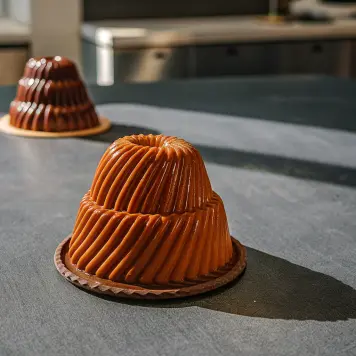
Bunet is a silky caramel and cocoa custard flavored with amaretti and a splash of rum, its name means little hat in Piedmontese because it is unmolded to reveal a domed shape.
Amaretti
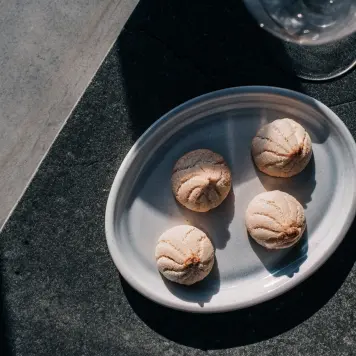
Villanova Mondovì's amaretti are traditionally made with ground apricot kernels for a bittersweet almond flavor, and their chewy, fragrant texture was prized enough to travel from village bakeries to noble tables.
Traditional Savory Dishes
Agnolotti
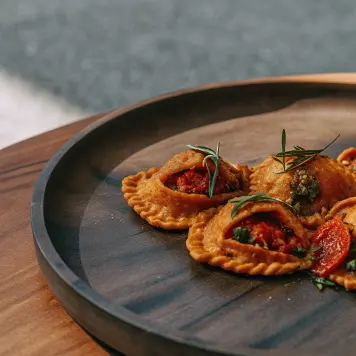
Agnolotti are tiny folded pasta parcels filled with braised meats and roasted vegetables, their clever shape was developed to stretch a rich filling into many festive portions.

Bagna cauda
Bagna cauda is a communal warm dip of anchovies, garlic and olive oil eaten with raw and roasted vegetables, it began as a peasant winter staple that turned preserved ingredients into a convivial feast.
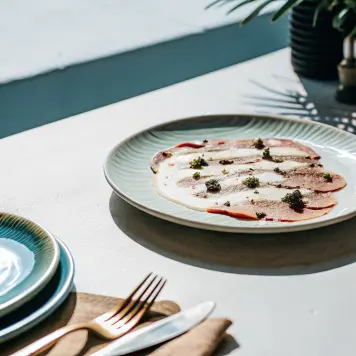
Vitello tonnato
Vitello tonnato pairs paper-thin slices of cold veal with a silky tuna, caper and anchovy mayonnaise, this surprising meat and fish alliance became a Piedmontese signature at summer tables.
Traditional Beverages
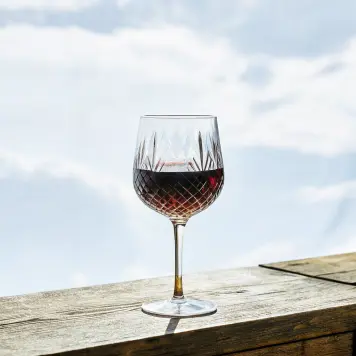
Barolo
Barolo from the nearby Langhe hills is made from nebbiolo grapes that develop roses, tar and cherry aromas after long aging, and its powerful structure earned it a reputation as the wine of kings.
Barbera
Barbera offers bright acidity, juicy plum and cherry notes, and its food-friendly lift is the reason it is a daily favorite at Villanova Mondovì tables.
Frequently Asked Questions about Villanova Mondovì, Italy
What is the best time to visit Villanova Mondovì, Italy?
Is Villanova Mondovì, Italy expensive for travelers?
How safe is the tap water in Villanova Mondovì, Italy?
How do I get around Villanova Mondovì, Italy?
How many tourists visit Villanova Mondovì, Italy each year?
Get a PDF with the most popular attractions sent to your email
Get a PDF with all attractions, ratings, and tips. Perfect for offline use.
Most popular day trips
Mondovì (center)
Historic hill town with a medieval old town and funicular.
Cuneo
Regional hub with markets, baroque buildings and local cuisine.
Alba (Langhe)
Famous truffle town and wine route (Barolo, Barbaresco nearby).
Turin
Large city with museums, cafés, royal palaces and shopping.
Genoa
Historic port city with aquarium, old town and maritime sights.
Rent a car in Villanova Mondovì, Italy
Getting there
Airports
Train stations
Regional lines to Turin, Savona and Cuneo
Regional and intercity connections; access to Nice and Piedmont towns
From Turin Airport take train to Torino Porta Susa, then regional train to Mondovì; taxis from Mondovì station.
Find flights to Villanova Mondovì, Italy
Click to get eSim for Villanova Mondovì, Italy
The easiest and most affordable way to get mobile internet wherever you travel.
Useful information for Villanova Mondovì, Italy
Overview for Villanova Mondovì, Italy
Most popular itineraries for Villanova Mondovì, Italy
Browse trip plans created by other travelers
Comments (4)
Small town charm, amazing little cafes and a slow pace. July was hotter than I expected, two nights felt perfect.
A bit disappointed, felt sleepy and a tad pricey for sights. Good as a one-night stop on a longer trip, not a destination.
Nice hilltop views and quiet squares, not much nightlife though. Great for 2 relaxed days if you like wandering.
Loved the local food, especially the fresh pasta and focaccia, but sidewalks are tiny and streets get packed by noon.