 CityBuddy
 English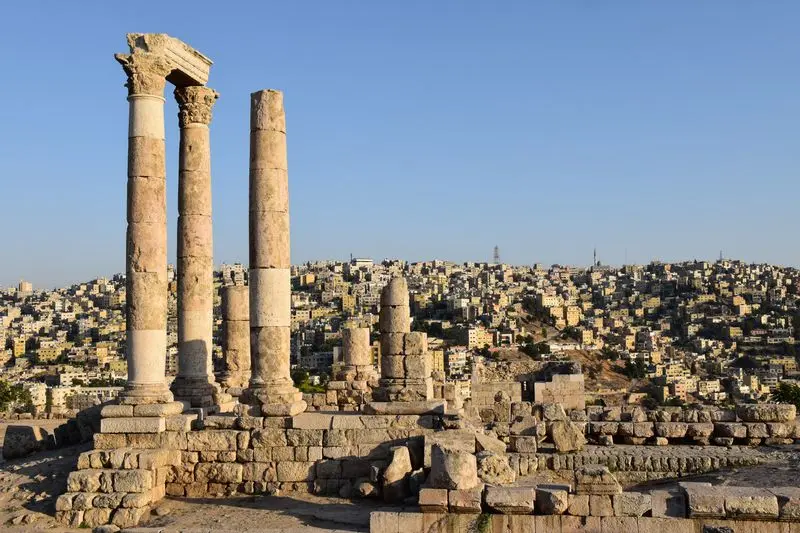
Things to Do in Amman, Jordan
Photo made by AXP Photography on Pexels.com
When to visit
Most popular attractions in Amman, Jordan
Are you thinking about the best things to do in Amman, Jordan? Start your exploration at Citadel Hill, where the Temple of Hercules, over 1,800 years old, rises on the hilltop. Then walk down to the 6,000-seat Roman Theater, carved directly into the rock. The Jordan Museum, meanwhile, showcases the country's rich history with the Dead Sea Scrolls.
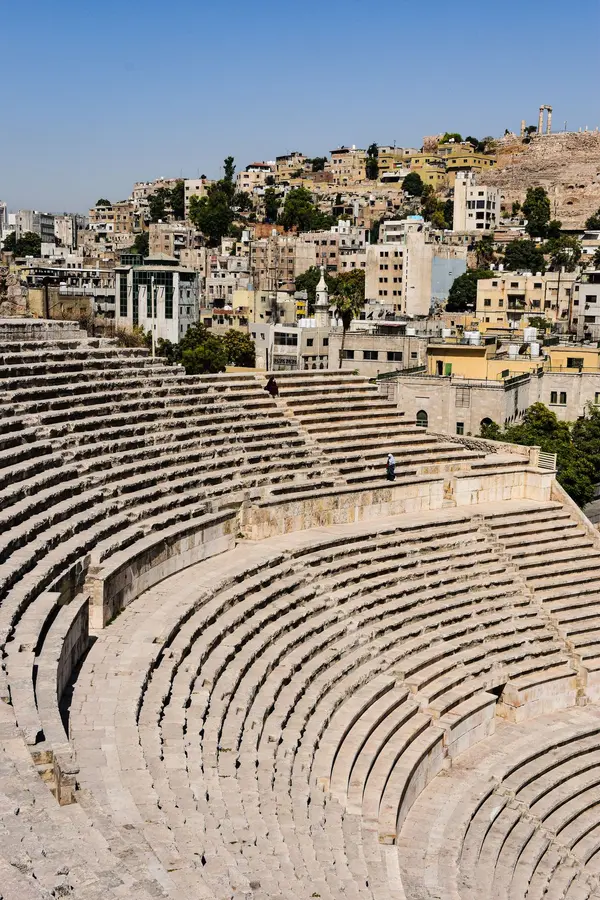
1. Roman Theater
You can sit on the same stone steps where Romans watched performances 1,800 years ago. As you climb, you take in a breathtaking panoramic view over Amman.
Quick facts: The theater carved into a rolling hillside once accommodated 6,000 spectators, and its acoustics are still so precise that a whisper on stage can be heard all the way in the top row. During construction, natural rock was utilized for shaping the stairs and seating, making it a technical marvel of its time.
Highlights: From the top row of the theater, there is a direct view of Amman's old city and hundreds of hills, and the landscape is exactly the same as it was for Roman spectators 1,800 years ago. In summer evenings, concerts and performances are still held there, so you can experience the acoustics and atmosphere just like an ancient theatergoer.
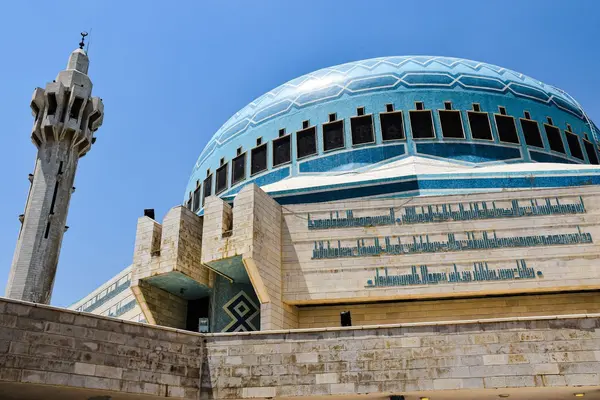
2. King Abdullah I Mosque
Jordan's largest mosque welcomes everyone inside. You learn about the basics of Islam, admire the stunning architecture, and taste local tea in the lounge area.
Quick facts: King Abdullah I Mosque's blue mosaic dome is 35 meters high and can accommodate 7,000 worshippers at a time. The mosque is one of the few mosques in Jordan that is also open to non-Muslims on guided tours.
Highlights: The dome's 24-carat gold decoration sparkles in the sunlight differently throughout the day, and in the evening, the blue lighting makes the whole building glow as if it had descended from the sky. On the walls of the mosque are the 99 names of Allah in beautiful Arabic calligraphy, and the guide is happy to tell the story of each name.
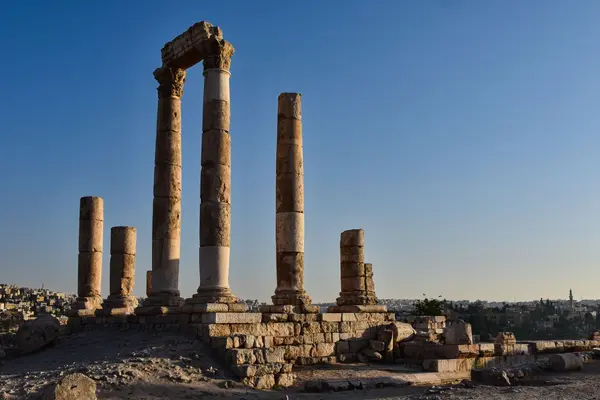
3. Amman Citadel Temple of Hercules
Here, thousands of years of history and a breathtaking cityscape merge. Climb the hill, admire the giant hand, and watch the lights of Amman at sunset.
Quick facts: A colossal marble fragment of an arm is one of the few remaining parts, weighing an estimated 30 tons. The temple was dedicated to Hercules and was built during the Roman period, when Amman was known as Philadelphia.
Highlights: On the outskirts of the temple, a massive stone finger is still visible, so large that a person standing beside it looks like a small toy. The site offers a stunning view of the entire city of Amman, and as the sun sets, the limestone ruins glow in a warm golden hue.
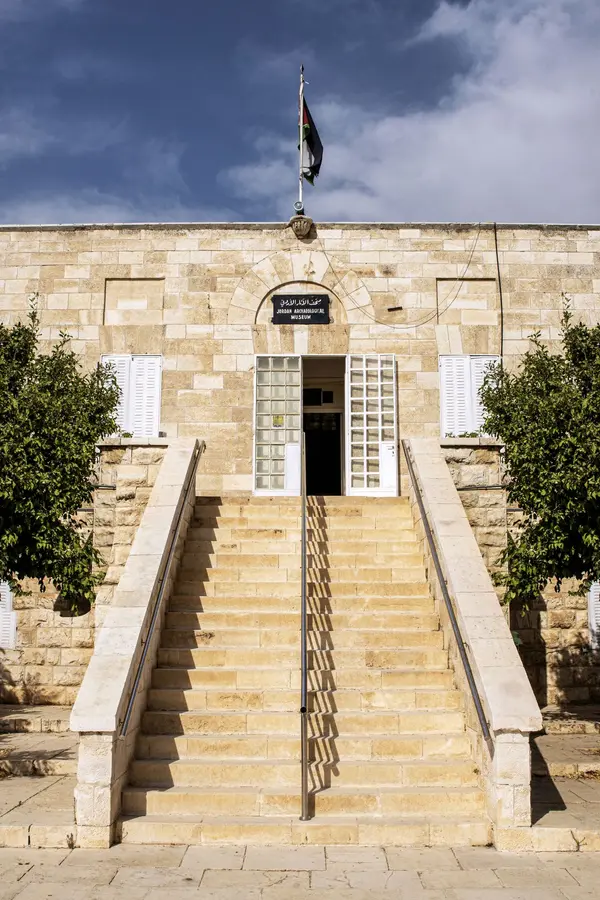
4. Jordan Museum
Step inside and a time travel 10,000 years back begins. You encounter ancient statues, the oldest bread in the world, and the famous Dead Sea Scrolls under the same roof.
Quick facts: Over 2 million archaeological artifacts tell the story of Jordan's 10,000-year history. The collection includes, among other things, the world's oldest bread, discovered in the Black Desert region and dating back 14,400 years.
Highlights: The most famous exhibits are the Dead Sea Scrolls, which contain the earliest known texts of the Old Testament. Standing before these 2,000-year-old parchments, one can come into direct contact with history, as the texts are written in Hebrew, Aramaic, and Greek.
5. Rainbow Street
Amman's heart beats here in the evenings. Walk, taste, and sit down on a terrace to watch the city's liveliest flow of people.
Quick facts: The street has over 50 cafes, restaurants, and art galleries, and it is the most popular evening walk destination for locals in Amman. It is also home to the city's oldest falafel stand, which has been selling crispy falafel balls for over 40 years.
Highlights: On Friday evenings, about twenty locals gather at the end of the street to spontaneously play an instrument called the oud, and anyone is welcome to join. This informal music session has been going on for over 15 years, and it perfectly captures the community spirit of the street.
6. Souk Jara
Friday's best reason to wake up early: an authentic local market that tourists haven't discovered yet. Wander between the stalls, taste fresh chestnuts, and take home a unique handmade souvenir.
Quick facts: On Fridays, markets are open selling the handicrafts of over 300 local artisans. Live music performances and fragrant grilled food stalls that fill the air attract visitors.
Highlights: The market is set up in the yard of an old hospital, and many of the stalls are former hospital rooms where the walls still have the original tiles. On Friday afternoons, local musicians gather on the central square to play the oud, and the atmosphere is like a big family celebration.
7. Royal Automobile Museum
The royal garages reveal the personal side of Jordan's rulers. You run your fingers over King Hussein's golden Rolls-Royce and smell living history instead of a car show.
Quick facts: The collection comprises over 80 rare vehicles, many of which were once owned by royalty. Among the cars are Hussein bin Talal's personal Rolls-Royce and Jordan's first car from 1916.
Highlights: In the museum's basement lies a secret garage where King Hussein himself worked on his restoration projects. A fragrant blend of old leather, oil, and metal fills the space, where you can see the marks his tools left on the workbench.
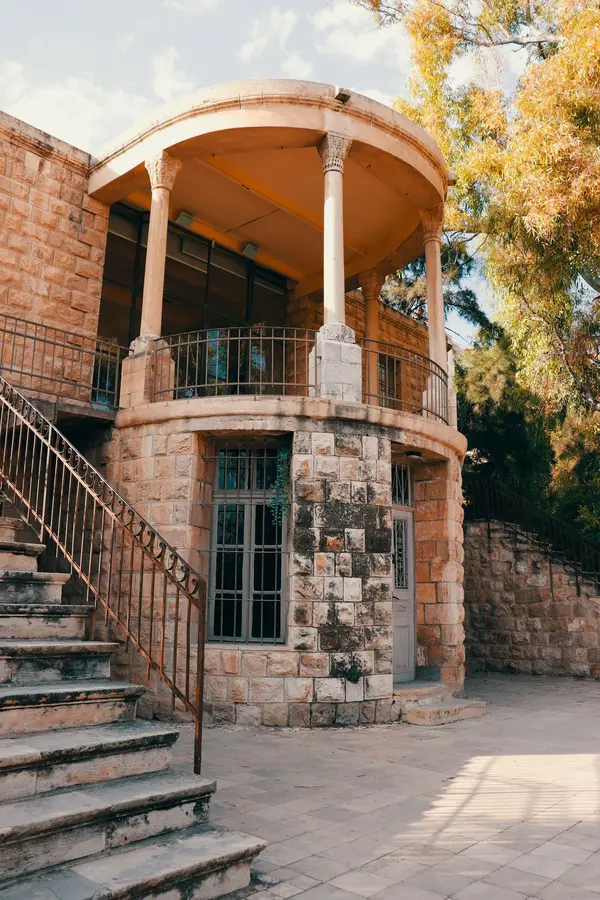
8. Darat al Funun
Here, history and contemporary art meet in five-star settings. Wander through the buildings, the sculpture garden, and the rooftop terrace, and admire Amman's old city from above.
Quick facts: Three historical houses from the early 20th century merge together, creating a fascinating architectural entity in the heart of Amman. The courtyard's citrus trees and cacti offer a cooling escape from the city's bustle, and inside the walls, rotating contemporary art exhibitions are on display.
Highlights: Part of the building is constructed around a 600-year-old olive tree, and its trunk rises in the middle of the gallery space under a glass ceiling. Artists have said that the tree's quiet presence changes the entire atmosphere of the space and makes the artworks look completely different than in a traditional white gallery.
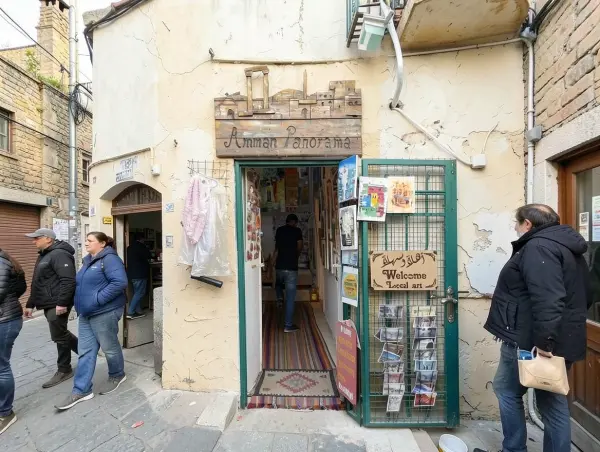
9. Amman Panorama Art Gallery
Step into the heart of Amman in the 1950s in one place. You spin around on the observation deck and see the city come to life in a massive panoramic artwork.
Quick facts: The gallery's 360-degree panoramic mural offers a glimpse into life in Amman in the 1950s, and the artwork was painted by over 30 artists. The viewing platform in the middle of the gallery allows for a tour where every detail tells its own story of the city's everyday life and history.
Highlights: In the middle of the gallery is a circular viewing platform where you can see the entire 360-degree painting at a glance. The painting contains over 200 small figures and details, some of which conceal real historical figures from times past.
Where to Stay in Amman, Jordan
Selected by City Buddy based on guest reviews and proximity to top attractions
Search all hotels in Amman, JordanPowered by agoda
Opening days in Amman, Jordan
Which of the top sights close on which day of the week — the classic trip-ruiner, checked for you.
Tuesday: 4 of 7 top sights closed — plan museums for another day.
Closed on Tuesday · 4 closed, 3 open
Opening days from Google Maps (checked 2026-06-13). Public holidays, strikes and seasonal hours can differ — check the official website before you go.
Traditional Sweet Dishes
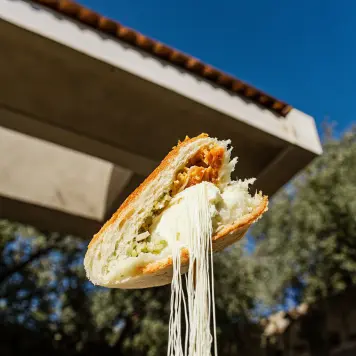
Knafeh (or Kunafa)
Knafeh is a beloved cheese pastry soaked in sweet syrup, and it is famously served in Amman with a vibrant orange food coloring on top. It is often enjoyed warm and pulled apart to reveal its gooey, stretchy cheese center.

Baklava
Baklava is made of layers of delicate phyllo dough filled with chopped nuts and sweetened with honey or syrup. In Amman, it is commonly flavored with rose water or orange blossom water for a distinct aromatic touch.
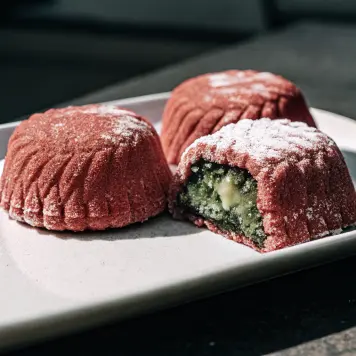
Maamoul
Maamoul are shortbread cookies filled with dates, pistachios, or walnuts and dusted with powdered sugar. They are traditionally made for Easter and Eid celebrations, with each filling having a different shape to distinguish them.
Traditional Savory Dishes
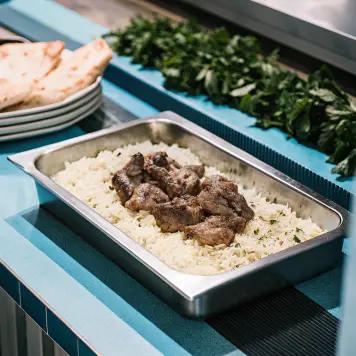
Mansaf
Mansaf is the national dish of Jordan, made of tender lamb cooked in fermented dried yogurt called jameed and served over a bed of rice and flatbread. It is traditionally eaten by hand from a large communal platter as a symbol of hospitality.
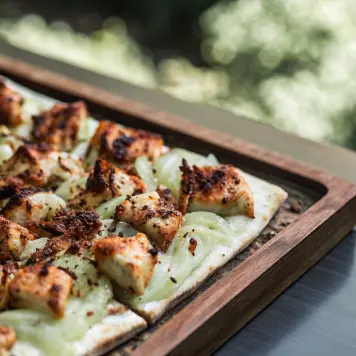
Musakhan
Musakhan features roasted chicken, caramelized onions, and sumac spread over thin taboon bread, baked until crispy. It is a Palestinian and Jordanian favorite, often served during olive harvest season when sumac is freshest.

Maqluba
Maqluba translates to "upside down" in Arabic, as the pot of rice, meat, and fried vegetables is flipped onto a large tray before serving. It is a stunning layered dish that often includes eggplant, cauliflower, and either chicken or lamb.
Traditional Beverages

Arabic Coffee (Qahwa)
Arabic coffee is a lightly roasted brew flavored with cardamom and sometimes saffron, served in small cups called finjan. It is a deep symbol of Jordanian hospitality, and refusing a cup can be considered impolite.

Lemon and Mint (Limonana)
Limonana is a refreshing blend of fresh lemon juice, mint leaves, and sugar served over ice, popular in Amman's hot climate. Street vendors and cafes across the city serve it as a cooling, non-alcoholic staple.

Jallab
Jallab is a sweet syrup made from dates, grape molasses, and rose water, mixed with cold water and ice. It is often topped with pine nuts and raisins, making it a festive and iconic drink during Ramadan in Amman.
Frequently Asked Questions about Amman, Jordan
Is Amman, Jordan a safe travel destination?
How many days should you spend in Amman?
What is the best time to visit Amman?
Is Amman, Jordan an expensive travel destination?
How do you get around in Amman?
Get a PDF with the most popular attractions sent to your email
Get a PDF with all attractions, ratings, and tips. Perfect for offline use.
Most popular day trips
Jerash
Home to remarkably well-preserved Roman ruins including Hadrian's Arch
Dead Sea
The lowest point on Earth, famous for hyper-saline waters and mud baths
Wadi Rum
Stunning desert valley with dramatic sandstone mountains and canyons
Getting there
Airports
Train stations
Hijaz Railway (limited passenger service, mostly heritage)
From Queen Alia Airport, take a taxi (30-45 min) or use the Sariya Airport Express bus to Abdali or North Bus Station.
Useful information for Amman, Jordan
Overview for Amman, Jordan
Want a day-by-day plan for Amman, Jordan? Open the trip planner
Plan your perfect trip to Amman, Jordan
Get a complete travel plan built just for you in under 30 seconds, with daily routes, local food tips, budget estimates and more.
Are any of these especially important to you?
Select all that apply
Getting around
How do you want to move between places?
Plan language: English