 CityBuddy
 English
Things to Do in Vilnius, Lithuania
Photo made by Mantas Sinkevičius on Pexels.com
When to visit
Most popular attractions in Vilnius, Lithuania
Things to do in Vilnius, Lithuania include exploring the winding streets of Vilnius Old Town, a UNESCO World Heritage site covering 3.6 square kilometers. Climb the 48-meter Gediminas' Tower for panoramic city views. Visit Vilnius Cathedral and Cathedral Square, home to the stunning Cathedral Basilica of St Stanislaus and St Ladislaus, rich in history and architecture.
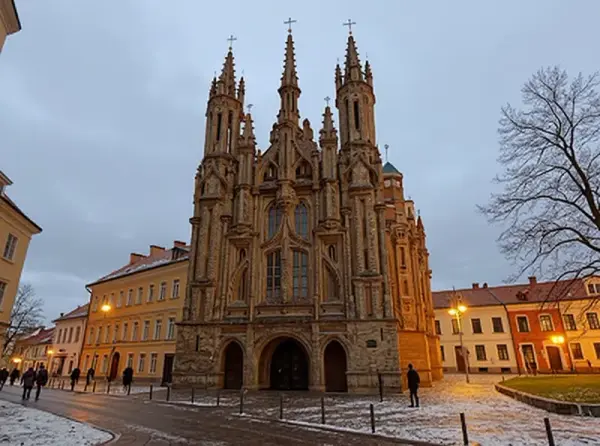
1. Vilnius Old Town (Senamiestis)
Senamiestis
Medieval lanes and Baroque spires packed into a compact, walkable center. Wander cobbled streets, cozy cafes, ornate churches, and enjoy castle views.
Quick facts: Morning light spills over winding cobblestone streets, ornate church towers punctuate the skyline and tucked-away courtyards invite lingering café stops. You can drift past hundreds of protected historic buildings, flipping from Gothic facades to Baroque ornamentation in minutes while street musicians and colorful murals animate the alleys.
Highlights: A compact cobbled quarter hides a red-brick Gothic church that Napoleon allegedly admired so much during his 1812 march that he joked about carrying it back to Paris in his pocket, its fiery terracotta facade glowing in the evening sun. Every spring dozens of worshippers press their faces to a brass grille in a tiny chapel to whisper wishes and leave beeswax candles, the wax melting into honey-gold puddles that smell faintly of pine and smoke.
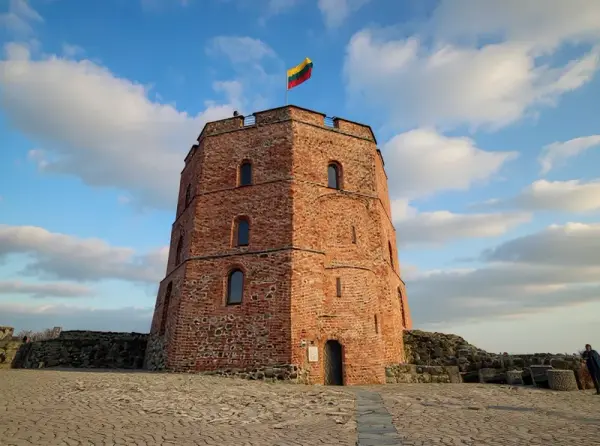
2. Gediminas' Tower (Gedimino pilies bokštas)
Gedimino pilies bokštas
Panoramic views over Vilnius Old Town and the Neris River make the tower worth the climb. Expect short museum exhibits, a historic bell and excellent skyline photos.
Quick facts: Climb the steep path and you'll be rewarded with a panoramic sweep of red roofs and winding streets, a perfect spot for sunset photos. A squat brick tower crowns the hill, where small museum displays and a dramatic flag give a tactile sense of the nation's past.
Highlights: Climb the steep cobbled lane to a squat brick tower where cannonball pockmarks still pucker the outer wall, and the air up there tastes faintly of tar and old smoke when the wind comes from the river. A local tradition has passersby rubbing a particular worn stone in the stairwell for luck before stepping onto the battlements, and on national holidays the tricolor is hoisted at sunrise while crowds press close to the railing to catch the first light and the bell's low peal.
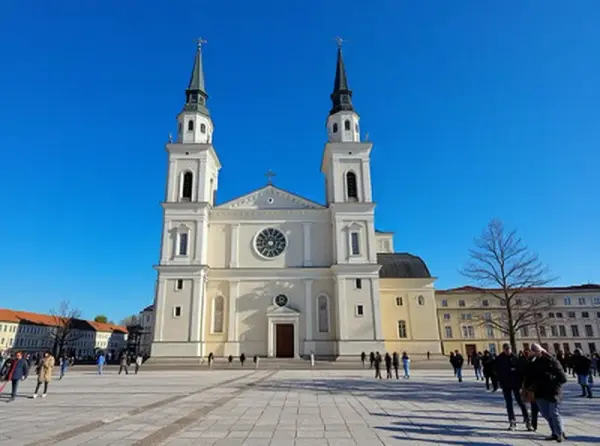
3. Vilnius Cathedral & Cathedral Square (Cathedral Basilica of St Stanislaus and St Ladislaus)
Cathedral Basilica of St Stanislaus and St Ladislaus
An iconic heart of Vilnius where history and national ceremonies converge. Experience grand neoclassical architecture, crypts and lively Cathedral Square events.
Quick facts: A hush falls over the open stone square as footsteps echo beneath classical columns, candlelight and winter air sharpening every carved detail. Curious visitors can descend into the crypts to glimpse layered histories: archaeologists have found pagan altars and medieval tomb fragments beneath the main floor.
Highlights: Wandering the square at dusk you can smell roasting chestnuts from seasonal stalls while the separate white bell tower, perched on a medieval mound, tolls a deep bronze tone that locals say marked grand weddings and somber funerals for more than 300 years. Beneath the floor of the basilica archaeologists have exposed stone foundations and pagan altars over 1,000 years old alongside 18th century tombs, so you can lean over a glass partition and watch conservators dust centuries-old coins and bone fragments as if paging through a layered history book.
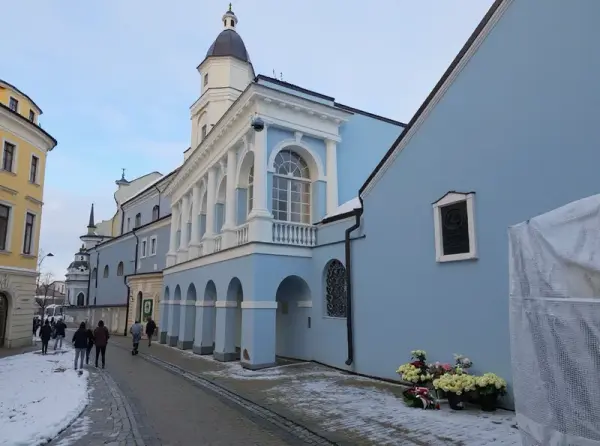
4. Gates of Dawn (Aušros Vartai)
Aušros Vartai
Gateway to Vilnius' spiritual heart with centuries of history. Admire the revered Virgin Mary painting, listen to quiet prayer and climb for old-town views.
Quick facts: Step through the narrow, weathered arch and you’ll find a tiny chapel where a revered icon draws steady streams of worshippers, votive candles and whispered prayers creating a hushed, intimate atmosphere. Soft, soot-darkened paint and dim light make the icon’s gold and pigments glow with surprising warmth, and many locals still pause at the gate to cross themselves or tuck written hopes into the masonry.
Highlights: Tucked inside the only surviving 16th-century city gate, a dim candlelit chapel holds a 17th-century icon of the Virgin Mary behind an ornate iron grille, where pilgrims quietly press their foreheads to the bars and whisper prayers in Polish, Lithuanian, and Belarusian. A quirky local habit sees people slipping tiny folded notes, rosary beads, or a coin into the grille and then stepping back to watch dozens of votive candles flicker like a private constellation until dawn.
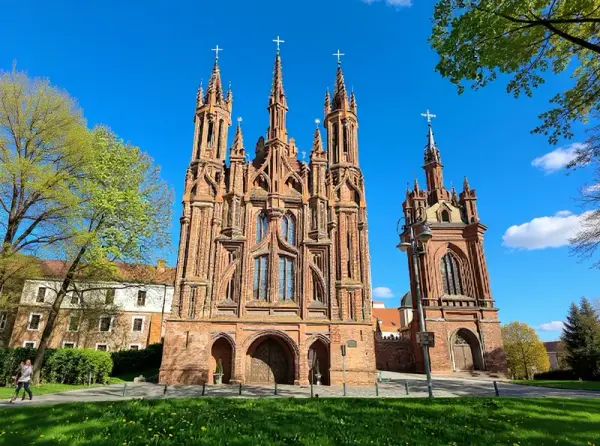
5. St. Anne's Church (Šv. Onos bažnyčia)
Šv. Onos bažnyčia
Spectacular Gothic brickwork that defined Vilnius's skyline for centuries. Admire the intricate red-brick façade and a serene medieval interior.
Quick facts: Step close to the façade and you’ll see lace-like brickwork that casts filigree shadows, making stone look almost like fabric under sunlight. Local lore has it that a famously impressed emperor wished he could tuck the whole chapel into his pocket, and visitors often remark on the oddly intimate scale and soaring Gothic profile.
Highlights: Legend has it that in 1812 Napoleon admired the delicate red-brick façade so much he joked he could carry the whole building to Paris in the palm of his hand, a line that still appears on local plaques. Built around 1500 in flamboyant Gothic style, the lace-like terracotta façade catches late-afternoon light like honey, and during evening services the air fills with a warm mix of baked clay and beeswax from dozens of burning candles.
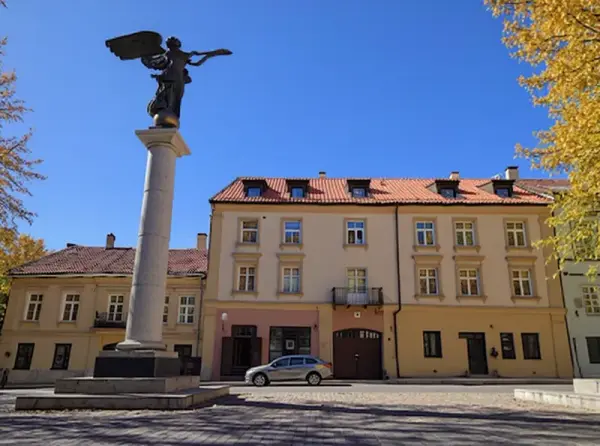
6. Užupis Republic & Angel of Užupis
Quirky self-declared republic blending art, history and bohemian life. Wander cobbled lanes, read the Užupis Constitution plaques, and photograph the Angel of Užupis statue.
Quick facts: Narrow cobblestone streets, colorful murals and a quirky constitution of 41 short articles make the neighborhood feel like a wink at serious city life, where locals celebrate art, free thinking and small eccentricities. A gilded winged sculpture stands over a tiny square, catching golden light at sunset and serving as an unofficial emblem for the area's playful spirit and lively street performances.
Highlights: A tiny bohemian neighborhood famously declared itself a republic on April 1, 1997, and nails a 41-article constitution to a wall in over 20 languages, including English and Belarusian, with lines like "Everyone has the right to be unique" that locals recite during the annual celebration. Perched above a low bridge a gilded-winged angel blows a trumpet toward the river, its bronze gleaming in the spring sun while locals habitually touch the trumpet for luck and the air fills with the smell of strong coffee and the clack of bicycle chains.
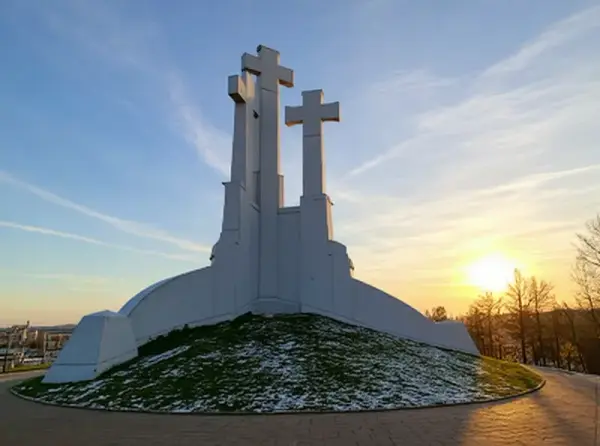
7. Three Crosses (Trys kryžiai)
Trys kryžiai
Dramatic hilltop memorial with stark white crosses and sweeping views over Vilnius Old Town. Walk the path to the crosses, photograph skyline panoramas and feel the solemn atmosphere.
Quick facts: A stark white silhouette crowns the hill, giving sweeping views that draw people at sunset to watch the city glow. Whispered legends about sacrifice and resilience lend a solemn hush, while wind through the grass makes the place feel surprisingly alive.
Highlights: On All Saints' Day people from across the city climb the hill to place votive candles at the foot of the three crosses, the hundreds of tiny flames bleeding into the mist like a slow, glowing constellation. From the viewpoint the three stark silhouettes slice the skyline, and at sunrise their pale faces flash warm gold for a few minutes while the air fills with wet grass and frying coffee from the streets below.
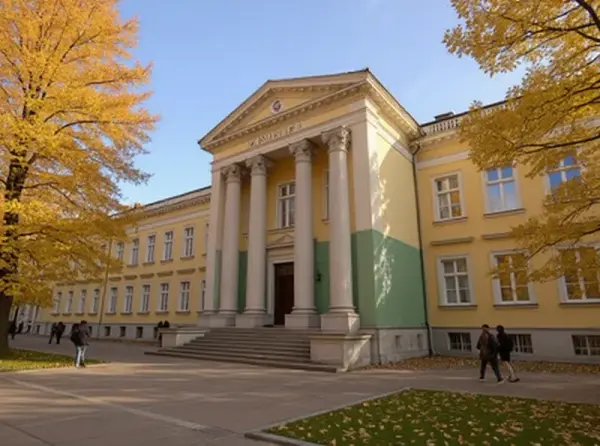
8. Museum of Occupations and Freedom Fights (KGB Museum)
KGB Museum
Learn how Soviet occupation shaped modern Lithuania. Descend into original KGB offices and prison cells, read documents and survivor testimony.
Quick facts: Stepping into dim, windowless cells and narrow corridors makes the past feel viscerally close, with whispers of interrogation transcripts echoing from recorded testimonies. Unexpectedly intimate displays of personal letters, hidden photographs, and confiscated objects show how ordinary people organized quiet resistance, turning private risk into collective memory.
Highlights: Descend a narrow concrete stair and you hit a row of original iron-cell doors, each lit by a single bare bulb that throws cold yellow light and leaves the air tasting faintly of metal and damp plaster. A battered ledger behind glass lists more than 30,000 names and dates, and visitors often press their palms to the glass in quiet, a small unofficial act of remembrance that many observe on national remembrance days.
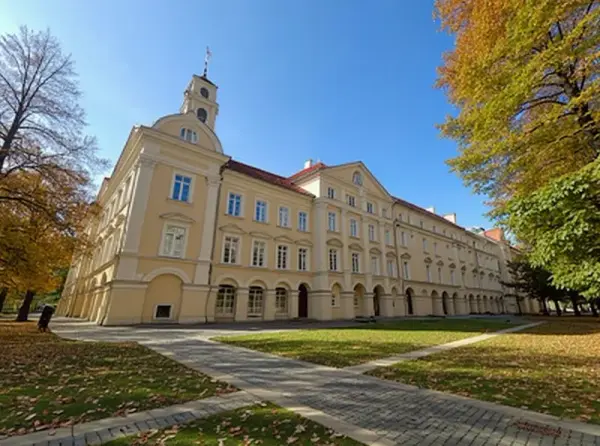
9. Vilnius University (historic campus)
historic campus
Centuries of scholarship in atmospheric Baroque courtyards and ornate lecture halls. Wander cloisters, climb the bell tower for city views and explore the university museum.
Quick facts: Sunlit courtyards smell faintly of old paper and wax polish, while shafts of light through arched windows make frescoes and carved staircases glow as you wander. A tucked-away observatory still contains antique instruments, and quiet cloisters hide intricate plasterwork and unexpected viewpoints that reward slow exploration.
Highlights: Founded in 1579, the campus's maze of baroque courtyards and cloisters feels like stepping into a living history painting, with cobblestones that echo footsteps and a library hall where gilt frescoes glow above rows of leather-bound books and the warm dust of old paper. Climb up to the 18th-century observatory established in 1753 by Tomasz Zebrowski, where a small brass telescope still points over the red tile rooftops and students whisper that the tower tallies more chimney pots than stars.
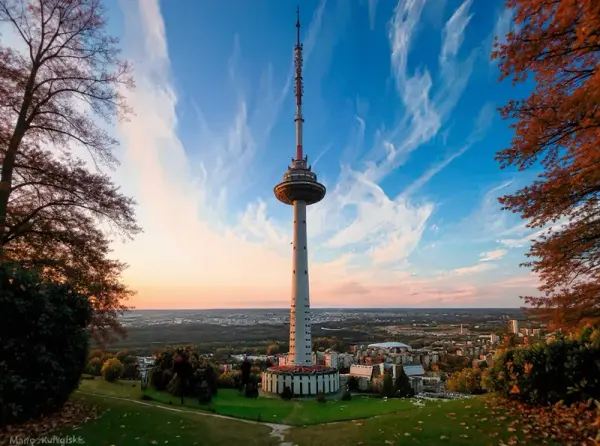
10. Vilnius TV Tower (Vilniaus televizijos bokštas)
Vilniaus televizijos bokštas
Iconic 326-meter tower with sweeping views of Vilnius and surrounding forests. Take the lift to the observation deck and explore the museum that tells the tower's modern history.
Quick facts: A needle of steel and concrete reaching 326.5 meters punctures the skyline, with an observation platform and a revolving restaurant offering sweeping 360-degree views. Visitors encounter memorials and exhibits honoring civilians who defended the broadcasting center during the January 1991 Soviet assault, giving the site a striking mix of panoramic fun and sober historical significance.
Highlights: At 326.5 meters tall, the concrete spire contains a revolving café and observation deck around 165 meters, where the floor turns so slowly that an hour-long visit lets you watch the entire skyline drift while you sip hot coffee and feel a gentle vibration through the metal railings. Every January 13, people assemble to light 14 candles at the small memorial by the tower, the flickering lights and the echo of distant voices cutting through the cold, snowy air as a quiet tribute to those killed in the 1991 struggle for independence.
11. Museum of Applied Arts
Five centuries of craftsmanship under one roof, from folk textiles to royal silver. Wander rooms where every teapot, chandelier, and armchair tells a story of Baltic ingenuity.
Quick facts: Over 45,000 artifacts spanning five centuries fill the halls, from ornate Lithuanian ceramics to intricate Baltic silverwork. The permanent collection rotates seasonally, so no two visits show the same objects in the same arrangement.
Highlights: The building itself is a work of applied art, with a grand staircase crowned by a stained-glass skylight that casts kaleidoscopic color across the lobby every afternoon. Look closely at the ironwork railings, each baluster was hand-forged with a different botanical motif, a detail most visitors walk right past.
Where to Stay in Vilnius, Lithuania
Selected by City Buddy based on guest reviews and proximity to top attractions
Search all hotels in Vilnius, LithuaniaPowered by agoda
Opening days in Vilnius, Lithuania
Which of the top sights close on which day of the week — the classic trip-ruiner, checked for you.
Monday: 2 of 10 top sights closed — plan museums for another day.
Closed on Monday · 2 closed, 8 open
Opening days from Google Maps (checked 2026-09-30). Public holidays, strikes and seasonal hours can differ — check the official website before you go.
Traditional Sweet Dishes
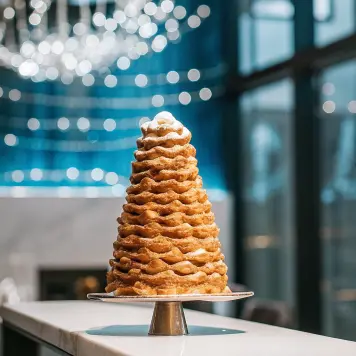
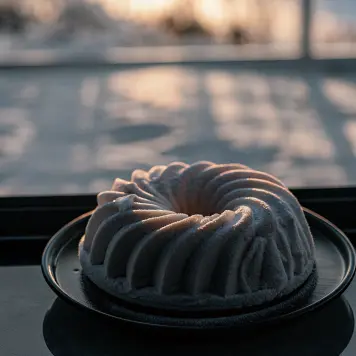
Šakotis
Šakotis is baked on a rotating spit by pouring batter in layers, which forms dramatic tree-like spines that symbolize family growth. It can take hours to prepare and tall Šakotis are treasured at weddings and big celebrations.
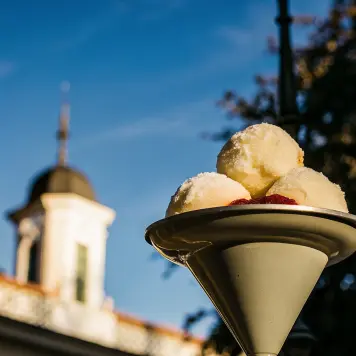
Tinginys
Tinginys, which means "lazy", is a no-bake chocolate biscuit cake made by combining crushed cookies, cocoa, and sweetened condensed milk, and it became beloved for its simplicity when ovens or ingredients were scarce.
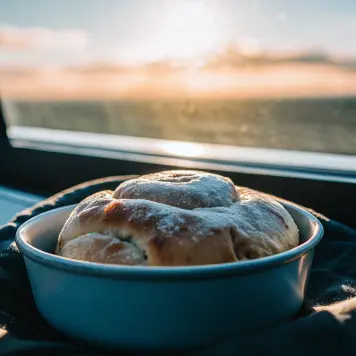
Kūčiukai
Kūčiukai are tiny, slightly sweet baked dough balls served with poppy seed milk on Christmas Eve, and they are steeped in tradition as symbols of fertility and abundance.
Traditional Savory Dishes

Cepelinai
Cepelinai are large potato dumplings shaped like zeppelins and stuffed with meat or curd, they demand hours of grating and careful shaping and are considered Lithuania's national comfort food.
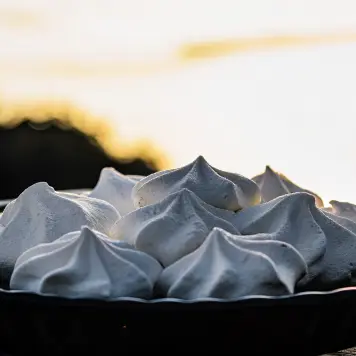
Koldūnai
Koldūnai are small filled dumplings that can be served in clear broth or with sour cream and fried bits, and every family has its favorite filling that reveals regional tastes.
Skilandis
Skilandis is a rustic smoked and air-dried pork sausage traditionally cured in a pig's stomach or bladder, and its slow smoking gives it a deep, savory flavor that helped sustain people through harsh winters.
Traditional Beverages

Krupnikas
Krupnikas is a honey-spiced liqueur made by infusing spirits with honey and aromatic spices, it is often aged for months and every household keeps its secret spice mix.
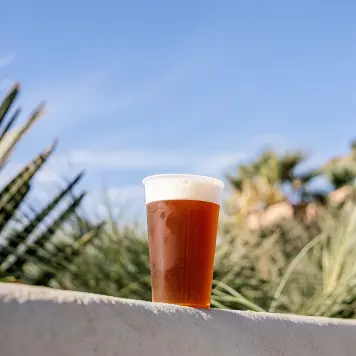
Gira
Gira is a lightly fermented rye bread drink, low in alcohol and fizzy, and its tangy malt flavor has been a homemade summer refresher in Lithuanian homes for centuries.
Know before you go
What a day costs in Vilnius, and the rip-offs to avoid
Top rip-offs to avoid
- Unlicensed airport drivers. Walk to the official taxi rank outside or book through Bolt or Uber in the app. Confirm the fare is metered or app-fixed before getting in.
- Poor-rate exchange booths. Pay by card or withdraw from a bank-attached ATM. If you must exchange cash, compare rates at several banks first.
- Friendly stranger overcharge. Decline invitations from people who approach you on the street. Choose venues yourself and confirm prices before entering.
Fair taxi from the airport: €15 - €20
Cheaper option: Bus 1 or 2 from the airport to the city centre (€1)
All scams, fair prices and rulesFrequently Asked Questions about Vilnius, Lithuania
Is Vilnius, Lithuania safe for travelers?
How many days should I spend in Vilnius, Lithuania?
What is the best time to visit Vilnius, Lithuania?
Is Vilnius, Lithuania expensive for travelers?
How to get around Vilnius, Lithuania?
Get a PDF with the most popular attractions sent to your email
Get a PDF with all attractions, ratings, and tips. Perfect for offline use.
Most popular day trips
Trakai
Famous island castle set on picturesque lakes.
Kaunas
Lithuania’s 2nd city with a lively Old Town and museums.
Kernavė
UNESCO archaeological site with hillforts and views.
Anykščiai
Forest trails, Treetop Walking Path and cultural sites.
Druskininkai
Spa town with parks, wellness centres and galleries.
Getting there
Train stations
Main domestic lines to Kaunas, Šiauliai; limited international services
Major intercity hub with frequent Vilnius connections
From Vilnius Airport take bus 88 (~15–20 min) or a taxi to the city centre.
Useful information for Vilnius, Lithuania
Overview for Vilnius, Lithuania
Compare Vilnius with other destinations
Prices, safety, weather and top attractions side by side, with a verdict for every kind of traveler.
Want a day-by-day plan for Vilnius, Lithuania? Open the trip planner
Plan your perfect trip to Vilnius, Lithuania
Get a complete travel plan built just for you in under 30 seconds, with daily routes, local food tips, budget estimates and more.
Are any of these especially important to you?
Select all that apply
Getting around
How do you want to move between places?
Plan language: English